Top 5 Natural Monuments in Cremona
Natural monuments in Cremona offer diverse opportunities to connect with nature, from riverine parks to tranquil lakes and ancient woodlands. The region, known for its flat plains and the Po River, features green spaces that provide habitats for various flora and fauna. These areas serve as important natural filters and recreational zones, contributing to the environmental beauty of the Cremonese landscape.
Best natural monuments in Cremona
- The most popular natural monuments is Sanctuary of Our Lady of the Fountains,…
Last updated: May 14, 2026
Sanctuary of Our Lady of the Fountains
Highlight • Religious Site
Translated by Google •
Tip by

Reflection Lake in Ricengo
Highlight • Lake
Translated by Google •
Tip by

Sign up now to discover places like this
Get recommendations on the best single tracks, peaks, & plenty of other exciting outdoor places.
Sign up for free
The Dragonfly Garden
Highlight • Rest Area
Translated by Google •
Tip by

Fontanile Quarantina
Highlight • River
Translated by Google •
Tip by
Ca' Rossa Oasis and the Ca' de' Gatti Bodrio
Highlight • Natural Monument
Translated by Google •
Tip by

Spring with Fallen Tree
Highlight • River
Dirt stretch recommended for mountain bikes and gravel bikes (for the latter, pay attention to the cobblestone and gravel sections).
Translated by Google •
Tip by

Fontanile Favallo
Highlight • River
Translated by Google •
Tip by

Fontanile dei Nobili
Highlight • Natural
It is complicated to reach because at one point the vegetation is really thick (last stretch on foot)
Translated by Google •
Tip by
Start today with a free account
Your next adventure awaits.
Login or Signup
Popular around Cremona
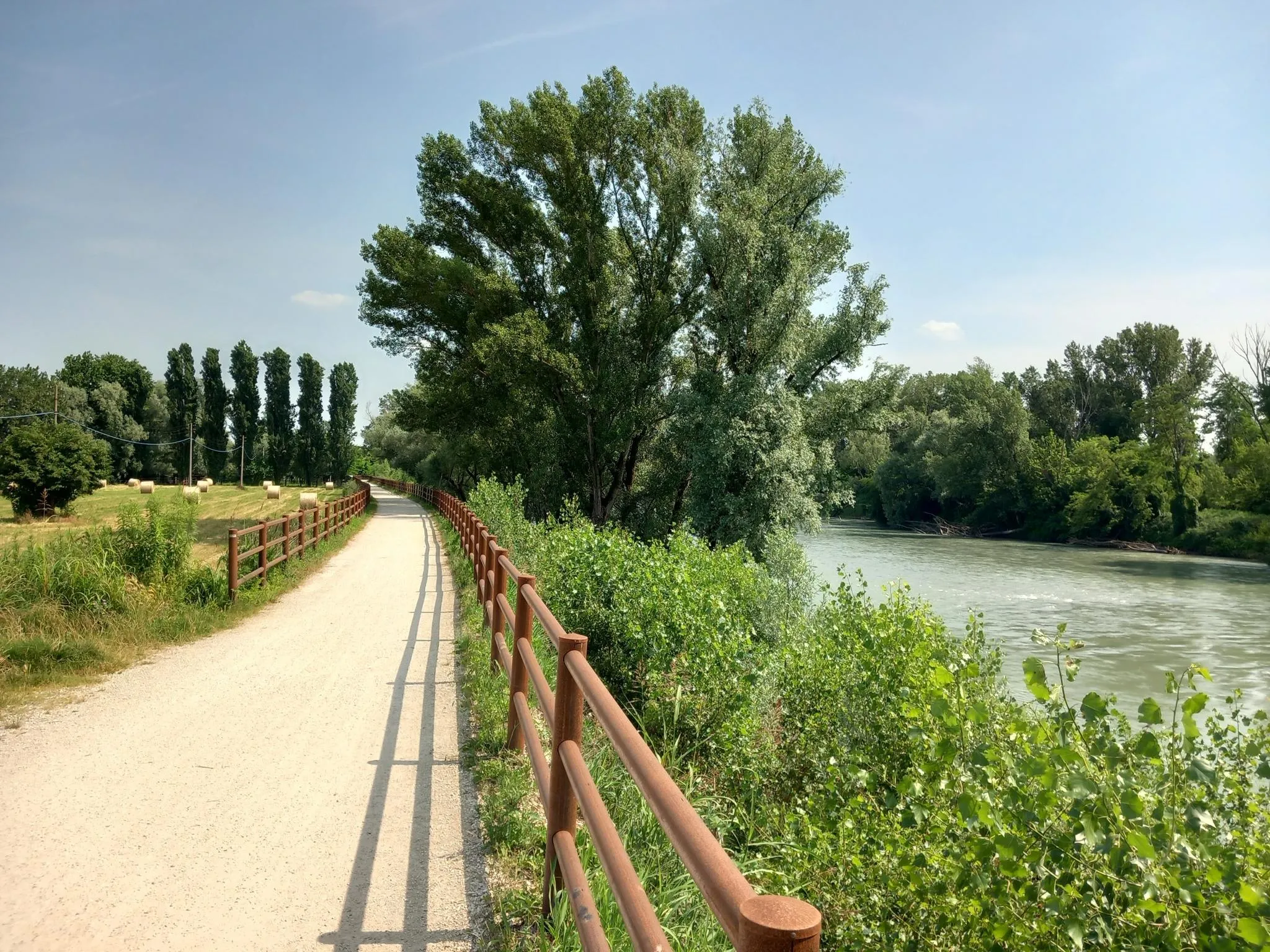
Via Postumia – Hike between the Tyrrhenian and Adriatic seas
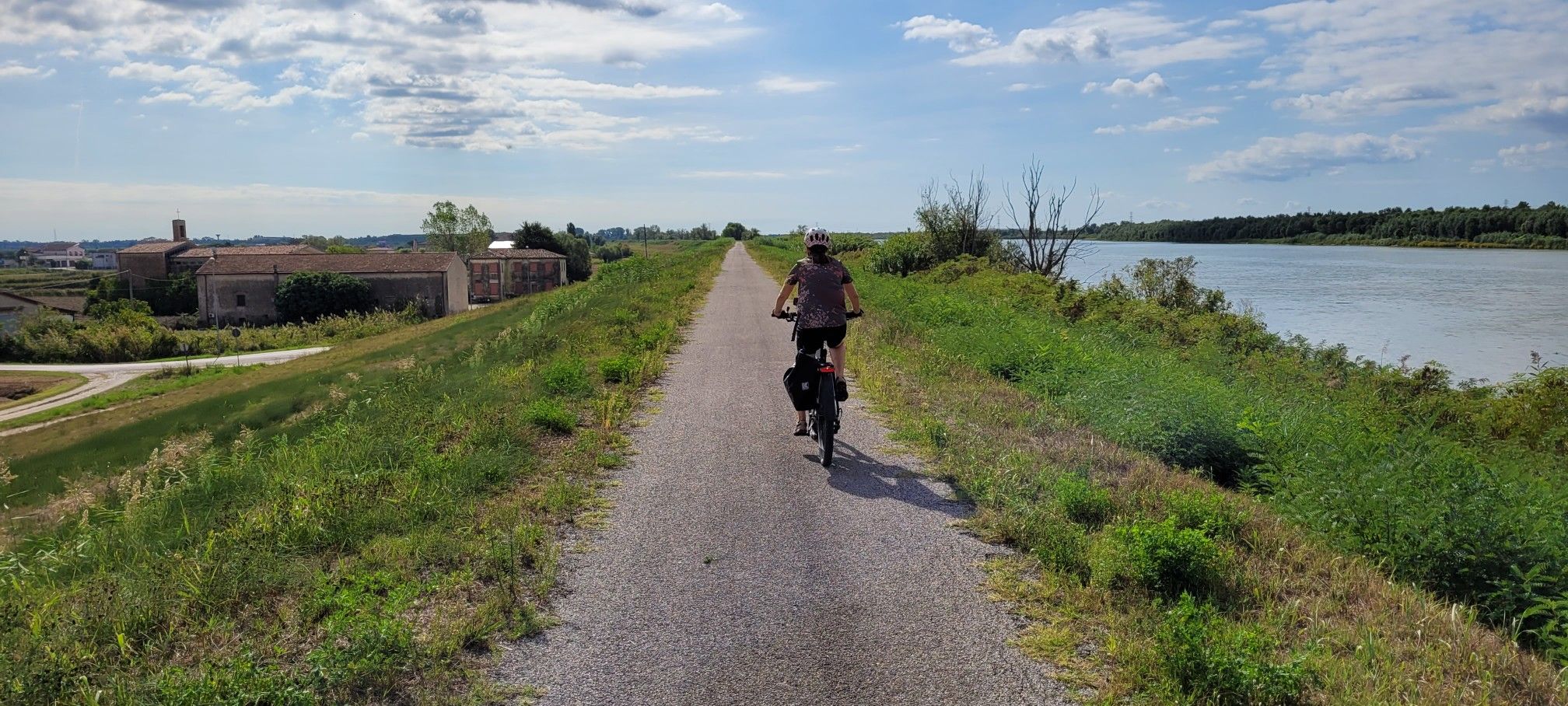
Ciclovie del Po — An all-round experience along Italy's longest river
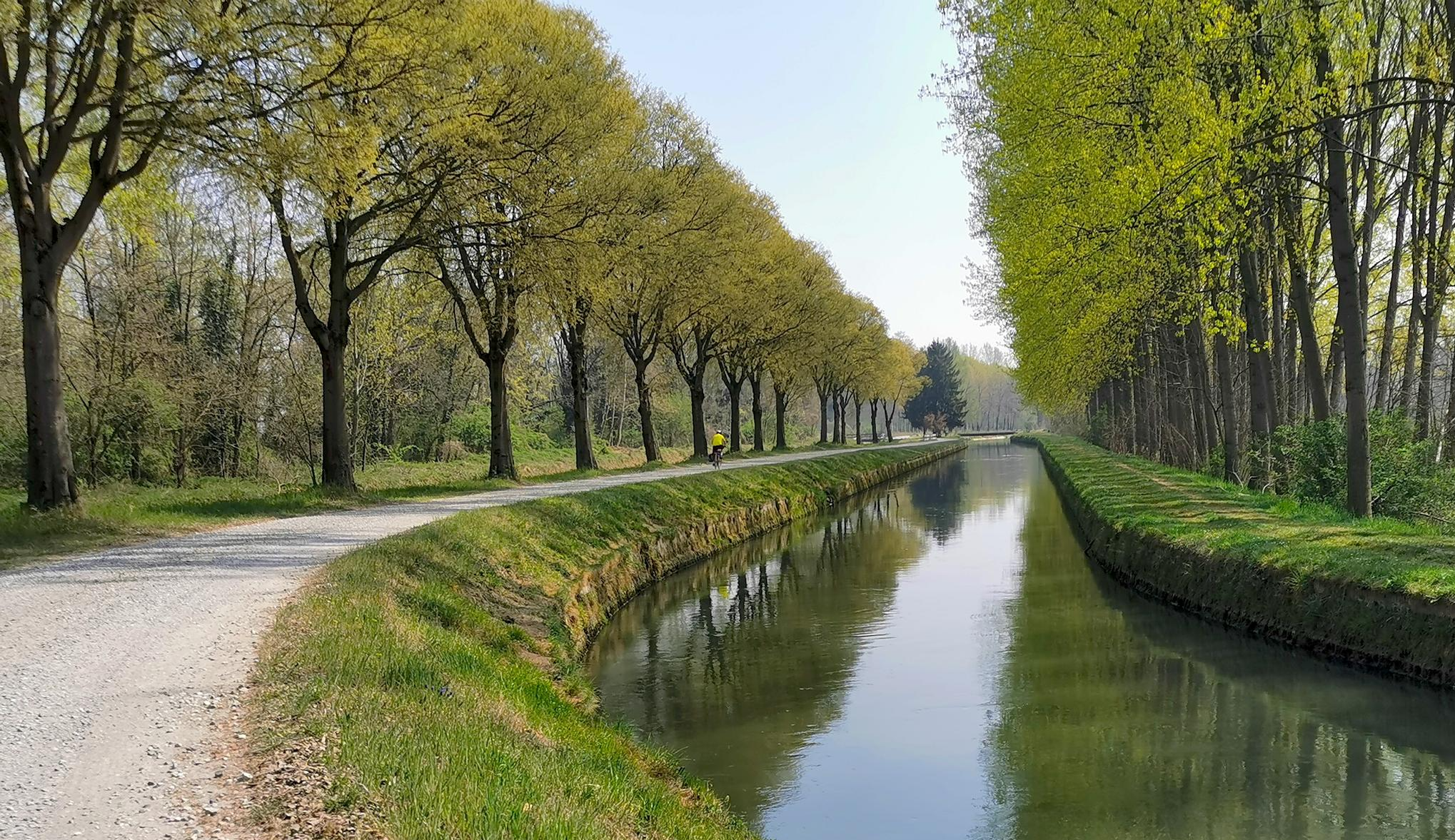
Infinito Viaggiare – Cremona’s double cycle touring ring
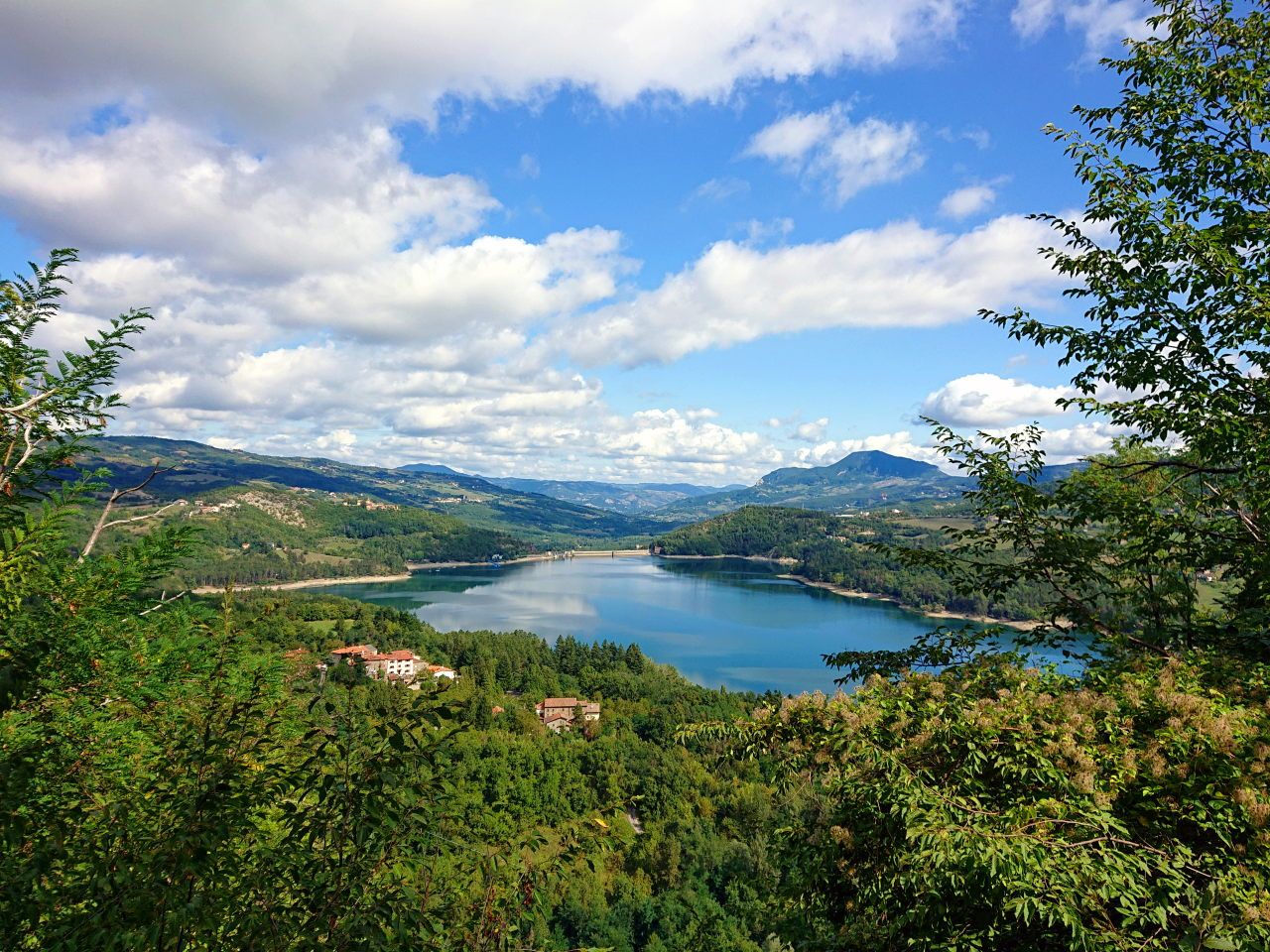
Interiora - A Journey into the Remote Areas of Italy
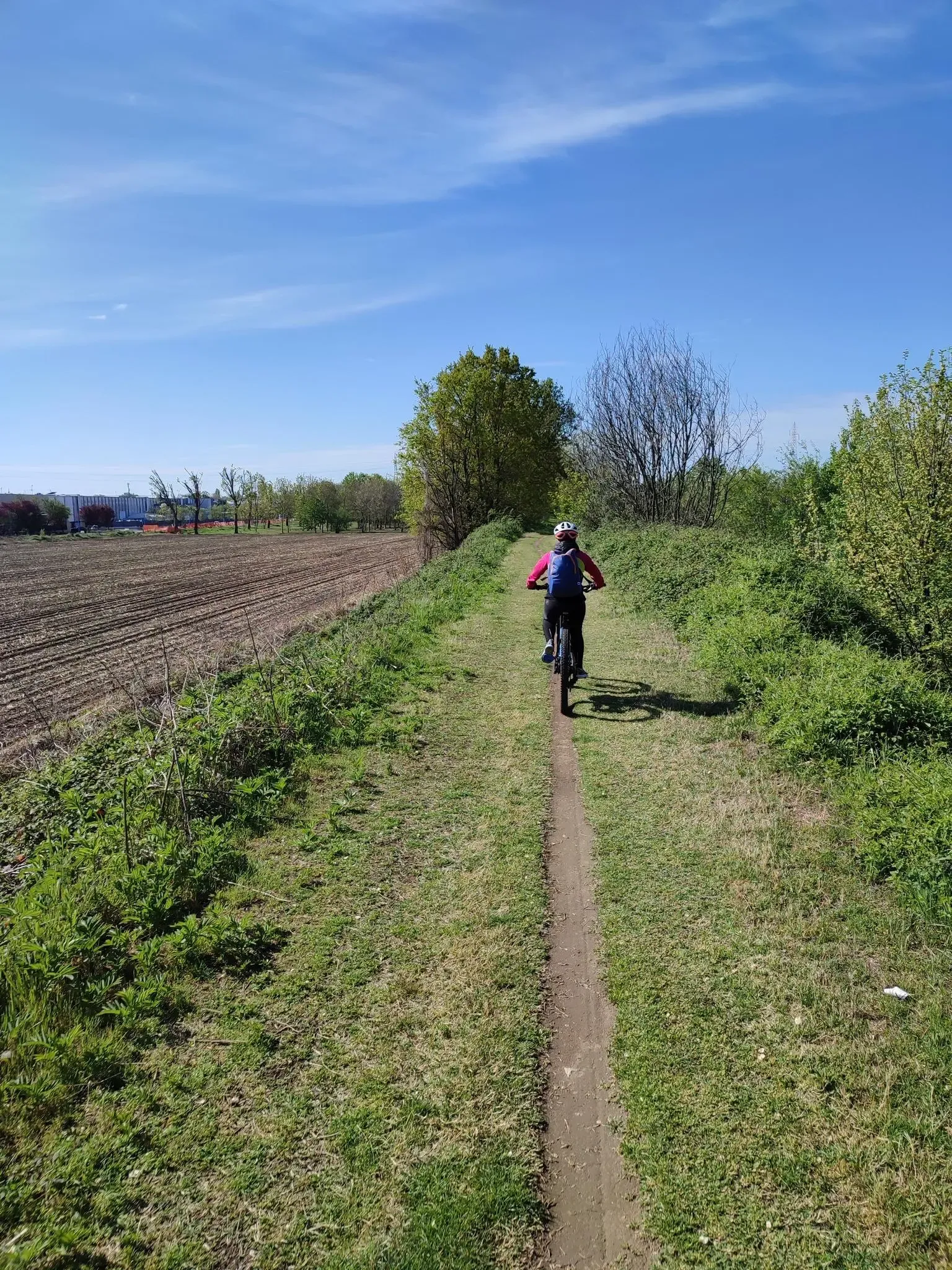
Dance between the rivers - cycling route from Brescia to Parma
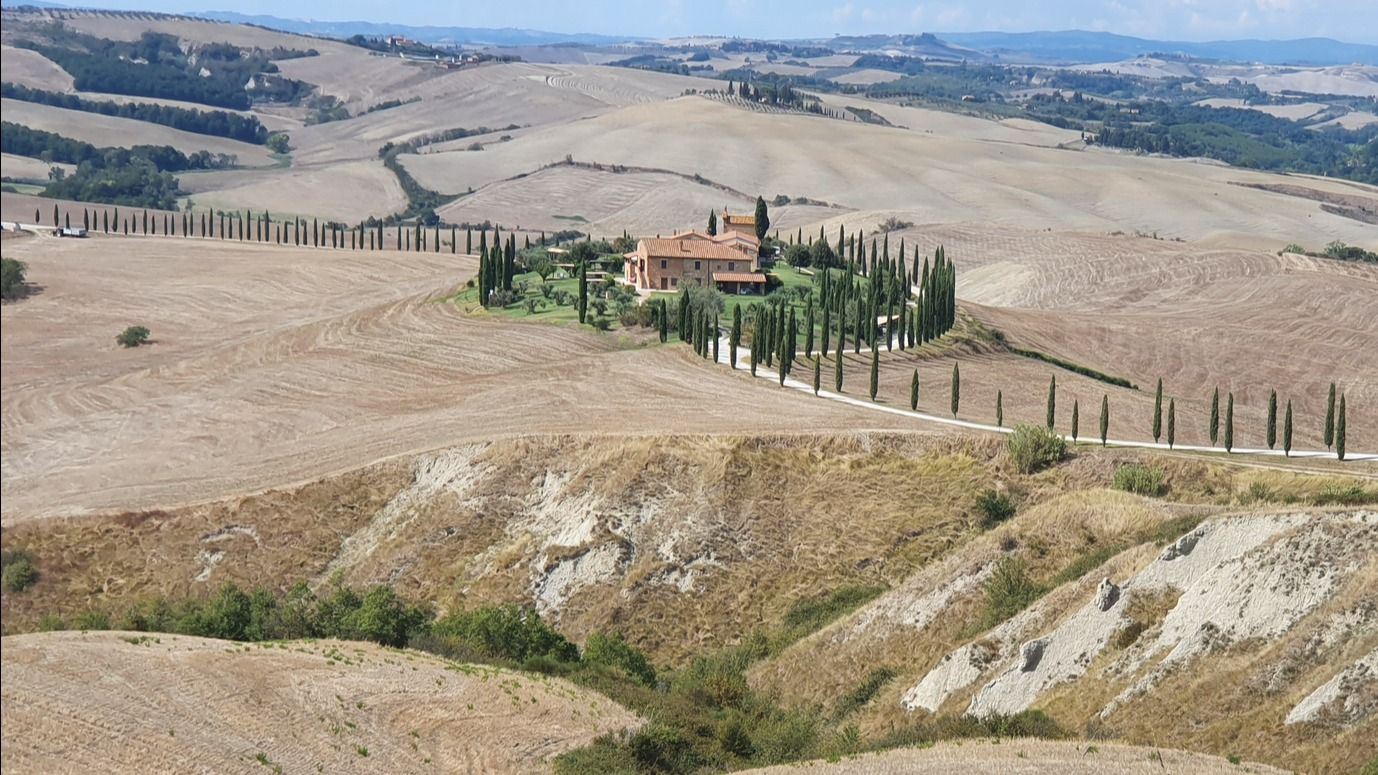
A Grand Tour of Italy – Rome to Milan by bike
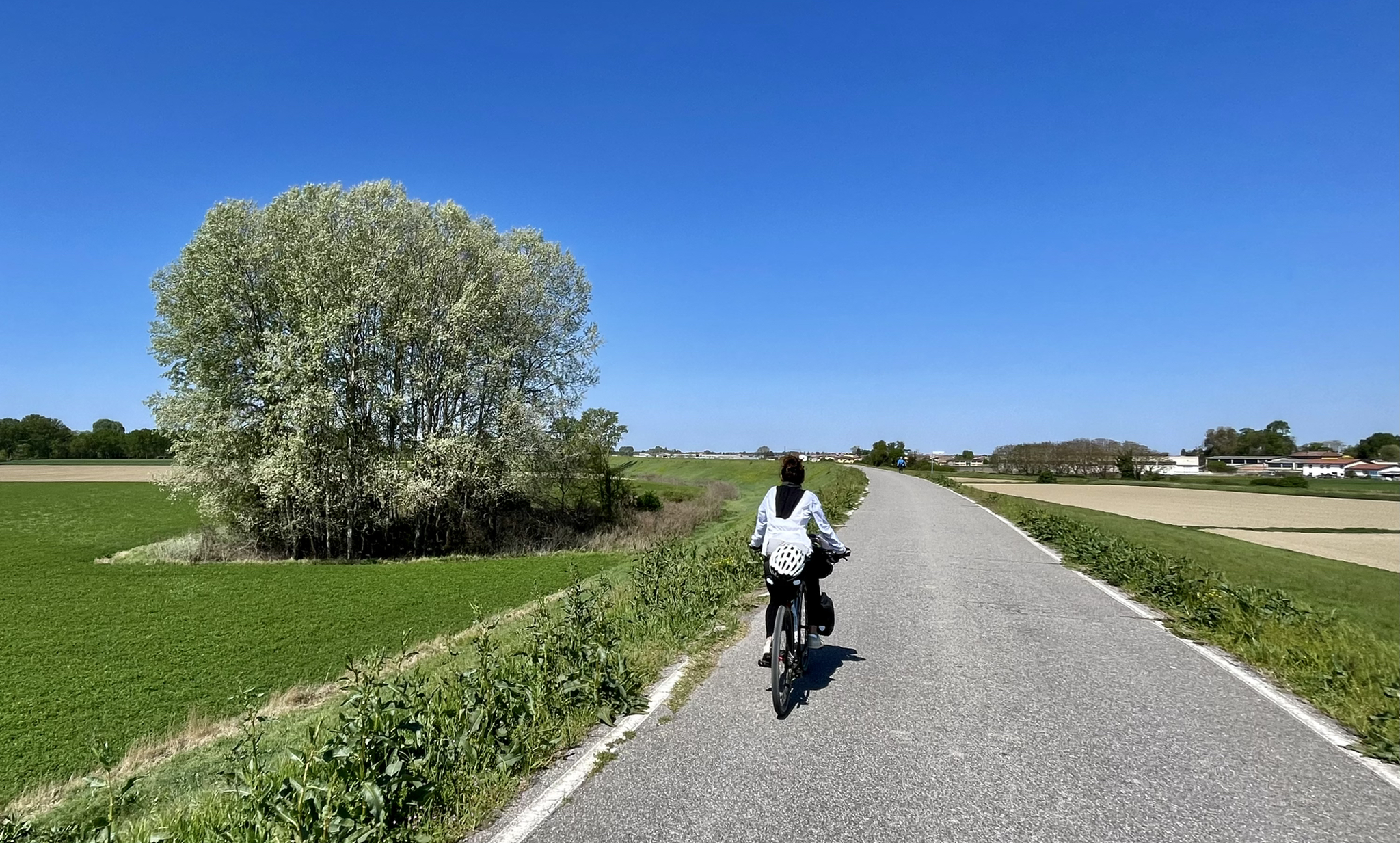
On the trail of Alfonsina Strada – Castelfranco Emilia to Milan
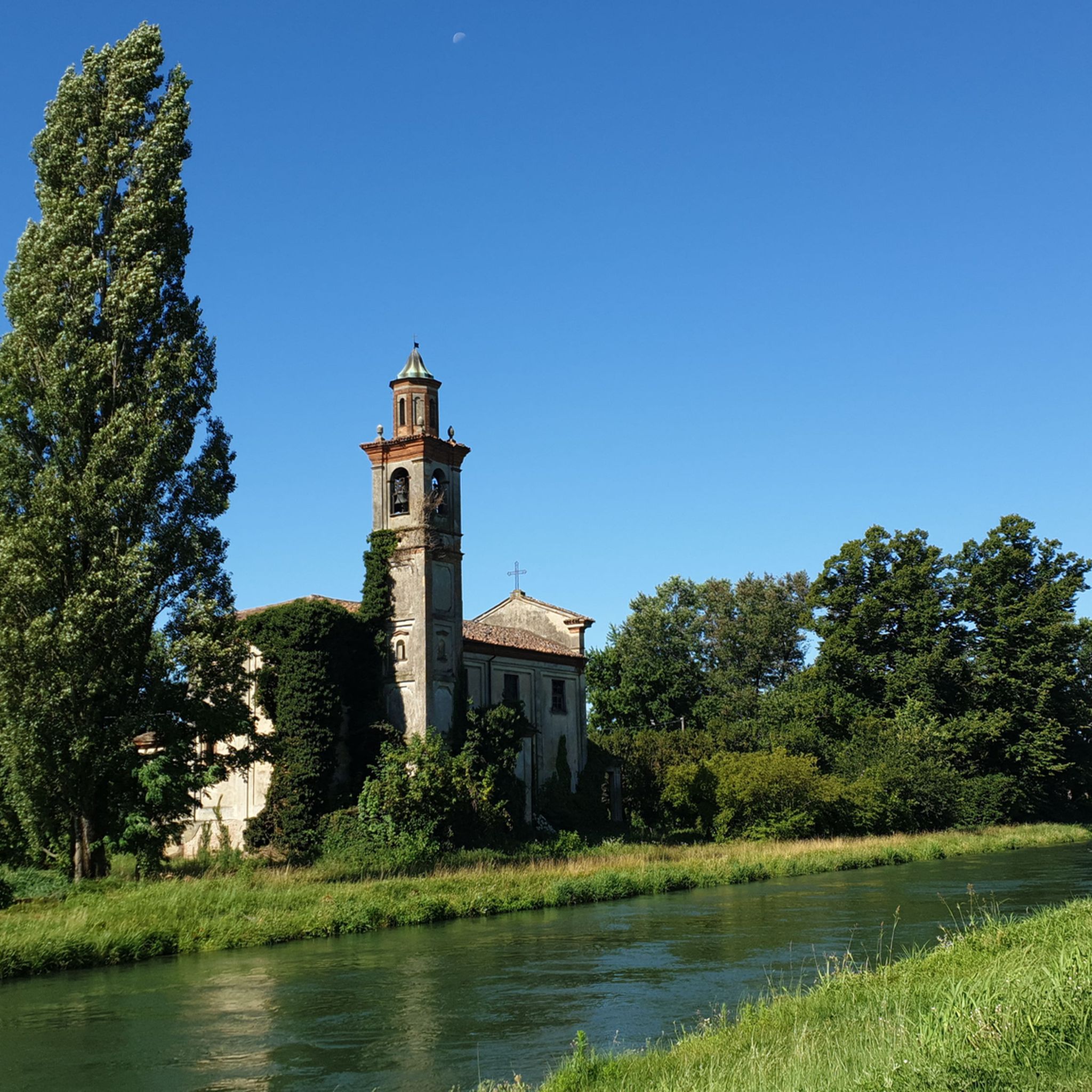
Cycling in Cremona
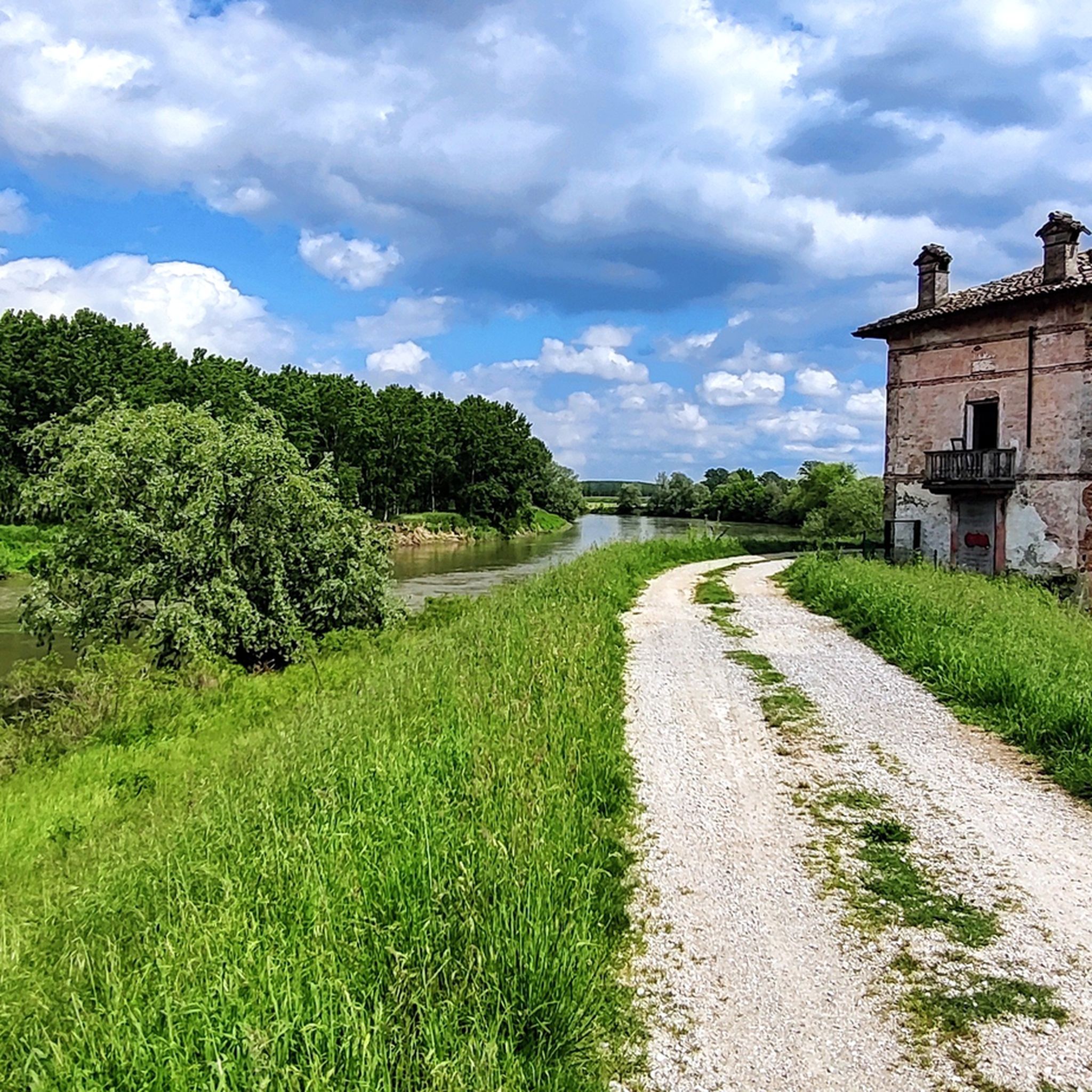
Hiking in Cremona
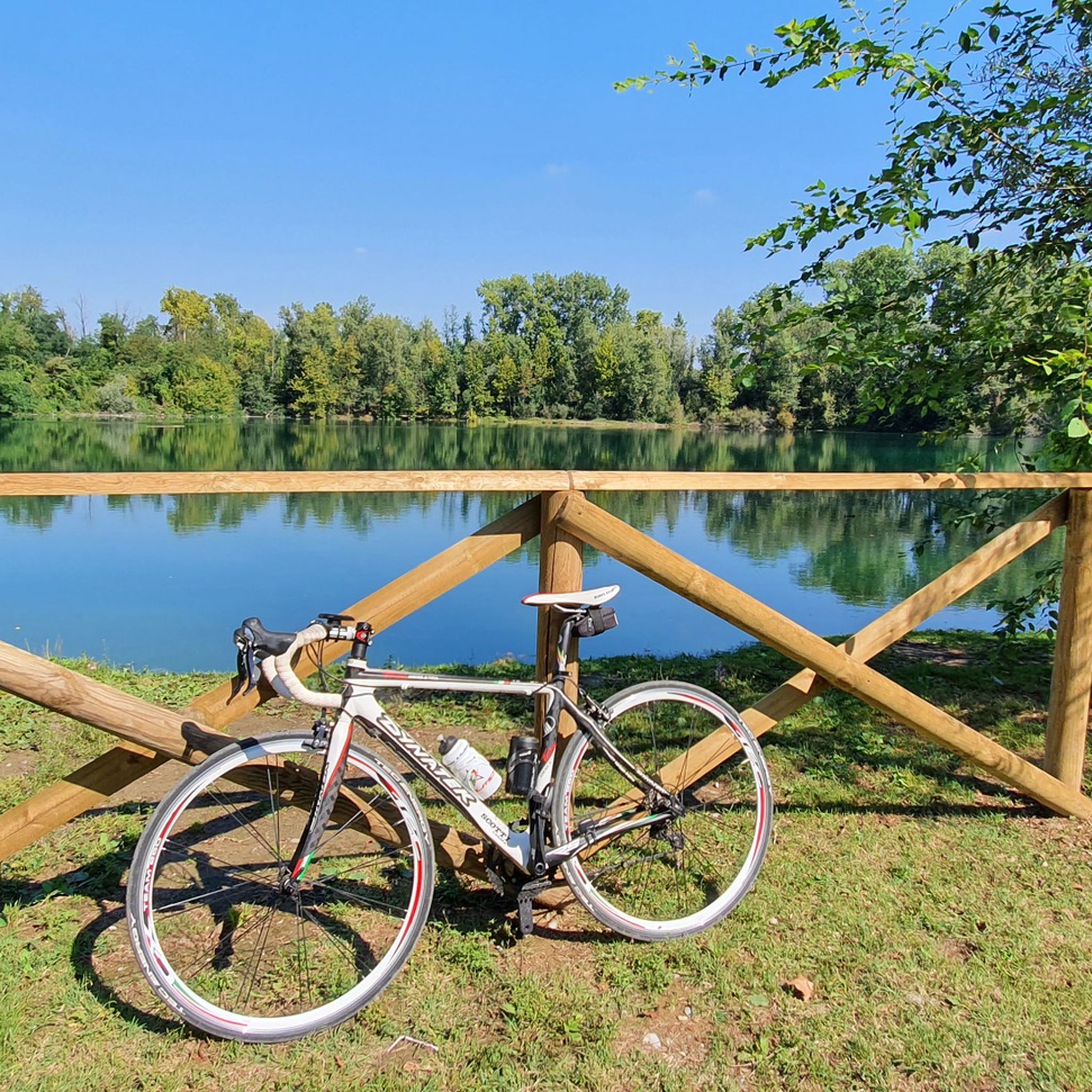
Road Cycling Routes in Cremona
Other adventures in Cremona


Tips from the Community

In view of this small wayside shrine, which the builders dedicated to the Madonna, I would like to offer the viewer a brief reflection from Saint Padre Pio (Pio da Pietrelcina, 1887 to 1968): “Always stay close to this Heavenly Mother, for she is the sea that must be crossed to reach the shores of eternal splendor.”
1
0

Fountain in the open countryside of Revolt
0
0
Small fountain with tree felled by recent rains. Dirt stretch recommended for mountain bikes and gravel bikes (for the latter, pay attention to the cobblestone and gravel sections).
0
0

Excellent location for a relaxing break during a bike ride. In fact, near the sanctuary there is a bench and water surface which are excellent for resting and enjoying nature.
0
0

The garden is a common space created by the volunteers of the La Libellula association to encourage socialization and sharing between people, animals and nature.
0
0

The Bodrio Ca de' Gatti is a naturalistic area that aims to protect the surrounding lake.
2
0

Legend has it that an eight-year-old deaf-mute boy, Abel, wandered away from home before 1687 and got lost in the swamps of the area. He was searched in vain, unable to hear the calls, he spent the night outside. The next day he was able to hear the calls and spoke, no longer being deaf or mute. He said he had spent the night in the company of a peasant woman who had made a fountain flow to quench his thirst. After this miracle, devotion to the Madonna delle Fontane began.
2
0

Place of devotion dating back to a legend that tells of a child who got lost in the swamps and was saved at this point by the apparition of a woman who gave him something to drink. Very quiet area for running.
2
0
Frequently Asked Questions
What are some of the most popular natural monuments in Cremona?
Among the most appreciated natural monuments in Cremona are the Sanctuary of Our Lady of the Fountains, known for its serene atmosphere and historical legend, and Reflection Lake in Ricengo, a tranquil spot within the Palata Menasciutto reserve, famously featured in a film. Visitors also enjoy Fontanile Quarantina, a beautiful natural spring in the upper Cremasco region.
Are there family-friendly natural monuments in Cremona?
Yes, several natural monuments in Cremona are suitable for families. The Sanctuary of Our Lady of the Fountains offers a quiet area for gentle walks, while Reflection Lake in Ricengo is great for moderate loop hikes and photography. The Dragonfly Garden provides a peaceful spot with tables and benches, and the Ca' Rossa Oasis and the Ca' de' Gatti Bodrio is a re-naturalized area perfect for exploring nature with children.
What kind of natural features can I expect to see in Cremona's natural monuments?
Cremona's natural monuments showcase a variety of features, including tranquil lakes like Reflection Lake in Ricengo and the protected lake at Ca' Rossa Oasis and the Ca' de' Gatti Bodrio. You'll also find numerous natural springs, known as 'fontanili,' such as Fontanile Quarantina and Fontanile Favallo. The region is also characterized by riverine areas, lush parks along the Po River, and dense woodlands like Foresta della Cittadella.
Are there opportunities for outdoor activities like hiking or cycling near Cremona's natural monuments?
Yes, Cremona offers excellent opportunities for outdoor activities. The Po Park is ideal for leisurely strolls and cycling. For more structured routes, you can explore various MTB Trails in Cremona, including the 'Parco del Po e del Morbasco XC Trail.' There are also numerous Running Trails in Cremona, such as the 'Po River Cycle Trail,' and diverse Cycling routes in Cremona that take you along rivers and through the countryside.
What is the best time to visit the natural monuments in Cremona?
The natural monuments in Cremona are generally pleasant to visit during spring and autumn when the weather is mild and the landscapes are vibrant with new growth or autumnal colors. Summer can also be enjoyable, especially in shaded areas or near water bodies like the Po River, though it can be warmer. Winter offers a different, quieter beauty, but some facilities or trails might be less accessible depending on conditions.
Can I find any unique botanical features or wildlife at these sites?
Absolutely. The Po Park, for instance, is a haven for birdwatchers, with herons and ducks frequently spotted along the river. The broader Po and Morbasco Park is recognized for its extraordinary natural richness, especially its avifauna, having hosted 247 different bird species. Bosco di Cremona (Parco Mainardi) is noted for its diverse tree composition, including a unique chestnut tree, making it a botanical curiosity.
Are there any natural monuments in Cremona that are particularly tranquil or good for relaxation?
For tranquility and relaxation, the Sanctuary of Our Lady of the Fountains offers a serene atmosphere. Reflection Lake in Ricengo provides a peaceful countryside setting perfect for quiet contemplation. The Foresta della Cittadella, with its dense woodland and rustling leaves, is also an ideal escape from urban life.
What are 'fontanili' and where can I find them in Cremona?
'Fontanili' are natural springs, a characteristic feature of the Cremonese landscape. They are sources of fresh, clear water that emerge from the ground. You can find beautiful examples like Fontanile Quarantina near Farinate, Fontanile Favallo, and Fontanile dei Nobili. The Capralba area, in particular, is very rich in these unique natural formations.
Are there any natural monuments in Cremona that have historical or cultural significance?
Yes, the Sanctuary of Our Lady of the Fountains is a religious site steeped in historical legend, recounting a miraculous event. While primarily natural, the Naviglio Civico of Cremona, an artificial canal dating back to 1337, has historical importance as it contributes to the local biodiversity along its banks.
What do visitors enjoy most about the natural monuments in Cremona?
Visitors frequently praise the tranquility and peacefulness of these sites, highlighting places like the Sanctuary of Our Lady of the Fountains and The Dragonfly Garden. The scenic beauty, especially at Reflection Lake in Ricengo, is also a major draw, with many enjoying the opportunities for photography and moderate hikes. The unique natural springs, or 'fontanili,' are also considered beautiful and worth exploring.
Are there any natural monuments that are particularly good for photography?
For photography enthusiasts, Reflection Lake in Ricengo is highly recommended, known as the 'lake of reflections' for its stunning visual appeal. The Foresta della Cittadella also offers beautiful opportunities due to the interplay of light through its dense trees, creating captivating scenes.
What is the Ca' Rossa Oasis and the Ca' de' Gatti Bodrio?
The Ca' Rossa Oasis and the Ca' de' Gatti Bodrio is a unique naturalistic area in Cremona. The Ca' Rossa Oasis consists of former clay quarries that have been re-naturalized, making it the only one of its kind in the province. The Bodrio Ca' de' Gatti is a natural area dedicated to protecting the surrounding lake, offering a serene environment for nature observation.
Most popular routes in Cremona
Most popular attractions in Cremona

Get inspired with the komoot mobile app


Didn’t find what you were looking for?
Find even more amazing natural monuments in Cremona by checking out the top Highlights region by region:
Explore more
Extend your search for the best caves by checking out these guides of the top ones in Cremona:
