Top 20 Natural Monuments in Ravenna
Best natural monuments in Ravenna are integral to the Po Delta Park, a UNESCO Biosphere Reserve. This region features diverse landscapes, including ancient pine forests, coastal dunes, brackish lagoons, and freshwater marshes. These areas provide opportunities for wildlife observation and various outdoor activities. Ravenna is also known for its historical significance and UNESCO World Heritage sites.
Best natural monuments in Ravenna
- The most popular natural monuments is Parco Regionale Vena del Gesso Romagnola, a summit featuring a 25 km…
Last updated: August 6, 2026
Cervia Saltworks
Highlight • Natural Monument
Tip by

Observation Tower on the Pialassa della Baiona
Highlight • Viewpoint
Translated by Google •
Tip by

Sign up now to discover places like this
Get recommendations on the best single tracks, peaks, & plenty of other exciting outdoor places.
Sign up for free
Ortazzo Observation Tower
Highlight • Viewpoint
Translated by Google •
Tip by

Flamingos in the Valli di Comacchio
Highlight • Lake
Translated by Google •
Tip by

Pineta di Classe and the Bevano River Mouth Nature Reserve
Highlight (Segment) • Forest
Translated by Google •
Tip by

Monte Mauro Hermitage
Highlight • Religious Site
Translated by Google •
Tip by

Grotta Tanaccia
Highlight • Cave
Translated by Google •
Tip by

Parco Regionale Vena del Gesso Romagnola
Highlight • Summit
Translated by Google •
Tip by

Scenic viewpoint above the former Monticino quarry
Highlight • Viewpoint
Translated by Google •
Tip by

Abandoned House Hidden by Vegetation
Highlight • Structure
Translated by Google •
Tip by
Sign up for free to discover even more natural monuments in Ravenna.
Sign up for free
Already have an account?
Start today with a free account
Your next adventure awaits.
Login or Signup
Popular around Ravenna
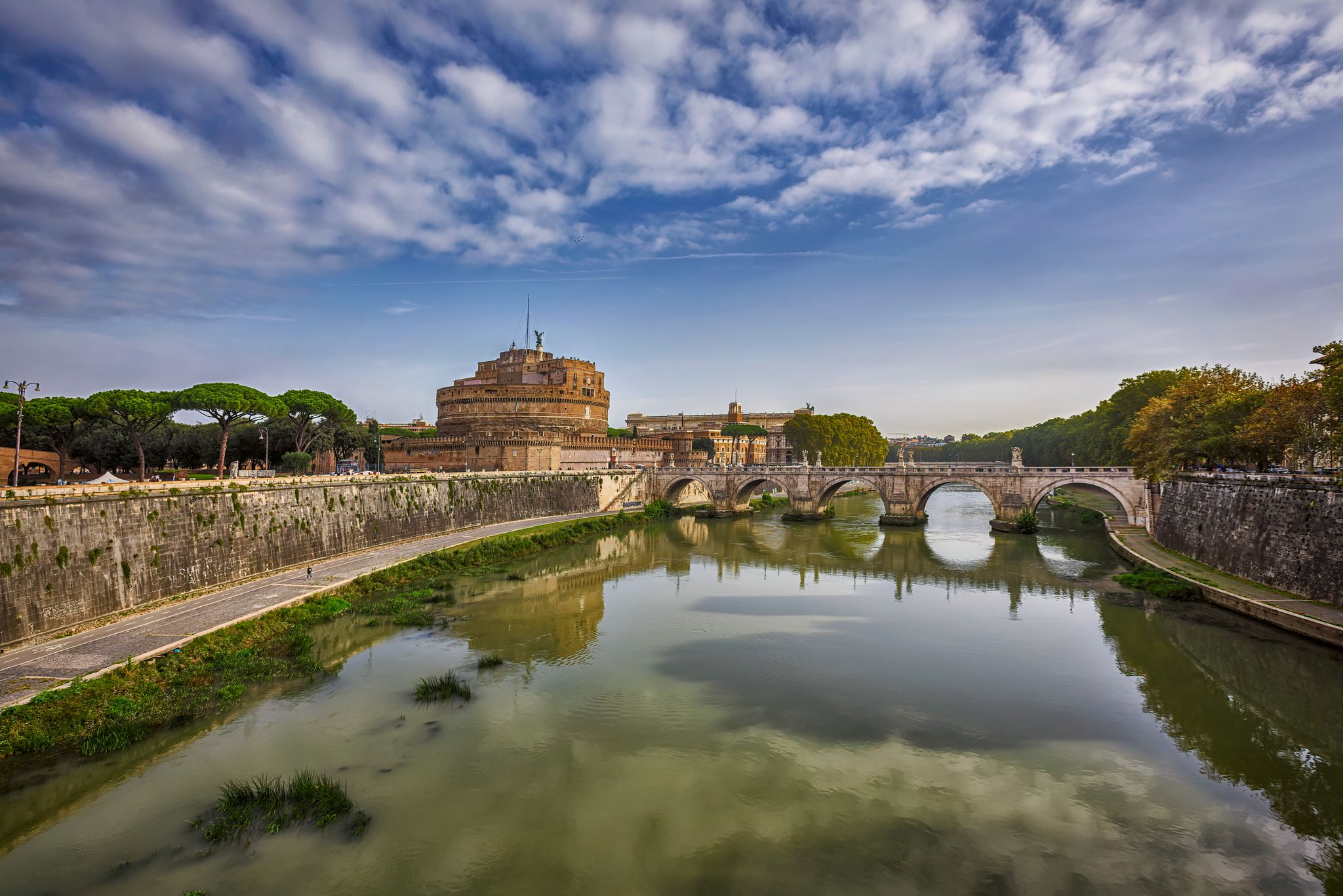
All roads lead to Rome – Romea Tiberina Cycleway
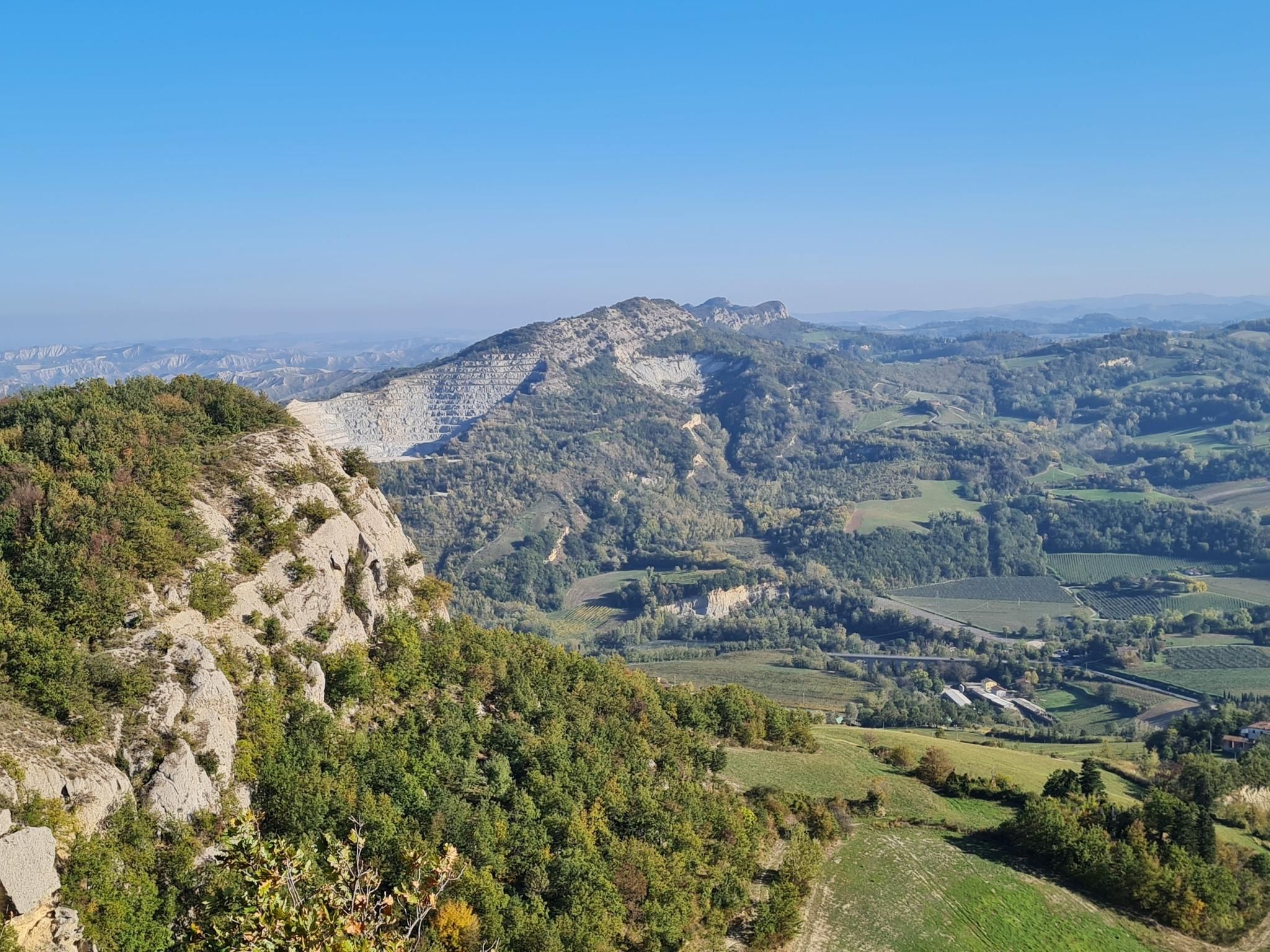
Lake Brasimone to Marradi – Alta Via dei Parchi (part 3)
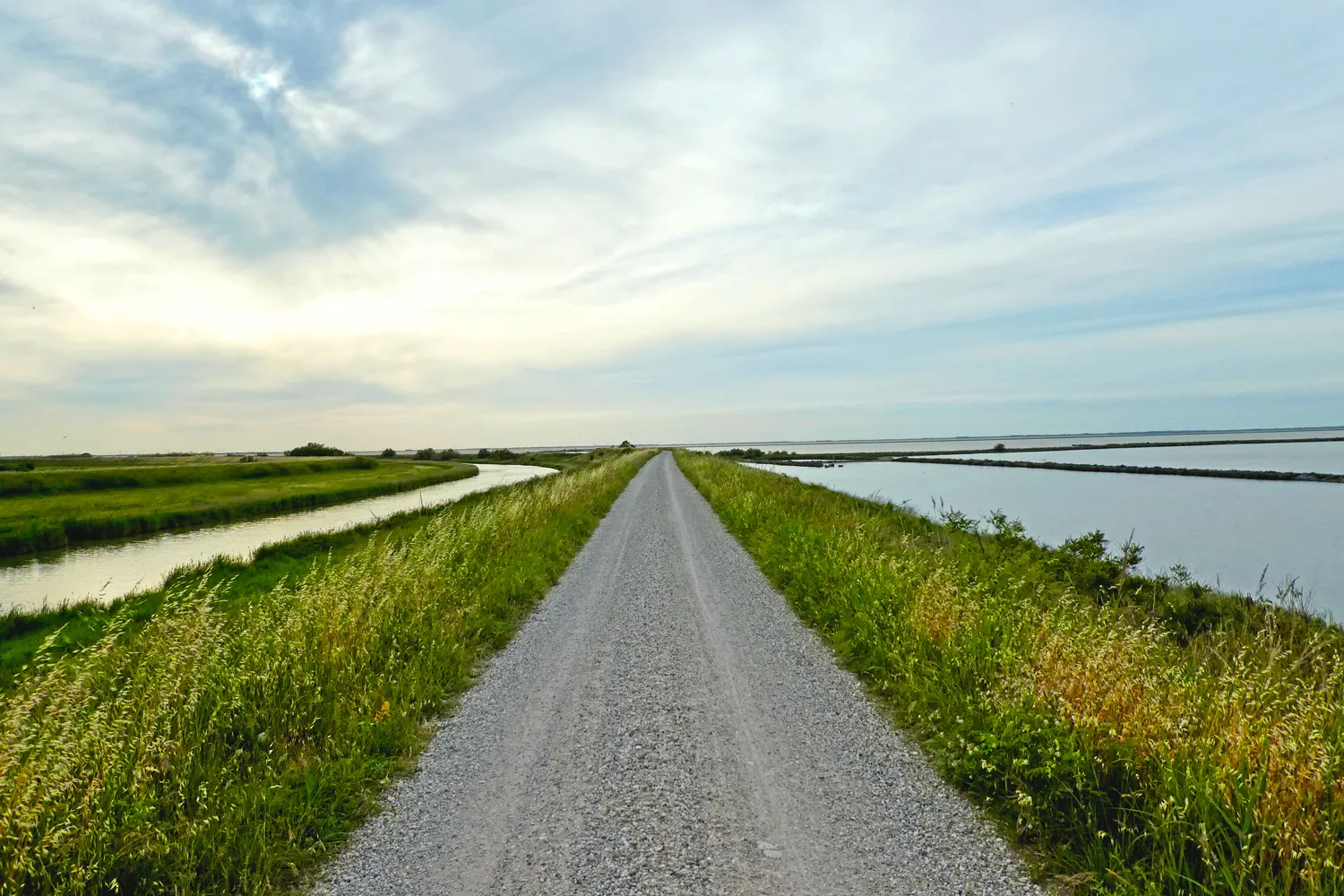
From Bologna to Rimini – the way of the sea
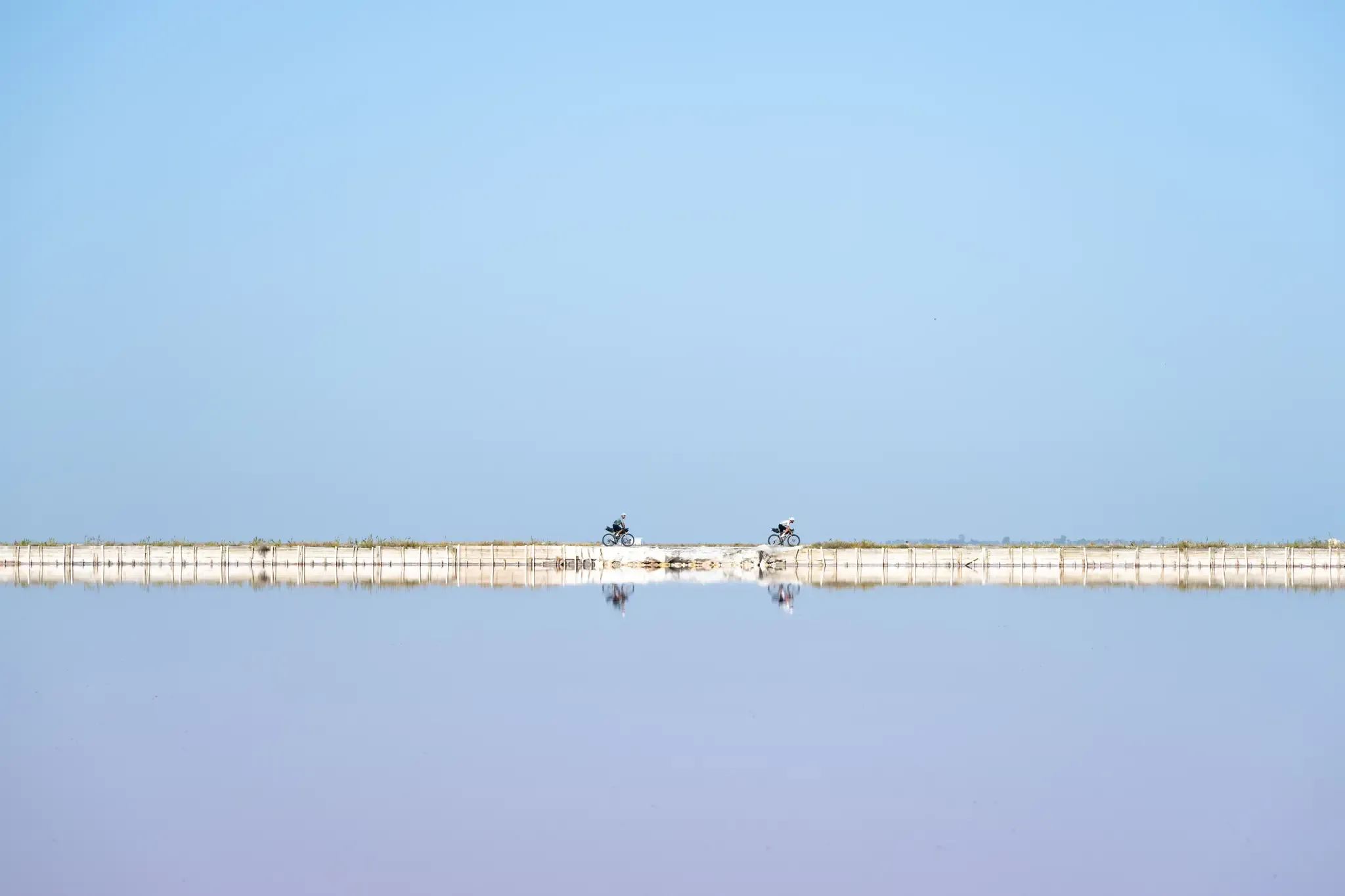
Trieste to Santa Maria di Leuca – the Adriatic Cycle Route
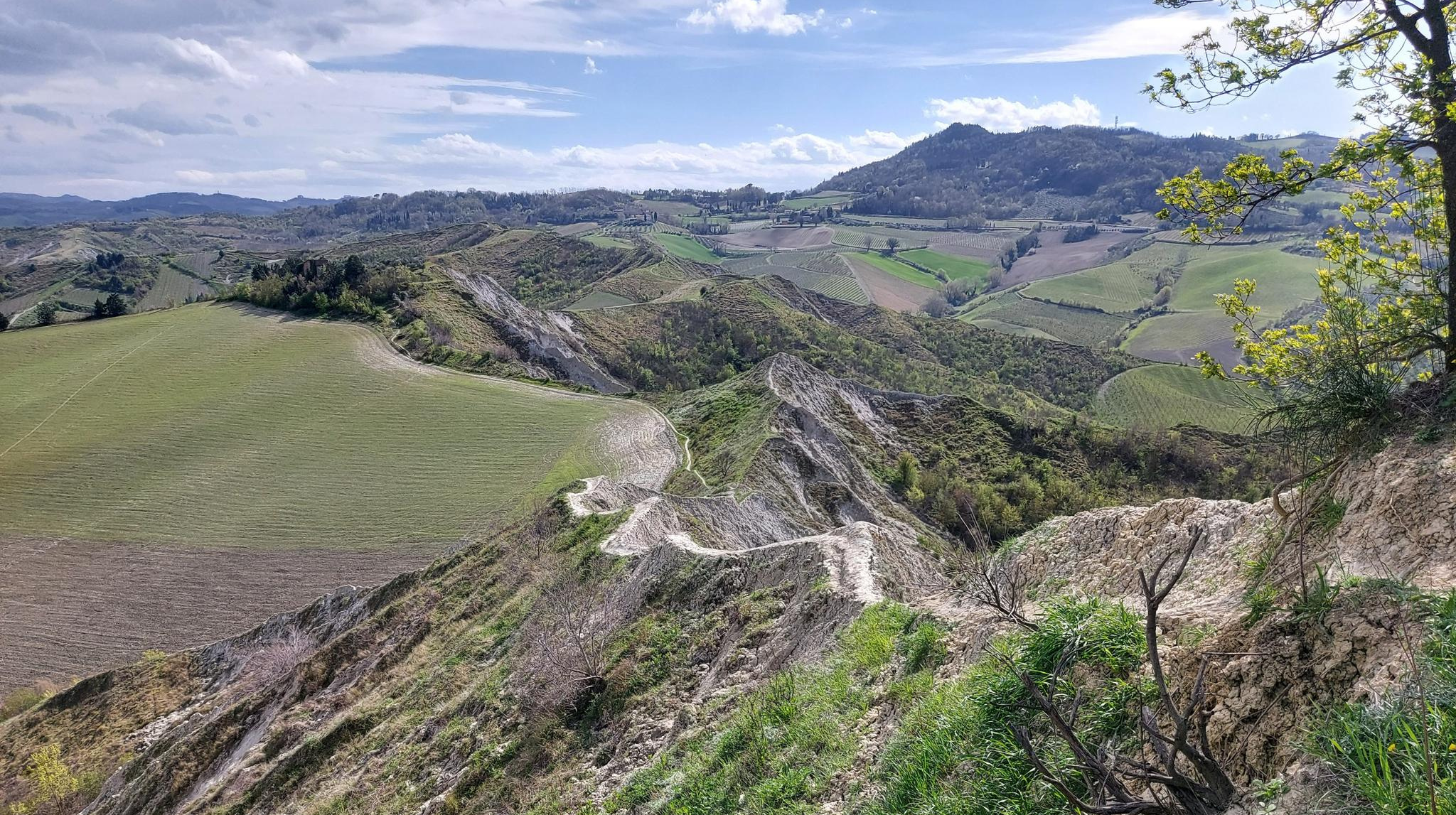
Walk from Bologna to Faenza – Via dei Gessi e dei Calanchi
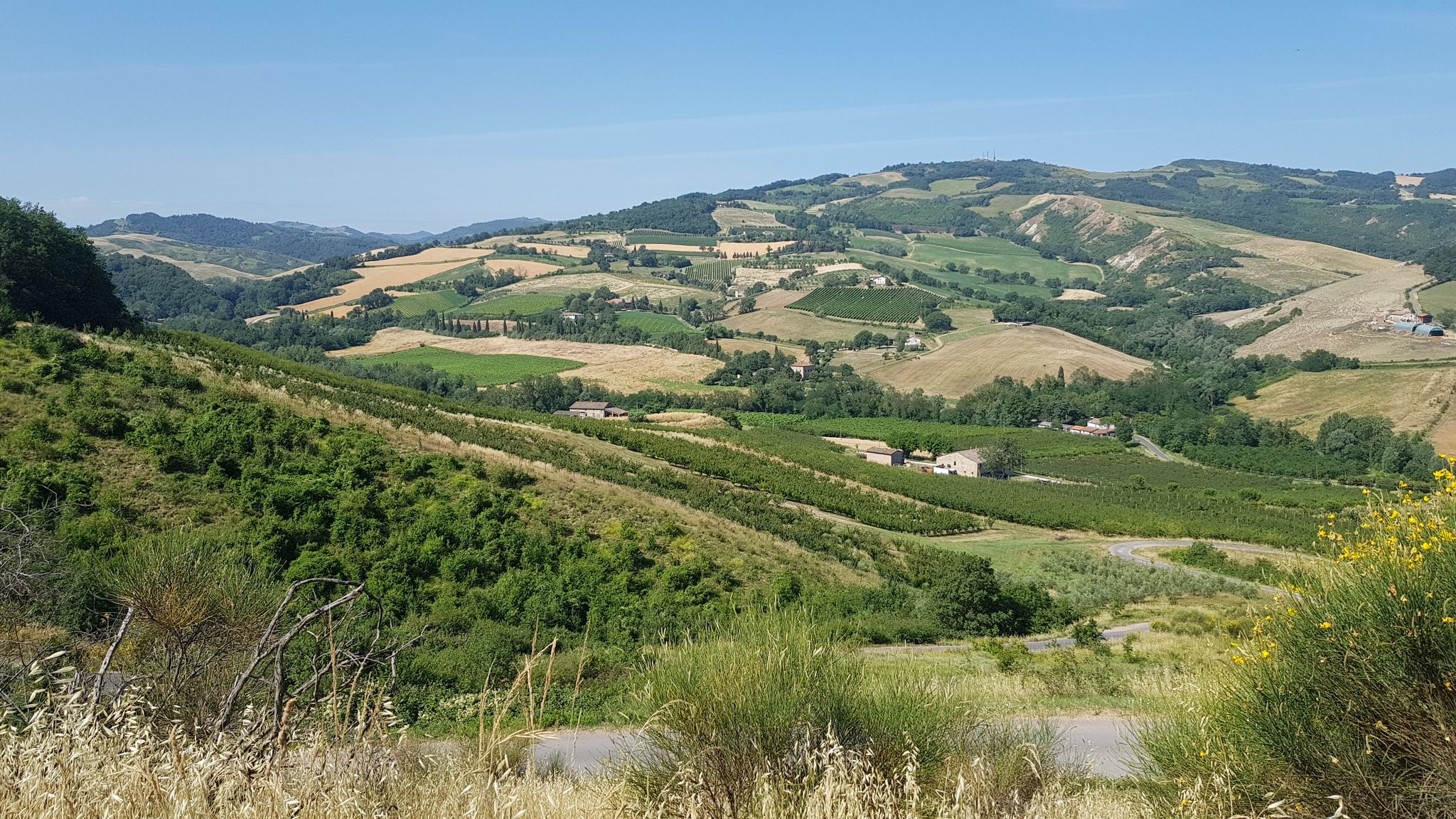
Preappennino 15K – a hilly crossing from Cattolica to Piacenza
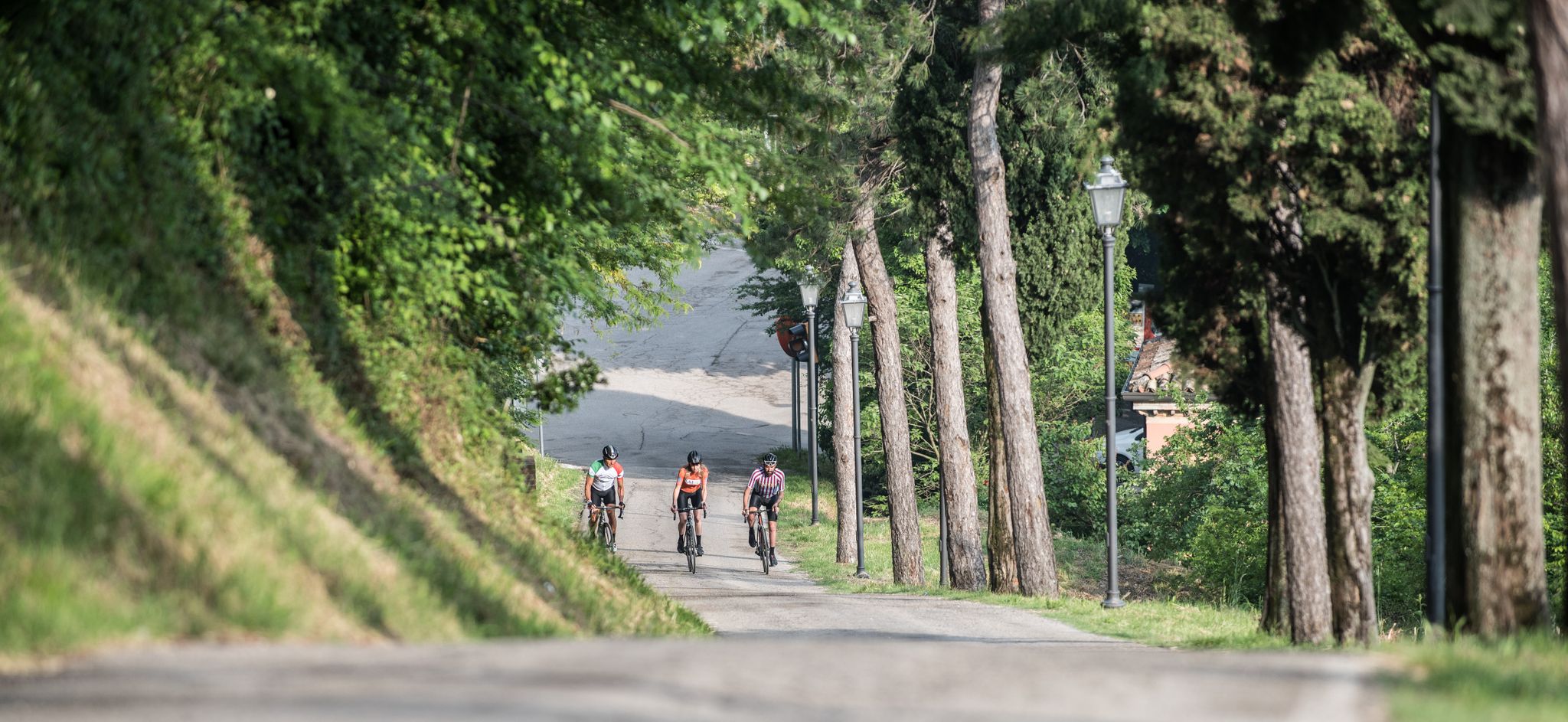
Enjoyment, culture and nature – cycling Tours in Italy’s Emilia Romagna region
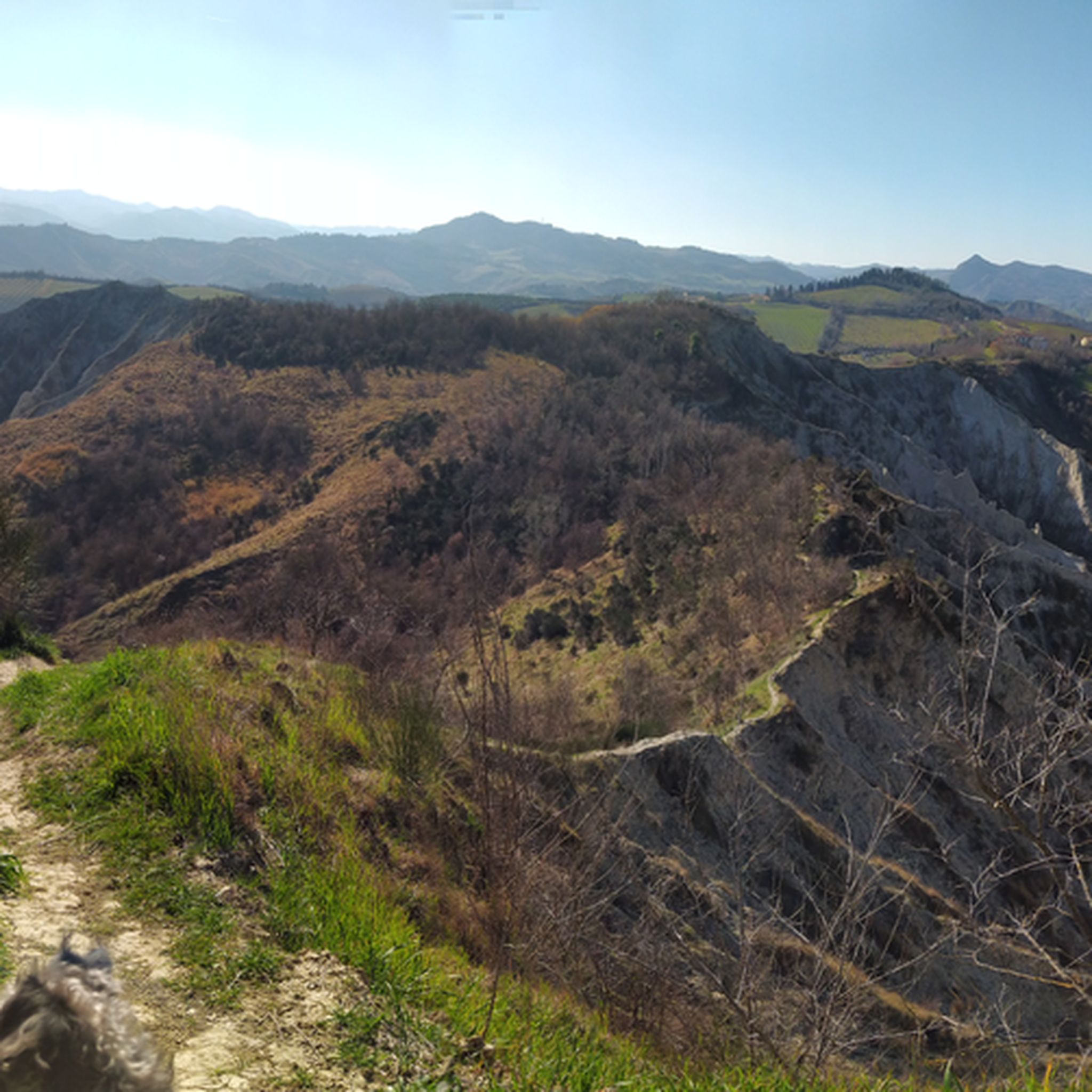
Hiking in Ravenna
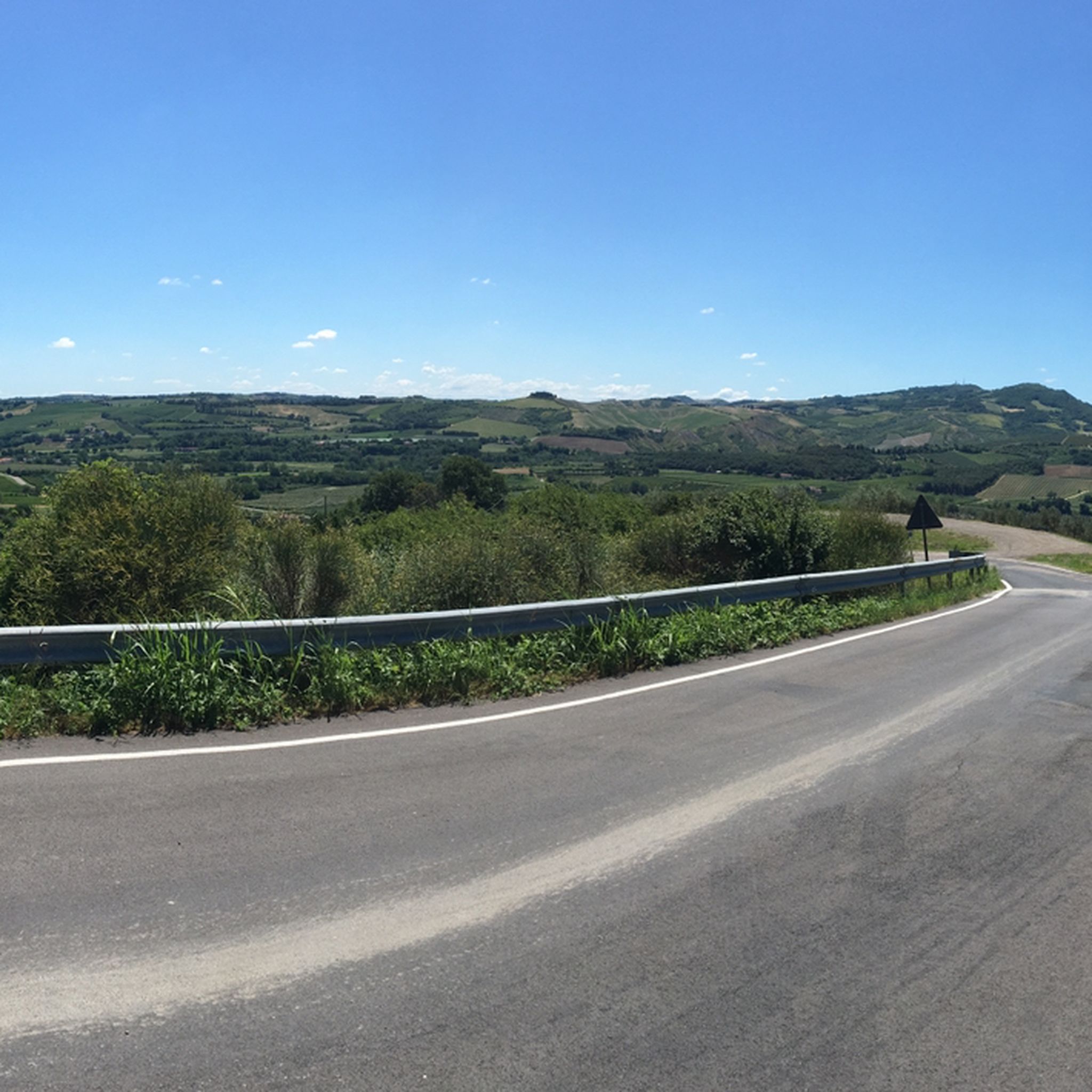
Road Cycling Routes in Ravenna
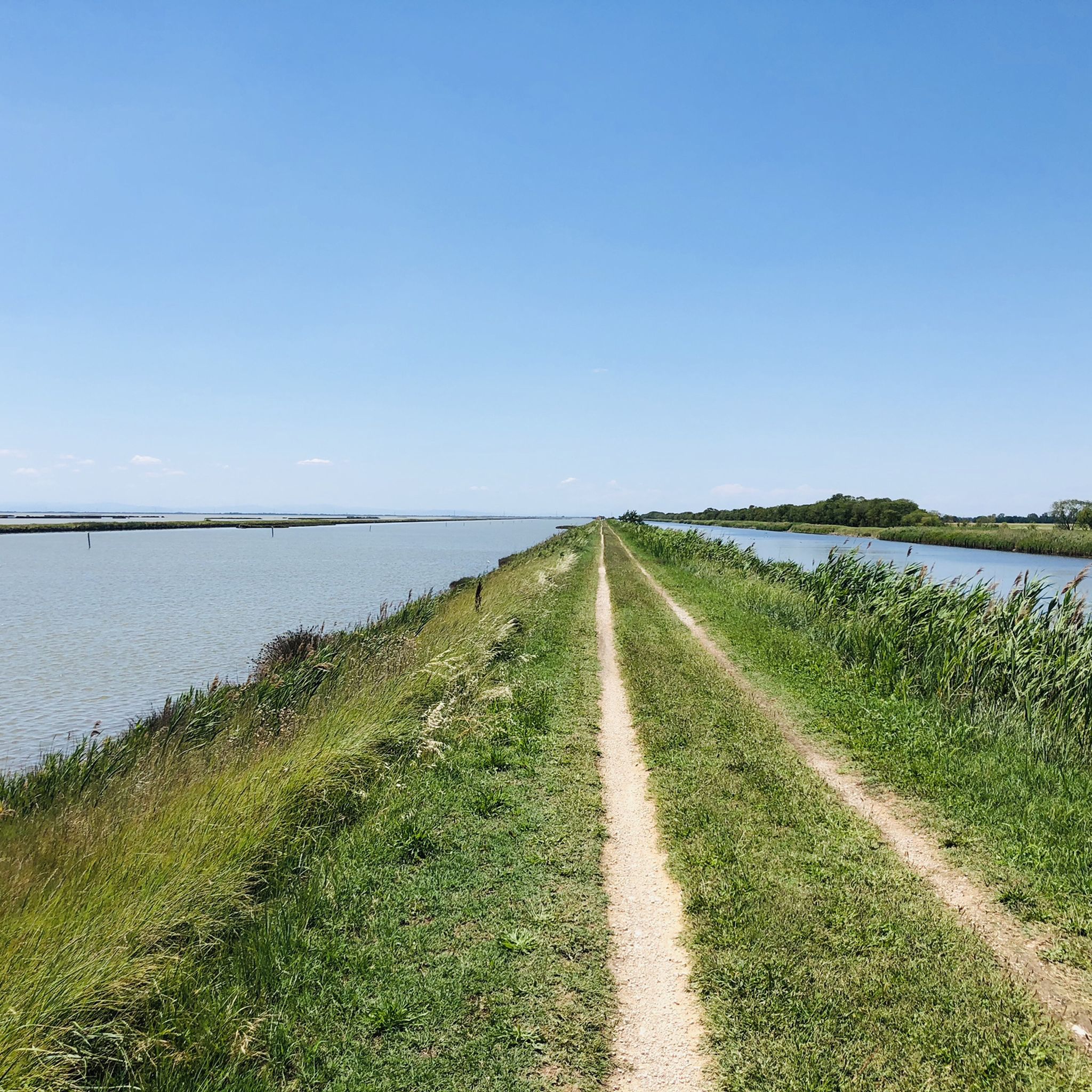
Cycling in Ravenna
Other adventures in Ravenna


Tips from the Community

continuing on the embankment towards Forli before the flood, there was a unique shaded curved section where on the left there was a real Amazon rainforest; after the mowing work, several hidden houses came to light, the existence of which was perhaps not even known, and passing by again, the landscape appears enormously modified
0
0
The area of about 400 hectares acquired by the Parco Delta del Po in 2025, the Ortazzo Ortazzino complex, fortunately not subdivided in the early 70s and classified as integral protection zones C and A, will be subject to a restoration of the wet meadows, of the brackish water circulation with the creation of nesting islands and the reintroduction of the Starna italica species, a species extinct in the wild, today present only in breeding.
0
0
Ideal period for birdwatching when the expanses of water are tinged with the pink of flamingos, especially at sunset
0
0

Location as already described.
0
0

For those who are capable of doing impossible climbs
0
0

There are also dirt climbs and equally as many descents, steep and difficult sections (even 18%), very beautiful views and at the top there is the Hermitage.
0
0

the cute cat EremoMonte Mauro
0
0

Area with numerous singletracks and well-rideable trails
0
0
Frequently Asked Questions
What makes the natural monuments in Ravenna special?
Ravenna's natural monuments are integral parts of the Po Delta Park, a UNESCO Biosphere Reserve. They offer a diverse range of landscapes, from ancient pine forests and coastal dunes to brackish lagoons and freshwater marshes, providing invaluable opportunities for wildlife observation and outdoor activities. This region is known for its rich biodiversity and unique ecosystems.
Where can I see flamingos and other birdlife in Ravenna?
The Flamingos in the Valli di Comacchio are a must-see for birdwatching, known for their biodiversity and as an important nature reserve. You can also find exceptional birdlife at the Cervia Saltworks, the Foce del Bevano, and the Oasis of Punte Alberete and Mandriole Valley.
Are there ancient pine forests to explore in Ravenna?
Yes, Ravenna is home to significant pine forests. The Pineta di Classe is a vast 'green lung' south of Ravenna, offering well-preserved Mediterranean scrubland ideal for walking and cycling. Further north, the Pineta di San Vitale also provides extensive natural landscapes for outdoor activities.
Can I visit a unique geological site near Ravenna?
Absolutely. The Parco Regionale Vena del Gesso Romagnola is a UNESCO World Heritage site featuring a 25 km chain of chalky karst areas. This unique geological formation, created over millennia from evaporating Mediterranean waters, offers spectacular views and fascinating insights into the region's natural history.
What is the Foce del Bevano and why is it important?
The Foce del Bevano (Mouth of the Bevano River) is a significant nature reserve on the Emilia-Romagna coast. It's the last example of a meandering estuary in the upper Adriatic that still evolves naturally. This area is crucial for migratory and nesting bird species and offers a glimpse into the region's pristine coastal landscape before extensive human intervention.
Are there family-friendly natural monuments in Ravenna?
Many natural monuments in Ravenna are suitable for families. The Flamingos in the Valli di Comacchio, Cervia Saltworks, and the Observation Tower on the Pialassa della Baiona are all listed as family-friendly. These locations often provide easy paths and opportunities for wildlife observation that children can enjoy.
What outdoor activities can I do near Ravenna's natural monuments?
The natural monuments in Ravenna are excellent for various outdoor activities. You can enjoy hiking, cycling, and mountain biking. For specific routes, explore the MTB Trails in Ravenna, Easy hikes in Ravenna, and Road Cycling Routes in Ravenna guides.
Are there hiking trails suitable for beginners near Ravenna's natural monuments?
Yes, there are several easy hiking options. The Easy hikes in Ravenna guide lists trails like the Punte Alberete Loop Trail (3.2 km) and the I Castello Loop (4.5 km), which are suitable for beginners and offer a gentle way to experience the natural beauty.
What is the best time to visit Ravenna's natural monuments?
The natural monuments in Ravenna, particularly those within the Po Delta Park, are beautiful year-round. Spring and autumn are ideal for birdwatching due to migration periods and milder temperatures. Summer offers lush greenery, while winter can provide a serene, less crowded experience, especially for observing resident bird species.
What do visitors enjoy most about the natural monuments in Ravenna?
Visitors frequently praise the tranquility and natural beauty of the area. Many appreciate the opportunities for birdwatching, especially at sites like the Valli di Comacchio and Pineta di Classe and the Bevano River Mouth Nature Reserve. The well-maintained paths for cycling and walking through the pine forests are also highly valued.
Are there any observation towers for better wildlife viewing?
Yes, there are dedicated observation points. The Observation Tower on the Pialassa della Baiona and the Ortazzo Observation Tower provide excellent vantage points for birdwatching and observing the diverse ecosystems of the wetlands and lagoons.
Can I explore caves or gorges near Ravenna's natural monuments?
Yes, for those seeking more adventurous natural features, the Grotta Tanaccia offers an opportunity to explore a cave, and it's often associated with gorges. This provides a different kind of natural experience compared to the coastal and wetland areas.
Most popular routes in Ravenna
Most popular attractions in Ravenna

Get inspired with the komoot mobile app


Didn’t find what you were looking for?
Find even more amazing natural monuments in Ravenna by checking out the top Highlights region by region:
Explore more
Extend your search for the best caves by checking out these guides of the top ones in Ravenna:
