Top 20 Natural Monuments in Trapani
Best natural monuments in Trapani are found along Sicily's western coast, characterized by its diverse natural landscape. The region features dramatic cliffs, extensive coastlines, and unique salt pans, offering a variety of natural formations. These areas are ecologically significant, hosting diverse flora and fauna, including important bird species. The natural monuments in Trapani provide opportunities to explore geological wonders and protected natural environments.
Best natural monuments in Trapani
- The most popular natural monuments is Monte Cofano Nature Reserve, a…
Last updated: May 29, 2026
Zingaro Nature Reserve
Highlight • Natural Monument
Translated by Google •
Tip by

Punta Capreria Coastal Trail
Highlight (Segment) • Trail
Translated by Google •
Tip by

Sign up now to discover places like this
Get recommendations on the best single tracks, peaks, & plenty of other exciting outdoor places.
Sign up for free
Uzzo Cave
Highlight • Cave
Translated by Google •
Tip by

Cala Tonnarella dell'Uzzo
Highlight • Beach
Translated by Google •
Tip by

Monte Cofano Nature Reserve
Highlight • Natural Monument
Translated by Google •
Tip by

Monte Cofano Canyon Trail
Highlight • Canyon
Translated by Google •
Tip by

Cala della Disa
Highlight • Beach
You should swim there. Pebble and rock beach.
Tip by

Venus Castle
Highlight • Castle
Translated by Google •
Tip by

Zingaro Nature Reserve
Highlight • Natural Monument
Translated by Google •
Tip by

Trapani and Paceco Salt Pans
Highlight • Natural Monument
Translated by Google •
Tip by

Sign up for free to discover even more natural monuments in Trapani.
Sign up for free
Already have an account?
Start today with a free account
Your next adventure awaits.
Login or Signup
Popular around Trapani
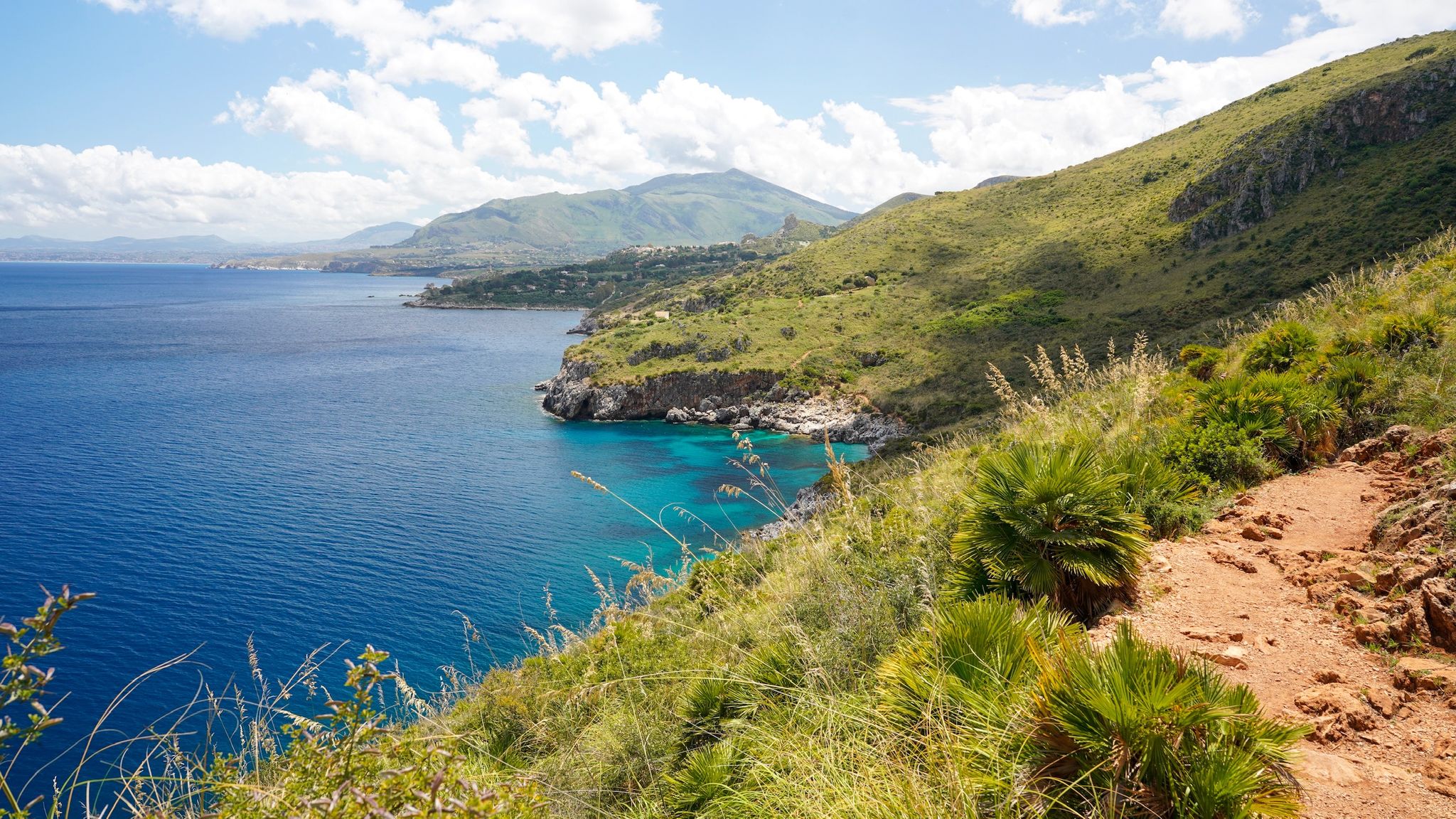
Sentiero Italia – Sicily's natural and artistic treasures
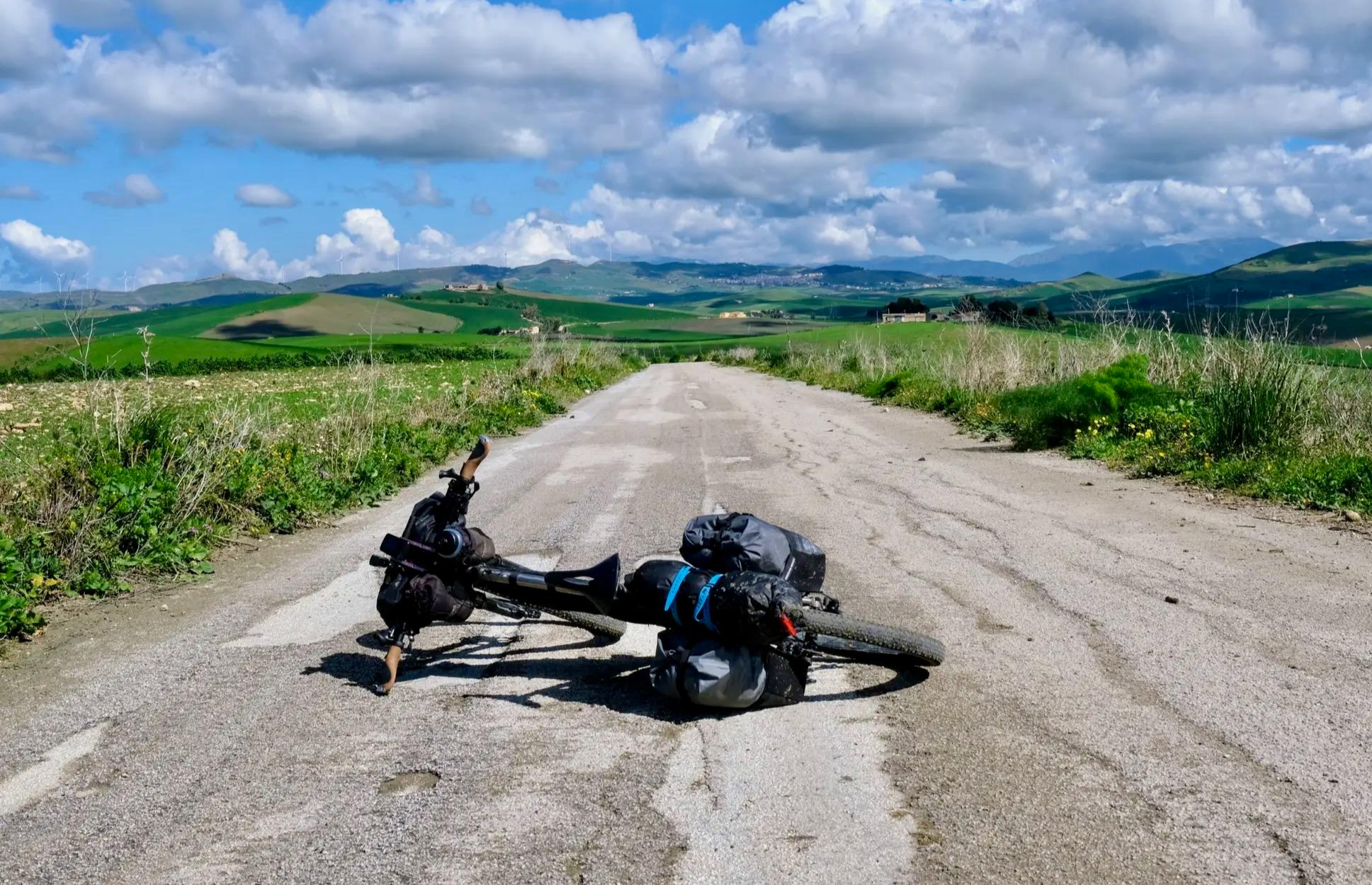
Scent of oranges – Sicily by bike between Agrigento, hinterland and Palermo
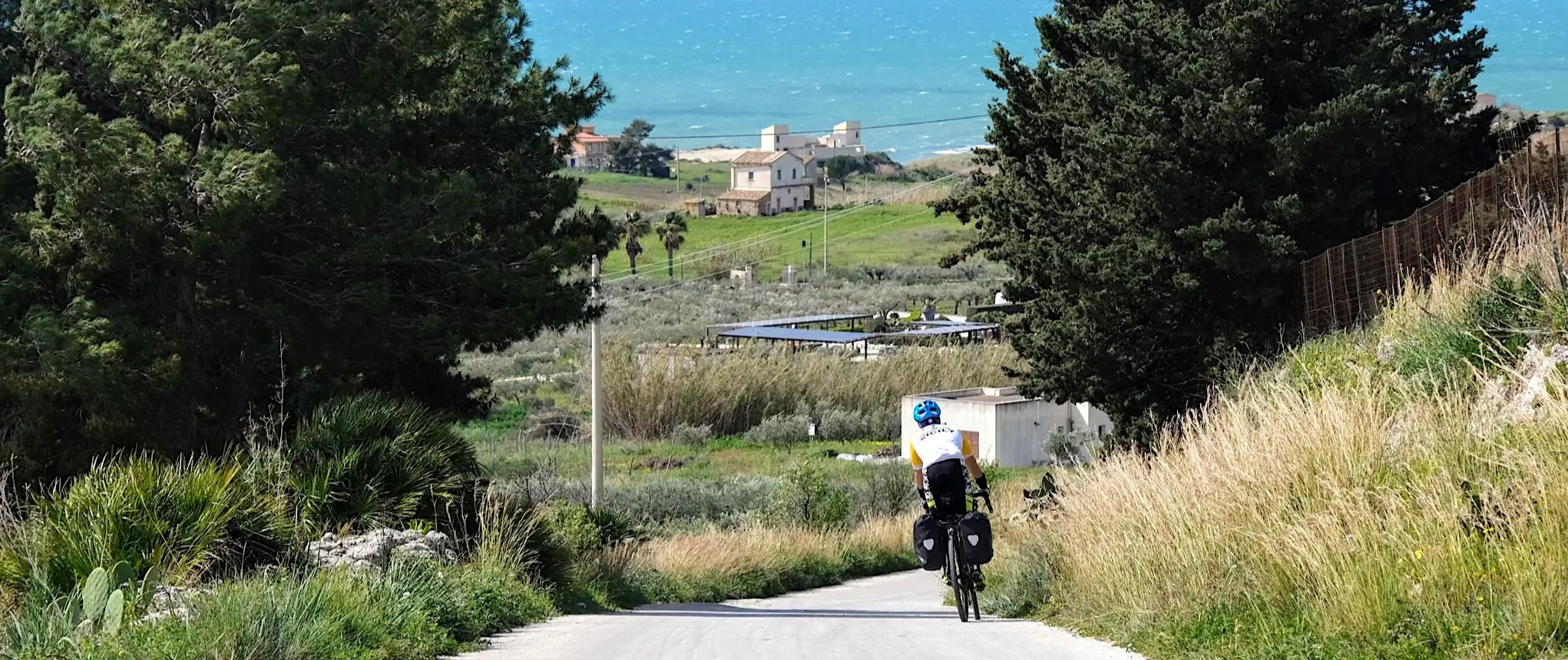
The complete tour of Sicily by road bike
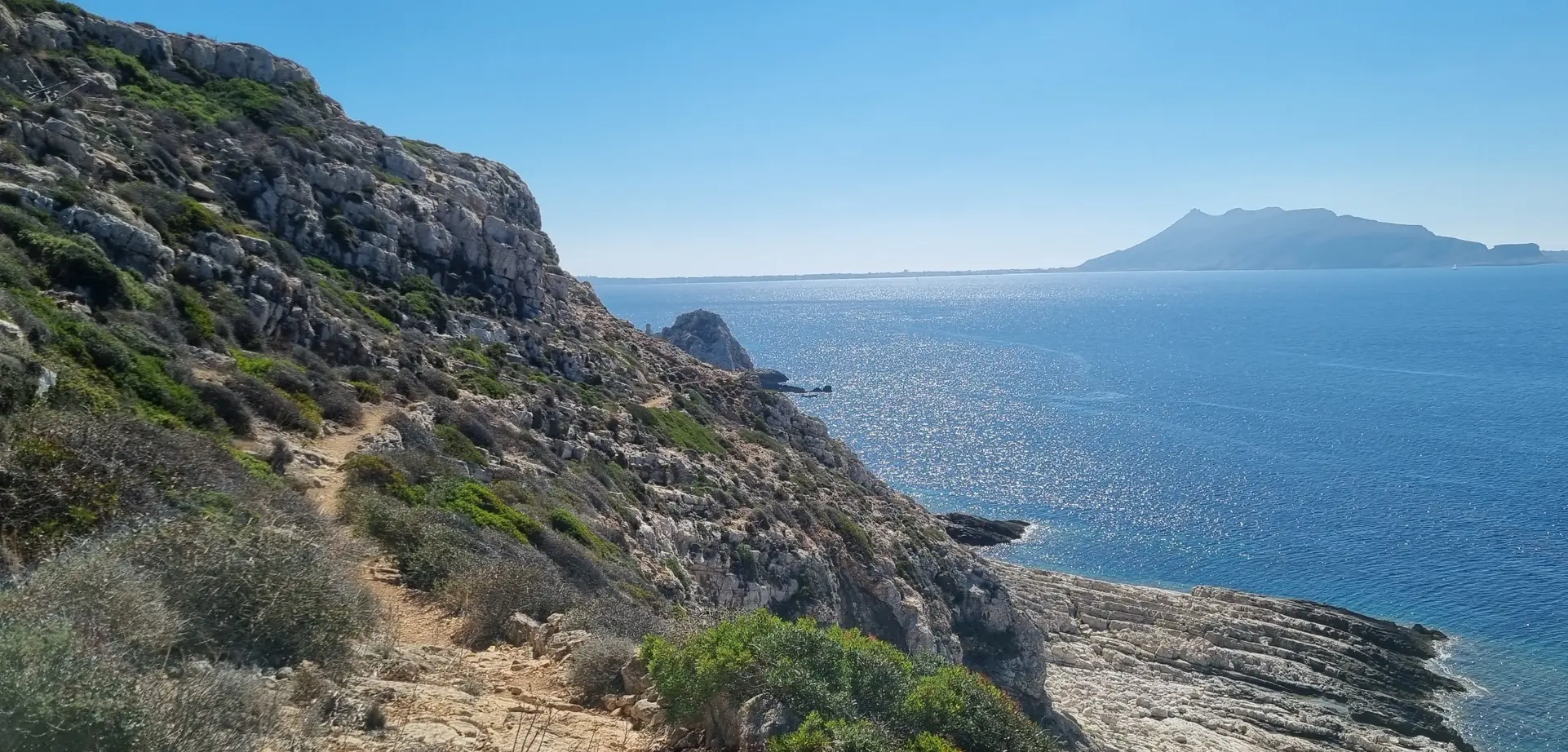
Sicilian horizons – day hiking among the jewels of the Egadi Islands
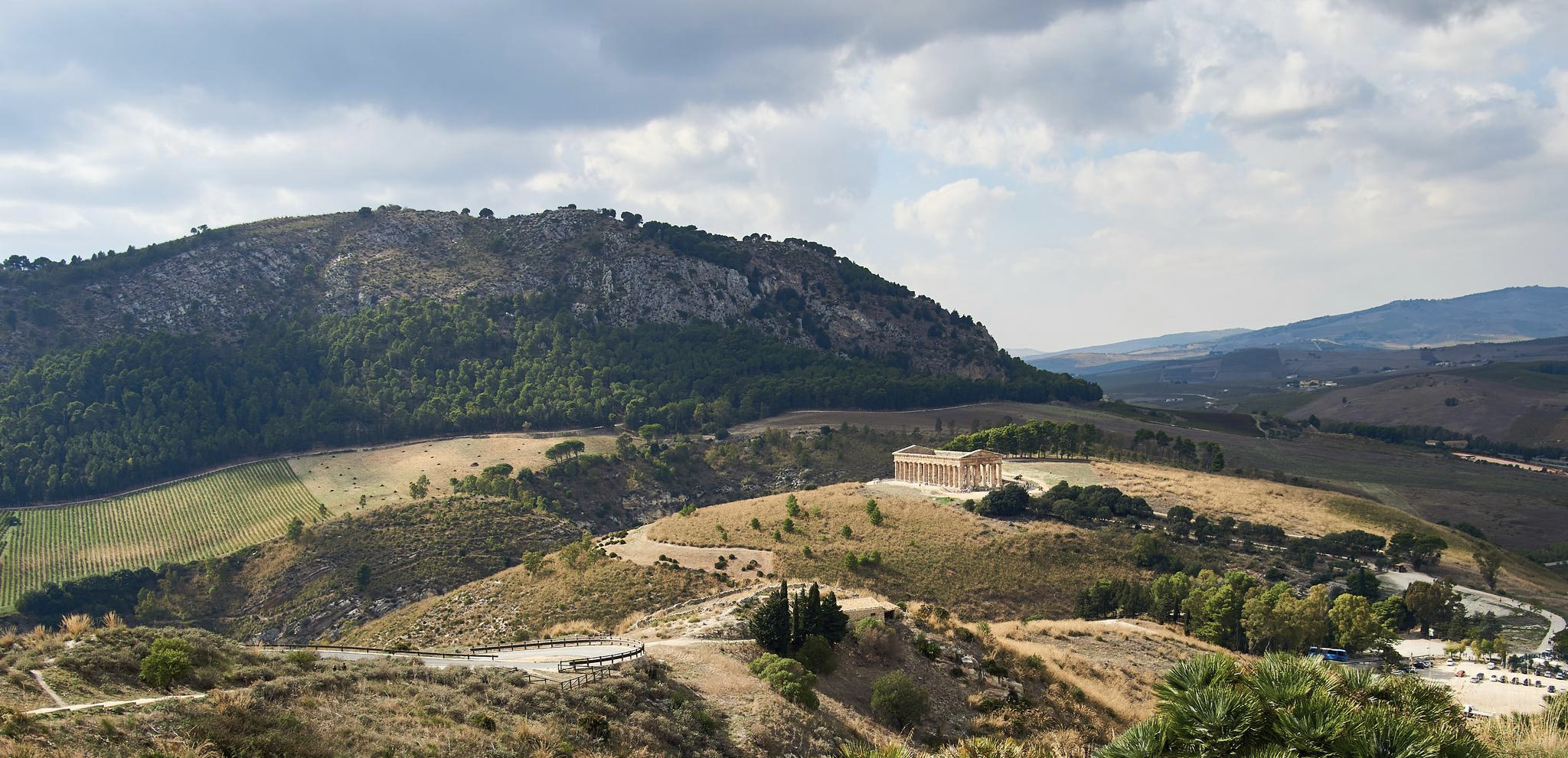
Western Sicily by bike – between flavours and traditions
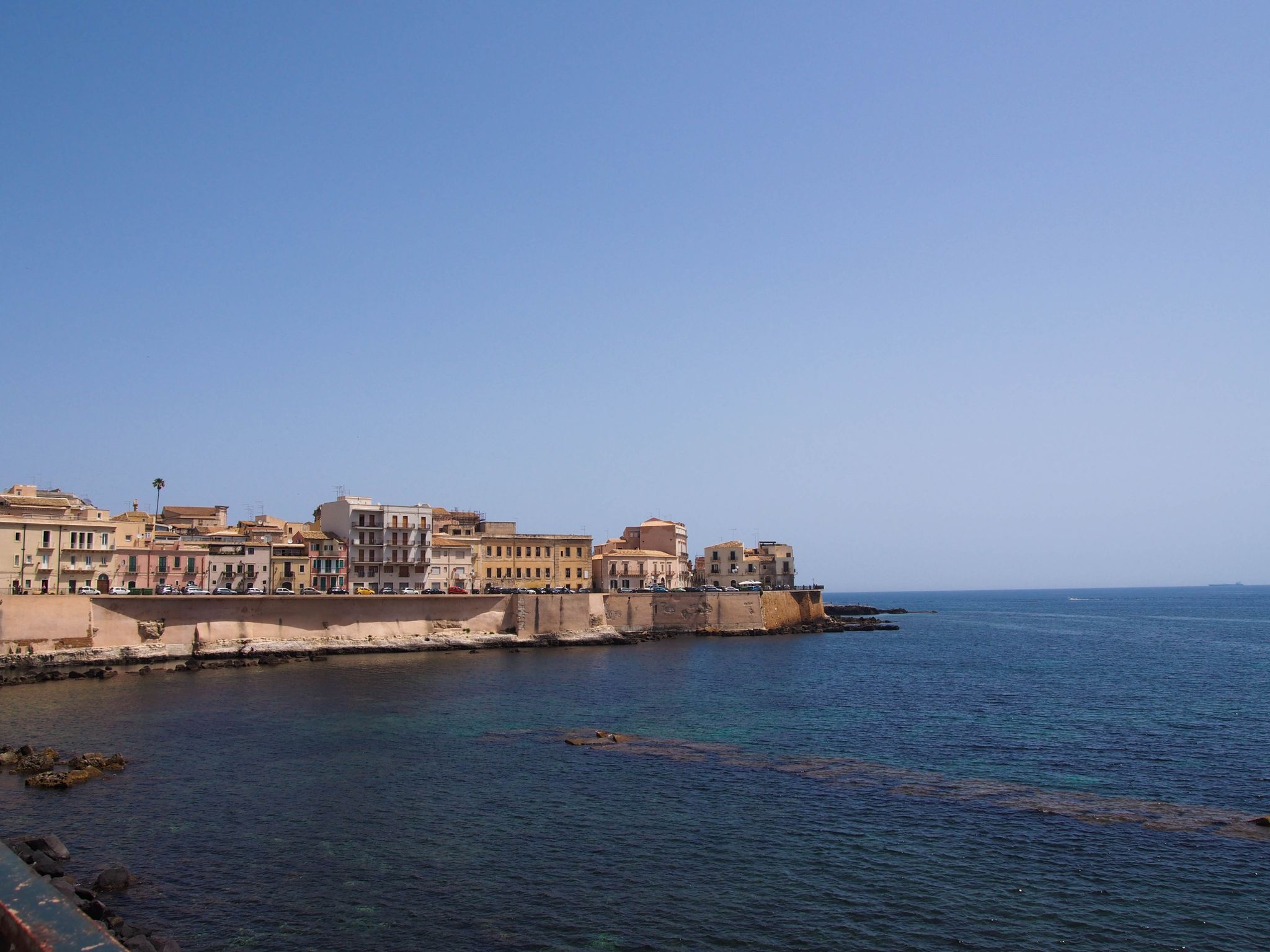
Sicily’s coast from Trapani to Syracuse – SIBIT Bike Route
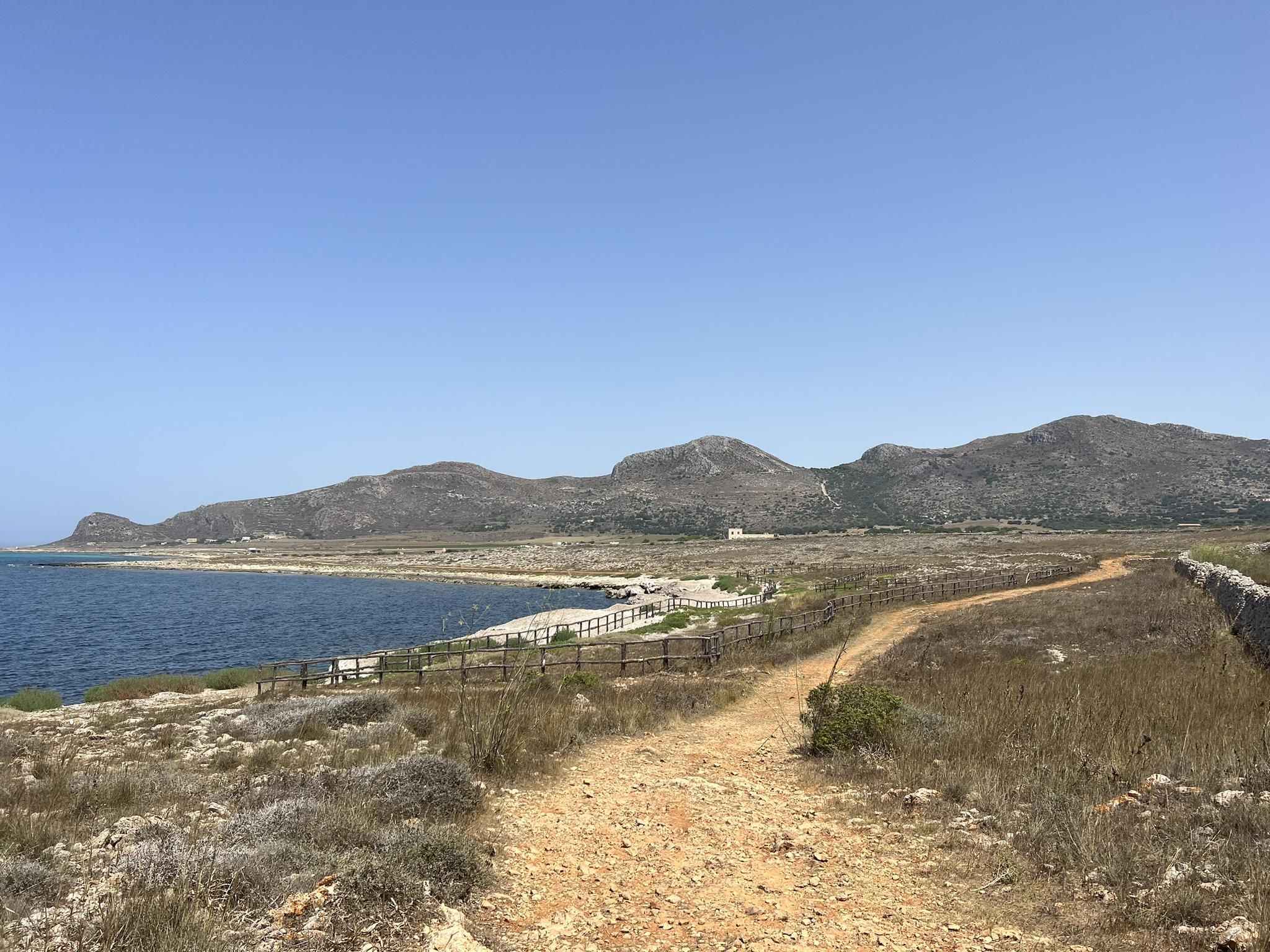
An unmissable island – Favignana by MTB
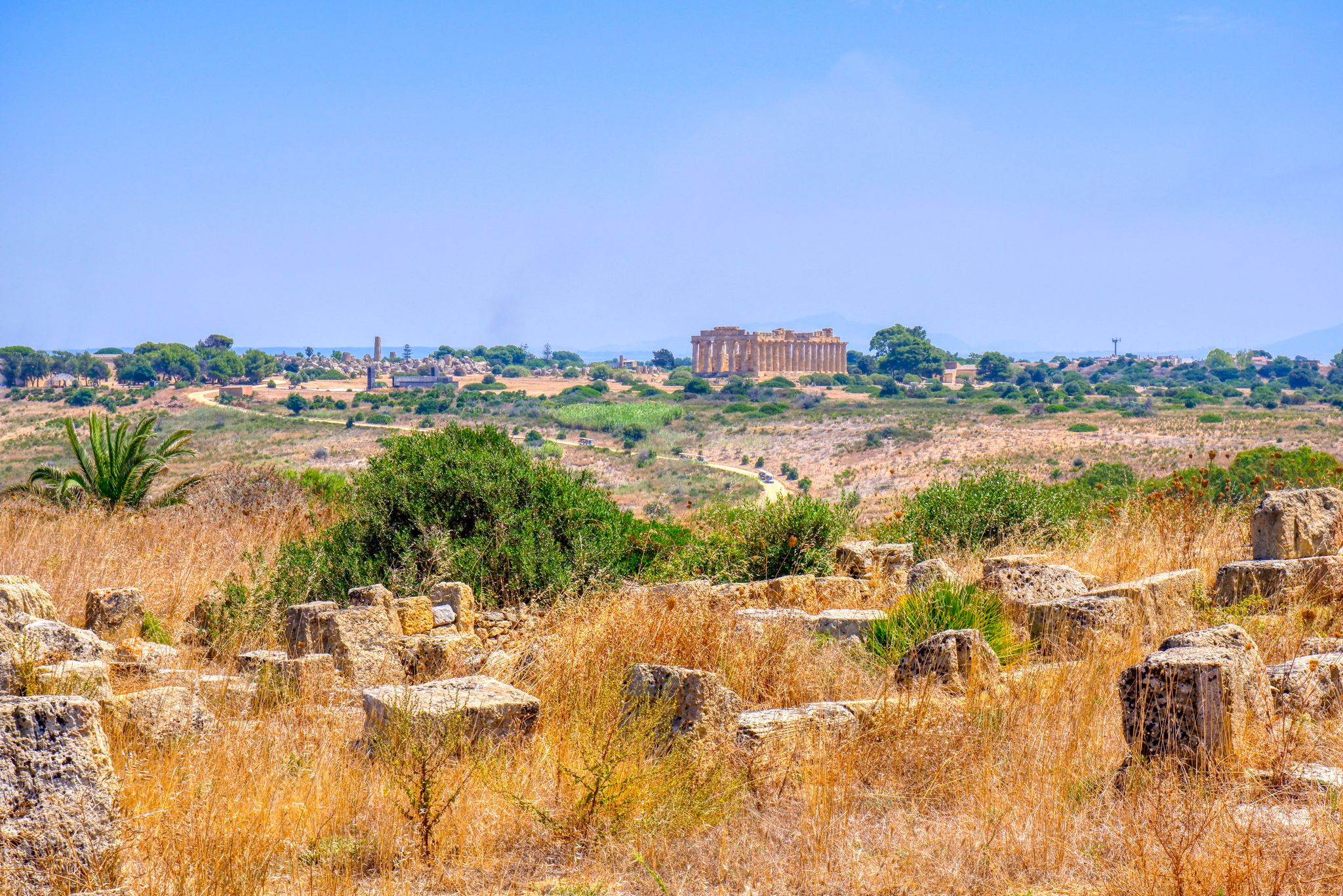
Between nature and history – Western Sicily by bike
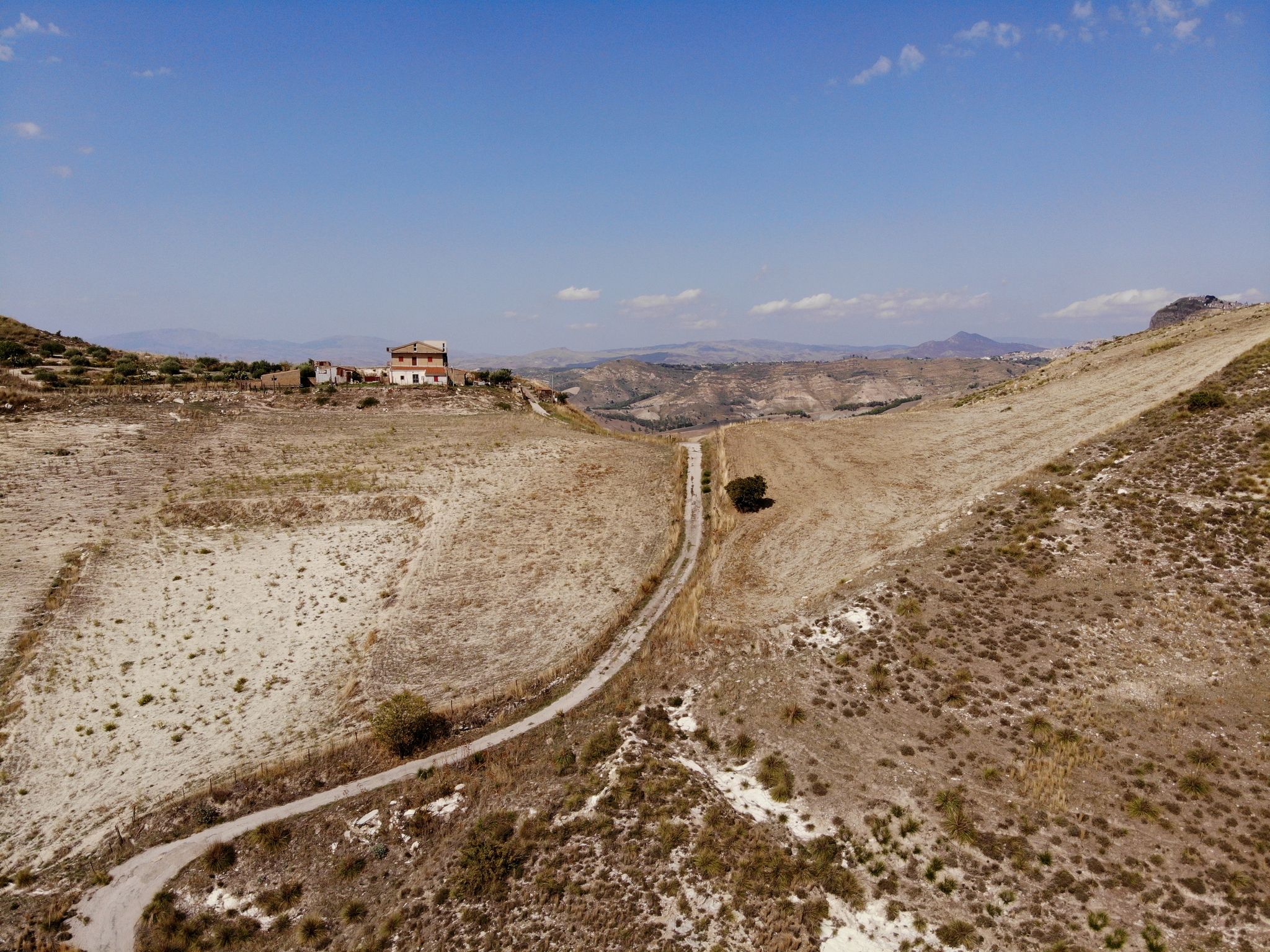
Sicily Divide – an adventure through Sicily
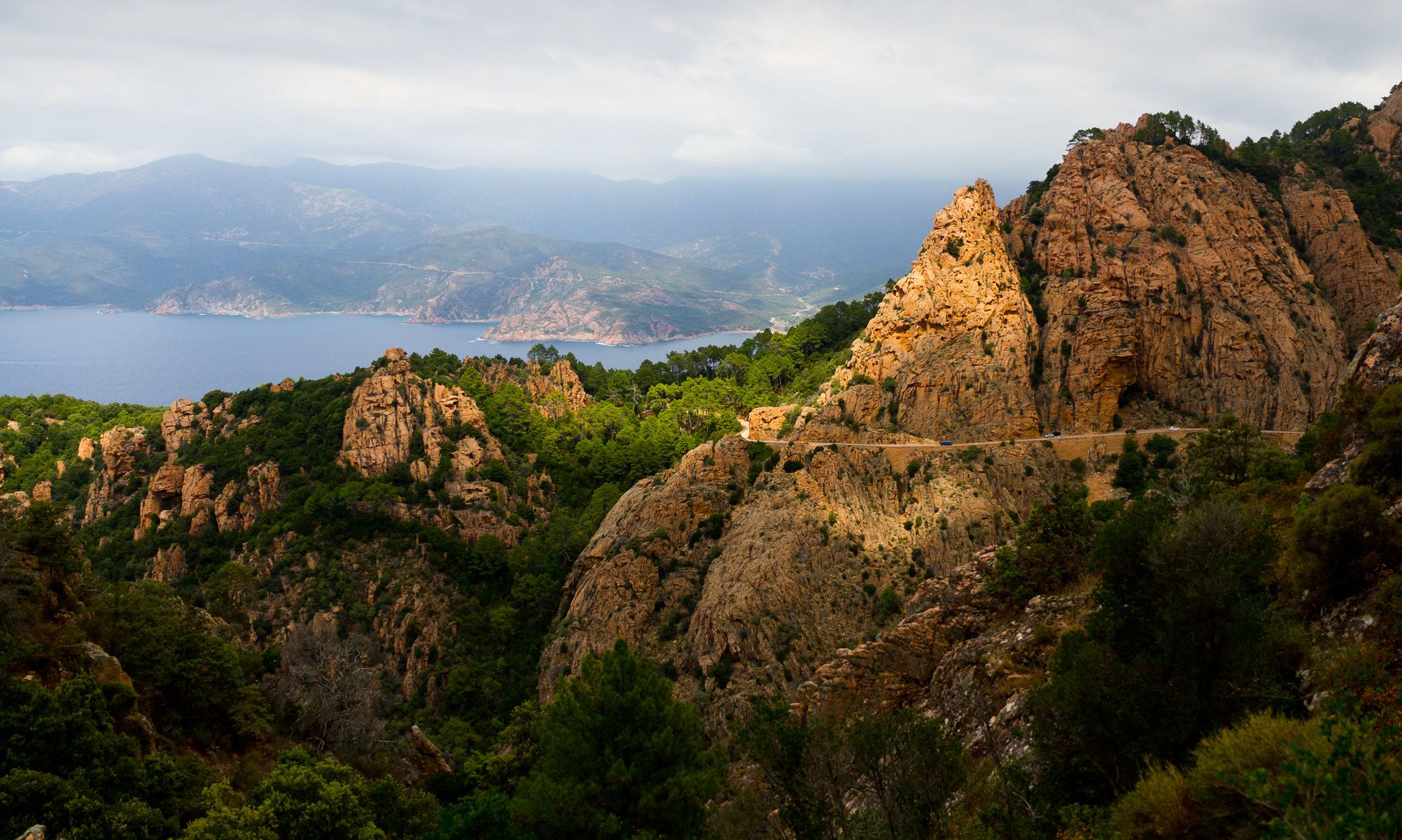
From Cape Corsica to Syracuse — three Mediterranean islands
Other adventures in Trapani


Tips from the Community

The entire national park is permanently closed due to devastating forest fires in autumn 2025! The entrance is guarded; no entry is possible.
1
0

An important natural product is extracted from the sea's saltwater here. Only through the power of the elements, sun and wind, which evaporate the water in the saltworks' shallow basins, does pure salt remain. Even today, you won't find a kitchen without salt to season dishes. But in earlier times, it had an additional significance: It was important for preserving food—making it so precious that salt was called "white gold."
0
0

Long enchanting, uncontaminated. Definitely to be reached with comfortable shoes and plenty of water in tow during the summer period.
0
0

The hike is completely overcrowded, and you're charged twice. You pay €9 at the parking lot and then another €5 per person. There's almost no shade anywhere, and the small swimming coves are completely overcrowded.
0
0

Not crowded in spring, the brave even go into the sea and swim a lap. The 18 km are strenuous, but doable, and well worth it. A great coastal hike with a beautiful beach.
0
0

5 euros is so worth it! Super relaxed in winter, not much going on but still wonderful. Incredible nature. Watch out for snakes, they are definitely there and like to sun themselves on the rocks. Breathtakingly beautiful when the sun is shining!
2
0

Scaletta Maruzza is certainly one of the most evocative passages of the entire Monte Cofano reserve.
1
0

Nice tour to do in the Zingaro Nature Reserve
3
2
Frequently Asked Questions
What are some of the most popular natural monuments to visit in Trapani?
Trapani is home to several highly regarded natural monuments. Among the most popular are the Zingaro Nature Reserve, known for its unspoiled coastline and hiking trails, and the Monte Cofano Nature Reserve, which features dramatic cliffs and a symbolic mountain. Visitors also frequently explore the unique Trapani and Paceco Salt Pans, a significant wetland with traditional salt harvesting.
Are there good hiking trails within Trapani's natural monuments?
Yes, Trapani's natural monuments offer excellent hiking opportunities. The Zingaro Nature Reserve features a charming path along the coast with wonderful views and access to secluded bays. The Monte Cofano Nature Reserve also has diverse trails, including the Monte Cofano Canyon Trail, offering scenic viewpoints. For more hiking options, you can explore various routes in the region via the Easy hikes in Trapani guide.
Which natural monuments in Trapani are suitable for families?
The Trapani and Paceco Salt Pans are considered family-friendly, offering an educational experience about traditional salt harvesting and excellent birdwatching opportunities. Additionally, the Punta Capreria Coastal Trail within the Zingaro Nature Reserve is also suitable for families, providing continuous sea views and crystal-clear waters for swimming.
Can I see wildlife at Trapani's natural monuments?
Absolutely. The Trapani and Paceco Salt Pans Natural Reserve is a crucial resting and feeding ground for over 240 species of birds, including a large population of pink flamingos, herons, and avocets. The Zingaro Nature Reserve is also a significant site for birdwatching, home to peregrine falcons, Bonelli's eagles, kestrels, and buzzards, alongside diverse Mediterranean flora.
Do Trapani's natural monuments have historical significance?
Yes, several natural monuments in Trapani are rich in history. Grotta Mangiapane, located within the Monte Cofano Nature Reserve, is a large natural cave with evidence of prehistoric human habitation and a unique rural village built inside it. The Trapani and Paceco Salt Pans showcase centuries of traditional sea salt harvesting, with historical windmills and a Salt Museum. The Uzzo Cave also holds archaeological importance with petrified bones and evidence of ancient settlements.
What is the best season to visit Trapani's natural monuments?
The spring and autumn months are generally ideal for visiting Trapani's natural monuments. During these seasons, the weather is pleasant for hiking and exploring, and the landscapes are particularly vibrant with blooming flora or rich autumn colors. Summer can be very hot, making strenuous activities less comfortable, though the coastal reserves offer opportunities for swimming.
Are there opportunities for cycling near Trapani's natural monuments?
Yes, the Trapani region offers various cycling routes that can take you near or through some natural monuments. For instance, you can find routes like the 'Natural Reserve Saline di Trapani e Paceco — Ring tour' which explores the salt pans. For more options, refer to the Cycling in Trapani guide or the MTB Trails in Trapani guide.
What should I bring when visiting natural monuments in Trapani?
When visiting Trapani's natural monuments, especially for hiking, it's recommended to bring sturdy shoes, plenty of water, sun protection (hat, sunscreen), and a swimsuit if you plan to enjoy the coastal bays. Some trails, like those in Zingaro, have little shade, so preparation is key. Trekking poles can also be useful on certain paths.
Are there any hidden natural gems in the Trapani area?
While popular, the secluded coves within the Zingaro Nature Reserve, such as Cala della Disa, are often considered hidden gems due to their pristine, untouched beauty and crystal-clear waters. The entire Monte Cofano Nature Reserve, beyond Grotta Mangiapane, also offers quieter trails and panoramic views away from more crowded spots.
What kind of geological features can be found in Trapani's natural monuments?
Trapani's natural monuments boast diverse geological features. The Monte Cofano Nature Reserve is characterized by dramatic coastal cliffs and numerous caves, including the historically significant Grotta Mangiapane. The Zingaro Nature Reserve features steep cliffs reaching up to 913 meters and pristine coves with white pebbles. The Faraglioni di Scopello are impressive sea stacks, showcasing the region's rugged coastal geology.
Is public transport available to reach Trapani's natural monuments?
While some natural monuments might be accessible by local bus services, especially those closer to towns, many of Trapani's more remote natural reserves, like the Zingaro Nature Reserve or parts of the Monte Cofano Nature Reserve, are best reached by car. It's advisable to check local bus schedules and routes in advance if relying on public transport, as services can be limited, especially outside peak tourist season.
Most popular routes in Trapani
Most popular attractions in Trapani

Get inspired with the komoot mobile app


Didn’t find what you were looking for?
Find even more amazing natural monuments in Trapani by checking out the top Highlights region by region:
Explore more
Extend your search for the best caves by checking out these guides of the top ones in Trapani:
