Top 20 Natural Monuments in A Coruña
Best natural monuments in A Coruña showcase a diverse landscape, from ancient forests to unique coastal formations. The province of A Coruña in Galicia, Spain, features significant natural areas, including extensive temperate rainforests and coastal dune systems. These sites offer ecological importance and opportunities for outdoor activities. The region's geography includes deep canyons, wild slopes, and a varied coastline with cliffs and islands.
Best natural monuments in A Coruña
- The most popular natural monuments is Fisterra Lighthouse, a man-made…
Last updated: September 29, 2026
Fisterra Lighthouse
Highlight • Monument
Translated by Google •
Tip by

Santa Irene Fountain
Highlight • Natural Monument
Translated by Google •
Tip by

Sign up now to discover places like this
Get recommendations on the best single tracks, peaks, & plenty of other exciting outdoor places.
Alameda Park (Santiago de Compostela)
Highlight • Parking
Translated by Google •
Tip by

A Ferida Monument
Highlight • Monument
Translated by Google •
Tip by

Sanctuary of Our Lady of the Boat
Highlight • Religious Site
Translated by Google •
Tip by
Menhirs for Peace
Highlight • Monument
Translated by Google •
Tip by

Pilgrim's Boot Sculpture
Highlight • Monument
Translated by Google •
Tip by
Moa Summit (Monte Pindo)
Highlight • Summit
Translated by Google •
Tip by

Fountain of San Pedro Mártir
Highlight • Structure
Translated by Google •
Tip by
San Carlos Garden
Highlight • Historical Site
Translated by Google •
Tip by
Sign up for free to discover even more natural monuments in A Coruña.
Already have an account?
Start today with a free account
Your next adventure awaits.
Popular around A Coruña
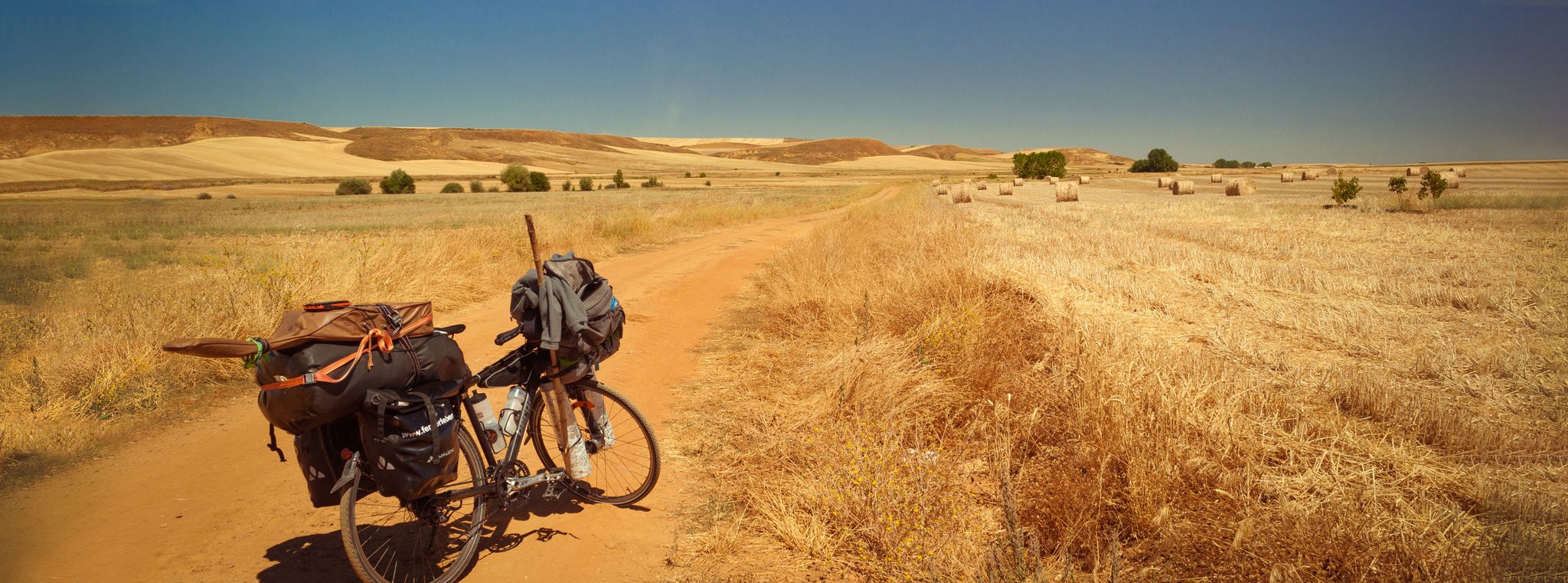
Camino Francés and Camino Finisterre – Cycling pilgrimages in Spain
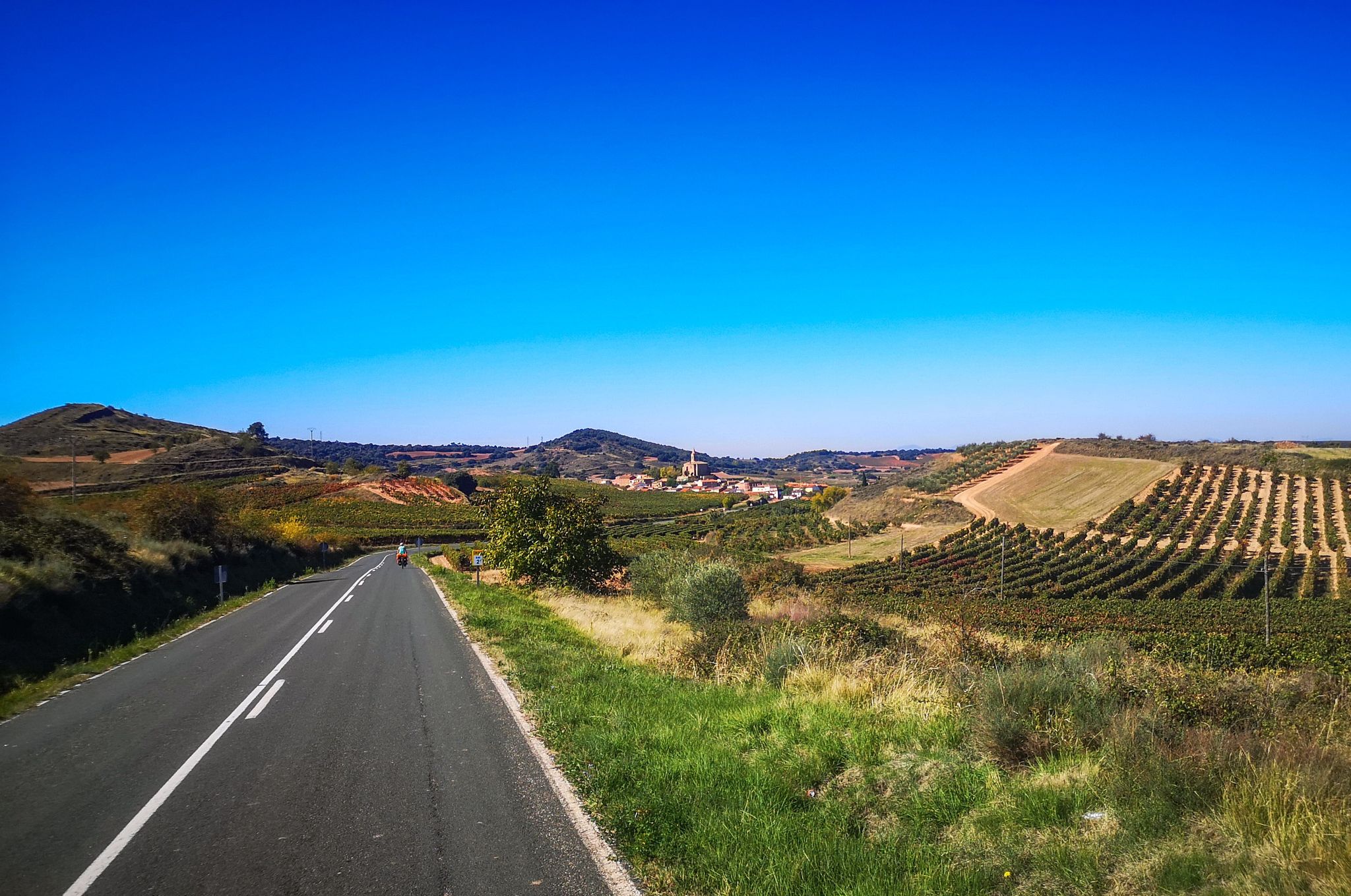
Santiago de Compostela – A journey through northern Spain (10 days)
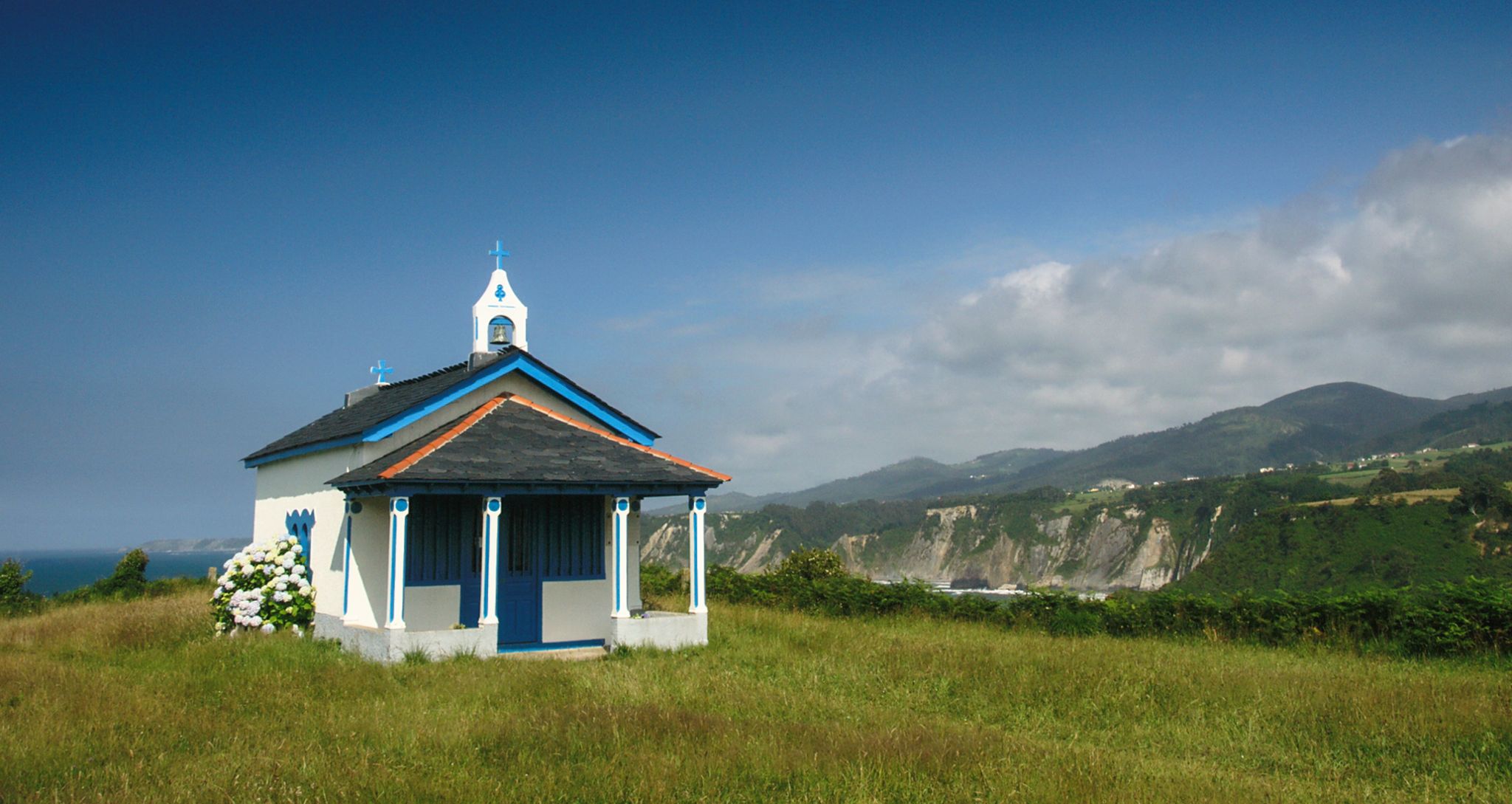
Camino del Norte – 15 stages
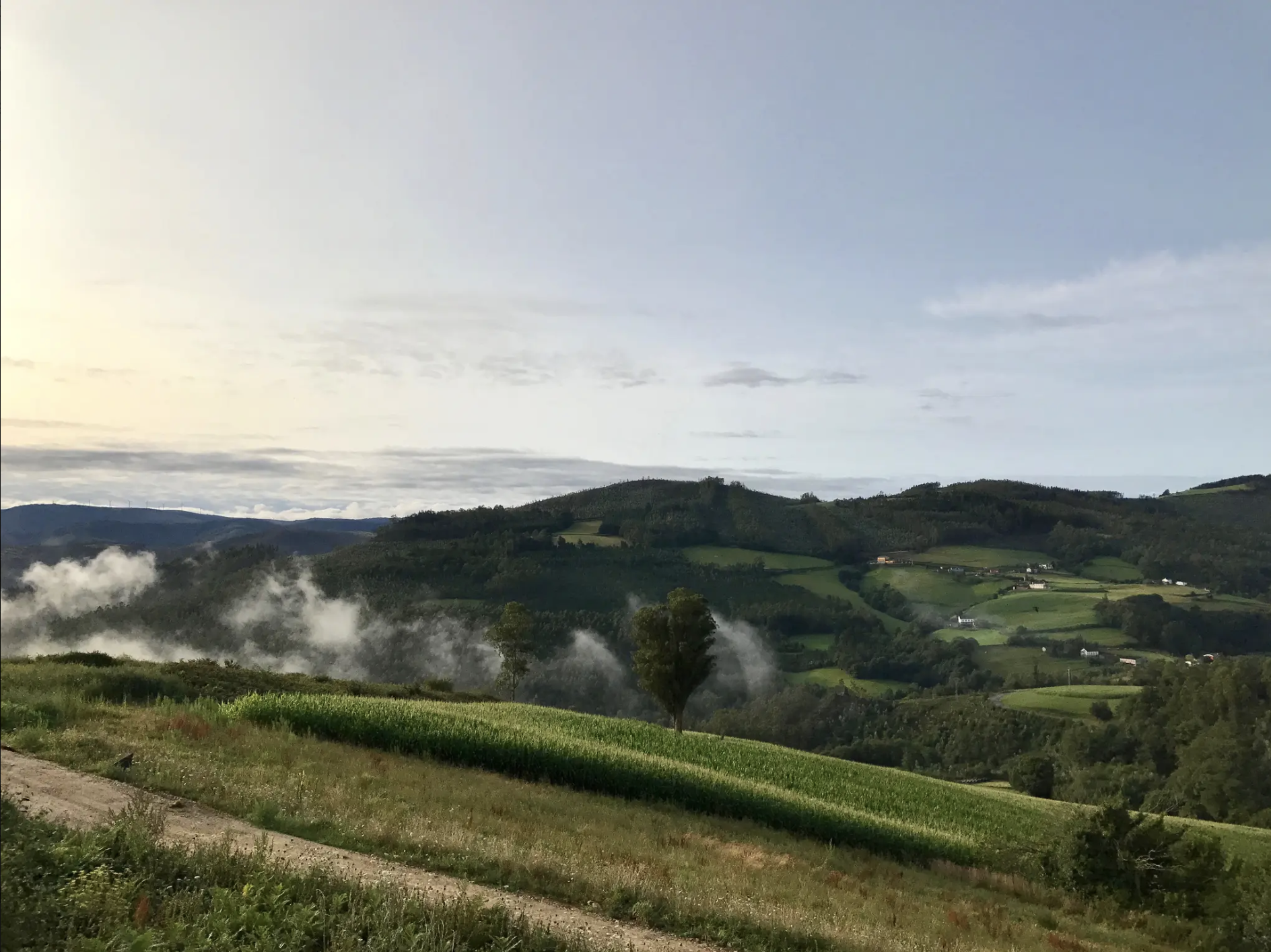
Camino del Norte (in reverse) – Discovering northern Spain's stunning coastline
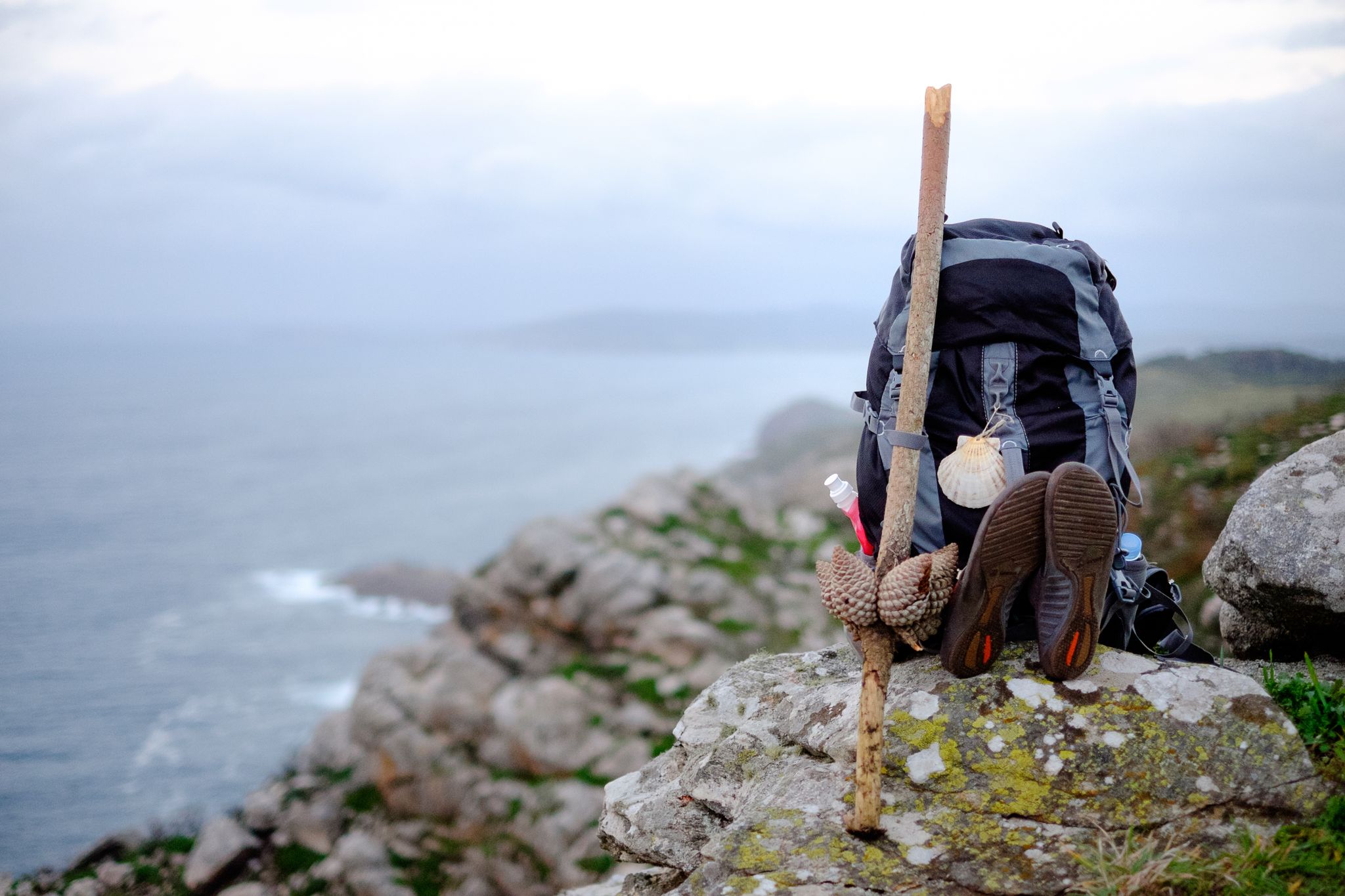
Way of St. James – 60 miles
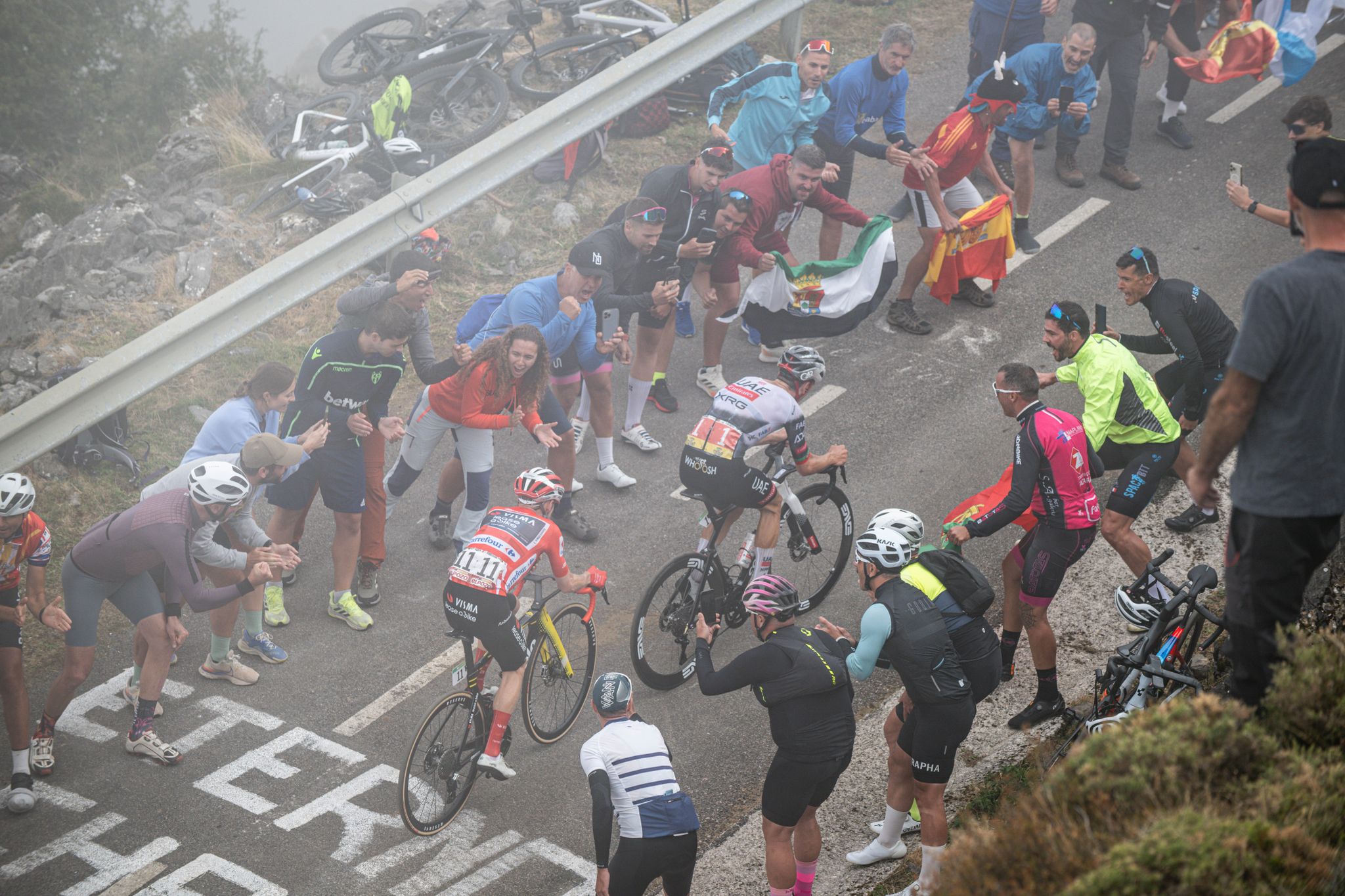
Mythical Passes and Sections of La Vuelta
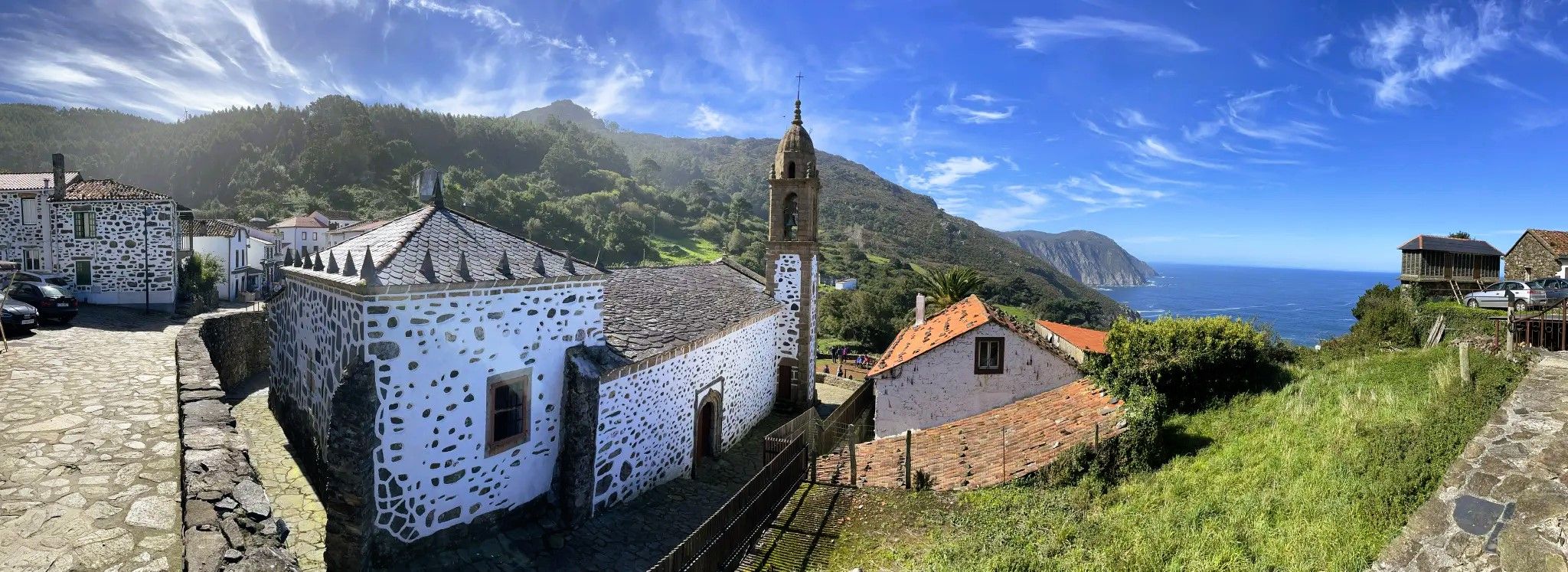
A journey through time – Camiño do Medievo (GR 55)
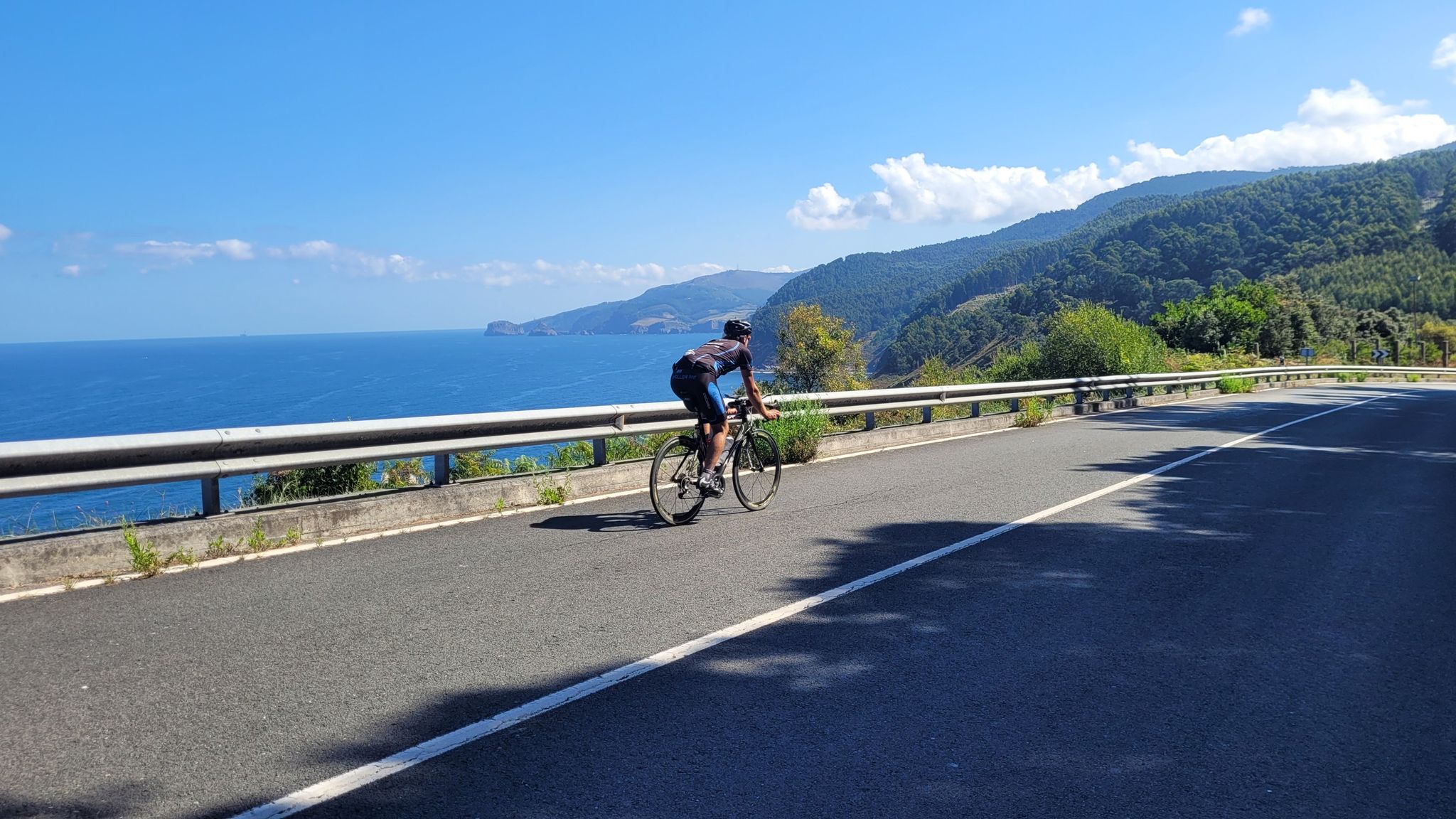
Cycling along the Cantabrian coast – the Northern Way
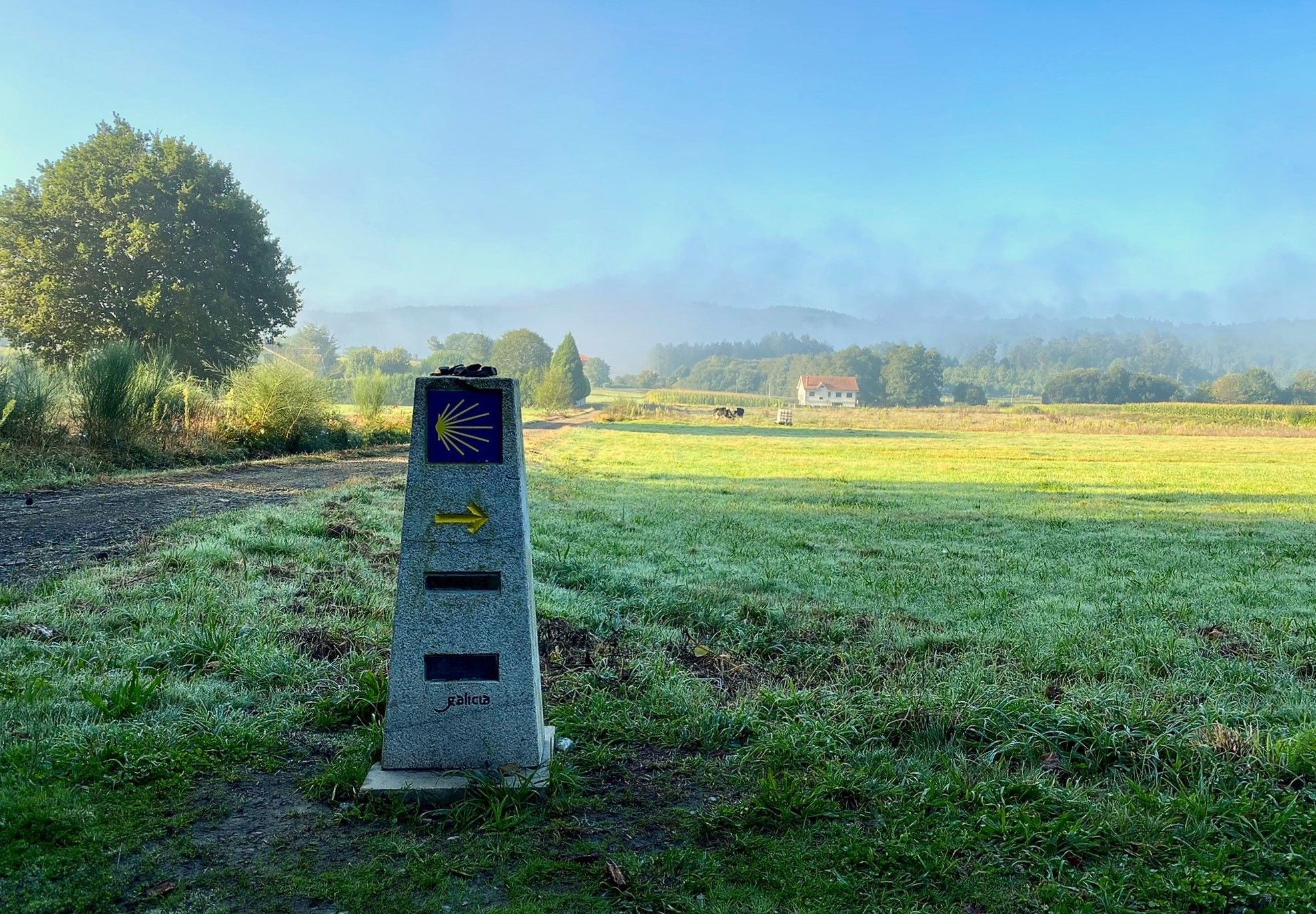
A pilgrimage on foot – Spain’s Primitive Way
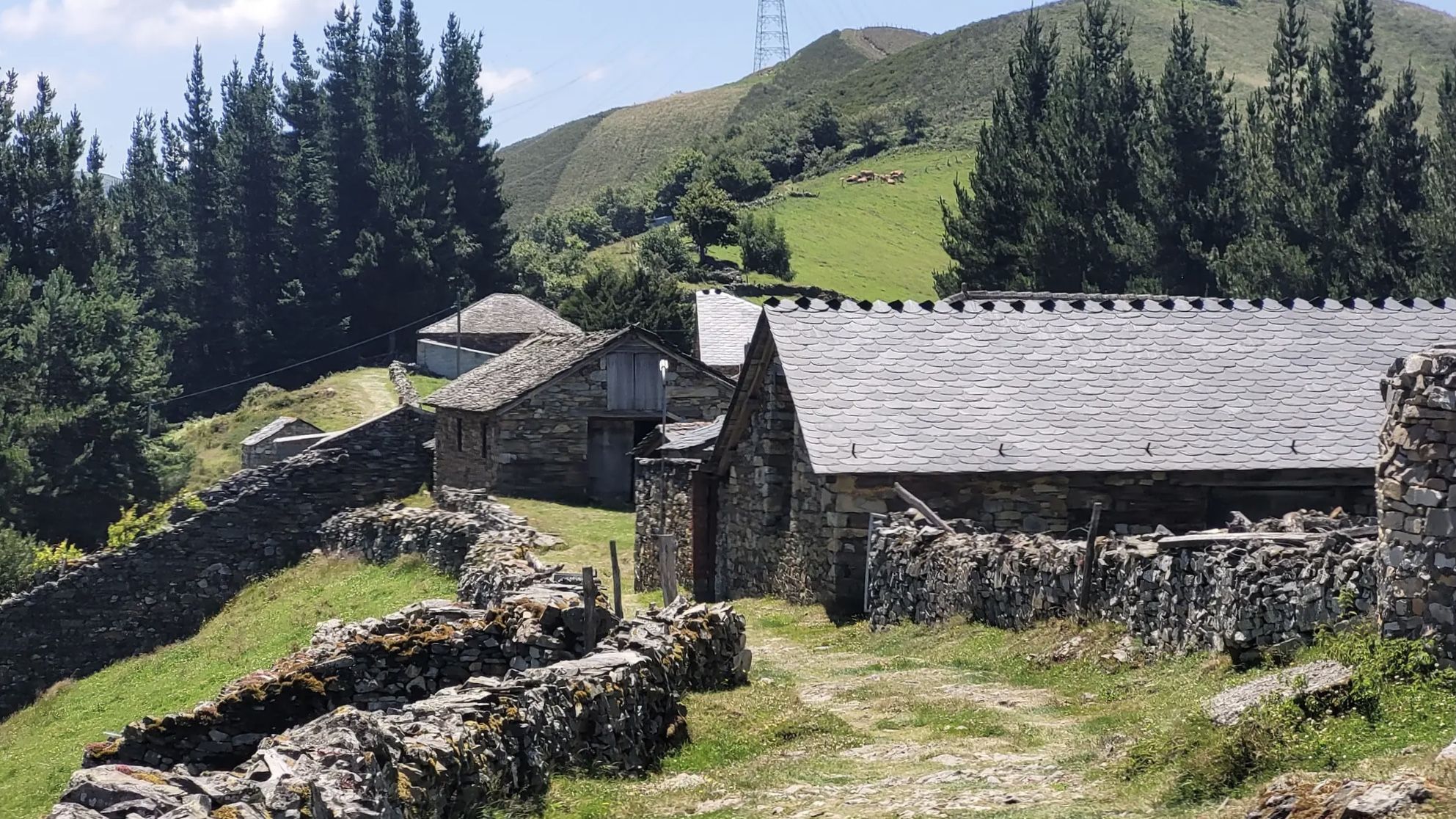
The Camino Primitivo — From Oviedo to Santiago through history
Other adventures in A Coruña


Tips from the Community


I don't know if it's drinkable, it doesn't say anything but I drank like an animal from it.
0
0


Temporarily closed. October 26, 2024
1
1

The garden of San Carlos was built as a defensive castle outside the walls in the 14th century and was joined to the city in the 16th century. Little by little it lost importance as a bastion or "old fortress" and, after the gunpowder magazine it contained exploded, it was abandoned until it was recovered as a garden in the 18th century by Carlos F. de Croix.
1
1

The way to the summit is a bit sweaty, but easy to walk in shorts and well signposted. You reach the summit in about 70 minutes. With the knowledge I have now gained after the tour I have just completed, I would now take the same route back. The way back - as others have already written - quickly becomes very thorny (gorse and blackberries) and the path becomes increasingly narrow. You are bound to get caught on the thorns all the time. It was a pretty bloody affair in shorts. In addition, shortly after leaving the summit, a thick cloud of fog rolled in from the sea and swallowed the mountain. With the cloud came heavy, constant drizzle. I was completely soaked in no time - from above and from the sides due to contact with the vegetation. All of this made the way back feel four times longer than the ascent and was then simply no longer fun. What the rain also showed: good hiking boots are absolutely essential. The rocks then become quite slippery in places. The climb was in mid-August, starting at around 10 a.m. (it is highly recommended to start early, as it is almost always cloudy/foggy in the afternoon) at 20 degrees.
1
0

We cooled off here too. These springs are very popular on warm days.
1
0
Frequently Asked Questions
What are some of the most ecologically significant natural monuments in A Coruña?
A Coruña is home to several remarkable natural monuments. The Fragas do Eume Natural Park is considered one of Europe's best-preserved temperate rainforests, boasting impressive biodiversity and deep canyons. Another significant site is the Dunas de Corrubedo and Lagoas de Carregal e Vixán Natural Park, known for its extensive mobile dunes and unique combination of freshwater and saltwater lagoons, recognized as a Ramsar site for its international importance as a wetland.
Are there family-friendly natural monuments to visit in A Coruña?
Yes, several natural monuments in A Coruña are suitable for families. The Santa Irene Fountain is a tranquil and family-friendly natural monument. Additionally, the Compass Rose at the Tower of Hercules and the Menhirs for Peace are both family-friendly sites that combine natural elements with cultural interest.
What kind of wildlife can be observed in A Coruña's natural monuments?
The natural monuments in A Coruña offer diverse wildlife viewing opportunities. In Fragas do Eume Natural Park, you can spot over 100 bird species, 41 mammal species (including otters), and various fish. The Dunas de Corrubedo and Lagoas de Carregal e Vixán Natural Park is particularly important for birdwatching, especially migratory species, due to its wetland ecosystems.
What outdoor activities can I do near the natural monuments in A Coruña?
A Coruña's natural monuments are excellent starting points for various outdoor activities. You can find numerous hiking trails, such as those within the Fragas do Eume Natural Park or the coastal paths of the Monumento Natural Costa de Dexo-Serantes. For more options, explore easy hikes in A Coruña, running trails, or cycling routes in the region.
Are there any natural monuments with historical or cultural significance?
Yes, many natural monuments in A Coruña are intertwined with history and culture. The Fisterra Lighthouse, located on a cliff, is traditionally considered the unofficial endpoint of the Way of St. James and has ancient solar rites associated with it. The Tower of Hercules, a UNESCO World Heritage site, is an ancient Roman lighthouse surrounded by a natural park. The Fragas do Eume Natural Park also features the historic 10th-century Monastery of San Xoán de Caaveiro.
What is the best time of year to visit the natural monuments in A Coruña?
The best time to visit A Coruña's natural monuments often depends on your preferred activity. Spring and autumn generally offer pleasant temperatures for hiking and exploring, with vibrant colors in places like Fragas do Eume. Summer is ideal for coastal areas like the Dunas de Corrubedo, though it can be busier. Winter can be beautiful for a more serene experience, especially in the forests, but some paths might be wet.
Can I find viewpoints with panoramic views among the natural monuments?
Absolutely. The Moa Summit (Monte Pindo) offers challenging ascents with panoramic views. The Monumento Natural Costa de Dexo-Serantes provides wide panoramic views of the Golfo Ártabro, extending from Cabo San Adrián to Cabo Prior. In the Dunas de Corrubedo Natural Park, viewpoints like Pedra da Ra and Castro da Cidá offer stunning perspectives of the mobile dune and coastline.
Are there any natural monuments that are particularly unique or unusual?
The Dunas de Corrubedo and Lagoas de Carregal e Vixán Natural Park stands out as the only protected area of a desertic nature in Galicia, featuring a massive mobile dune and a rare combination of freshwater and saltwater lagoons. The Fragas do Eume Natural Park is unique as one of the best-preserved Atlantic temperate rainforests in Europe, a relict of the Tertiary Era.
What amenities are available near the natural monuments, such as cafes or accommodation?
While specific amenities vary by location, many natural monuments in A Coruña are near towns or villages where you can find cafes, restaurants, and accommodation. For example, the Fragas do Eume Natural Park has visitor centers at Monfero and Caaveiro. Coastal areas like the Monumento Natural Costa de Dexo-Serantes and the Corrubedo Dune Complex are typically close to coastal communities offering various services.
Are dogs allowed on trails within A Coruña's natural monuments?
Dog policies can vary significantly between different natural monuments and protected areas in A Coruña. It's always recommended to check specific regulations for each park or trail you plan to visit. Some areas may allow dogs on a leash, while others might have restrictions to protect wildlife or sensitive ecosystems, especially in places like the Corrubedo Dune Complex due to its importance for birdlife.
What is the significance of the coastal natural monuments in A Coruña?
A Coruña's coastal natural monuments are highly significant for their unique geomorphology, biodiversity, and scenic beauty. The Monumento Natural Costa de Dexo-Serantes, for instance, is an 11-kilometer stretch of coastline with cliffs and islets, integrated into the Galician Network of Protected Natural Spaces and designated as a Special Protection Area. These areas are crucial for marine and coastal ecosystems and offer excellent opportunities for birdwatching and hiking.
Are there any natural monuments that are easily accessible?
Many natural monuments in A Coruña offer varying degrees of accessibility. While some, like the Fisterra Lighthouse, are easily reachable by road, others might require more effort. The Dunas de Corrubedo Natural Park has various walking trails, some of which are relatively flat, making parts of the park accessible. It's advisable to check specific trail conditions and facilities for each site.
Most popular routes in A Coruña
Most popular attractions in A Coruña

Get inspired with the komoot mobile app


Didn’t find what you were looking for?
Find even more amazing natural monuments in A Coruña by checking out the top Highlights region by region:
Explore more
Extend your search for the best caves by checking out these guides of the top ones in A Coruña:
