Top 20 Natural Monuments in Córdoba
Best natural monuments in Córdoba feature diverse landscapes, from Mediterranean forests and limestone mountains to wetlands and unique geological formations. The region offers opportunities for hiking and wildlife observation across its varied terrain. Notable areas include the Sierra de Hornachuelos Natural Park, known for its preserved forests, and the Sierras Subbéticas Natural Park, which contains the province's highest peak and significant geological features. Córdoba also hosts important wetlands like Laguna de Zóñar and urban natural spaces such as Los Sotos…
Last updated: July 10, 2026
Baños de Popea Waterfalls
Highlight • Waterfall
Translated by Google •
Tip by

Elephant Fountain
Highlight • Monument
Translated by Google •
Tip by

Sign up now to discover places like this
Get recommendations on the best single tracks, peaks, & plenty of other exciting outdoor places.
Sign up for free
Zuheros Castle
Highlight • Castle
Translated by Google •
Tip by

Victoria Gardens
Highlight • Natural Monument
Translated by Google •
Tip by
Fuente del Río
Highlight • Natural Monument
Translated by Google •
Tip by

Views over the Laguna del Conde
Highlight • Viewpoint
Translated by Google •
Tip by

Chorreras de la Fuenseca
Highlight • Waterfall
Translated by Google •
Tip by

First Spring of the Bejarano Stream
Highlight • River
Translated by Google •
Tip by

Limestone formations and caves in the Bailón Canyon
Highlight • Canyon
Translated by Google •
Tip by
Las Chorreras Waterfall
Highlight • Waterfall
Translated by Google •
Tip by
Sign up for free to discover even more natural monuments in Córdoba.
Sign up for free
Already have an account?
Start today with a free account
Your next adventure awaits.
Login or Signup
Popular around Córdoba
European Divide Trail — 7,600 km across the continent
Mozarabic Way to Santiago – Gravel between two worlds
La Vuelta 26 — All Official Stages
12 hiking gems throughout Spain
10 gravel routes to discover hidden gems in Spain
Pastures, Pedroches and farmhouses — Cañada Real Soriana (GR 40)
A winter getaway along the greenways of Andalusia in Spain
European Divide Trail across the Iberian Peninsula – south
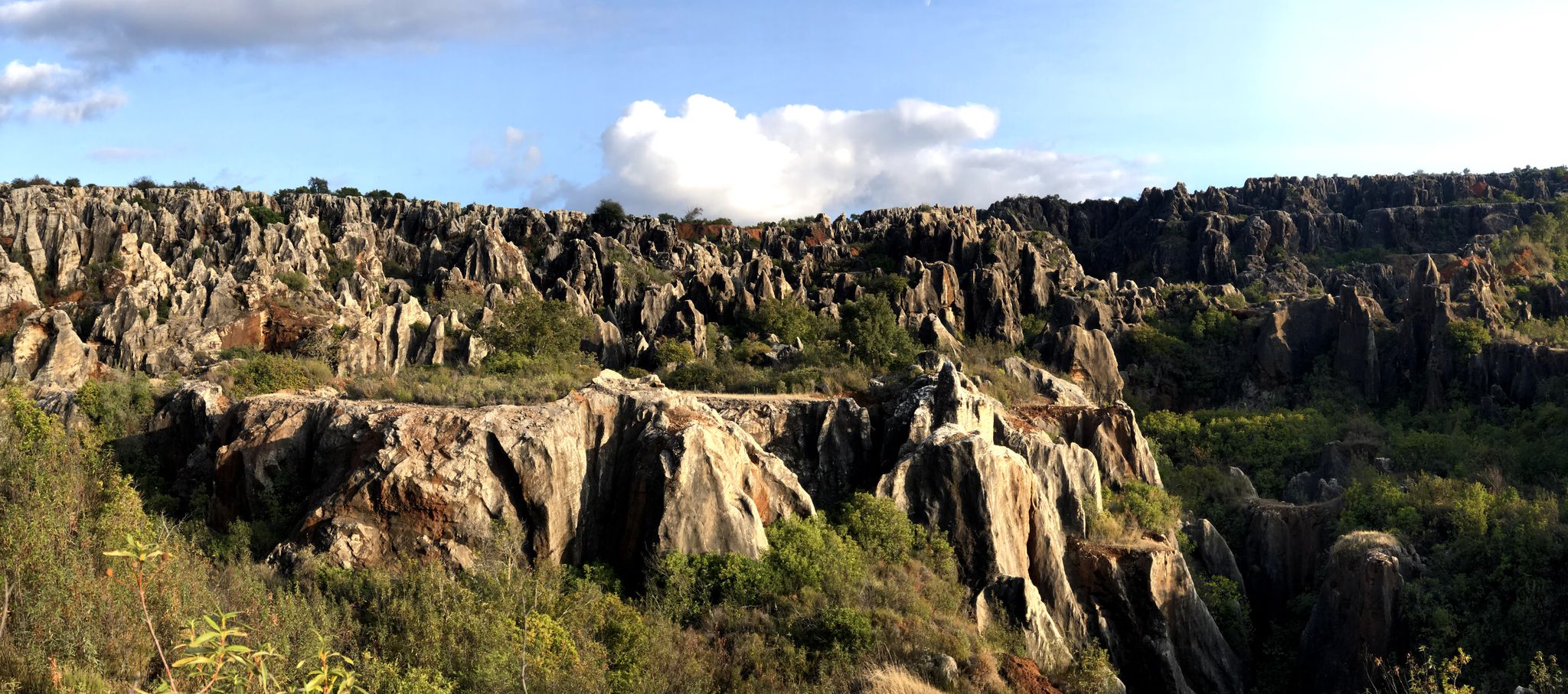
Cycling among the mysterious faults – Sierra Morena (GR 48)
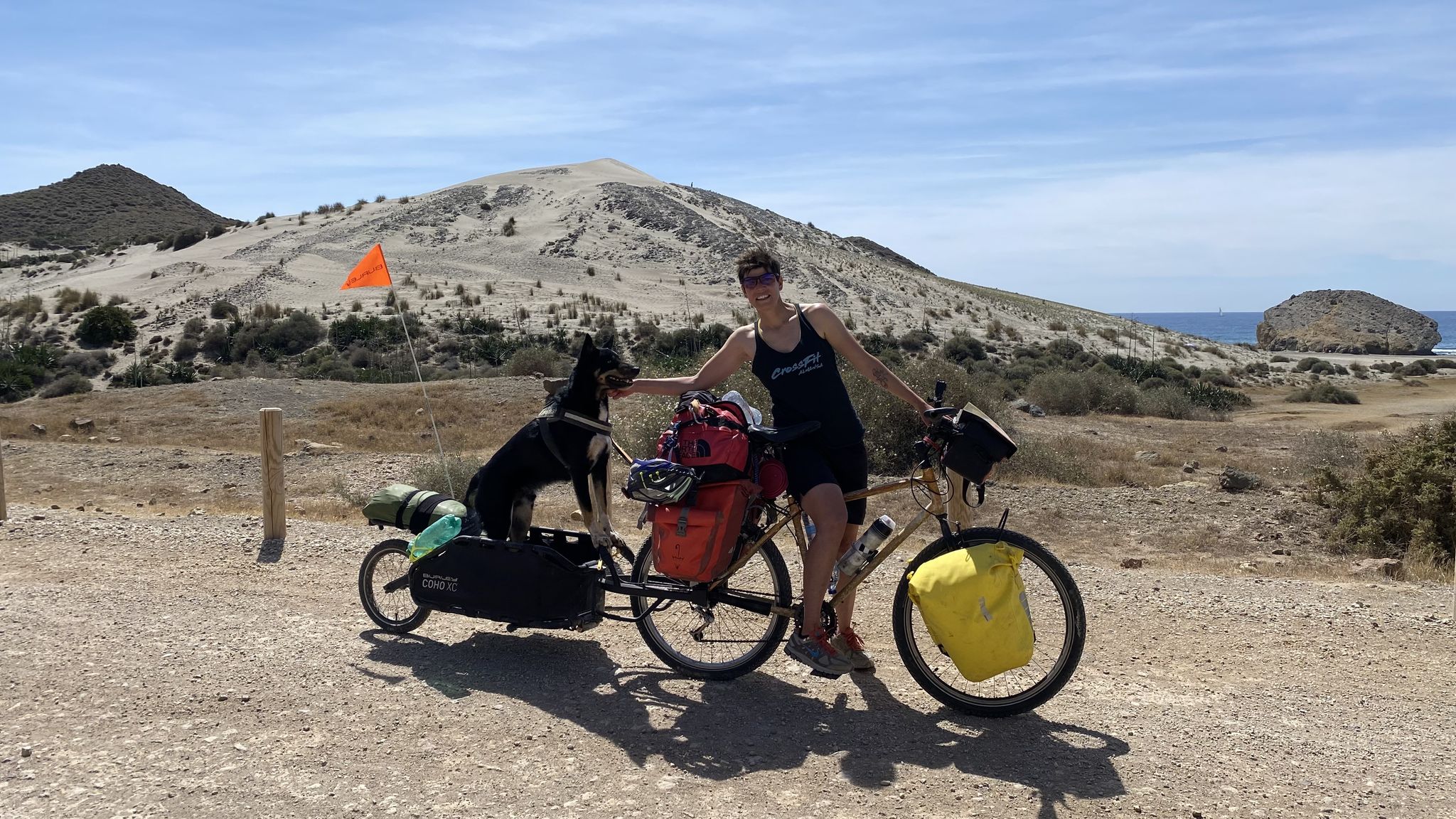
Let’s head south – cycle in Andalusia with me and my dog
Other adventures in Córdoba


Tips from the Community

The Laguna del Conde (also known as Laguna del Salobral) is an important wetland that serves as a habitat for numerous bird species such as flamingos, cormorants, and ducks. Along the Vía Verde, there are viewpoints from which visitors can observe the wildlife.
1
0

El Castillo de Zuheros is a historic fortress in the small municipality of Zuheros. The castle sits spectacularly on a rock and has become a landmark of the region. The castle's origins date back to the Moors in the 9th century. It was strategically built on a limestone cliff to control and defend the region. Its location made it almost impregnable.
0
0
Located on the Caño Escaravita estate, just beyond the outlying neighborhood of Santa María de Trassierra. We found it in the western Sierra peri-urban district, next to the crossroads leading to the Ermitas and the Mirador de las Niñas, about fifteen kilometers from Córdoba. This is a zoomorphic water fountain on a pedestal from the Caliphate period, dating back to the 10th century. The sculpture represents a small elephant. Made of gray limestone from the Sierra Morena, it served as a support for the spout. The fountain is made up of three components: a water collection basin, a masonry pillar attached to it on its north side (which leads to a masonry irrigation ditch), and a rectangular pool located to the west of the canal. https://amedinacordoba.com/fuente-del-elefante/
1
0
The Baths of Poppaea are a natural stretch of small waterfalls alternating with small pools that follow the course of the Molino stream, near the mouth of the Guadiato River. This area was visited by Christopher Columbus. Its name comes from the place where the Cordoba poets of the Cántico Group used to visit, as during the Franco regime it was a safe place, away from the scrutiny of this intellectual group, as well as the homosexuality of some of them. One day, three members of the group, Pablo García Baena, Juan Bernier, and Ricardo Molina, were walking when they saw some girls bathing in the stream. The latter exclaimed, "Look, like Poppaea in the bath," referring to the Roman Empress Poppaea Sabina, a prominent figure at the time due to the film The Sign of the Cross (1932), in which actress Claudette Colbert appeared bathing in donkey's milk, just as the Empress did. The girls told the residents of Trassierra about this incident, and from then on, the story spread and became known as the Baths of Poppea. https://es.wikipedia.org/wiki/Ba%C3%B1os_de_Popea
2
0
A waterfall known as the "first spring of the Bejarano," whose water flow has always been active. There are few remains of an ancient structure from which the water flows: the aquifer catchment. The Romans knew how to harness this important spring, unique in these mountains, due to the large amount of water it provides every season (estimated at 20,000 to 35,000 m3/day). (Source: https://www.conocetusfuentes.com/ficha_detalle.php?id_fuente=10057)
1
0
The Fuente del Río in Cabra, is a picturesque natural park considered the origin of the Río Cabra. The park combines the natural beauty of a karst spring with landscaped gardens and a diverse tree landscape. It was declared a “Sitio de Interés Natural” in 1929 and today offers recreational areas and picnic areas for visitors. The spring rises at the foot of the Sierra de Cabra, an area with high rainfall and calcareous rock that leads to the formation of such karst springs. The water flows through a series of waterfalls and artificial springs and supplies the entire municipality. The Fuente del Río is part of the “Ruta del Agua” in the Subbética Cordobesa and offers a harmonious interplay of nature and human design. The park is a popular place for locals and visitors who want to enjoy the tranquility and beauty of this unique place. A visit to the Fuente del Río offers the opportunity to experience the natural beauty of the region and explore the origins of the Río Cabra.
3
0
The Lagoon del Conde or Salobral Lagoon is a temporary lagoon that reaches a maximum flood level in spring and subsides in summer. The lagoon is filled by rainfall that falls directly on the surface of the lagoon and by surface runoff from its catchment area, particularly from the Carrascón stream. The lagoon is on the migratory route that many birds follow towards the African continent in northeastern Europe. Like the rest of the wetland areas south of Córdoba, the Salobral Lagoon is integrated into the European Natura 2000 network.
10
0
El Castillo de Zuheros stands spectacularly on a rock and offers impressive views of the Sierra Subbética. The castle is a major landmark in the region. The castle's origins date back to the Moors in the 9th century. It was strategically built on a limestone cliff to control and defend the region. Its location made it almost impregnable. It was part of a network of castles designed to secure Moorish influence in Andalusia. In 1240, Zuheros was conquered by the troops of Ferdinand III of Castile. The castle passed into Christian ownership and was integrated into the kingdom's defensive structure. With the end of its military importance in the region, after the conquest of Granada in 1492, the castle began to decline in importance. Parts of the complex were destroyed by earthquakes and neglect over the centuries. In 1964, the towers were reconstructed as they can be seen in their current form. The ruins of the castle are now one of the main attractions of Zuheros and can be visited.
9
0
Frequently Asked Questions
What unique natural features can I explore in Córdoba's natural monuments?
Córdoba offers a diverse range of natural features. You can discover impressive geological formations like the Limestone formations and caves in the Bailón Canyon, which features dramatic rock walls shaped by the Bailón River. The region also boasts beautiful water features such as the Baños de Popea Waterfalls, a series of small waterfalls and pools in the Sierra Morena, and the First Spring of the Bejarano Stream, known for its consistent water flow.
Are there natural monuments in Córdoba that are suitable for families?
Yes, several natural monuments in Córdoba are family-friendly. The Victoria Gardens offer a pleasant urban green space with facilities. You can also visit Fuente del Río, a natural monument with a river and viewpoint, which includes parking. Additionally, the Views over the Laguna del Conde provide a scenic lake setting suitable for all ages.
Where can I find historical sites within Córdoba's natural monuments?
Córdoba's natural monuments often blend natural beauty with historical significance. The Bat Cave near Zuheros is a significant archaeological site with cave paintings, inhabited from the mid-Paleolithic period through Roman times. Nearby, Zuheros Castle, a medieval fortress, offers historical insights and panoramic views. The Elephant Fountain is another historical monument, once part of a Roman aqueduct.
What kind of wildlife and flora can I expect to see in Córdoba's natural parks?
Córdoba's natural parks are rich in biodiversity. The Sierra de Hornachuelos Natural Park is known for its well-preserved Mediterranean forests, featuring holm and cork oaks, and diverse bushes. The Sierras Subbéticas Natural Park is a habitat for birds of prey like the Peregrine Falcon, Bonelli's eagles, and one of Spain's largest Griffon vulture colonies. The Laguna de Zóñar Natural Reserve is a crucial site for birdwatching, supporting significant populations of white-headed ducks and over 700 species of migratory birds.
What are the best natural monuments for scenic views in Córdoba?
For breathtaking views, consider visiting the Limestone formations and caves in the Bailón Canyon, which offers vistas of Zuheros and its castle. The Zuheros Castle itself provides shooting views over the olive groves and hills. Additionally, the Views over the Laguna del Conde offers picturesque lake scenery.
Are there hiking opportunities near Córdoba's natural monuments?
Yes, Córdoba offers numerous hiking opportunities. The Sierras Subbéticas Natural Park, for instance, features a network of hiking routes. You can find various running trails in the region, including the challenging Mozarabic Way: Córdoba to Cerro Muriano or the scenic Guadalquivir Mills Trail. For more options, explore the Running Trails in Córdoba guide.
What cycling routes are available near the natural monuments in Córdoba?
Córdoba is excellent for cycling, with routes passing near many natural areas. The Sierras Subbéticas Natural Park includes the Vía Verde, a former railway line converted into a scenic path. For more extensive cycling, you can explore routes like the Sierra Morena de Córdoba and Cerro Muriano Loop or the Almódovar del Río from Córdoba — circular via the Guadalmellato canal service lane. Discover more options in the Cycling in Córdoba guide.
Can I go gravel biking near the natural monuments in Córdoba?
Absolutely. The region provides excellent terrain for gravel biking. Routes such as the Gravel route through the Sierra de Cardeña Natural Park offer challenging and scenic rides. Other options include the Guadalmellato Canal – Canal loop from Córdoba Julio Anguita. For a comprehensive list, check out the Gravel biking in Córdoba guide.
What is the best time of year to visit Córdoba's natural monuments?
The best time to visit Córdoba's natural monuments is generally during spring (March to May) and autumn (September to November). During these seasons, the weather is milder and more pleasant for outdoor activities like hiking and birdwatching. Winter can also be suitable for observing migratory birds at wetlands like Laguna de Zóñar, while summer can be very hot, making early mornings or late afternoons preferable for exploration.
Are there any urban natural monuments in Córdoba city?
Yes, Córdoba city features the unique Los Sotos de la Albolafia Natural Monument. This woodland area is an urban oasis located on the Guadalquivir river, offering a peaceful escape and a chance to observe wildlife within the city itself. It's easily accessible for visitors exploring Córdoba's urban attractions.
What are some notable natural parks in the Córdoba province?
Beyond individual monuments, Córdoba province is home to significant natural parks. The Sierra de Hornachuelos Natural Park is one of Europe's best-preserved Mediterranean forests. The Sierras Subbéticas Natural Park, a UNESCO-recognized area, features abrupt limestone mountains and exceptional geological formations, including La Tiñosa, the highest point in the province. Additionally, the Laguna de Zóñar Natural Reserve is the largest protected wetland in the province, vital for birdlife.
Most popular routes in Córdoba
Most popular attractions in Córdoba

Get inspired with the komoot mobile app


Didn’t find what you were looking for?
Find even more amazing natural monuments in Córdoba by checking out the top Highlights region by region:
Explore more
Extend your search for the best caves by checking out these guides of the top ones in Córdoba:
