Top 20 Natural Monuments in Sevilla
Natural monuments in Sevilla offer a diverse range of landscapes and outdoor experiences within and around the city. The region features extensive natural parks, riverine wetlands, and unique geological formations. These areas provide opportunities for hiking, birdwatching, and exploring the Andalusian countryside. Sevilla's natural spaces include ancient trees, river gorges, and protected reserves.
Best natural monuments in Sevilla
- The most popular natural monuments is Monumental Carob Tree, María Luisa Park, a natural monument located within a spacious park. This…
Last updated: July 10, 2026
Monumental Carob Tree, María Luisa Park
Highlight • Natural Monument
It was inaugurated in 1914 and …
Translated by Google •
Tip by

Zaframagón Viaduct
Highlight • Bridge
It was built to span the Guadalporcún River crossing …
Translated by Google •
Tip by

Sign up now to discover places like this
Get recommendations on the best single tracks, peaks, & plenty of other exciting outdoor places.
Sign up for free
Murillo Gardens
Highlight • Forest
Translated by Google •
Tip by
Murillo Gardens with the Monument to Christopher Columbus
Highlight • Monument
Translated by Google •
Tip by

Frog Fountain, María Luisa Park
Highlight • Monument
Translated by Google •
Tip by
Peñón de Zaframagón Nature Reserve
Highlight • Natural Monument
Translated by Google •
Tip by
El Chaparro de la Vega
Highlight • Natural Monument
Translated by Google •
Tip by

María Luisa Park
Highlight • Natural
Translated by Google •
Tip by
Monument to Juan Sebastián Elcano
Highlight • Monument
Translated by Google •
Tip by
Great Large-leaved Fig (Ficus macrophylla), Calle Palos de la Frontera
Highlight • Natural Monument
Translated by Google •
Tip by
Sign up for free to discover even more natural monuments in Sevilla.
Sign up for free
Already have an account?
Start today with a free account
Your next adventure awaits.
Login or Signup
Popular around Sevilla

Triathlon 360 – my journey around the world
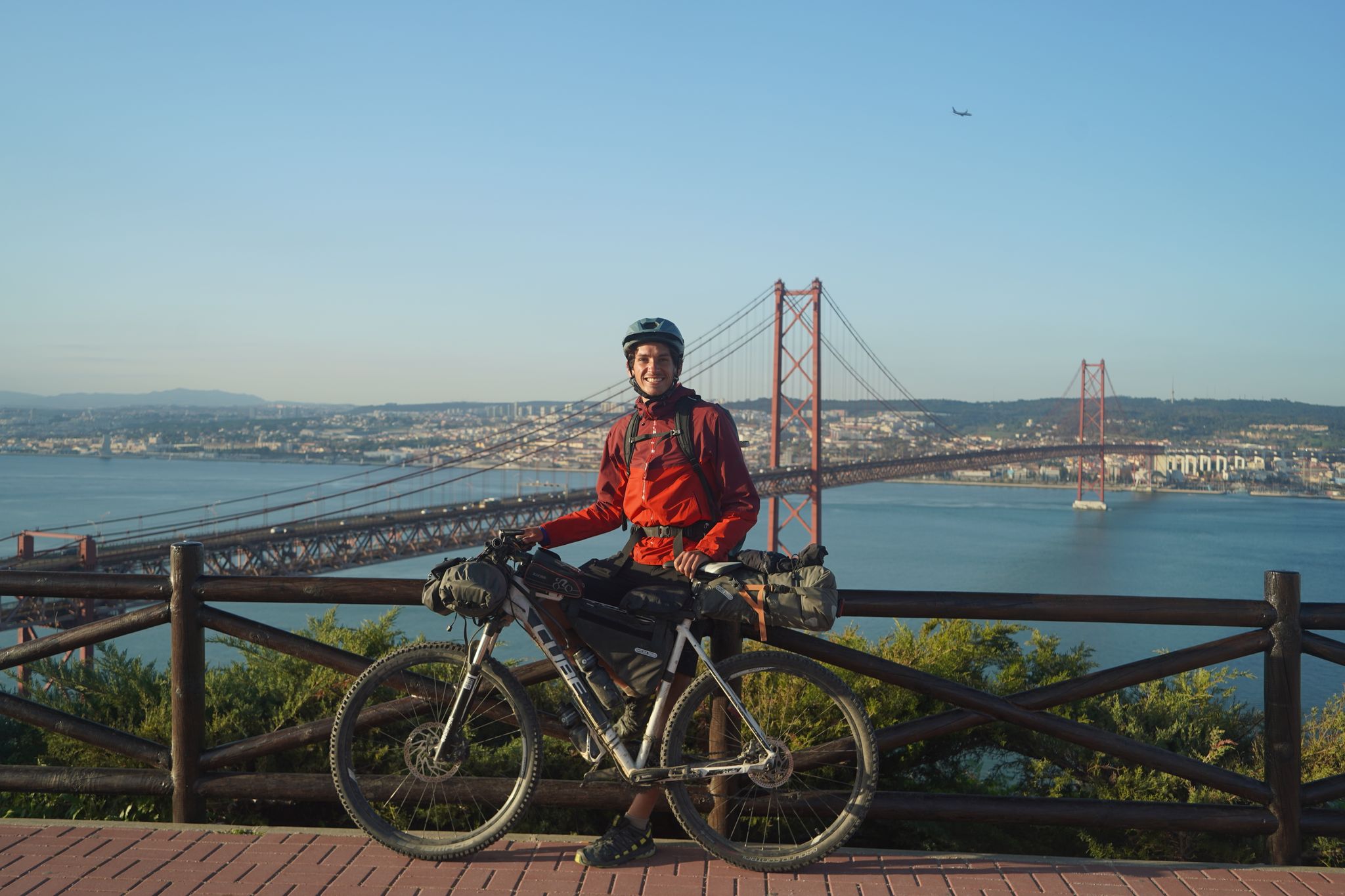
Road to Lisbon – bikepacking the Alps, Pyrenees and Picos de Europa
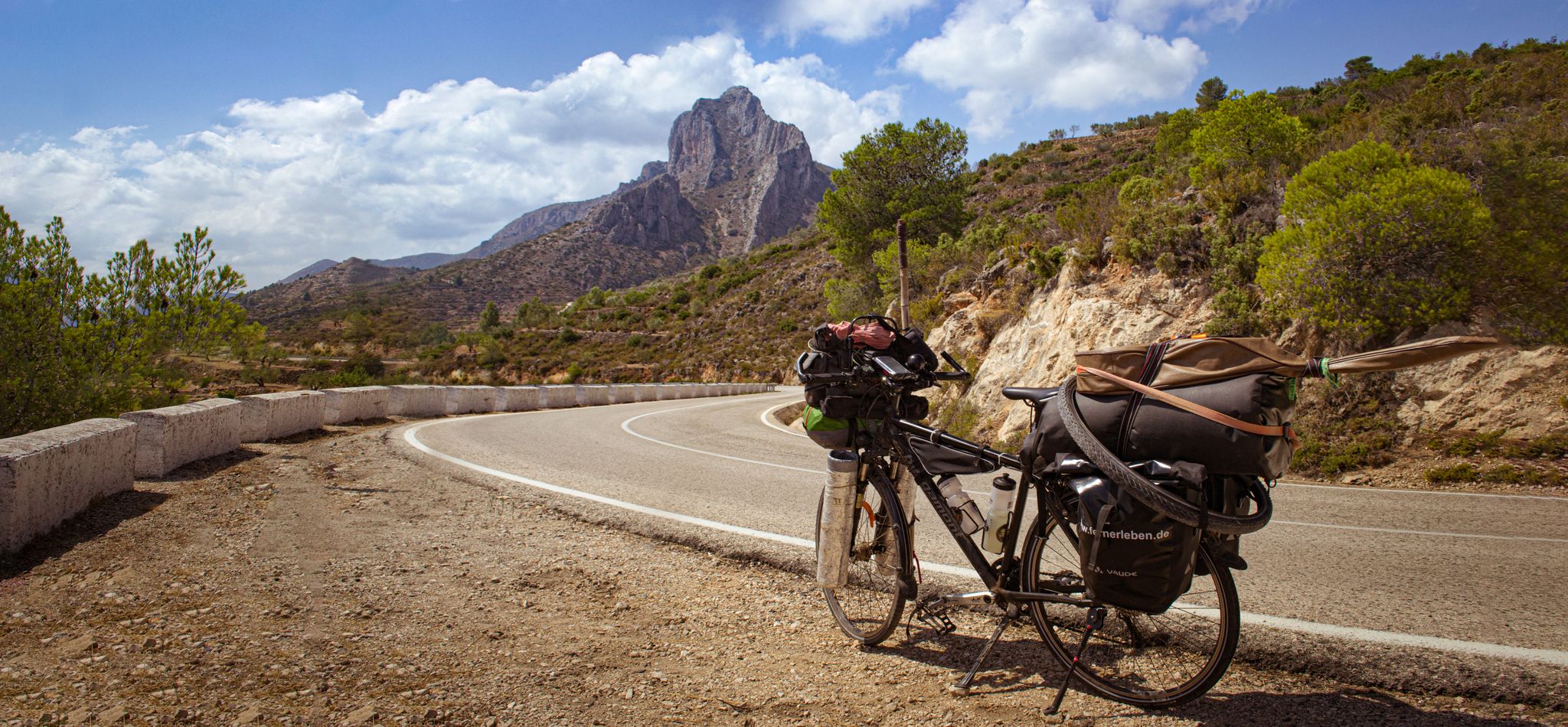
On the road to the sun — bikepacking to southeast Spain
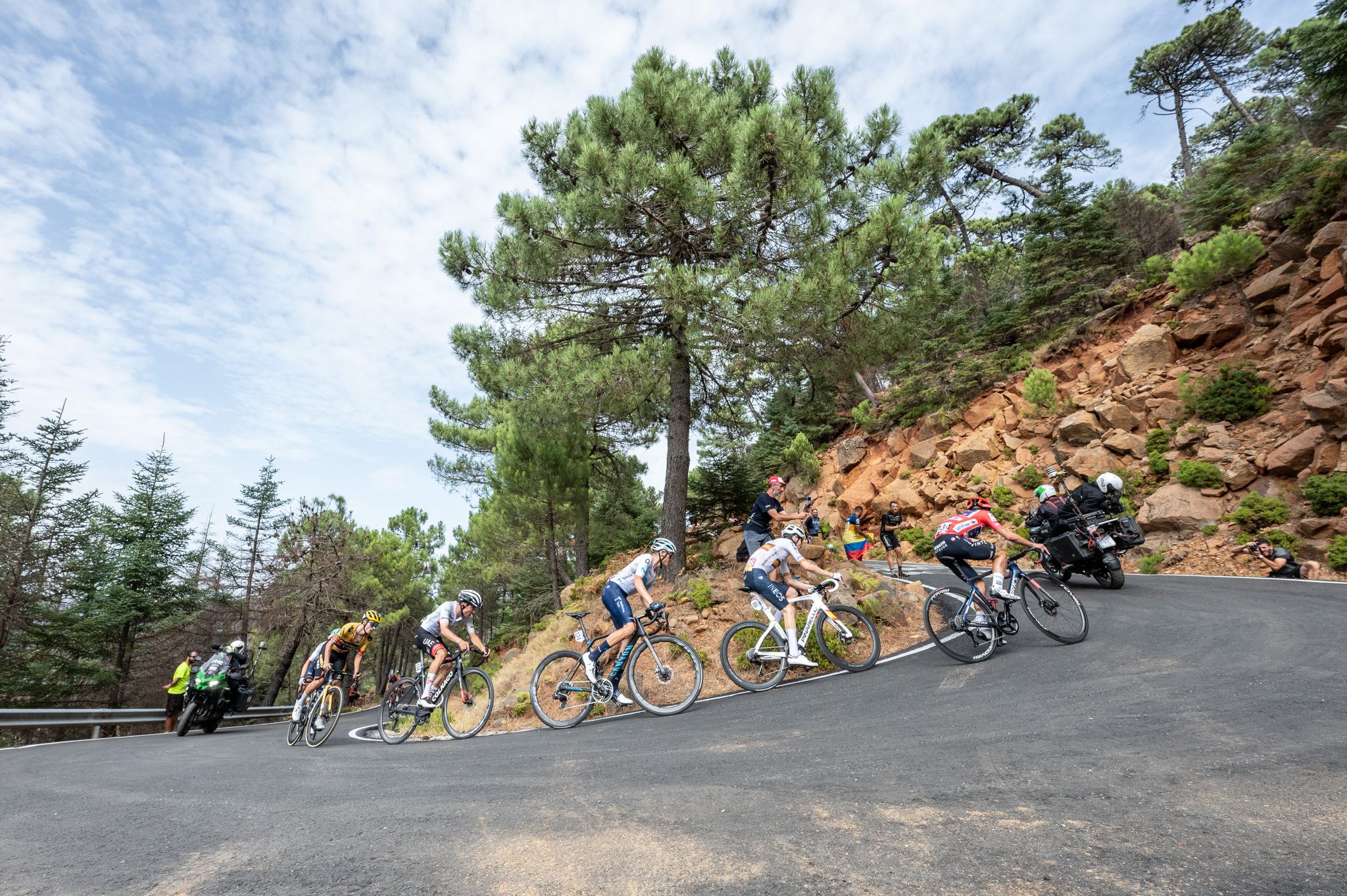
La Vuelta 26 — All Official Stages
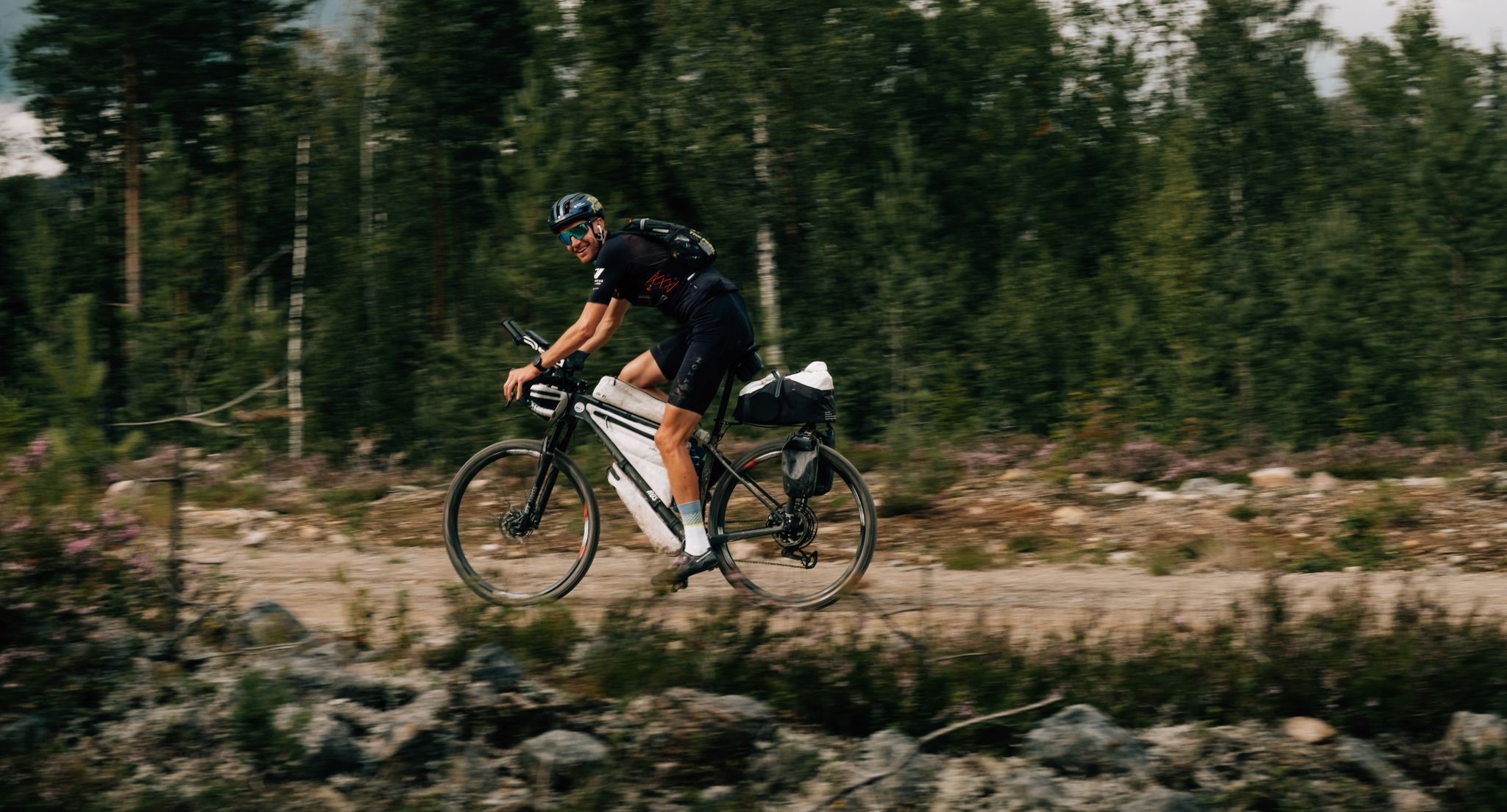
European D̶I̶V̶I̶D̶E̶ Connect Trail Project – a journey across Europe
9 mountain biking routes in undiscovered Spain
Washington Irving – cycle through the Arab vestiges of Andalusia
A magical bike Tour in Andalusia – Sierra Greenway in Spain
A winter getaway along the greenways of Andalusia in Spain
European Divide Trail across the Iberian Peninsula – south
Other adventures in Sevilla


Tips from the Community

The green lung of Seville and home to many plants and animals.
0
0


Small park with water features and plenty of shady trees. Plenty of benches invite you to linger.
0
1

The Frog Fountain is a charming and playful fountain, built in the 1920s. The central element is an octagonal basin from which water spouts. Around this basin are eight bronze frogs that also spout water.
3
0
One of the most striking features of Seville is the beauty of its fountains, which are so recurrent to cool off on the hottest days. In the María Luisa Park we find one of the most beautiful fountains in the city, the Fountain of the Frogs. It is the oldest fountain in the entire enclosure, dating back to 1914, when what used to be the San Telmo Gardens began to become a park. It is located between two large ponds, next to the Garden of the Lions and the Isleta de los Patos, and surrounded by lush vegetation. It consists of a circular enclosure, surrounded by the figures of eight frogs and a duck leaning on a turtle in the middle of it. The mouths of the frogs and the beak of the duck expel water, although they are not always in operation, and form one of the most beautiful scenes in the park.
1
0

The Frog Fountain is located in María Luisa Park in Seville and is one of the park's oldest and most iconic fountains. It was designed by ceramist Manuel García-Montalván and inaugurated in 1914.
3
0
The Murillo Gardens in Seville are a beautiful green space located next to the Alcázar wall and the Santa Cruz neighborhood. They were designed by architect Juan Talavera y Heredia in 1911. These gardens offer an intimate setting with lattice paths, central fountains, and tile-decorated benches.
11
0

Nice park with benches in the shade to rest
2
0
Frequently Asked Questions
What are some of the most popular natural monuments in Sevilla?
Among the most appreciated natural monuments in Sevilla are the Monumental Carob Tree, María Luisa Park, which offers a tranquil retreat within the city. Another highly rated spot is the Peñón de Zaframagón Nature Reserve, known for its impressive cliffs and diverse wildlife. Visitors also frequently enjoy El Chaparro de la Vega, an ancient and impressive holm oak.
Are there family-friendly natural monuments to visit in Sevilla?
Yes, several natural monuments in Sevilla are excellent for families. María Luisa Park, home to the Monumental Carob Tree, is a spacious and free-access park ideal for walks and bike rides. The Murillo Gardens also offer a peaceful setting with beautiful trees and shady spots. Outside the city, Las Cascadas del Huéznar in Sierra Norte Natural Park provides a picturesque setting with waterfalls and natural pools, perfect for easy excursions.
What kind of wildlife can I expect to see at natural monuments in Sevilla?
Sevilla's natural monuments are rich in biodiversity. The Peñón de Zaframagón Nature Reserve is particularly known for hosting one of the largest colonies of fulvus vultures in Andalusia. The Sierra Norte de Sevilla Natural Park is a UNESCO Biosphere Reserve with diverse wildlife, while the Guadalquivir River and its wetlands, including areas like Brazo del Este Natural Area, are crucial stopovers for migratory birds, including flamingos.
What is the best time of year to visit the natural monuments in Sevilla?
The best time to visit Sevilla's natural monuments is typically during spring (March to May) and autumn (September to November). During these seasons, the weather is milder and more pleasant for outdoor activities like hiking and birdwatching. Summers can be very hot, especially in July and August, making early mornings or late afternoons preferable if visiting during these months.
Are there natural monuments in Sevilla that offer historical insights?
Yes, some natural monuments in Sevilla blend natural beauty with historical elements. The Ribera del Guadaira Natural Monument, for instance, encompasses the banks of the Guadaira River and features ancient Arab mills, offering a glimpse into the region's past alongside pleasant walks. The Murillo Gardens, while a natural space, are located next to the Alcázar wall and contain historical monuments like the one dedicated to Columbus.
What types of geological formations can be found among Sevilla's natural monuments?
Sevilla's natural monuments showcase fascinating geological formations. Within the Sierra Norte de Sevilla Natural Park, you can find impressive formations like Cerro del Hierro, an ancient iron mine transformed by erosion into a unique karst landscape of reddish rock. The Peñón de Zaframagón Nature Reserve features sharp cliffs and a deep gorge carved by the Guadalporcún River, with unique landscapes such as pools and 'marmitas de gigante' (giant kettles). The Tajo de Mogarejo also provides insight into the area's geological history through water erosion.
Are there opportunities for cycling near the natural monuments in Sevilla?
Absolutely! Sevilla offers numerous cycling opportunities near its natural monuments. You can find various routes, from easy city tours to more challenging trails. For example, the 'City tour of Seville - circular route' is an easy option, while the 'Río Pudio Green Corridor Loop' offers a moderate ride. You can explore more cycling routes in the region by visiting the Cycling in Sevilla guide.
Can I find hiking trails around Sevilla's natural monuments?
Yes, there are several hiking trails available. The Sierra Norte de Sevilla Natural Park is ideal for hikers, offering scenic trails through rolling hills and cork oak forests. For specific routes, you can check out options like 'The Water Route (PR-A 218) - circular from Guillena' or 'Puerta Verde de Alcalá de Guadaíra Trail'. More details on hiking and other outdoor activities can be found in the Cycling in Sevilla guide, which also covers general outdoor activities in the region.
What are some unique natural features or 'hidden gems' among Sevilla's natural monuments?
Beyond the well-known sites, Sevilla holds several unique natural features. El Chaparro de la Vega, a monumental holm oak over 200 years old, stands as a symbol of natural longevity. The Cerro del Hierro in Sierra Norte is a fascinating karst landscape. The wetlands of the Guadalquivir, particularly the Brazo del Este Natural Area, are vital reserves for migratory birds and offer exceptional birdwatching opportunities, often feeling like a hidden natural documentary.
Are any natural monuments in Sevilla accessible for visitors with wheelchairs?
While specific accessibility details vary, urban parks like María Luisa Park and Murillo Gardens generally offer paved paths and flat terrain, making them more accessible. The Monument to Juan Sebastián Elcano is also noted as wheelchair accessible. For natural areas outside the city, it's advisable to check specific trail conditions beforehand, as terrain can be uneven.
What do visitors enjoy most about the natural monuments in Sevilla?
Visitors frequently praise the tranquility and natural beauty offered by Sevilla's natural monuments. They appreciate the opportunity to escape the city's hustle and bustle, whether it's enjoying a peaceful walk in María Luisa Park, witnessing the impressive cliffs and wildlife at Peñón de Zaframagón, or simply relaxing under the shade of ancient trees like El Chaparro de la Vega. The diverse landscapes and rich biodiversity are consistently highlighted as major draws.
Most popular routes in Sevilla
Most popular attractions in Sevilla

Get inspired with the komoot mobile app


Didn’t find what you were looking for?
Find even more amazing natural monuments in Sevilla by checking out the top Highlights region by region:
Explore more
Extend your search for the best caves by checking out these guides of the top ones in Sevilla:
