Top 20 Natural Monuments in Almería
Natural monuments in Almería showcase a diverse landscape, from unique geological formations to arid deserts and coastlines. The province, located in Andalusia, Spain, features a semi-arid climate and volcanic origins, contributing to its distinct natural features. These sites offer opportunities to experience natural beauty and ecological significance. Almería is recognized for its varied terrain, including badlands, mountains, and extensive marine ecosystems.
Best natural monuments in Almería
- The most popular natural monuments is Tabernas Oasis, an other natural site located…
Last updated: August 6, 2026
Los Genoveses Beach
Highlight • Beach
Translated by Google •
Tip by

Tabernas Oasis
Highlight • Natural
Showing Translation
Tip by

Sign up now to discover places like this
Get recommendations on the best single tracks, peaks, & plenty of other exciting outdoor places.
Sign up for free
Views from the Granatilla viewpoint
Highlight • Viewpoint
Translated by Google •
Tip by

Cabo de Gata Salt Pans
Highlight • Natural Monument
Translated by Google •
Tip by

Collado de la Vela Blanca
Highlight • Mountain Pass
Translated by Google •
Tip by

Mónsul Beach
Highlight • Beach
Translated by Google •
Tip by
Coastal Trail Between San José and Los Escullos
Highlight (Segment) • Trail
Translated by Google •
Tip by
Amethyst Viewpoint
Highlight • Viewpoint
Translated by Google •
Tip by
Cliffside Trail in Cabo de Gata-Níjar Natural Park
Highlight (Segment) • Trail
Translated by Google •
Tip by
Mesa Roldán Lighthouse and Tower
Highlight • Monument
Translated by Google •
Tip by
Sign up for free to discover even more natural monuments in Almería.
Sign up for free
Already have an account?
Start today with a free account
Your next adventure awaits.
Login or Signup
Popular around Almería

Triathlon 360 – my journey around the world
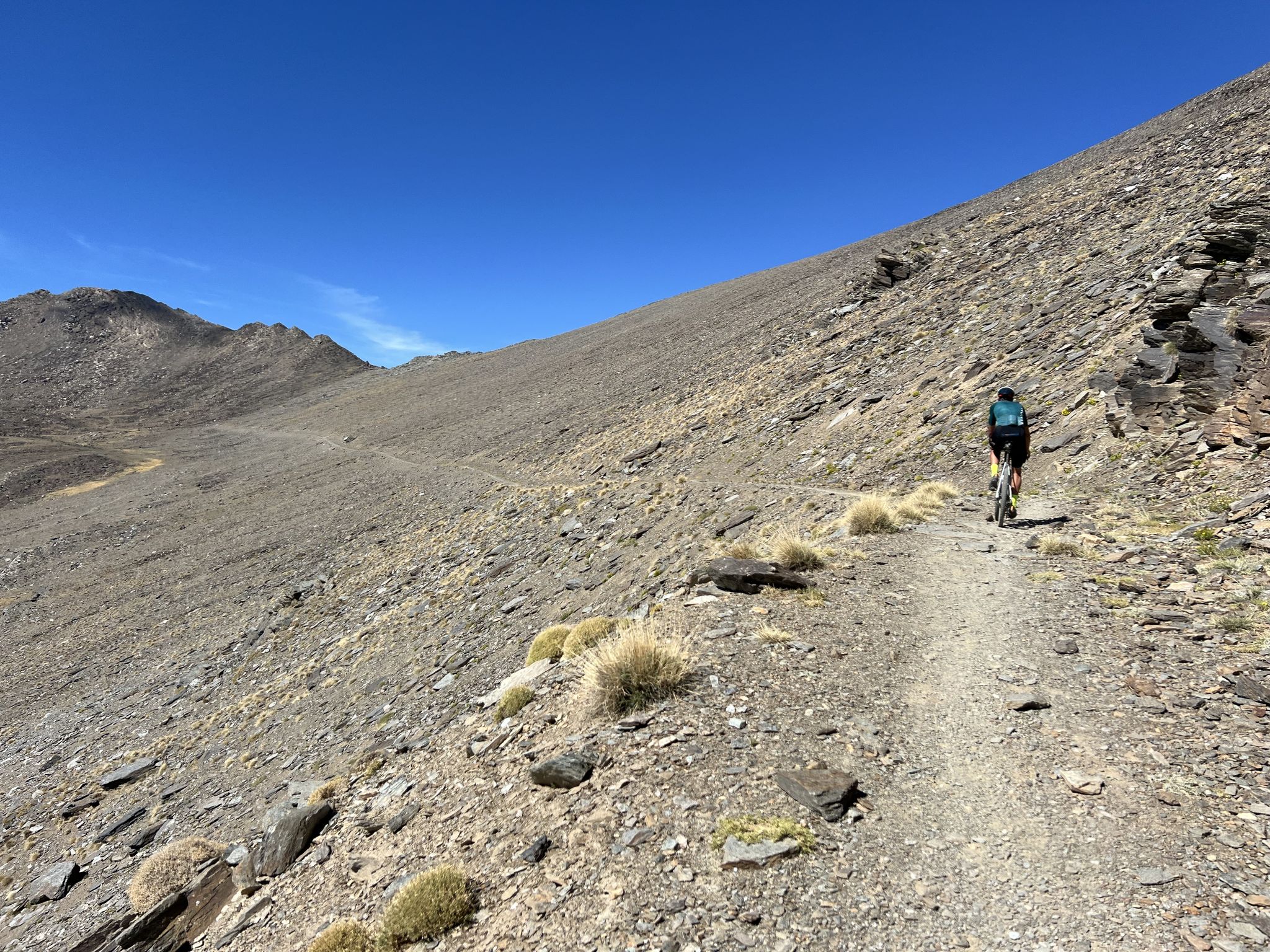
Badlands 2024 – extreme experiences and a sense of joy
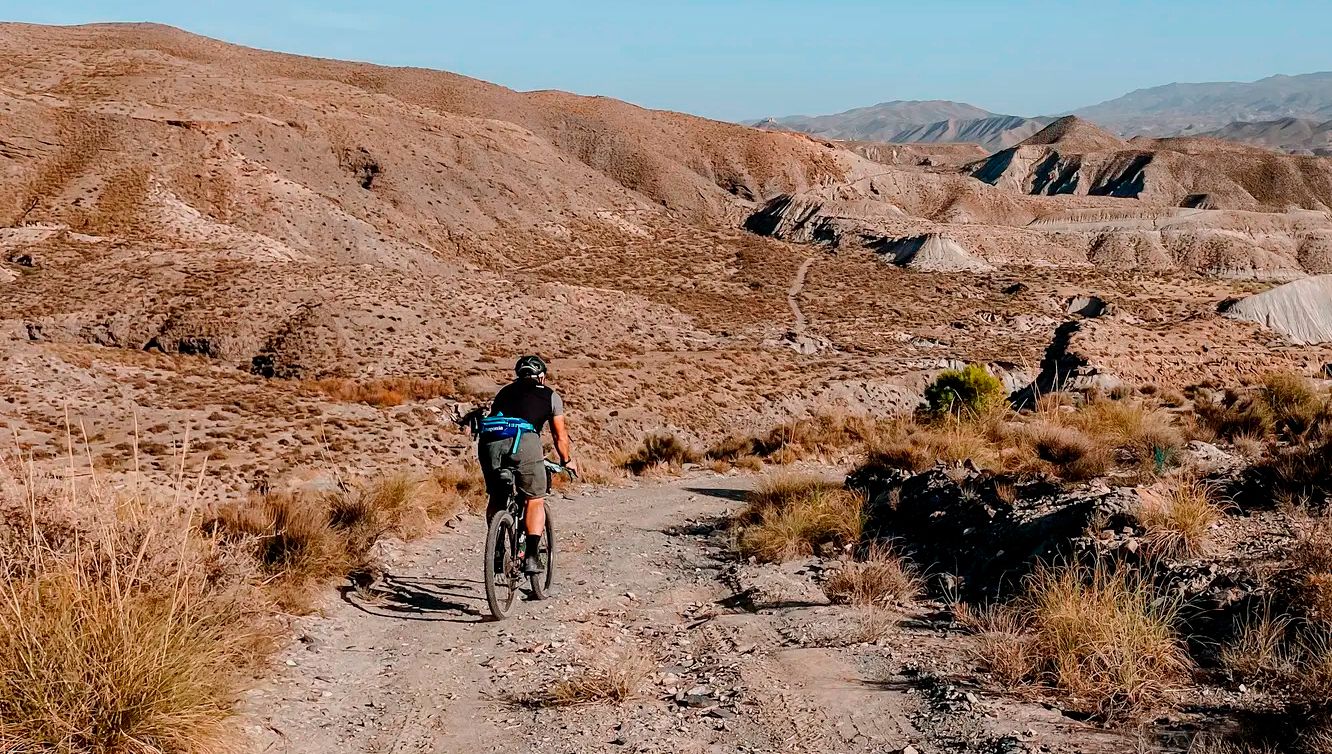
TransAlmería Gravel – Summits, dry riverbeds and deserts
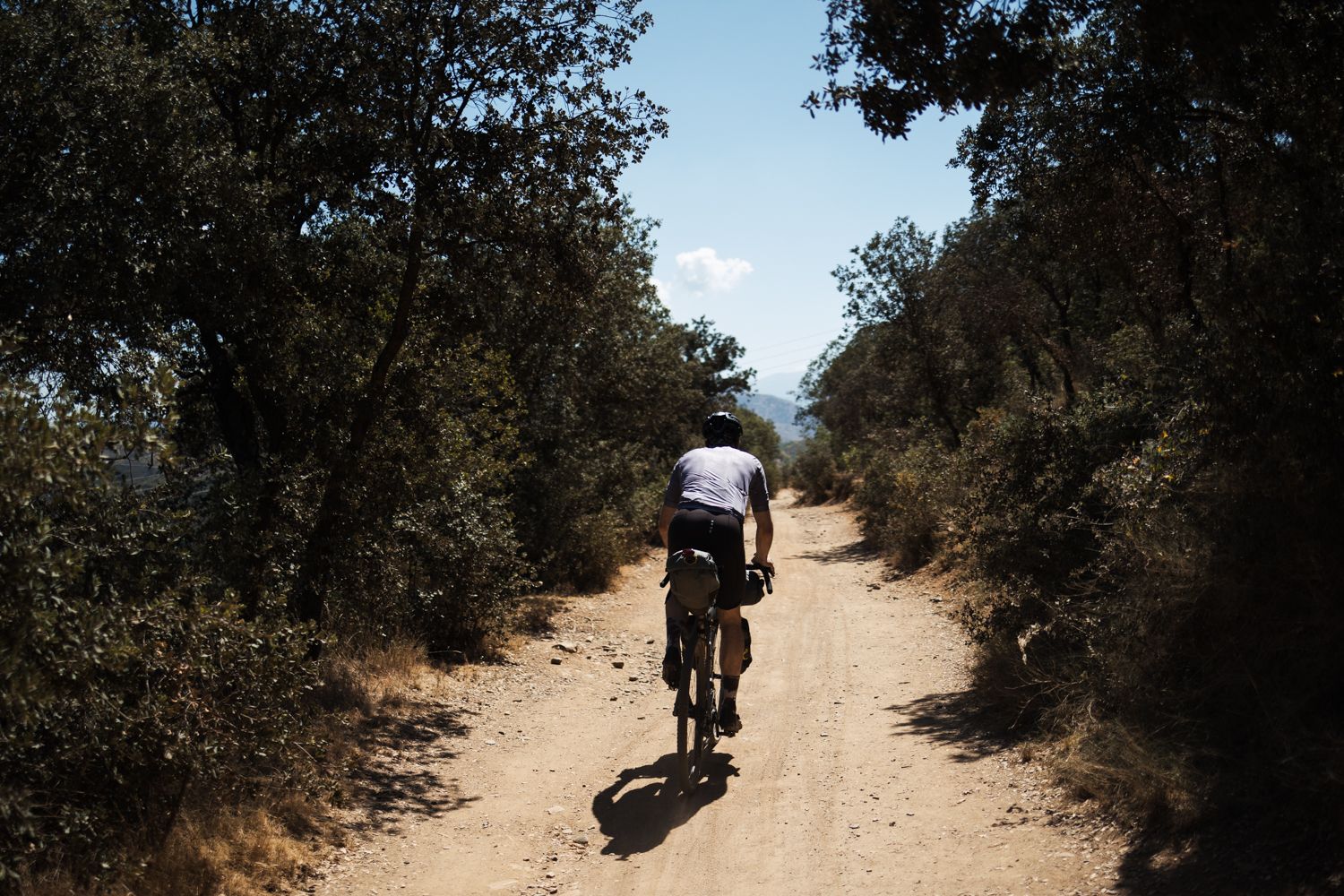
Mozarabic Way to Santiago – Gravel between two worlds
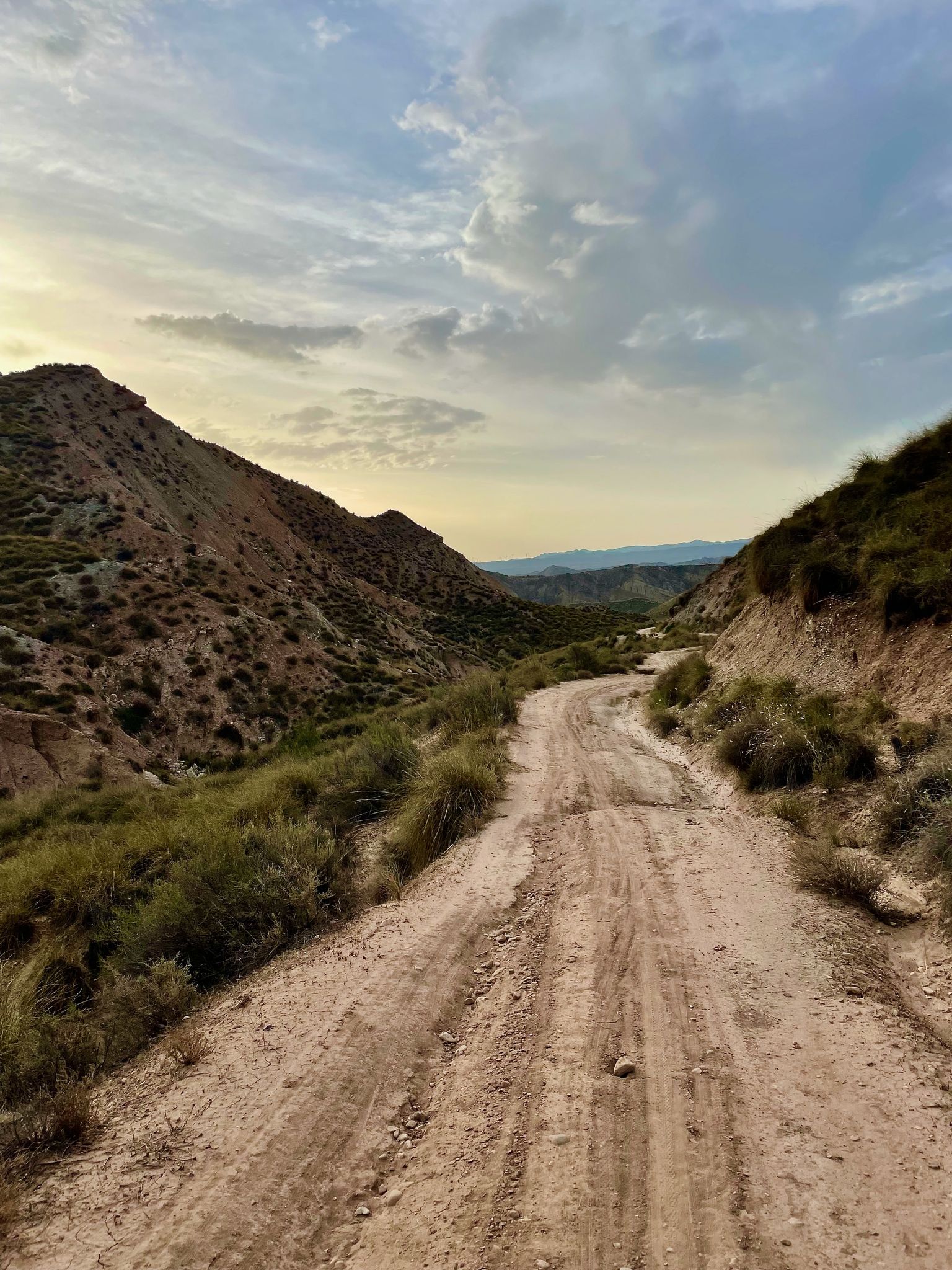
Badlands 2021 — 750km of gravel in the Spanish deserts
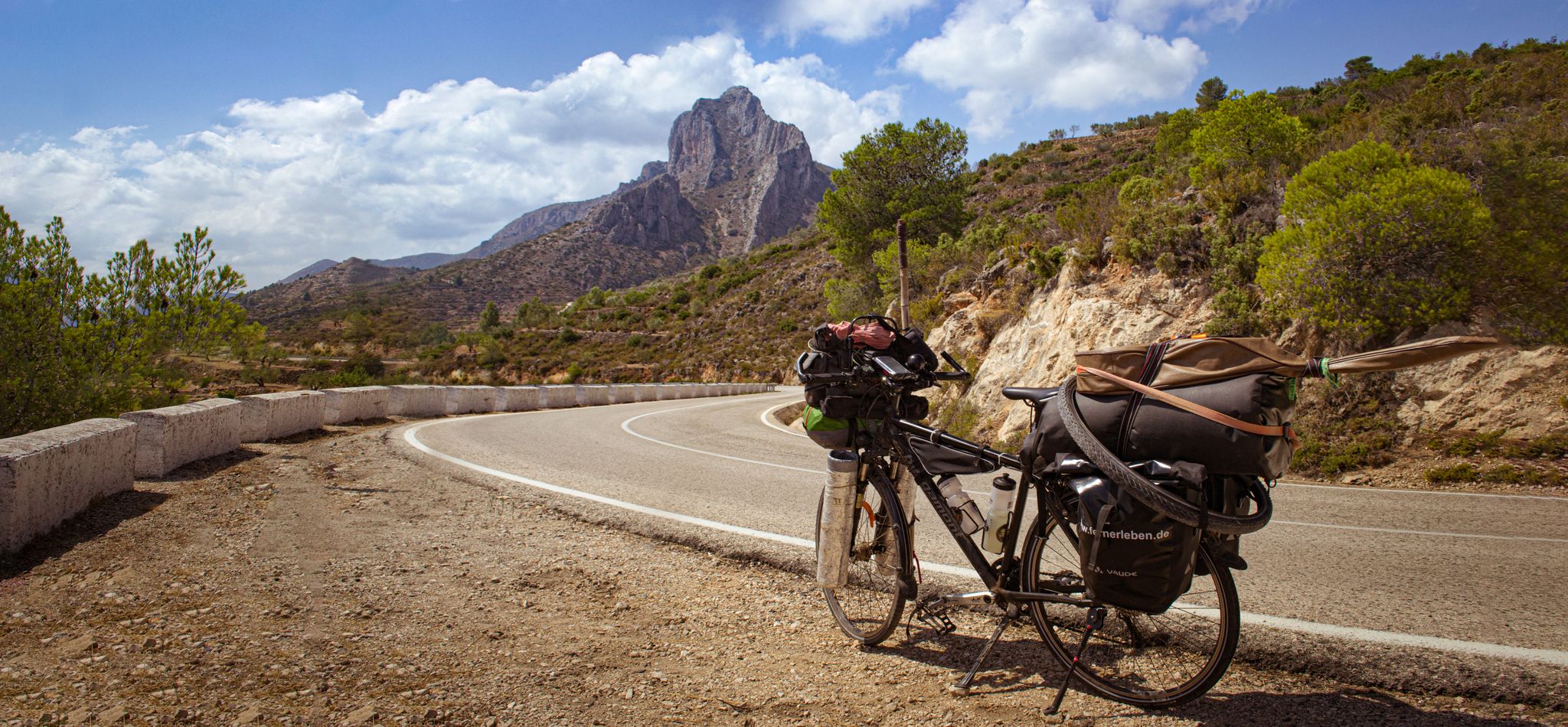
On the road to the sun — bikepacking to southeast Spain
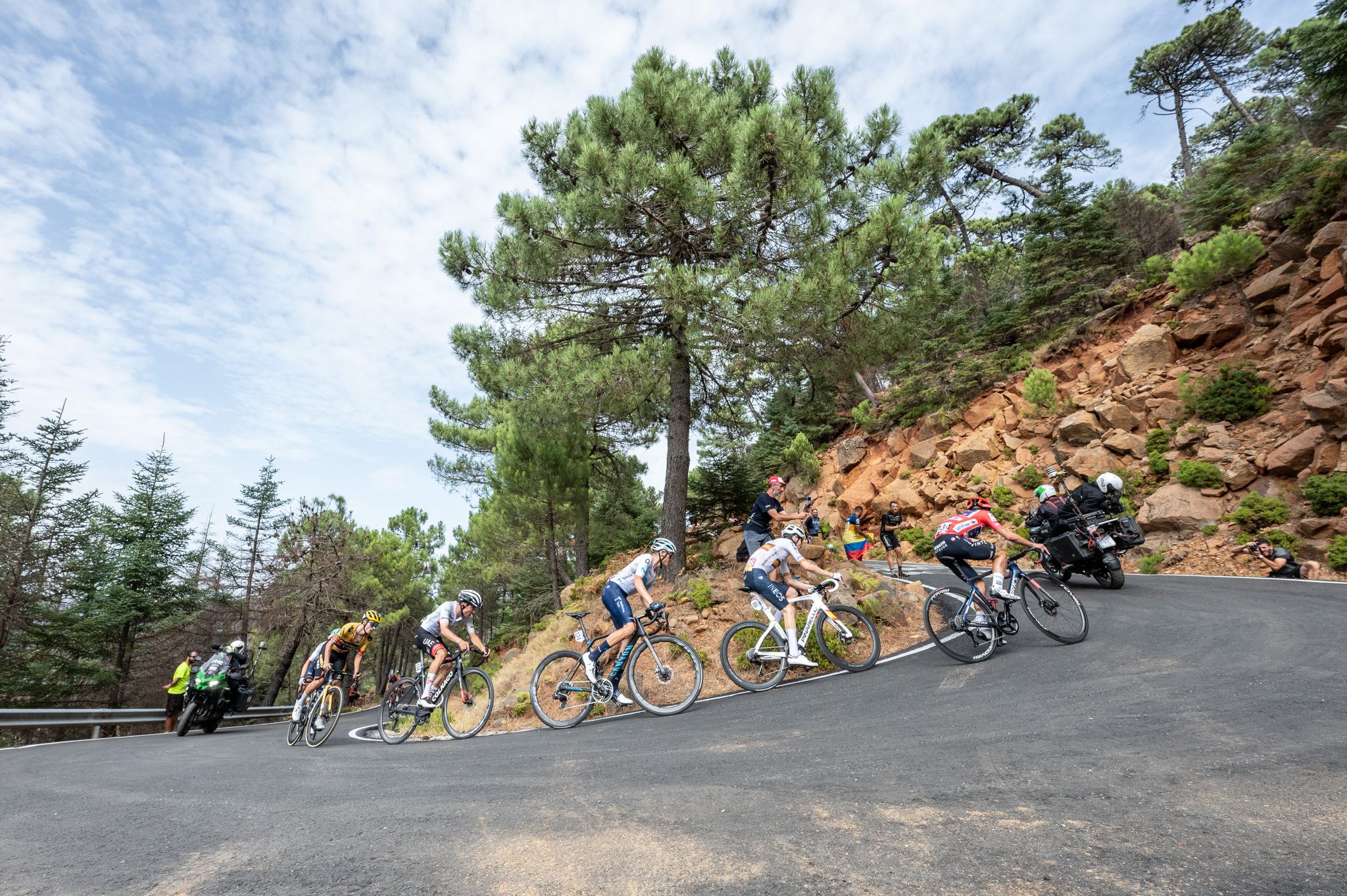
La Vuelta 26 — All Official Stages
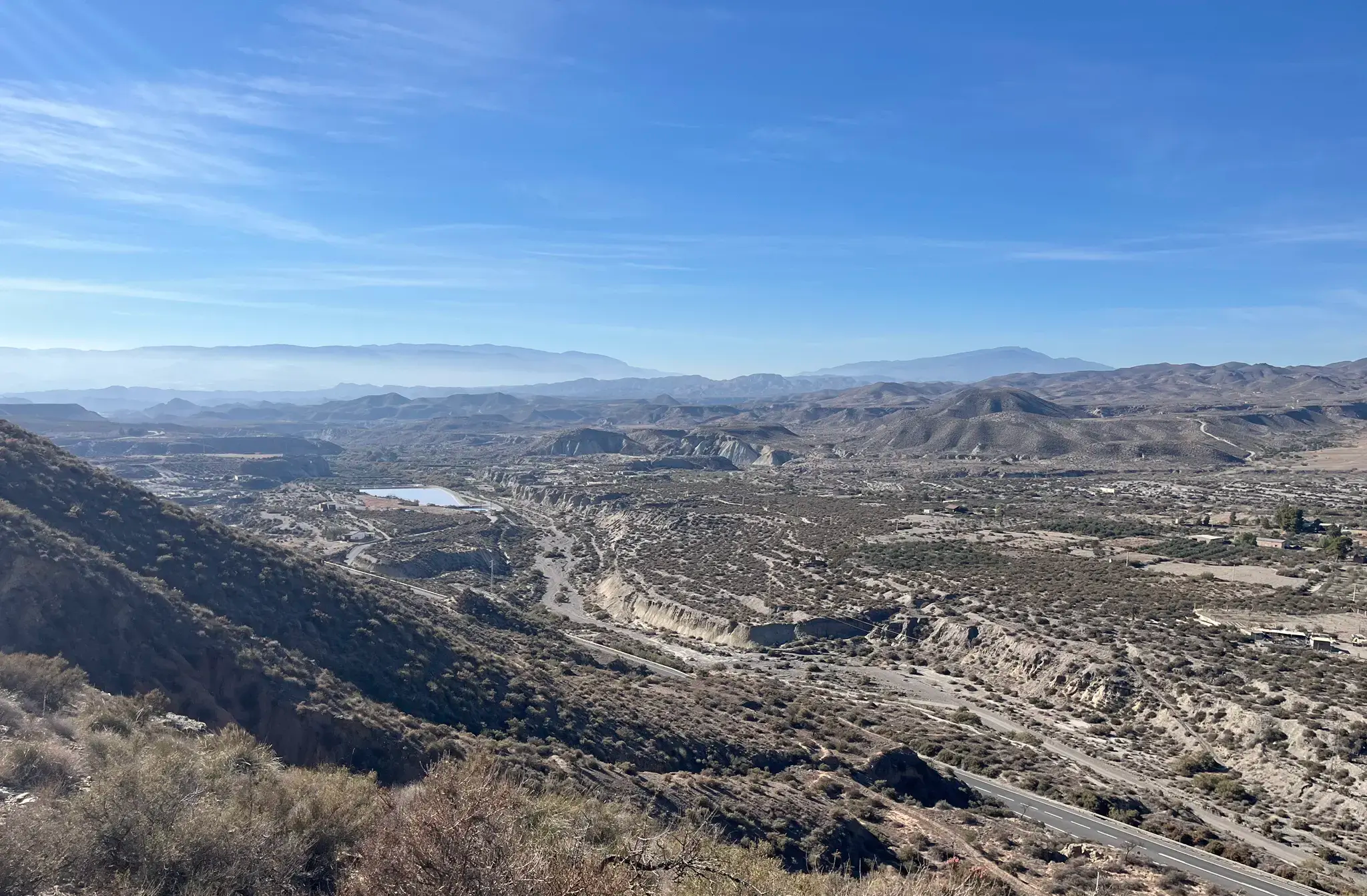
Discover the secrets of Almeria - Inland Villages (GR 244)
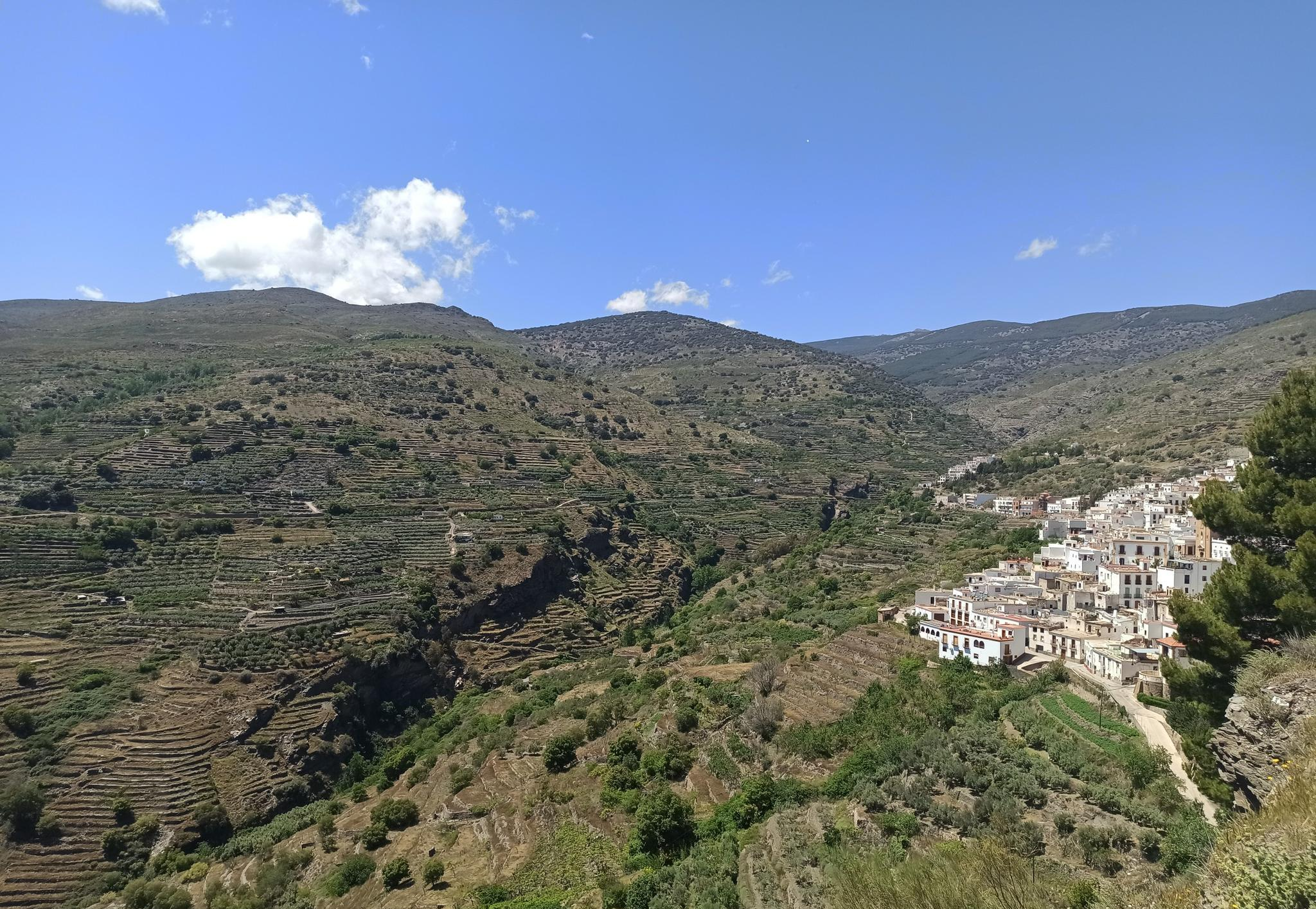
Among white villages - Path of the Alpujarra (GR 142)
The Wild Side Of Almería — Transalmería By Mountain Bike
Other adventures in Almería


Tips from the Community

Great views from the Granatilla Pass
0
0

Spectacular views. But the best part was the descent on a well-paved road with some really fun curves.
0
0

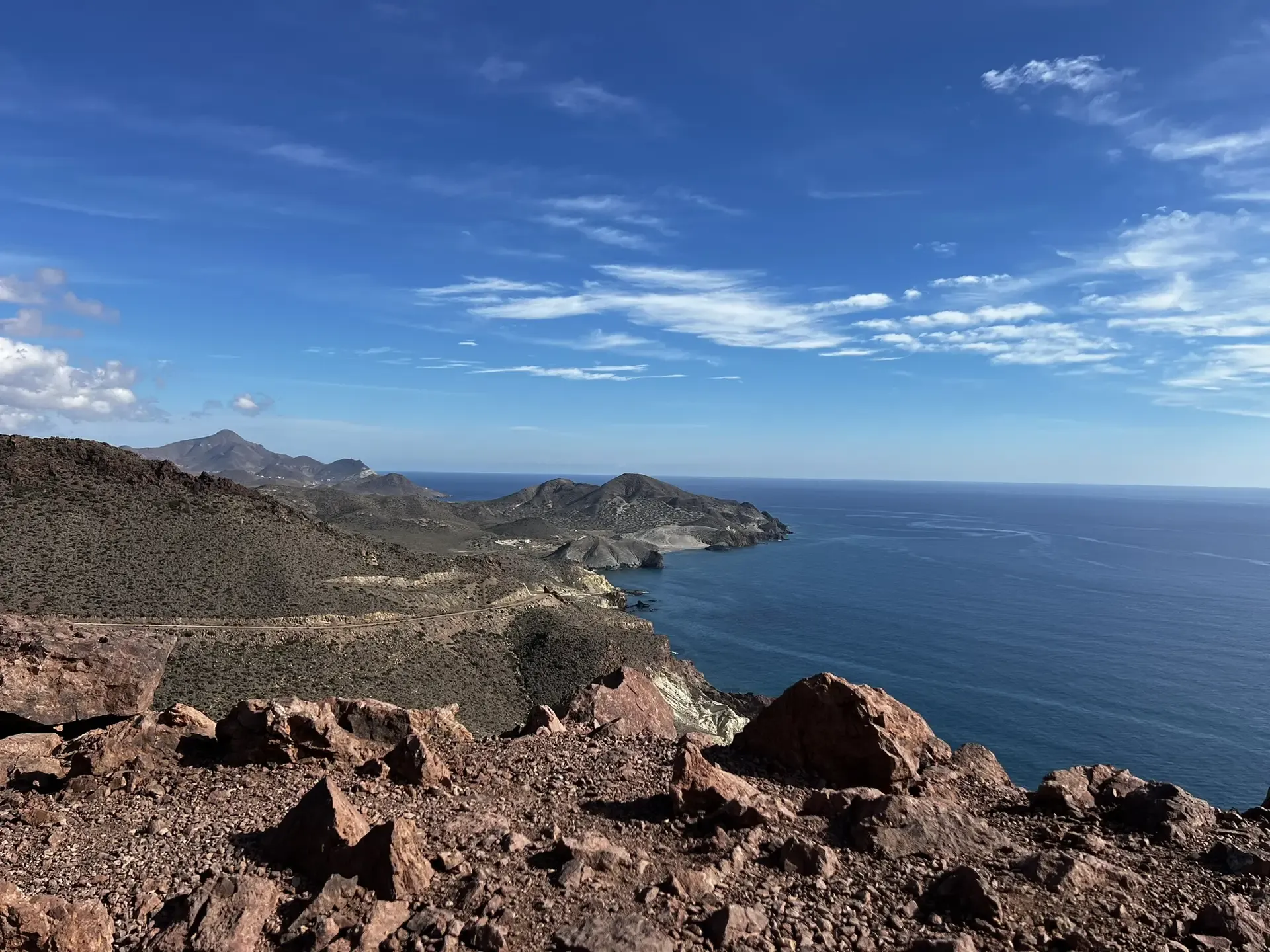
An ideal place to enjoy views of the Mediterranean Sea lapping against the cliffs, the coast of the Cabo de Gata–Níjar Natural Park, and closer to home, the Rambla bridge.
1
0

take some water there isn't any
1
0

S1_Clearly visible path on gravel, with occasional pigeon-sized stones. Detours to the beach are tempting 😉
1
0

The Mesa Roldán Lighthouse is a lighthouse located in the volcanic area of Mesa Roldán, near the town of Carboneras, in the province of Almería. This lighthouse is managed by the Port Authority of Almería and is part of the Cabo de Gata-Níjar Natural Park. The lighthouse is located on a volcanic plateau and offers stunning panoramic views of the natural surroundings, including Playa de los Muertos and the Sierra Cabrera. It is a popular spot for visitors looking to enjoy the nature and history of the region.
7
0
El Oasis de Tabernas, also known as Mini Hollywood Oasys, is a theme park located in the Tabernas Desert, in Almería. This park is famous for its Western movie sets and offers a unique experience that combines entertainment and nature.
3
1

Beautiful sandy beach between the rock walls.
20
1
Frequently Asked Questions
What are some of the most popular natural monuments to visit in Almería?
Almería offers a variety of popular natural monuments. Among them, the Tabernas Oasis stands out as an other natural site within Europe's only desert, known for its dramatic badlands. Visitors also highly rate the Views from the Granatilla viewpoint, offering expansive vistas of the Cabo de Gata Natural Park, and Los Genoveses Beach, celebrated for its natural beauty within the same park.
Are there any unique geological formations in Almería that can be visited?
Yes, Almería is home to the extraordinary Geoda de Pulpí, a colossal geode adorned with enormous gypsum crystals. It's considered the second-largest geode in the world and the first that is publicly accessible. This geological marvel is located in Mina Rica in Pulpí and can be explored with specialized guides.
What kind of outdoor activities can I do near Almería's natural monuments?
The natural monuments in Almería are excellent for various outdoor activities. You can find numerous trails for hiking, mountain biking, and even gravel biking. For example, you can explore gravel biking routes or challenging MTB trails, particularly around the Cabo de Gata area. There are also waterfall hikes, such as those near the Canales de Padules.
Which natural monuments in Almería are suitable for families?
Several natural monuments in Almería are family-friendly. Cabo de Gata Salt Pans offer an interesting historical and natural site. Beaches like Los Genoveses Beach and Mónsul Beach within the Cabo de Gata Natural Park are also great for families, providing beautiful natural settings for relaxation and play. Additionally, the Amethyst Viewpoint is easily accessible and offers stunning views for all ages.
What is the best time of year to visit the natural monuments in Almería?
Almería has a semi-arid climate with over 3,000 hours of sunshine annually. While many sites can be visited year-round, spring and autumn generally offer the most comfortable temperatures for hiking and exploring, avoiding the intense heat of summer. Winter can also be pleasant for outdoor activities, especially in areas like the Tabernas Desert or for coastal walks.
Can I find hiking trails within the Cabo de Gata-Níjar Natural Park?
Absolutely. The Cabo de Gata-Níjar Natural Park is excellent for hiking. You can explore trails like the Cliffside Trail in Cabo de Gata-Níjar Natural Park or the Coastal Trail Between San José and Los Escullos. The park's volcanic origins create impressive cliffs and hidden coves, making for scenic walks. Remember to bring plenty of water and sun protection.
What makes the Tabernas Desert a unique natural monument?
The Tabernas Desert is unique as Europe's only desert, characterized by dramatic badlands, steep red and orange mountains, canyons, and ravines. Its distinctive landscape has made it a famous backdrop for numerous films, earning it the nickname 'The Hollywood of Europe.' You can hike its trails and even visit preserved Western movie sets.
Are there any significant marine natural monuments in Almería?
Yes, Almería is home to the Posidonia Barrier Reef, located between Roquetas de Mar and Aguadulce. This rare and vital marine ecosystem is one of the few active posidonia reefs remaining in the Mediterranean Sea. It's crucial for marine biodiversity and offers a glimpse into the region's rich ecological heritage.
What kind of wildlife can be observed in Almería's natural monuments?
Almería's diverse natural monuments support various wildlife. The Cabo de Gata-Níjar Natural Park, a UNESCO Biosphere Reserve, is known for its rich marine life, including extensive posidonia meadows, and is excellent for bird watching. Even the arid Tabernas Desert hosts survival artists among its scattered shrubs and grasses.
What do visitors particularly enjoy about the natural monuments in Almería?
Visitors frequently praise the spectacular views, especially from spots like the Granatilla viewpoint. The natural beauty of beaches like Los Genoveses Beach and the impressive rock formations at Mónsul Beach are also highly appreciated. Many enjoy the dramatic scenery of the Tabernas Desert and the unique colors of volcanic rocks found at places like Collado de la Vela Blanca.
Is public transport available to reach some of Almería's natural monuments?
While some natural monuments, especially those closer to towns, might be accessible by public transport, many of Almería's more remote natural sites, such as parts of the Cabo de Gata-Níjar Natural Park or the Tabernas Desert, are best reached by private vehicle. It's advisable to check specific routes and schedules for public transport options to your desired destination.
Are there any natural monuments in Almería that involve water features or gorges?
Yes, the Canales de Padules in the Alpujarra of Almería is a captivating natural landscape featuring a network of lagoons and gorges. These formations are carved by the erosion of rock by the Andarax river. Visitors can explore a 2-kilometer stretch, but should be prepared to potentially get wet and wear non-slip footwear.
Most popular routes in Almería
Most popular attractions in Almería

Get inspired with the komoot mobile app


Didn’t find what you were looking for?
Find even more amazing natural monuments in Almería by checking out the top Highlights region by region:
Explore more
Extend your search for the best caves by checking out these guides of the top ones in Almería:
