Top 20 Natural Monuments in Huelva
Natural monuments in Huelva showcase diverse landscapes, from ancient forests to unique coastal formations and significant wetlands. This province in Andalusia, Spain, offers numerous sites for connecting with nature and history. Visitors can explore a variety of natural features, including important bird habitats and geological formations. The region's natural areas provide opportunities for outdoor activities and cultural experiences.
Best natural monuments in Huelva
- The most popular natural monuments is Charco de la Boca Trail, Doñana National Park, a trail…
Last updated: October 13, 2026
Marshes and Saltworks of Isla Cristina 🌿 Via Verde crossing
Highlight • Natural Monument
The coastal biketrail ViaVerde west to Ayamonte is good. To the East …
Tip by

Arias Montano Peak and the Hermitage of Our Lady of the Angels
Highlight • Religious Site
Translated by Google •
Tip by

Sign up now to discover places like this
Get recommendations on the best single tracks, peaks, & plenty of other exciting outdoor places.
Charco de la Boca Trail, Doñana National Park
Highlight • Trail
Translated by Google •
Tip by
Monument to the Discovering Faith
Highlight • Monument
Translated by Google •
Tip by
Grotto of the Marvels
Highlight • Cave
Translated by Google •
Tip by

Torre Carbonero Beach
Highlight (Segment) • Beach
Translated by Google •
Tip by

Cuesta Maneli Beach
Highlight • Beach
Translated by Google •
Tip by
Cerro de San Cristóbal
Highlight • Summit
Translated by Google •
Tip by
Castilla Beach (Doñana National Park)
Highlight • Beach
Translated by Google •
Tip by

Source of the Río Tinto
Highlight • River
Showing Translation
Tip by
Sign up for free to discover even more natural monuments in Huelva.
Already have an account?
Start today with a free account
Your next adventure awaits.
Popular around Huelva

Triathlon 360 – my journey around the world
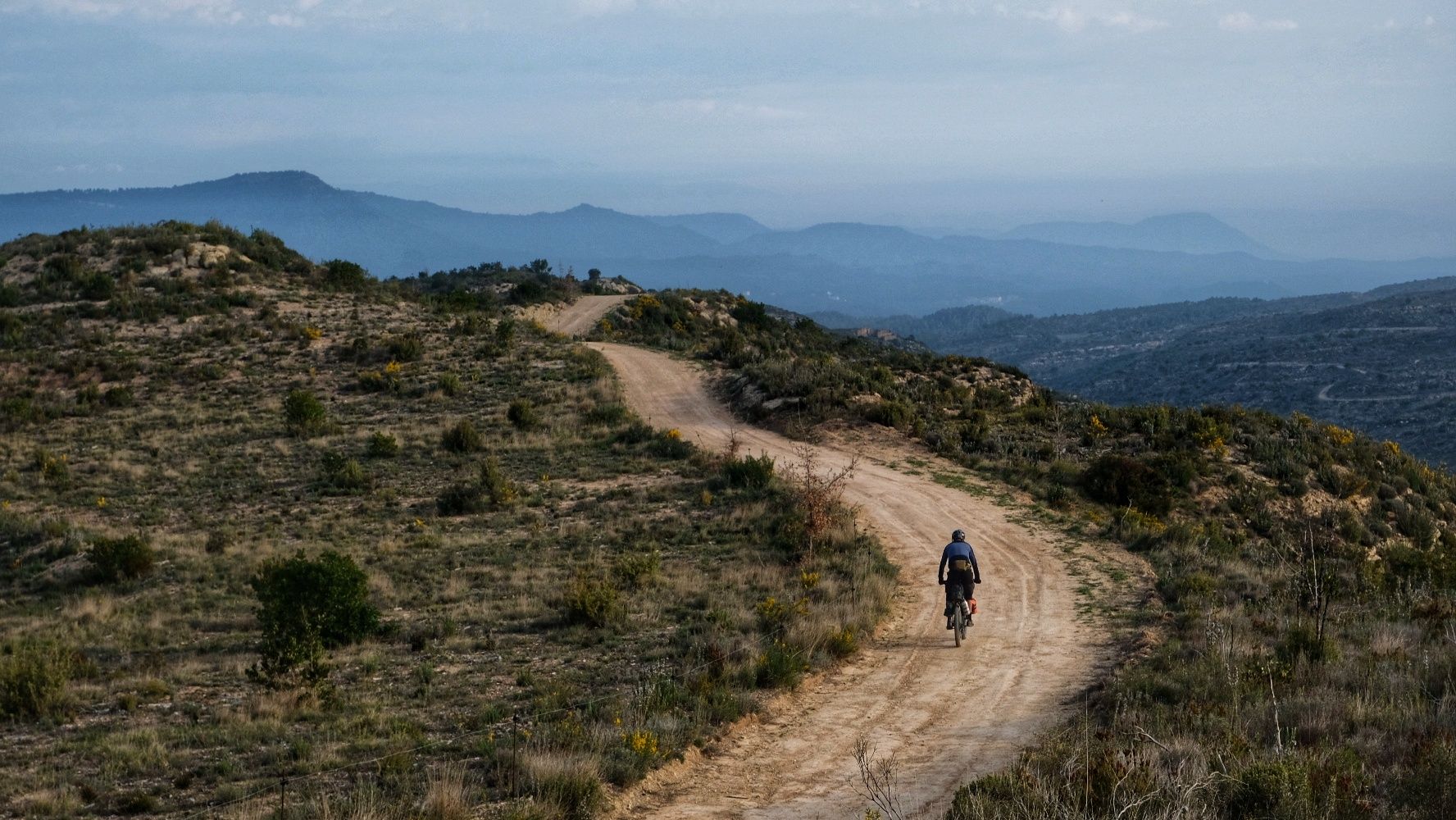
European Divide Trail — 7,600 km across the continent
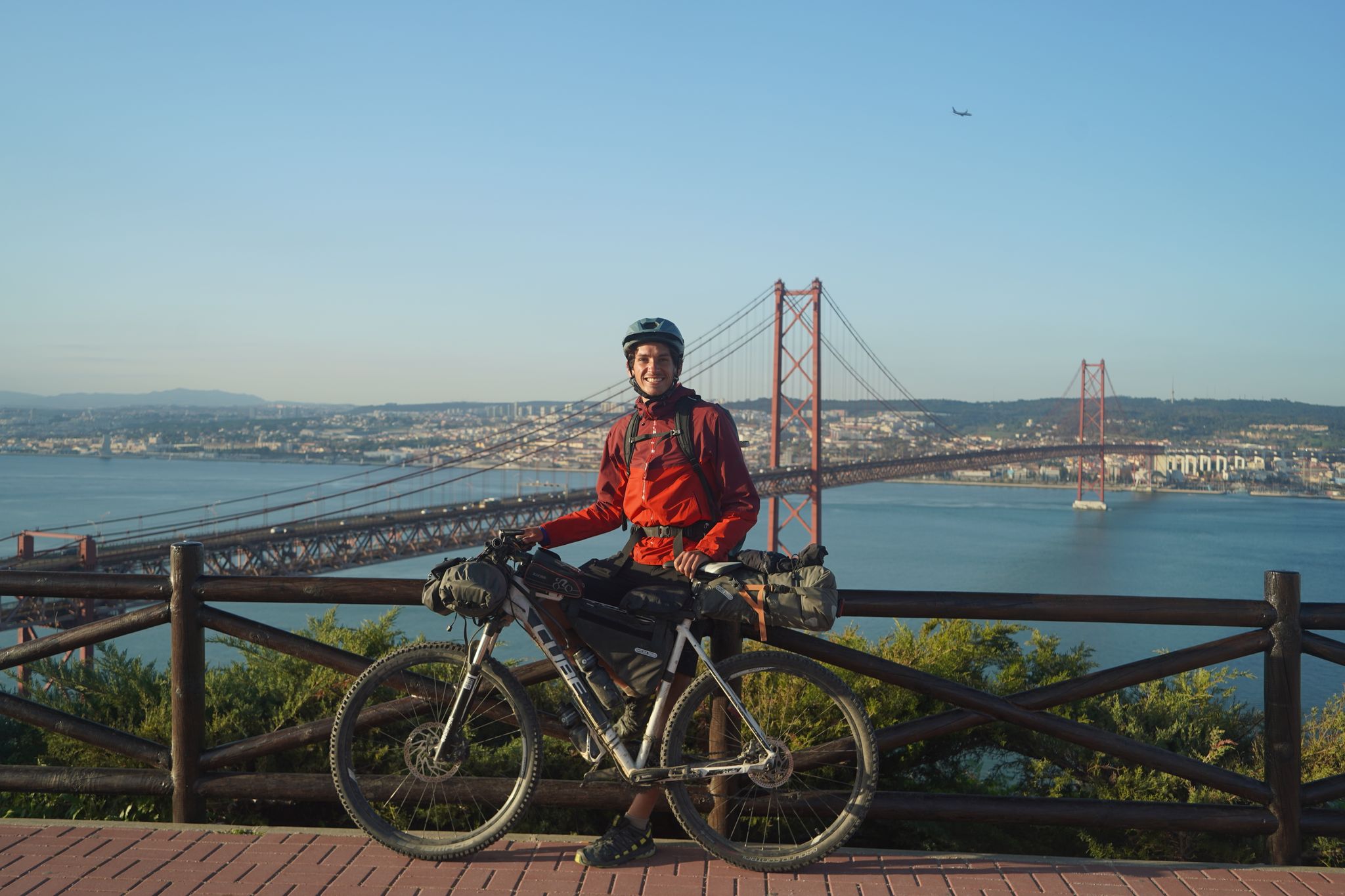
Road to Lisbon – bikepacking the Alps, Pyrenees and Picos de Europa
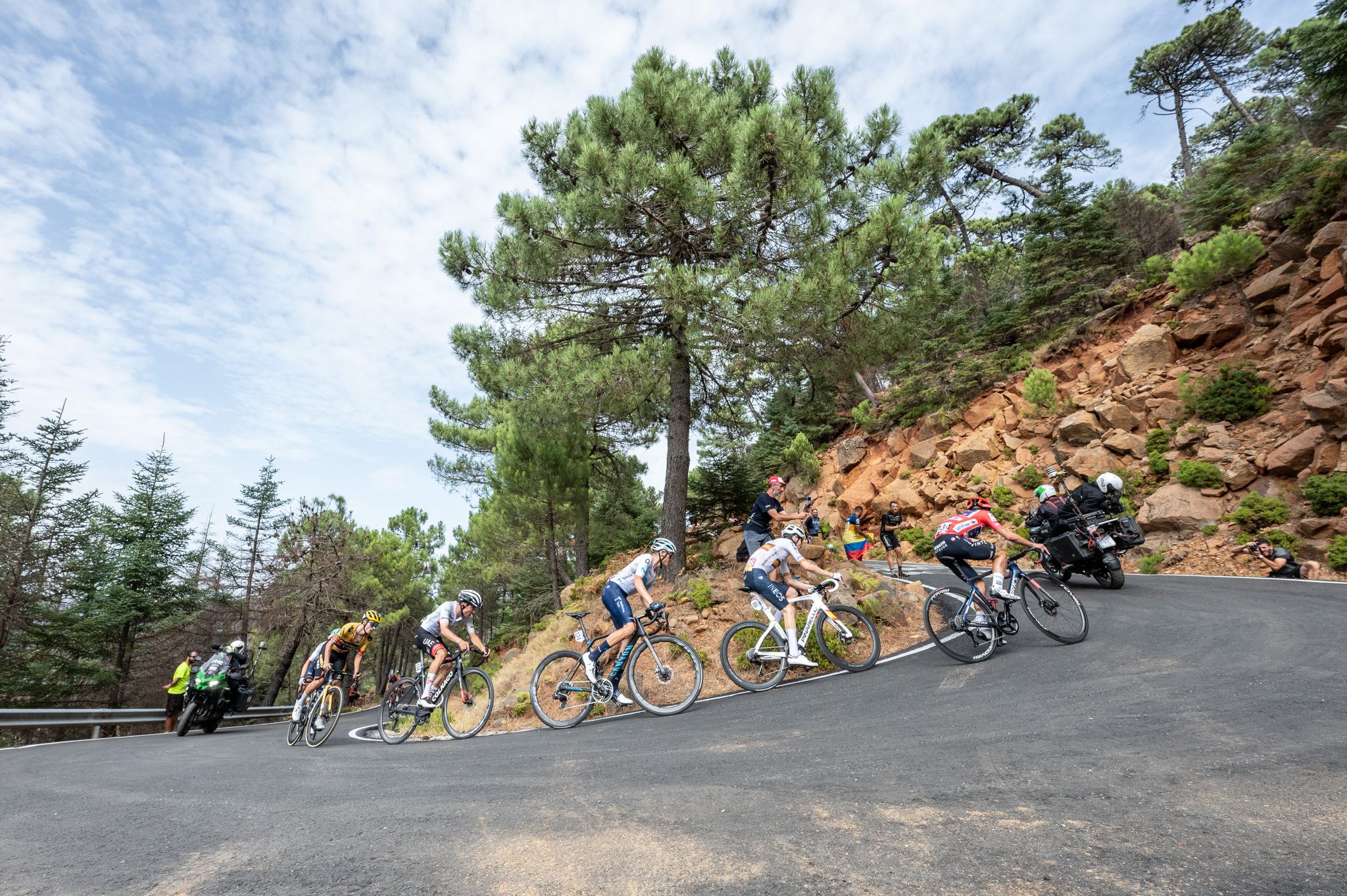
La Vuelta 26 — All Official Stages
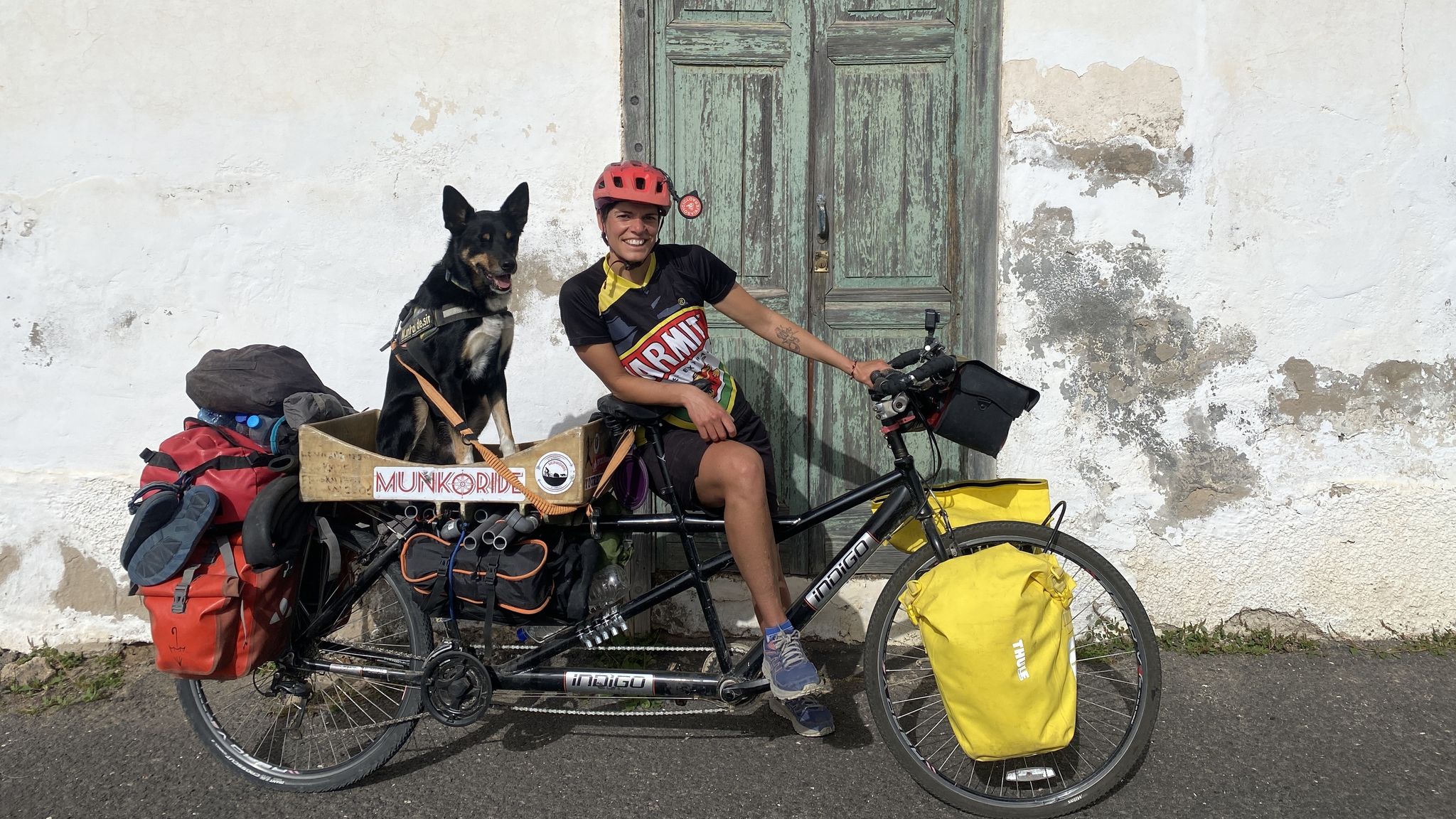
A winter getaway along the greenways of Andalusia in Spain
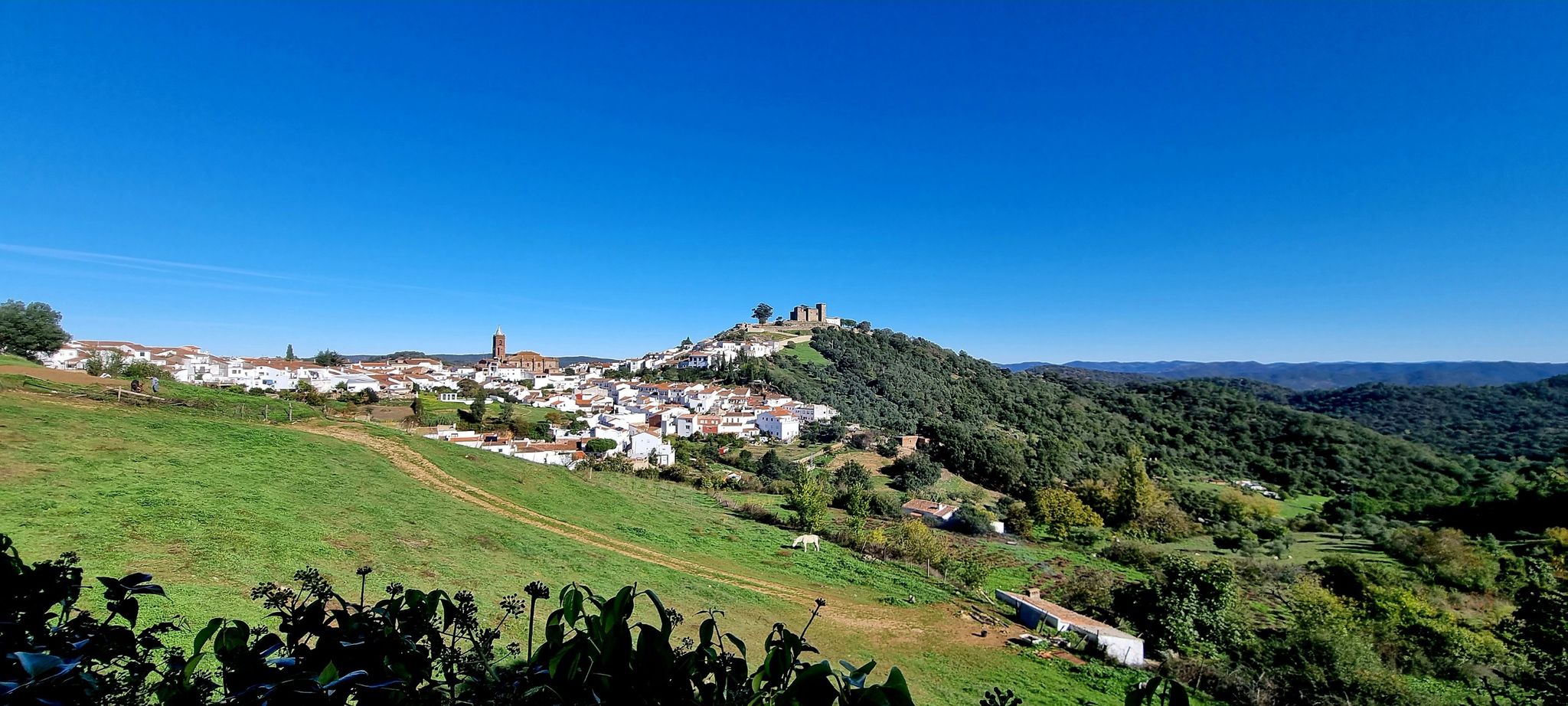
European Divide Trail across the Iberian Peninsula – south
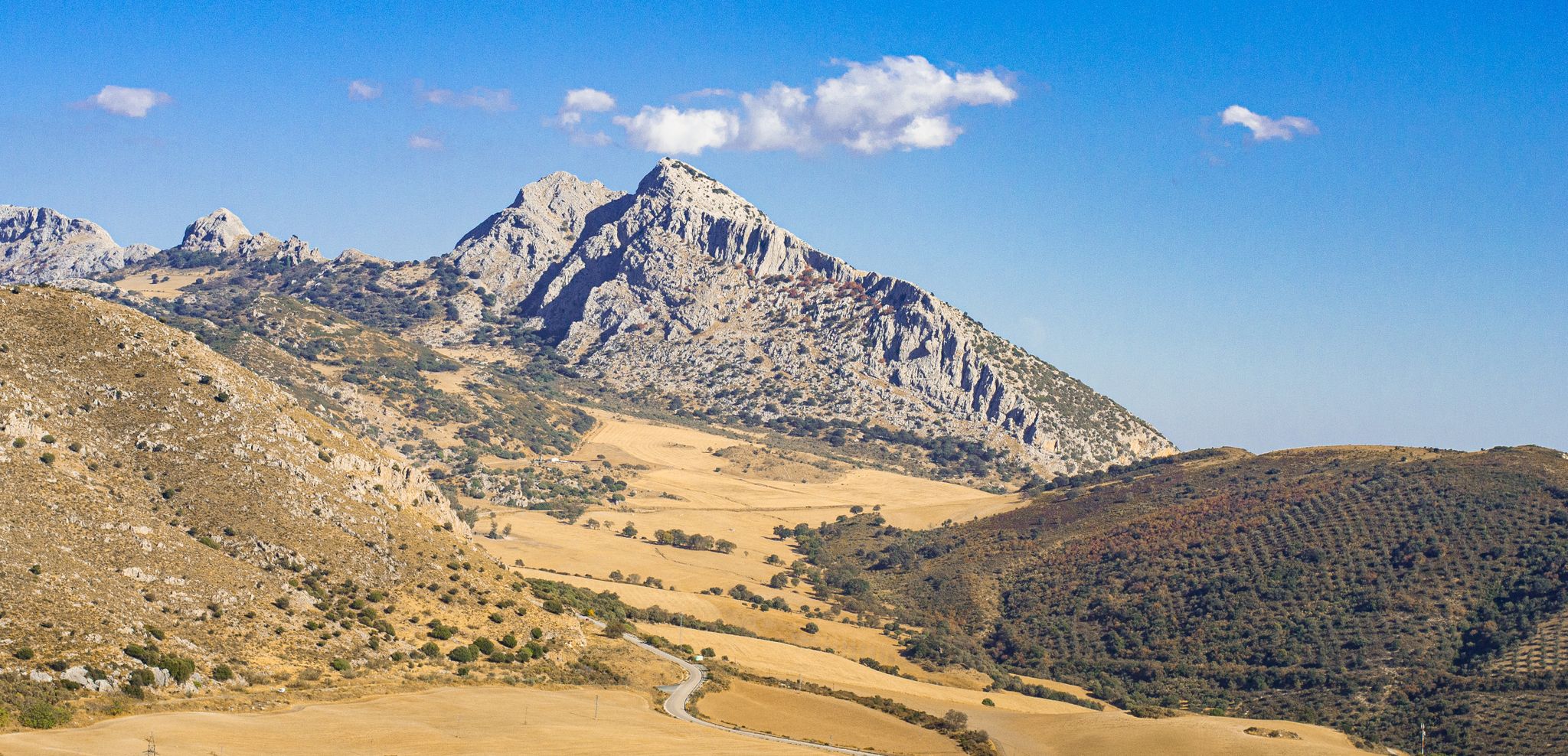
The beauty of the Andalusian mountains – Transandalus southern section
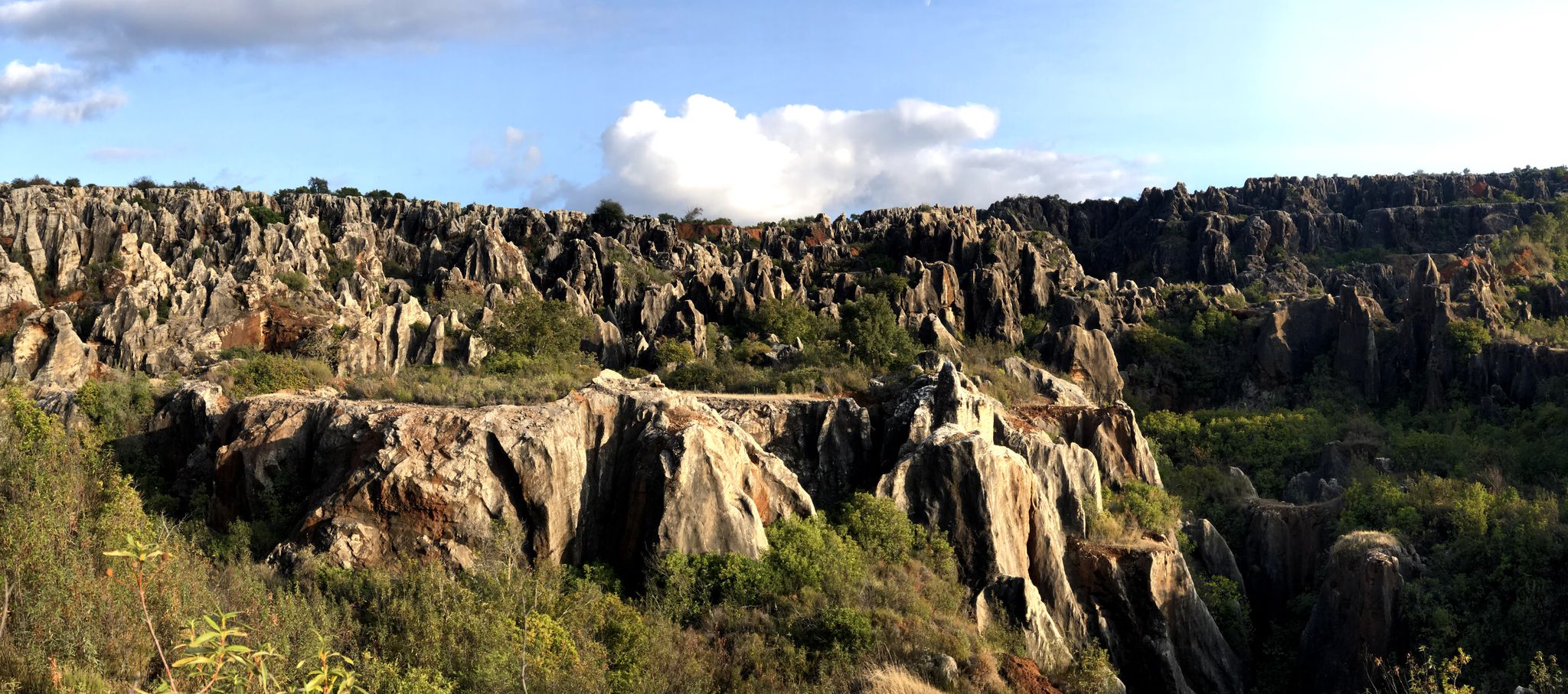
Cycling among the mysterious faults – Sierra Morena (GR 48)
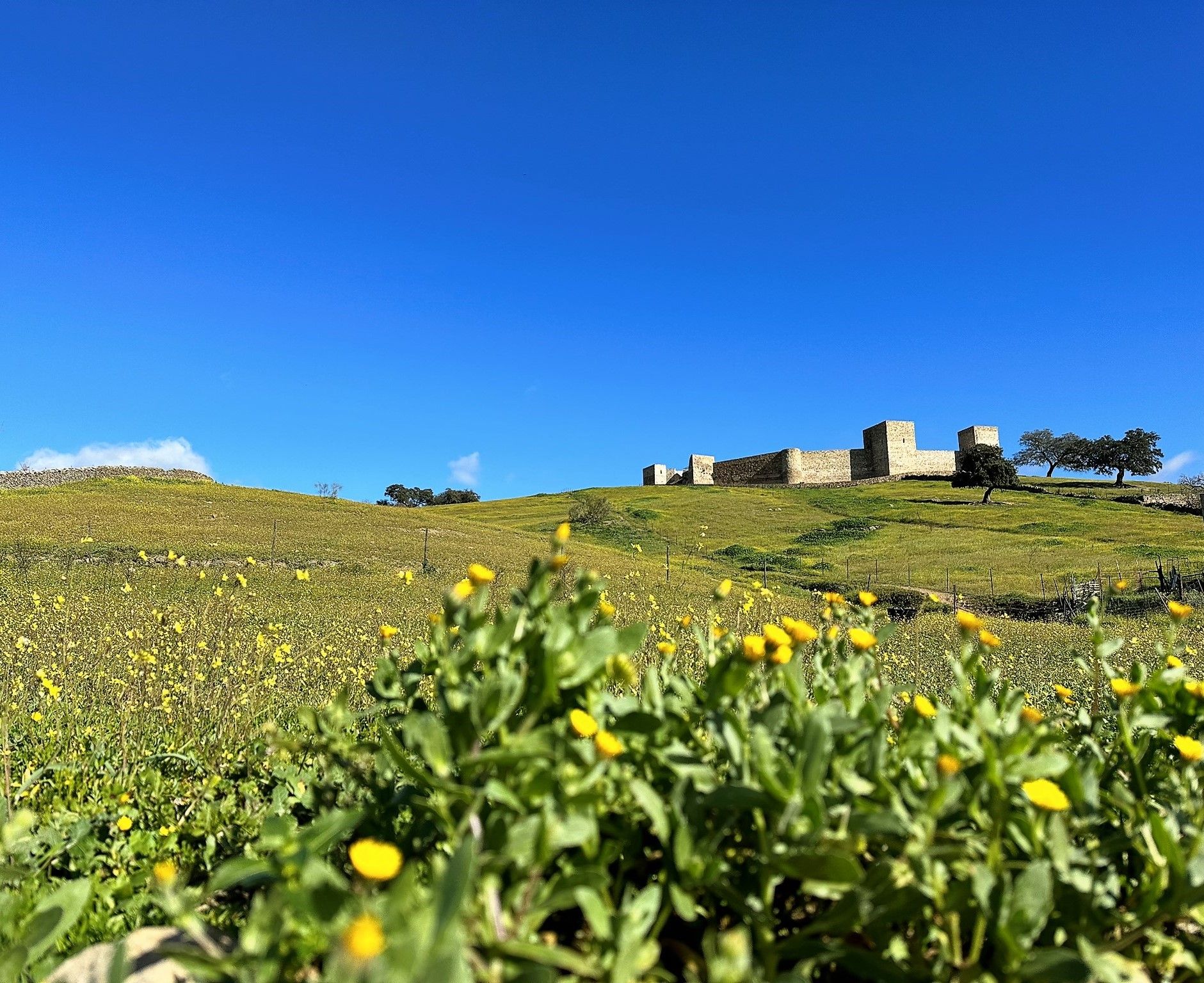
Dehesas and castles of Sierra Morena – Huelva and Seville on foot (GR 48)
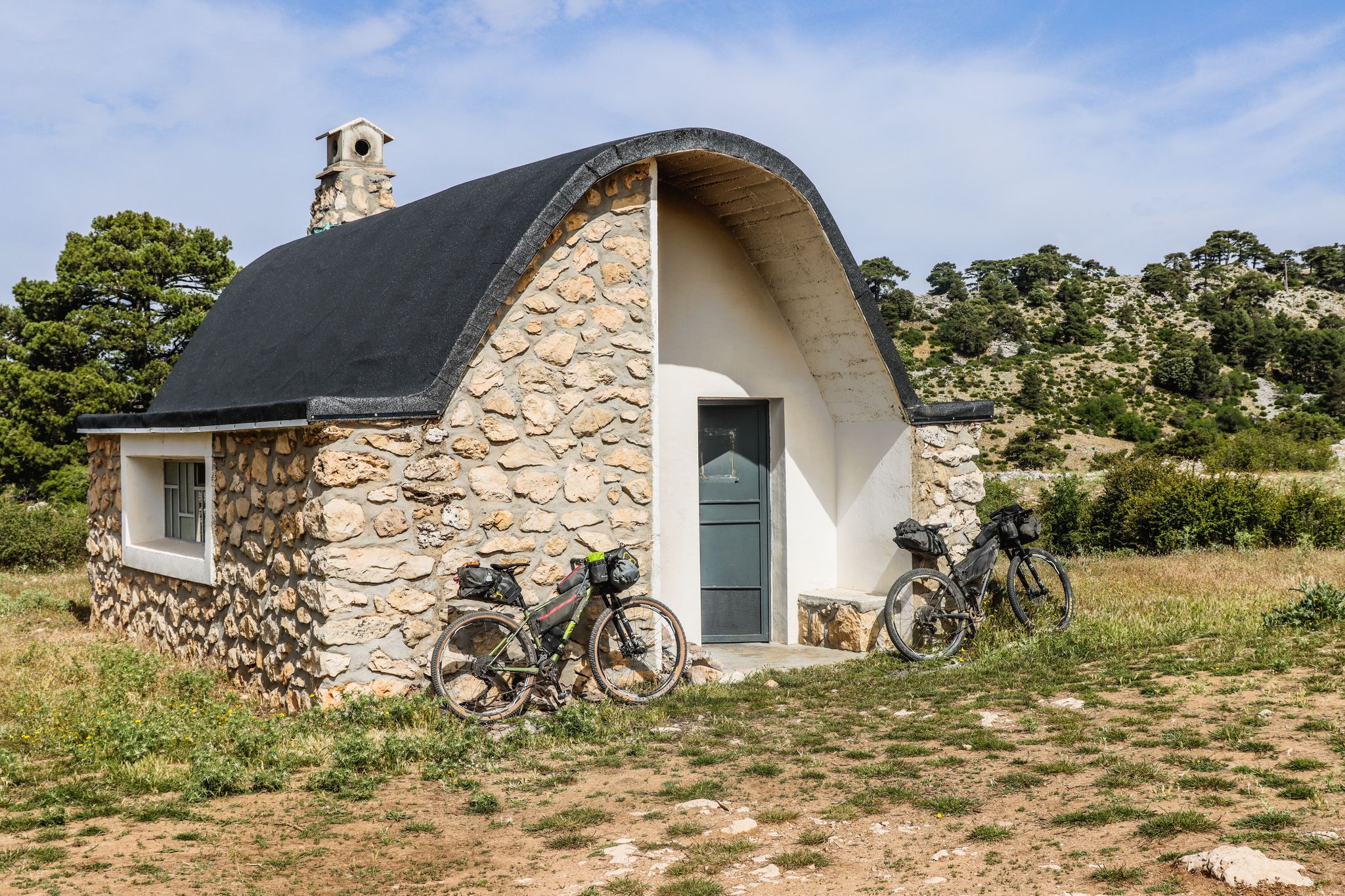
Wild and free Andalusia – Transandalus through the interior
Other adventures in Huelva


Tips from the Community

Just as a side note: photography is forbidden in the cave. Unlike others, I also adhered to it.
0
0

The Monument to the Faith of the Discoverer, also known as the Columbus Monument, is one of the most representative symbols of the city of Huelva. It is located at Punta del Sebo, a natural setting where the Tinto and Odiel rivers meet, approximately 4 km from the city center.
9
0
The source of the Tinto River is located in the municipality of Nerva, in the province of Huelva, Andalusia, and is one of the most unique landscapes in Europe due to its reddish color and its scientific and geological value.
1
0
It was designed by the American sculptor Gertrude Vanderbilt Whitney and donated to Spain by the United States in 1929. The sculpture, in Cubist style and inspired by Egypt, is 37 metres high and represents a Franciscan friar from the Monastery of La Rábida. This friar welcomed Christopher Columbus while he was planning his first voyage and awaiting confirmation of funding from the Spanish monarchs. The pedestal of the monument includes reliefs depicting Mayan, Aztec, Inca and Christian elements.
9
0
The Cerro de San Cristóbal in Almonaster la Real is one of the highest points in the province of Huelva, with an altitude of 913 meters. This hill is part of the Sierra de Aracena and Picos de Aroche Natural Park, and is known for its impressive panoramic views.😊
6
0

Pet-friendly beaches. Both Cuesta Maneli and Rompeculos beaches are pet-friendly, that is, beaches where our pets are tolerated.
6
0
The La Rocina stream is one of the main sources of water for the marshes of the Doñana National Park and at this point it leads to an extension of the channel called Charco de la Boca. The path of the same name crosses a great biodiversity of the landscape, from a pine forest to riparian vegetation, ferns, reed beds and aromatic plants. Along the path, four observatories built as "huts" allow
7
0
Cuesta Maneli Beach is a natural gem located on the Costa de la Luz, within the Doñana Natural Park, in the province of Huelva. This unspoiled beach is located between Mazagón and Matalascañas, and is known for its peaceful surroundings and natural beauty.
9
0
Frequently Asked Questions
What are some of the most popular natural monuments in Huelva?
Visitors frequently enjoy the Charco de la Boca Trail in Doñana National Park, known for its birdwatching observatories. Another highly-rated spot is Arias Montano Peak, offering panoramic views and historical caves. The Marshes and Saltworks of Isla Cristina are also very popular for their rich birdlife, including flamingos.
What kind of natural features can I expect to see in Huelva's natural monuments?
Huelva's natural monuments showcase a diverse range of features, from ancient wild olive forests like the Acebuches del Rocío, to unique coastal formations and extensive wetlands such as the Marismas del Odiel. You'll also find limestone massifs with panoramic viewpoints, geological caves, and vast pine forests like the Pinares de Cartaya.
When is the best time to visit Huelva's natural monuments?
The best time to visit Huelva's natural monuments is generally during the spring (March to May) and autumn (September to November) months. During these periods, the weather is mild and pleasant for outdoor activities, and wildlife, especially migratory birds, is abundant. Summer can be very hot, particularly in inland areas, while winter offers cooler temperatures suitable for walks, though some wetlands might be less active for birdwatching.
Are there hiking trails available at Huelva's natural monuments?
Yes, many natural monuments in Huelva feature excellent hiking opportunities. For instance, the Charco de la Boca Trail is a 4 km circular route with birdwatching observatories. The Pinares de Cartaya also offer extensive trails for walking and cycling. You can find more hiking options in the region by exploring the Huelva guide.
Can I go cycling near Huelva's natural monuments?
Absolutely. Huelva offers various cycling routes that pass through or near its natural monuments. For example, you can find easy cycling routes like the 'Odiel Marshes Greenway' or 'From Ayamonte to Isla Cristina' which allow you to explore the coastal and wetland areas. For more challenging rides, there are gravel biking and road cycling routes available. Discover more cycling options in the Cycling in Huelva guide.
Where can I go birdwatching in Huelva?
Huelva is a prime destination for birdwatching. The Charco de la Boca Trail in Doñana National Park and the Marshes and Saltworks of Isla Cristina are excellent spots. The Marismas del Odiel Natural Area, a UNESCO Biosphere Reserve, is particularly vital, hosting 30% of Europe's spoonbill population, along with flamingos, herons, and other migratory birds. The Anastasio Senra Visitor Center at Marismas del Odiel provides trails and observatories.
Are Huelva's natural monuments suitable for families?
Many natural monuments in Huelva are family-friendly. The Charco de la Boca Trail, the Marshes and Saltworks of Isla Cristina, and the Grotto of the Marvels are all categorized as suitable for families. The Pinares de Cartaya also offer extensive recreational zones perfect for family outings.
Are there dog-friendly natural monuments or trails in Huelva?
Yes, some natural areas in Huelva are dog-friendly. For example, Cuesta Maneli Beach is known to be pet-friendly, allowing dogs on its unspoiled sands within the Doñana Natural Park. It's always advisable to check specific regulations for other natural monuments or trails before visiting with your dog.
What makes Peña Arias Montano a significant natural monument?
Peña Arias Montano in Alájar is significant for its breathtaking panoramic views of the Sierra de Aracena, its unique hydrogeological formations, and its historical importance. It hosts the Sanctuary of Nuestra Señora Reina de los Ángeles and contains over thirty caves, some with pre-Roman vestiges. The site is named after 16th-century humanist Benito Arias Montano, who found inspiration there.
Are there any ancient or historical natural monuments in Huelva?
Huelva boasts several natural monuments with deep historical roots. The Acebuches del Rocío Natural Monument features ancient wild olive trees, some over 700 years old, linked to local legends and the Romería del Rocío pilgrimage. Peña Arias Montano also has historical significance, with caves containing pre-Roman findings and connections to a 16th-century humanist.
Is parking available at these natural monuments?
Parking availability varies by location. Major natural areas like the Marismas del Odiel and Doñana National Park typically have visitor centers with designated parking facilities. For example, the Anastasio Senra Visitor Center at Marismas del Odiel and the La Rocina visitor center for the Charco de la Boca Trail offer parking. For smaller or more remote sites, roadside parking might be available, but it's best to check specific access points beforehand.
Where can I find accommodation or places to eat near Huelva's natural monuments?
Accommodation and dining options are available in towns and villages surrounding the natural monuments. For areas near Doñana National Park, the village of El Rocío offers options. Near Marismas del Odiel, you'll find amenities in Huelva city. For the Sierra de Aracena, towns like Alájar (near Peña Arias Montano) and Aracena (near the Grotto of the Marvels) provide various choices for stays and meals.
Most popular routes in Huelva
Most popular attractions in Huelva

Get inspired with the komoot mobile app


Didn’t find what you were looking for?
Find even more amazing natural monuments in Huelva by checking out the top Highlights region by region:
Explore more
Extend your search for the best caves by checking out these guides of the top ones in Huelva:
