Top 20 Natural Monuments in Lugo
Natural monuments in Lugo, a province in Spain's Galicia region, feature diverse landscapes from dramatic coastlines to serene river canyons and ancient mountain ranges. The region is characterized by its natural beauty, shaped by rivers like the Miño and Sil, and its rich cultural heritage. Lugo offers a variety of natural formations, including impressive rock arches, waterfalls, and extensive forests. These areas provide opportunities to explore unique geological features and preserved ecosystems.
Best natural monuments in Lugo
- The most popular…
Last updated: August 6, 2026
Ancient Chestnut Tree in Ramil
Highlight • Natural Monument
Translated by Google •
Tip by

Beach of the Cathedrals
Highlight • Beach
Translated by Google •
Tip by

Sign up now to discover places like this
Get recommendations on the best single tracks, peaks, & plenty of other exciting outdoor places.
Sign up for free
San Jorge de Aguasantas Fountain
Highlight • Natural Monument
Translated by Google •
Tip by

Praia das Illas
Highlight • Beach
Translated by Google •
Tip by
Baamonde Church
Highlight • Religious Site
Translated by Google •
Tip by
Augacaída Waterfall
Highlight • Waterfall
Translated by Google •
Tip by
Ancient tree on the Camino Francés, just after Sarria
Highlight • Natural Monument
Translated by Google •
Tip by
Shell-Shaped Fountain on the Camino de Santiago
Highlight • Monument
It is worth discovering this original fountain in the shape of the pilgrim's shell.
Translated by Google •
Tip by

Montouto Hospital and Dolmen
Highlight • Historical Site
Translated by Google •
Tip by
Ribeira Sacra River Valley
Highlight • River
Translated by Google •
Tip by
Sign up for free to discover even more natural monuments in Lugo.
Sign up for free
Already have an account?
Start today with a free account
Your next adventure awaits.
Login or Signup
Popular around Lugo
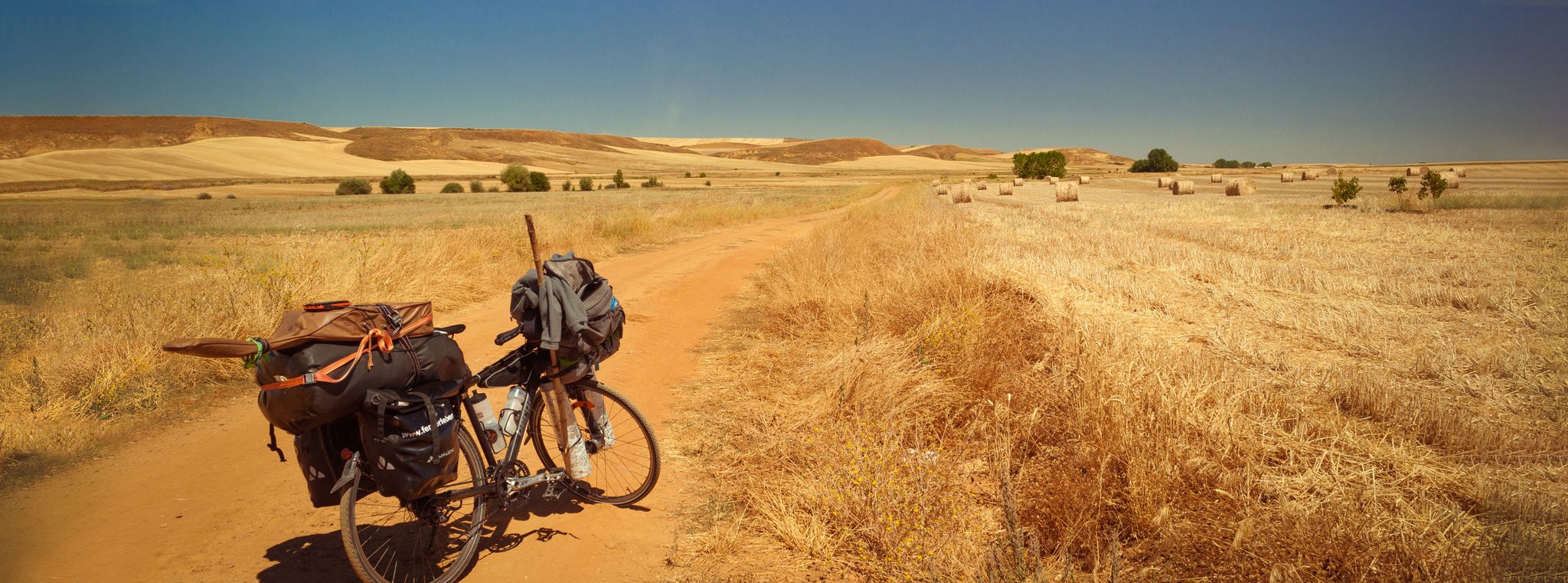
Camino Francés and Camino Finisterre – Cycling pilgrimages in Spain
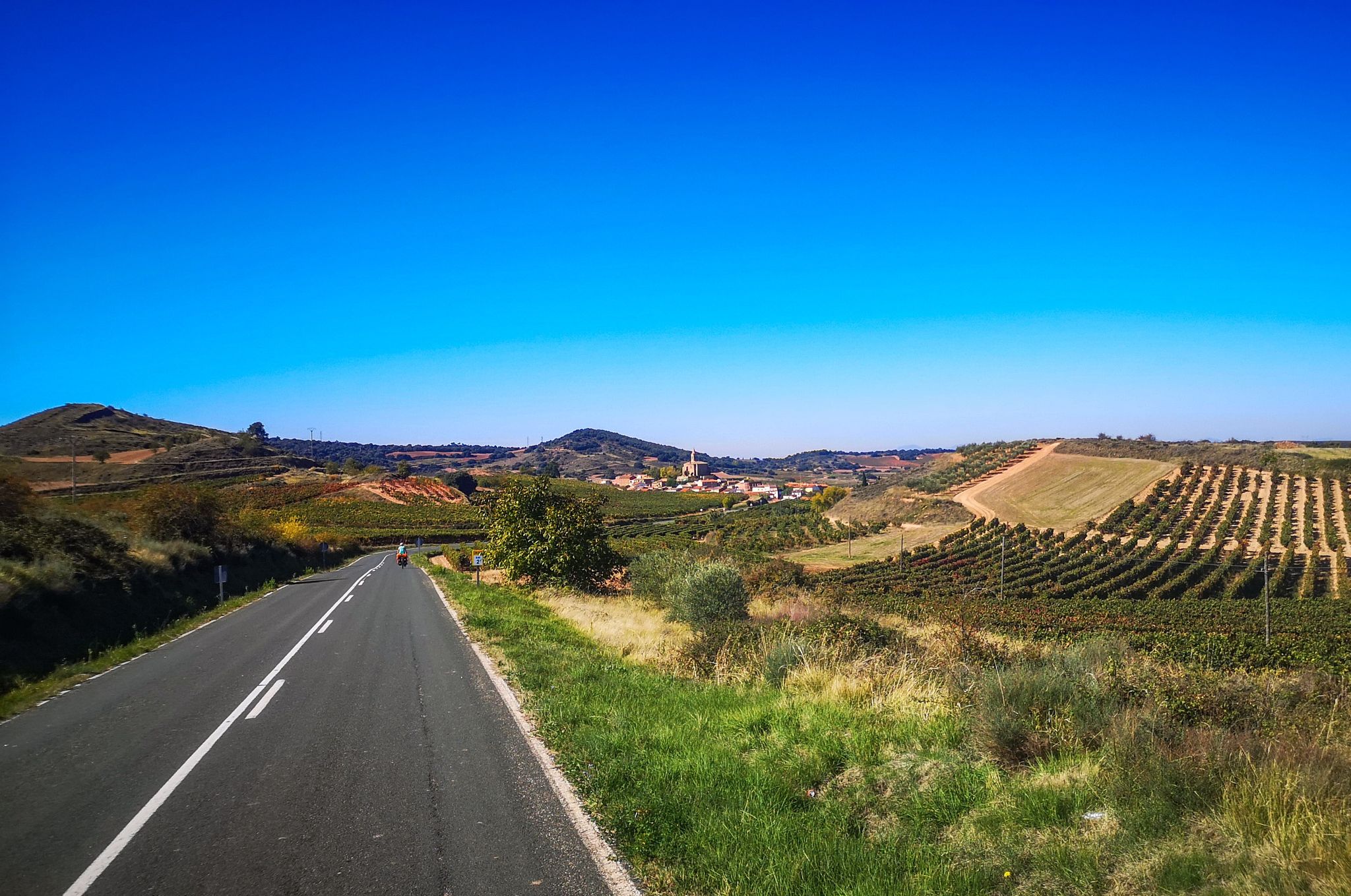
Santiago de Compostela – A journey through northern Spain (10 days)
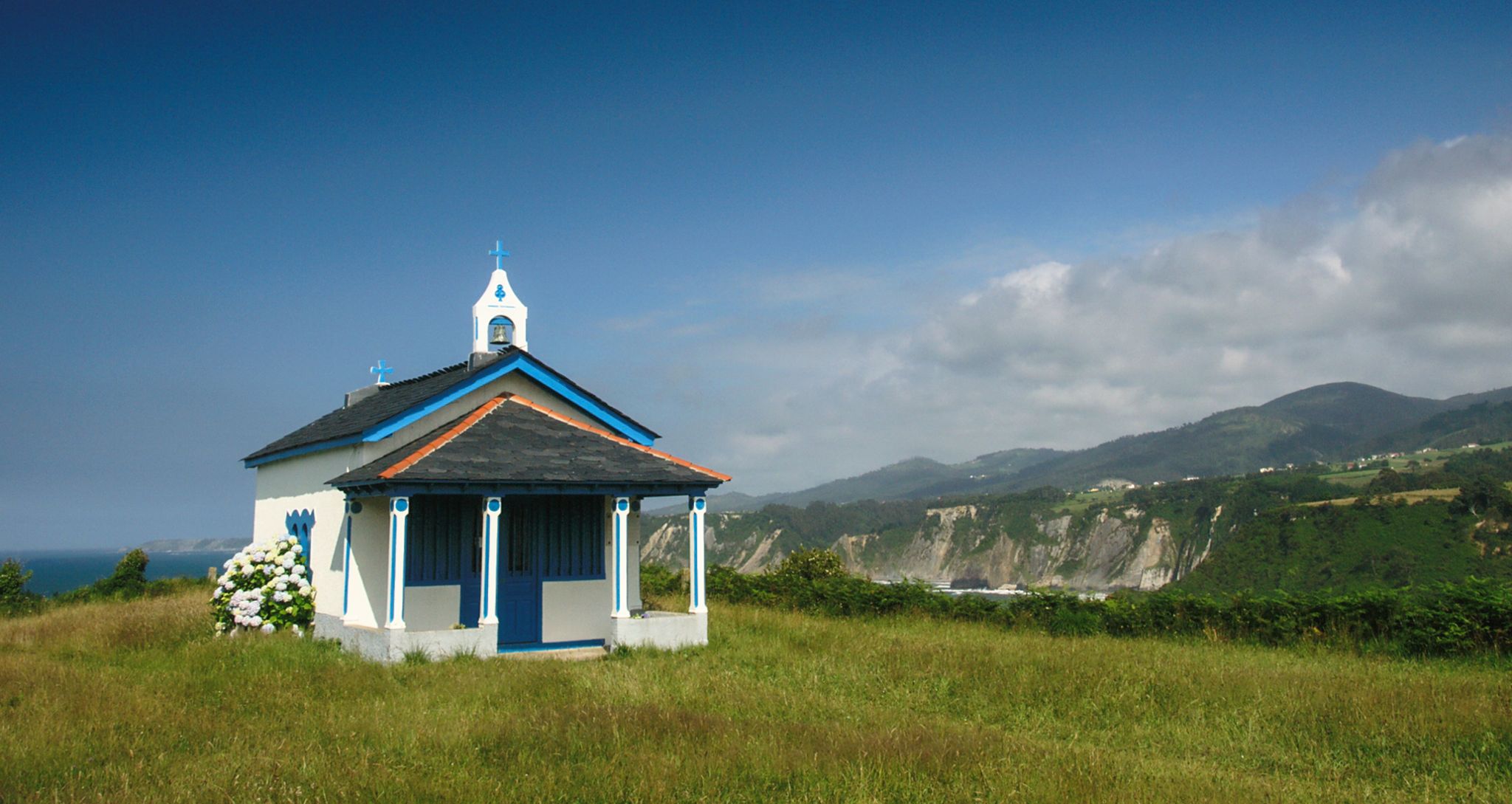
Camino del Norte – 15 stages
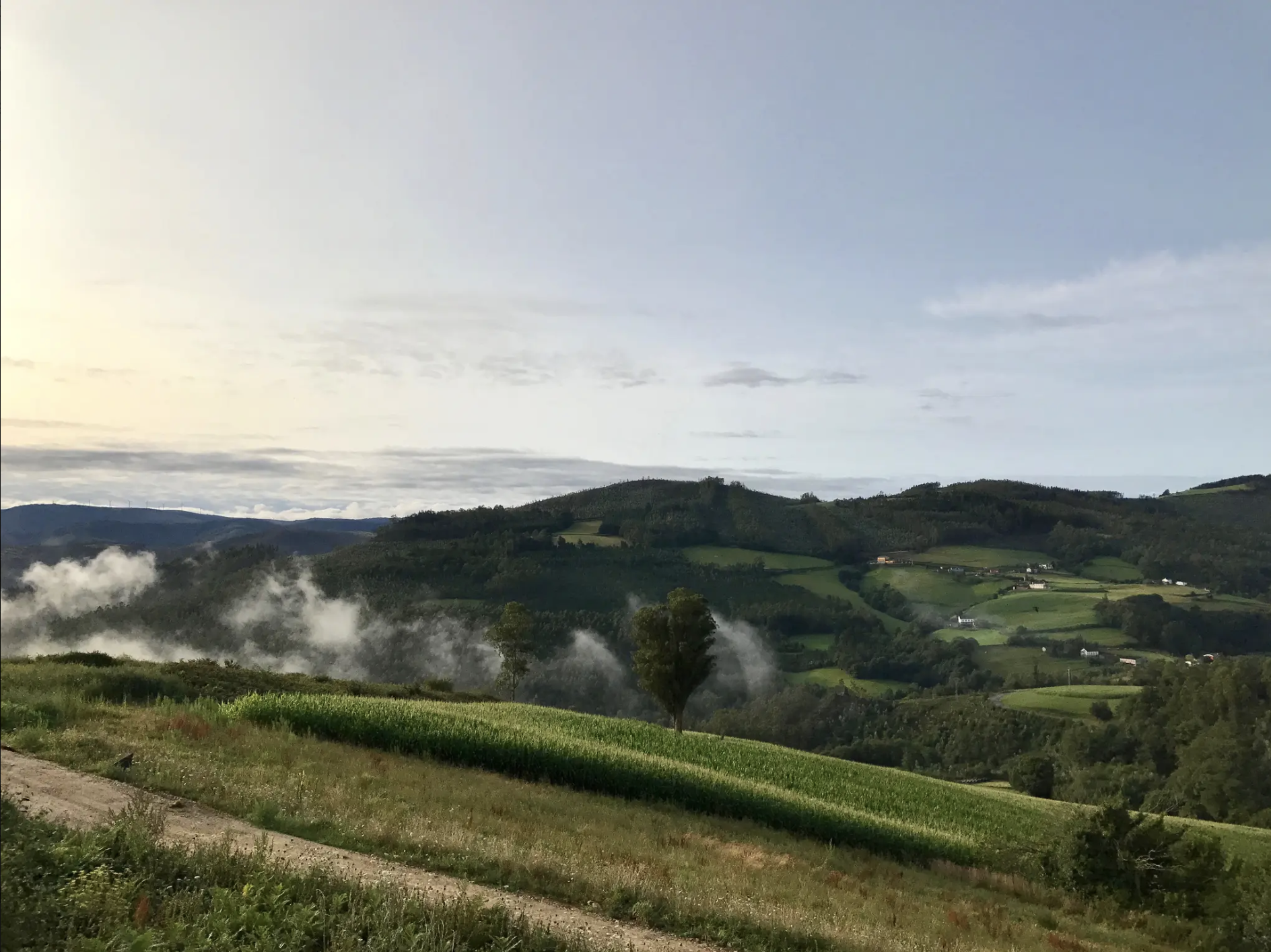
Camino del Norte (in reverse) – Discovering northern Spain's stunning coastline
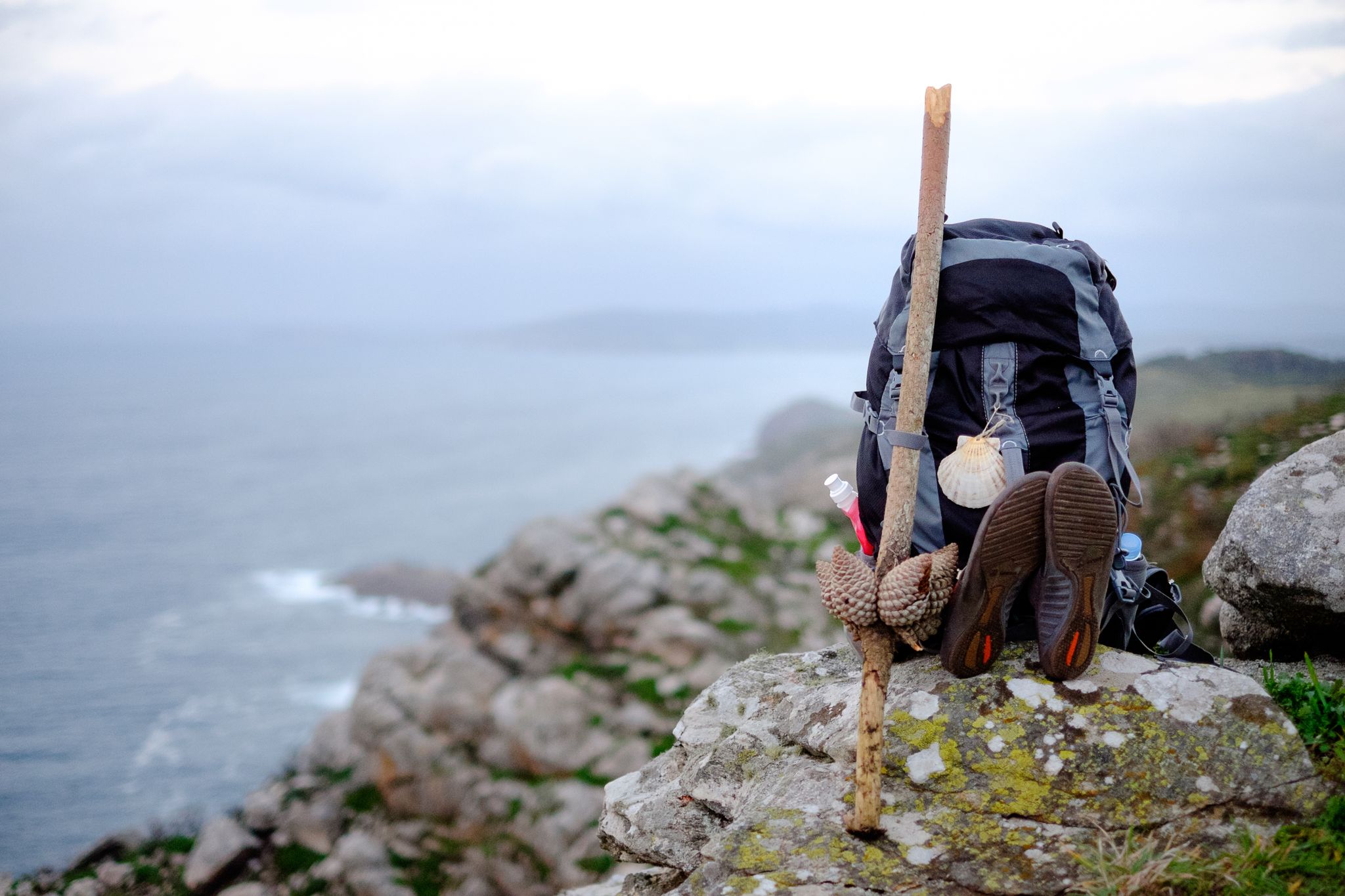
Way of St. James – 60 miles
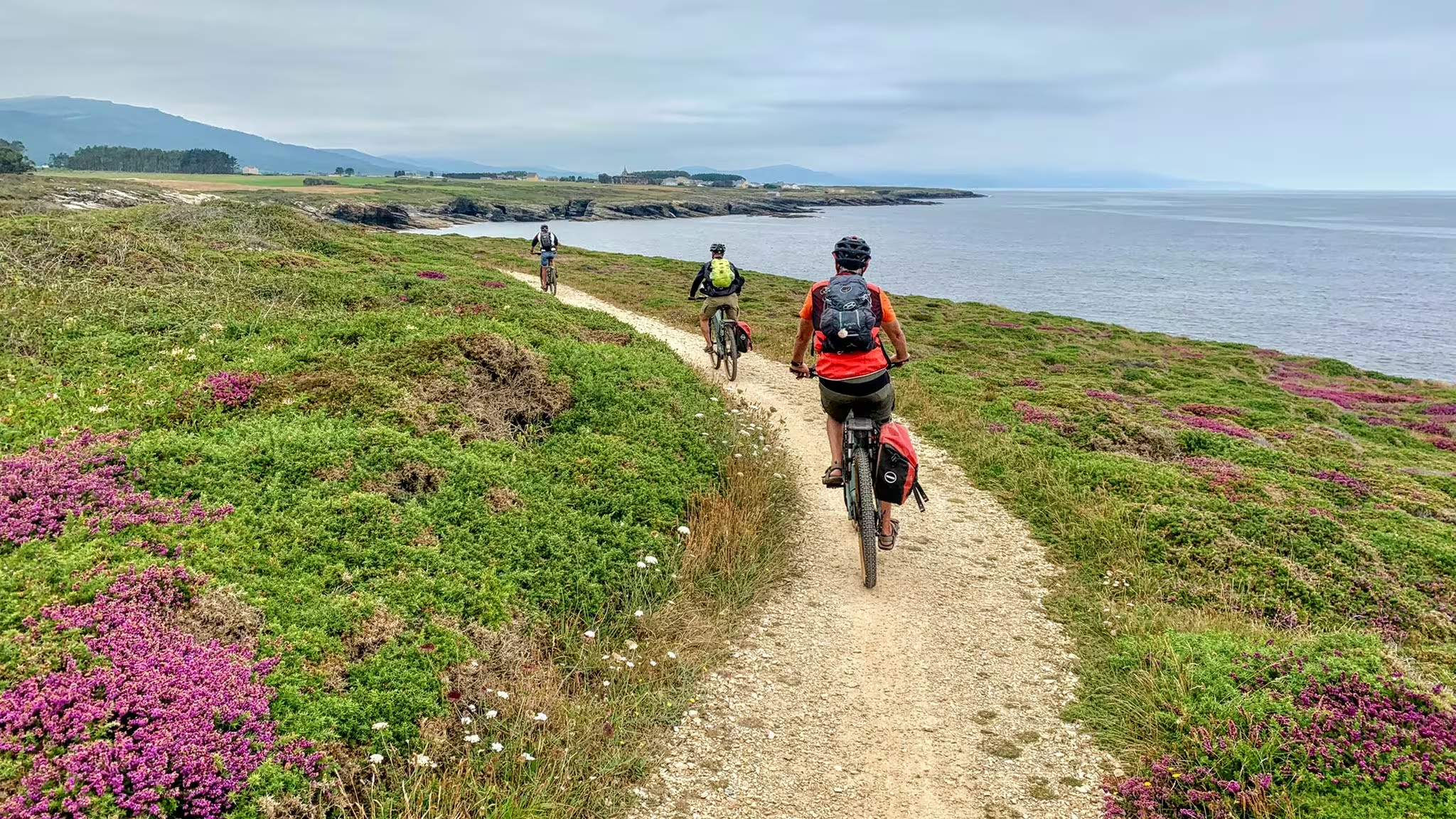
Galician coast by bike – Cantabrian Route nature trail
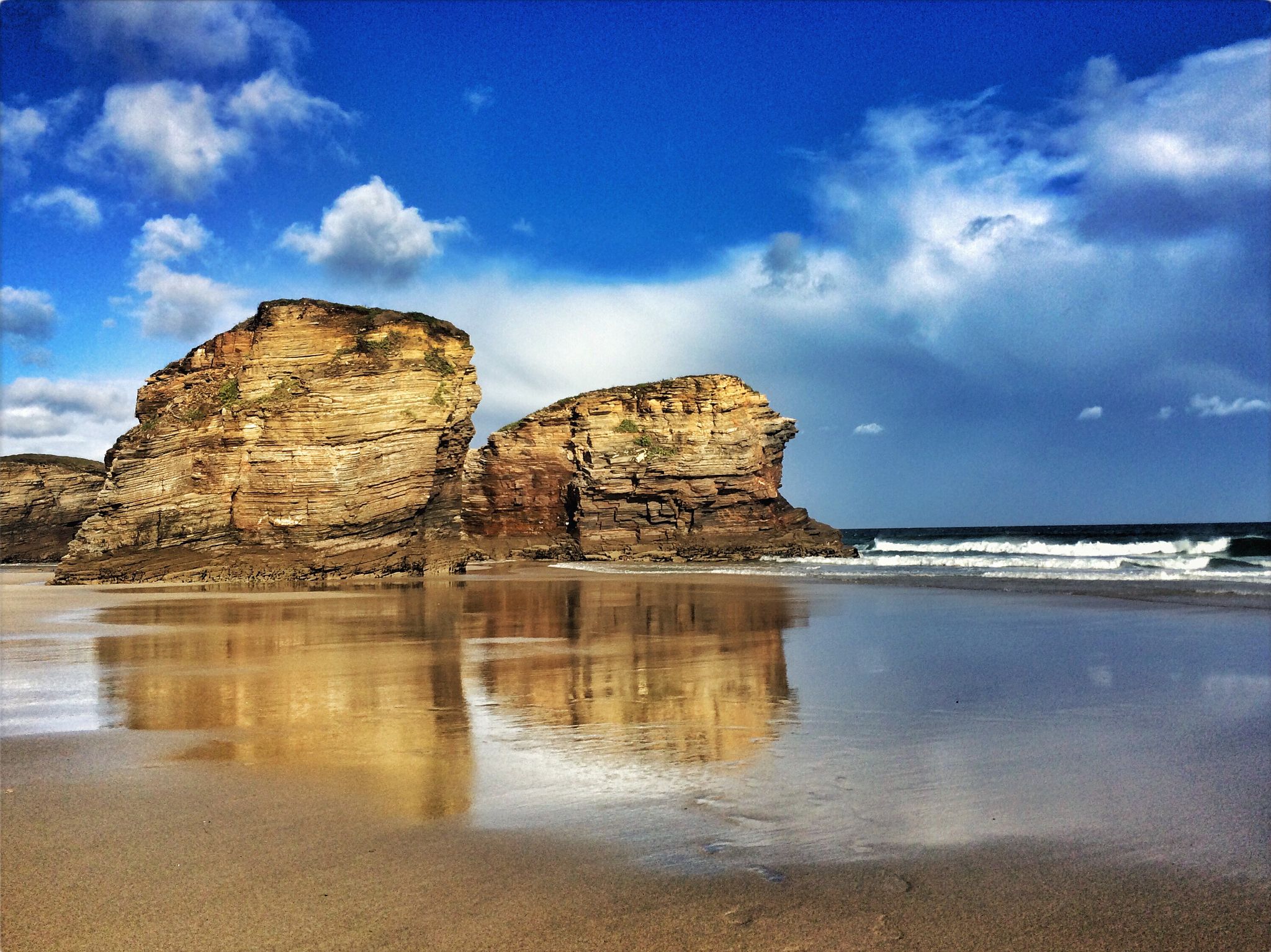
Along the Galician Coast - Camino Natural de la Ruta del Cantábrico
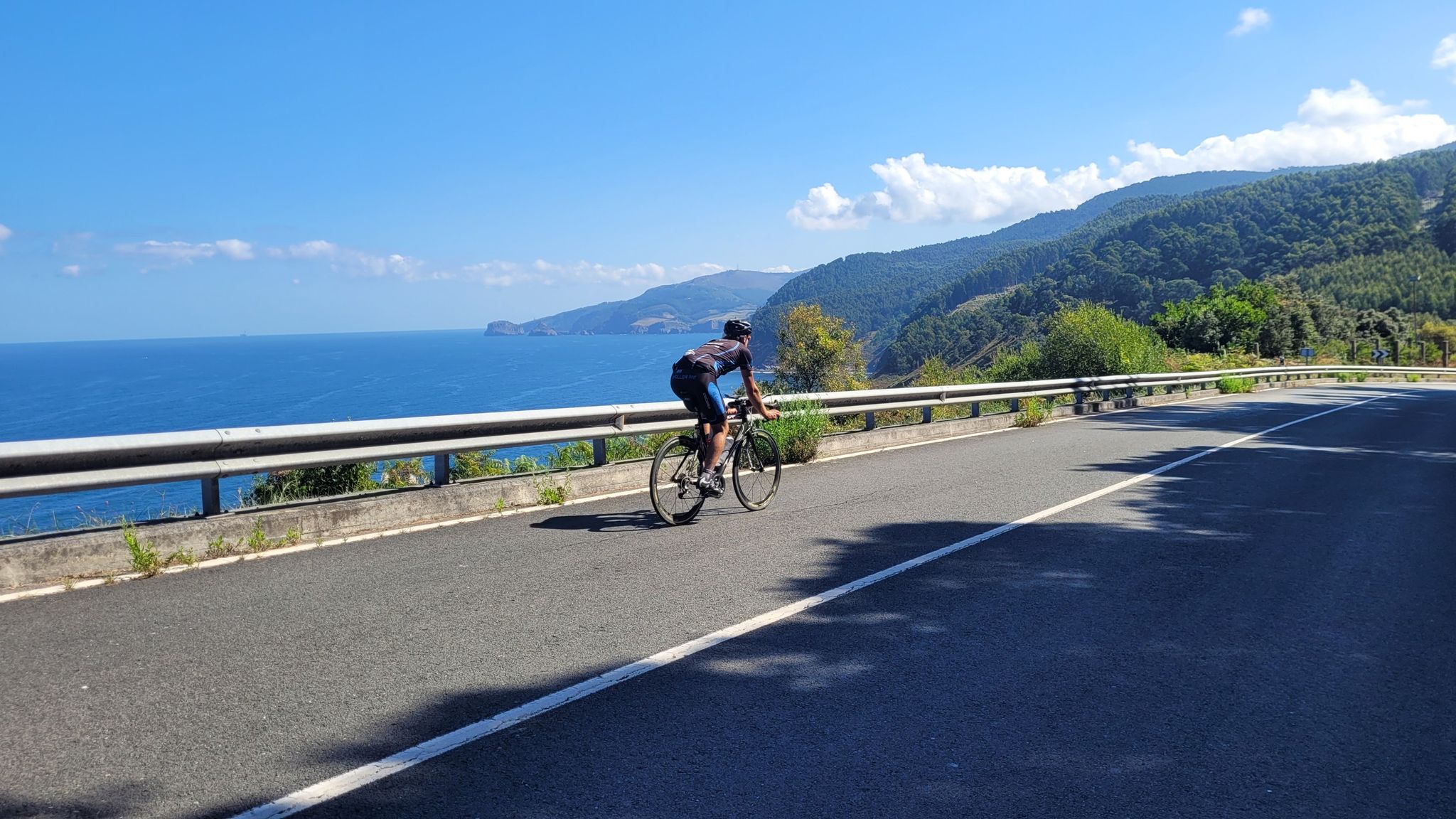
Cycling along the Cantabrian coast – the Northern Way
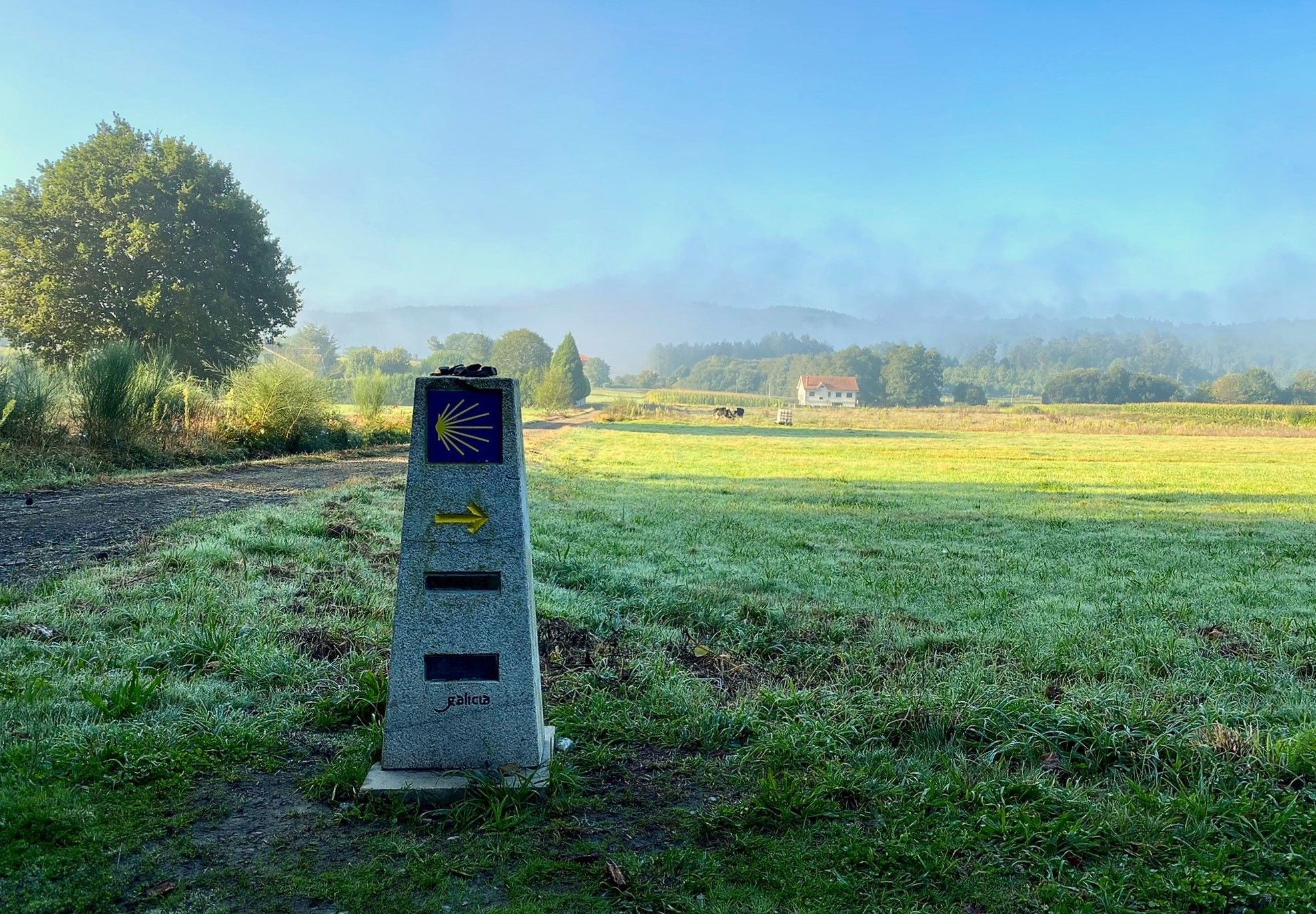
A pilgrimage on foot – Spain’s Primitive Way
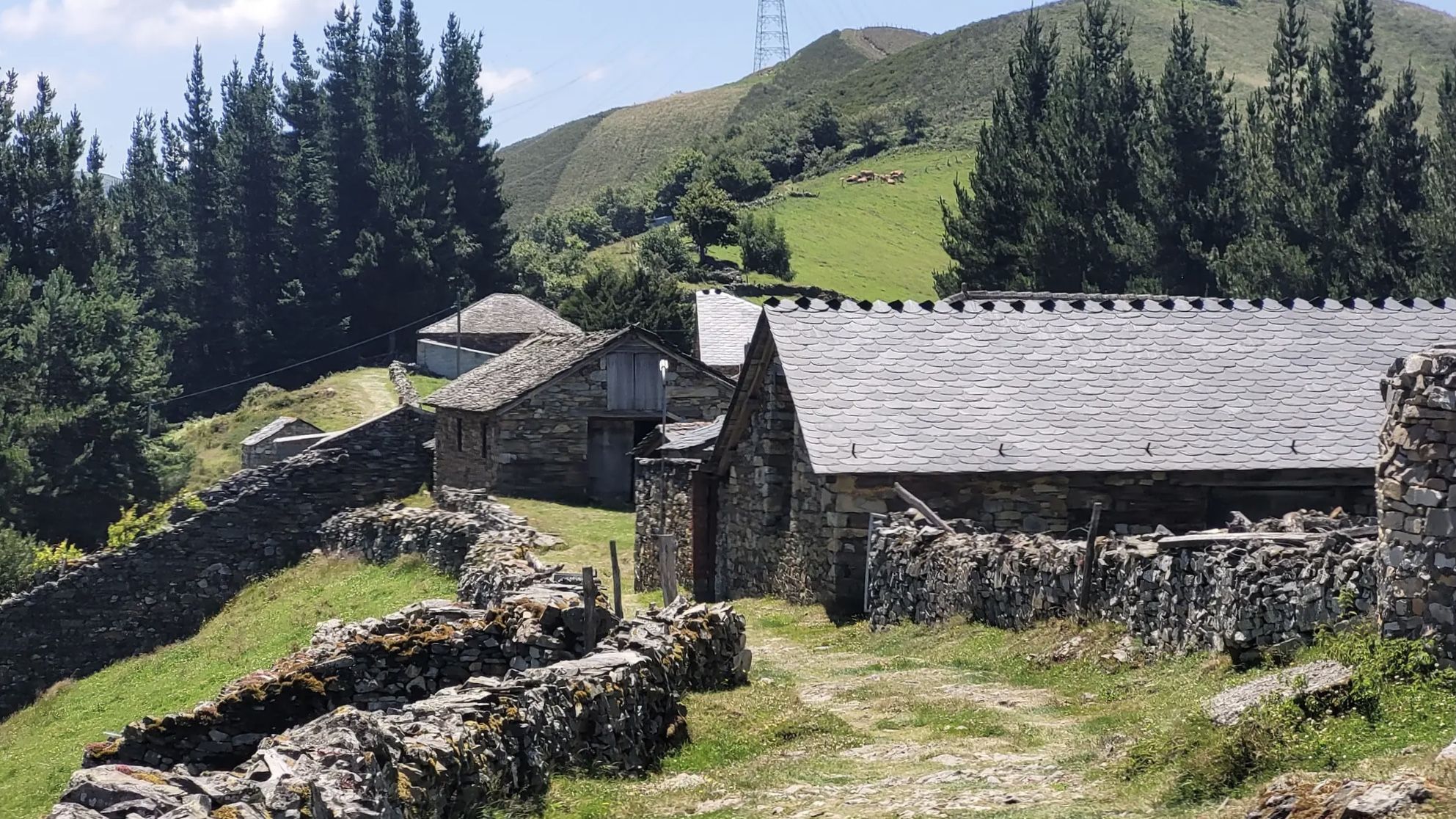
The Camino Primitivo — From Oviedo to Santiago through history
Other adventures in Lugo


Tips from the Community

The Fountain of San Jorge de Aguasantas, also known as Fonte de San Xurxo de Augas Santas, is located in the parish of San Xurxo de Augas Santas, in the municipality of Palas de Rei, province of Lugo. It is a very special place on the Primitive Way, frequented by pilgrims who pause to rest and refresh themselves.
5
0

In the small village of Ramil at the foot of the Camino, just before Triacastela, stands one of Galicia's most beautiful century-old chestnut trees. Its trunk spans 8.5 meters and, with its hollow spaces and thick branches that seem to embrace the tree, resembles an X-ray of time.
0
1

Very nice. Right on the street.
1
1
The Scallop Fountain in Paradela is an iconic site for pilgrims on the Camino de Santiago. Paradela, located in the province of Lugo, Galicia, is known for its rich history and connection to the Camino Francés. The fountain is a symbol of rest and renewal for pilgrims, and its design includes the famous scallop, the symbol of the Camino de Santiago. In addition to the fountain, Paradela offers other points of interest such as the Church of Santa María de Ferreiros and the Mirador de Santa Marta.
5
0
The French Way from Sarria is one of the most popular routes on the Camino de Santiago! Sarria is about 100 km from Santiago de Compostela, making this stage ideal for those looking to complete the minimum required to obtain the Compostela, the pilgrimage certificate.
6
0
The Playa de las Catedrales, known in Galician as Praia das Catedrais, is an impressive natural monument located on the coast of the province of Lugo, in Galicia, Spain. Its official name is Playa de Aguas Santas, but it is popularly known as Playa de las Catedrales due to the appearance of its cliffs, which are reminiscent of the arches and vaults of a cathedral.
8
0
Praia das Illas is a beautiful beach located near Ribadeo, in the province of Lugo, Galicia. It is known for its stunning natural scenery and its tranquility compared to the more famous Playa de las Catedrales.
7
0

Large deciduous tree that is common in the mountains of Galicia. The fruits are covered with a green rind with thorns, the "erize". The season for harvesting chestnuts is November, and in Triacastela and throughout Galicia in general it is celebrated with a festival called "magesto". The main use of the chestnut tree is to obtain its wood and use its fruit as food for the population in general and as food for livestock.
1
0
Frequently Asked Questions
What are some of the most unique geological features to explore in Lugo?
Lugo is home to several striking geological formations. The Beach of the Cathedrals (Praia das Catedrais) is famous for its massive sea-sculpted arches and caves, visible at low tide. Further inland, the Sil Canyon (Cañón do Sil) showcases dramatic river-carved rock formations and impressive viewpoints. O Fuciño do Porco, a coastal formation resembling a pig's snout, also offers unique geological shapes and panoramic views.
Are there any natural monuments in Lugo that are particularly family-friendly?
Yes, several natural monuments in Lugo are suitable for families. The Beach of the Cathedrals is a popular choice, especially at low tide when children can explore the caves and arches. Praia das Illas offers a tranquil beach experience with interesting rock formations. Additionally, the Ancient Chestnut Tree in Ramil provides a memorable stop along the Camino, often enjoyed by families.
What kind of outdoor activities can I do near Lugo's natural monuments?
Lugo's natural monuments are surrounded by opportunities for outdoor activities. You can find numerous hiking trails, such as those leading to the Augacaída Waterfall or exploring the Cantabrian Route Natural Trail. The Sil Canyon offers catamaran tours and hiking. For cycling enthusiasts, there are gravel biking routes, including challenging ascents in areas like O Cebreiro. You can explore various hiking options in the region by checking out guides like Easy hikes in Lugo or Waterfall hikes in Lugo.
When is the best time to visit the <a href="https://www.komoot.com/highlight/526099" target="_blank" rel="noopener">Beach of the Cathedrals</a>?
The Beach of the Cathedrals is best visited at low tide. This is when the impressive stone arches and caves, sculpted by the sea, are fully exposed, allowing visitors to walk through and admire their grandeur. It's advisable to check the tide times in advance to plan your visit accordingly.
Are there any significant waterfalls among the natural monuments in Lugo?
Yes, Lugo is home to impressive waterfalls. Seimeira de Vilagocende, located in eastern Lugo, is Galicia's tallest waterfall, cascading 50 meters into the Porteliña river. Another notable waterfall is the Augacaída Waterfall, which is a popular hiking destination.
What is the significance of the <a href="https://www.komoot.com/highlight/424987" target="_blank" rel="noopener">Ancient Chestnut Tree in Ramil</a>?
The Ancient Chestnut Tree in Ramil is an emblematic natural monument located directly on the French Way of the Camino de Santiago. This magnificent tree is over 800 years old and boasts a trunk measuring 8.5 meters, making it a popular and iconic stop for pilgrims.
Can I find natural monuments with historical or cultural significance in Lugo?
Yes, Lugo's natural landscapes often intertwine with history and culture. The Sil Canyon, part of the Ribeira Sacra, is known not only for its dramatic scenery but also for its 'heroic viticulture' and Romanesque churches and monasteries. The San Jorge de Aguasantas Fountain and San Alberte Chapel are examples of sites where natural beauty meets historical and religious heritage, often frequented by pilgrims.
What kind of wildlife can be found in Lugo's natural monument areas?
Areas like Os Ancares Lucenses and O Courel, both Biosphere Reserves, are strongholds for native flora and fauna. These mountain ranges preserve rich biodiversity, offering habitats for various species. While specific wildlife sightings depend on the location and time of year, these protected areas are crucial for conserving the region's natural ecosystems.
Are there any natural monuments in Lugo that are particularly tranquil or less crowded?
For a more tranquil experience, consider visiting Seimeira de Vilagocende, a powerful waterfall nestled deep within a quiet forest. Praia das Illas is also known for its tranquility compared to the more famous coastal sites. The mountain ranges of Os Ancares and O Courel offer vast, serene landscapes for those seeking solitude amidst nature.
What are the main characteristics of the Terras do Miño Biosphere Reserve?
The Terras do Miño is a Biosphere Reserve centered around the Miño River, which is the lifeblood of the region. This area is characterized by its pristine nature and the tranquil ambiance provided by the river. It offers opportunities for activities such as kayaking, hiking, or simply enjoying the peaceful environment along its banks.
What should I wear when visiting natural monuments in Lugo?
Given the diverse landscapes, it's best to dress in layers and wear comfortable, sturdy footwear suitable for walking or hiking. If visiting coastal areas like the Beach of the Cathedrals, be prepared for potentially wet or sandy conditions. For mountain regions like Os Ancares or O Courel, appropriate gear for varying weather and terrain is recommended.
How long should I plan to spend at Lugo's natural monuments?
The time needed varies greatly depending on the monument. For coastal sites like the Beach of the Cathedrals, you might spend 1-2 hours exploring at low tide. For larger areas like the Sil Canyon or mountain ranges such as Os Ancares, you could easily spend a full day or even several days exploring the various viewpoints, trails, and cultural sites.
Most popular routes in Lugo
Most popular attractions in Lugo

Get inspired with the komoot mobile app


Didn’t find what you were looking for?
Find even more amazing natural monuments in Lugo by checking out the top Highlights region by region:
Explore more
Extend your search for the best caves by checking out these guides of the top ones in Lugo:
