Top 20 Natural Monuments in Warwickshire
Best natural monuments in Warwickshire include a variety of landscapes, from ancient woodlands and rolling hills to significant historical sites. This region in England offers diverse natural features and protected areas for outdoor activities. Visitors can explore a range of habitats, including lakes, rivers, and nature reserves, which support local wildlife. The area provides opportunities for walking, wildlife observation, and experiencing the natural heritage of Warwickshire.
Best natural monuments in Warwickshire
- The most popular natural monuments is The King Stone, a man-made monument and archeological site that dates back to the Bronze Age. It is believed to have been a marker for ancient trade routes or a ceremonial site.
- Another must-see spot is Draycote Water, an artificial reservoir and country park. Visitors can observe rich bird life and engage in leisure activities such as hiking and sailing.
- Visitors also love The Rollright Stones Stone Circle, an ancient ceremonial stone circle. This site, erected around 2,500 BC, consists of seventy-odd heavily weathered local oolitic limestone stones.
- Warwickshire is known for its diverse natural monuments, including ancient woodlands, lakes, and historical sites. The region offers a variety of natural monuments to see and explore, from geological formations to protected wildlife habitats.
- The natural monuments in Warwickshire are appreciated by the komoot community, with more than 120 upvotes and over 50 photos shared across 30 highlights.
Last updated: September 2, 2026
Kenilworth Castle Ruins
Highlight • Castle
Tip by

The King Stone
Highlight • Monument
Tip by

Sign up now to discover places like this
Get recommendations on the best single tracks, peaks, & plenty of other exciting outdoor places.
Sign up for free
Draycote Water
Highlight • Lake
Translated by Google •
Tip by

The Rollright Stones Stone Circle
Highlight • Historical Site
The number of stones has changed over the years. Legends refer to stones having been taken away (to make bridges and the like), and it is likely that this created most of the gaps now visible. The stones are famously uncountable, but originally may have numbered about 105 standing shoulder to shoulder.
Tip by
Charlecote Park
Highlight • Historical Site
Charlecote Park covers 185 acres (75 ha), backing on to the River Avon. William Shakespeare has been alleged to have poached rabbits and deer in the park as a young man and been brought before magistrates as a result.
From 1605 to 1640 the house was organised by Sir Thomas Lucy. He had twelve children with Lady Alice Lucy who ran the house after he died. She was known for her piety and distributing alms to the poor each Christmas. Her eldest three sons inherited the house in turn and it then fell to her grandchild Sir Davenport Lucy.
In the Tudor great hall, the 1680 painting Charlecote Park by Sir Godfrey Kneller, is said to be one of the earliest depictions of a black presence in the West Midlands (excluding Roman legionnaires). The painting, of Captain Thomas Lucy, shows a black boy in the background dressed in a blue livery coat and red stockings and wearing a gleaming, metal collar around his neck. The National Trust's Charlecote brochure describes the boy as a "black page boy". In 1735 a black child called Philip Lucy was baptised at Charlecote.
The lands immediately adjoining the house were further landscaped by Capability Brown in about 1760. This resulted in Charlecote becoming a hostelry destination for notable tourists to Stratford from the late 17th to mid-18th century, including Washington Irving (1818), Sir Walter Scott (1828) and Nathaniel Hawthorn (c 1850).
Charlecote was inherited in 1823 by George Hammond Lucy (d 1845), who married Mary Elizabeth Williams of Bodelwyddan Castle, from whose extensive diaries the current "behind the scenes of Victorian Charlecote" are based upon. GH Lucy's second son Henry inherited the estate from his elder brother in 1847. After the deaths of both Mary Elizabeth and Henry in 1890, the house was rented out by Henry's eldest daughter and heiress, Ada Christina (d 1943). She had married Sir Henry Ramsay-Fairfax, (d 1944), a line of the Fairfax Baronets, who on marriage assumed the name Fairfax-Lucy.
From this point onwards, the family began selling off parts of the outlying estate to fund their extensive lifestyle, and post-World War II in 1946, Sir Montgomerie Fairfax-Lucy, who had inherited the residual estate from his mother Ada, presented Charlecote to the National Trust in-lieu of death duties. Sir Montgomerie was succeeded in 1965 by his brother, Sir Brian, whose wife, Lady Alice, researched the history of Charlecote, and assisted the National Trust with the restoration of the house.
Tip by
Battle of Edgehill Site
Highlight • Historical Site
All attempts at constitutional compromise between King Charles and Parliament broke down early in 1642. Both the King and Parliament raised large armies to gain their way by force of arms. In October, at his temporary base near Shrewsbury, the King decided to march to London in order to force a decisive confrontation with Parliament's main army, commanded by the Earl of Essex.
Late on 22 October, both armies unexpectedly found the enemy to be close by. The next day, the Royalist army descended from Edge Hill to force battle. After the Parliamentarian artillery opened a cannonade, the Royalists attacked. Both armies consisted mostly of inexperienced and sometimes ill-equipped troops. Many men from both sides fled or fell out to loot enemy baggage, and neither army was able to gain a decisive advantage.
Tip by
Tame Valley Wetlands Community Wetland
Highlight • Natural Monument
It was led by Warwickshire Wildlife Trust and Warwickshire County Council, working together in partnership as part of a series of landscape improvement projects being delivered through the Heritage Lottery Funded Tame Valley Wetlands Landscape Partnership Scheme.
The 6 hectare wetland has been transformed from disused waterlogged football pitches and restored to its original function as the floodplain of the River Tame. It now consists of new water channels, scrapes, ditches and reedbed, helping to restore floodplain connectivity.
Tip by
Sand Martin Nesting Wall, Ryton Pools Country Park
Highlight • Natural
As well as providing a large and safe nesting habitat, the 15m long structure also has a number of pre-formed swallow nest sites and a rear door inspection hatch so that the rangers can keep an eye on the nesting progress and carry out any necessary maintenance. To prevent predation by other wildlife such as stoats, an anti-predator baffle has been installed below the tunnels which have been constructed of plastic pipes. We also helped create the new information board which has been installed opposite the nesting wall to inform the local visitors to the country park about the new nesting site. It’s hoped that grizzled skipper butterflies will also benefit from the new structure as one of the food plants of the larvae stage – strawberries – are to be planted on the aggregate roof in the near future!
Sand Martins are gregarious and therefore tend to nest in large colonies. They are Europe’s smallest hirundine (martins and swallows) and the insectivorous birds are summer visitors to the UK, over-wintering in Africa.
Tip by
Kenilworth Sandstone Railway Cutting
Highlight • Natural
Warwickshire Museum. Situated at the eastern end of the Kenilworth Greenway, the cycle and pedestrian path that runs south-east of the new Coventry Road bridge passes through a disused railway cutting, excavated partly through the local natural bedrock. This can seen in the banks adjacent to the path and consists of thick beds of red sandstone. This is the so-called Kenilworth Sandstone, dating back roughly 280 million years to the Permian Period.
The sandstone originated as river sand, deposited on river floodplains at a time when what is now Warwickshire was much closer to the equator, and enjoyed a hot, semi-arid climate. The Kenilworth Sandstone was once quarried locally for building stone, and can be seen in many of the older buildings in and around the town. Kenilworth Castle is undoubtedly the best known example.
Tip by
Holy Well, Southam
Highlight • Natural Monument
Tip by

Sign up for free to discover even more natural monuments in Warwickshire.
Sign up for free
Already have an account?
Start today with a free account
Your next adventure awaits.
Login or Signup
Popular around Warwickshire
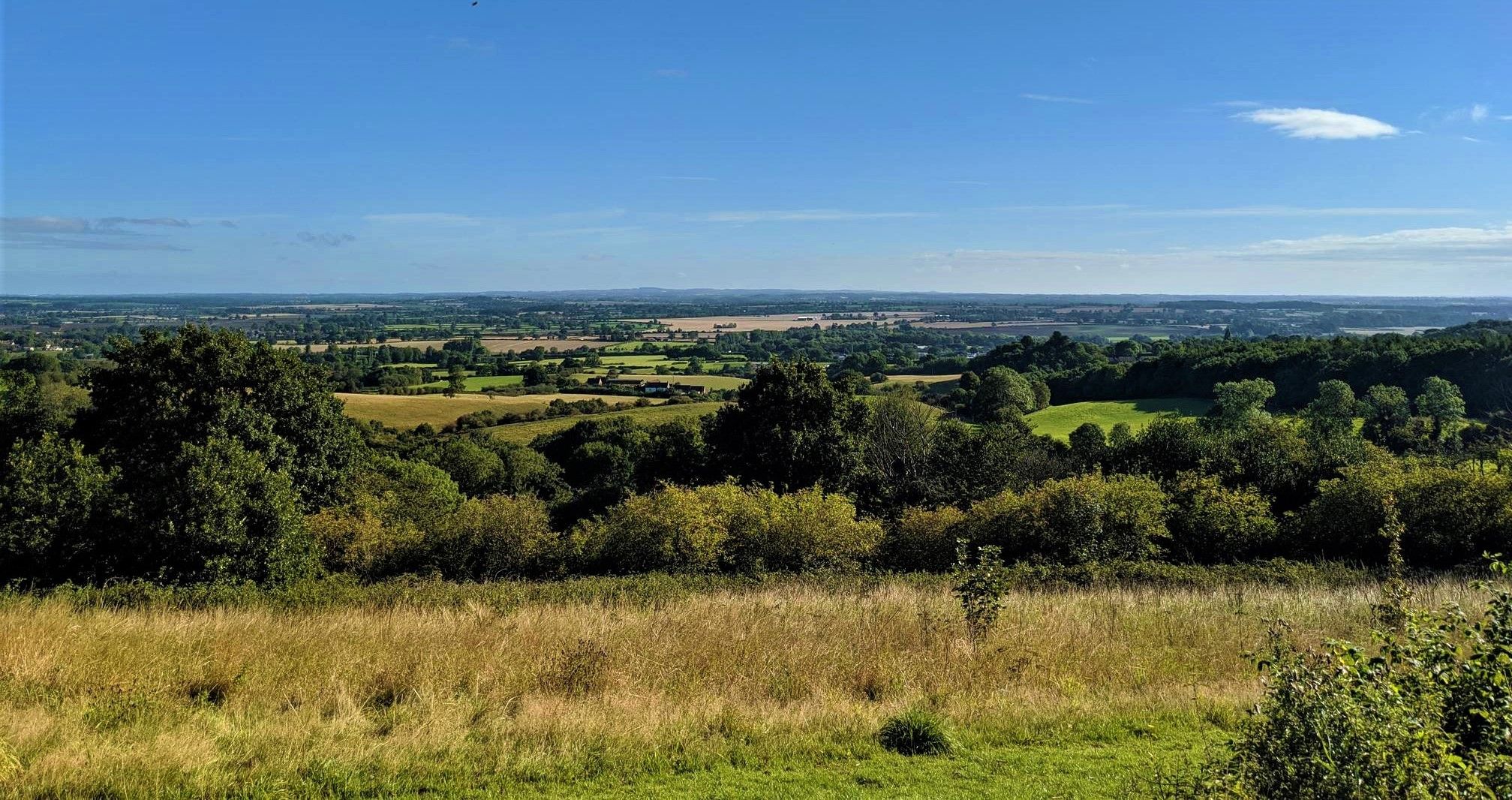
Centenary Way — Hike through a millennium of enchanting history
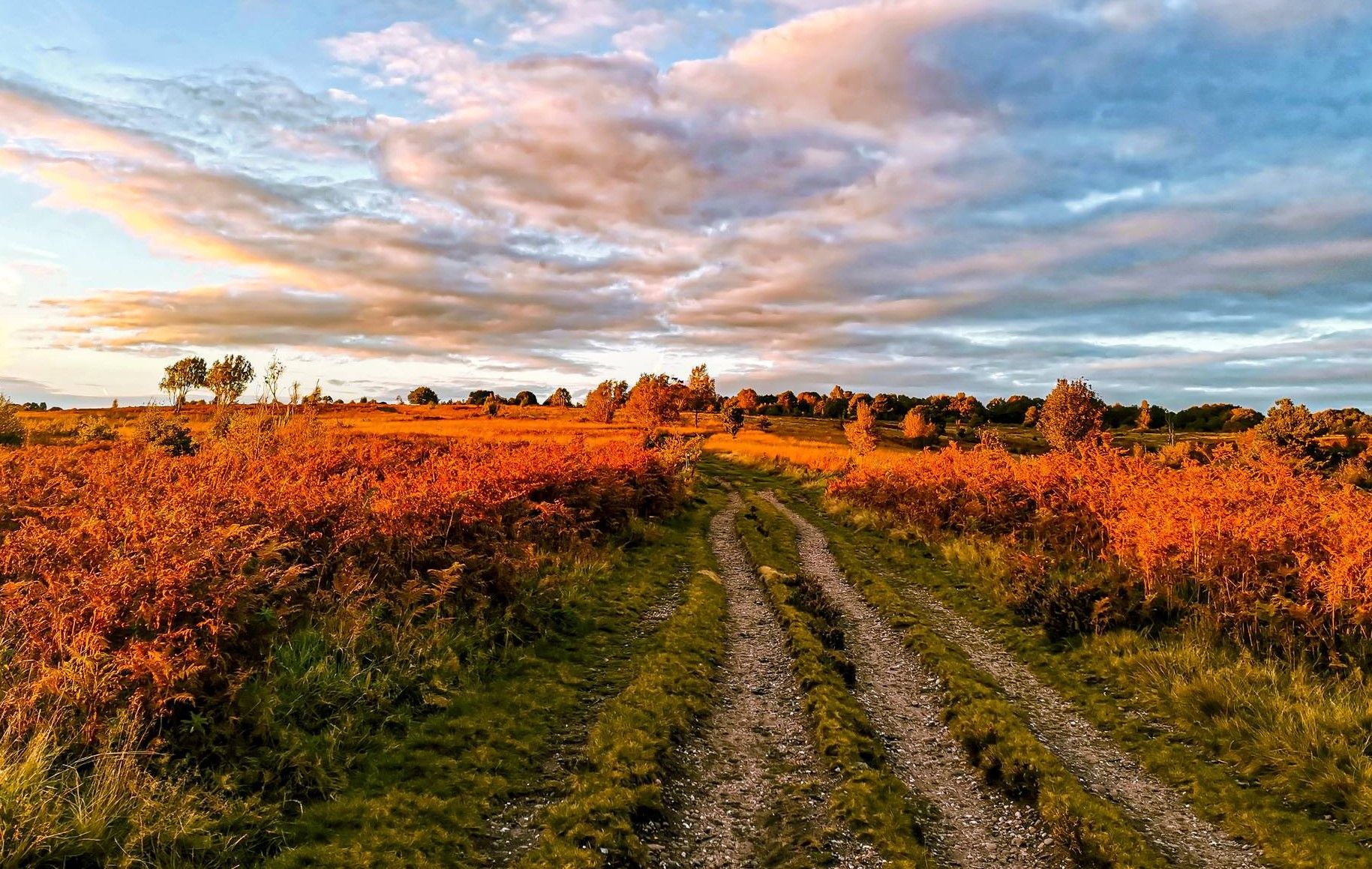
Heart of England Way — A historic hike filled with wildlife and beauty
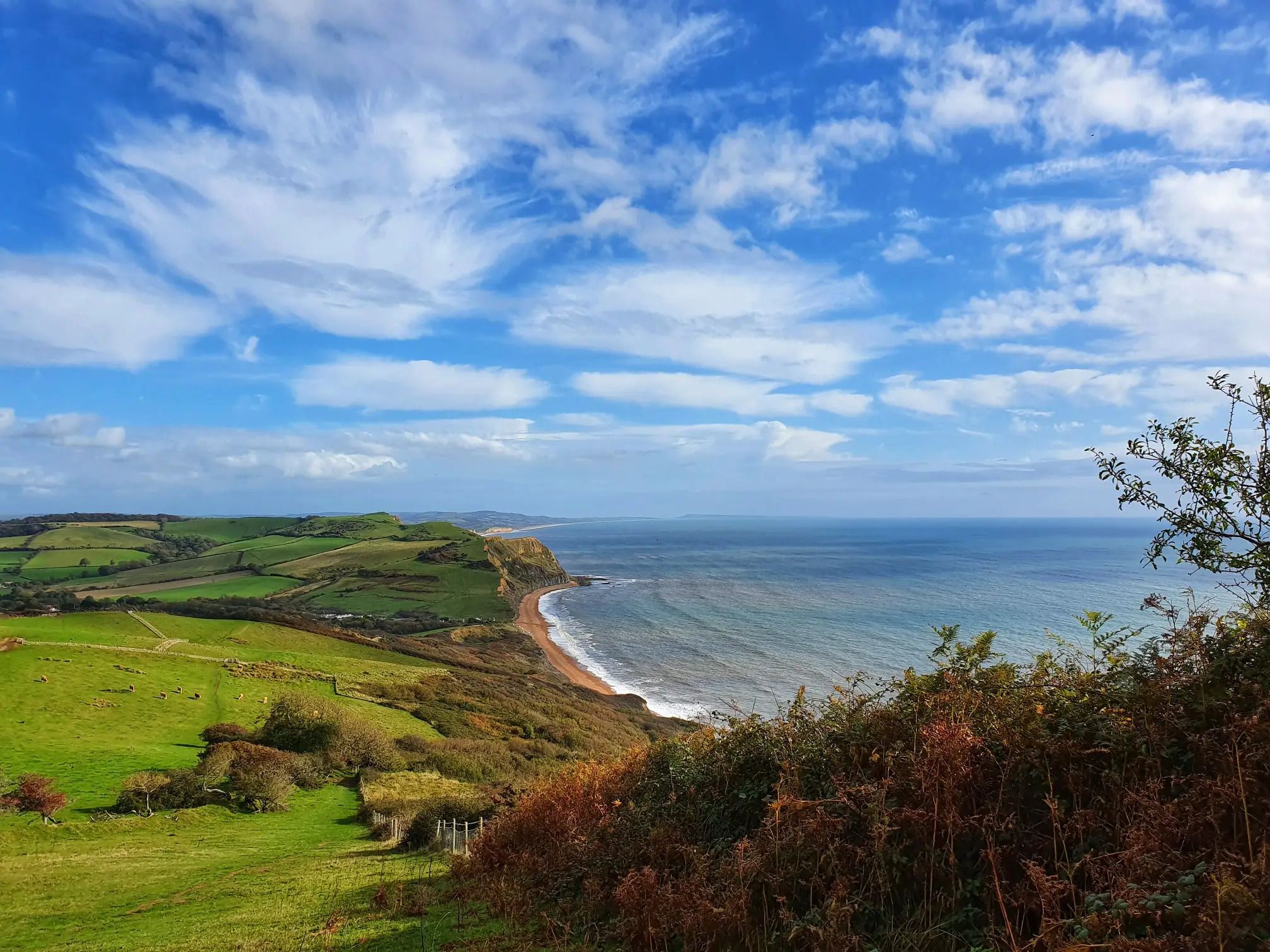
Monarch's Way: Part 2 — Conquer the longest inland trail in England
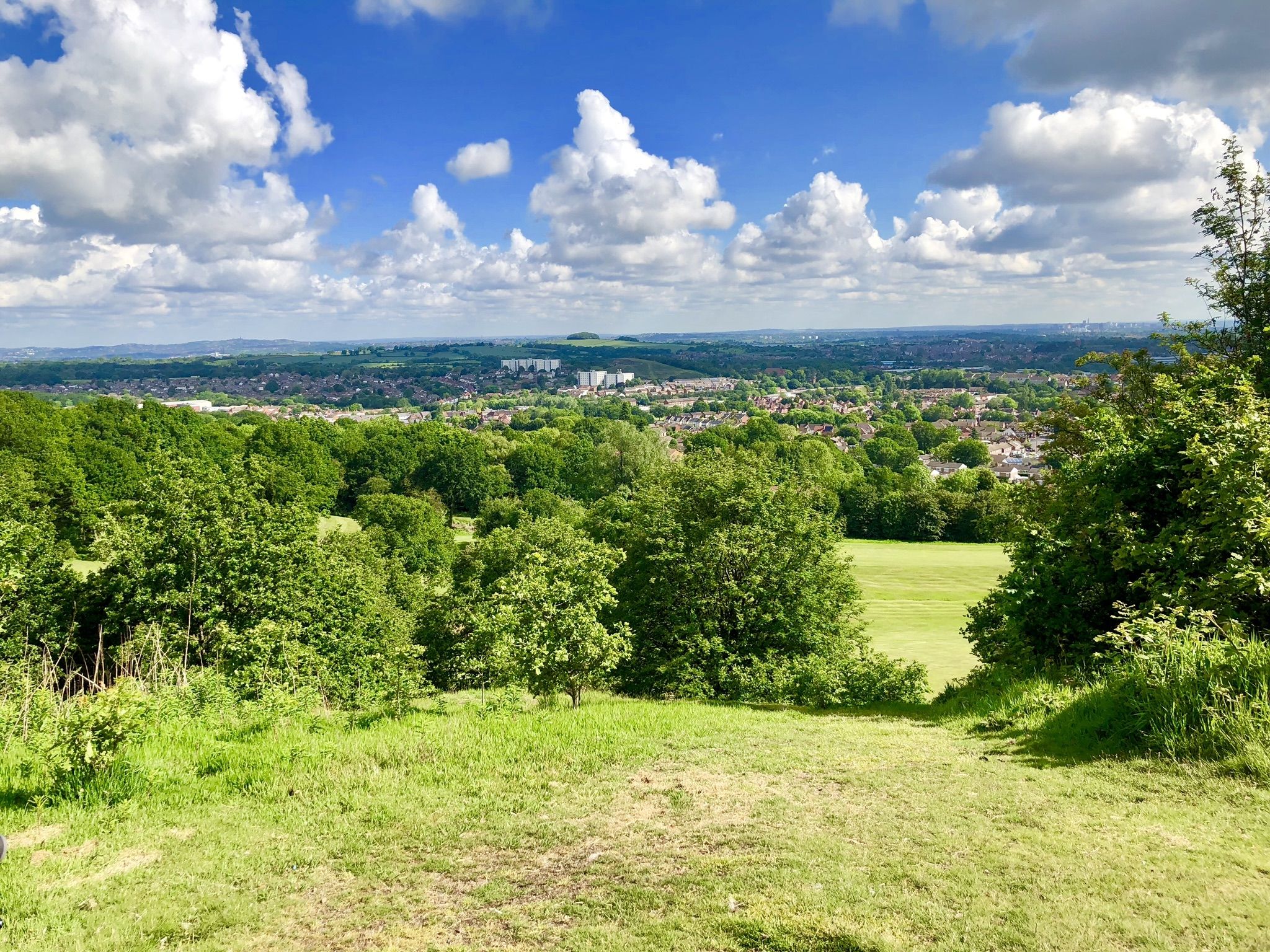
Monarch's Way: Part 1 — Conquer the longest inland trail in England
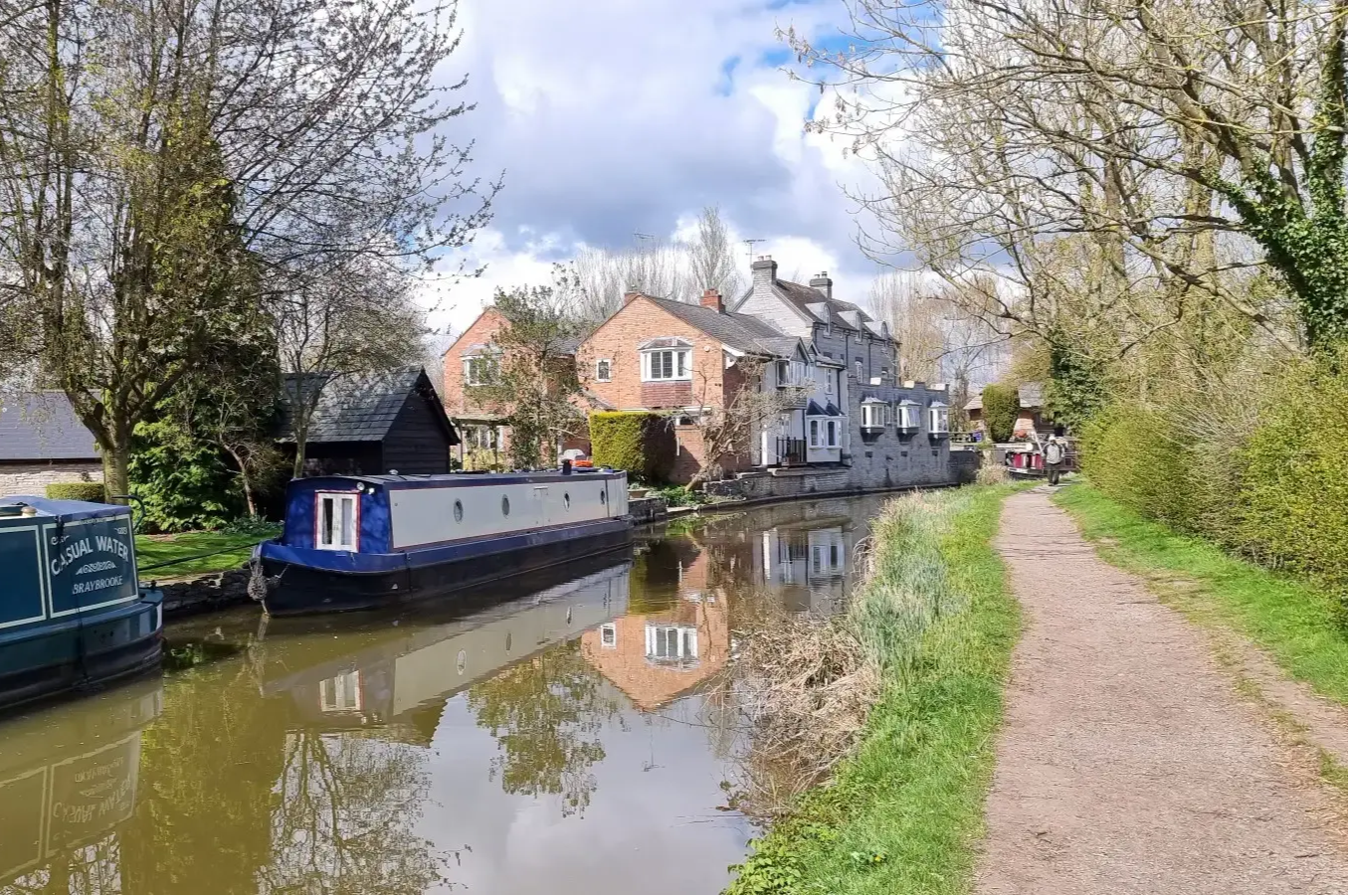
Industrial heartlands on NCN Route 5 – Reading to North Wales
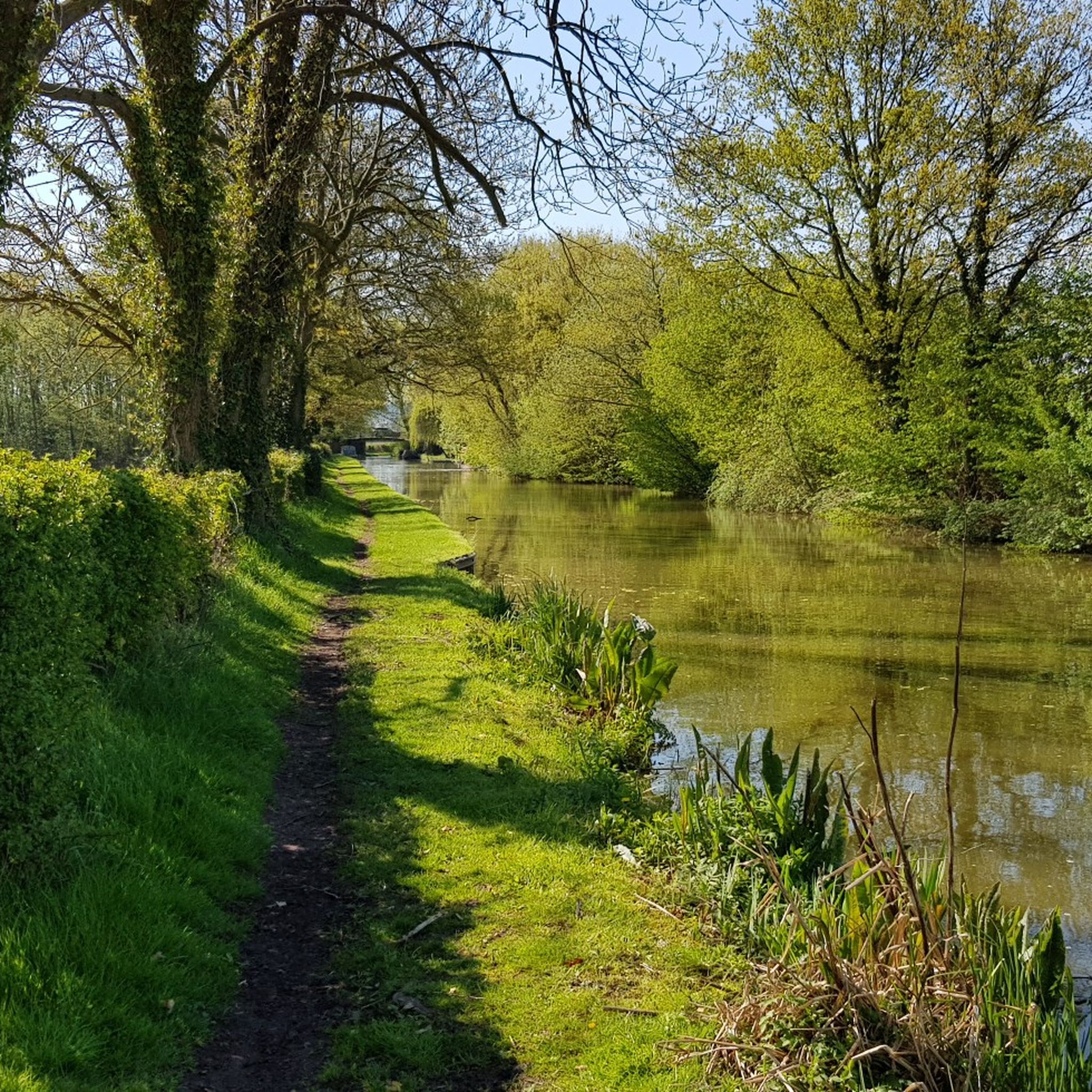
Hiking in Warwickshire
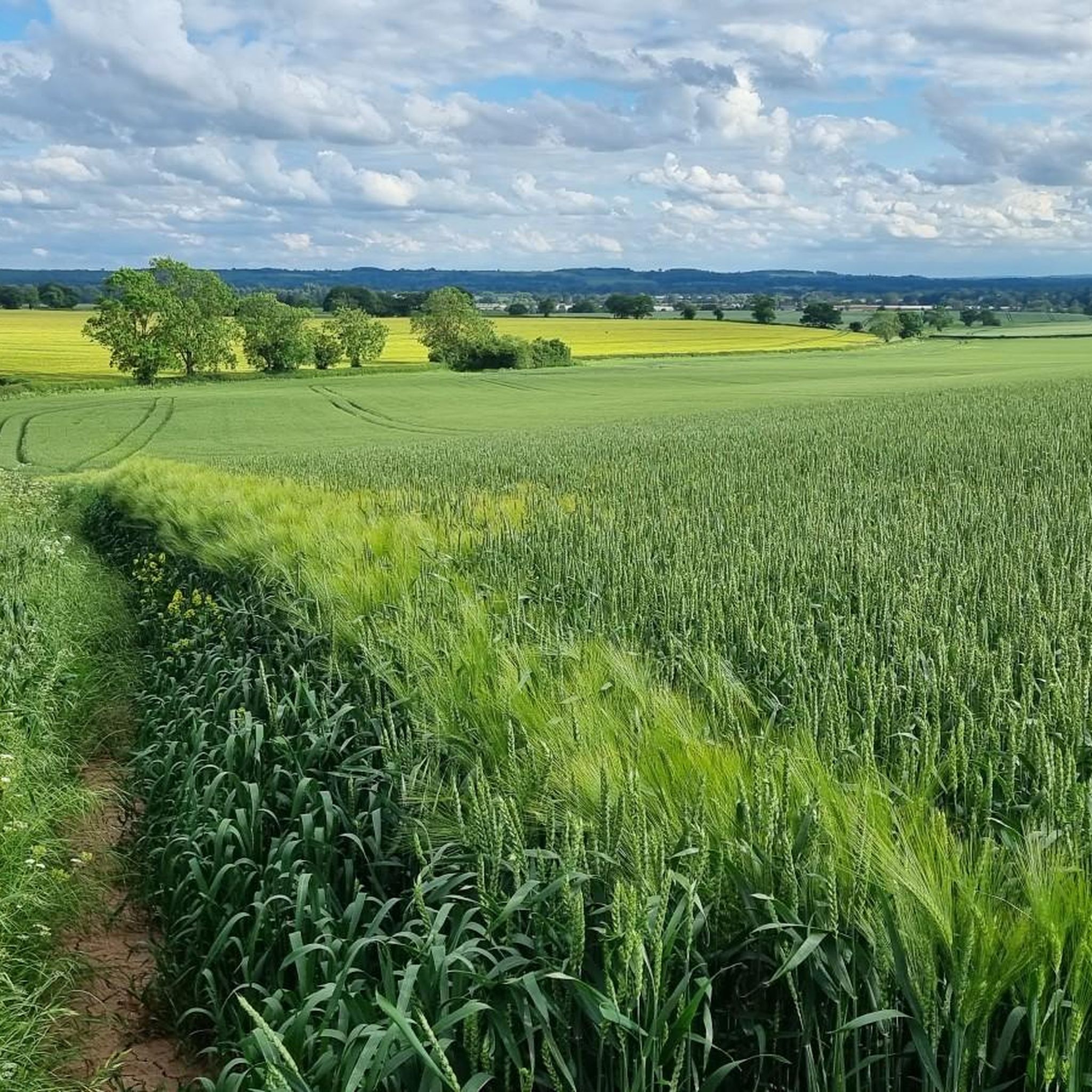
Running Trails in Warwickshire
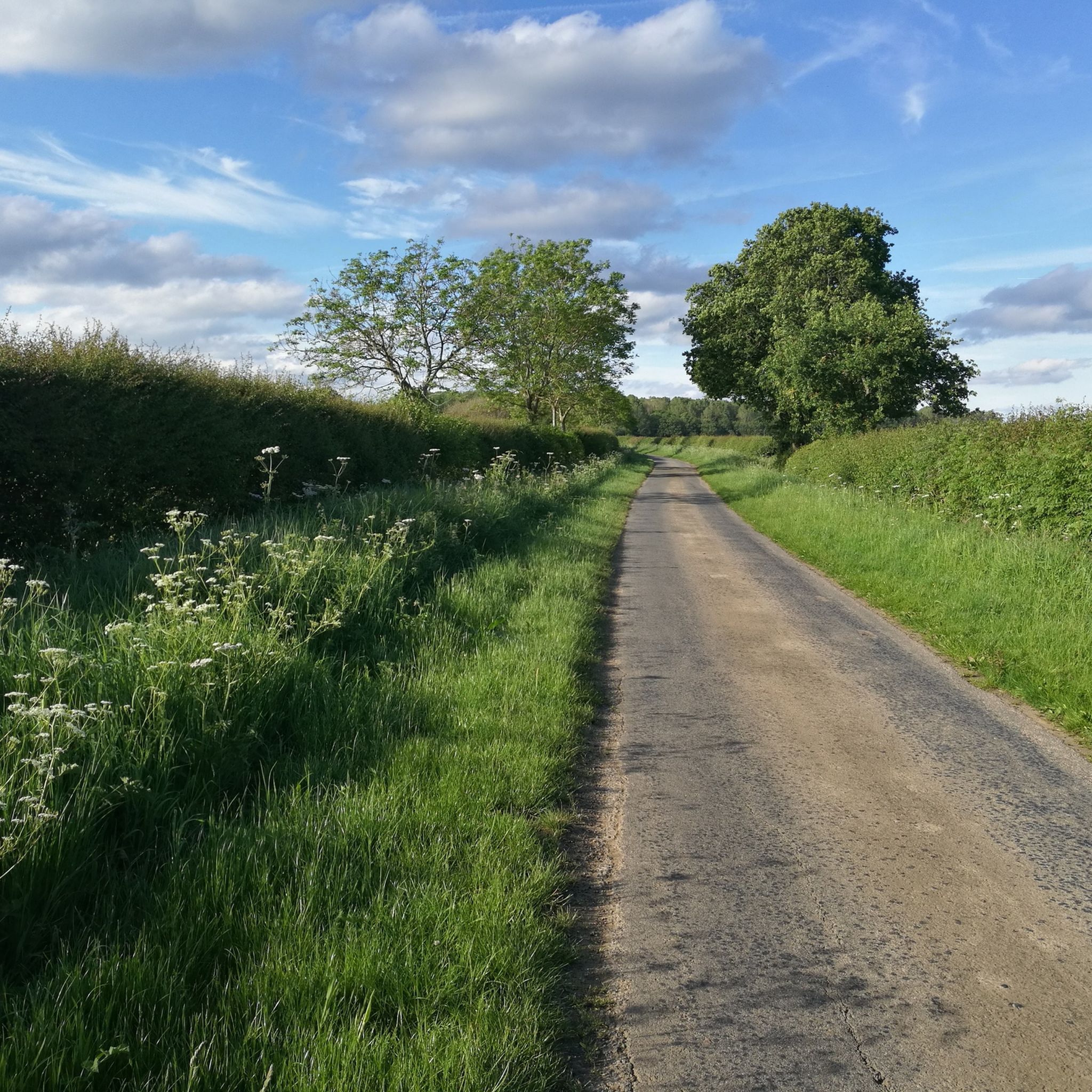
Road Cycling Routes in Warwickshire
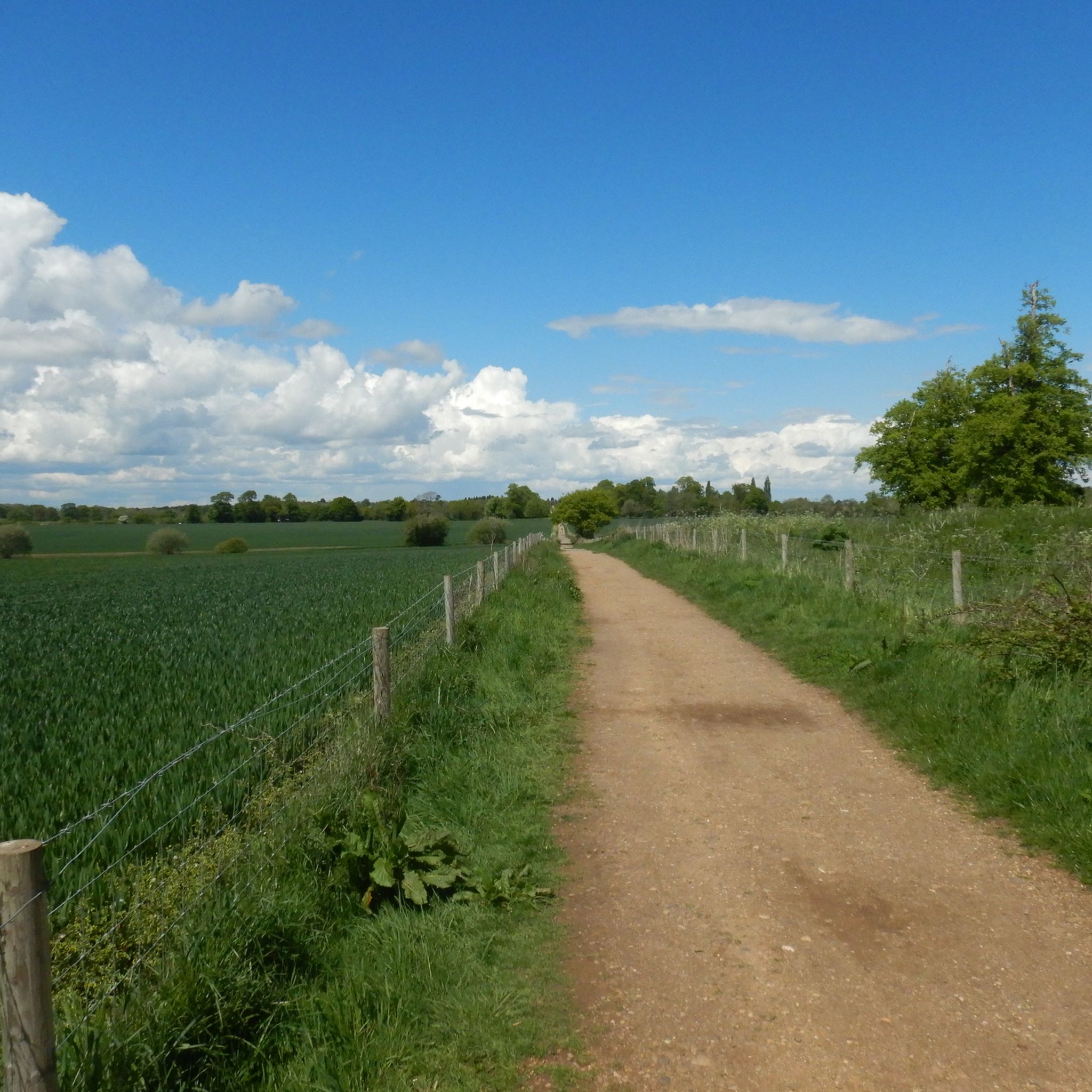
Cycling in Warwickshire
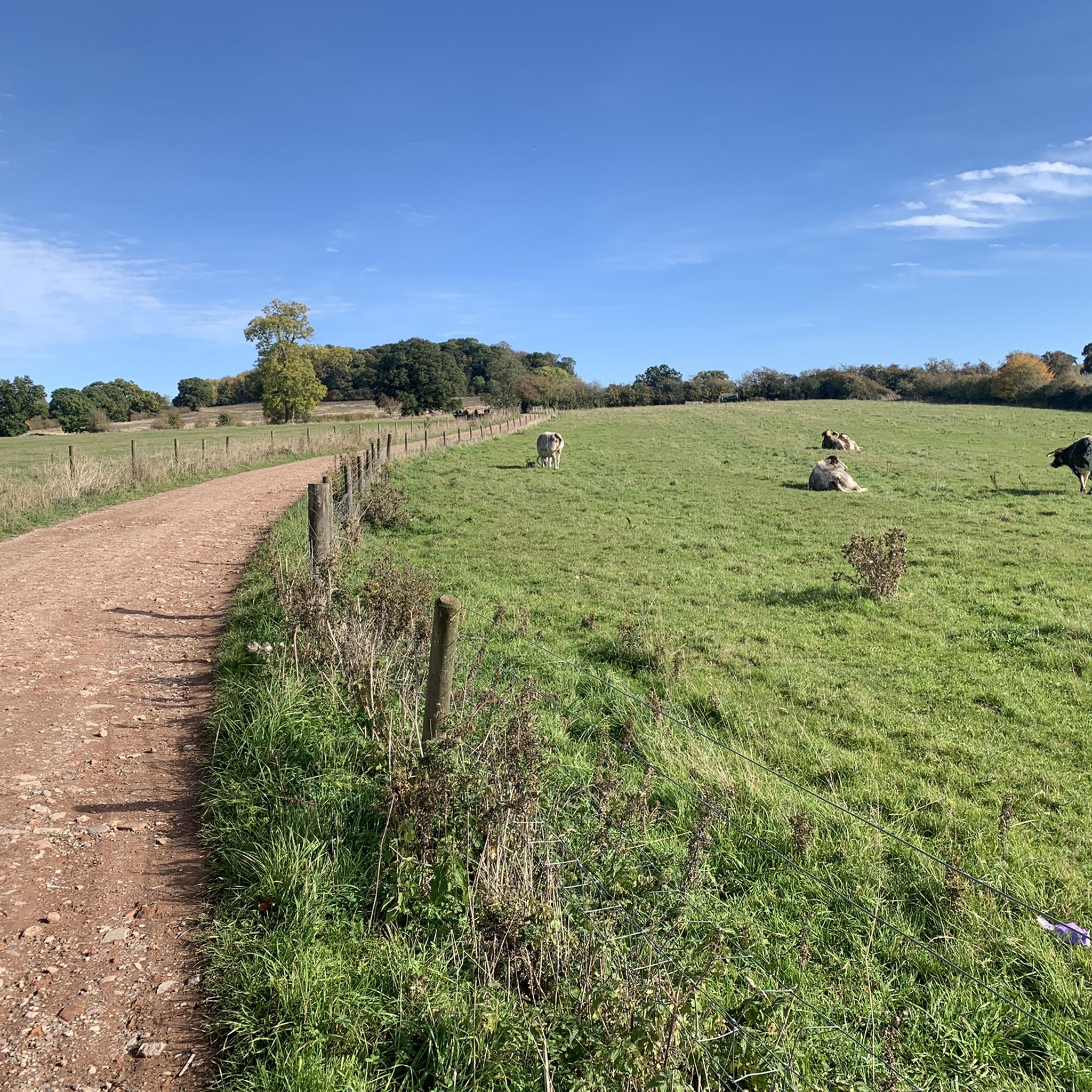
MTB Trails in Warwickshire
Other adventures in Warwickshire


Tips from the Community

It is an unusual half-moon stone structure holding the water, with three strange heads out of whose mouths the water flows down to the river.
0
0

The area surrounding Castle Green offers picturesque views of the castle ruins and a greenery for visitors interested in England's rich history and architecture
0
0

Robert Langham (C16) - "The Castle has the name of Killingwoorth, but if truth grounded upon faithful story, Kenelwoorth [Kenilworth]. It stands in Warwickshire, a 74 mile North-West from London, and as it were in the navel of England, four mile somewhat South from Coventry a proper city, and a like distance from Warwick, a fair Shire town on the North. In air sweet and wholesome, raised on an easy-mounted hill, is set evenly coasted with the front straight into the East, has the tenants and town about it, that pleasantly shifts from dale to hill, sundry wherewith sweet springs burst forth; and is so plentiful and well sorted on every side into arable, meadow, pasture, wood, water, and good air, as it appears to have need of nothing that may pertain to living or pleasure."
1
0


This is the location of the Battle of Edgehill, a pitched battle of the First English Civil War occurring on Sunday 23rd October 1642. A detailed information board stands here describing how the event unfolded, offering a fascinating window into the area's past.
1
0

If you follow the beautiful trail that departs from Southam heading east and runs alongside the River Stowe, you will come across The Holy Well, believed to be the oldest recorded Holy Well in England. It has been there for over a thousand years, with its most recent renovation taking place almost twenty years ago.
1
0
This outcrop tells a story of when Kenilworth lay just north of the Equator in a semi-desert climate with market wet and dry seasons. Many buildings in Old Kenilworth, notably the Castle, the Abbey and St. Nicholas Church, are built of the local Kenilworth Sandstone that you can observe here.
1
0
Although much of it is still in ruins, it is definitely worth the visit, very accessible from the centre and with a good car park (paid) next to it. The castle, which was built between the beginning of Norman rule in England and the Tudor period, played a significant role in history.
1
0
Frequently Asked Questions
Beyond the most popular ones, what other natural monuments can I explore in Warwickshire?
Warwickshire offers a wealth of natural monuments. You can visit Charlecote Park, a historical estate with expansive grounds and a deer park. Another option is the Tame Valley Wetlands Community Wetland, a natural monument with diverse wildlife. For a unique historical natural monument, consider the Battle of Edgehill Site, offering historical context and views.
Where can I find the best panoramic views in Warwickshire's natural monuments?
For breathtaking panoramic views, the Burton Dassett Hills offer unspoilt, rolling landscapes across the Warwickshire countryside. Hartshill Hayes Country Park also provides spectacular views over four counties on a clear day from its elevated location. Additionally, Welcombe Hills & Clopton Park is known for its viewpoints.
Are there natural monuments in Warwickshire that are particularly good for wildlife spotting?
Yes, several natural monuments are excellent for wildlife. Draycote Water is known for its rich bird life. Ryton Pools Country Park boasts a wide range of habitats supporting diverse birds and other wildlife, including wildflower meadows. Ufton Fields Nature Reserve is a designated Site of Special Scientific Interest (SSSI) with diverse habitats and special wildlife, wildflowers, fungi, butterflies, birds, and aquatic life. Leam Valley Local Nature Reserve is a haven for wildlife like kingfishers, otters, and grass snakes.
What are some family-friendly natural monuments in Warwickshire?
Many natural monuments in Warwickshire are suitable for families. Draycote Water offers a playground and plenty of space for activities. Ryton Pools Country Park is a family-friendly escape with walking trails, peaceful lakes, and an adventure playground. Kingsbury Water Park is Warwickshire's premier waterside attraction, perfect for a family day out with activities like bike hire and wildlife spotting. The King Stone and The Rollright Stones Stone Circle are also listed as family-friendly historical sites.
Are there historical or archaeological natural monuments to visit in Warwickshire?
Warwickshire is rich in historical natural monuments. The King Stone is a Bronze Age standing stone believed to be a marker for ancient trade routes. The Rollright Stones Stone Circle is an ancient ceremonial site from around 2,500 BC. The Battle of Edgehill Site marks a significant English Civil War battleground. Additionally, the Kenilworth Sandstone Railway Cutting offers a glimpse into industrial history within a natural setting.
What outdoor activities, like hiking or cycling, can I do near Warwickshire's natural monuments?
Warwickshire's natural monuments are surrounded by opportunities for outdoor activities. You can find numerous hiking trails, such as the 'Kenilworth Castle loop via Millennium Way' or the 'Draycote Water loop'. For cycling, explore routes like the 'Birmingham Canal Navigations – Gas Street Basin loop' for gravel biking, or the 'Ryton Pools Country Park Mountain Bike Route' for mountain biking. You can find more details and routes in the Hiking in Warwickshire, Gravel biking in Warwickshire, and MTB Trails in Warwickshire guides.
When is the best time to visit Warwickshire's natural monuments for specific natural features?
The best time to visit depends on what you want to see. For stunning bluebell displays, Hartshill Hayes Country Park is particularly renowned in springtime. Grafton Wood Nature Reserve is a key site for brown hairstreak butterflies, which can be seen during August and September. Many sites, like Ryton Pools Country Park, offer beautiful wildflower meadows in spring and summer.
Are there any natural monuments that are particularly good for a peaceful walk or quiet contemplation?
For peaceful walks, Ryton Pools Country Park offers excellent surfaced paths and tranquil lakes. Leam Valley Local Nature Reserve provides natural beauty along the River Leam, ideal for quiet observation. Clowes Wood and New Fallings Coppice, with its ancient woodland and diverse habitats, also offers a serene environment for walks.
Where can I find ancient woodlands among Warwickshire's natural monuments?
Warwickshire is home to several ancient woodlands. Hartshill Hayes Country Park comprises two areas of ancient hilly woodland. Ryton Pools Country Park provides access to the adjoining ancient woodland, Ryton Wood. Grafton Wood Nature Reserve is an ancient woodland characterized by coppice and large oaks. Clowes Wood and New Fallings Coppice is believed to have been wooded since the last ice age, offering a rich historical and ecological experience.
What unique natural features can I expect to see at Warwickshire's natural monuments?
You can expect to see a variety of unique natural features. Ufton Fields Nature Reserve is notable for being the most northern place in the UK where the rare Man Orchid can be found. Pooley Country Park includes several pools formed by mining subsidence, alongside woodland habitats. The Holy Well, Southam is a natural spring with historical significance.
Are there any natural monuments in Warwickshire that are easily accessible or have good facilities?
Kingsbury Water Park is known for its surfaced paths and diverse facilities, making it very accessible. Ryton Pools Country Park also features excellent surfaced paths for easy walking. Draycote Water is a country park with facilities and surfaced paths around the reservoir.
What do visitors enjoy most about the natural monuments in Warwickshire?
Visitors frequently appreciate the diverse landscapes, from rolling hills and ancient woodlands to serene lakes and historical sites. The opportunities for walking, wildlife spotting, and enjoying picturesque scenery are highly valued. Many highlights, like The Rollright Stones Stone Circle, are praised for their great views and suitability for a picnic, while Charlecote Park is enjoyed for its expansive grounds and deer park.
Most popular routes in Warwickshire
Most popular attractions in Warwickshire

Get inspired with the komoot mobile app


Didn’t find what you were looking for?
Find even more amazing natural monuments in Warwickshire by checking out the top Highlights region by region:
Explore more
Extend your search for the best caves by checking out these guides of the top ones in Warwickshire:
