Top 20 Natural Monuments in Shkodër
Natural monuments in Shkodër, Albania, present a diverse landscape from expansive lakes to dramatic alpine peaks. The region serves as a gateway to the Albanian Alps, characterized by significant karst formations and rich biodiversity. Shkodër County encompasses various natural protected areas, providing opportunities for exploring its pristine wilderness.
Best natural monuments in Shkodër
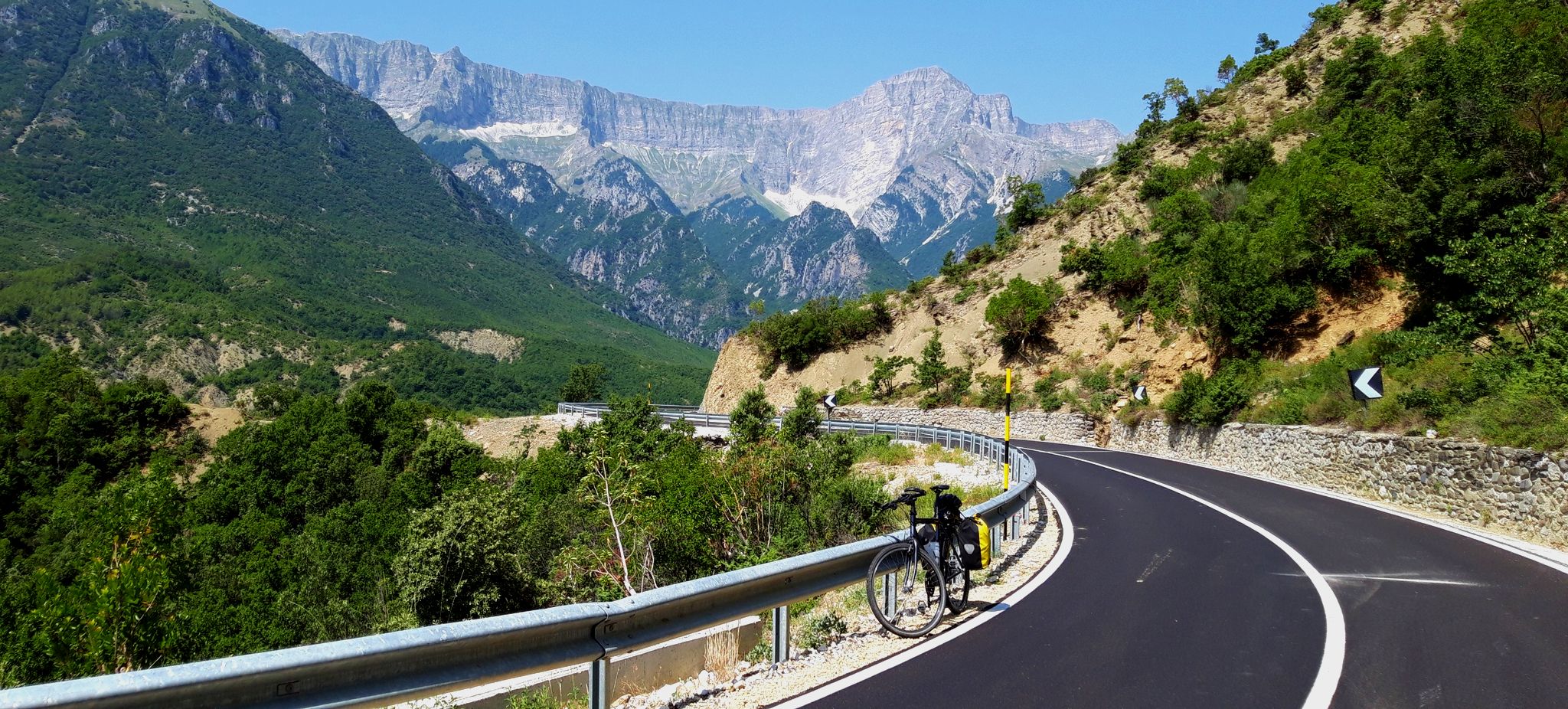
- The most popular natural monuments is Valbona Pass, a mountain pass that connects the Valbona valley with Theth. It offers extensive views of the surrounding alpine landscape.
- Another must-see spot is Blue Eye (Syri i Kaltër) Waterfall, a waterfall with mesmerizing turquoise waters. This natural spring is a worthwhile destination for its striking color.
- Visitors also love Grunas Waterfall, a waterfall that cascades 30 meters. Its cold mountain water and picturesque setting make it a notable natural feature.
- Shkodër is known for its mountain passes, waterfalls, lakes, and canyons. The region offers a variety of natural monuments to explore, from the largest lake in the Balkans to dramatic alpine valleys.
- The natural monuments in Shkodër are appreciated by the komoot community, with more than 650 upvotes and over 190 photos shared by visitors.
Last updated: October 13, 2026
Valbona Pass
Highlight • Mountain Pass
Sometimes very steep climbs are good if you've trained 🤪 but it's worth it 😇
Translated by Google •
Tip by

Grunas Waterfall
Highlight • Waterfall
Showing Translation
Tip by

Sign up now to discover places like this
Get recommendations on the best single tracks, peaks, & plenty of other exciting outdoor places.
Blue Eye (Syri i Kaltër) Waterfall
Highlight • Waterfall
Showing Translation
Tip by
Peja Pass (Qafa e Pejës)
Highlight • Mountain Pass
Translated by Google •
Tip by

Clear Pool Near Blue Eye
Highlight • Lake
Showing Translation
Tip by
Popadija Peak
Highlight • Summit
Translated by Google •
Tip by

Koman Ferry
Highlight • River
Translated by Google •
Tip by

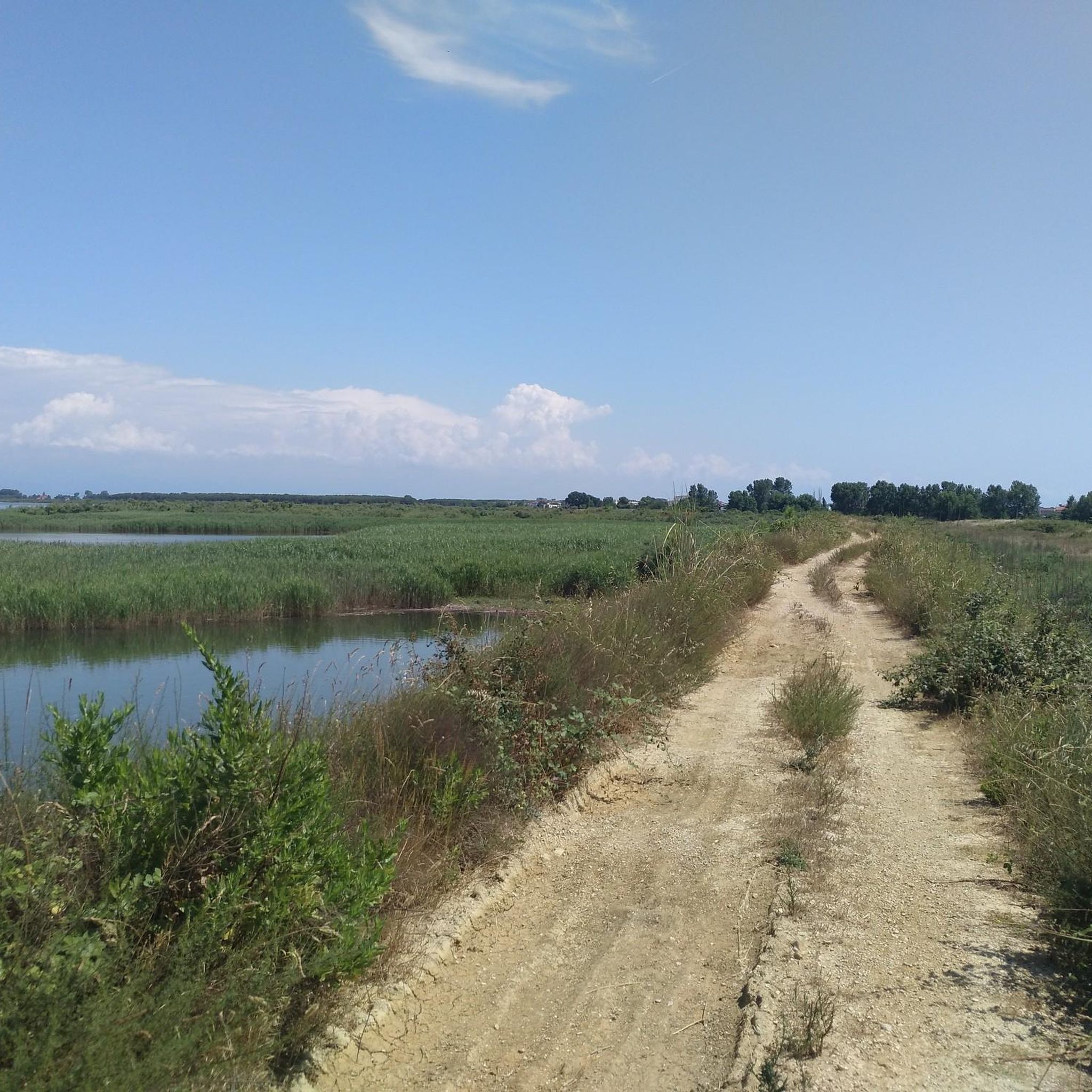
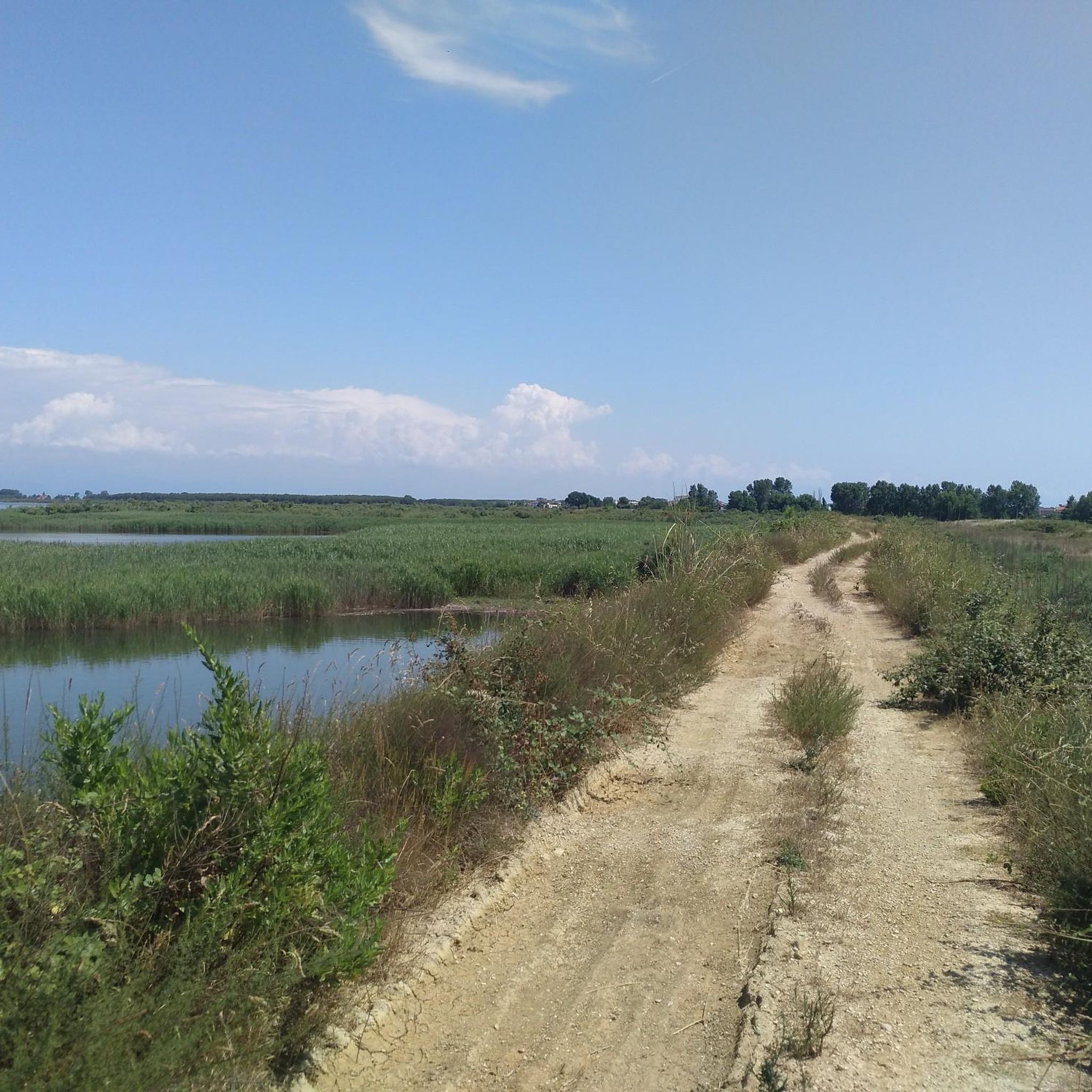
Lake Skadar
Highlight • Lake
Translated by Google •
Tip by

Zorzit Peak
Highlight • Summit
Translated by Google •
Tip by

Lake Shkodra Nature Reserve
Highlight • Lake
Translated by Google •
Tip by

Sign up for free to discover even more natural monuments in Shkodër.
Already have an account?
Start today with a free account
Your next adventure awaits.

Other adventures in Shkodër

Tips from the Community

The car ferry between Koman and Fierzë sails through a narrow mountain gorge where Lake Koman stretches between steep limestone cliffs. Large, robust ferries transport cars, bicycles, and travelers across the long water route, while the view constantly changes between narrow passages and wide, green valleys. It is a functional connection that simultaneously forms an impressive tour: clear mountain water, high walls, and a route that winds deep through the Drin Reservoir.
3
0
Idyllic, picturesque place. Worth the hike. The restaurant upstairs offers a pleasant break and is the ideal photo spot.
6
0
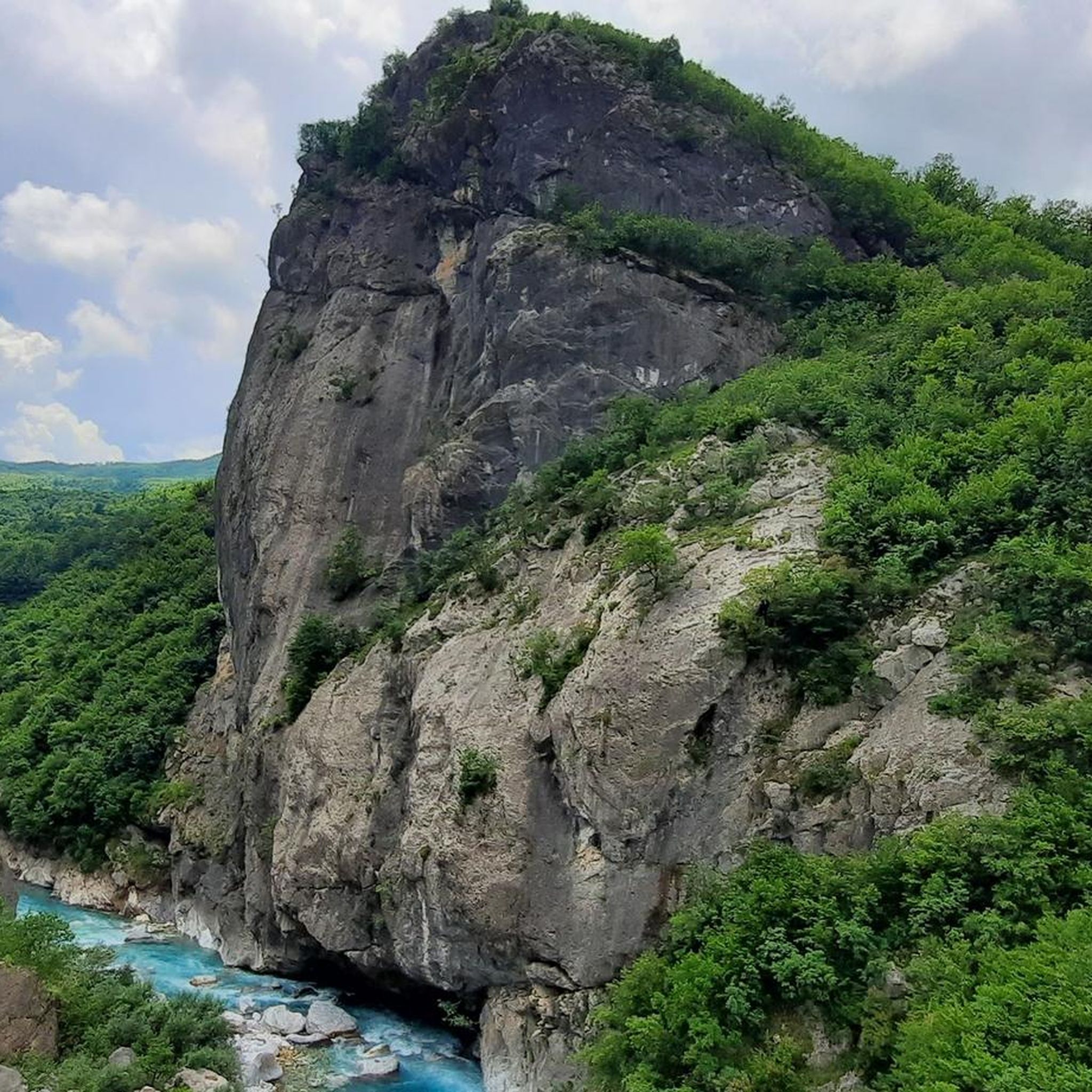
Deep in the valley of Theth lies the Blue Eye: a clear blue spring that forms in a natural pool between limestone and moss. The water comes directly from an underground karst spring and remains ice-cold, even in the middle of summer. Around the pool are smooth rocks, small waterfalls, and turquoise streams that together form one of the most photogenic spots in Theth National Park. The path to it winds along the river, through narrow passages and over wooden bridges, until you reach the pool where light and water create an almost surreal color.
6
0
You will encounter this rather elongated, popular pool before you reach Blue eye. Another 5' walk.
6
0
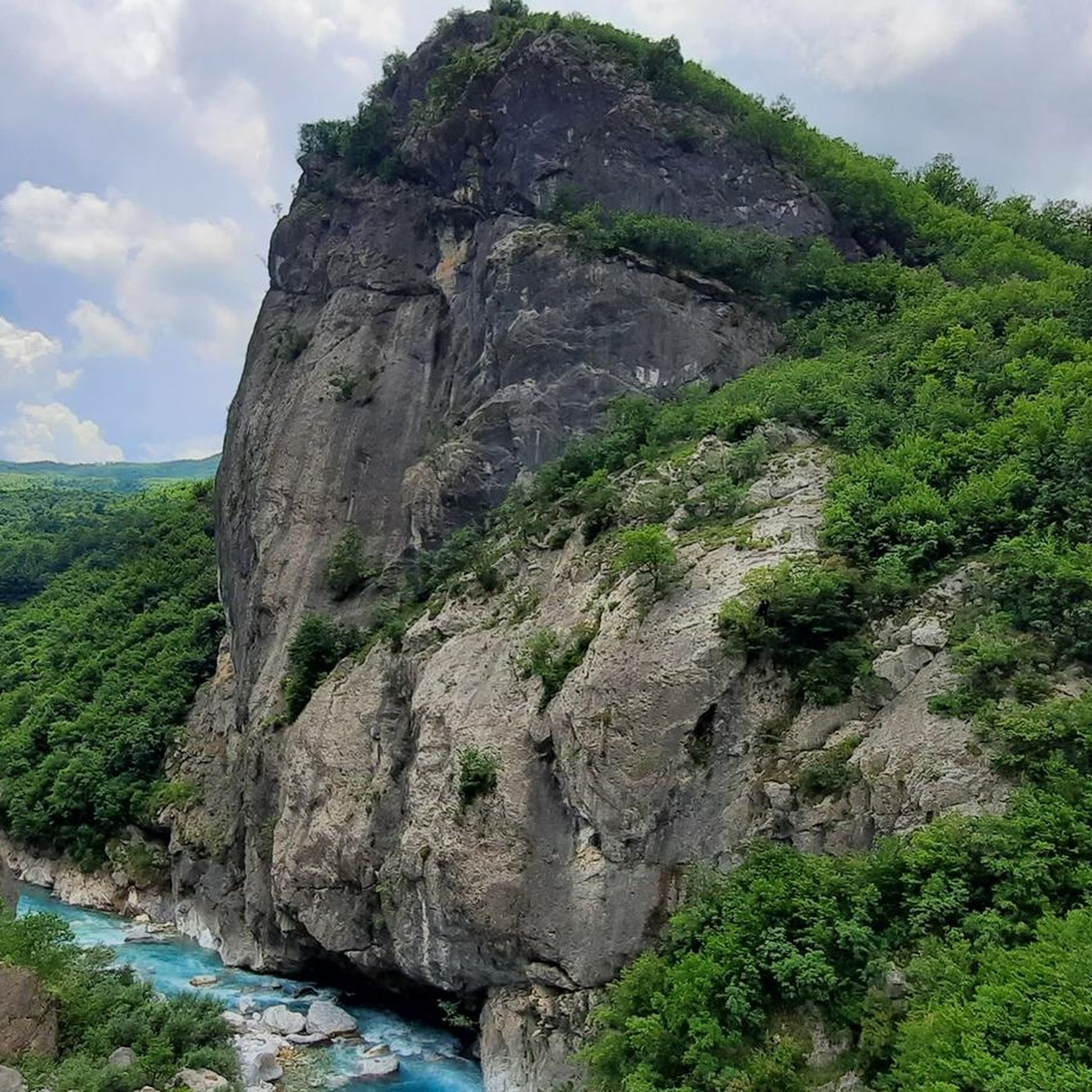
Narrow, powerful waterfall dropping 25–30 meters down a vertical limestone wall on the west flank of the Theth Valley. The source lies directly above the fall, fed by a high-altitude karst spring and meltwater, ensuring the water remains clear and cold even in summer. Since 2002, the waterfall has been an official nature monument. The path to it is short but steep, with wet, slippery stones and a river crossing that can be challenging in rain. Its location — wedged between rocks and greenery — makes this one of Theth's most characterful spots.
6
1

Koman harbour - from here you can take boat trips
1
0

It's worth walking and taking a break so far. Refreshing, relaxing and beautiful
2
0

Also a great place for swimming in the summer.
1
0
Frequently Asked Questions
What types of natural features can I explore in the Shkodër region?
The Shkodër region offers a diverse range of natural features, from expansive lakes to dramatic alpine peaks. You can explore stunning waterfalls like Grunas Waterfall and the mesmerizing Blue Eye (Syri i Kaltër) Waterfall, vast bodies of water such as Lake Skadar and Lake Koman, and impressive canyons like Theth Canyon. The area is also home to challenging mountain passes and peaks, including Valbona Pass and Popadija Peak.
Are there family-friendly natural monuments in Shkodër?
Yes, Lake Skadar is noted as a family-friendly natural monument. Its tranquil waters and surrounding areas offer opportunities for gentle activities like kayaking and bird watching. The lake's shores also feature charming villages where families can enjoy local culture and fresh seafood.
What are the best viewpoints for experiencing Shkodër's natural beauty?
Many natural monuments in Shkodër offer spectacular views. Valbona Pass provides extensive views of the surrounding alpine landscape. Other highlights like Grunas Waterfall, Blue Eye (Syri i Kaltër) Waterfall, and Popadija Peak are also recognized for their scenic vistas. The Lake Shkodra Nature Reserve also offers great viewpoints over the lake.
What outdoor activities can I do near the natural monuments in Shkodër?
The Shkodër region is ideal for various outdoor activities. You can find numerous hiking trails, including challenging mountain hikes and scenic waterfall hikes. For specific routes and detailed information, explore the Mountain Hikes in Shkodër and Waterfall hikes in Shkodër guides. Additionally, there are Running Trails in Shkodër, particularly around Lake Shkodër, for those who enjoy jogging.
What is the best time to visit the natural monuments in Shkodër?
The best time to visit the natural monuments in Shkodër, especially for hiking and outdoor activities, is generally during the spring (April to June) and autumn (September to October) months. During these periods, the weather is pleasant, and the landscapes are vibrant. Summer (July to August) is also popular, but can be very hot, especially for strenuous hikes. Winter brings snow to the alpine areas, making some routes challenging or inaccessible.
Are there any hidden gems among Shkodër's natural attractions?
While popular spots like the Blue Eye are well-known, the Clear Pool Near Blue Eye is considered a hidden gem by some visitors. It's described as an extremely beautiful and decelerated area, offering a tranquil spot to relax after a hike, with water so clear it's often preferred over the main Blue Eye for swimming. The dramatic Theth Canyon, with its narrow gorge and light blue water, also offers a very impressive experience.
What are the difficulty levels of hiking trails near Shkodër's natural monuments?
Hiking trails in the Shkodër region vary in difficulty. Many routes, especially those leading to mountain passes like Valbona Pass or peaks like Popadija Peak, are considered challenging and require good physical condition. Trails to waterfalls like Grunas Waterfall or the Blue Eye (Syri i Kaltër) Waterfall are typically intermediate. Always check specific route details before embarking on a hike.
How long should I plan to visit the natural monuments in Shkodër?
The duration of your visit depends on which natural monuments you wish to explore and your preferred activities. For a comprehensive experience of Theth National Park, including hikes to the Blue Eye and Grunas Waterfall, a minimum of 2-3 days is recommended. If you plan to include activities around Lake Shkodër or a boat trip on Komani Lake, you might extend your stay to 4-5 days to fully immerse yourself in the region's natural beauty.
Can I find cafes or restaurants near the natural monuments?
Yes, especially near popular natural monuments. For instance, near the Blue Eye (Syri i Kaltër) Waterfall, you can find restaurants offering great views. Lakeside restaurants are also available along Lake Skadar, particularly in areas like Shiroka, where you can enjoy fresh seafood. In Theth village, within Theth National Park, you'll also find guesthouses and small eateries.
What makes Lake Shkodër a significant natural monument?
Lake Skadar, also known as Lake Shkodër, is the largest lake in the Balkans and a vital ecological site. It's recognized as a Wetland of International Importance and is a haven for biodiversity, including endemic fish species and over 280 bird species like Dalmatian pelicans. Its unique karst formations and dynamic hydrology, with depths reaching 44 meters in some areas, contribute to its significance. You can learn more about it at visitshkoder.org.
What should I pack for a trip to Shkodër's natural monuments?
For a trip to Shkodër's natural monuments, especially if you plan to hike, pack appropriate gear. This includes sturdy hiking boots, layers of clothing suitable for varying weather conditions, rain gear, and plenty of water. Sun protection like a hat and sunscreen is crucial, particularly for exposed mountain passes like Valbona Pass. Don't forget a camera to capture the stunning landscapes and a swimsuit if you plan to take a dip in the cold mountain waters of the waterfalls or clear pools.
Most popular routes in Shkodër
Most popular attractions in Shkodër

Get inspired with the komoot mobile app


Explore more
Extend your search for the best caves by checking out these guides of the top ones in Shkodër:
