Top 12 Natural Monuments in Kyustendil Region
Best natural monuments in Kyustendil Region offer diverse landscapes and geological formations. This Bulgarian region is characterized by its mountainous terrain, including parts of the Rila and Osogovo mountain ranges. Visitors can explore glacial lakes, impressive waterfalls, and unique rock formations. The area provides opportunities to experience varied natural features and scenic viewpoints.
Best natural monuments in Kyustendil Region
- The most popular natural monuments is Seven Rila Lakes, a lake that is a highly visited natural site known for…
Last updated: May 13, 2026
Seven Rila Lakes
Highlight • Lake
The water in all lakes was pure as a drop, but now some lakes grew green :(
Tip by

Babreka (The Kidney) Lake
Highlight • Lake
Translated by Google •
Tip by

Sign up now to discover places like this
Get recommendations on the best single tracks, peaks, & plenty of other exciting outdoor places.
Sign up for free
The Twin Lake (Bliznaka), Seven Rila Lakes
Highlight • Lake
Tip by

Lower Lake (Seven Rila Lakes)
Highlight • Lake
Tip by
Skakavitsa Waterfall
Highlight (Segment) • Waterfall
Tip by

Kabul Peak
Highlight • Summit
Tip by
Second Lake (Rila Lakes)
Highlight • Lake
Tip by

The Third Lake (Rila Lakes)
Highlight • Lake
Tip by
Ezeren Peak (Seven Rila Lakes Viewpoint)
Highlight • Viewpoint
Tip by
Waterfall and Drinking Fountain in Rila
Highlight • Waterfall
Tip by

Sign up for free to discover even more natural monuments in Kyustendil Region.
Sign up for free
Already have an account?
Start today with a free account
Your next adventure awaits.
Login or Signup

Tips from the Community

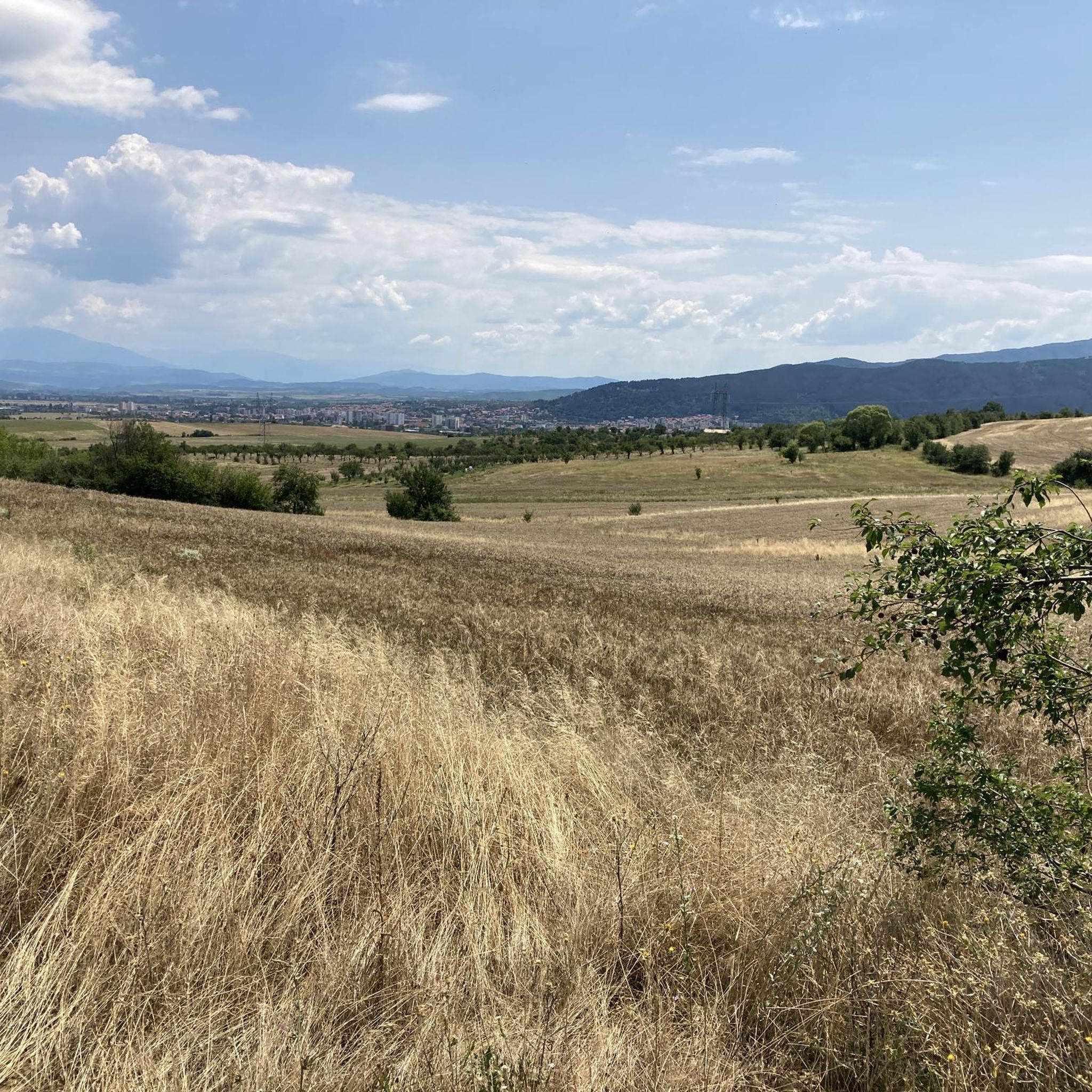
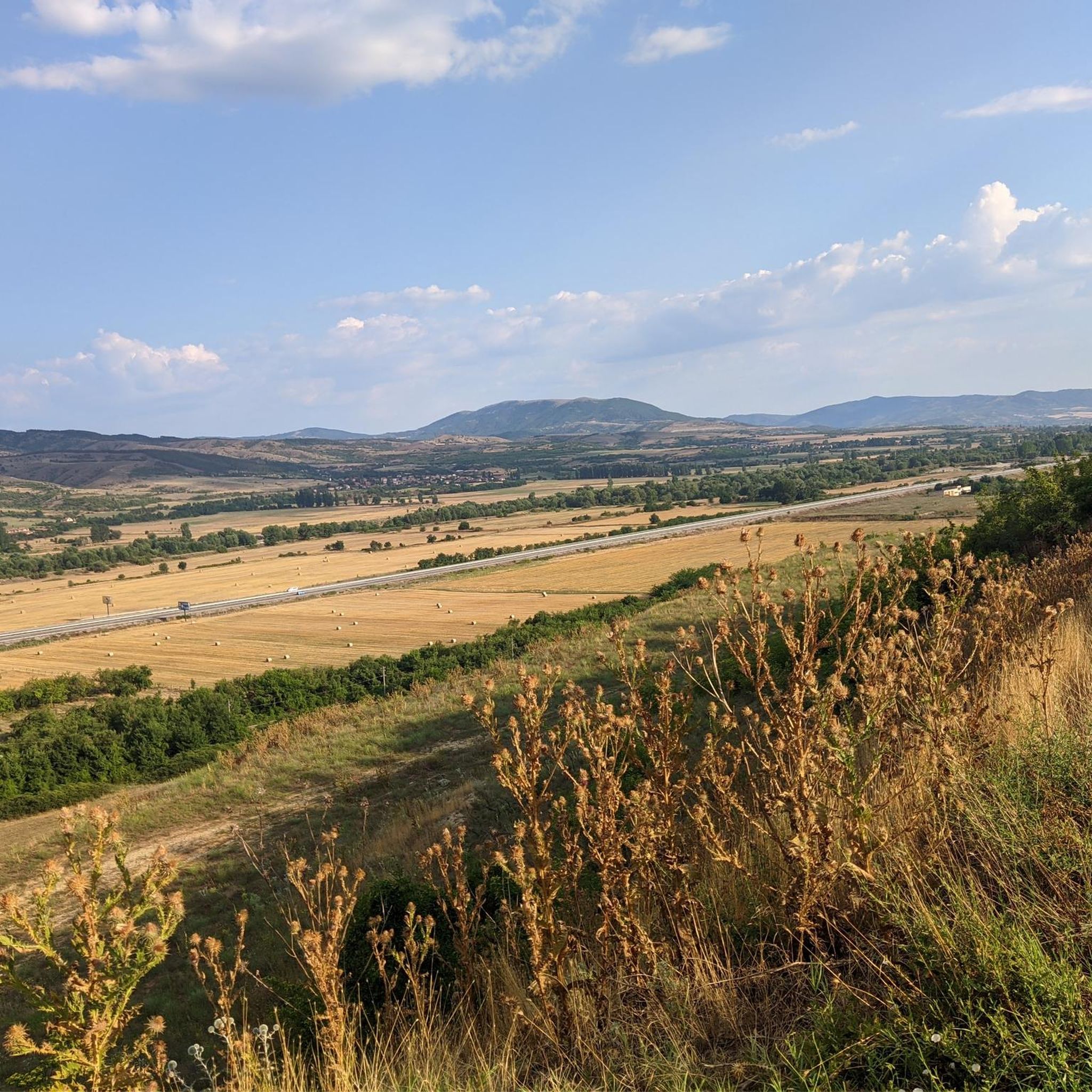
This is a great drone or zoom-lens spot—clear skies give you deep visibility across Bulgaria.
0
0
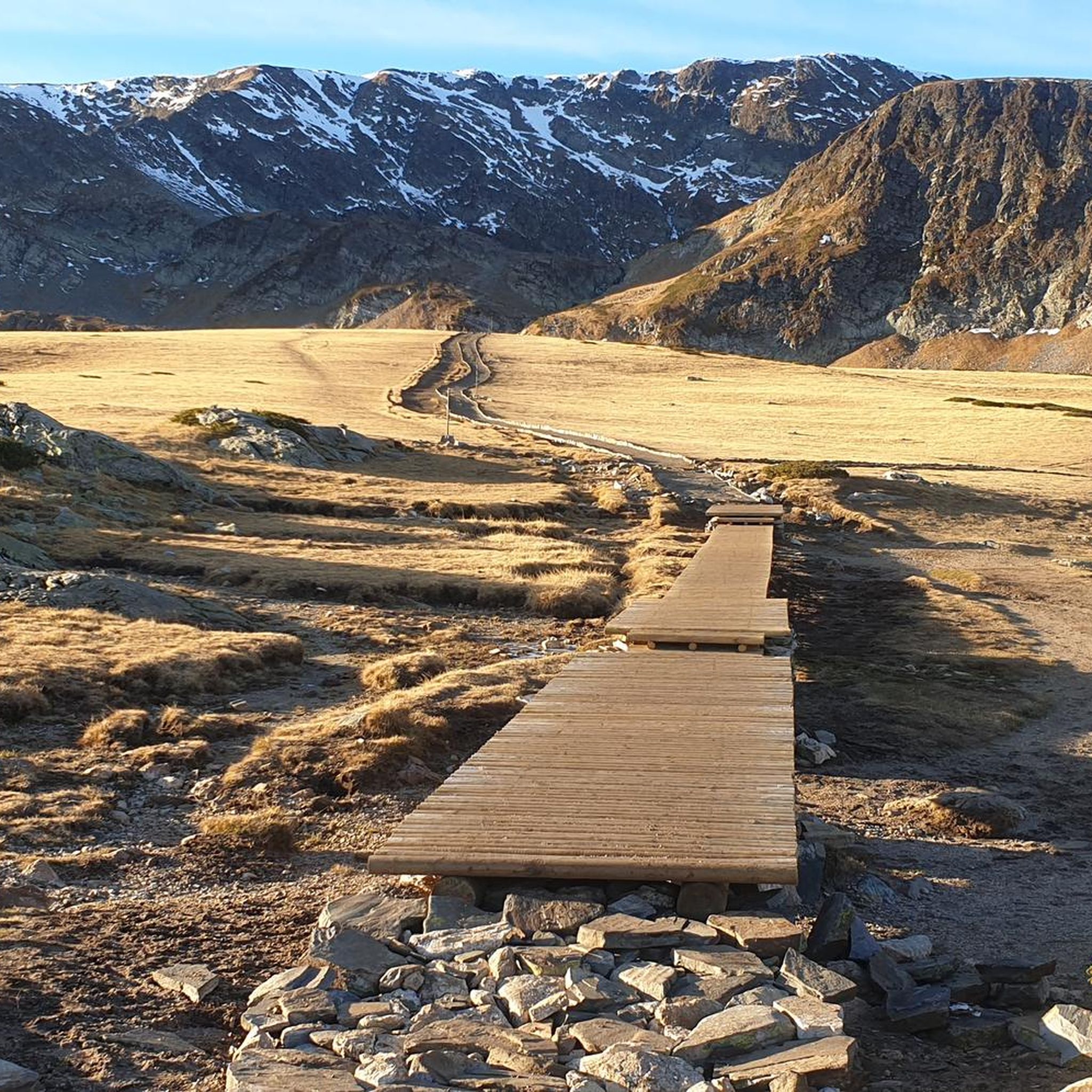
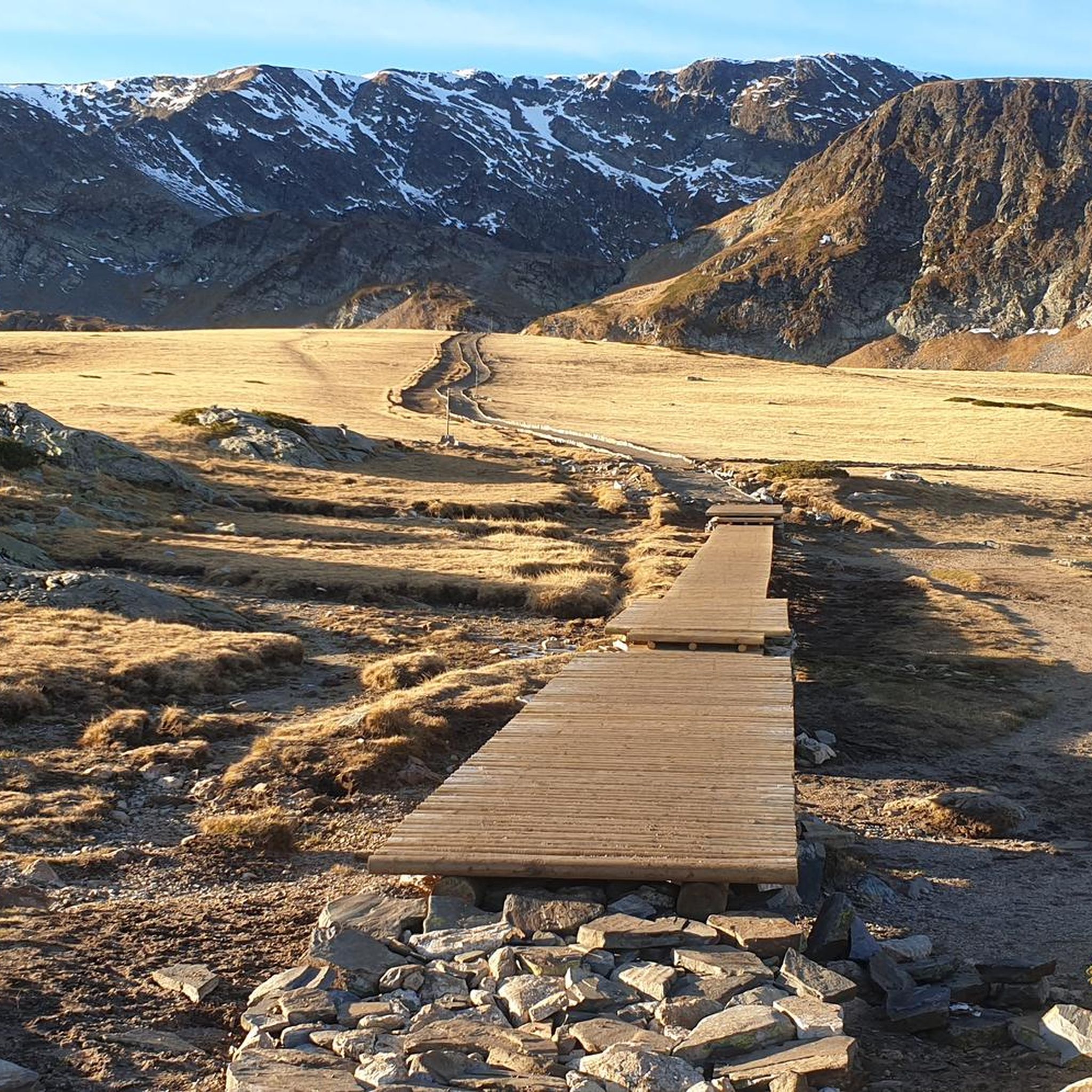
If you’re well-conditioned, consider extending your route up to Otovitsa Ridge for incredible views.
0
0

Lower Lake is the lowest of the Seven Rila Lakes. It is located at an altitude of 2095 m. Its area is 5.9 ha and its depth is 11 m. There are a lot of fish in the lake, that is why it is called the "Fish lake", but still fishing is forbidden. It collects the water that flows from the other lakes. The lake has a steep sill and is closed from the north by a seawall. It collects the water that flows from the other lakes. The lower lake gives rise to the Jerman River.
0
0
Lake Bliznaka is the largest in area of the Seven Rila Lakes. It is located 1940 m north of Vazov Peak and is 2243 m above sea level. The catchment area is 2.10 square kilometres. The water surface area is 168.6 acres. The water volume of the lake is 590 thousand m3 and the maximum depth is 27.5 metres. In the recent past the lake was called Chifte Göl. The name "Bliznaka" comes from the fact that in times of drought the lake splits into two small ponds. From this it takes the shape of an hourglass.
0
0

The aquatic plants in the lake shine almost golden from a distance.
0
0

From here you have a great view of all 7 lakes. The climb is worth it!
0
0

All of the seven lakes are beautiful and unique in their own way, but this one might be my personal favourite! Very nice aesthetic with the flowers growing out of the perfectly still water.
0
0
Frequently Asked Questions
What are some of the most popular natural monuments in the Kyustendil Region?
The Kyustendil Region is home to several impressive natural monuments. Among the most popular are the Seven Rila Lakes, a group of glacial lakes known for their stunning alpine scenery. Another highly visited spot is Skakavitsa Waterfall, one of Bulgaria's highest waterfalls nestled in the Rila Mountains. The fascinating Stob Earth Pyramids are also a notable landmark, showcasing unique geological formations.
Are there family-friendly natural attractions in the Kyustendil Region?
Yes, several natural monuments in the Kyustendil Region can be enjoyed by families. The Stob Earth Pyramids offer an accessible and visually engaging experience for all ages. While the Seven Rila Lakes can involve some hiking, the chairlift access makes the initial ascent easier for families. The area around Skakavitsa Waterfall also offers trails suitable for various fitness levels.
What is the best time of year to visit the natural monuments in Kyustendil Region?
The best time to visit the natural monuments in the Kyustendil Region largely depends on the specific site and your preferred activities. For high-altitude areas like the Seven Rila Lakes, late spring to early autumn (June to September) offers the most favorable weather for hiking, though it can be crowded in summer. Waterfalls like Skakavitsa Waterfall are impressive during spring when snowmelt increases their flow. Lower-altitude attractions like the Stob Earth Pyramids are generally accessible year-round, though spring and autumn provide pleasant temperatures.
What kind of hiking opportunities are available near the natural monuments?
The Kyustendil Region offers extensive hiking opportunities, especially around its natural monuments. You can find numerous trails ranging from moderate to challenging. For instance, there are several routes for mountain hikes in the Rila Mountains, including paths leading to and around the Seven Rila Lakes. You can also explore waterfall hikes to sites like Skakavitsa Waterfall and Bistritsa Waterfall.
Are there any unique geological features to observe in the region?
Absolutely. The Kyustendil Region is notable for its unique geological formations. The Stob Earth Pyramids are a prime example, showcasing fascinating hoodoo formations that can reach up to 12 meters in height. The region is also characterized by its glacial lakes, such as the Seven Rila Lakes, which are a result of glacial activity and offer distinct shapes like Babreka (The Kidney) Lake and The Eye Lake (Okoto).
What are the options for public transport to reach the natural monuments?
Public transport options to the natural monuments in the Kyustendil Region can be limited, especially for more remote sites. For the Seven Rila Lakes, you can typically reach the Panichishte resort area by bus, from where a chairlift or hiking trails lead to the lakes. For other sites like the Stob Earth Pyramids or Skakavitsa Waterfall, reaching them often involves a combination of public transport to a nearby town and then a taxi or a longer walk.
Are there any specific viewpoints or summits worth visiting for panoramic views?
Yes, the mountainous terrain of the Kyustendil Region offers several excellent viewpoints and summits. Kabul Peak is a notable summit providing expansive views. Additionally, the Plateau in Rila National Park and various spots around the Seven Rila Lakes, such as the area near Fourth and Fifth Lakes, offer breathtaking panoramic vistas of the alpine landscape.
Can I find accommodation or cafes near the natural monuments?
Accommodation and cafes are available near some of the more popular natural monuments. For instance, near the Seven Rila Lakes, you'll find options in the Panichishte resort area and mountain huts along the trails. For other sites, amenities might be scarcer, so it's advisable to check in advance or plan to bring your own provisions. Larger towns in the Kyustendil Region will offer a wider range of services.
Are there any other outdoor activities besides hiking near these natural monuments?
Beyond hiking, the Kyustendil Region offers other outdoor activities. For cycling enthusiasts, there are various routes for cycling in Kyustendil Region, including challenging loops around the Rila Monastery and Ivan Vazov Hut. While not directly adjacent to all natural monuments, these routes provide opportunities to explore the broader natural beauty of the region on two wheels.
Are the natural monuments in Kyustendil Region dog-friendly?
Many natural areas and trails in the Kyustendil Region are generally dog-friendly, especially those outside of strictly protected zones. However, specific rules may apply within national parks or reserves. It's always recommended to keep dogs on a leash, especially in areas with wildlife or other visitors, and to clean up after them. For popular sites like the Seven Rila Lakes, be mindful of crowds, particularly during peak season.
What are the century-old redwoods in the Yuchbunar area?
The Yuchbunar area of Kyustendil is home to century-old redwoods, also known as Californian pines. These towering trees, though not native to Bulgaria, were brought to the region in the late 19th and early 20th centuries. They represent the largest plant species and offer a unique botanical sight, providing a distinct natural experience compared to the region's typical forests.
Is there a natural reserve in the Osogovo Mountain range?
Yes, within the Osogovo Mountain range, you can find the Tsurna Reka Forest Reserve. Declared in 1980, this reserve is located near the village of Sajdenik. It plays a crucial role in protecting a representative ecosystem of natural beech forests along the upper stream of the Tsurna River, preserving its biodiversity and pristine forest environment.
Most popular routes in Kyustendil Region
Most popular attractions in Kyustendil Region

Get inspired with the komoot mobile app


Explore more
Extend your search for the best caves by checking out these guides of the top ones in Kyustendil Region:
