Top 20 Natural Monuments in Split-Dalmatia
Best natural monuments in Split-Dalmatia feature a diverse landscape, encompassing coastal areas, islands, mountainous regions, and subterranean caves. The region is characterized by its significant biological diversity and offers numerous opportunities for outdoor exploration. Visitors can experience a range of natural features, from prominent peaks and viewpoints to unique geological formations. This area provides varied natural settings for activities such as hiking and exploring.
Best natural monuments in Split-Dalmatia
- The most popular natural monuments is Vošac Peak, a summit…
Last updated: August 6, 2026
Vošac Peak
Highlight • Summit
Translated by Google •
Tip by

Biokovo Skywalk
Highlight • Viewpoint
Translated by Google •
Tip by

Sign up now to discover places like this
Get recommendations on the best single tracks, peaks, & plenty of other exciting outdoor places.
Sign up for free
Last ascent to Sveti Nikola
Highlight • Summit
Tip by

View of Zlatni Rat and Hvar from Vidova Gora
Highlight • Viewpoint
Translated by Google •
Tip by

Nevistina Stina (Bride's Rock) Pass
Highlight • Mountain Pass
Translated by Google •
Tip by

Brela Stone (Kamen Brela)
Highlight • Natural Monument
Tip by

Telegrin Summit Cross and Viewpoint (Marjan Hill)
Highlight • Summit
Tip by

Tvrdalj Castle and Gardens
Highlight • Castle
The multiple inscriptions carved in stone make a significant contribution …
Translated by Google •
Tip by

Brela Rock (Kamen Brela)
Highlight • Natural Monument
Translated by Google •
Tip by

Veliki Kabal Peak
Highlight • Summit
Tip by
Sign up for free to discover even more natural monuments in Split-Dalmatia.
Sign up for free
Already have an account?
Start today with a free account
Your next adventure awaits.
Login or Signup
Popular around Split-Dalmatia

Triathlon 360 – my journey around the world
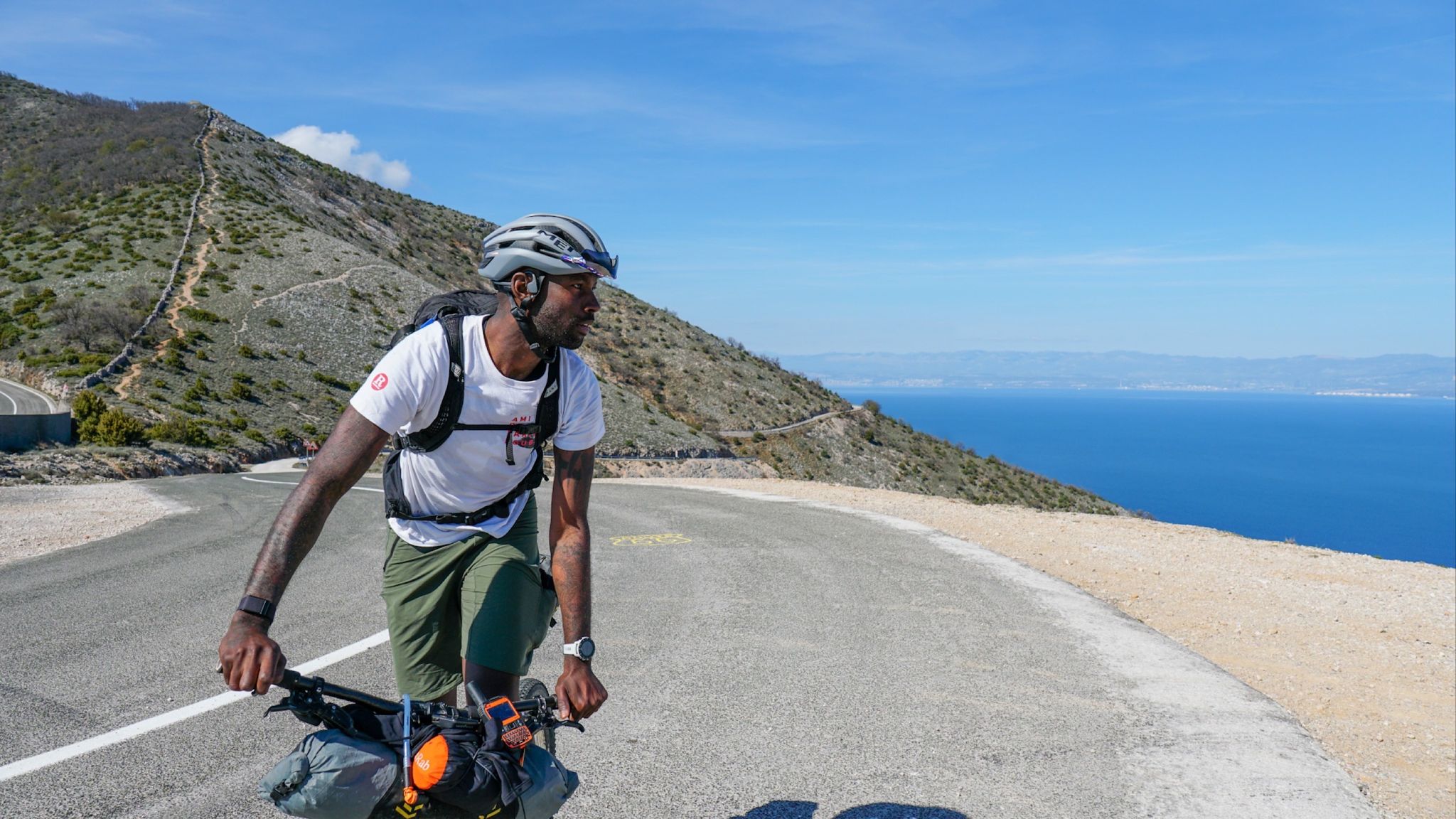
Slovenian mountains to island hopping around the Adriatic Crest
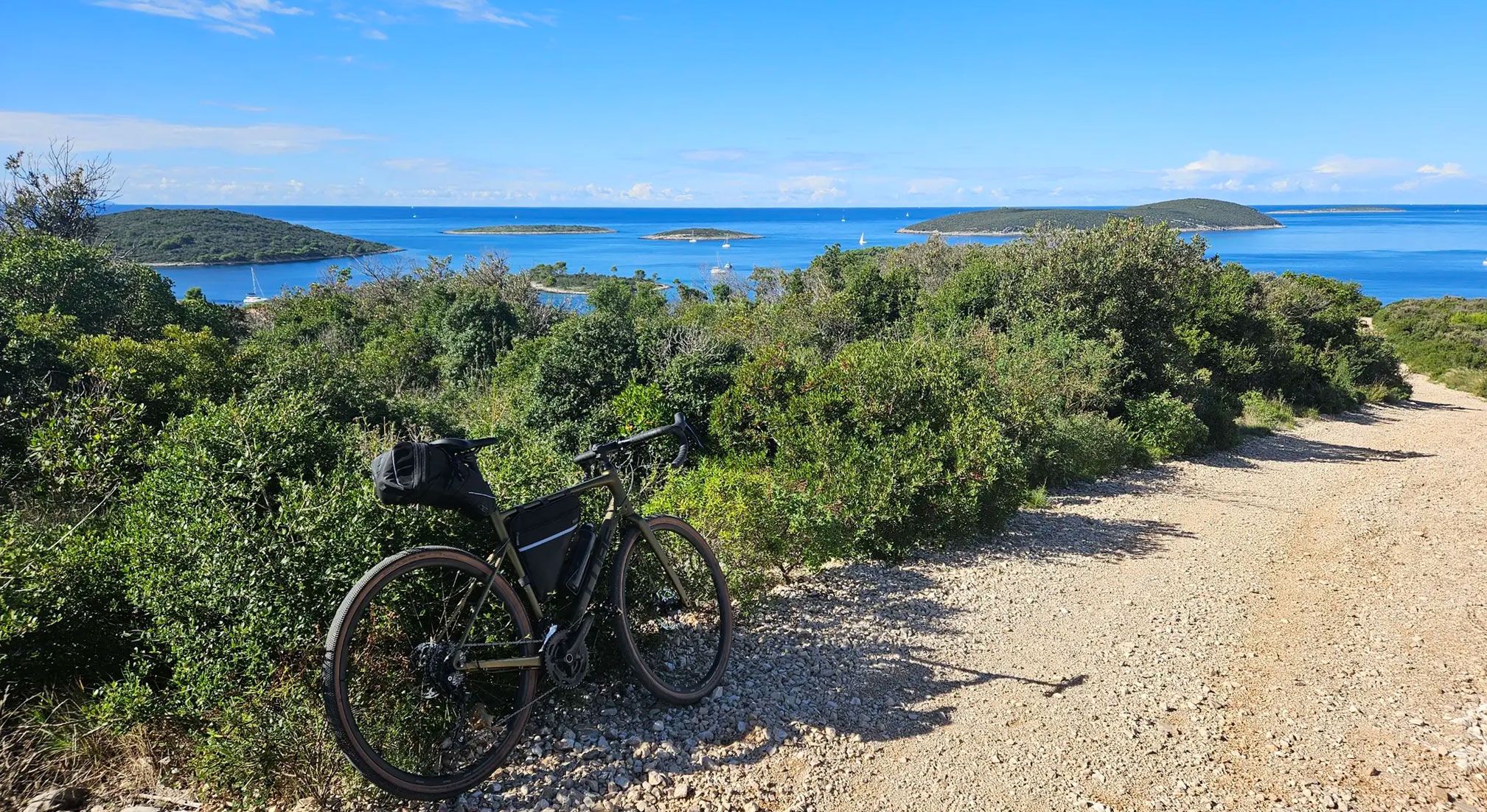
Islands on two wheels – cycling tours off the Croatian coast
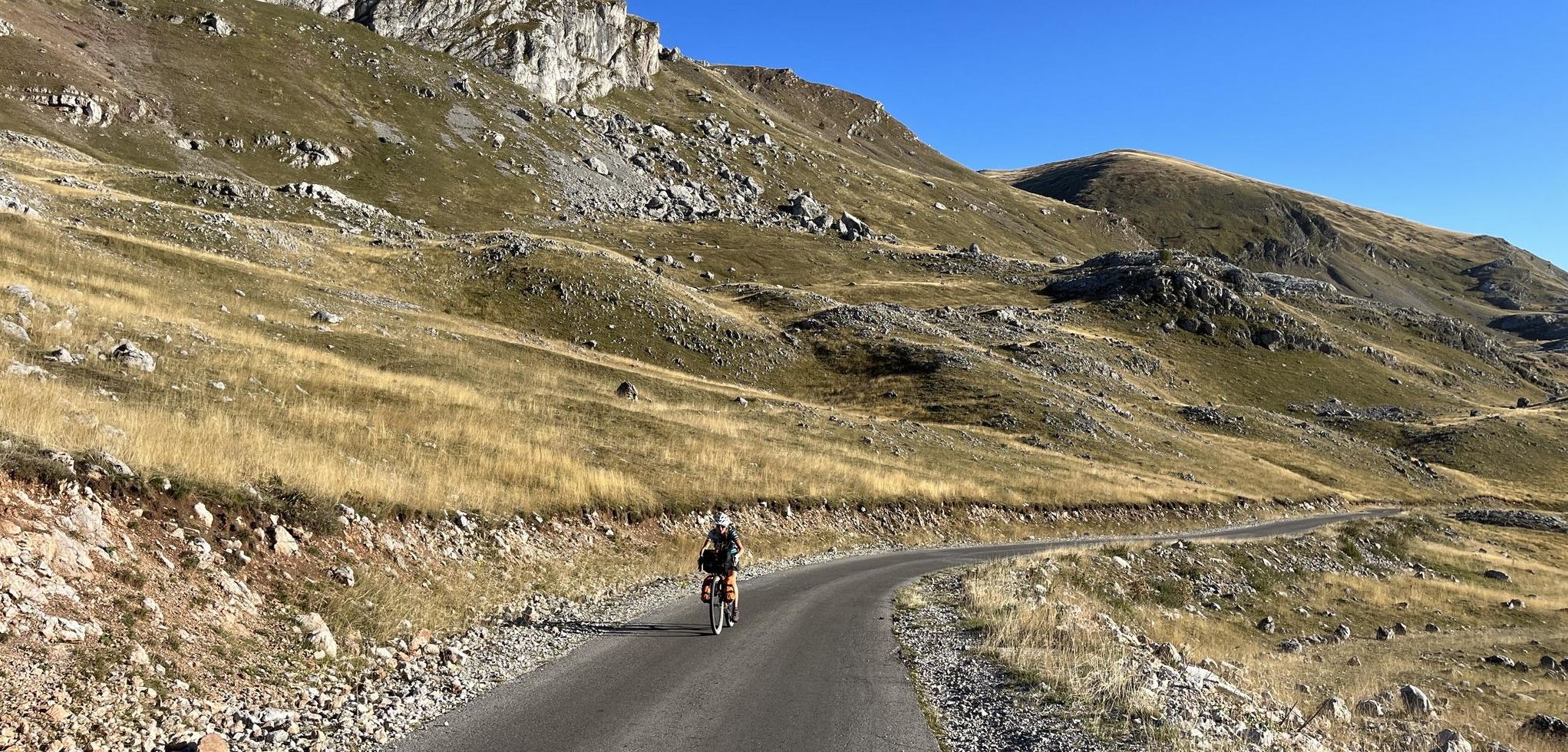
Balkan Escape – Croatia and Bosnia and Herzegovina
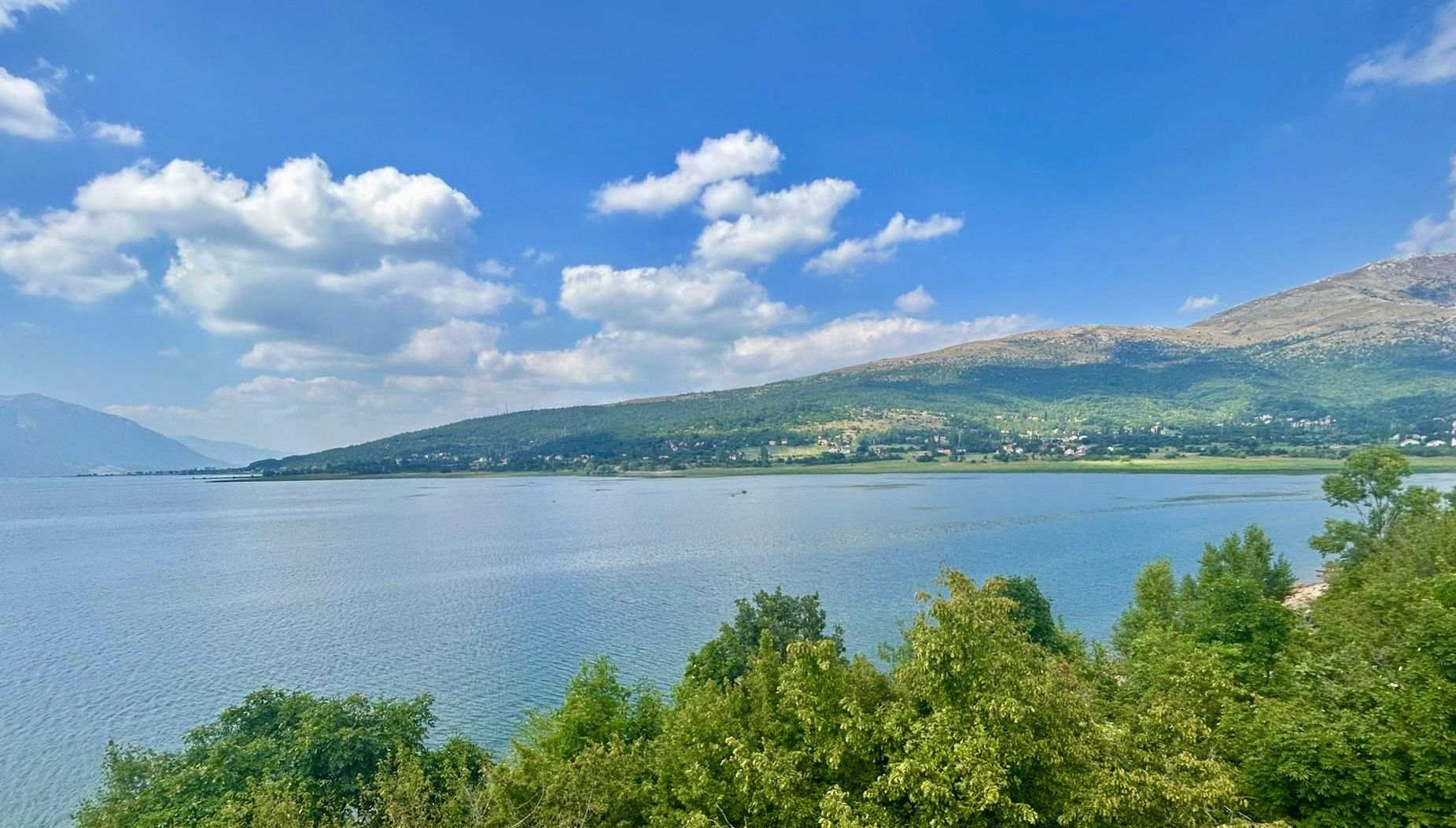
A weekend by Lake Buško – cycling the border between Croatia and Bosnia-Herzegovina
Hiking in Split-Dalmatia
Cycling in Split-Dalmatia
Running Trails in Split-Dalmatia
Road Cycling Routes in Split-Dalmatia
MTB Trails in Split-Dalmatia
Other adventures in Split-Dalmatia


Tips from the Community

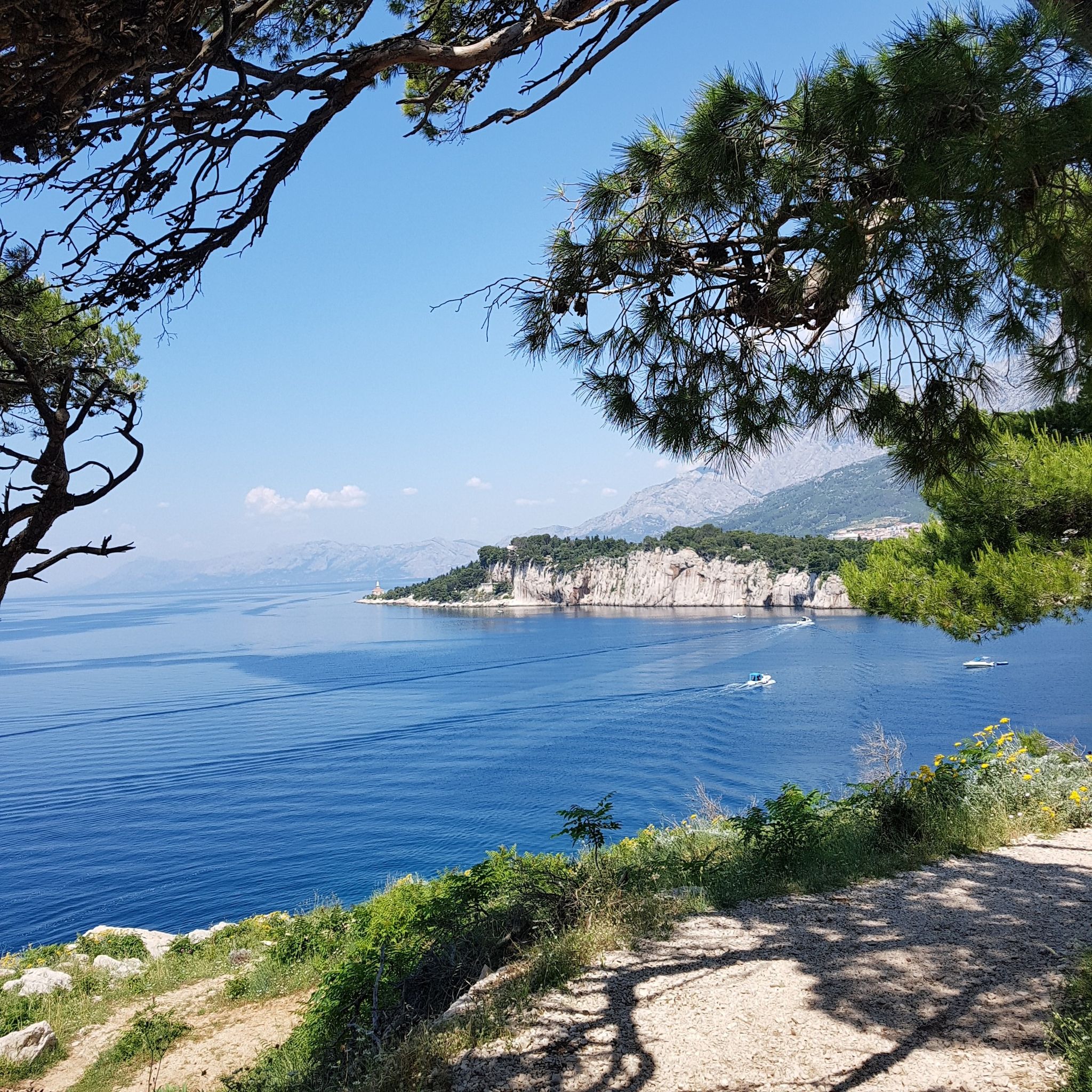
Beautiful stretch of coast with a lonely rock in the sea.
0
0

Marjan is a peninsula with a hilly nature reserve and is located on the western side of Split in Croatia 🌴 The Marjan is covered with a dense pine forest (mostly Aleppo pine), which was planted between the end of the 19th and the beginning of the 20th century 🌳 Since 1964, Marjan has been protected as a forest park with about 400 protected plants 🌅 The highest point of Marjan, at 178 meters, is called Telegrin, as there was a telegraph station there during Napoleon's time 🌄 From the Split-Spinut district, an approximately 1 km long tunnel leads through the Marjan hill to the south side of the peninsula in the Split-Meje district 🚘 Source: Wikipedia
10
1
A huge flag at the Telegrin summit 🏴
6
1
On the highest elevation (Telegrin) in the Marjan Forest Park there is a very beautiful and large white cross ✝️
13
0


Something really beautiful has been created here. 🫶🏻
4
1
A visit is recommended now in June, with no waiting time and no large crowds.
3
0

Great viewpoint in the national park
3
0
Frequently Asked Questions
What are some of the most popular natural monuments in Split-Dalmatia?
The region offers a variety of popular natural monuments. Vošac Peak is a highly-rated summit with excellent views of Makarska. Another favorite is the Biokovo Skywalk, a unique glass walkway offering panoramic vistas within Biokovo Nature Park. For stunning city and sea views, visit Telegrin Summit Cross and Viewpoint on Marjan Hill.
Are there family-friendly natural monuments in Split-Dalmatia?
Yes, several natural monuments are suitable for families. Brela Stone (Kamen Brela) is a picturesque beach area with a unique rock formation, perfect for a relaxed family outing. Marjan Hill, with its accessible paths and beaches, is also very family-friendly. Krka National Park, though a bit further, offers easy walking paths and boat excursions suitable for all ages.
What kind of hiking trails can I find near these natural monuments?
You'll find a range of hiking trails, from easy walks to challenging ascents. For easy hikes, consider routes around Marjan Hill or the coastal paths near Brela. More challenging options include the trails leading to Sveti Nikola Peak or within Biokovo Nature Park. For more detailed hiking options, explore the Easy hikes in Split-Dalmatia guide.
What are the best natural features to see in Split-Dalmatia?
Split-Dalmatia boasts diverse natural features. You can explore dramatic mountain ranges like Biokovo, stunning coastal formations such as Brela Rock, and unique viewpoints like Vidova Gora. The region also features subterranean wonders like Vranjača Cave and the mesmerizing Blue Cave on Biševo Island.
What is the best time of year to visit the natural monuments?
The best time to visit is generally during the spring (April-May) and early autumn (September-October) when the weather is pleasant, and the crowds are smaller. Summer (June-August) is also popular, especially for coastal and island attractions, but can be very hot, particularly for hiking in mountainous areas like Biokovo. Winter offers a quieter experience, though some facilities or access might be limited.
Are there any hidden natural gems in Split-Dalmatia?
While many sites are well-known, some offer a more secluded experience. Nevistina Stina (Bride's Rock) Pass offers a unique viewpoint away from the main tourist routes. Stiniva Cove on Vis Island, with its dramatic sea entrance, provides a tranquil and picturesque spot for swimming and snorkeling.
What adventure activities can I do near the natural monuments?
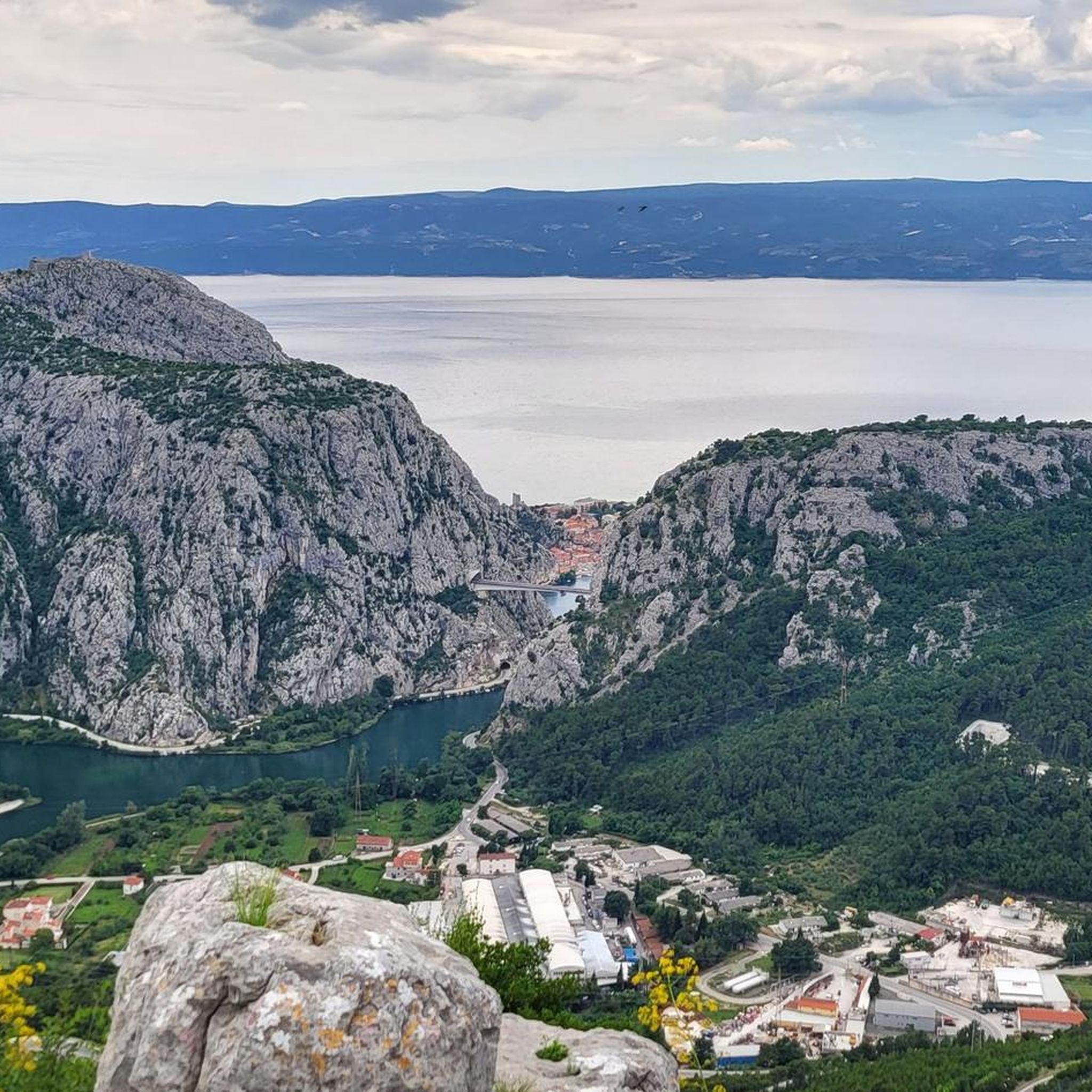
The Cetina River, near Omiš, is a prime location for adventure tourism, offering thrilling opportunities for rafting and canyoning through its deep canyon. Sea kayaking and snorkeling are popular around Marjan Hill and other coastal areas, allowing you to discover hidden coves. For cycling enthusiasts, there are numerous MTB trails and gravel biking routes throughout Split-Dalmatia.
How accessible are the natural monuments by public transport?
Accessibility varies. Marjan Hill is easily reachable from Split city center. For places like Krka National Park, there are often organized bus tours from Split. However, for more remote locations such as Biokovo Nature Park or Vranjača Cave, public transport options might be limited, and a car or organized excursion is often recommended. Always check local transport schedules in advance.
What are the main differences between Krka National Park and Biokovo Nature Park?
Krka National Park is renowned for its stunning waterfalls, lush river landscapes, and rich biodiversity, offering accessible walking paths and boat trips. It's ideal for those seeking beautiful water features and a more relaxed experience. Biokovo Nature Park, on the other hand, is a mountainous region known for its dramatic peaks, panoramic coastal views (including the Skywalk), and challenging hiking trails. It appeals to visitors looking for alpine scenery and more strenuous outdoor activities.
Are there any historical or cultural sites integrated with the natural monuments?
Yes, some natural monuments have historical or cultural significance. Marjan Hill features old churches and hermitages nestled within its forests. Tvrdalj Castle and Gardens, while a man-made structure, is often considered a natural monument due to its integration with the landscape. The Vepric Shrine of Our Lady of Lourdes is another example, combining religious significance with a natural cave setting.
What should I be aware of regarding wildlife when hiking in the mountains?
When hiking in mountainous areas like Biokovo, it's important to be aware of the local wildlife. While most animals are shy, you might encounter various species, including spiders and even venomous vipers (Poskoks). They typically scurry away, so watch your step and maintain a respectful distance. Always wear appropriate footwear and stay on marked trails.
Can I find cafes or accommodation near the natural monuments?
Near popular sites like Marjan Hill, you'll find numerous cafes and restaurants in Split. Around Krka National Park, there are facilities within the park and in nearby towns. For Biokovo Nature Park, options are more limited within the park itself, but the towns along the Makarska Riviera offer a wide range of accommodation and dining choices. It's always advisable to plan ahead, especially for more remote locations.
Most popular routes in Split-Dalmatia
Most popular attractions in Split-Dalmatia

Get inspired with the komoot mobile app


Didn’t find what you were looking for?
Find even more amazing natural monuments in Split-Dalmatia by checking out the top Highlights region by region:
Explore more
Extend your search for the best caves by checking out these guides of the top ones in Split-Dalmatia:
