Top 20 Natural Monuments in Šibenik-Knin
Best natural monuments in Šibenik-Knin County feature diverse landscapes, from cascading waterfalls and expansive archipelagos to significant mountain peaks. The region is characterized by its karstic phenomena, including the Krka River's canyons and numerous waterfalls. It also encompasses a large natural lake and an Adriatic archipelago, offering varied natural attractions.
Best natural monuments in Šibenik-Knin
- The most popular natural monuments is Dinara Peak (Sinjal, 1,831 m), a summit that is the highest mountain in Croatia. It offers great views and is recommended for summer visits.
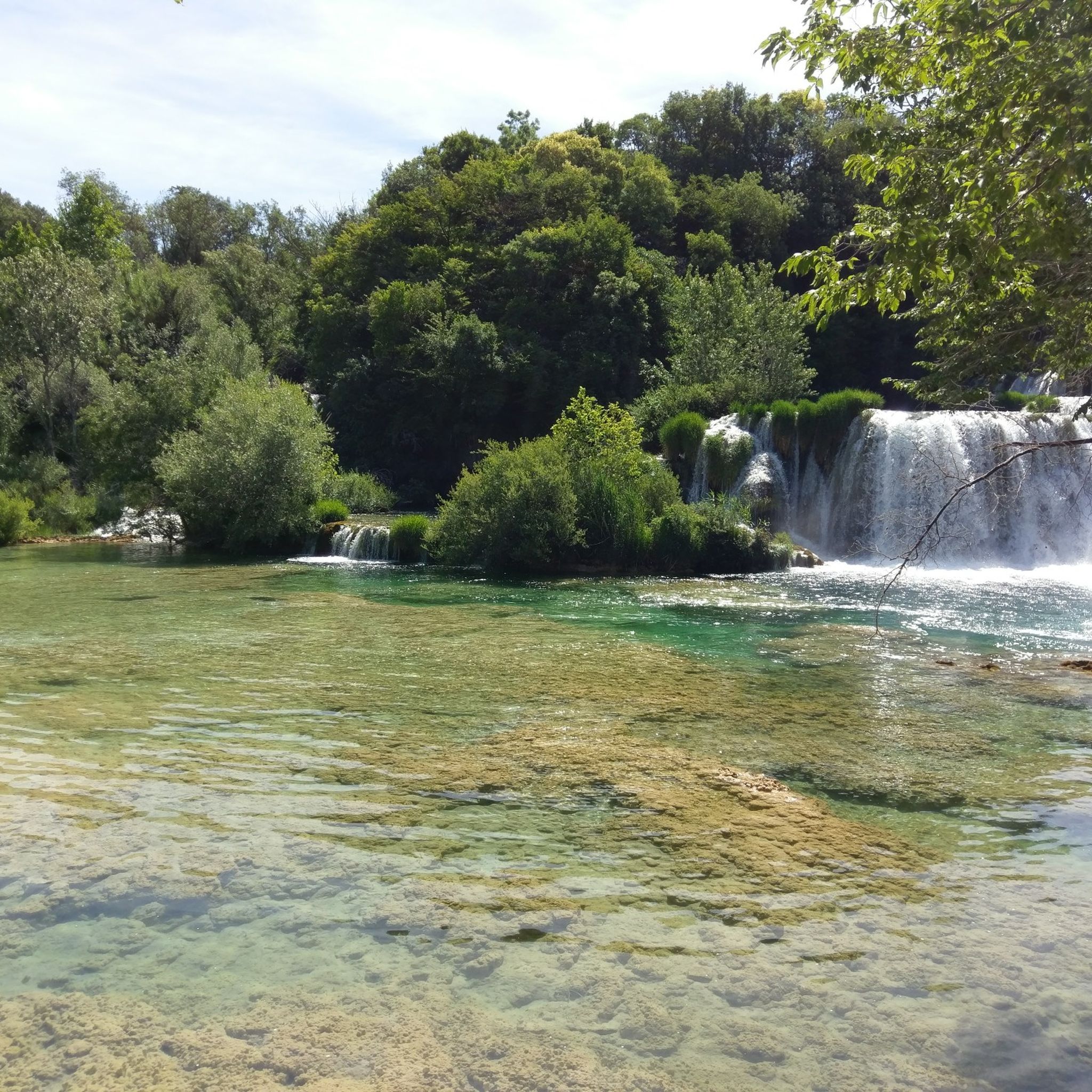
- Another must-see spot is View of the Skradinski Buk waterfall, a viewpoint providing a magical view of this karst phenomenon. This is the most famous and largest waterfall in Krka National Park, dropping almost 46 meters.
- Visitors also love Wooden walkways and bridges in Krka National Park, a trail with commendably designed paths. These paths lead through the beautiful nature of Krka National Park.
- Šibenik-Knin is known for its waterfalls, mountain peaks, and unique lake ecosystems. The region offers a variety of natural monuments to explore, from river canyons to island archipelagos.
- The natural monuments in Šibenik-Knin are appreciated by the komoot community, with over 1400 upvotes and more than 2600 photos shared.
Last updated: July 10, 2026
View of the Skradinski Buk waterfall
Highlight • Viewpoint
Tip by

Dinara Peak (Sinjal, 1,831 m)
Highlight • Summit
Tip by

Sign up now to discover places like this
Get recommendations on the best single tracks, peaks, & plenty of other exciting outdoor places.
Sign up for free
Wooden walkways and bridges in Krka National Park
Highlight • Trail
Translated by Google •
Tip by

Roški Slap Waterfall
Highlight • Waterfall
Translated by Google •
Tip by

Watermills in Krka National Park
Highlight • Structure
Translated by Google •
Tip by

Skradinski Buk Trail Map
Highlight • Trail
Translated by Google •
Tip by

Small Lake (Mali Prštavac), Krka National Park
Highlight • Lake
Translated by Google •
Tip by
Manojlovac Waterfall
Highlight • Waterfall
Translated by Google •
Tip by

Trout habitat in Krka National Park
Highlight • River
Translated by Google •
Tip by
Waterfalls in Krka National Park
Highlight • Waterfall
Translated by Google •
Tip by
Sign up for free to discover even more natural monuments in Šibenik-Knin.
Sign up for free
Already have an account?
Start today with a free account
Your next adventure awaits.
Login or Signup



Other adventures in Šibenik-Knin

Tips from the Community


The peak of Dinara, at 1831 meters high, is the highest mountain peak in the Republic of Croatia. The peak itself consists of two equally high peaks, about fifty meters apart. One of them is marked by a geodetic pole, and on the other there is a five-meter-high metal cross. There is also a simple metal shelter on the first peak.
0
0

You can see it very well from the ship's mooring
0
0


The easiest climb in my opinion is from Glavaš
0
0

Water flows down beautifully 😀 what a force
18
0
Nice view from the bridge
20
0

The overview board is at the beginning of the tour
0
0
Frequently Asked Questions
What are some of the most popular natural monuments to visit in Šibenik-Knin?
The region offers a variety of stunning natural monuments. Among the most popular are Dinara Peak (Sinjal, 1,831 m), Croatia's highest mountain, and the breathtaking Skradinski Buk waterfall in Krka National Park. Visitors also highly appreciate the wooden walkways and bridges in Krka National Park, which offer an immersive experience through its beautiful nature.
Are there family-friendly natural monuments in Šibenik-Knin?
Yes, several natural monuments are suitable for families. Krka National Park, for instance, features wooden walkways and bridges that are generally easy to navigate, though some sections have stairs. The Roški Slap Waterfall and its surrounding mill village are also great for families. Vransko Jezero Nature Park offers easy trails for birdwatching and cycling, making it enjoyable for all ages.
What kind of outdoor activities can I do near these natural monuments?
Šibenik-Knin provides diverse outdoor activities. You can enjoy waterfall hikes, with routes like the 'View of the Krka River – Skradinski Buk Waterfall loop' or the 'Manojlovac Waterfall loop'. For cycling enthusiasts, there are gravel biking routes around Vransko Jezero, such as the 'View of the Adriatic Coast – View of Vransko Lake loop'. Running trails are also available, including coastal pathways near Vodice and Tisno. Find more details on these activities in our guides for waterfall hikes, gravel biking, and running trails in Šibenik-Knin.
What is the best time of year to visit the natural monuments in Šibenik-Knin?
The best time to visit depends on your preferred activity. Summer is highly recommended for visiting Dinara Peak due to clearer weather and better views. Krka National Park is popular throughout the warmer months, but arriving early in the morning can help avoid crowds. Kornati National Park is ideal for sailing and diving from spring to early autumn. Vransko Jezero Nature Park is excellent for birdwatching, especially during autumn migration when hundreds of thousands of birds pass through.
Are there any unique natural features besides waterfalls in Šibenik-Knin?
Absolutely. Beyond the famous waterfalls, you can explore the captivating Kornati National Park, an archipelago of 89 islands known for its dramatic cliffs and rich marine life. Vransko Jezero Nature Park features Croatia's largest natural lake and is a vital ornithological reserve. The Čikola River and Canyon offer a deep, panoramic karstic phenomenon with archaeological significance, while St. Anthony's Channel provides stunning views of the Adriatic leading to the Venetian Fortress of St. Nicholas.
Do I need permits or tickets to visit the national parks in Šibenik-Knin?
Yes, both Krka National Park and Kornati National Park require entrance tickets. It's advisable to check their official websites for current pricing, operating hours, and any specific permit requirements, especially for activities like diving in Kornati. Purchasing tickets in advance, particularly during peak season, is often recommended.
What kind of terrain can I expect on hiking trails in Šibenik-Knin's natural monuments?
The terrain varies significantly across the region. In Krka National Park, you'll find well-maintained wooden walkways and bridges, but also some sections with steep stairs. Trails to waterfalls like Manojlovac Waterfall can be adventurous, washed out, and slippery, requiring fit hikers. Mountain trails, such as those leading to Dinara Peak, involve rocky paths and significant elevation gain. Around Vransko Jezero, trails are generally flatter and suitable for cycling and easy walks.
Where can I find the best viewpoints for natural monuments in the region?
For an iconic view, the View of the Skradinski Buk waterfall offers a magical perspective of this karst phenomenon. Dinara Peak (Sinjal, 1,831 m) provides spectacular panoramic views as the highest point in Croatia. In Kornati National Park, the towering cliffs on islands like Mana offer breathtaking vistas of the archipelago. St. Anthony's Channel also features awe-inspiring views of the sea and the historic St. Nicholas Fortress.
Are there any historical or cultural sites within or near these natural monuments?
Yes, the region's natural beauty is often intertwined with its rich history. Within Krka National Park, you can visit the Franciscan Monastery on Visovac Island and the Krka Monastery, both significant religious sites. The park also features old mill cottages, some of which have been transformed into workshops and souvenir stores, like those near Watermills in Krka National Park. The Čikola Canyon holds archaeological significance with traces of human presence dating back to the Paleolithic era, and St. Anthony's Channel leads to the historic Venetian Fortress of St. Nicholas.
What do visitors enjoy most about the natural monuments in Šibenik-Knin?
Visitors frequently praise the stunning natural beauty, particularly the majestic waterfalls of Krka National Park and the serene island landscapes of Kornati. The well-designed paths, such as the wooden walkways in Krka, are often highlighted for enhancing the experience. Many appreciate the opportunities for hiking, exploring diverse ecosystems, and the sense of adventure, especially when discovering hidden spots like Manojlovac Waterfall. The region's blend of natural wonders and historical sites also leaves a lasting impression.
Can I find places to eat or stay near the major natural parks?
Yes, you'll find various options for dining and accommodation near the major natural parks. Krka National Park has restaurants and souvenir stores, particularly around Skradinski Buk and Roški Slap. The mill buildings near Roški Slap Waterfall offer pleasant spots for a cool drink. Around Kornati National Park, especially on inhabited islands or nearby coastal towns, there are restaurants and accommodation options catering to visitors. Similarly, towns surrounding Vransko Jezero Nature Park provide amenities for travelers.
Are there any less-known natural monuments worth exploring in Šibenik-Knin?
Beyond the main parks, the region holds several hidden gems. The Krčić Waterfall near Knin is a picturesque 22-meter cascade where the Krčić River disappears underground. The Čikola River and Canyon, protected since 1965, offers extraordinary geomorphological features and archaeological significance. While popular, the adventurous path to Manojlovac Waterfall in Krka National Park can feel like a discovery for those willing to venture off the main routes.
Most popular routes in Šibenik-Knin
Most popular attractions in Šibenik-Knin

Get inspired with the komoot mobile app


Didn’t find what you were looking for?
Find even more amazing natural monuments in Šibenik-Knin by checking out the top Highlights region by region:
Explore more
Extend your search for the best caves by checking out these guides of the top ones in Šibenik-Knin:
