Top 20 Natural Monuments in Centre-Val de Loire
Best natural monuments in Centre-Val de Loire showcase a diverse landscape characterized by river valleys, extensive forests, and unique geological formations. The region, known for its historical châteaux, also features significant natural heritage, including vast wetland ecosystems and ancient rock dwellings. These sites offer a blend of natural beauty and historical human interaction with the environment.
Best natural monuments in Centre-Val de Loire
- The most popular natural monuments is Gardens of the Château de Villandry, a castle and natural…
Last updated: August 6, 2026
Gardens of the Château de Villandry
Highlight • Castle
Translated by Google •
Tip by

Chambord Park
Highlight • Forest
Translated by Google •
Tip by

Sign up now to discover places like this
Get recommendations on the best single tracks, peaks, & plenty of other exciting outdoor places.
Sign up for free
Confluence of the Loire and the Loiret
Highlight • River
Translated by Google •
Tip by
Château du Rivau
Highlight • Castle
Translated by Google •
Tip by

Courtineau Valley and Troglodyte Houses
Highlight • Historical Site
Translated by Google •
Tip by

Étang du Montperché
Highlight • Lake
Translated by Google •
Tip by

Étang du Puits
Highlight • Lake
Originally created in 1864 to supply the Sauldre canal with water.
Now partly developed as a recreational area: …
Translated by Google •
Tip by

Dolmens of Changé
Highlight • Historical Site
Translated by Google •
Tip by

The petrifying caves of Savonnière
Highlight • Cave
February / March: 10h-12h / 14h-18h
April to June: 10h-19h
July / August: 9h30-19h30
September: 10h-19h
October / November: 10h-12h / 14h-18h
There are guided tours (duration approx. 1 hour).
Translated by Google •
Tip by

Prébendes d'Oé Garden
Highlight • Forest
Translated by Google •
Tip by

Sign up for free to discover even more natural monuments in Centre-Val de Loire.
Sign up for free
Already have an account?
Start today with a free account
Your next adventure awaits.
Login or Signup
Popular around Centre-Val de Loire
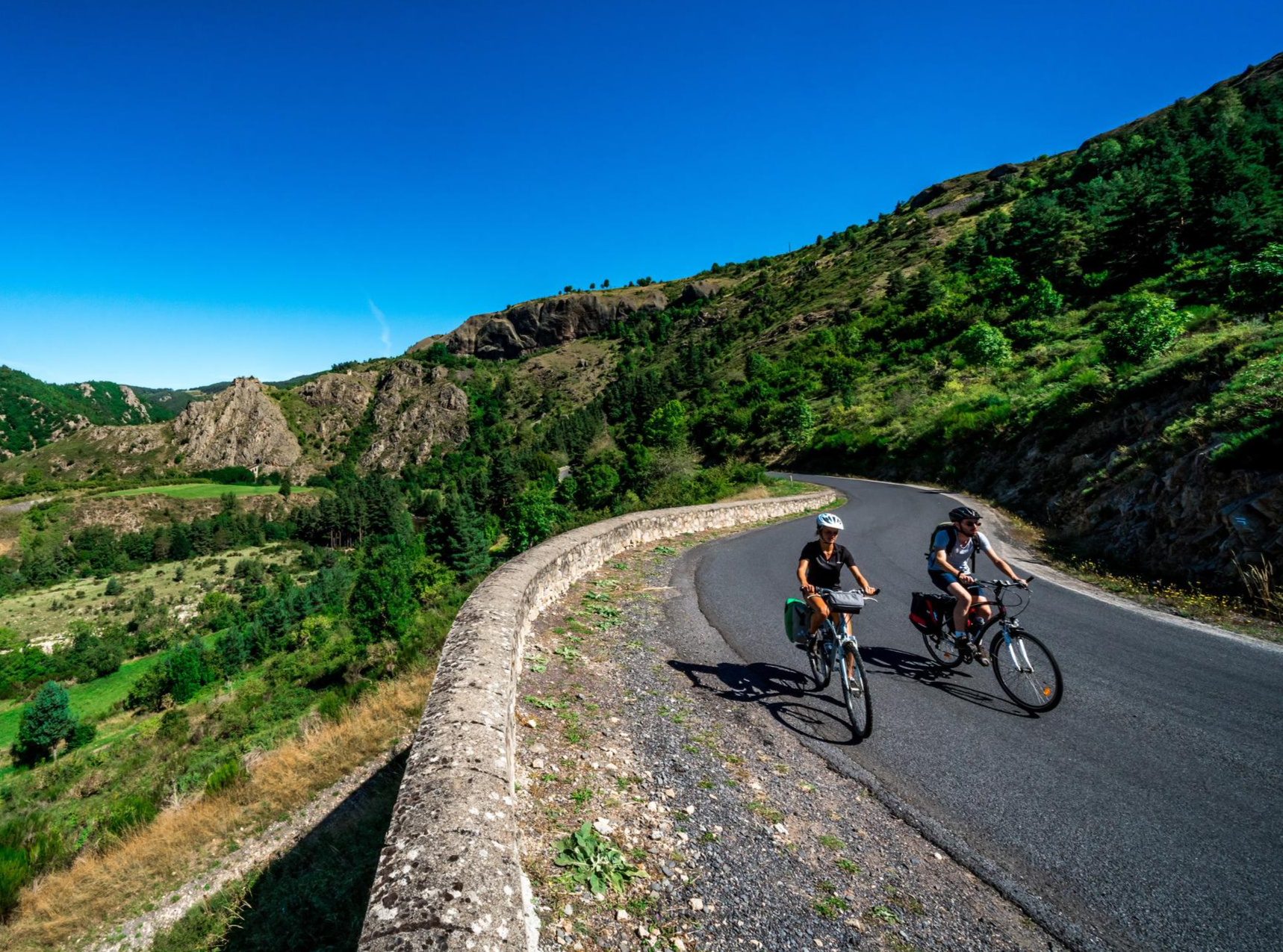
Via Allier – The Auvergne cycle route
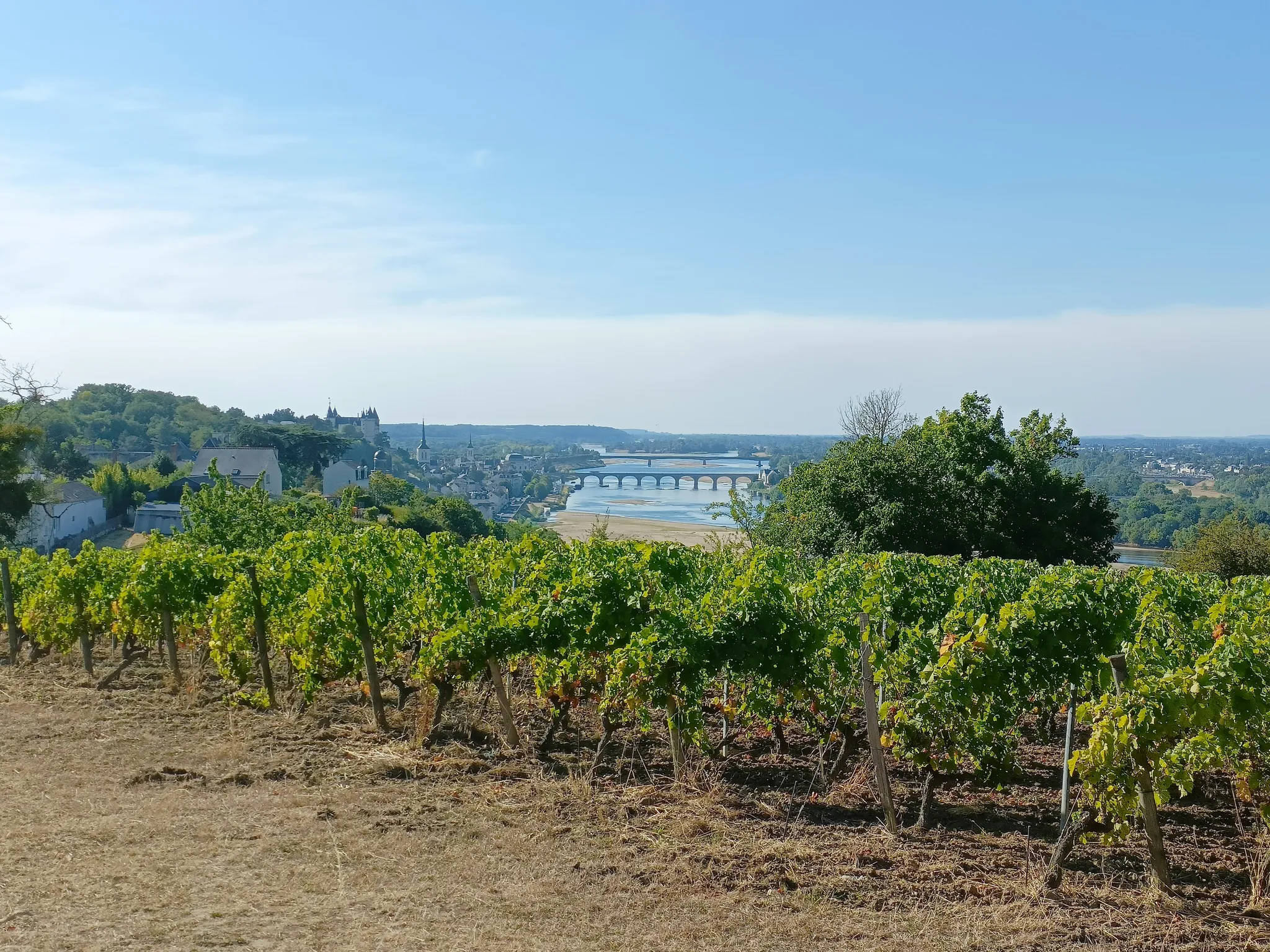
GR3 from the ocean to its source – The Loire, a wild European river
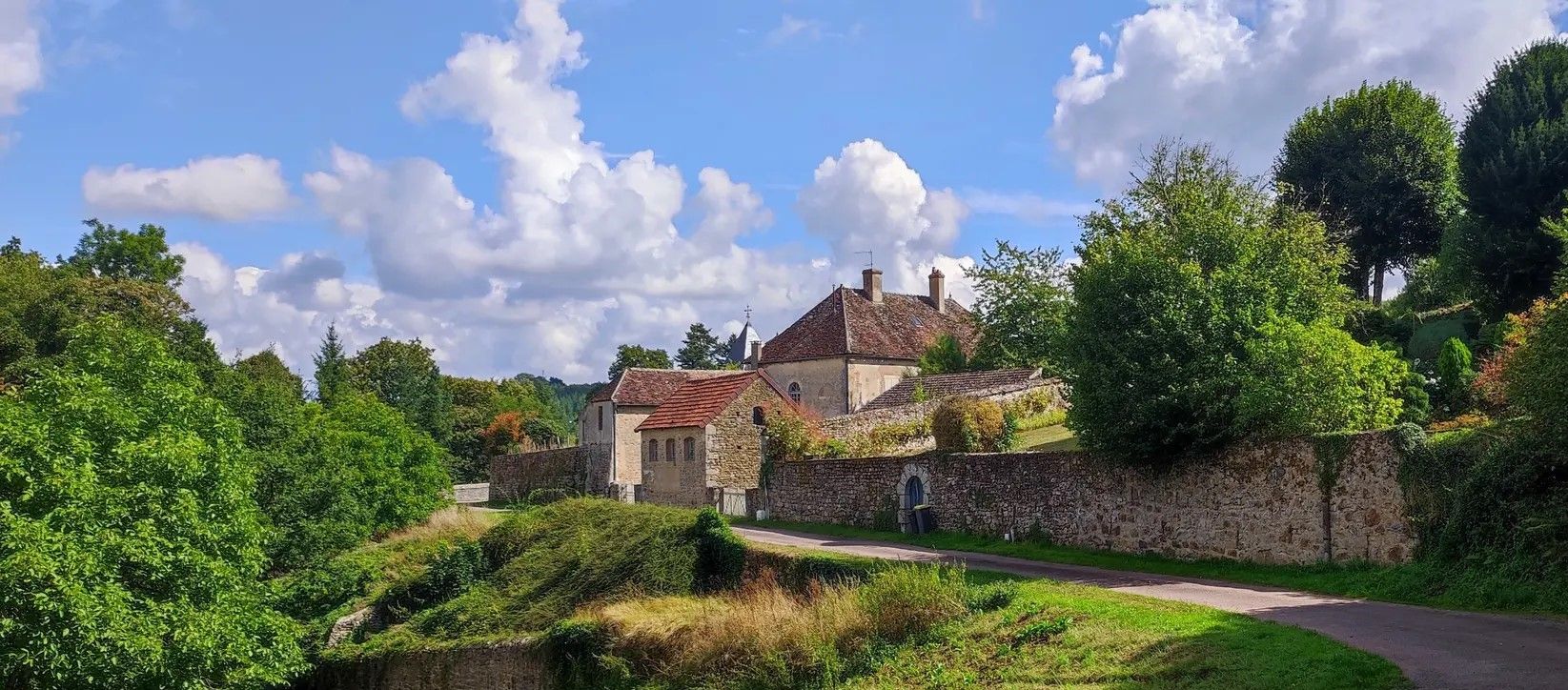
GR 13 from Gâtinais to Morvan — By Fontainebleau and Burgundy
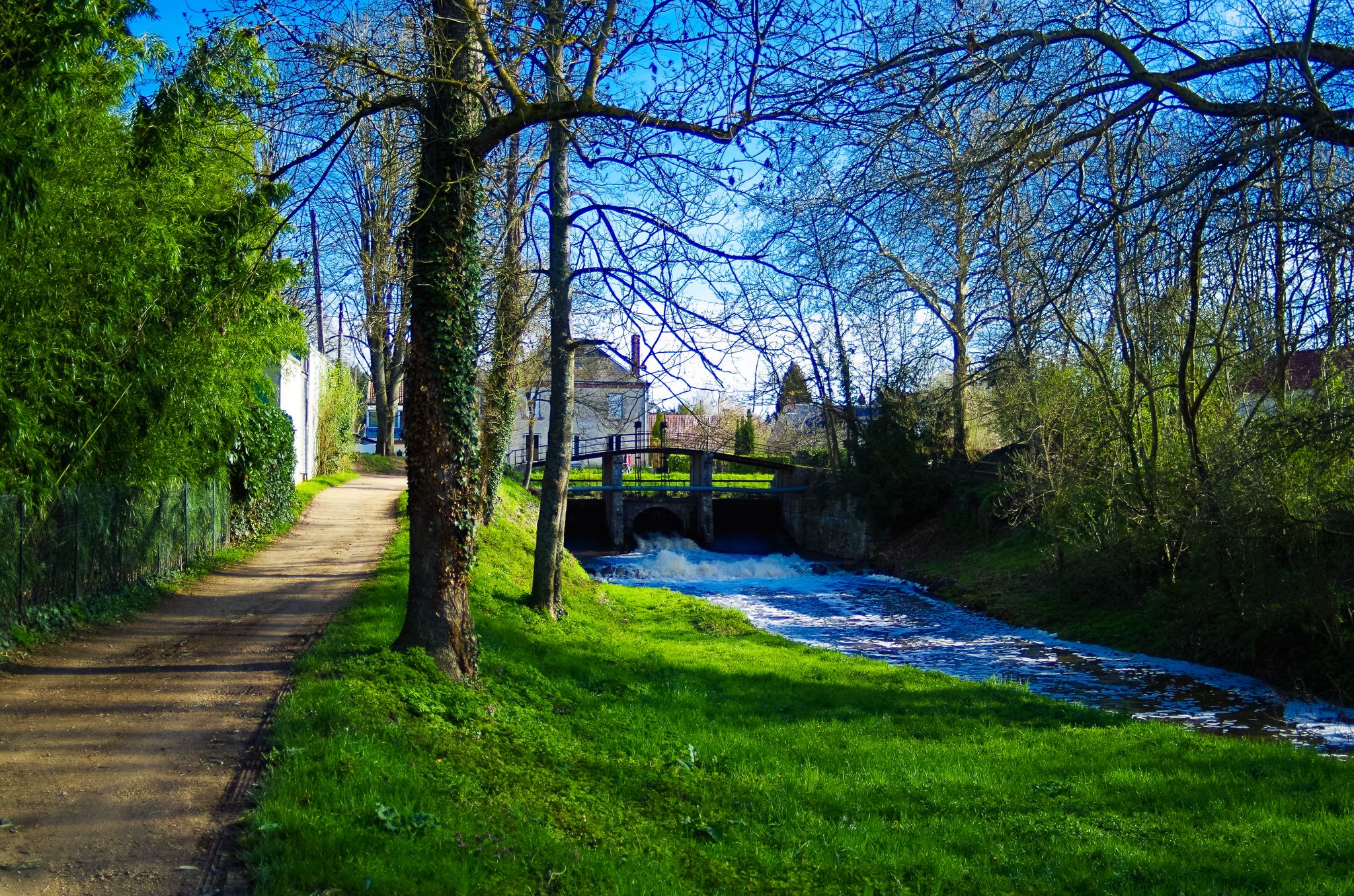
Seine to the Loire (GR 32) – Between Gâtinais and Beauce
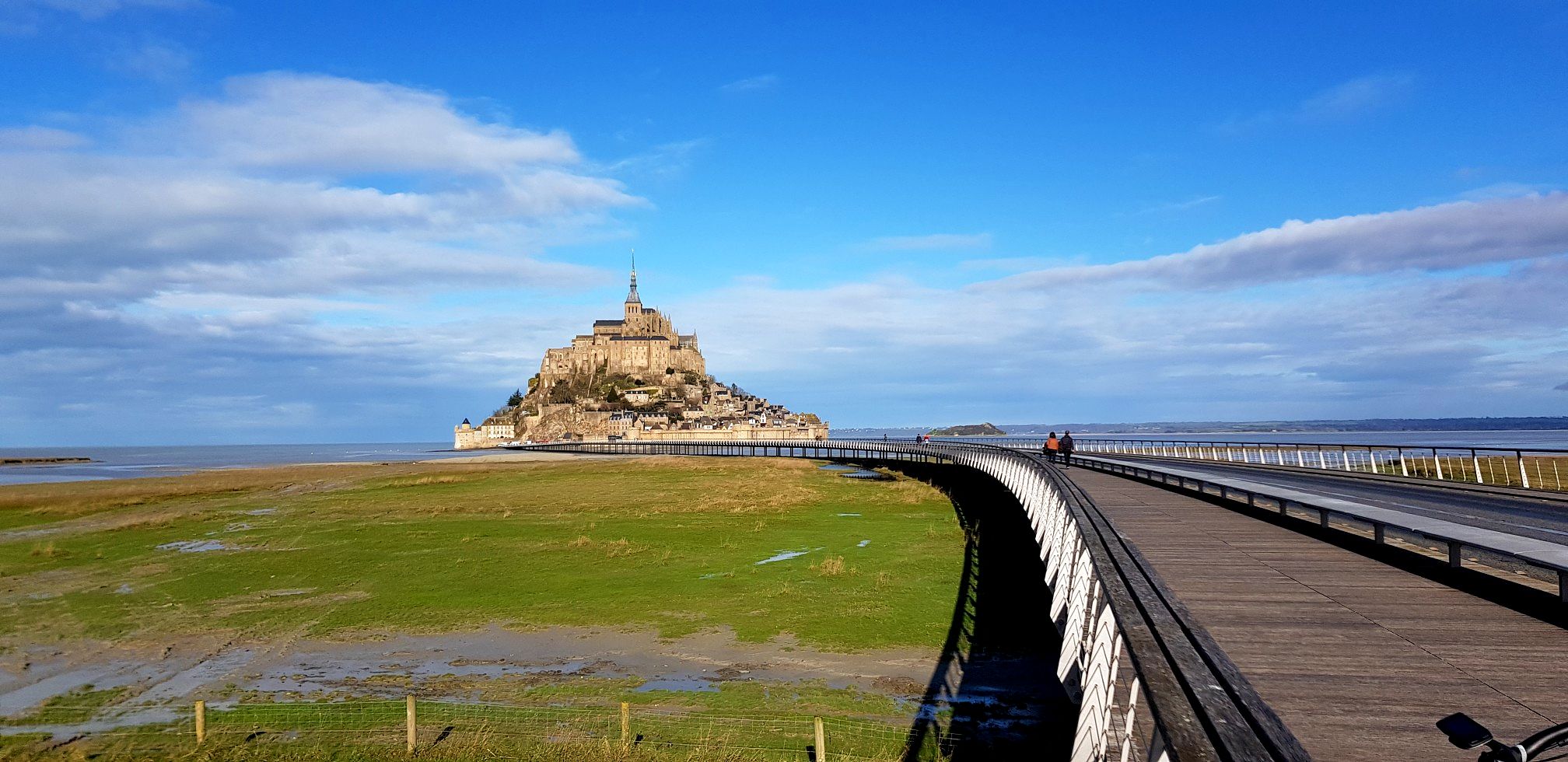
GR 22 to Mont-Saint-Michel – Miquelot's Walk
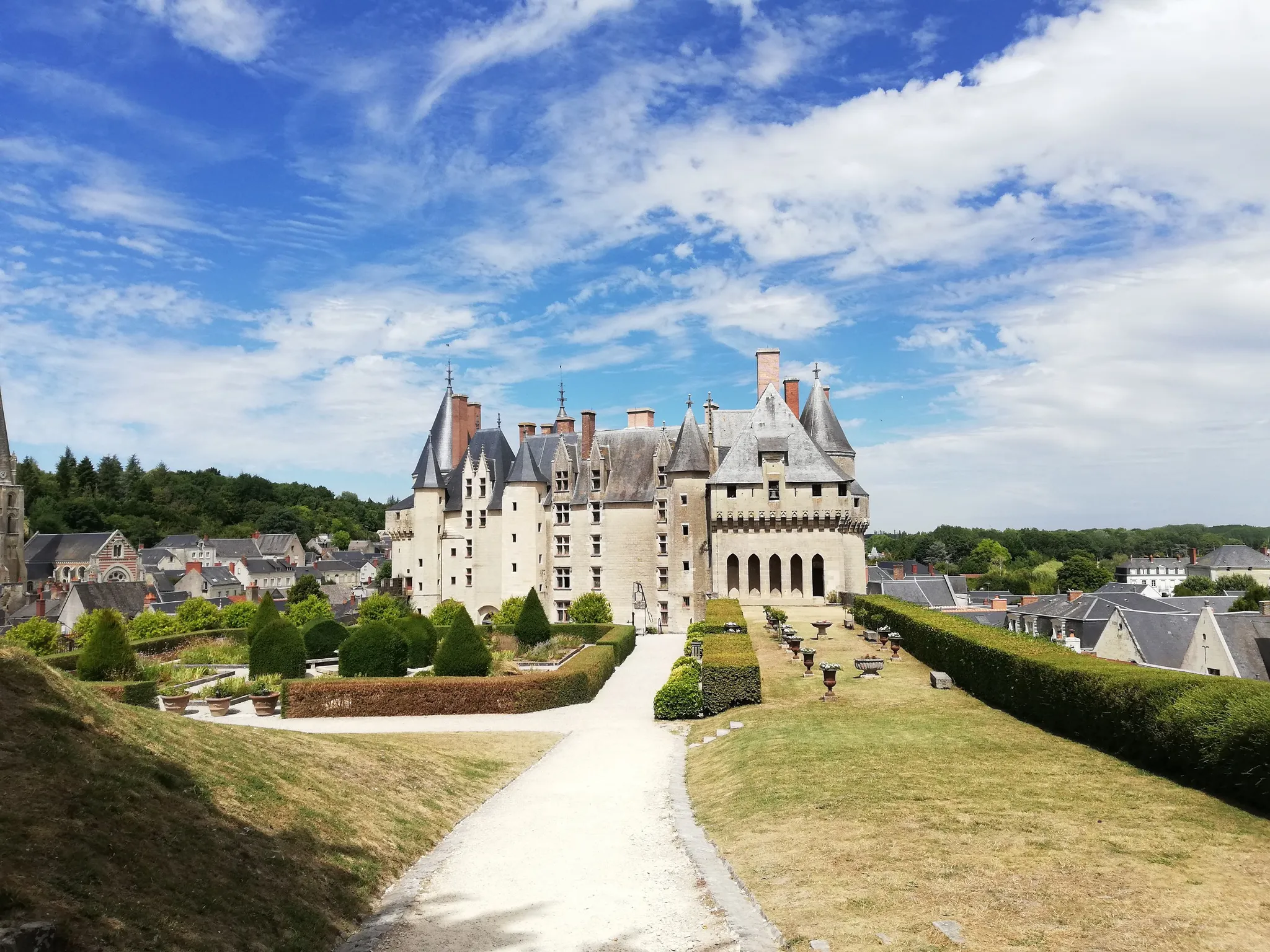
From one Châteaux to another – a long hike in the Loire Valley
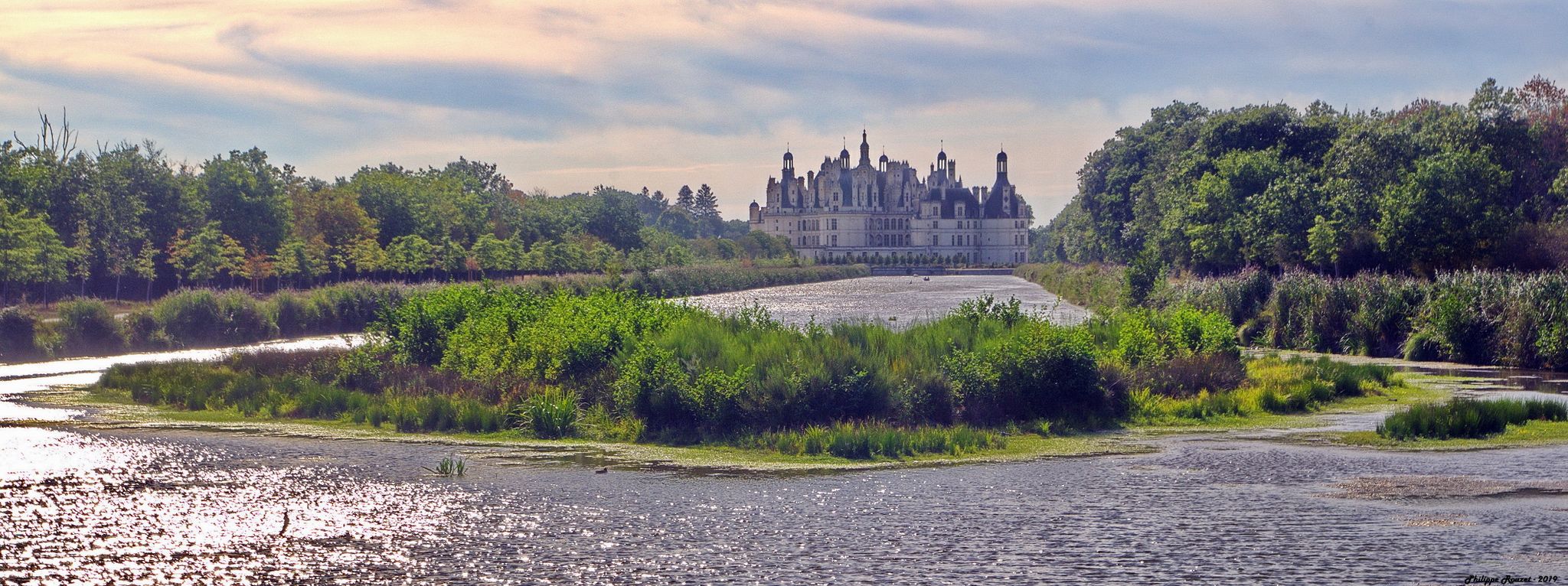
From one castle to another – the Loire to the Cher Valley

Around the World in 80 Days
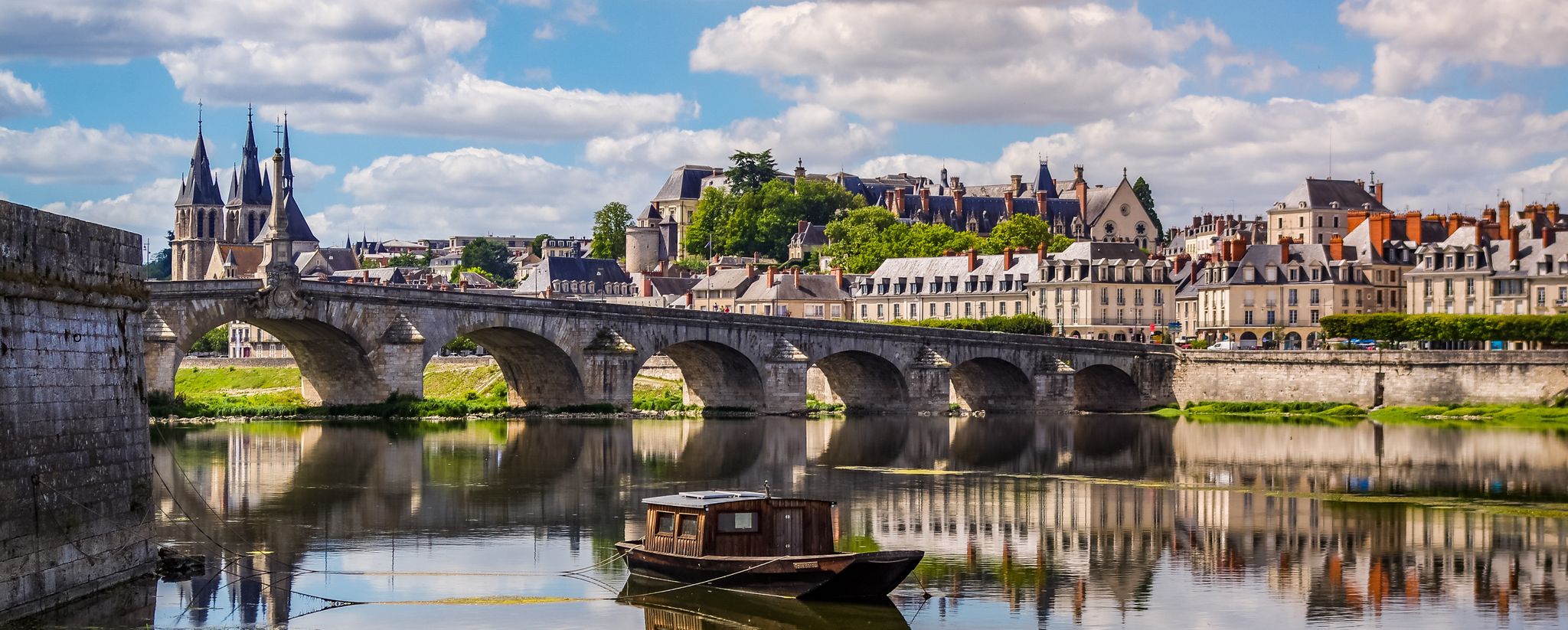
EuroVelo 3 – A cycling pilgrimage from Norway to France
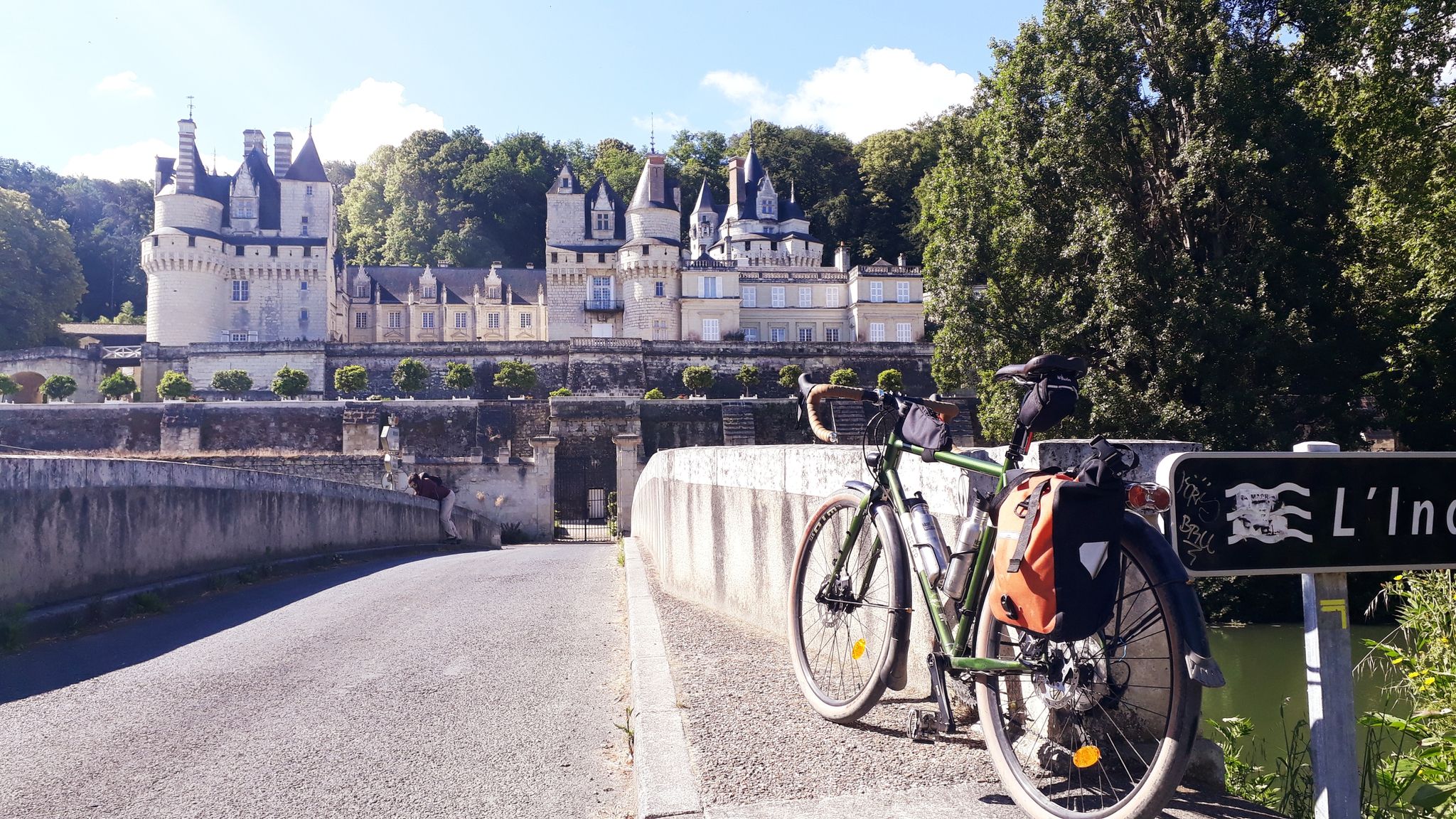
La Loire à vélo – Between nature and castles
Other adventures in Centre-Val de Loire


Tips from the Community

The lake covers 180 hectares, making it the largest in the Sologne. Originally created in 1864 to supply the Sauldre canal with water. Now partly developed as a recreational area: beach area, hiking trails, water sports (sailing, ski-nautique, pedalo), and an ornithological reserve. For nature lovers: you'll find a rich bird life (cendré heron, grèbe huppé, etc.) and diverse flora along the banks. For families: picnic areas, a beach area in the summer, and playgrounds.
4
0

Greenway along the Loire. Rolling track with tarmac, dirt, or white gravel covering depending on the section. Allows you to be away from traffic with little shared road.
2
0

quiet and lively garden, beautiful stretch of water in the center
0
0

Beautiful gardens and an art collection in the castle.
0
0

Built in 1872 on a former marshy area, the Prébendes d’Oé garden is the green lung of the city center of Tours. Designed like an English garden, it invites you to take a bucolic stroll. It also has the “Jardin Remarquable” label, awarded by the Ministry of Culture. On an area of 5 hectares, you travel to the four corners of the world. Poplars from Holland, hazel trees from Byzantium, tulip trees from Virginia and elms from Siberia adorn your route. A catering area, toilets and a water point are available in the park.
0
0

Picturesque gate on the Chambord estate cycle path
0
0

The largest pond in Sologne which combines rich natural environments, with fauna and flora that can be admired for hours, and facilities conducive to relaxation and swimming, with its beaches and activities on offer.
1
0

The Etang de Montperché is located at the south-eastern exit of the Chambord park, in the national forest of Boulogne. Guests can enjoy views of the water and wildlife, as well as the art installation called the Notch, which is a lookout over the pond created by nature-loving landscapers. You might even be able to spot the Château de la Hardonnière, a hidden gem in the countryside. So, grab your sneakers and head to the Étang de Montperché for a refreshing and enriching adventure!
2
0
Frequently Asked Questions
What are some of the most popular natural monuments in Centre-Val de Loire?
Visitors frequently enjoy the Gardens of the Château de Villandry, renowned for their meticulously maintained Renaissance gardens. Another favorite is the Confluence of the Loire and the Loiret, a nature reserve where the two rivers meet, supporting diverse flora and fauna. The Château du Rivau, with its 14 themed gardens inspired by fairy tales, is also highly appreciated.
Are there natural monuments suitable for families with children in Centre-Val de Loire?
Yes, several natural monuments are family-friendly. The Gardens of the Château de Villandry offer engaging labyrinths and beautiful landscapes. The Confluence of the Loire and the Loiret provides easy cycle paths and opportunities for nature observation. Additionally, the Prébendes d'Oé Garden is a pleasant green space for families to explore.
What kind of outdoor activities can I do near the natural monuments in Centre-Val de Loire?
The region offers a wide range of outdoor activities. You can find numerous hiking trails, such as the 'Chambord Canal Promenade' or 'On the Banks of the Cher at Chenonceaux Trail', by exploring Hiking in Centre-Val de Loire. For cyclists, there are routes like the 'Loop between Blois and Chambord' or 'Orléans to Beaugency on La Loire à Vélo', detailed in Cycling in Centre-Val de Loire. Mountain biking enthusiasts can discover trails like 'The Loire at Sandillon' or 'Chêne Singletrack' in MTB Trails in Centre-Val de Loire.
Where can I observe wildlife in Centre-Val de Loire's natural monuments?
The **Brenne Natural Regional Park**, known as the 'land of a thousand ponds', is a prime location for birdwatching, hosting a rich diversity of birds, amphibians, and aquatic plants. The **Forêt d'Orléans** is an exceptional area for biodiversity, particularly renowned for its raptor populations, including the rare osprey, and is home to deer, roe deer, and wild boar. The Confluence of the Loire and the Loiret also supports a variety of flora and fauna.
Are there any unique geological or historical natural monuments to visit?
Yes, the **Courtineau Valley and Troglodyte Houses** offer a unique blend of natural beauty and historical human adaptation. This valley features numerous troglodyte dwellings carved into the rock, along with ancient water mills and washhouses. You can visit the Courtineau Valley and Troglodyte Houses to see how people lived in harmony with the natural rock formations. Additionally, the petrifying caves of Savonnière provide another fascinating geological and historical experience.
What are the best natural features to see along the Loire River?
The Loire River itself is a significant natural monument, often called Europe's last wild river. You can explore the Loire River and its valleys, which are part of the **Loire-Anjou-Touraine Regional Natural Park**. This park showcases diverse riverine landscapes, including the confluence of the Vienne and Loire rivers, and is a UNESCO World Heritage site. The Confluence of the Loire and the Loiret is a specific highlight where you can observe the meeting point of these two important waterways.
Are there any natural monuments with lakes or ponds for recreation?
Absolutely. The **Brenne Natural Regional Park** is famous for its 'thousand ponds,' offering vast wetland ecosystems. In the **Sologne** region, you'll find the 'l'étang du Puits' (Well Pond), described as the 'emerald of Sologne,' which is excellent for life observation. You can visit Étang du Puits for its aquatic environment. Another notable spot is Étang du Montperché, a lake surrounded by forest, perfect for a peaceful visit.
What is the best time of year to visit the natural monuments in Centre-Val de Loire?
The spring and autumn months are generally ideal for visiting the natural monuments. During spring, the gardens are in full bloom, and wildlife is active, especially for birdwatching in areas like the Brenne. Autumn offers beautiful foliage, particularly in forests like the Forêt d'Orléans, and pleasant temperatures for hiking and cycling. Summer can also be enjoyable, though it can be warmer, making river-based activities more appealing.
Can I find ancient historical sites among the natural monuments?
Yes, the region's natural landscapes often intertwine with its rich history. The **Courtineau Valley** features ancient troglodyte dwellings and historical accounts linking it to Joan of Arc. The Dolmens of Changé are prehistoric megalithic structures that stand as ancient historical sites within the natural environment. The **Forêt d'Orléans** also contains historical vestiges, from Celtic burial mounds to World War II resistance sites.
Are there any natural monuments that are easy to access or have walking trails for beginners?
Many natural monuments in Centre-Val de Loire offer accessible paths and easy walking trails. The **Brenne Natural Regional Park** has discovery trails suitable for walking or cycling. The Confluence of the Loire and the Loiret features a greenway along the Loire, with rolling tracks suitable for easy walks or bike rides. The Prébendes d'Oé Garden is also a gentle and pleasant area for a stroll.
What are the main characteristics of the regional natural parks in Centre-Val de Loire?
The region is home to significant regional natural parks, each with distinct characteristics. The **Brenne Natural Regional Park** is defined by its vast wetland ecosystem and 'thousand ponds,' making it a haven for aquatic wildlife. The **Loire-Anjou-Touraine Regional Natural Park** is centered around the Loire River, showcasing a delicate balance of natural riverine environments and cultural heritage, including troglodyte sites. These parks are dedicated to preserving both natural and architectural heritage while offering opportunities for outdoor exploration.
Most popular routes in Centre-Val de Loire
Most popular attractions in Centre-Val de Loire

Get inspired with the komoot mobile app


Didn’t find what you were looking for?
Find even more amazing natural monuments in Centre-Val de Loire by checking out the top Highlights region by region:
Explore more
Extend your search for the best caves by checking out these guides of the top ones in Centre-Val de Loire:
