Top 4 Natural Monuments in Autonomous Republic of Adjara
Best natural monuments in Autonomous Republic of Adjara include a diverse range of natural features. This region in Georgia is characterized by lush forests, unique ecosystems, and varied landscapes. It offers a blend of natural exploration and historical discovery, with several protected areas preserving its biodiversity. The area features waterfalls, national parks, and geological formations, providing opportunities to observe diverse flora and fauna.
Best natural monuments in Autonomous Republic of Adjara
- The most popular natural monuments is Chakvistavi Waterfall, a waterfall that leads through subtropical forest. This site offers easy access for visitors and a place to bathe.
- Another must-see spot is Zundagi Waterfall, a powerful waterfall with an interesting approach. The area features an excellent pool for swimming during the summer months.
- Visitors also love Eco-Educational Site in Machakhela National Park, a facility with information boards about local fauna and flora. It provides a suitable place for a break on a hot day.
- Autonomous Republic of Adjara is known for its waterfalls, dense Colchic forests, and unique geological sites. The region offers a variety of natural monuments to see and explore, from humid subtropical environments to petrified forests.
- The natural monuments in Autonomous Republic of Adjara are appreciated by the komoot community, with 7 upvotes and 5 photos shared across its highlights.
Last updated: July 23, 2026
Zundagi Waterfall
Highlight • Waterfall
Tip by

Chakvistavi Waterfall
Highlight • Waterfall
Translated by Google •
Tip by

Sign up now to discover places like this
Get recommendations on the best single tracks, peaks, & plenty of other exciting outdoor places.
Sign up for free
Dandalo Waterfall
Highlight • Waterfall
Years ago, the path to the waterfall was quite perilous and risky for tourists and hikers. However, a 400-meter-long footpath has since been constructed, complete with a wooden structure, stairs, and railings. As a result, the area around Dandalo Waterfall has become a top trekking spot for people of all ages.
The impressive Dandalo Waterfall cascades from a height of around 35-40 meters. Surrounded by verdant rocks and dotted with medium-sized boulders, the crystal clear water flows nearby. During the summer, a hike under the tree shade to cool off and relax is guaranteed to be one of the highlights of your journey.
Tip by
Eco-Educational Site in Machakhela National Park
Highlight • Rest Area
Translated by Google •
Tip by

Natural Arch and Waterfall at Mtsvane Kontskhi Beach
Highlight • Natural Monument
There is also a small waterfall, impudent but kind dogs and, most importantly, a rock with a hole in it. The water is very clear and blue
Translated by Google •
Tip by

Start today with a free account
Your next adventure awaits.
Login or Signup
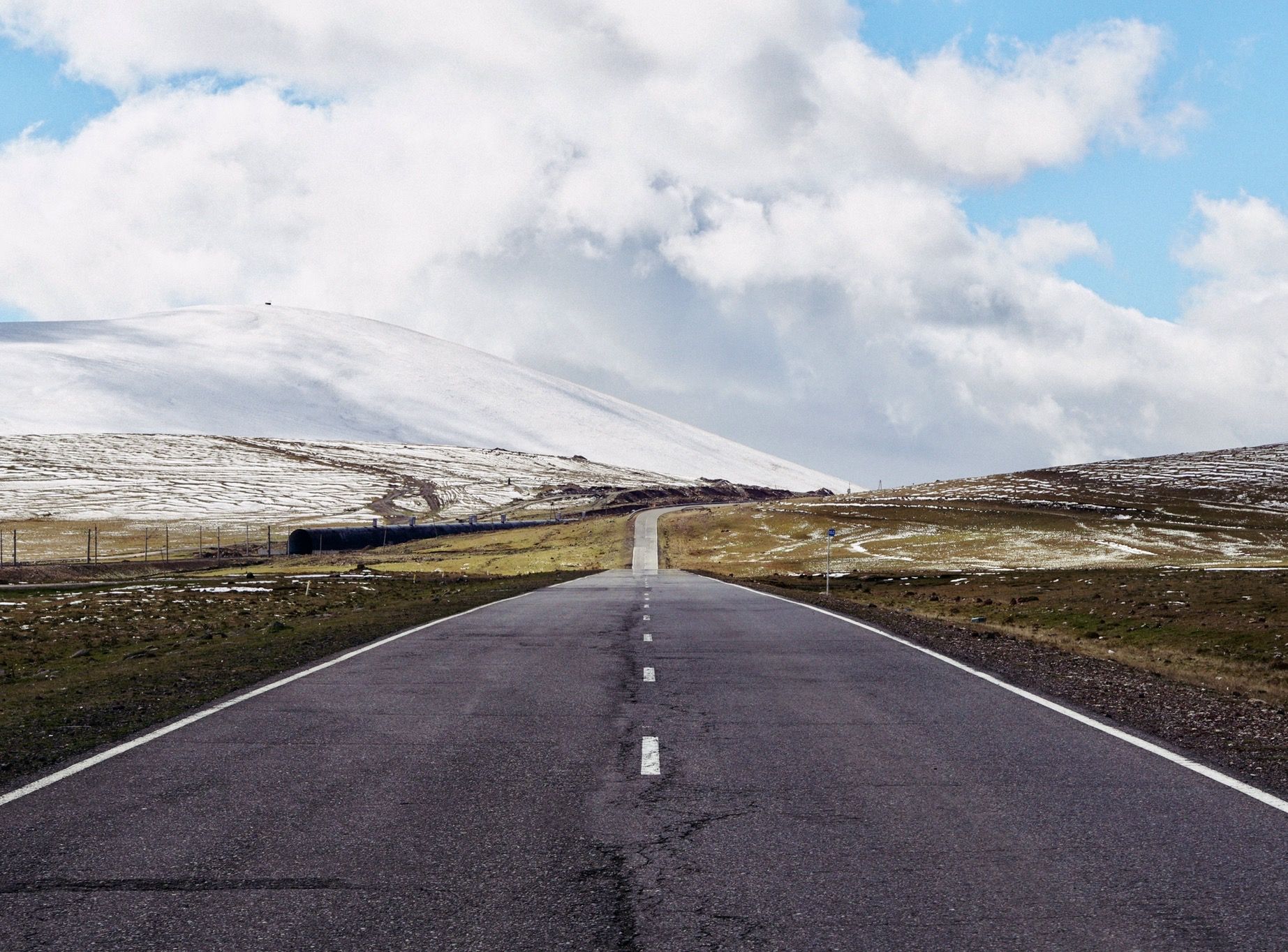
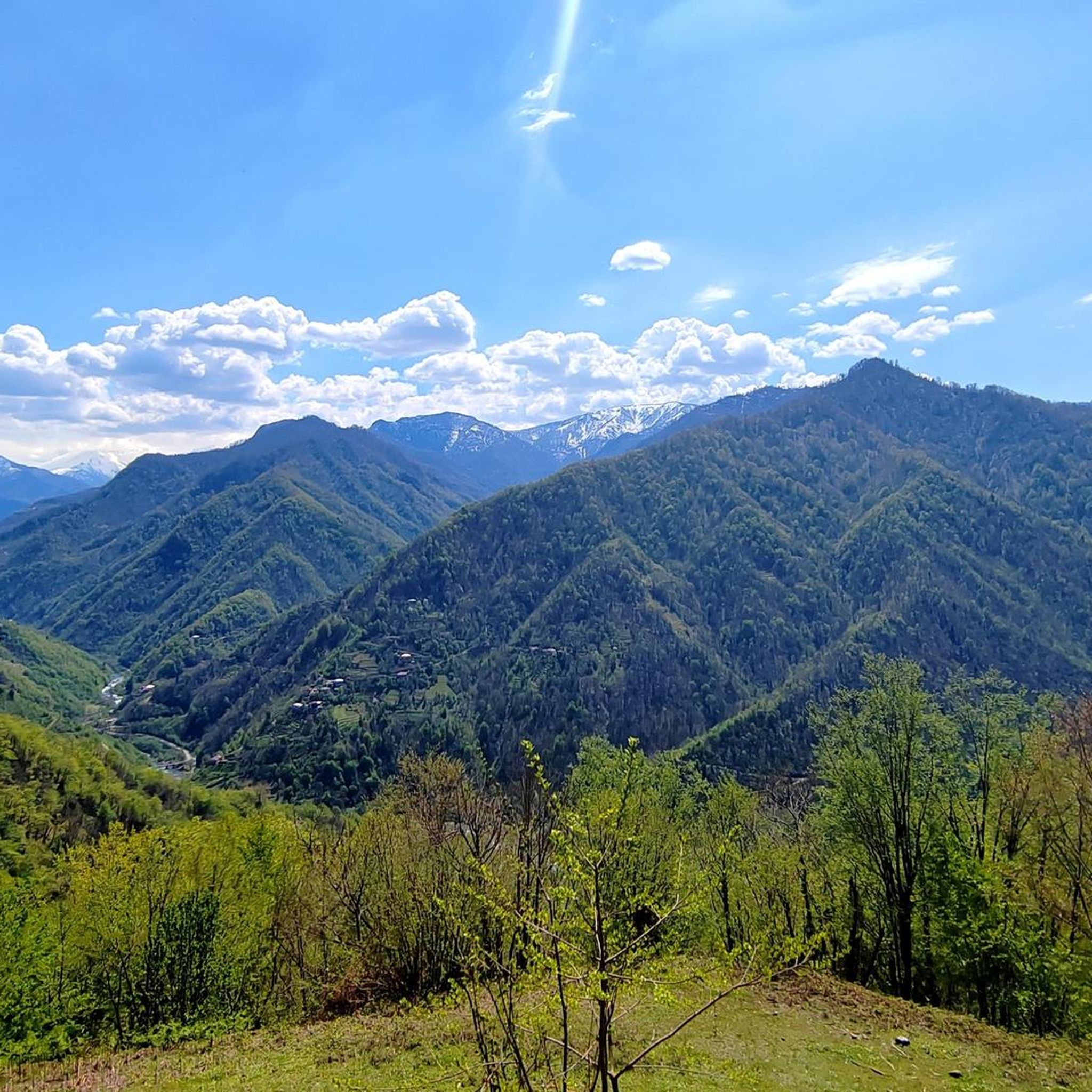
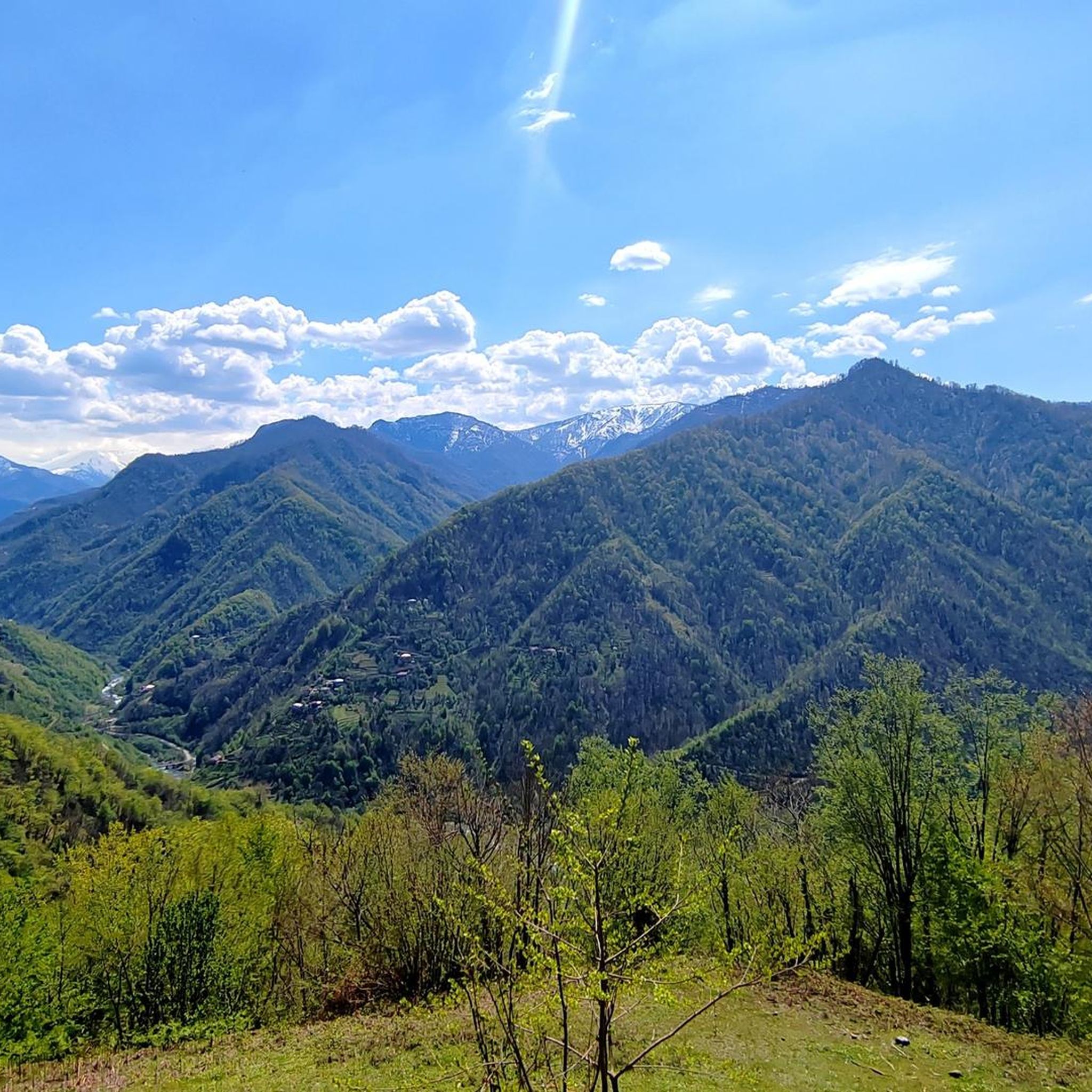
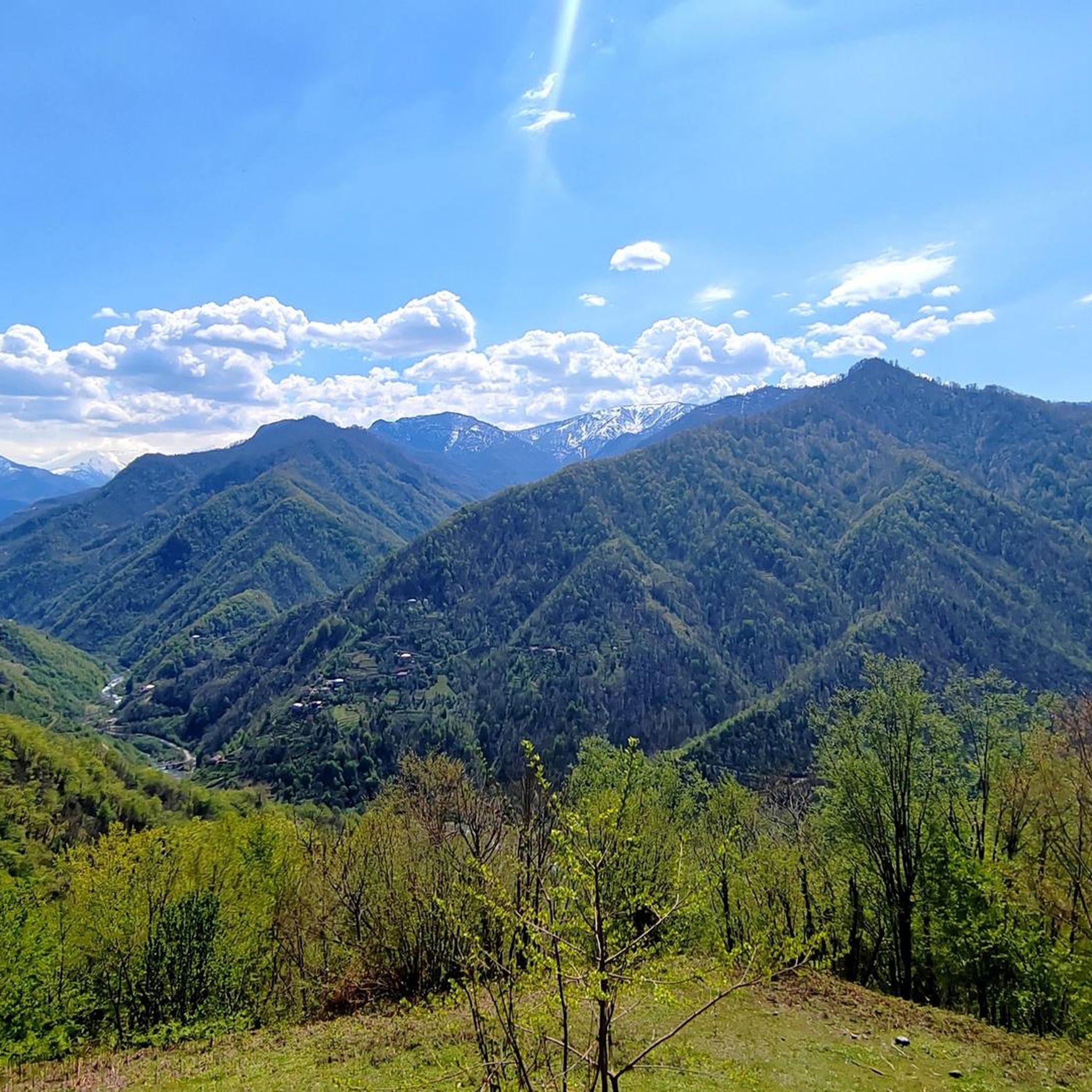
Other adventures in Autonomous Republic of Adjara

Tips from the Community

Beautiful and powerful waterfall with interesting road to it. The ideal time to start the route: around 11 am, to be at the waterfall by 2 pm, when the sun reaches it and illuminates it) The climb from the village of Dologani will not be easy, in some places there are bushes, but without thorns, quite a steep climb, but with excellent views. The path to the waterfall itself is also quite difficult and slippery, in some places littered with trees, you need poles and shoes with good grip. It is better to stop for a snack before the final descent to the lower waterfall, in the sun, when you see on the opposite side of the valley beautiful stone cliffs overgrown with greenery, high cliffs and a distant waterfall at the top (it is generally unlikely to approach it, but there is something to admire). At the Zundagi waterfall, where the trail will lead, you can go down a little further along the stream, there will be an excellent pool for swimming in the summer, as well as gorgeous views along the stream of huge boulders the size of a three-story house and a river running between them. The descent to the village of Zundagi is easy and pleasant)
2
0

Easy access place where you can bathe.
1
0
For an unforgettable hiking experience with friends or family, be sure to visit one of Ajara's most stunning waterfalls - Dandalo Waterfall. Situated in the village of Dandalo in Keda municipality, this beautiful destination is well worth the trip. Years ago, the path to the waterfall was quite perilous and risky for tourists and hikers. However, a 400-meter-long footpath has since been constructed, complete with a wooden structure, stairs, and railings. As a result, the area around Dandalo Waterfall has become a top trekking spot for people of all ages. The impressive Dandalo Waterfall cascades from a height of around 35-40 meters. Surrounded by verdant rocks and dotted with medium-sized boulders, the crystal clear water flows nearby. During the summer, a hike under the tree shade to cool off and relax is guaranteed to be one of the highlights of your journey.
0
0
Nice place for a hot summer day to sit and rest there for a while)
0
0

Some information boards about the fauna and flora, which can also be used for a break.
0
0

A furnished place for a bar or lounge that is empty during the off season There is also a small waterfall, impudent but kind dogs and, most importantly, a rock with a hole in it. The water is very clear and blue
1
0

The path to the waterfall leads through subtropical forest steeply along a ridge.
1
0
Frequently Asked Questions
What are some of the most prominent natural monuments in Autonomous Republic of Adjara?
The Autonomous Republic of Adjara is home to several remarkable natural monuments. Key highlights include the lush Mtirala National Park, known for its incredibly verdant Colchic forests and waterfalls like the 16-meter high Tsalbnari. Machakhela National Park offers a blend of dense forests and historical arch bridges. The Kintrishi Protected Areas are celebrated for their relict humid forests and diverse ecosystems, while the Goderdzi Petrified Forest Natural Monument provides a fascinating glimpse into ancient volcanic activity and petrified trees.
Are there family-friendly natural monuments or activities in Adjara?
Yes, several natural monuments in Adjara are suitable for families. Dandalo Waterfall, for instance, has a newly constructed 400-meter footpath with stairs and railings, making it accessible for all ages. Machakhela National Park features an Eco-Educational Site with information boards about local flora and fauna, perfect for a family break. The Natural Arch and Waterfall at Mtsvane Kontskhi Beach also offers a pleasant, family-friendly spot by the sea. For more options, consider exploring family-friendly hikes in the region.
What kind of hiking trails can I find near these natural monuments?
Adjara's natural monuments offer a variety of hiking experiences. Mtirala National Park has marked trails leading to waterfalls and a turquoise lake, with options for ziplining and canyoning. Kintrishi Protected Areas feature trails like the one-day 'Tamar's Arched Bridge' and the two-day 'Utkhovari and Tba Tbikeli' trails, suitable for hiking and horse riding. For specific routes, you can explore easy hikes or family-friendly hikes in the Autonomous Republic of Adjara, which include routes near highlights like Chakvistavi Waterfall.
When is the best time to visit the natural monuments in Adjara?
The active tourist season for many natural monuments in Adjara, such as Machakhela National Park, is from May to October. During these months, the weather is generally favorable for outdoor activities like hiking and exploring. Mtirala National Park, being one of the wettest areas in Europe, is incredibly lush during warmer months, but be prepared for rain. The Green Lake is best enjoyed when accessible, typically outside of heavy snow seasons.
What unique natural features or geological sites can I explore?
Adjara offers several unique natural and geological sites. The Goderdzi Petrified Forest Natural Monument is a rare geological site where ancient tropical forests were petrified by volcanic activity, preserving imprints of trees like palm and magnolia. Mtirala National Park is renowned for its Colchic rainforests, a UNESCO World Heritage site, and its exceptionally high rainfall. Kintrishi Protected Areas also boast relict humid forests and the stunning Lake Tbikeli at 2200 meters. Additionally, the Green Lake, situated at 2,058 meters, is notable for its distinct color and tranquil alpine setting.
Can I see waterfalls in the natural monuments of Adjara?
Yes, waterfalls are a prominent feature among Adjara's natural monuments. Mtirala National Park is home to the picturesque Tsalbnari waterfall. Zundagi Waterfall offers a powerful cascade with excellent pools for swimming in summer. Chakvistavi Waterfall is easily accessible and allows for bathing. Dandalo Waterfall, with its 35-40 meter drop, is another stunning option. You can also find a small waterfall at the Natural Arch and Waterfall at Mtsvane Kontskhi Beach.
What kind of wildlife can I expect to see in Adjara's protected areas?
The protected areas of Adjara are rich in biodiversity. Mtirala National Park is home to brown bears, roe deer, wild boars, and a variety of bird and amphibian species. It's also a crucial part of the 'Batumi bottleneck,' a migration route for over a million raptors annually. Kintrishi Protected Areas also host brown bears, wolves, lynxes, foxes, and numerous bird species. These parks offer excellent opportunities for wildlife spotting, especially for birdwatchers.
Are there any historical or cultural sites within or near the natural monuments?
Yes, Machakhela National Park, in particular, is rich in historical and cultural monuments. Within the park, you can find ruins of fortresses, ancient arch bridges like Tskhemlara, Chomakhisuri, and Chkheri Arch Bridges, and traditional winepresses. The local villages are known for gunsmithing and winemaking, and you can visit the Machakhela History and Ethnography Museum. Kintrishi Protected Areas also feature medieval arched bridges and historical ruins, blending natural beauty with cultural heritage.
What outdoor activities, besides hiking, are available near these natural monuments?
Beyond hiking, visitors can enjoy a range of outdoor activities. Mtirala National Park offers ziplining, canyoning, and horse riding. The Green Lake is a tranquil spot perfect for picnics. The coastal areas, such as Mtsvane Kontskhi Beach, provide opportunities for enjoying the sea. For cycling enthusiasts, there are various routes available in the region, including cycling tours in Autonomous Republic of Adjara.
What do visitors enjoy most about the natural monuments in Adjara?
Visitors frequently praise the stunning natural beauty and tranquility of Adjara's natural monuments. Many appreciate the lush, almost tropical forests of Mtirala, the unique geological formations of the Goderdzi Petrified Forest, and the serene atmosphere of places like the Green Lake. The opportunity for refreshing dips in waterfalls, such as Zundagi Waterfall, and the well-maintained paths at sites like Dandalo Waterfall, are also highly valued for creating memorable outdoor experiences.
Is public transport available to reach the natural parks in Adjara?
While specific public transport routes can vary, visitor centers for major parks like Mtirala National Park (in Chakvistavi village) often serve as access points and can provide information on local transport options. It's advisable to check local schedules or consider hiring a taxi or private transfer for direct access to some of the more remote natural monuments. Parking is generally available at visitor centers and popular trailheads.
Most popular routes in Autonomous Republic of Adjara
Most popular attractions in Autonomous Republic of Adjara

Get inspired with the komoot mobile app


Explore more
Extend your search for the best caves by checking out these guides of the top ones in Autonomous Republic of Adjara:
