Top 20 Natural Monuments in Epirus
Best natural monuments in Epirus are found within a region of northwestern Greece known for its diverse and spectacular natural landscapes. This area offers a wealth of natural monuments, captivating visitors with unique features and opportunities for outdoor exploration. The Pindus Mountains, deep gorges, and pristine rivers characterize the region's geography. Epirus provides a blend of natural wonders and cultural sites, including traditional villages and historical structures.
Best natural monuments in Epirus
- The most popular natural monuments is Kleidonia Stone…
Last updated: July 23, 2026
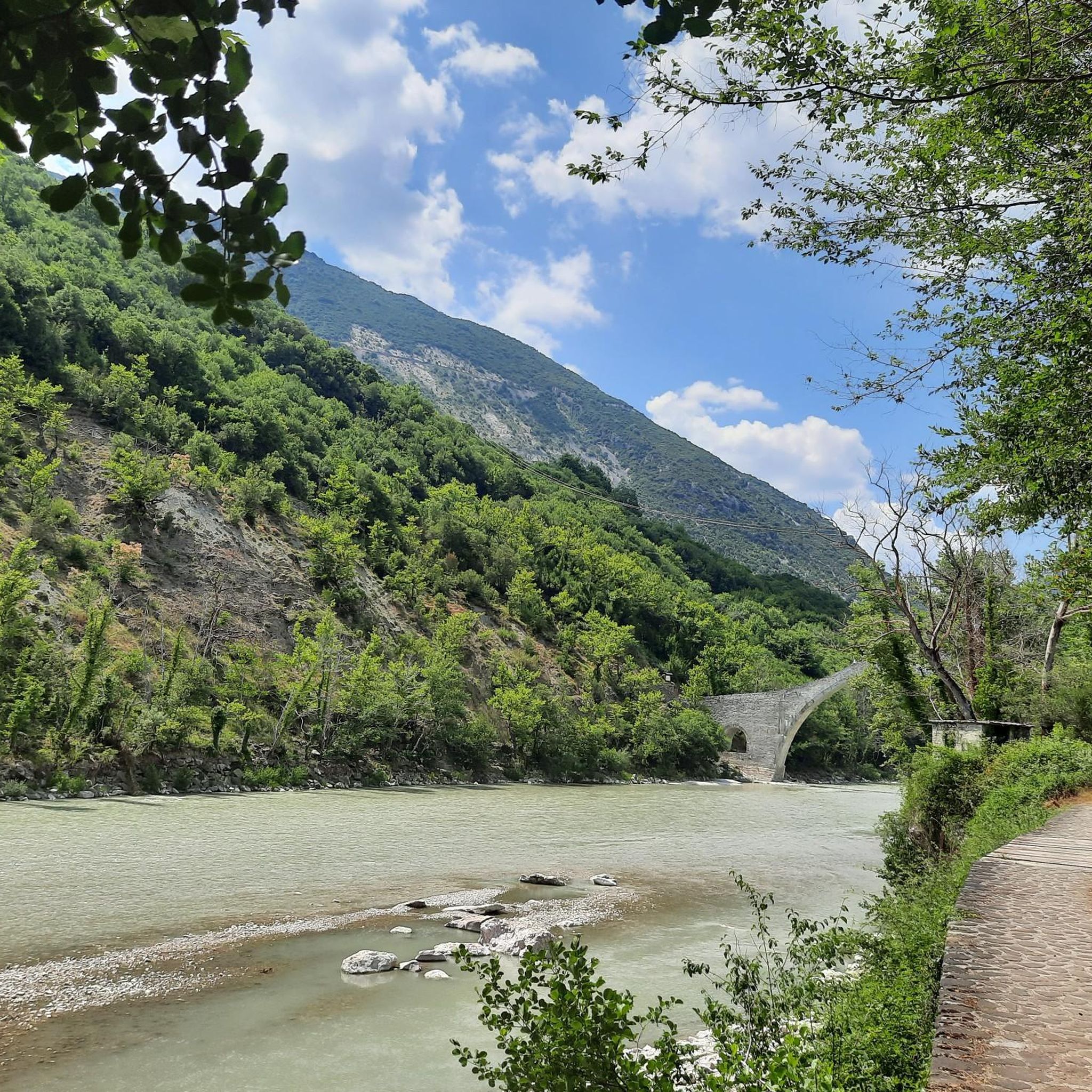
Kleidonia Stone Bridge
Highlight • Bridge
Historically, this …
Tip by

Acheron River
Highlight • River
Translated by Google •
Tip by

Sign up now to discover places like this
Get recommendations on the best single tracks, peaks, & plenty of other exciting outdoor places.
Sign up for free
Voidomatis River
Highlight • River
Tip by
Zalongo Monument
Highlight • Monument
Translated by Google •
Tip by

Drakolimni of Tymfi
Highlight • Lake
Translated by Google •
Tip by

Descent into Vikos Gorge
Highlight (Segment) • Gorge
Tip by

Vikos Gorge
Highlight • Gorge
Translated by Google •
Tip by

View of the Vikos Gorge from the Beloi viewpoint
Highlight • Viewpoint
Translated by Google •
Tip by

Rock Passage to Beloi Balcony
Highlight • Gorge
Translated by Google •
Tip by
Dragon Lake of Tymfi
Highlight • Lake
Translated by Google •
Tip by

Sign up for free to discover even more natural monuments in Epirus.
Sign up for free
Already have an account?
Start today with a free account
Your next adventure awaits.
Login or Signup

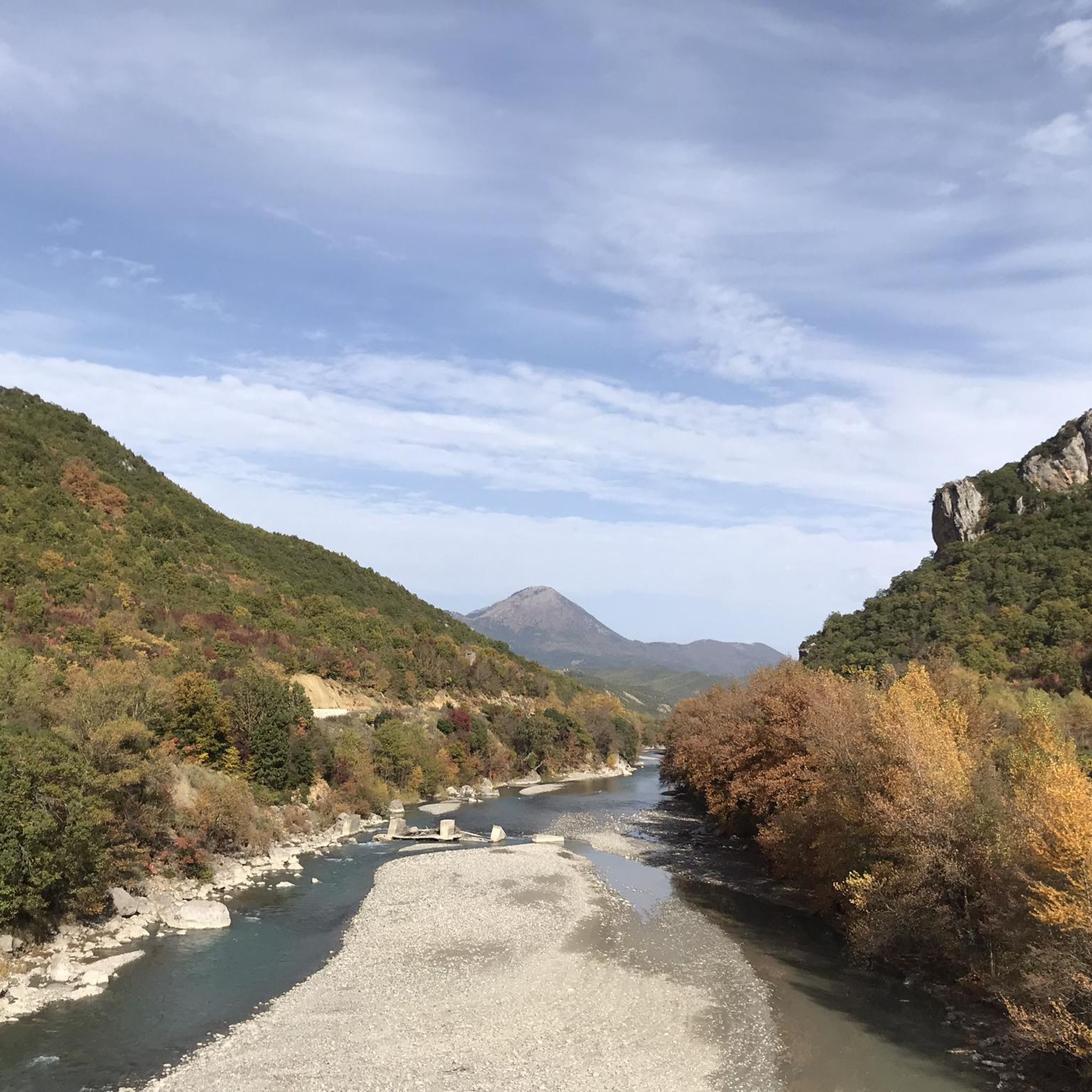
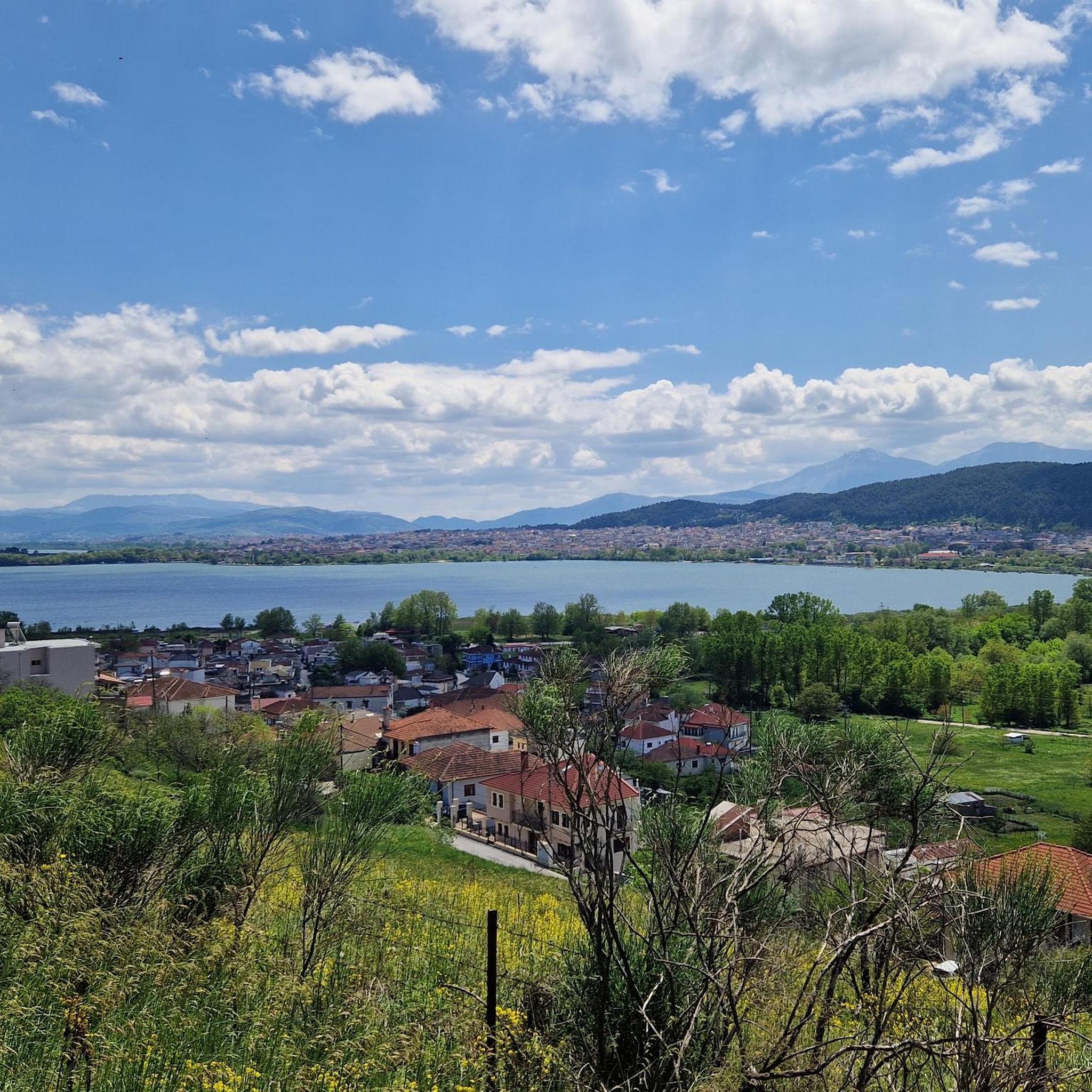



Tips from the Community

In the worldview of pre-Christian Greece, the Acheron River was significant as a river of the dead: in mythology, Charon, the ferryman to the underworld, lived on its banks. At burial, a coin was placed on each of the deceased's eyes; this was Charon's payment for safely crossing the river.
0
0

Anyone who isn't afraid to climb the more than 400 steps from the Agios Dimitrios Monastery will reach the extraordinary monument of Zalango. It is both a memorial to the desperate resistance of the Greek people against Ottoman tyranny and a symbol of freedom and self-determination. In 1803, women and children threw themselves into the abyss from here, singing and dancing, in a hopeless escape from the troops of the Ottoman ruler Ali Pasha. https://www.in-griechenland.de/Festland_Epirus_Zalongo.html
0
0

Bridge is a bit further than pictured
1
0

The location of the bridge is about 350m further west than shown here.
1
0

A short, steep climb up the stairs rewards you with a fantastic view. The background to the monument, however, is a sad one.
0
0
It is very pleasant to walk through the cool Acheron in this beautiful gorge.
0
0

The spring flows directly below the hiking trail into the river, where the water is always clear.
0
0
Unique view, the most beautiful of the Vikos Gorge.
0
1
Frequently Asked Questions
What unique natural features can I explore in Epirus?
Epirus offers a diverse range of natural features. You can explore the dramatic depths of the Vikos Gorge, known as one of the world's deepest canyons, or wander along the mythical Acheron River. The region also features the unique limestone formations of the Stone Forest of Zagori, the subterranean wonders of Perama Cave, and the serene beauty of Lake Pamvotida.
Are there any natural monuments in Epirus with historical significance?
Yes, several natural monuments in Epirus are intertwined with history. The Kleidonia Stone Bridge, an 18th-century marvel, is a testament to historical craftsmanship and played a vital role in local transportation. The Acheron River is famously known in Greek mythology as one of the rivers leading to the underworld. Additionally, the Zalongo Monument, while man-made, is situated in a significant natural setting and commemorates a historical event.
What outdoor activities can I do near Epirus's natural monuments?
Epirus is an excellent destination for outdoor enthusiasts. Near the Acheron River, you can enjoy walking along its pristine waters, river rafting, or horseback riding. The Vikos Gorge and the surrounding Vikos-Aoös National Park offer challenging hikes and mountaineering opportunities. The Drakolimni (Dragon Lakes) provide a breathtaking backdrop for mountaineering and hiking. For more general activities, you can find various easy hikes, running trails, and road cycling routes throughout Epirus.
Are there family-friendly natural monuments in Epirus?
Many natural monuments in Epirus can be enjoyed by families. Walking along the Acheron River from Gliki is a popular and relatively easy activity. Exploring the Kleidonia Stone Bridge and its surroundings offers a pleasant outing. Perama Cave provides an engaging guided tour into geological history, suitable for curious minds. For easy hikes, consider routes like the Acheron River – Rock Tunnel Entrance loop.
Where can I find the best viewpoints of Epirus's natural landscapes?
For unparalleled views, the Vikos Gorge offers stunning vistas from viewpoints like Oxia and Beloi. The Rock Passage to Beloi Balcony is a specific highlight for a spectacular gorge view. The Drakolimni (Dragon Lakes), such as Drakolimni of Tymfi, also provide breathtaking mountain scenery.
Can I go wild swimming in Epirus's natural waters?
Yes, the crystal-clear waters of the Acheron River are popular for wild swimming, especially during warmer months. Visitors often wade through its icy streams. The Voidomatis River, which flows through the Vikos Gorge, is also known for its exceptionally clean and cold waters, offering refreshing dips.
What is the best time to visit Epirus for exploring its natural monuments?
The best time to visit Epirus for exploring its natural monuments is generally from spring to autumn (April to October). Spring offers lush greenery and flowing rivers, while summer is ideal for water activities like those in the Acheron River. Autumn brings vibrant foliage, particularly beautiful in areas like the Vikos Gorge. Winter can be challenging due to snow in mountainous areas, but offers a unique, serene experience for those prepared.
Are there any caves to explore in Epirus?
Yes, Epirus is home to fascinating subterranean natural monuments. Perama Cave, near Ioannina, is a well-known attraction featuring unique stalactites and stalagmites. Additionally, the Cave in Pindus National Park offers another opportunity to explore the region's geological formations.
What makes the Drakolimni (Dragon Lakes) unique?
The Drakolimni, or Dragon Lakes, are mythical mountain lakes found in the Pindus range, with Drakolimni of Tymfi being particularly famous. Local folklore suggests dragons inhabited these lakes, shaping the landscape. They are known for their singular beauty, high-altitude location (around 2050 m), and the presence of mountain newts, making them a popular trekking destination.
What can I expect when visiting the Vikos Gorge?
Visiting the Vikos Gorge offers an experience of dramatic natural grandeur. It's often cited as the world's deepest gorge in proportion to its width, with depths reaching nearly 1,000 meters. You can admire its steep cliffs from viewpoints like Oxia and Beloi, or embark on challenging hikes along the Voidomatis River at its base. The surrounding area is part of the Vikos-Aoös National Park, rich with forests and traditional stone villages.
Are there any natural monuments in Epirus that are part of a national park?
Yes, the Vikos Gorge is a central feature of the Vikos-Aoös National Park, which is also a UNESCO Global Geopark. This park protects a vast area of the Pindus Mountains, including the Voidomatis River and various other natural wonders. Tzoumerka National Park is another significant protected area, encompassing gorges, rivers, waterfalls, and caves.
What do visitors enjoy most about Epirus's natural monuments?
Visitors frequently praise the stunning natural beauty and the sense of adventure Epirus offers. Many highlight the refreshing experience of wading through the Acheron River on a hot day, the awe-inspiring views from the Vikos Gorge, and the unique geological formations. The blend of challenging hikes and serene landscapes, along with the rich history and folklore, makes for a memorable experience.
Most popular routes in Epirus
Most popular attractions in Epirus

Get inspired with the komoot mobile app


Didn’t find what you were looking for?
Find even more amazing natural monuments in Epirus by checking out the top Highlights region by region:
Explore more
Extend your search for the best caves by checking out these guides of the top ones in Epirus:
