Top 10 Natural Monuments in Fljótsdalshreppur
Best natural monuments in Fljótsdalshreppur are characterized by impressive waterfalls and unique geological formations. This sparsely populated municipality in Iceland is part of the Vatnajökull National Park, offering diverse natural features. The region's landscape includes towering waterfalls and distinctive basalt columns. These natural monuments provide a glimpse into Iceland's geological history and offer opportunities for exploration.
Best natural monuments in Fljótsdalshreppur
- The most popular natural monuments is Hengifoss Waterfall, a waterfall that is one of Iceland's highest, cascading 118…
Last updated: May 13, 2026
Hengifoss Waterfall
Highlight • Waterfall
Translated by Google •
Tip by

Litlanesfoss Waterfall
Highlight • Waterfall
Tip by

Sign up now to discover places like this
Get recommendations on the best single tracks, peaks, & plenty of other exciting outdoor places.
Sign up for free
Hengifoss Waterfall
Highlight • Waterfall
Translated by Google •
Tip by

Faxi Falls
Highlight • Waterfall
Translated by Google •
Tip by

Laugerfell Hut and Hot Springs
Highlight • Mountain Hut
Translated by Google •
Tip by

Viewpoint - basalt columns (left bank)
Highlight • Viewpoint
Translated by Google •
Tip by
Kirkjufoss Waterfall
Highlight • Waterfall
Translated by Google •
Tip by

Minifoss Waterfall
Highlight • Waterfall
Translated by Google •
Tip by
First Waterfall on the Hiking Loop
Highlight • Waterfall
Translated by Google •
Tip by
View of Hafrahvammagljúfur Canyon and the Vatnajökull Glaciers
Highlight • Viewpoint
Translated by Google •
Tip by
Start today with a free account
Your next adventure awaits.
Login or Signup
Popular around Fljótsdalshreppur
Tips from the Community

It's called Laugarfell and is a cute little place with wonderful Icelandic food (half board should be booked as it's worth every cent). The small hot pot is magical in the evening under the starry sky with an unobstructed view of the landscape with snow-capped mountain peaks... the silence is only interrupted by the occasional sheep bell 😊
0
1

At Litlanesfoss, halfway along the trail, you can see the basalt columns very clearly.
0
0

Another viewpoint marked on the map. This point is on the orographic left bank. The iconic basalt columns can also be admired here.
9
0
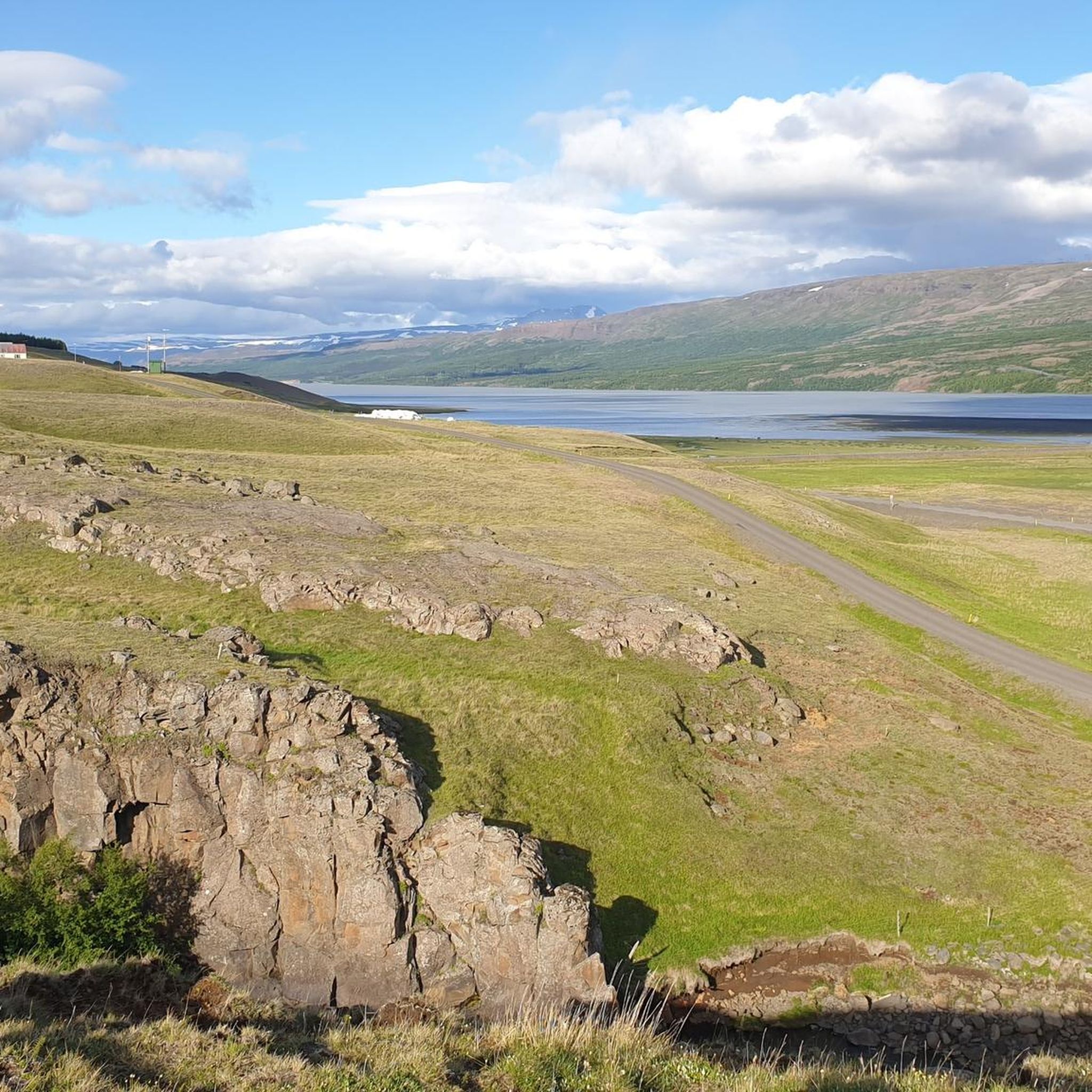
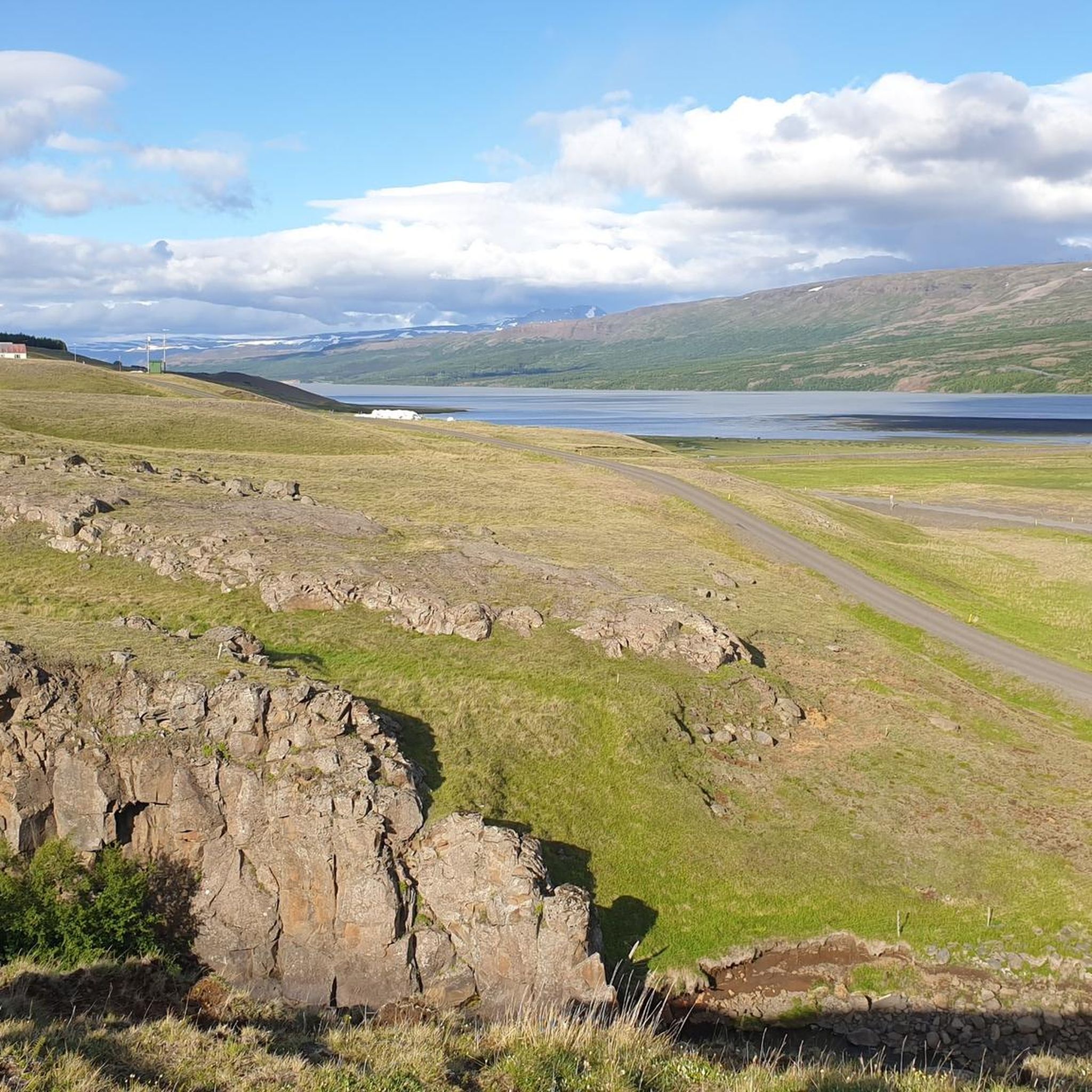
The narrow Hengafoss ("hanging waterfall") is one of the highest in the country (120m). He comes from a plateau along a black and red striped wall and digs out a small ravine with a deafening sound. During the descent you have a beautiful view of the lake.
7
0
After barely one kilometer of climbing through sparse but varied vegetation you reach Litanesfoss, which is surrounded by basalt columns running in all directions
1
0
About half the climb you can already have a good look into the gorge at the Litlanesfoss, surrounded by gray-brown and black basalt columns. The cause of the polygonal column formation, which was exposed here by the water, were shrinkage and expansion cracks during the cooling phase of the lava.
2
0

The mountain hut is a good base for hikes to the waterfalls. For an overnight stay you should make a booking in good time via the homepage.
3
0
Frequently Asked Questions
What are the most prominent natural features to see in Fljótsdalshreppur?
Fljótsdalshreppur is renowned for its impressive waterfalls and unique geological formations, particularly towering basalt columns. Key features include the dramatic Hengifoss Waterfall with its distinct red and black striped rock wall, and Litlanesfoss Waterfall, framed by some of the tallest basalt columns in Iceland.
Are there hiking opportunities near the natural monuments in Fljótsdalshreppur?
Yes, Fljótsdalshreppur offers a variety of hiking trails. For example, the path to Hengifoss Waterfall often includes a stop at Litlanesfoss Waterfall. You can find more detailed routes and options in the Hiking in Fljótsdalshreppur guide.
What is the difficulty level of hiking trails to these natural monuments?
Many trails, such as the popular route to Hengifoss and Litlanesfoss, are considered moderate. They require good shoes and can be a longer hike. There are also easy hikes available in the region, particularly around Hallormsstaður Arboretum.
What makes Hengifoss Waterfall unique?
Hengifoss is one of Iceland's highest waterfalls, cascading 118 meters. Its most striking feature is the black and red striped rock wall behind it, composed of reddish, grainy layers of clay formed from volcanic ash, with the red color coming from iron oxide. This creates a visually spectacular contrast.
Where can I see impressive basalt columns in Fljótsdalshreppur?
The most notable place to see basalt columns is at Litlanesfoss Waterfall. The columns here can reach up to 20 meters high, making them among the tallest in Iceland. Faxi Falls also features basalt columns framing parts of the waterfall.
Are there any family-friendly natural monuments or activities in the area?
While the hike to Hengifoss and Litlanesfoss is popular, some sections can be challenging. For easier options, consider the easy hikes in Fljótsdalshreppur, such as those around Hallormsstaður Arboretum, which offer gentle paths suitable for families.
What is the best time to visit the natural monuments in Fljótsdalshreppur?
The summer months typically offer the most favorable weather conditions for exploring, with longer daylight hours and milder temperatures. However, the region's natural beauty, including the waterfalls and geological formations, can be appreciated in different seasons, with winter offering a unique, snow-covered landscape.
What other waterfalls can be found in Fljótsdalshreppur besides Hengifoss and Litlanesfoss?
Beyond the well-known ones, Fljótsdalshreppur is home to several other beautiful waterfalls. These include Faxi Falls, known for its very blue water, the majestic Strútsfoss, Kirkjufoss Waterfall, and Minifoss Waterfall.
Can I find hot springs or huts near the natural monuments?
Yes, the region offers some amenities for visitors. For example, the Laugerfell Hut and Hot Springs provide a place for rest and relaxation amidst the natural surroundings.
What do visitors particularly enjoy about the natural monuments in Fljótsdalshreppur?
Visitors frequently highlight the impressive rock formations, the powerful sound of the waterfalls, and the vibrant colors of the landscape. The contrast of the red and black rock strata at Hengifoss and the symmetrical basalt columns at Litlanesfoss are often mentioned as visually spectacular. The views during the walks are also highly appreciated.
Are there opportunities for running near the natural monuments?
Yes, the area around Fljótsdalshreppur also offers trails suitable for running. You can explore various routes, including those with views of Lake Lagarfljót. More details can be found in the Running Trails in Fljótsdalshreppur guide.
Most popular routes in Fljótsdalshreppur
Most popular attractions in Fljótsdalshreppur

Get inspired with the komoot mobile app


Explore more
Extend your search for the best caves by checking out these guides of the top ones in Fljótsdalshreppur:
