Top 5 Natural Monuments in Latgale
Best natural monuments in Latgale showcase the region's diverse landscapes, characterized by numerous lakes and unique geological formations. This area, often referred to as the "Land of Blue Lakes," features ancient river valleys, significant boulders, and historical sites integrated with natural settings. Visitors can explore a variety of natural attractions, from deep lakes to protected bogs and river meanders. The region offers opportunities to experience distinct ecosystems and geological features.
Best natural monuments in Latgale
- The most popular natural monuments…
Last updated: July 23, 2026
Square of Eternal Glory
Highlight • Monument
Almost forty years ago, on the Red Army Street (now 18 Novembra), opposite the 2nd Secondary School (now the Russian Lyceum), where 25 years …
Translated by Google •
Tip by

Jersika Hillfort
Highlight • Historical Site
Tip by

Sign up now to discover places like this
Get recommendations on the best single tracks, peaks, & plenty of other exciting outdoor places.
Sign up for free
The Holy Spring of Aglona
Highlight • Natural Monument
Translated by Google •
Tip by

Nīcgale Boulder
Highlight • Natural Monument
Next to it is nice picnic area with firewood and gazebo
Tip by
Plisūns secular stone
Highlight • Natural Monument
Tip by
Motrine Lake
Highlight • Lake
Tip by
Start today with a free account
Your next adventure awaits.
Login or Signup
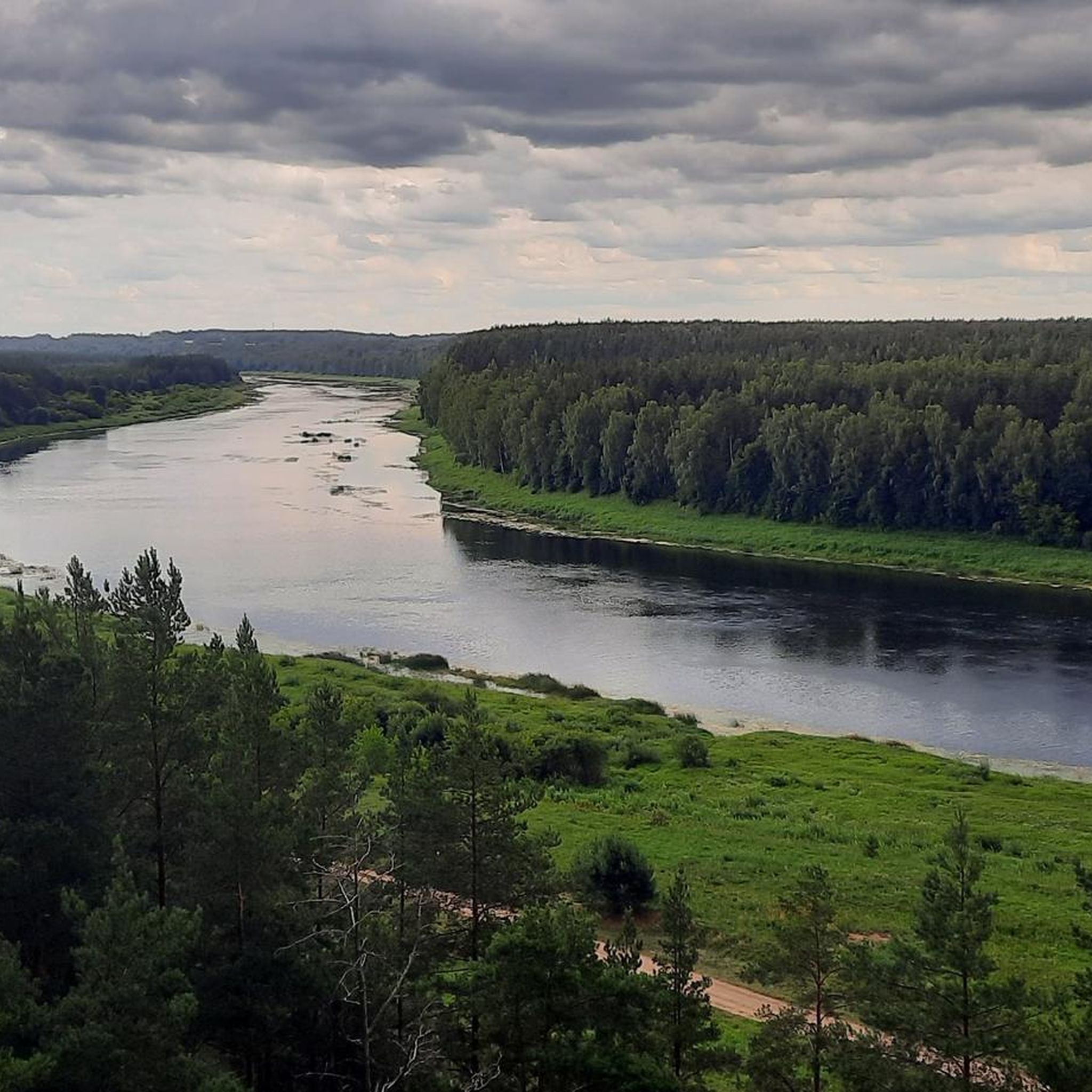

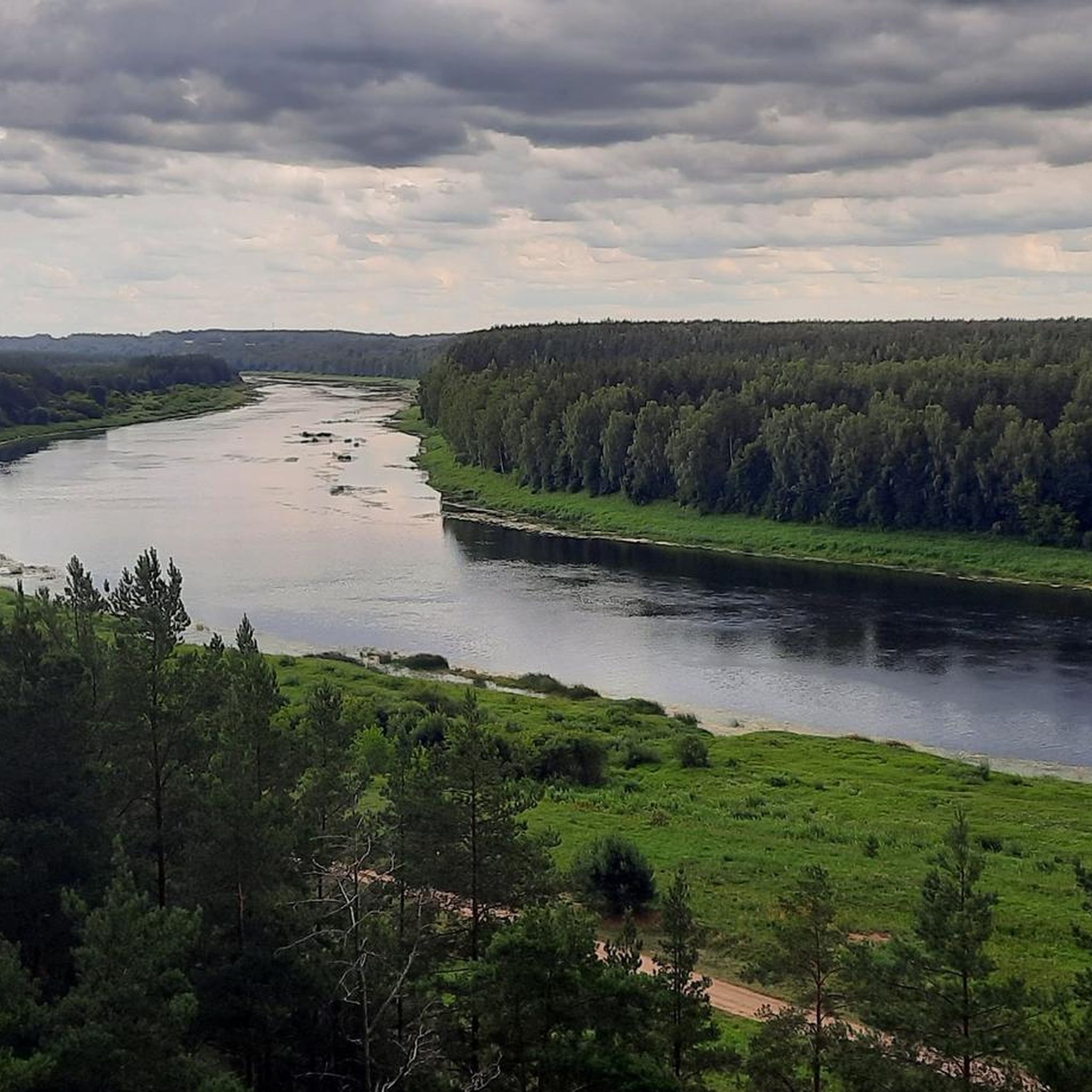
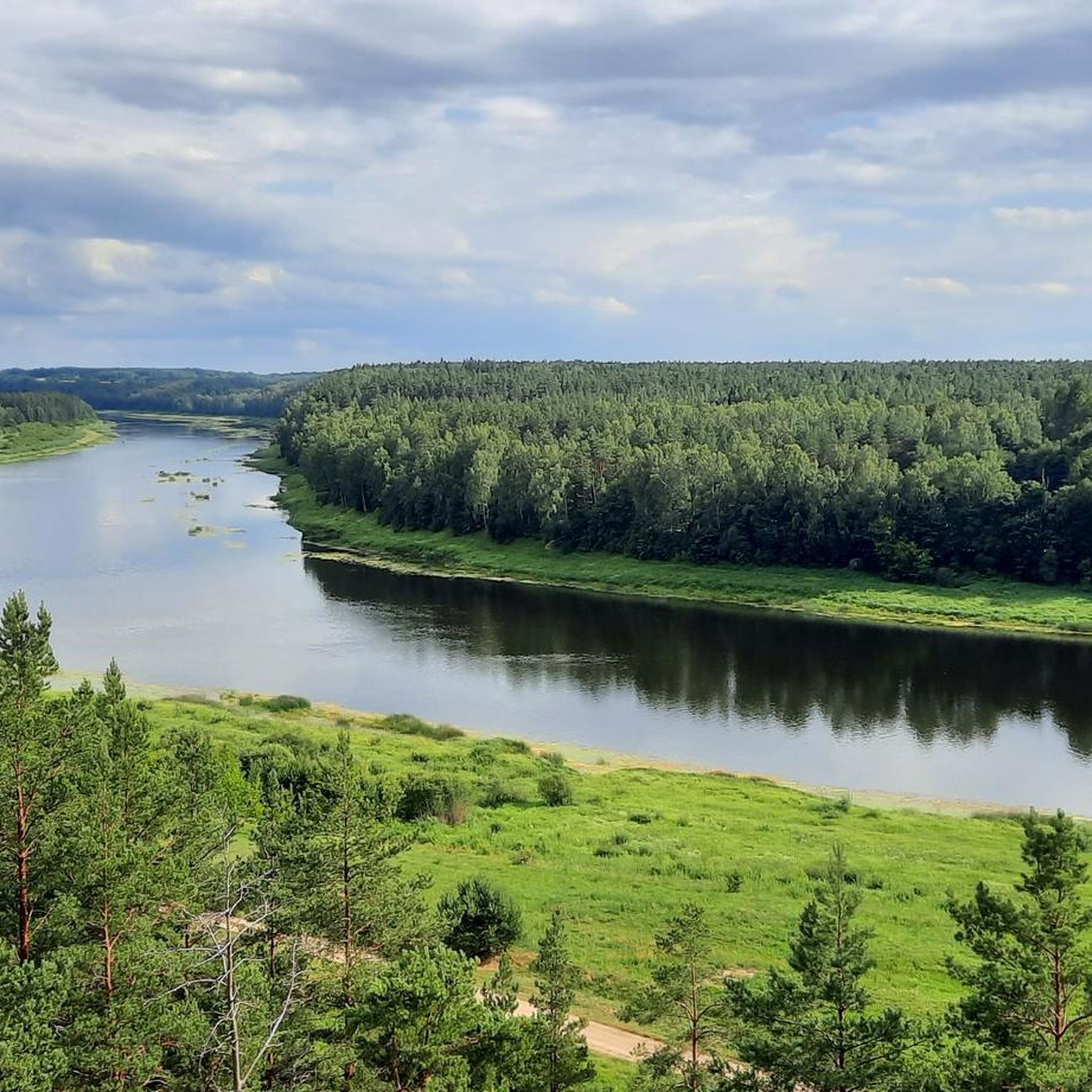


Tips from the Community

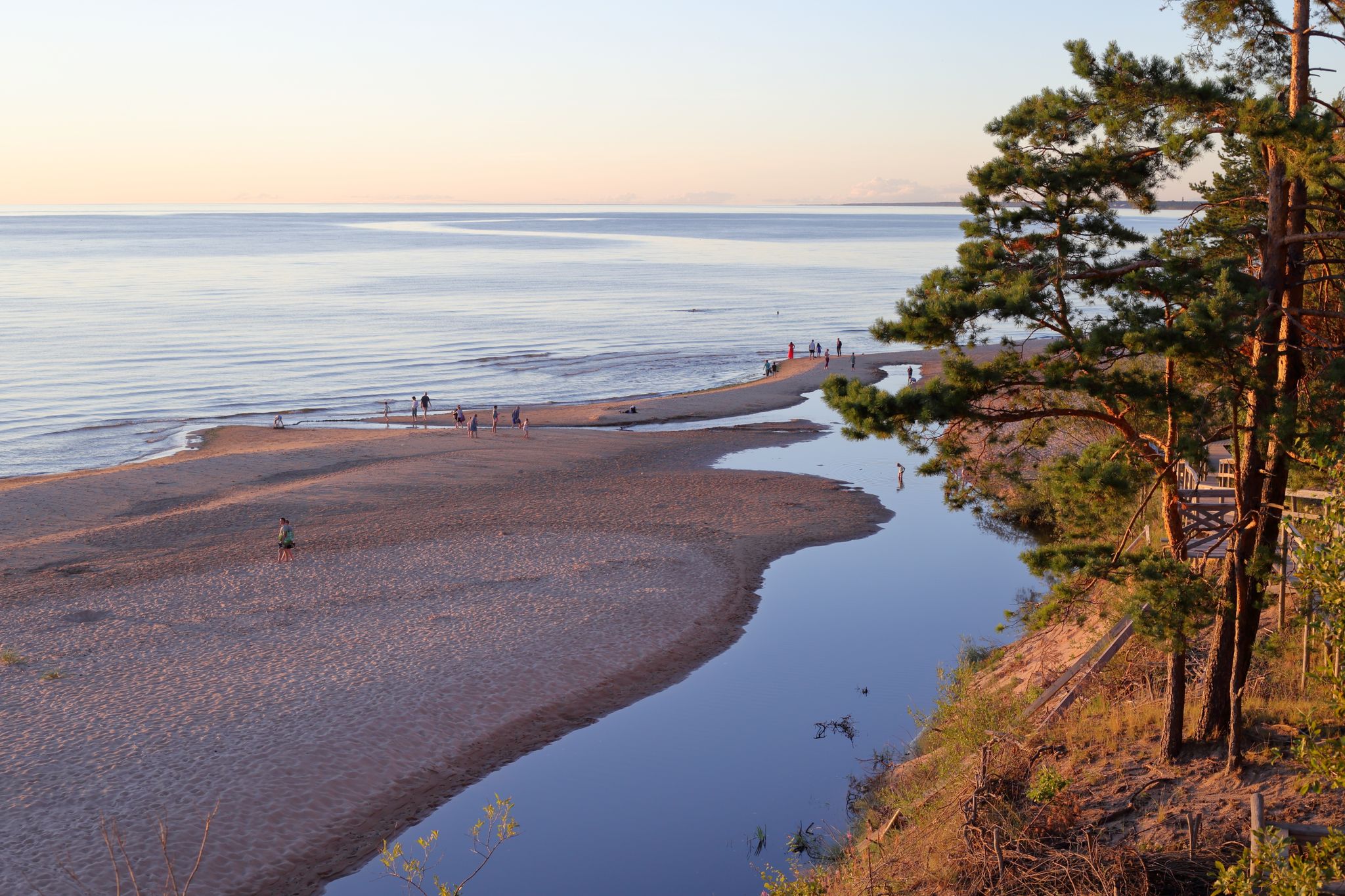
Natura 2000 territory with rare plants and protected species around the lake. A rest area, place for picnic.
0
0
A protected geological object since 1977. Witness of the Glacial period. On the shore of Lake Plisūnas has impressive dimensions – 5.2 x 5.1 x 2.6 m, circumference – 17 m.
0
0
Big boulder of Nicgale is the biggest known boulder in Latvia. Next to it is nice picnic area with firewood and gazebo
0
0
The chronicle describes it as a rich fortified city with gates, Orthodox churches with bells and holy images, and the castle had silver jewelry and purple. In 1209, it was taken by Bishop Albert, and in 1212, in the Jersika Castle, Bishop Albert and Prince Valdemar of Polotsk concluded a treaty of friendship and trade, by which the Polotsk state renounced its rights to Letija and Livland in favor of the Livonian Diocese and “closed” the Daugava trade route to German merchants.
0
0

Behind the Basilica of Aglona, there is a spring that was considered miraculous. Even today, people regularly come here to fill their bottles and canisters with the special water. It tastes pleasant.
0
0

Second World War 1939-1945, war memorial. Almost forty years ago, on the Red Army Street (now 18 Novembra), opposite the 2nd Secondary School (now the Russian Lyceum), where 25 years ago the city ruins lay, the Square of Eternal Glory was inaugurated. The square covers an area of 17 thousand square meters, in its center is a memorial consisting of a monument, an obelisk and plates, where military units and formations, named "Dvinskys", are immortalized. A three-edged obelisk 26 meters in height and 5 tons in weight was made of stainless steel. A granite monument, which our people called "head", was made by the famous Leningrad sculptor Alexander Nikolayevich Chernitsky (like the monument to Lenin, once standing on the Central Square). In order to make flower gardens and lawns in the Garden of Fame, 7 thousand cubic meters of land were imported. Under the strict guidance of the master of the "green economy" Rasmy Eglite planted about 7 thousand flowers, of which - more than 5 thousand exotic cannon. At 12 noon on July 27, 1969, under the salvos of weapons salute, the deserved Daugavpils, among whom Heroes of the Soviet Union Dokuchaev and Vasiliev, Hero of Socialist Labor Belchenko, removed the cover from the monument. The roll call began. There were the names of Chinny, Moroz, Lagodiuk, Orlovsky, Egoshin, Igashov, and every time the right-flank answered: "He died the death of the brave." In the hearts of those who stood in the Square of Glory, the bitter memory of the military hard times and the joy of victory were still alive. With tears in their eyes, people listened to the heartfelt speeches of the combined choir led by Stanislav Brock, the vocal ensemble "Daina" under the leadership of Theresia Brock, the brass band DATU. "Head" in the Square of glory did not last long, a year later it moved to the Fortress, then - to the Garrison Cemetery. In 1970, the sculptor Chernitsky's monument was replaced by a 14-meter relief copper ring by the sculptor Indulis Folkmanis. In August 2006, the last reconstruction of the Square of Fame took place, costing the city 125 thousand lats. "Our Newspaper" thanks the State Inspectorate for the Protection of Cultural Monuments for assistance in the preparation of materials. http://old.nasha.lv/eng/novosti/ng/istorija/gazeta-2007-07-26/7531.html
0
0
Frequently Asked Questions
What unique natural features can I explore in Latgale's natural monuments?
Latgale, often called the "Land of Blue Lakes," offers diverse natural features. You can explore ancient river valleys with dramatic meanders like the Daugavas Loki Nature Park, deep lakes such as Lake Drīdzis (Latvia's deepest), and unique wetland ecosystems like the Teirumnieki Bog Trail. The region also features significant geological formations, including large boulders like the Nīcgale Boulder and the Plisūns secular stone.
Are there any natural monuments in Latgale with historical or cultural significance?
Yes, several natural monuments in Latgale are intertwined with history and culture. The Jersika Hillfort is a historical site offering views of the natural landscape, featuring remains of a fortified city. Additionally, The Holy Spring of Aglona is a natural spring located behind the Basilica of Aglona, known for its refreshing water and considered miraculous by many. Lake Čertoks (Devil's Lake) is also steeped in local myths and legends.
What outdoor activities are available near Latgale's natural monuments?
The natural monuments in Latgale are excellent starting points for various outdoor activities. You can find numerous routes for cycling, mountain biking, and gravel biking. For instance, you can explore trails around lakes or through forests. For more detailed routes and options, check out the MTB Trails in Latgale, Cycling in Latgale, and Gravel biking in Latgale guides.
Are there family-friendly natural monuments in Latgale?
Absolutely. Many natural monuments in Latgale are suitable for families. The Nīcgale Boulder has a picnic area with firewood and a gazebo, perfect for a family outing. The Holy Spring of Aglona is also considered family-friendly. The Teirumnieki Bog Trail offers an accessible, circular boardwalk, making it an easy and engaging walk for all ages. Motrine Lake is another family-friendly option.
Which natural monuments in Latgale offer the best scenic viewpoints?
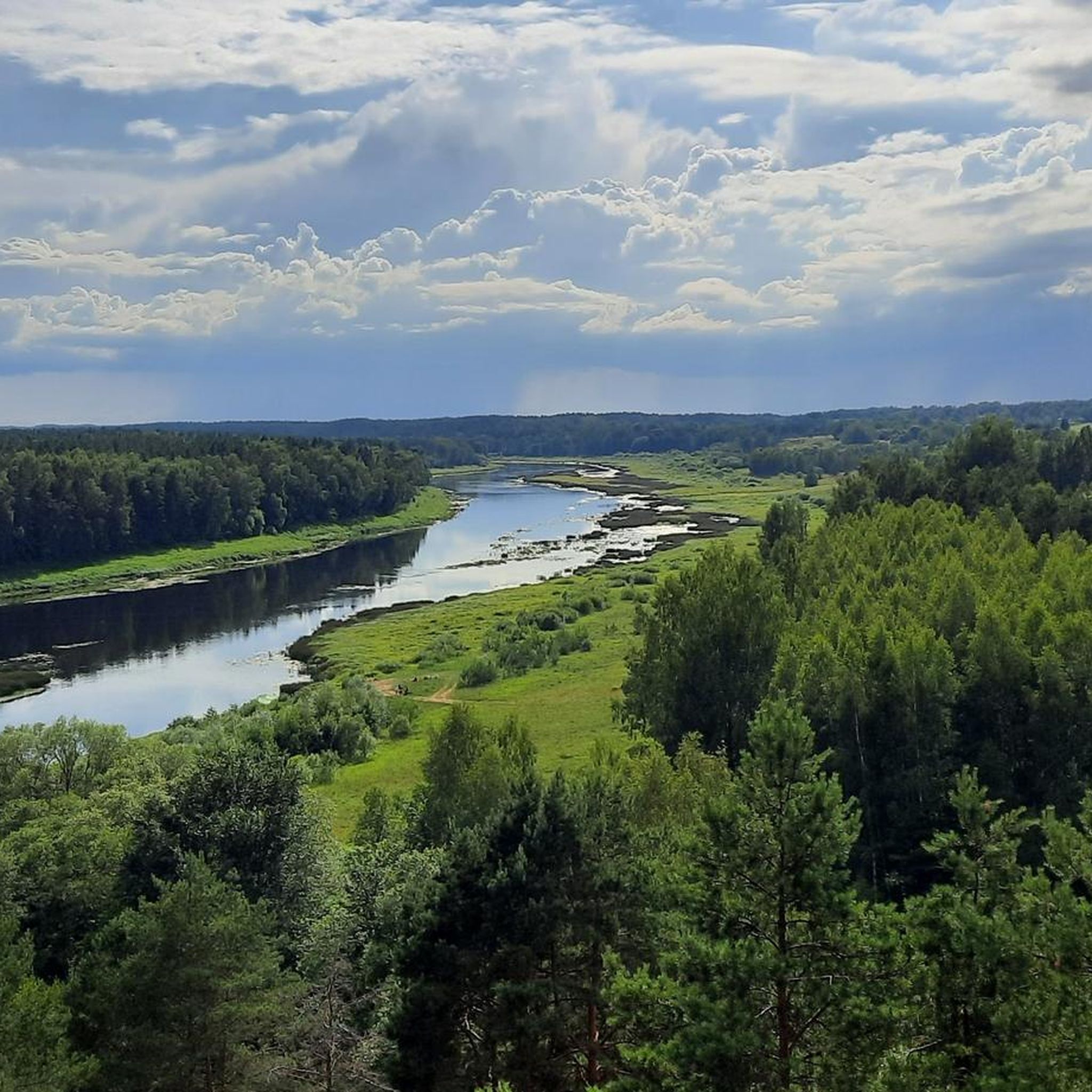
For breathtaking panoramic views, consider visiting the Jersika Hillfort, which provides expansive vistas of the surrounding natural landscape. Within the Daugavas Loki Nature Park, the Slutiški Scarp offers picturesque views of the Daugava River's meanders. Additionally, Mākoņkalns (Cloud Mountain) in Rāzna National Park provides stunning views of Lake Rāzna and the surrounding forests.
When is the best time of year to visit Latgale's natural monuments?
The best time to visit Latgale's natural monuments largely depends on your preferred activities. Spring and summer (May to August) are ideal for hiking, cycling, and enjoying the lakes, with warmer temperatures. Autumn (September to October) is particularly stunning in Daugavas Loki Nature Park due to the vibrant foliage. Winter offers a unique, serene experience, especially for those interested in snowshoeing or cross-country skiing, though some areas might be less accessible.
Are there any natural monuments in Latgale that are dog-friendly?
Yes, many natural areas in Latgale are suitable for visitors with dogs, provided they are kept on a leash and owners clean up after them. The Jersika Hillfort is noted as dog-friendly. Generally, nature parks and trails, such as those in Daugavas Loki or Teirumnieki Bog, welcome dogs, allowing you to explore the beautiful landscapes together.
What kind of wildlife can I expect to see in Latgale's natural monuments?
Latgale's diverse ecosystems support a variety of wildlife. In the forests and wetlands, you might spot various bird species, including waterfowl around the numerous lakes. Mammals like deer, wild boars, and smaller forest creatures are present, though often shy. The protected status of areas like Daugavas Loki and Rāzna National Park helps preserve habitats for rare species, offering opportunities for nature observation.
Are there any natural monuments in Latgale that are wheelchair accessible?
While many natural areas can be challenging, the Teirumnieki Bog Trail is a notable example of an accessible natural monument. It features a circular, approximately 800-meter-long boardwalk that winds through the bog, forest, and alongside a lake, making it suitable for wheelchairs and strollers. The Square of Eternal Glory is also listed as wheelchair accessible.
What do visitors particularly enjoy about the natural monuments in Latgale?
Visitors frequently praise the tranquility and untouched beauty of Latgale's natural monuments. The refreshing, cold, and delicious water of The Holy Spring of Aglona is a highlight for many. The sheer size and presence of the Nīcgale Boulder, Latvia's largest, also leaves a lasting impression. The region's unique geological formations, serene lakes, and opportunities for peaceful walks are consistently appreciated.
Are there any natural monuments in Latgale known for their lakes?
Latgale is renowned for its lakes. Lake Drīdzis holds the record as the deepest lake in Latvia and the Baltic States. Rāzna National Park protects Lake Rāzna, Latvia's second-largest lake, often called the "Latgalian Sea." Lake Čertoks (Devil's Lake) is famous for its unusually transparent water and mystical atmosphere, while Lake Sīvers is known for its purity and numerous islands. Motrine Lake is another beautiful natural monument.
How can I get to Latgale's natural monuments using public transport?
While some larger towns in Latgale are accessible by bus or train, reaching specific natural monuments often requires a combination of public transport and local options. Major hubs like Daugavpils offer connections. For detailed information on routes and schedules to specific locations, it's advisable to check local public transport websites or inquire at tourist information centers upon arrival. Some remote sites might require private transport or taxis.
Most popular routes in Latgale
Most popular attractions in Latgale

Get inspired with the komoot mobile app


Explore more
Extend your search for the best caves by checking out these guides of the top ones in Latgale:
