Top 20 Natural Monuments in Łódź Voivodeship
Best natural monuments in Łódź Voivodeship are found within a diverse landscape. This region features unique geological formations and protected areas, offering a variety of natural features. From karst springs to ancient forests and peat bogs, the voivodeship provides opportunities to explore diverse ecosystems and historical natural sites. These locations showcase the ecological and geological heritage of the area.
Best natural monuments in Łódź Voivodeship
- The most popular natural monuments is Niebieskie Źródła Nature Reserve, a natural monument known for its picturesque karst springs. Its heart is the vigorous vortexes pulsating at the bottom of the source pools, with the water displaying a unique turquoise color.
- Another must-see spot is Marysinek Protected Area – Floating Piers on the Ponds, a natural monument featuring small fishing ponds with floating rafts. Visitors can explore a bicycle path around the ponds and access floating platforms to observe local fauna and flora.
- Visitors also love Rokita Nature Reserve, a gorge characterized by a leafy forest and a deep ravine. A steel footbridge allows passage over the ravine, which can be filled with water after a snowy winter, adding to its appeal.
- Łódź Voivodeship is known for its diverse natural monuments, including karst springs, gorges, and arboretums. The region offers a variety of natural monuments to see and explore, from unique geological formations to protected forest areas.
- The natural monuments in Łódź Voivodeship are appreciated by the komoot community, with more than 120 upvotes and over 130 photos shared by visitors.
Last updated: July 23, 2026
Niebieskie Źródła Nature Reserve
Highlight (Segment) • Natural Monument
Translated by Google •
Tip by

Rokita Nature Reserve
Highlight • Gorge
Translated by Google •
Tip by

Sign up now to discover places like this
Get recommendations on the best single tracks, peaks, & plenty of other exciting outdoor places.
Sign up for free
Nagórzyce Caves
Highlight • Cave
Translated by Google •
Tip by

Niebieskie Źródła Nature Reserve
Highlight • Natural Monument
Translated by Google •
Tip by
Romantic Garden in Arkadia
Highlight • Historical Site
The architectural and garden setting was developed by Szymon Bogumił Zug with great personal involvement and participation of the duchess. Architectural ideas were sketched by Jan Piotr Norblin and Aleksander Orłowski, which were implemented until 1797 by Zug, and later by Henryk Ittar. The duchess began to establish the garden in the spring of 1778, but she continued to develop and compose it for over twenty years, until her death in 1821. The first buildings to be built on the shore of the great Arcadian pond, which was dammed in 1781, were the Cascade and the Cottage by the Waterfall (1781), and a little later the Temple of the High Priest (1783) and the Temple of Diana (1783-1785) with a ceiling by Norblin depicting the Morning Star, and the Aqueduct (1784). In the years 1785-1789, a symbolic Tombstone of the Duchess was built on Poplar Island with an ambiguous Latin sentence Et in Arcadia ego, modeled on the Tomb of Jean Jacques Rousseau in Ermenoville, as well as the Grotto of the Sibyl built of field stones, the rustic Cottages of Philemon and Baucida, the Stone Arch, the Corner of Melancholy, the Gate of Time, the altar circle on the Island of Offerings. In the 1990s, the expansion of Arcadia continued under Zug's direction. At that time, the House of the Murgrave adjacent to the Stone Arch and the Gothic House above the Grotto of the Sibyl were built. In the last years of the passing century, the interior of the Etruscan Cabinet was decorated in the Temple with a neoclassical interior and paintings by Michał Płoński and Aleksander Orłowski.
Around 1800, the Duchess turned towards the aesthetics of a romantic garden. At that time, the garden in Arkadia expanded from the small and previously closed area of the sentimental park to the surrounding vast fields located behind the Skierniewka River, freely incorporating viewing axes and new buildings into the vast space of the surrounding natural landscape. The Duchess's bold intentions from that time were implemented in Arkadia by a young romantic visionary, an extremely talented architect of the new generation, Henryk Ittar. At that time, the Tomb of Illusions (1800) was built on the Champs Elysees located behind the river, the Roman Circus (1803) and the Amphitheatre (1804). A little later, the folk Swiss House was built, concealing fairy-tale "crystal interiors" (1810), which the Duchess located among the buildings of the Arcadian village.
Translated by Google •
Tip by

Rawka River Nature Reserve
Highlight • River
Translated by Google •
Tip by
Major Hubal Memorial
Highlight • Monument
Translated by Google •
Tip by

Siwica Glade Nature Reserve
Highlight • Natural Monument
Translated by Google •
Tip by
Marysinek Protected Area – Floating Piers on the Ponds
Highlight • Natural Monument
Translated by Google •
Tip by
Rogów Arboretum (SGGW)
Highlight • Forest
Translated by Google •
Tip by
Sign up for free to discover even more natural monuments in Łódź Voivodeship.
Sign up for free
Already have an account?
Start today with a free account
Your next adventure awaits.
Login or Signup
Popular around Łódź Voivodeship
Warta River Cycle Route – Through the Green Heart of Greater Poland
From Warsaw to Berlin — in the footsteps of the Peace Race part 1
Hiking in Łódź Voivodeship
Cycling in Łódź Voivodeship
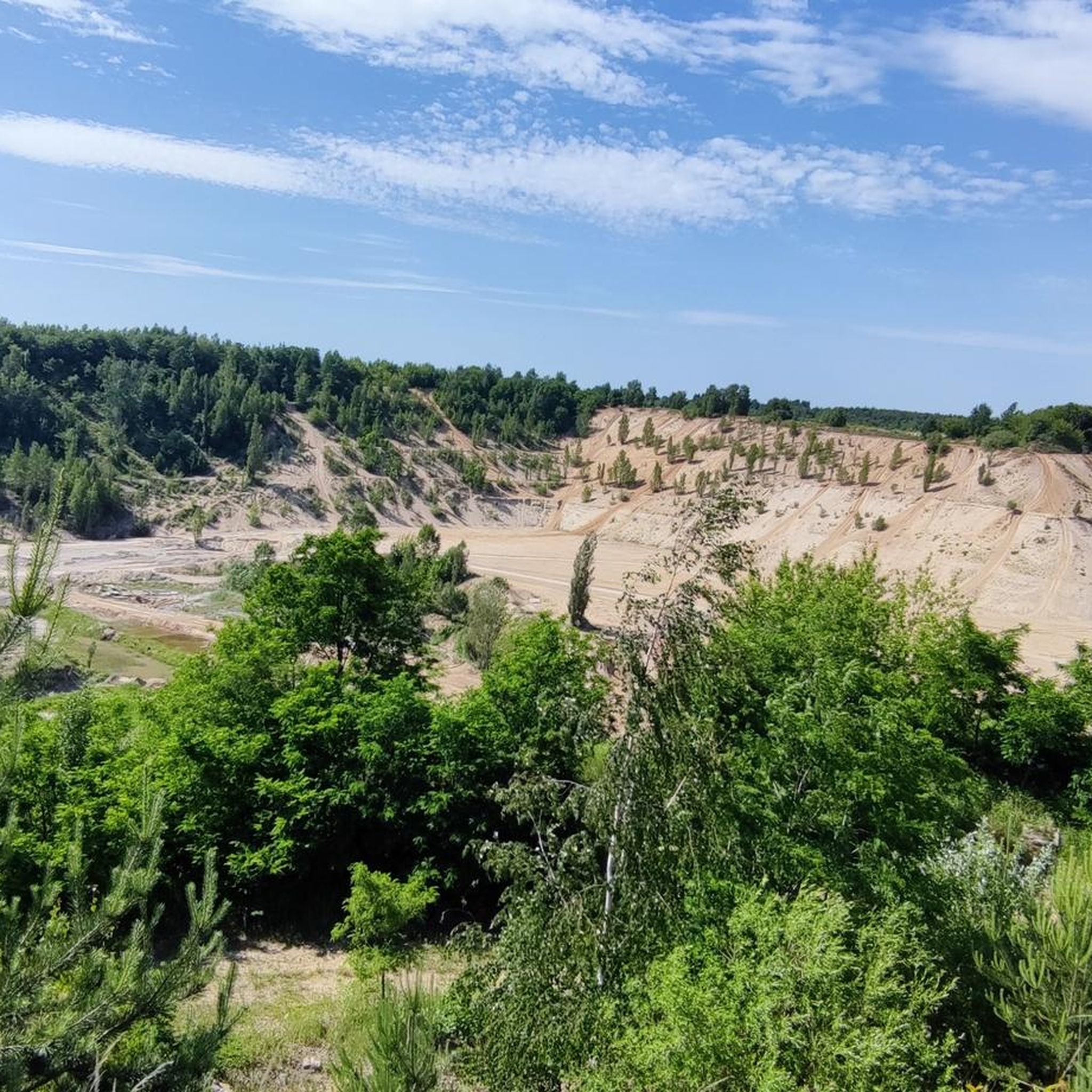
Running Trails in Łódź Voivodeship
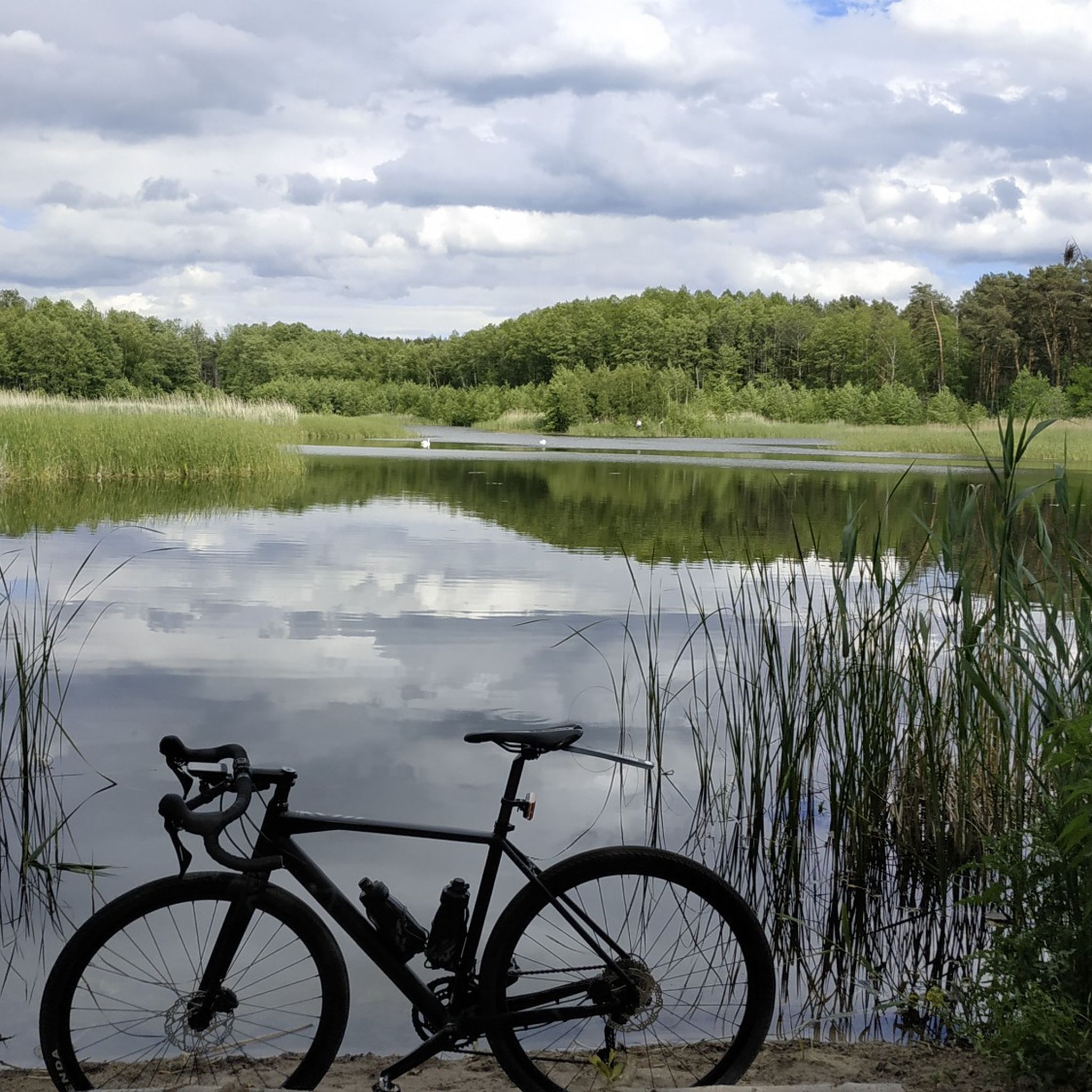
Road Cycling Routes in Łódź Voivodeship
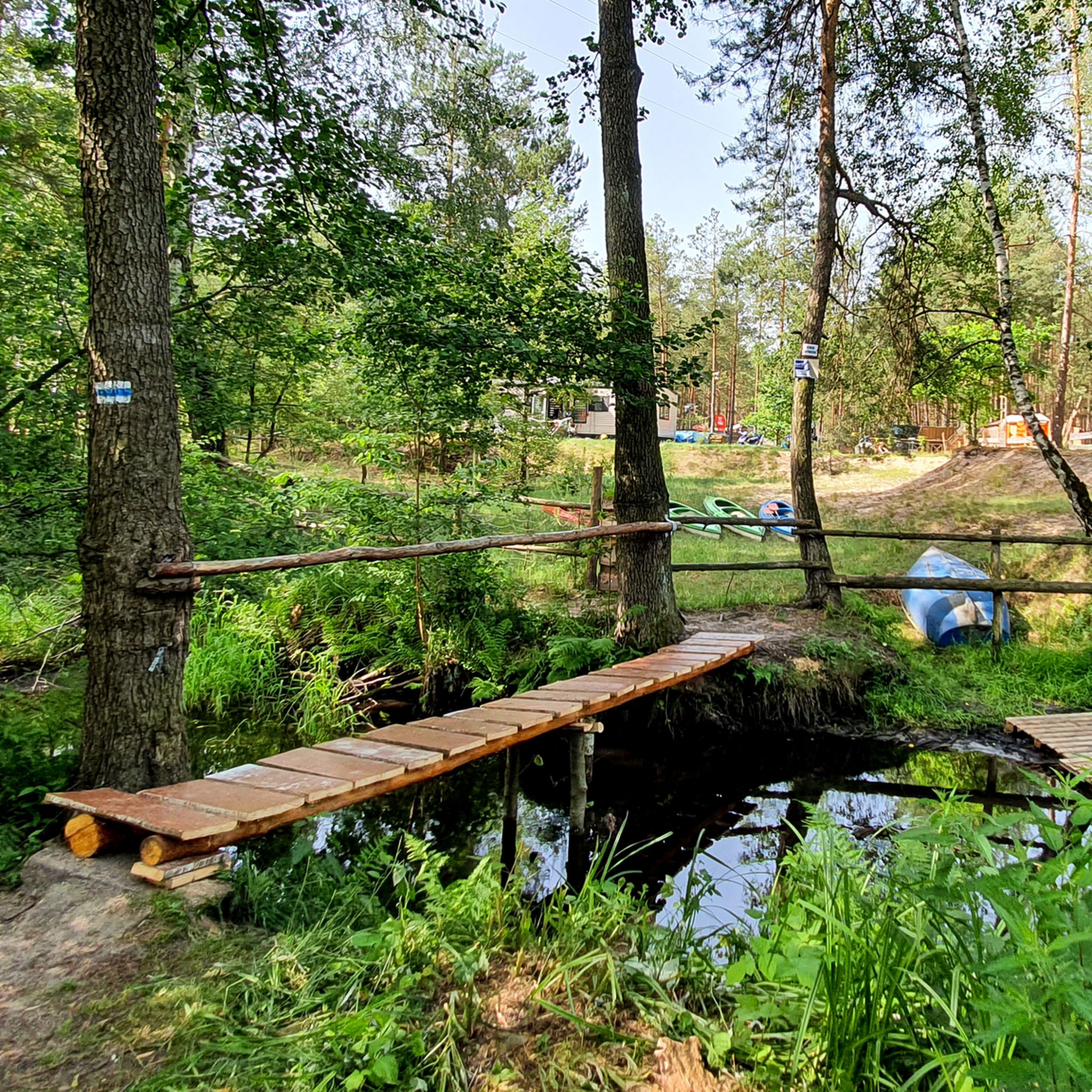
MTB Trails in Łódź Voivodeship

Gravel biking in Łódź Voivodeship


Tips from the Community

Latex in 2026 no water and dead fish something is going on
0
0

Niebieskie Źródła nature reserve – a landscape nature reserve, located in the southeastern part of Tomaszów Mazowiecki, in Tomaszów County, Łódź Voivodeship. The reserve is located within the buffer zone of the Sulejów Landscape Park, which is part of the Nadpilice Landscape Parks complex.
1
0
Niebieskie Źródła Nature Reserve – a landscape nature reserve, located in the southeastern part of Tomaszów Mazowiecki, in Tomaszów County, Łódź Voivodeship. The reserve is located within the buffer zone of the Sulejów Landscape Park, which is part of the Pilica River Landscape Parks complex.
1
0

Groty w Nagórzycach The Nagórzyce Caves (municipality of Tomaszów Mazowiecki) and, on the other side of the Pilica river, the Biała Góra Cave (Smardzewice) are artificial underground excavations, formed in Cretaceous sandstones, where rocks were mined from the mid-19th century, initially probably for construction purposes, and later for the needs of the glass industry. Guaranteed coolness! source Łódź.pl
0
0
Niebieskie Źródła Forest and water in one place? We have something for you! Niebieskie Źródła are karst springs, which are among the most interesting phenomena of this type in Europe. The water emerging from underground deposits of Jurassic limestone takes on a characteristic blue-azure-green color. This color is the result of the scattering of sunlight by fine particles suspended in the water and the specific mineral composition of the springs. Around, you can walk through a dense forest, observe plants and interesting bird species. source Łódź.pl
1
0
I wasn't inside, but from the outside it looks nice.
0
0
This place has such a vibe.
1
0
What a vibe this place has.
1
0
Frequently Asked Questions
Are there natural monuments in Łódź Voivodeship suitable for families with children?
Yes, several natural monuments in Łódź Voivodeship are great for families. The Niebieskie Źródła Nature Reserve offers mesmerizing blue waters and dynamic spring activity that can captivate children. The Nagórzyce Caves provide a unique historical and geological experience, exploring an ancient underground mine with a legend of the robber Madej. Additionally, the Rogów Arboretum (SGGW) is a large forest park with diverse plant collections and even a narrow-gauge train, making it an engaging visit for all ages.
What unique natural features can I expect to see in Łódź Voivodeship's natural monuments?
Łódź Voivodeship boasts diverse natural features. You can witness the unique turquoise karst springs at Niebieskie Źródła Nature Reserve, explore the deep ravine and leafy forest of Rokita Nature Reserve, or observe the rich biodiversity of a peat bog ecosystem at Polana Siwica Nature Reserve. The region also features ancient forests like Łagiewnicki Forest and extensive arboretums.
Are there any historical or cultural sites integrated with the natural monuments?
Yes, the region offers a blend of natural beauty and history. The Nagórzyce Caves are 18th-century excavations of an underground quartz mine, offering a glimpse into the region's industrial past and local folklore. Łagiewnicki Forest, one of Europe's largest municipal forests, contains two historic wooden Baroque chapels, St. Roch & St. Sebastian's and St. Anthony's, adding a spiritual and cultural dimension to your visit.
What outdoor activities can I do near the natural monuments in Łódź Voivodeship?
The natural monuments in Łódź Voivodeship are surrounded by opportunities for various outdoor activities. You can find numerous hiking trails, such as the challenging Blue Hiking Trail or the easier Spała Reserve Loop. For cyclists, there are extensive routes like the Łódź Hills Landscape Park Bicycle Trail or the Sulejów Reservoir loops. Mountain biking enthusiasts can explore trails like the Kościelna Góra loops. You can find more details on these activities in the hiking, cycling, and MTB guides for Łódź Voivodeship.
What is the best time of year to visit the natural monuments in Łódź Voivodeship?
The best time to visit largely depends on the type of experience you seek. Spring and autumn offer pleasant temperatures and vibrant colors, ideal for hiking and photography. In spring, the Rokita gorge can be filled with water after a snowy winter, adding to its mysterious appeal. The Rogów Arboretum (SGGW) is open all year, with different seasonal attractions. Summer is excellent for water activities at places like the Arturówek Recreation Complex within Łagiewnicki Forest or the Sulejów Reservoir. Even winter can be beautiful, especially for tranquil walks through snow-covered landscapes.
Are there any natural monuments with water features or lakes?
Yes, water features are prominent in several natural monuments. The Niebieskie Źródła Nature Reserve is famous for its picturesque karst springs with unique turquoise water. The Marysinek Protected Area – Floating Piers on the Ponds offers small fishing ponds with floating rafts for observing local fauna and flora. Additionally, the Polana Siwica Nature Reserve features marshy areas with lakes formed in old peat excavations, and the Bzura River has its springs in Łagiewnicki Forest, forming the Arturówek basins.
Can I spot wildlife at these natural monuments?
Many natural monuments in Łódź Voivodeship are excellent for wildlife spotting. The Niebieskie Źródła Nature Reserve is a refuge for numerous bird species. Łagiewnicki Forest, being one of Europe's largest municipal forests, is home to wild boars, deer, and a variety of bird species. The Polana Siwica Nature Reserve, a peat bog, is significant for its diverse flora and the unique ecosystems it supports, which in turn attract various insects and smaller animals.
Are there natural monuments that are easily accessible or suitable for beginners?
For those seeking easier access or beginner-friendly options, the Niebieskie Źródła Nature Reserve offers well-maintained paths around its springs. The Marysinek Protected Area – Floating Piers on the Ponds has a bicycle path around the ponds and floating platforms, making it an easy and pleasant stroll. The Rogów Arboretum (SGGW) also provides leisurely walks through its extensive gardens.
What should I wear when visiting natural monuments in Łódź Voivodeship?
Given the diverse terrain, it's advisable to wear comfortable walking shoes or hiking boots, especially if you plan to explore trails in areas like Łagiewnicki Forest or Rokita Nature Reserve. Layered clothing is recommended as weather conditions can change, and a waterproof jacket can be useful. For visits to places like Nagórzyce Caves, a light jacket might be comfortable due to cooler underground temperatures.
Are there any viewpoints or scenic spots among the natural monuments?
While specific designated viewpoints might vary, many natural monuments offer scenic vistas. The unique turquoise waters of Niebieskie Źródła Nature Reserve are a visual highlight. The Rokita Nature Reserve, with its deep ravine and steel footbridge, provides interesting perspectives. Additionally, the Marysinek Protected Area – Floating Piers on the Ponds allows for close-up observation of flora and fauna from its floating platforms, offering unique photographic opportunities.
Are permits required to visit any of the natural monuments?
Generally, permits are not required for casual visits to most natural monuments in Łódź Voivodeship for individual tourists. However, for specific activities, organized groups, or certain protected areas, it's always best to check the official websites of the respective nature reserves or arboretums for any specific regulations or entry fees, such as for guided tours at Nagórzyce Caves or entry to the Rogów Arboretum (SGGW).
Most popular routes in Łódź Voivodeship
Most popular attractions in Łódź Voivodeship

Get inspired with the komoot mobile app


Didn’t find what you were looking for?
Find even more amazing natural monuments in Łódź Voivodeship by checking out the top Highlights region by region:
Explore more
Extend your search for the best caves by checking out these guides of the top ones in Łódź Voivodeship:
