Top 4 Natural Monuments in Istanbul
Best natural monuments in Istanbul include a diverse array of natural features, from coastal lagoons to historical parks. The city, straddling two continents, offers a unique blend of urban and natural landscapes. These areas provide opportunities for outdoor activities and quiet contemplation within its expansive metropolitan area. Istanbul's terrain features a mix of forests, hills, and waterways, contributing to its varied natural attractions.
Best natural monuments in Istanbul
- The most popular natural monuments is Tuzla Kamil Abduş Lagoon Park,…
Last updated: May 13, 2026
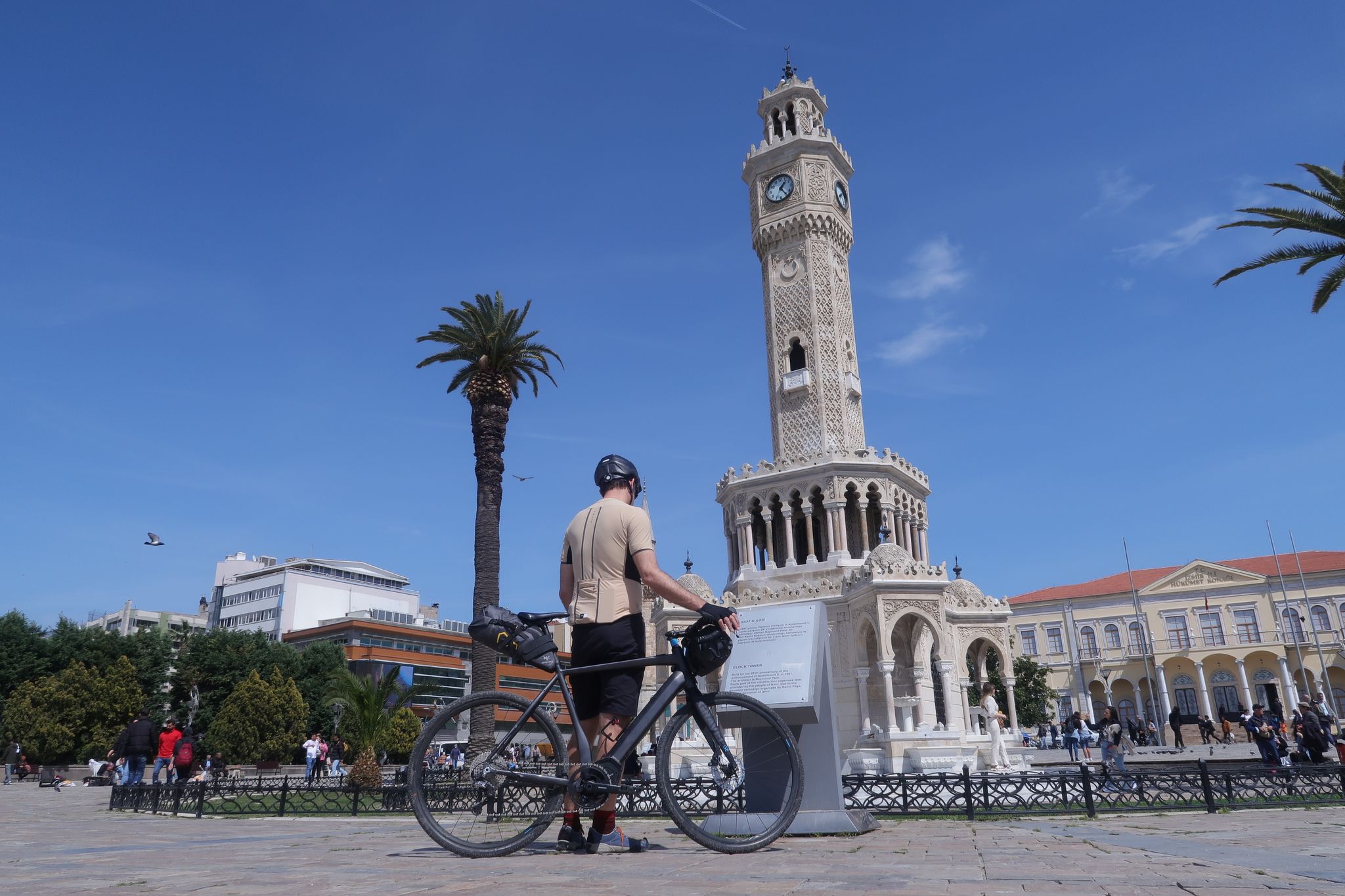
Gothic Column (Gotensäule) in Gülhane Park
Highlight • Monument
Translated by Google •
Tip by

Holy Spring of Panagia Vlacherna
Highlight • Religious Site
Tip by

Sign up now to discover places like this
Get recommendations on the best single tracks, peaks, & plenty of other exciting outdoor places.
Sign up for free
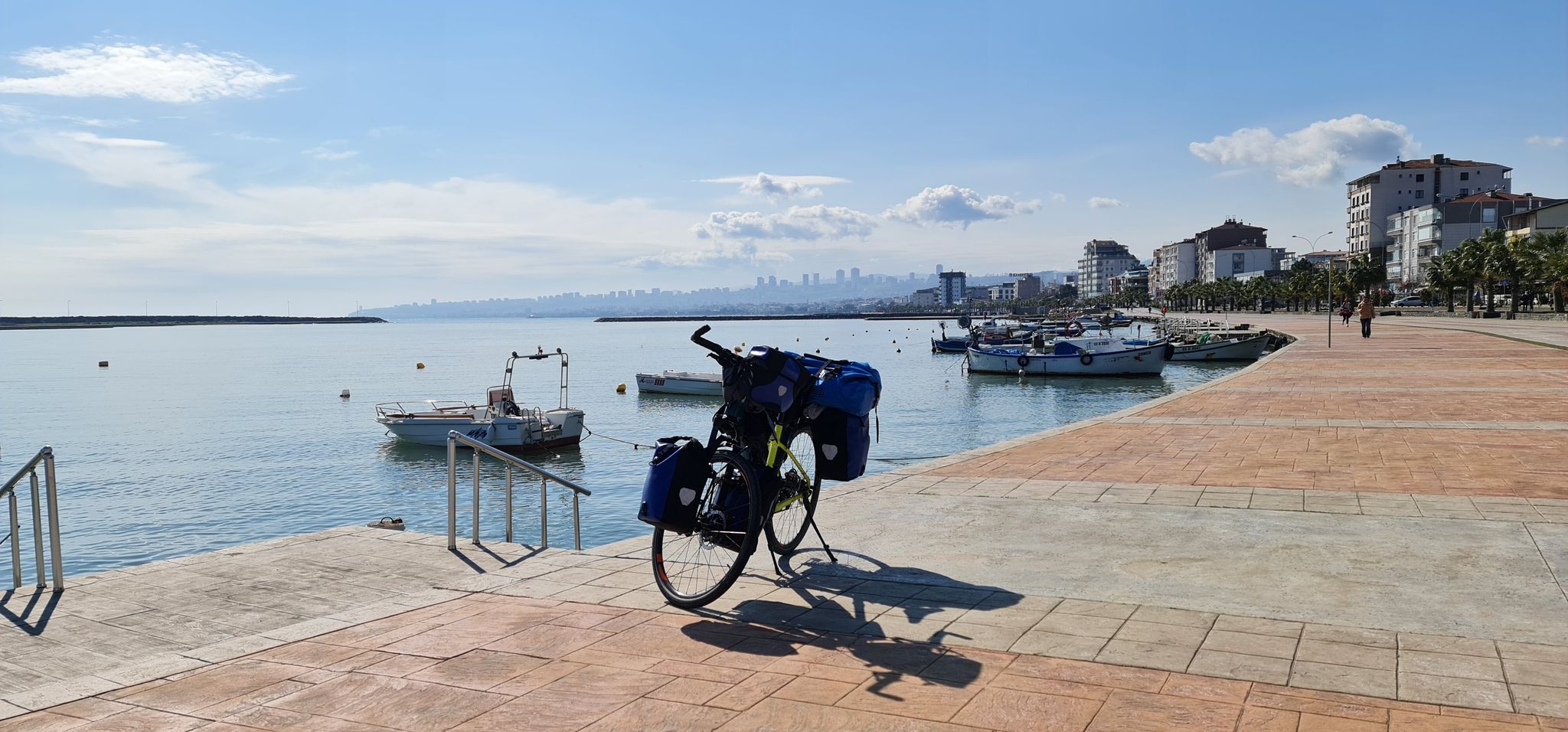
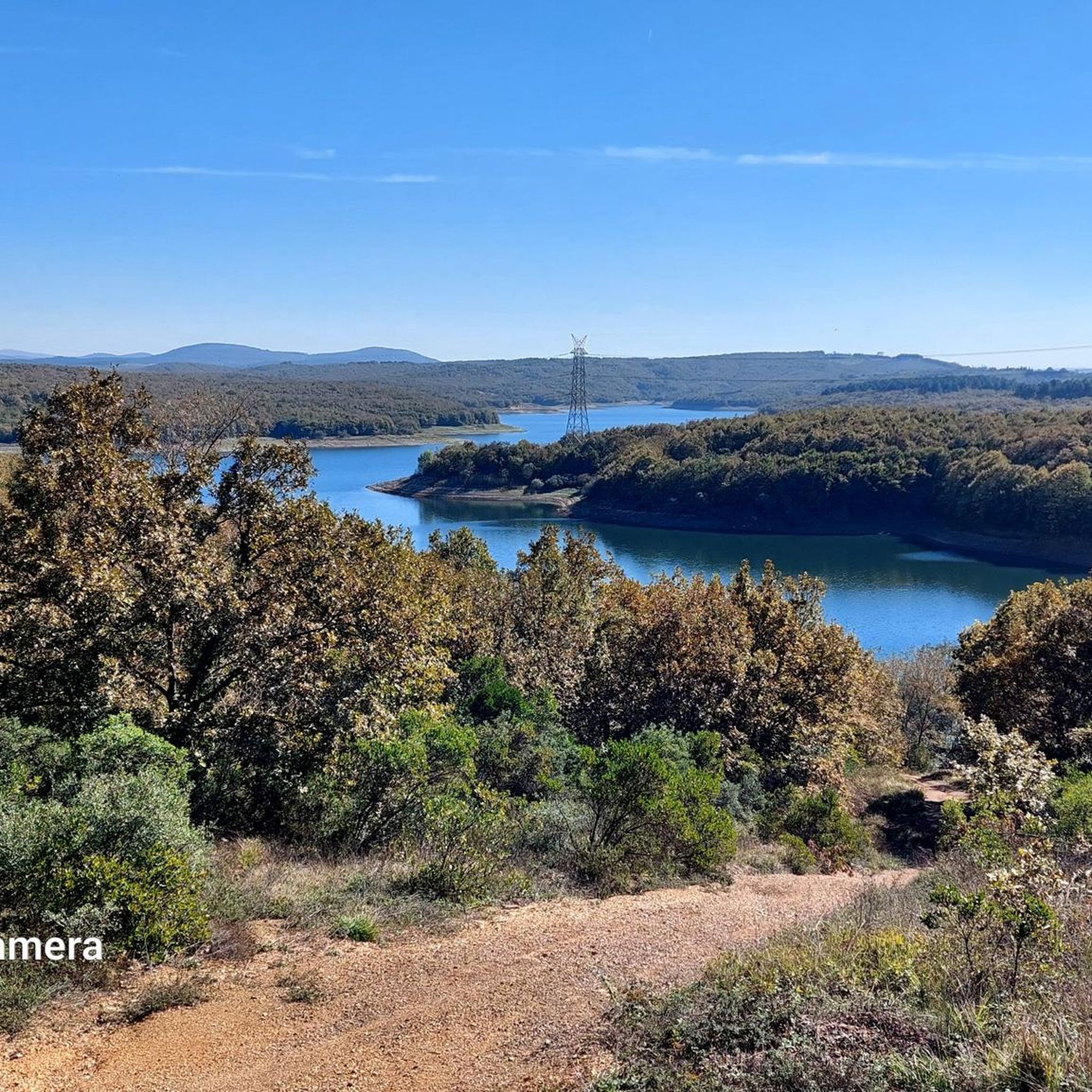
Tuzla Kamil Abduş Lagoon Park
Highlight (Segment) • Lake
Translated by Google •
Tip by

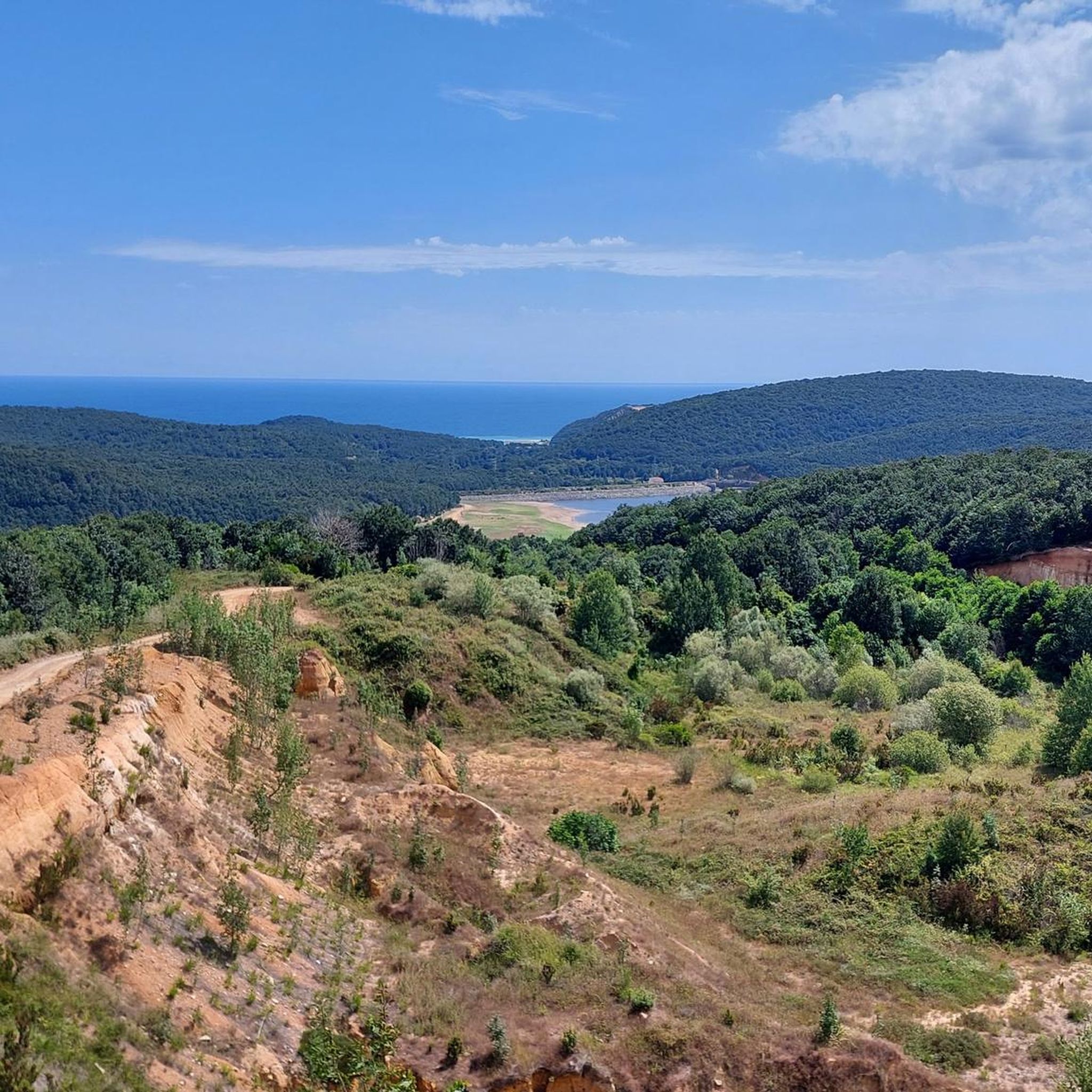
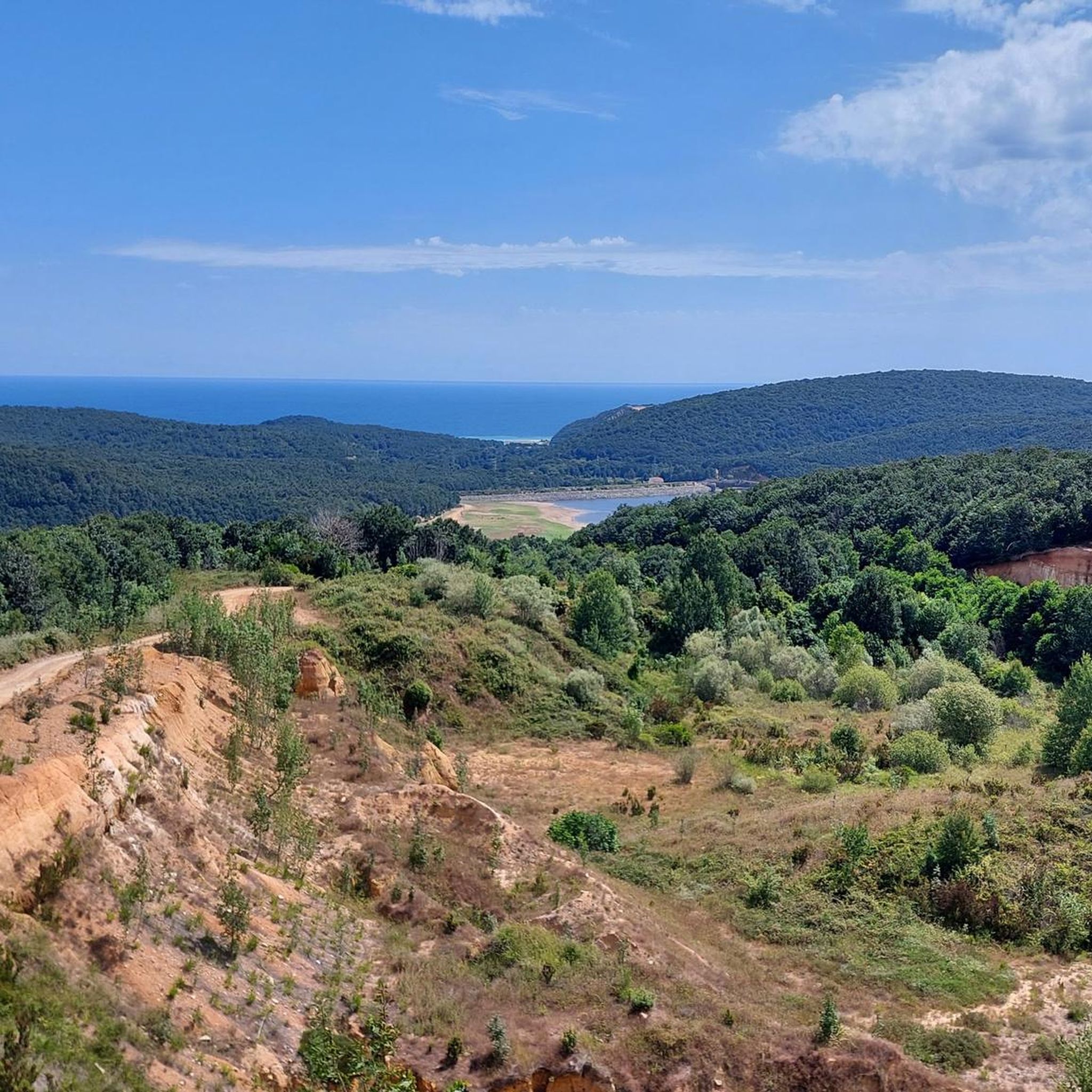
Hacetderesi Nature Park
Highlight • Forest
Translated by Google •
Tip by
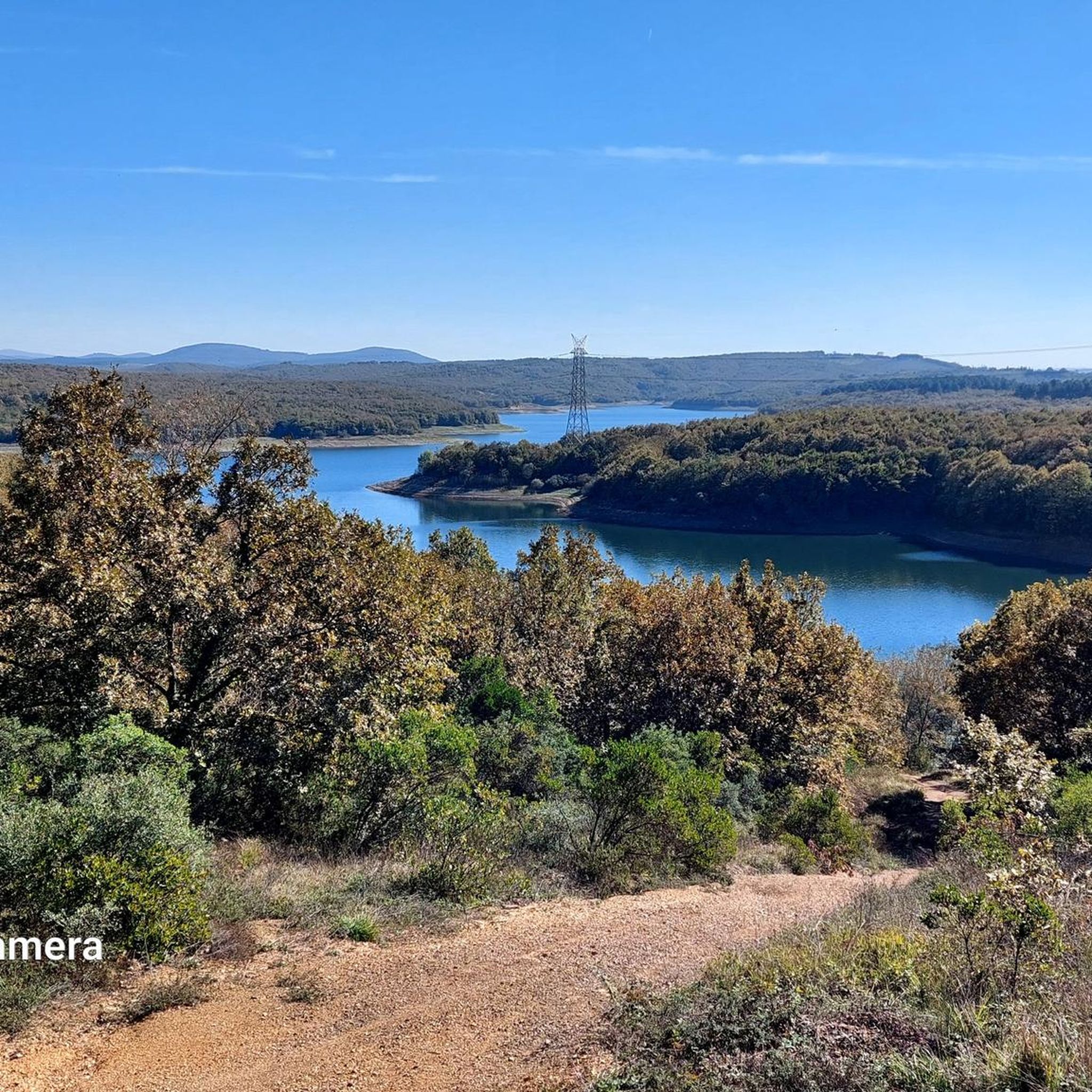
View of Kilimli Bay Cliffs
Highlight • Viewpoint
Tip by

Start today with a free account
Your next adventure awaits.
Login or Signup



Tips from the Community

Very worth seeing, you have to see it
0
0

The Church of Panagia Blachernai was a Byzantine church famous for its holy spring (hagiasma). It was located in the northwestern corner of Constantinople north of the Palace of Blachernai, near the Wall of Heraclius and the Golden Horn. Starting in the Early Byzantine Era, there were three important churches dedicated to the Virgin Mary Theotokos in Constantinople: the churches of Hodegon, Blachernai, and Chalkoprateia. These churches were part of the growing emphasis on the cult of the Virgin Mary, which was connected to an effort to gather her relics in the capital. As an important church and pilgrim shrine dedicate to the Theotokos, many legends and traditions developed around it. These churches were part of the growing emphasis on the cult of the Virgin Mary, which was connected to an effort to gather her relics in the capital. As an important church and pilgrim shrine dedicate to the Theotokos, many legends and traditions developed around the church. Legend associates the establishment of all three Marian churches - Chalkoprateia, Blachernai, and Hodegetria – with Pulcheria, sister of Theodosius II and wife of Marcian. However the basilica at Blachernai is more likely the product of the emperor Justin in the early 6th century, with Leo I (457-474) and his wife Verina probably built the octagonal chapel of Hagia Soros to house the Virgin’s maphorion (veil”) after it was translated to Constantinople in 473. It, though, relied on legends about the maphorion from legends and the zōnē (“cincture”) of the Theotokos (associated with the Church of Chalcoprateia) which are difficult to disentangle. Leo I and his wife also might have been responsible for building the Hagion Louma, which included the louma (bath) included an apodyton (dressing room), a kolymbos (described as containing a basin of water), and a chapel of St. Photeinos. The basilica built by Justin I is described by Procopios describes as a three-aisled basilica, with two colonnades made of Parian marble. Justin II (565-578) restored the basilica, adding two niches to give it a cruciform plan. The basilica had a narthex and galleries accessible through a staircase. It seems that the bath was located to the south of the basilica towards the palace. By the 7th century, the Church of Blachernai was considered the most important house of the Virgin Mary at the capital. This is in part due to the role it was believed to have played during the Siege of Constantinople by the Avars and Persians in 626. According to tradition, during the siege the patriarch of Constantinople Sergios (610-638) walked in procession holding either the maphorion or an icon from Blachernai around the city and on its walls. After the end of the siege, the people of Constantinople gathered at the Church of Blachernai, where a thanksgiving vigil was held. During the vigil, the Akathistos Hymn was chanted in gratitude for rescuing the city – it supposedly had been composed by the Patriarch Sergios on the same day (though another tradition claims it was originally written by Romanos the Melodist in 553). After the siege, Heraclius extended the walls of the city to protect Blachernai, which originally lay outside the walls of the city. Many other traditions are centered on the Theotokos of Blachernai as the divine protector of Constantinople. The Theotokos was said to have protected the city during the Arab sieges of 676-678 and 717-718 and the siege of the Rus in 860. This protection was often connected to the icon of the Theotokos Blachernitissa. This epitaph, though, does not refer a single icon, but rather a range iconic types from Blachernai. In 1070 the church of was destroyed by fire and was rebuilt by the emperors Romanos IV Diogenes (1068-1071) and Michael VII Doukas (1071-1078) probably following the previous plan. Following the discovery of an icon of the Theotokos Blachernitissa during this restoration work, it became associated with military victory. The icon regularly accompanied emperors on military campaigns during the 11th century. It was an iconographic variation of Virgin Orans with Christ-Child that was used on coins and seals. In this way, the hagiasma at Blachernai was overshadowed by its icon, just as the hagiasma at Hodegon was similarly eclipsed by its more famous icon. The Palace of Blachernai was located just south of the Church of Blachernai. While the palace was in existence by 500, it became the primary imperial residence during the Komnenians era. Under the Komnenian, buildings were added to the complex and it was strongly fortified. It proximity to the church perhaps served an ideological function for the Komnenian dynasty. Following the recovery of Constantinople by Michael VIII, the palace served as the imperial residence for the Palaiologans as well. As Blachernai became the residence of emperors, the routes for imperial processions radically changed, starting from the acropolis rather than the Golden Gate. The Church of the Blachernai had occasionally been included in imperial processions even in the Early Byzantine Era. The first known procession to the Blachernai church was led by Emperor Maurice in 602. A discontent mob threw stones at him and while he managed to escape, this was part of a series of events that led to Maurice’s overthrow and violent death. According to the Book of Ceremonies, the feast of Hypapante was celebrated in the palace and church at the Blachernai. The final stage of the development of imperial processions in Constantinople under the Palaiologans celebrated ecclesiastical holidays at the palace and church of the Blachernai rather than Hagia Sophia. During the Latin occupation of Constantinople, Baldwin II (1228-61) used the Palace of Blachernai as his residence and the Church of Blachernai was occupied by Catholic clergy. Following the Fourth Crusade, a fragment of the cincture originally kept at the church at Chalkoprateia was supposedly kept in the Church of Blachernai. In 1434, short before the Fall of Constantinople the church burned down for the second time, after which only the hagiasma survived. While traces of it were visible still visible in the mid 16th century, soon after it completely disappeared. A large marble slab, discovered in the garden of the church, is possibly the remains of the church complex. In addition, several capitals have also been found in the area. The property was purchased in 1867 and a small shrine was built around the hagiasma. Currently a modest modern Orthodox church rests over the hagiasma. [https://www.thebyzantinelegacy.com/panagia-blachernai]
2
0

Beautiful sunset on Agvastrand beach
0
0


The renovations are now complete and it is definitely worth a visit. Magical and very interesting.
6
0

The triumphal column erected by Emperor Marcus Aurelius Claudius (Claudius Gothicus) after a victory over the Goths stands in Gülhane Park, right on top of the Seraglio. The marble monolith bears the inscription "Fortunae reduci ob devictos Gothos" on the base. The inscription on the base of the column is illegible today. It is one of the few monuments in Constantinople from the pre-Constant period. The Gothic Column is the oldest surviving Roman monument in Istanbul.
3
1
Frequently Asked Questions
Are there family-friendly natural monuments in Istanbul?
Yes, Istanbul offers several family-friendly natural monuments. Gothic Column (Gotensäule) in Gülhane Park is located within Gülhane Park, which is a historical park with walking paths and green spaces suitable for families. Additionally, Hacetderesi Nature Park is another excellent option, offering a natural forest environment for families to enjoy. Beyond the specific highlights, Belgrad Forest and Yıldız Park are also popular choices for families, providing ample space for picnics and nature walks.
What kind of unique natural features can I explore in Istanbul?
Istanbul's natural monuments showcase a variety of unique features. You can visit Tuzla Kamil Abduş Lagoon Park, which was once one of Istanbul's few lagoons, offering insights into ecological changes. The city also features the Bosphorus Strait, a significant natural waterway dividing continents, and the serene Princes' Islands, known for their car-free environment and beautiful beaches.
Are there historical sites among Istanbul's natural monuments?
Absolutely. Many of Istanbul's natural monuments are intertwined with its rich history. The Gothic Column (Gotensäule) in Gülhane Park is an ancient Roman monument, the oldest surviving in Istanbul, located within the historical Gülhane Park. Another significant site is the Holy Spring of Panagia Vlacherna, a religious building with deep historical roots and legends centered around its significance as a protector of Constantinople. Polonezköy Nature Park also has deep 19th-century historical roots, blending nature with heritage.
What outdoor activities can I do near Istanbul's natural monuments?
Near Istanbul's natural monuments, you can enjoy a range of outdoor activities. For hiking, consider exploring the trails in Belgrad Forest or Polonezköy Nature Park. You can find more options for easy hikes in Istanbul by visiting our guide on Easy hikes in Istanbul. Cycling is also popular, especially on the Princes' Islands, which offer a car-free environment, or you can explore various routes listed in our Cycling in Istanbul guide. For mountain biking enthusiasts, there are dedicated MTB Trails in Istanbul, particularly around areas like Belgrad Forest.
Where can I find scenic viewpoints among Istanbul's natural monuments?
For breathtaking vistas, head to the View of Kilimli Bay Cliffs, which offers great views of the bay. The Bosphorus Strait itself provides captivating views of Istanbul's skyline and historic mansions, especially during a cruise. Emirgan Grove is also known for its panoramic Bosphorus views, particularly stunning during spring floral displays.
What is the best time to visit Istanbul's natural monuments?
The best time to visit Istanbul's natural monuments generally depends on your preferred activity. Spring (April-May) and autumn (September-October) offer pleasant weather for hiking and exploring parks like Belgrad Forest and Polonezköy Nature Park. Spring is particularly beautiful for places like Emirgan Grove, known for its tulip displays. Summer can be warm, but the Princes' Islands offer a refreshing escape with their beaches. Winter provides a different, quieter charm for walks in areas like Yıldız Park.
Are there any natural monuments in Istanbul suitable for quiet contemplation or botanical interest?
Yes, for quiet contemplation and botanical interest, the Atatürk Arboretum in Sarıyer is an excellent choice. It's a peaceful and well-maintained botanical research area covering 296 hectares, housing over 2,000 species of trees and plants, making it a living museum of nature. Yıldız Park also offers serene walking routes and diverse plant species within a historical setting.
How can I get to Istanbul's natural monuments using public transport?
Many of Istanbul's natural monuments are accessible via public transport. For instance, Gülhane Park, home to the Gothic Column, is centrally located and easily reached by tram. The Princes' Islands are accessible by ferry from various points in Istanbul. Belgrad Forest can be reached by bus, though some areas might require a short taxi ride from the nearest bus stop. It's advisable to check current public transport routes and schedules for specific destinations.
What do visitors enjoy most about Istanbul's natural monuments?
Visitors frequently praise the blend of nature and history, the peaceful escape from the city bustle, and the scenic beauty. For example, the Gothic Column in Gülhane Park is described as 'magical and very interesting' by visitors who appreciate its historical significance within a beautiful park setting. The opportunity for tranquil walks, stunning views, and observing diverse flora and fauna are also highly valued.
Are there any natural monuments that offer a coastal or beach experience?
Yes, the Princes' Islands in the Sea of Marmara are renowned for their lovely beaches and pristine waters, offering a serene coastal escape. Additionally, the View of Kilimli Bay Cliffs provides a dramatic coastal landscape with great views, though it's more about the cliffs than a traditional beach for swimming.
Can I find places to eat or stay near Istanbul's natural monuments?
Yes, many natural monuments have amenities or are close to dining and accommodation options. Polonezköy Nature Park, for example, is known for its charming village atmosphere with organic food options and guesthouses. Areas around Belgrad Forest often have cafes and restaurants, especially on weekends. For highlights within city parks like Gülhane Park or Yıldız Park, numerous cafes and restaurants are readily available nearby.
What kind of wildlife can I expect to see in Istanbul's natural areas?
While Istanbul is a large city, its natural monuments still offer opportunities for wildlife spotting. Belgrad Forest is home to various bird species and small mammals. Polonezköy Nature Park is also known for its forest trails where visitors can observe different wildlife species. The Atatürk Arboretum, while primarily botanical, supports local insect and bird populations.
Most popular routes in Istanbul
Most popular attractions in Istanbul

Get inspired with the komoot mobile app


Explore more
Extend your search for the best caves by checking out these guides of the top ones in Istanbul:
