Top 20 Natural Monuments in New Mexico
Best natural monuments in New Mexico feature a diverse array of geological formations and ecosystems. The state's landscape includes vast white gypsum dunefields, ancient volcanic cones, and intricate cave systems. These sites preserve unique natural beauty and offer opportunities to explore the region's natural history. New Mexico's natural monuments provide insight into its varied terrain, from desert environments to volcanic landscapes.
Best natural monuments in New Mexico
- The most popular natural monuments is Bandelier National Monument, a natural monument…
Last updated: August 19, 2026
Bandelier National Monument
Highlight • Natural Monument
Tip by

Carlsbad Caverns
Highlight • Cave
Tip by

Sign up now to discover places like this
Get recommendations on the best single tracks, peaks, & plenty of other exciting outdoor places.
Sign up for free
Alcove House
Highlight • Cave
Tip by

Alkali Flat Trailhead, White Sands National Park
Highlight • Trail
The white gypsum sand …
Tip by

Petroglyphs at Rinconada Canyon Trail
Highlight • Historical Site
Tip by

Alkali Flat Trail Overlook
Highlight • Viewpoint
Tip by
Kiwanis Cabin
Highlight • Mountain Hut
The Corps are known to have built countless infrastructures around …
Tip by

Dune Life Nature Trail
Highlight (Segment) • Trail
Tip by
Cracked Eggs (Bisti Badlands)
Highlight • Natural Monument
Tip by

Williams Lake
Highlight • Lake
Tip by

Sign up for free to discover even more natural monuments in New Mexico.
Sign up for free
Already have an account?
Start today with a free account
Your next adventure awaits.
Login or Signup
Popular around New Mexico
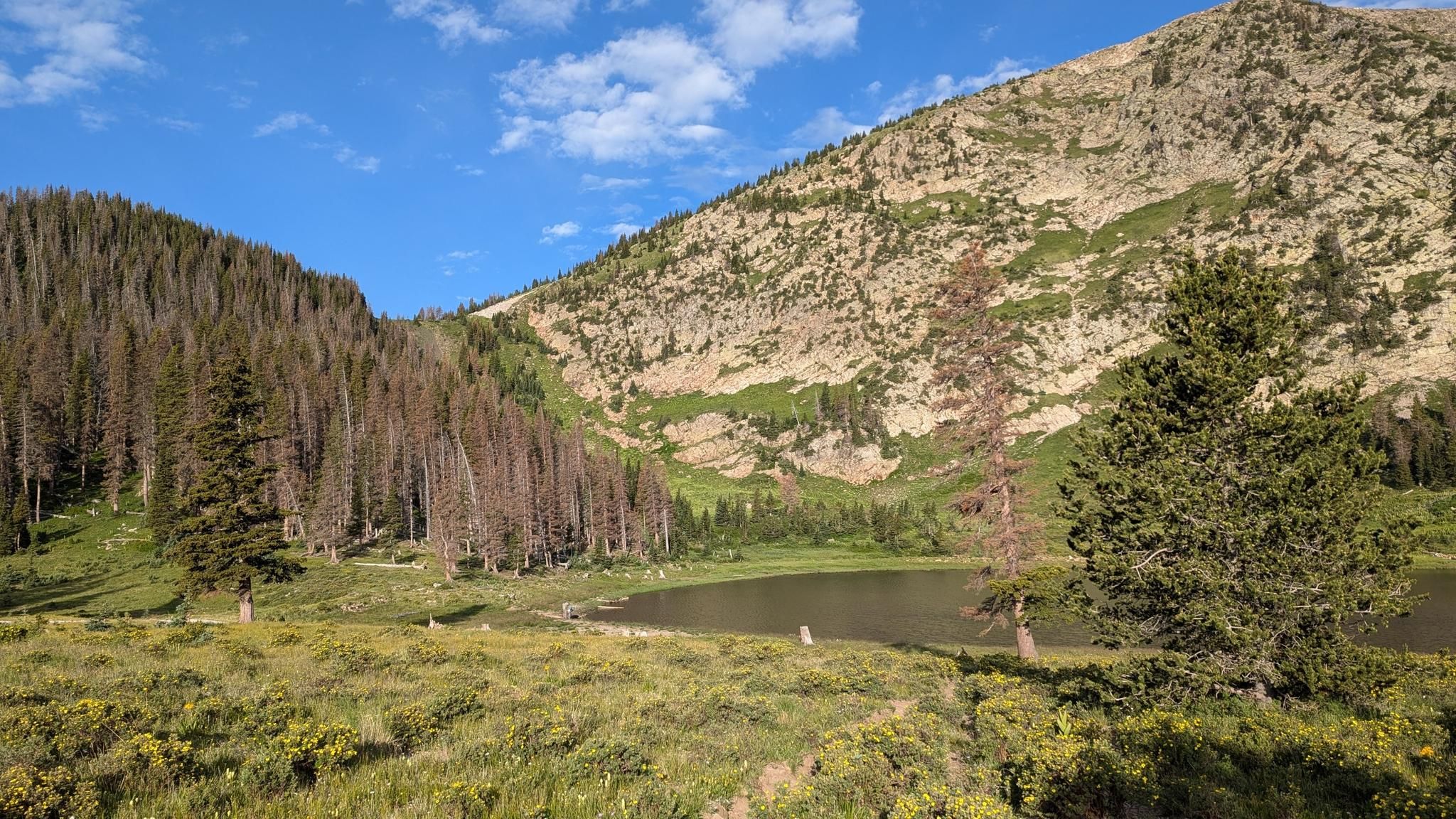
Santa Fe to Taos Thru-Hike — A journey across the Sangre de Cristo Mountains
Great Divide Mountain Bike Route — Cycling the spine of a continent
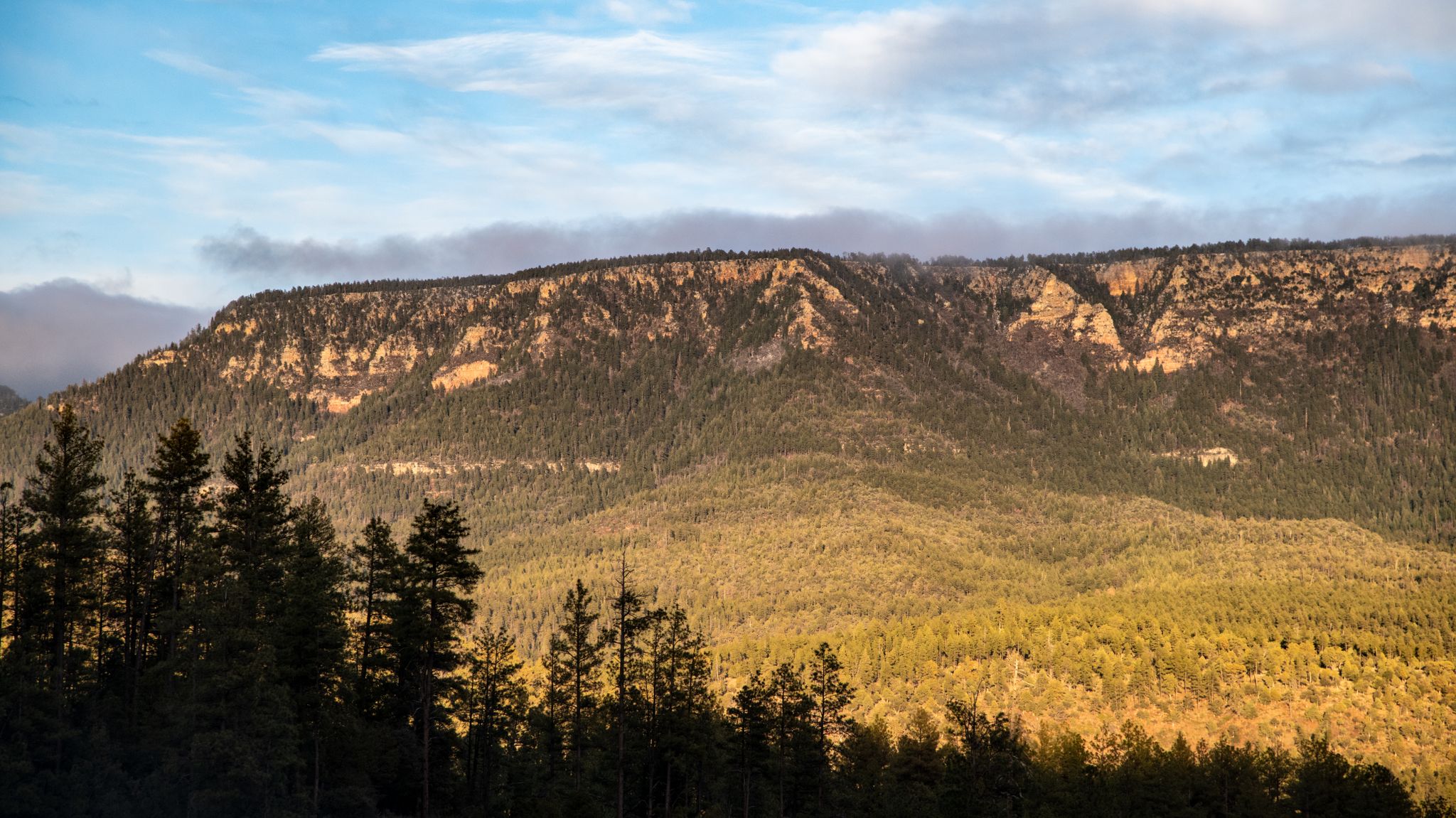
Grand Enchantment Trail — Slot canyons, spruce peaks & desert solitude
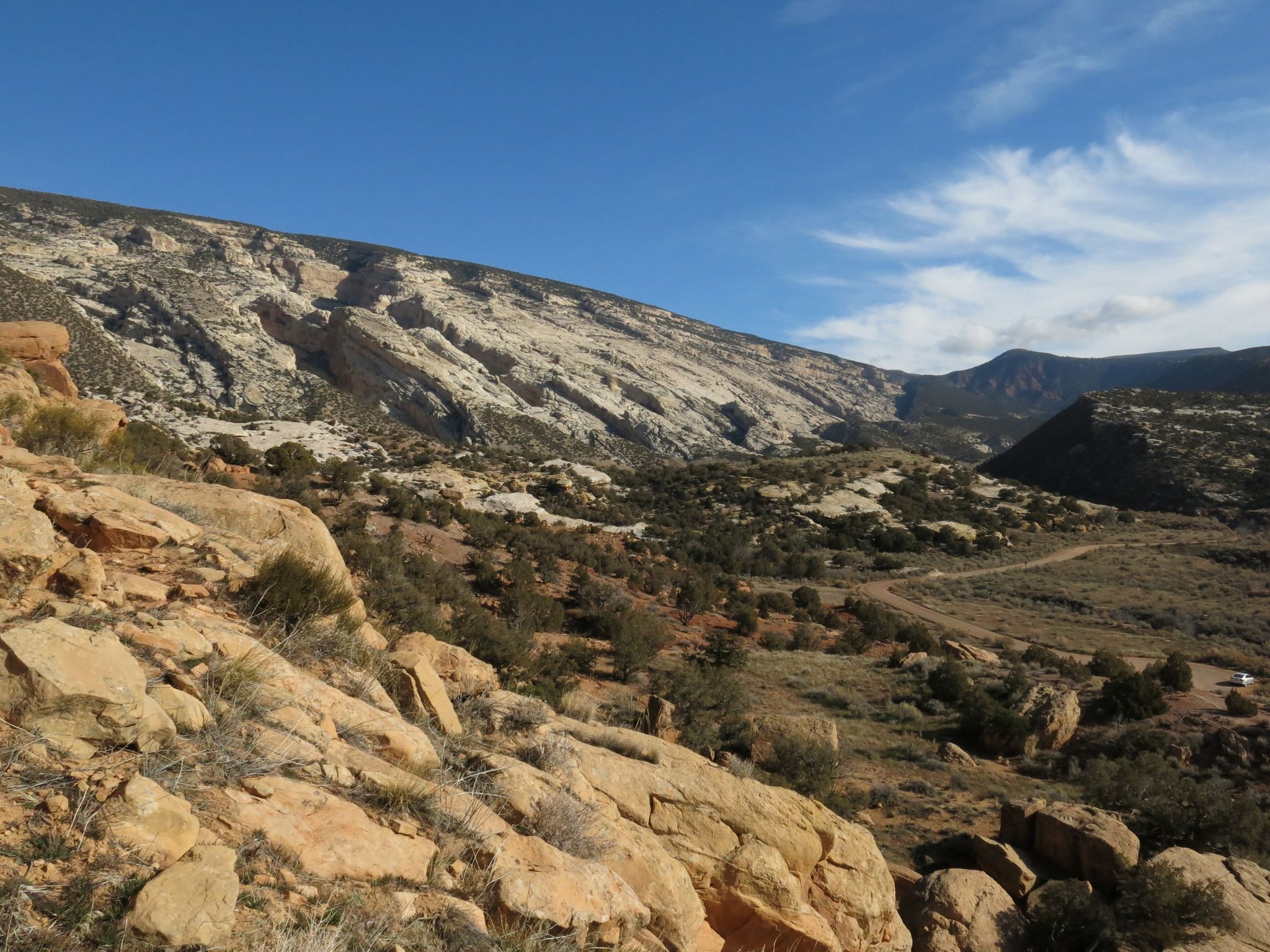
Bikepack in America's southwest – deserts, cacti and Anasazi culture
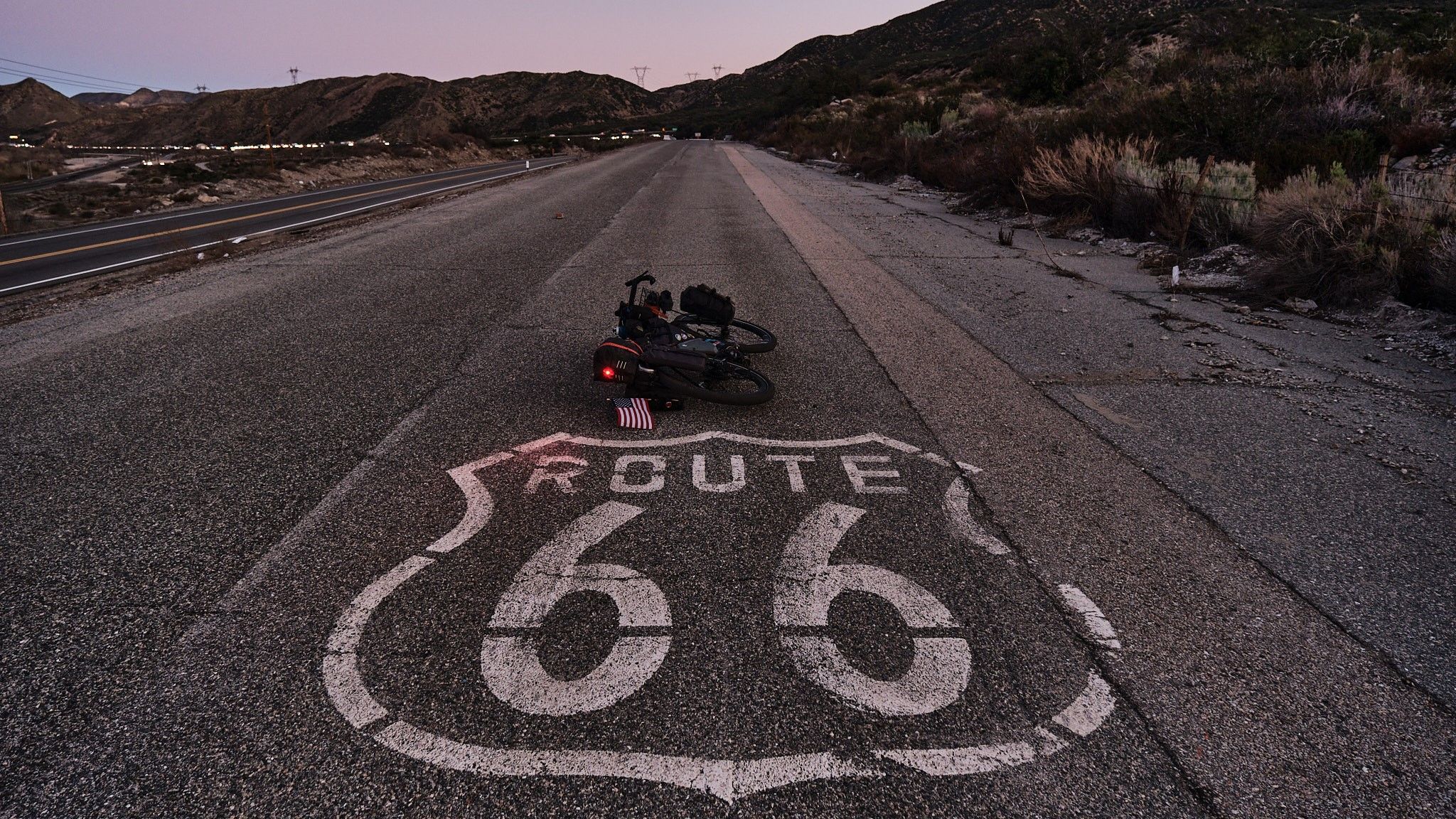
Adventure Cycling Association's Bicycle Route 66 — LA to Chicago
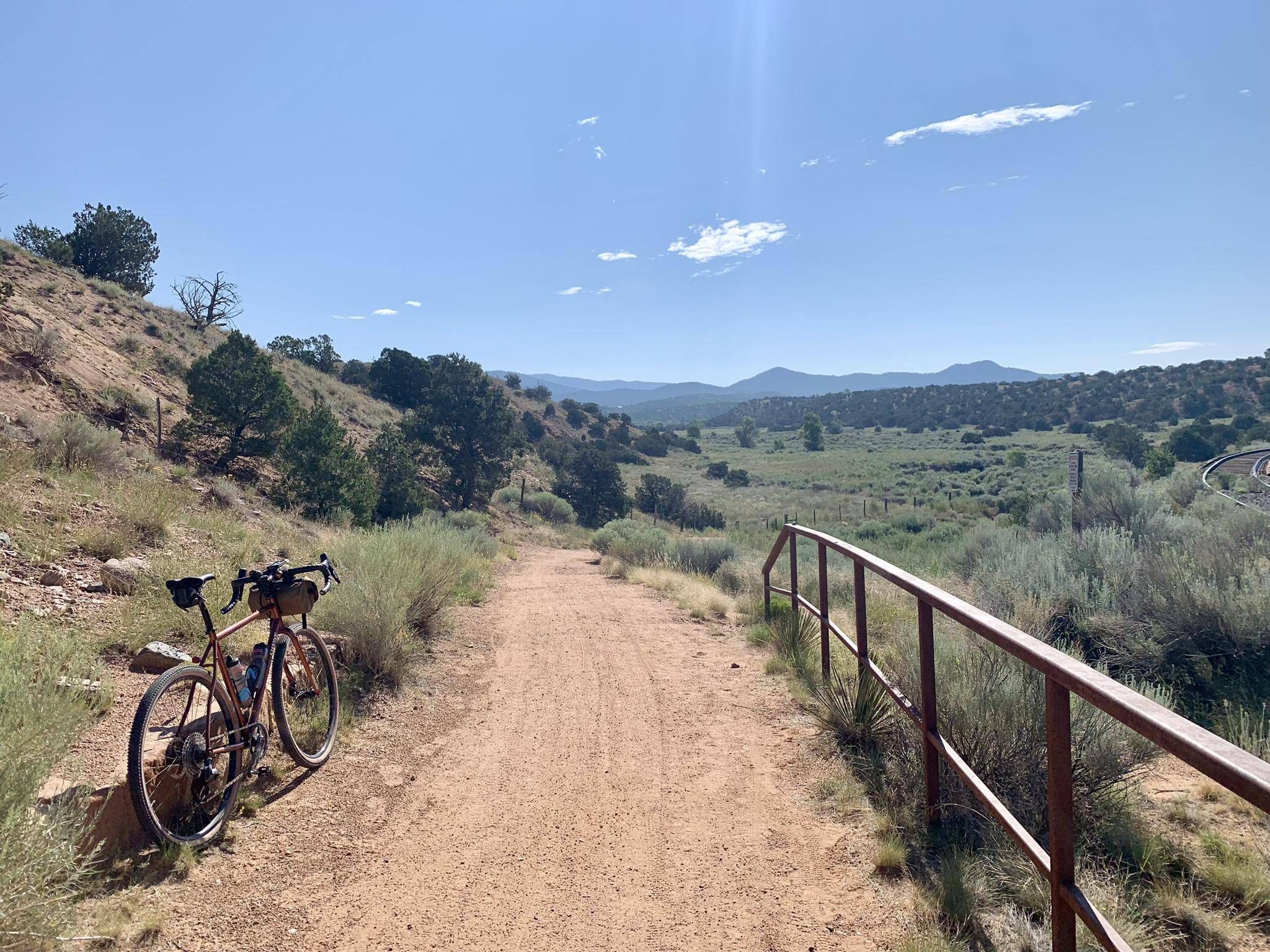
New Mexico Off-Road Runner
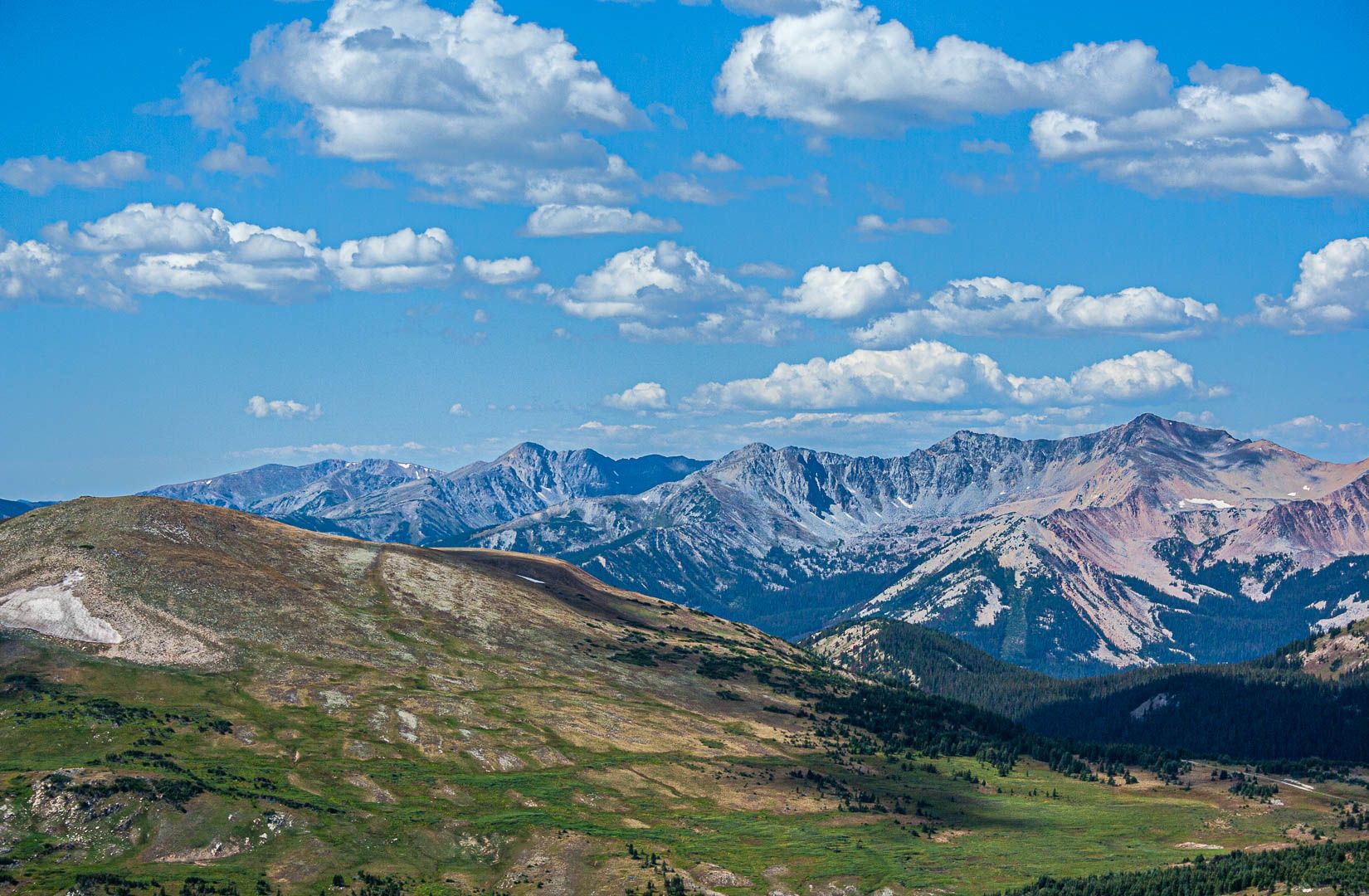
The Continental Divide Trail — Across the sky of America

Cowboy country & Route 66 – Wild West meets legend
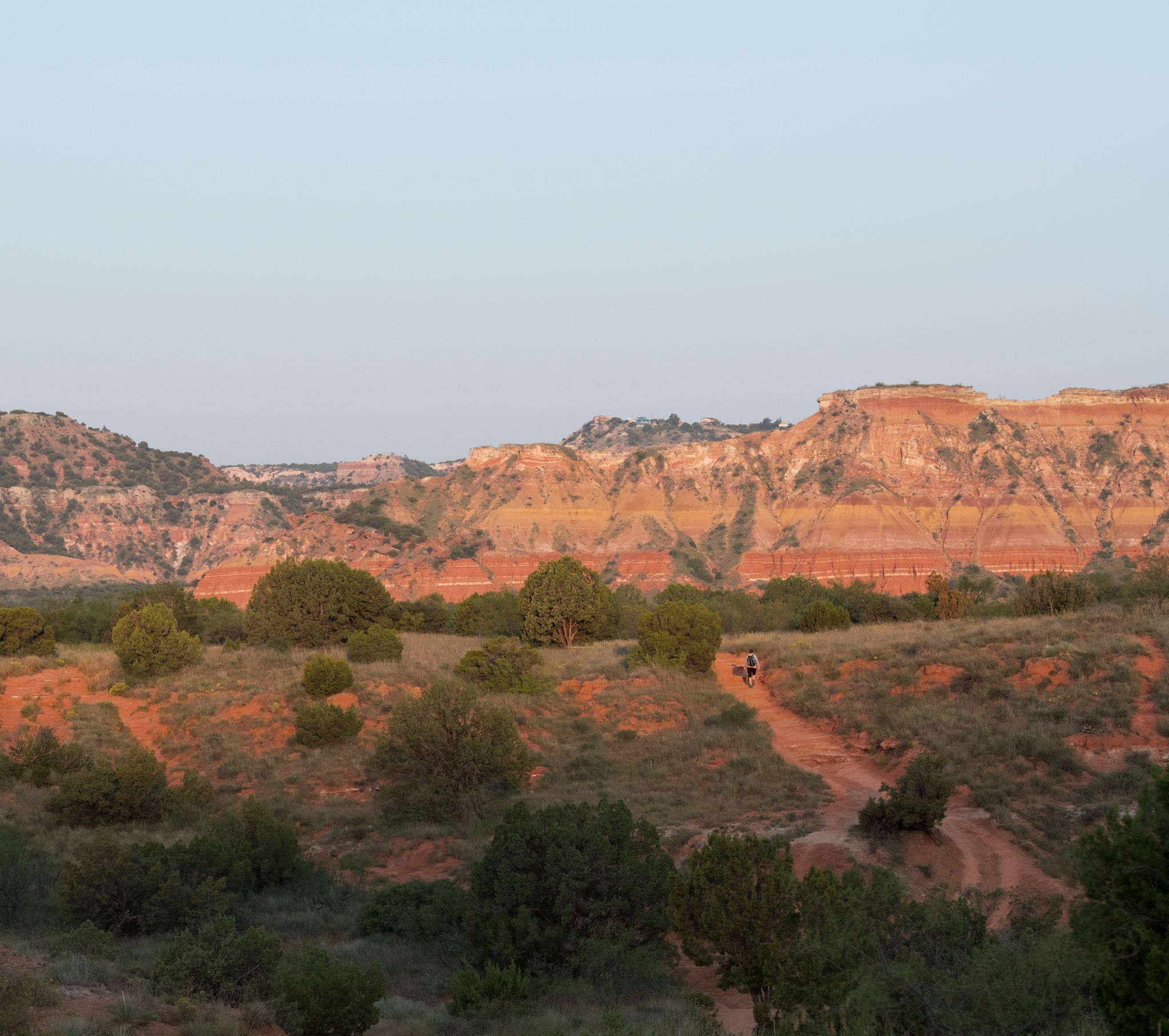
Historic Route 66 – curiosities, selfie spots and diners
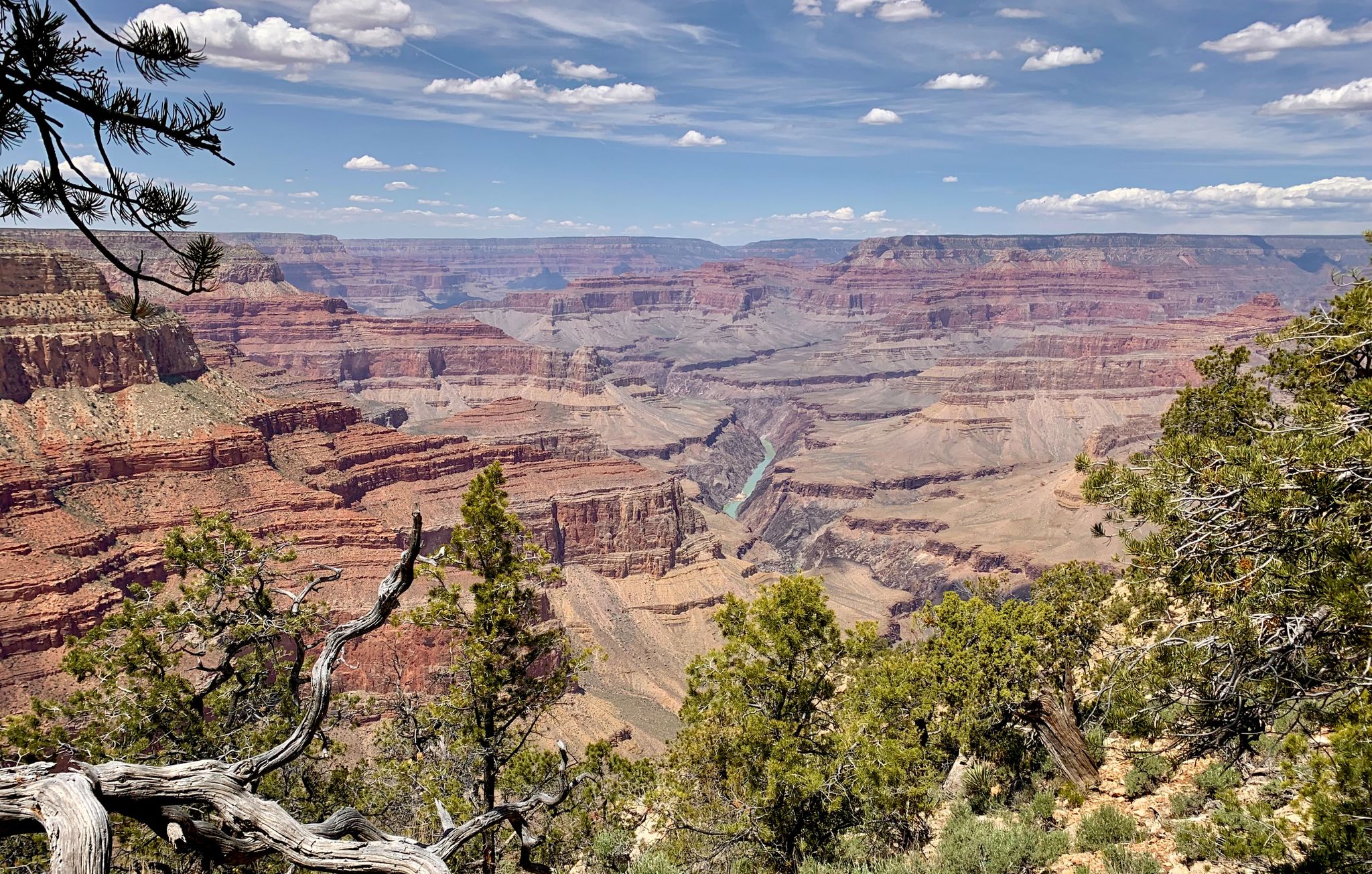
Arizona to Colorado – national parks and Native American culture
Other adventures in New Mexico


Tips from the Community

Recommended as a beginner's path. Nevertheless, bring water!
0
0

Really beautiful!!
1
0

Early morning hiking to avoid the heat. Ok for dogs early in the day with water.
0
0

The Petroglyphs are all over the 1st part of the loop. We came upon multiple snakes and some lizards along the trail.
0
0

You can see up to 300 petroglyphs in this area of the Petroglyph National Monument, which is one of the largest petroglyph sites in the US. The designs range from different periods, with some of them etched on the volcanic rocks over 700 years ago.
0
0

The Civilian Conservatives Corps built this cabin around 1930 and named it after the group that planned it: the Kiwanis. The Corps are known to have built countless infrastructures around New Mexico, but this is one of the only remaining sites that can be seen and accessed.
0
0

This alcove is located 140 feet above the floor of Frijoles Canyon and once housed 25 Ancestral Pueblo people. The Alcove House is now accessed by a series of wooden ladders.
0
0
Bandelier National Monument was designated as a natural monument in 1916 by President Woodrow Wilson to preserve the homes and territory of the Ancestral Puebloans. Most of the pueblo structures in the monument date back to between 1150 and 1600 AD.
0
0
Frequently Asked Questions
What unique geological features can I explore in New Mexico's natural monuments?
New Mexico's natural monuments showcase a diverse range of geological wonders. You can explore the world's largest gypsum dunefield at Alkali Flat Trailhead, White Sands National Park, or descend into the intricate limestone formations of Carlsbad Caverns. Other sites feature volcanic cones like Capulin Volcano, dramatic gorges such as the Rio Grande Gorge, and the otherworldly hoodoos of the Bisti Badlands.
Are there family-friendly natural monuments in New Mexico?
Yes, several natural monuments in New Mexico are great for families. Petroglyphs at Rinconada Canyon Trail offers an engaging way to see ancient rock art. The Dune Life Nature Trail at White Sands National Park is also family-friendly, providing an easy walk through the dunes. Many sites offer accessible paths and visitor centers.
What kind of outdoor activities can I do near these natural monuments?
The natural monuments in New Mexico are surrounded by opportunities for outdoor activities. You can find numerous hiking trails, from easy walks to challenging climbs. For example, there are many hiking routes available, including the Pueblo Loop Trail. Mountain biking is also popular, with trails like the Paseo del Bosque Trail. Running trails are also abundant, such as the Mount Cristo Rey Trail.
Which natural monuments offer historical or cultural insights?
For a blend of natural beauty and rich history, visit Bandelier National Monument. It preserves the homes and territory of Ancestral Puebloans, with structures dating from 1150 to 1600 CE carved into volcanic tuff cliffs. Shiprock also holds profound cultural and religious significance for the Navajo Nation, making it a powerful landmark.
Are there any natural monuments suitable for easy hikes or accessible visits?
Many natural monuments offer accessible options. At White Sands National Park, you can explore the dunes on relatively flat terrain, and the Dune Life Nature Trail is an easy option. Sitting Bull Falls Recreation Area provides accessible paths to its refreshing waterfalls. For those seeking easy hikes, the North Bell Loop is an easy hiking route.
What is the best time of year to visit New Mexico's natural monuments?
The best time to visit New Mexico's natural monuments generally depends on the specific site and your preferred activities. Spring and fall offer pleasant temperatures for hiking and exploration across most areas. Summer can be hot, especially in desert regions like White Sands, but is ideal for activities like the bat flight program at Carlsbad Caverns (May-October). Winter can bring snow to higher elevations, offering unique scenic beauty, but some access might be limited.
Where can I experience unique landscapes like white sand dunes or volcanic formations?
To experience the vast white gypsum dunes, head to White Sands National Park, where you can hike the Alkali Flat Trailhead. For dramatic volcanic landscapes, visit Capulin Volcano National Monument, a well-preserved cinder cone, or El Malpais National Monument, known for its lava flows and craters. Kasha-Katuwe Tent Rocks National Monument also features unique cone-shaped rock formations formed by ancient volcanic eruptions.
Can I find opportunities for wildlife viewing in New Mexico's natural areas?
Yes, New Mexico's diverse ecosystems provide various wildlife spotting opportunities. The Rio Grande del Norte National Monument, including the Rio Grande Gorge, is home to bighorn sheep, river otters, and nesting raptors. Carlsbad Caverns National Park hosts a spectacular bat flight program from May through October, where thousands of bats emerge from the cavern at sunset.
What should I know about visiting Bandelier National Monument?
Bandelier National Monument preserves Ancestral Puebloan sites and covers over 33,000 acres. It features more than 70 miles of hiking trails, ranging from 5,000 to over 10,000 feet in elevation. Most pueblo structures date from 1150 to 1600 CE. Plan for at least half a day to explore the main Frijoles Canyon area, including the cliff dwellings and the Alcove House.
Are there any hidden gems among New Mexico's natural monuments?
While many sites are well-known, the Bisti Badlands (Bisti/De-Na-Zin Wilderness) offers a truly unique and often solitary hiking experience through an otherworldly landscape of hoodoos and unusual sandstone formations like Cracked Eggs. Sitting Bull Falls Recreation Area is another hidden oasis, providing a refreshing escape with waterfalls in a rugged desert setting.
What are some practical tips for visiting White Sands National Park?
When visiting White Sands National Park, it's advisable to wear light-colored clothing, sunglasses, and a hat to protect against the sun's glare. Bring plenty of water, as the white gypsum sand reflects sunlight intensely. Sledding down the dunes is a popular activity, so consider bringing a sled or purchasing one at the park's gift shop. The Alkali Flat Trailhead is best hiked clockwise.
What are the options for exploring caves in New Mexico's natural monuments?
New Mexico is renowned for its extensive cave systems. Carlsbad Caverns National Park offers self-guided tours via the Big Room Trail and Natural Entrance Trail, as well as guided tours to explore its intricate limestone formations. El Malpais National Monument also features hidden cave networks, including ice caves, which can be explored with a permit.
Are there challenging trails for experienced hikers in New Mexico's natural monuments?
Yes, experienced hikers can find challenging trails within New Mexico's natural monuments and surrounding areas. For instance, the La Luz Trail is a difficult hiking route. Within Bandelier National Monument, there are over 70 miles of trails, with significant elevation changes, including the climb to Alcove House which involves ladders.
Most popular routes in New Mexico
Most popular attractions in New Mexico

Get inspired with the komoot mobile app


Didn’t find what you were looking for?
Find even more amazing natural monuments in New Mexico by checking out the top Highlights region by region:
Explore more
Extend your search for the best caves by checking out these guides of the top ones in New Mexico:
