Top 20 Natural Monuments in Gänserndorf
Best natural monuments in Gänserndorf include diverse natural areas and significant landmarks. The region features extensive floodplain landscapes along the March River, providing habitats for flora and fauna. Local parks and reserves offer managed natural environments for relaxation and observation. These sites range from riverine ecosystems to historical monuments integrated with natural settings.
Best natural monuments in Gänserndorf
- The most popular natural monuments is Devín Castle, a castle that served as an important historical crossroads for the Romans. Today,…
Last updated: August 6, 2026
Devín Castle
Highlight • Castle
Translated by Google •
Tip by

Donauradweg Gravel Section, Nationalpark Donau-Auen
Highlight • Cycleway
Translated by Google •
Tip by

Sign up now to discover places like this
Get recommendations on the best single tracks, peaks, & plenty of other exciting outdoor places.
Sign up for free
Orth an der Donau in the Donau-Auen National Park
Highlight (Segment) • Settlement
Translated by Google •
Tip by

Orther Islands
Highlight • Lake
While the first four islands already rise high out …
Translated by Google •
Tip by

Devín Castle Ruins
Highlight • Castle
Translated by Google •
Tip by

Baroque Garden of Schloss Hof
Highlight • Natural Monument
After 15 years of detailed reconstruction, the garden in Schloss Hof can now be experienced by our guests in …
Translated by Google •
Tip by

Nexing Castle and Muschelberg
Highlight • Castle
Nexing Castle, built in the English Tudor style, is located in the middle of the rolling hills of the Weinviertel. Right behind it is a …
Translated by Google •
Tip by

Stadler Furt Gravel Beach, Nationalpark Donau-Auen
Highlight • Beach
The 10 meter long and 2 meter wide pedestrian bridge over the Grossenzersdorfer Arm was built in 1999
Translated by Google •
Tip by

Kaiser-Bründl Monumental Fountain
Highlight • Monument
Translated by Google •
Tip by

Weikendorfer Remise Nature Reserve
Highlight • Natural Monument
Translated by Google •
Tip by

Sign up for free to discover even more natural monuments in Gänserndorf.
Sign up for free
Already have an account?
Start today with a free account
Your next adventure awaits.
Login or Signup
Popular around Gänserndorf
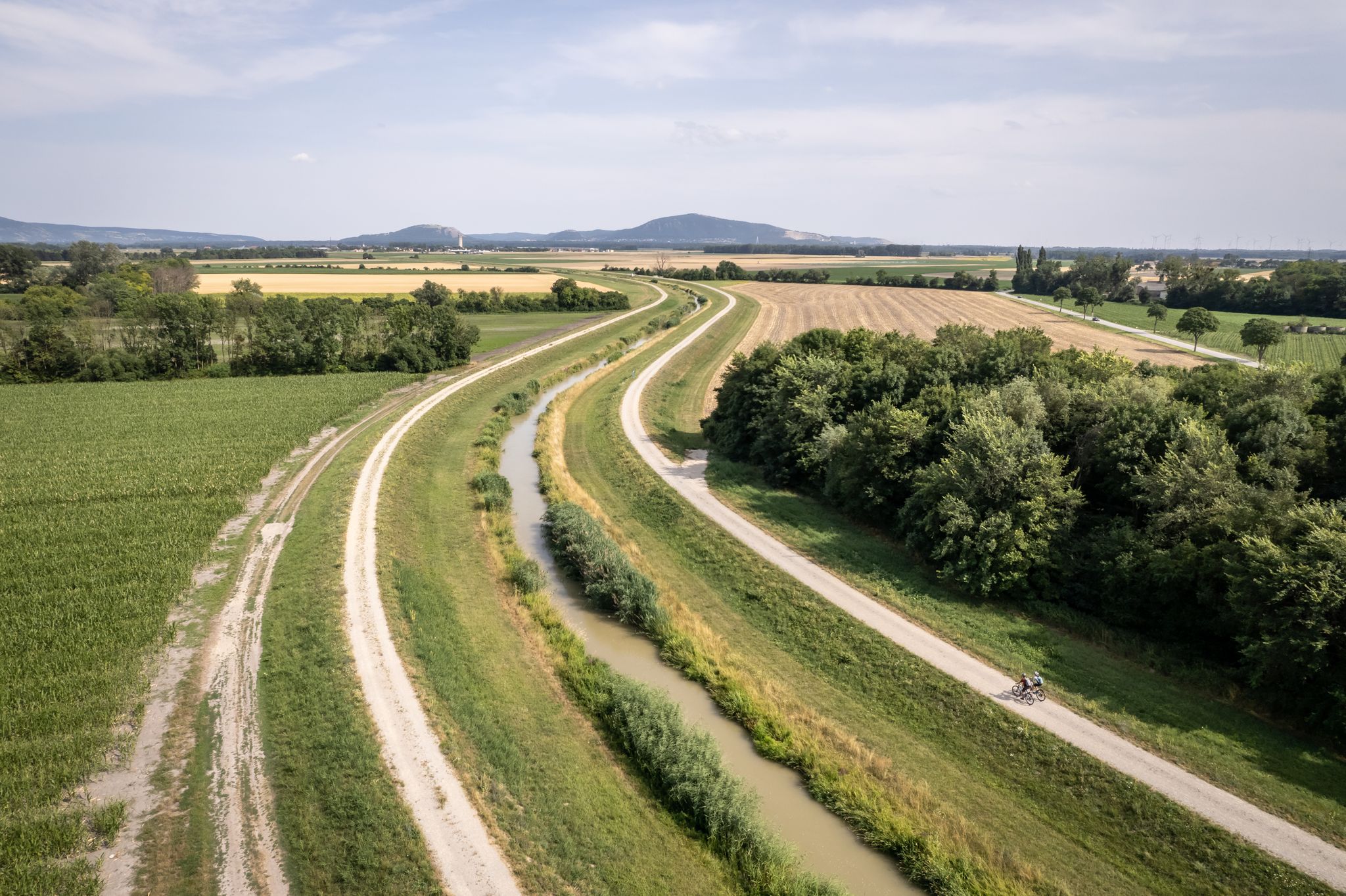
To the Weinviertel! – joyous cycling on Vienna's doorstep
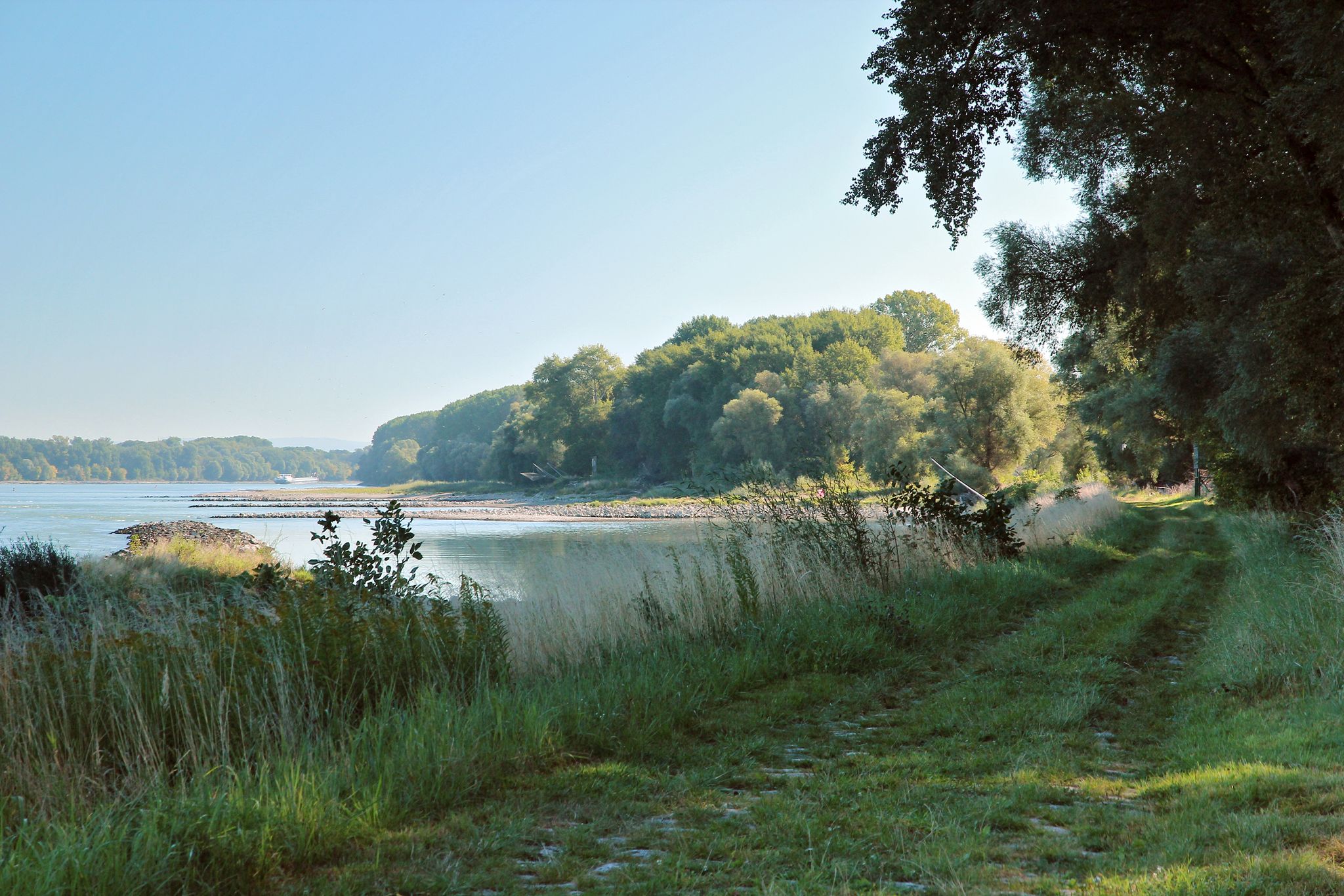
From Vienna to the state border at Hainburg - Tours in the National Park Donau-Auen
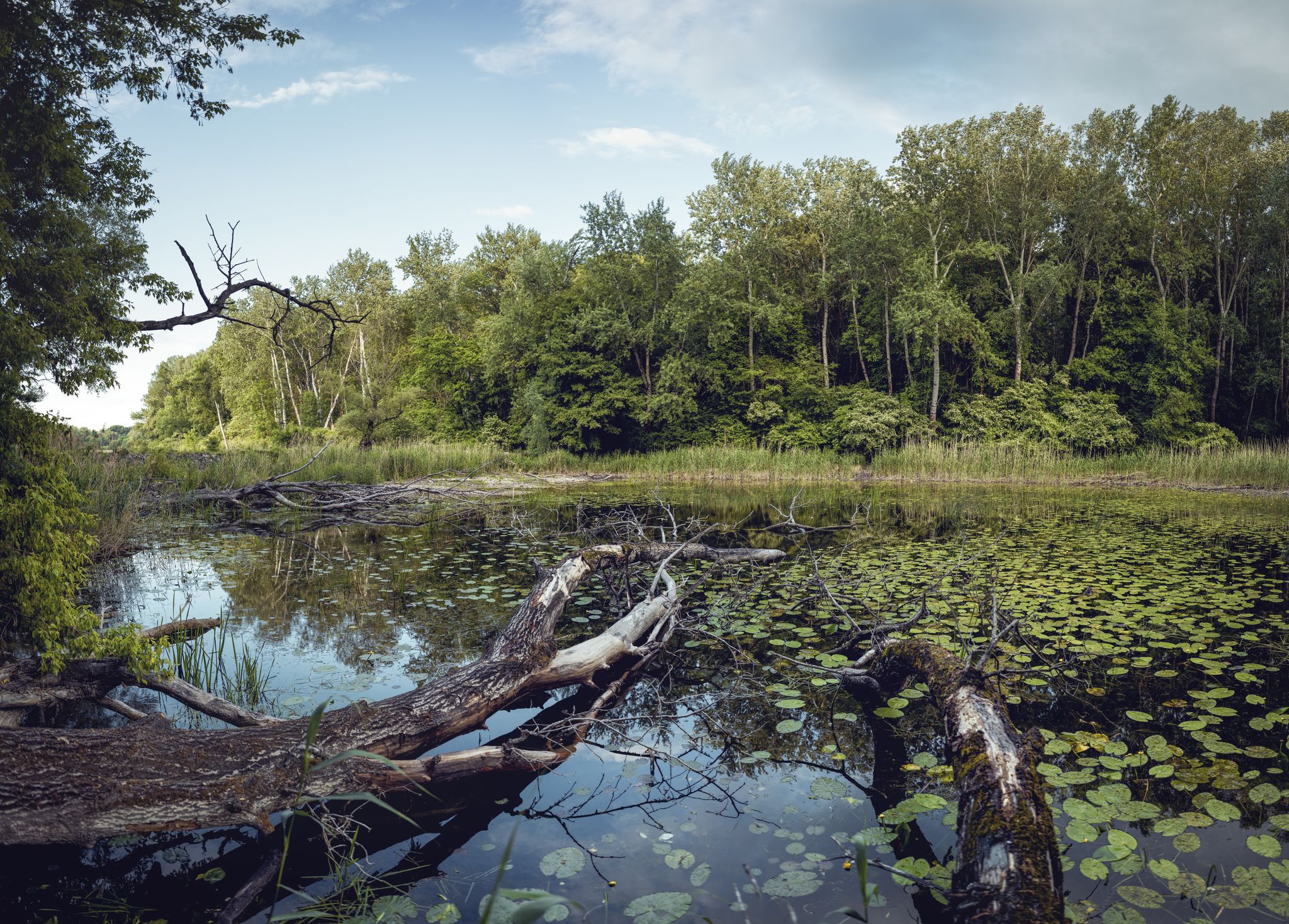
Discover the Donau-Auen National Park
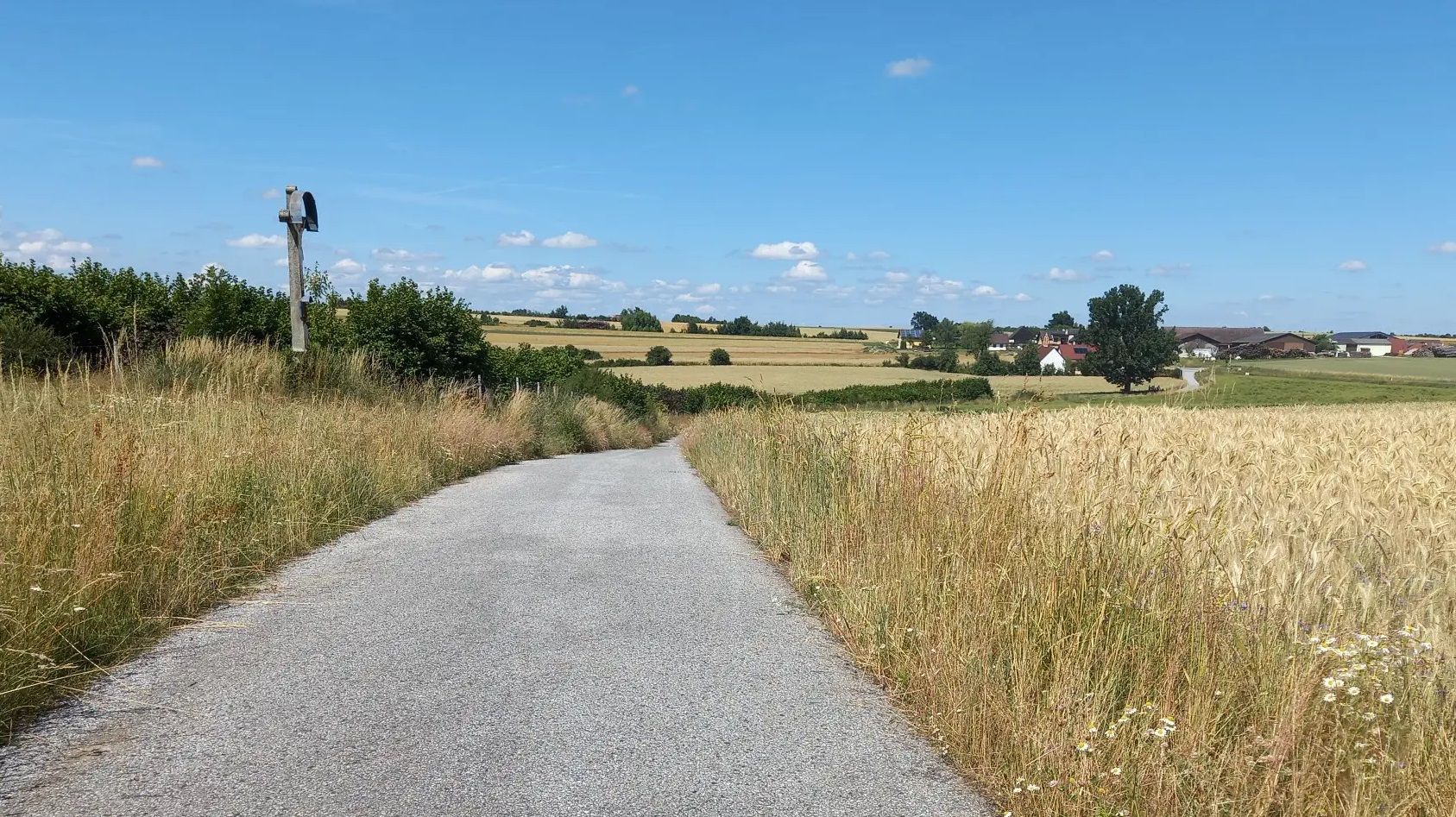
Cycling away from the crowds – Austria’s Kamp-Thaya-March Cycle Route
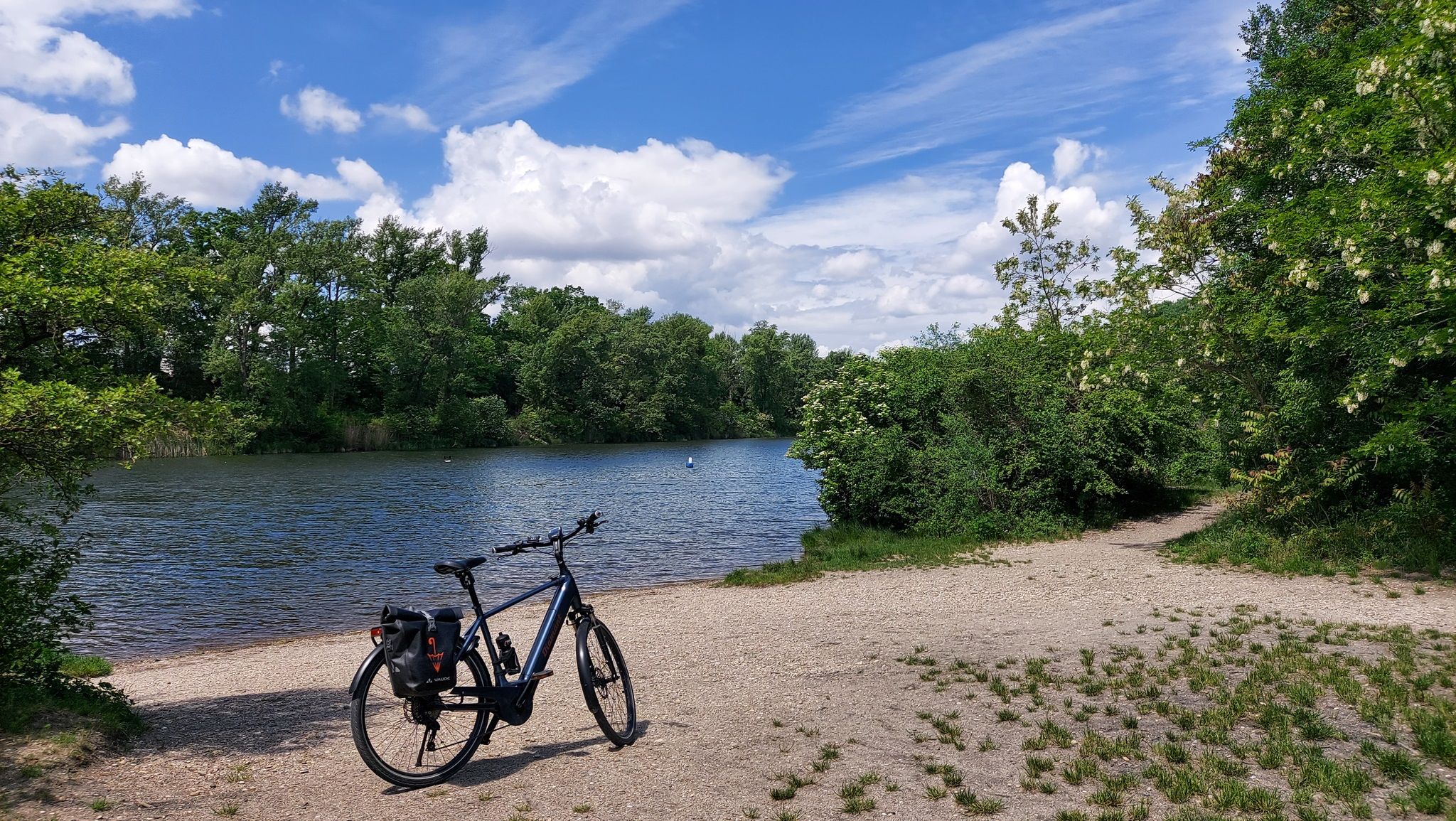
The most beautiful bathing spots around Vienna
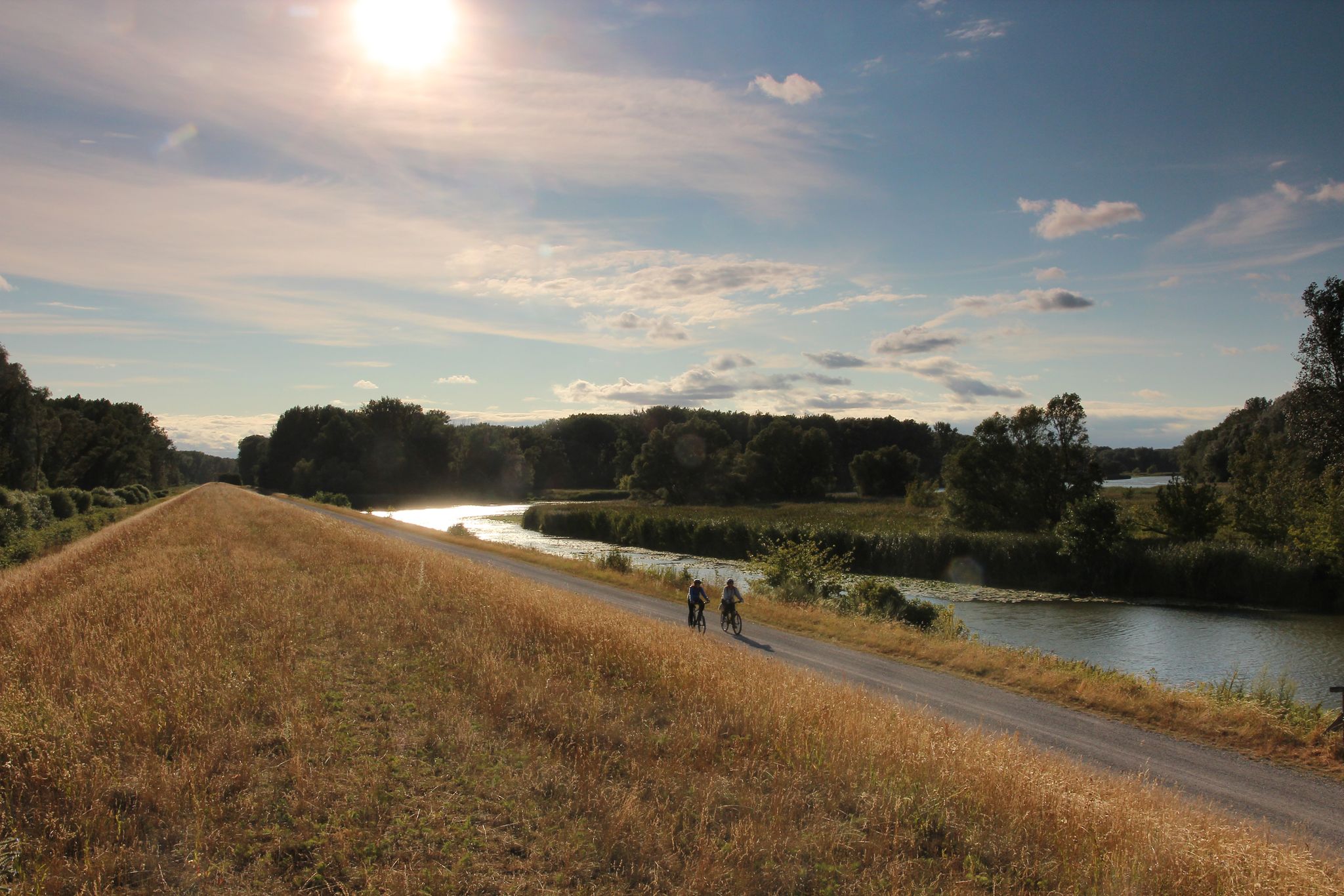
Radrouten im Nationalpark Donau-Auen
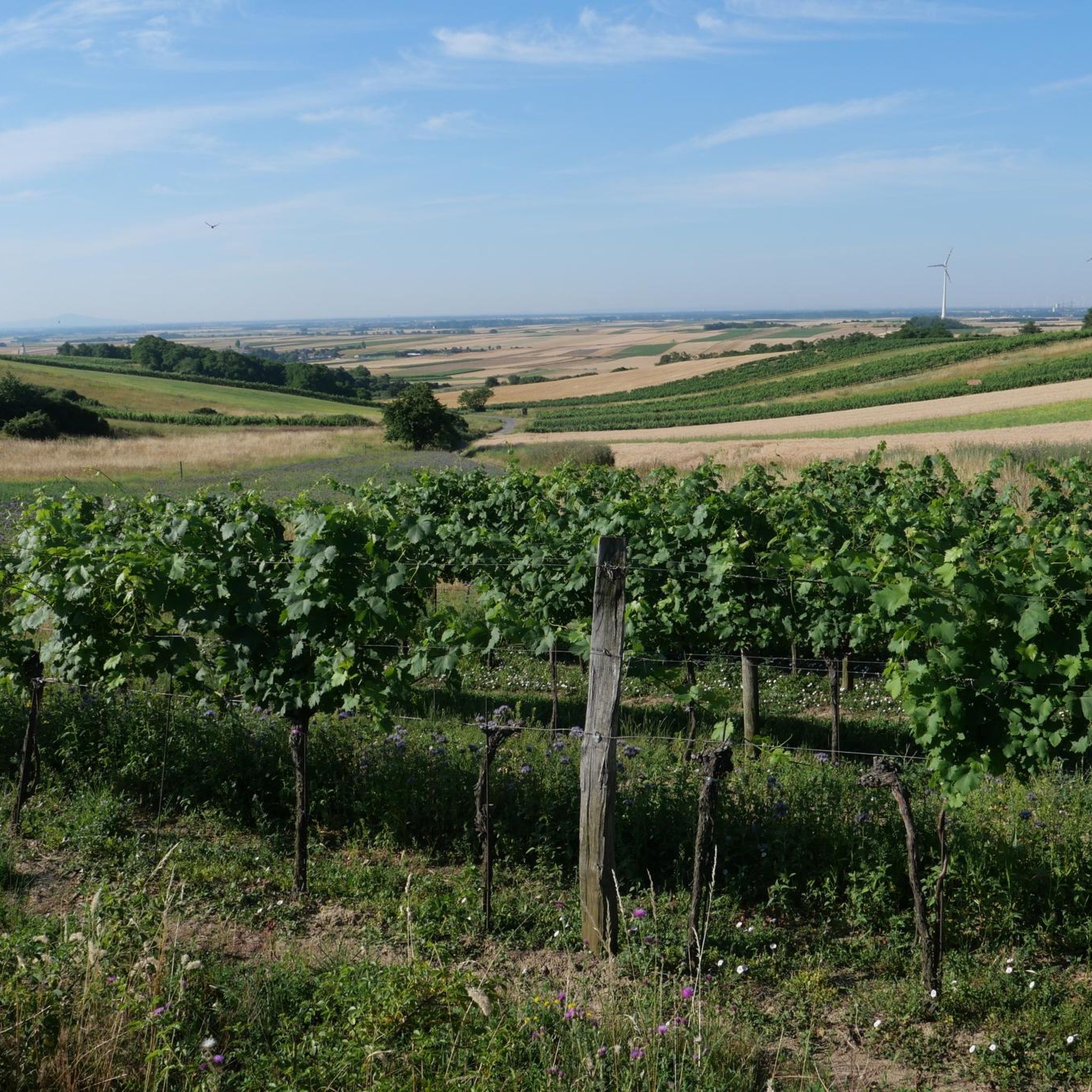
Hiking in Gänserndorf
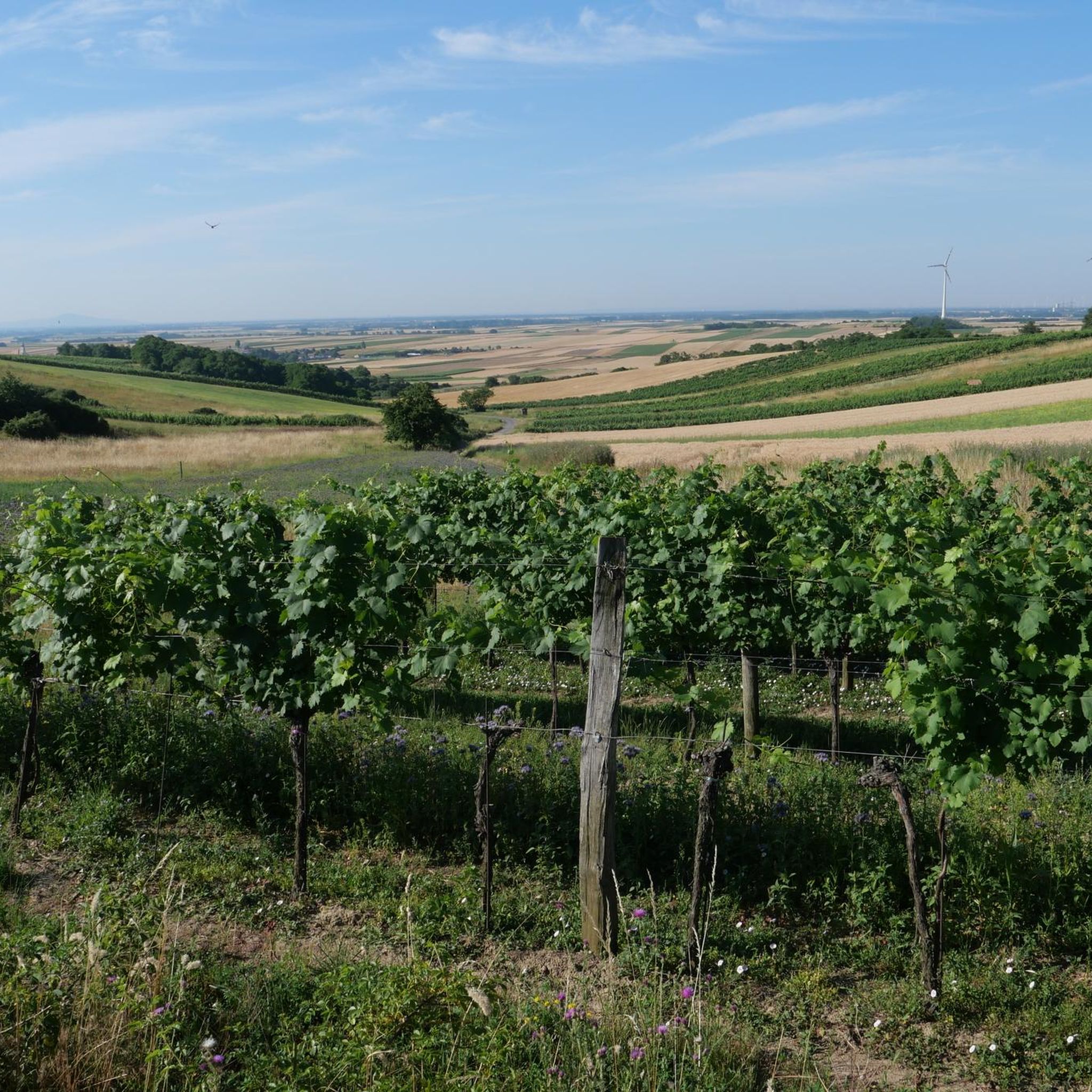
Cycling in Gänserndorf
Road Cycling Routes in Gänserndorf
Running Trails in Gänserndorf
Other adventures in Gänserndorf


Tips from the Community

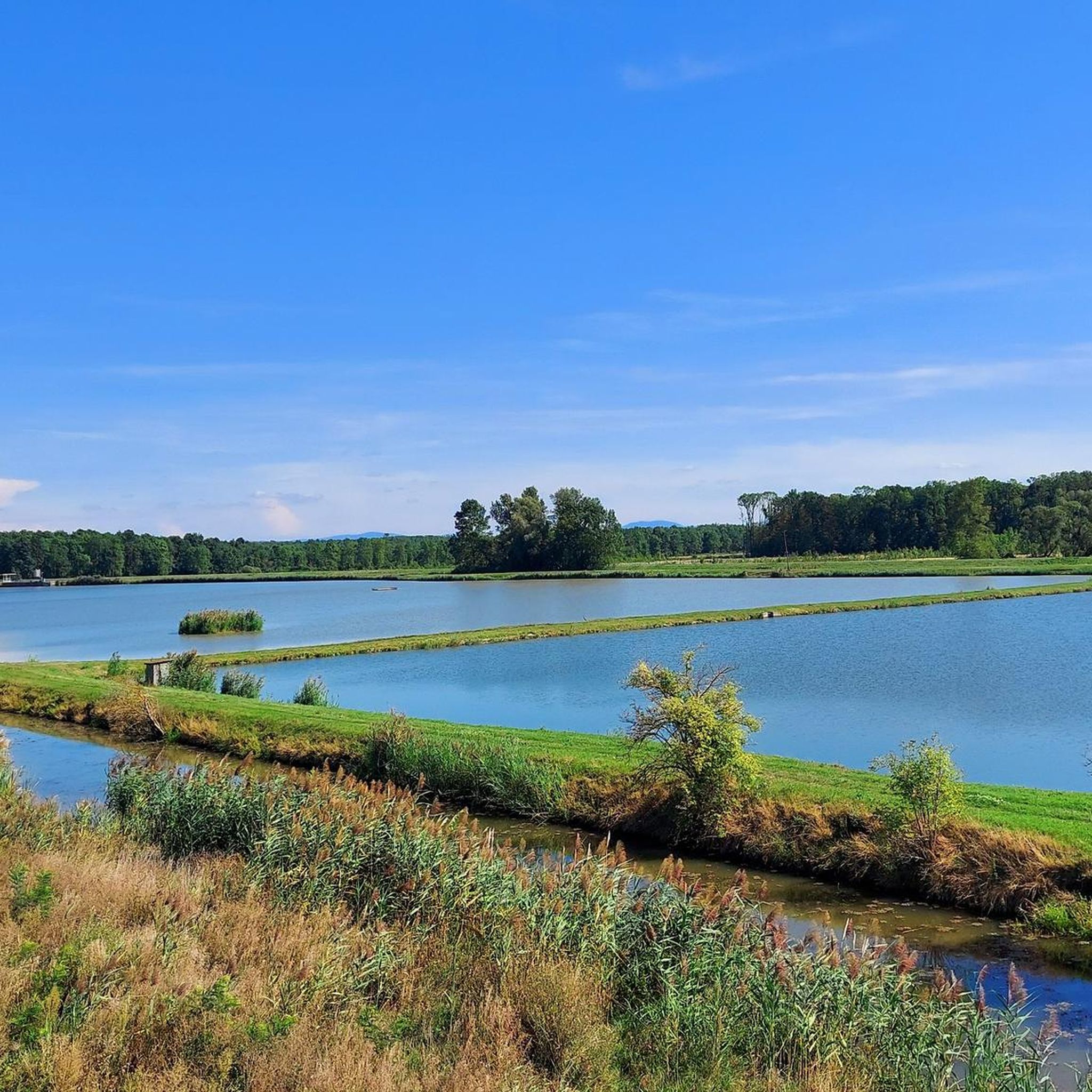
The almost standing body of water offers great photo opportunities with reflections.
0
0

Baroque Garden - The Garden Paradise, Hof Castle The area sloping down to the March lowlands to the east of the castle was predestined to create a garden based on the French model simply because of its location. In just a few years, Prince Eugene had the architect Johann Lucas von Hildebrandt and the garden engineer Anton Zinner create one of the most important gardens in the German-speaking world on a total of seven terraces. The vertical central axis, along which there are numerous fountains, divides the garden into two mirror-image areas on each level. A well-thought-out sculpture program created by the sculptor Johann Christoph Mader pays homage to the lord of the castle, Prince Eugene. The water required to operate the fountains and to supply the plants was derived from three ponds in the nearest village of Groißenbrunn. In the 19th and 20th centuries, the garden gradually fell into disrepair. The three paintings by Bernardo Belotto, known as Canaletto, were one of the most important sources for the gradual reconstruction of the individual terrace areas since 2002. These views of the palace complex were created on Maria Theresa's commission around 1760. Text / Source: Schloss Hof, 2294 Schloßhof 1 https://www.schlosshof.at/ueber-schloss-hof/garten
13
0
Baroque Garden - The revitalization of the Baroque Garden, Schloss Hof After 15 years of detailed reconstruction, the garden in Schloss Hof can now be experienced by our guests in its 18th century appearance right down to the last terrace! We have accompanied this journey for you and provide insights into the exciting period of restoration work. With the restoration of the seventh garden terrace in 2019 and the completed reconstruction of the Great Cascade in 2018, the 15-hectare Baroque Garden of Schloss Hof can once again be experienced in its entirety as it was in the 18th century. Text / Source: Schloss Hof, 2294 Schloßhof 1 https://www.schlosshof.at/ueber-schloss-hof/garten/revitalisierung-barockgarten
13
0

In the Zistersdorf pine forest there is a brick spring with a relief of Emperor Franz Joseph I. Below it you can read his motto "Viribus Unitis" (= With united forces). To the left and right of the relief are the years of his 60-year reign, 1848 and 1908. On the profiled cover plate there is a sandstone vase on the left and right of the main part. Above the base part there is a cornice made of unplastered and slanted bricks. On the lower side part there are two sandstone balls. [marterl.at]
2
0

The Danube-Auen National Park is a 9,600 hectare national park that stretches from Vienna to the mouth of the March in Lower Austria on the border with Slovakia. It is one of the largest, largely intact floodplain landscapes in Central Europe along the Danube. The area is 38 kilometers long and measures barely four kilometers at its widest point.
3
0

Memorial for the victims who tried to escape from there to freedom and were shot or died there. It makes your heart heavy.
1
0

The Celts had their settlement here, the Romans controlled the Limes from here and the Slavs built a fearsome fortress here. After all, the castle was considered the western border of the Hungarian Empire for centuries. The castle was conquered many times, but was always rebuilt and fortified. Its end was, as is often the case in history, without any reason: in 1809, Thebes Castle was blown up by the French army.
1
0

Beautiful view of the Orther Islands from the shore path. The islands themselves are difficult to access due to the dense undergrowth.
0
0
Frequently Asked Questions
What are some of the most popular natural monuments in Gänserndorf?
Visitors frequently appreciate the historical significance and views from Devín Castle, which offers panoramic views of the Morava and Danube rivers. Another favorite is the Donauradweg Gravel Section, Nationalpark Donau-Auen, known for its scenic meadow landscapes and birdwatching opportunities. The Orther Islands are also popular for their dynamic habitats and primeval forests formed by the Danube River.
Are there family-friendly natural monuments in the Gänserndorf district?
Yes, several natural monuments are suitable for families. The settlement of Orth an der Donau in the Donau-Auen National Park is family-friendly, offering forest and river experiences. The Baroque Garden of Schloss Hof is also a great option, combining historical beauty with spacious gardens. Additionally, the Weikendorfer Remise Nature Reserve provides a natural setting for family outings.
What kind of natural features can I expect to see in Gänserndorf's natural monuments?
The region is rich in diverse natural features. You can explore extensive floodplain landscapes along the March River, particularly in the Untere Marchauen, which are vital habitats for flora and fauna. The Donau-Auen National Park features dynamic riverine ecosystems, gravel areas, and primeval forests. Local attractions like the Landschaftspark in Gänserndorf offer renatured areas with goose ponds and observation towers, while the Stadler Furt Gravel Beach, Nationalpark Donau-Auen provides river beach access.
Are there historical sites integrated with natural monuments in Gänserndorf?
Absolutely. Devín Castle is a prime example, a historical crossroads used by the Romans, now a restored monument with expositions and stunning views. The Baroque Garden of Schloss Hof is another significant site, a meticulously restored 18th-century garden. You can also find the Kaiser-Bründl Monumental Fountain, which combines historical significance with a natural water source.
What outdoor activities can I do near the natural monuments in Gänserndorf?
The region offers a variety of outdoor activities. You can enjoy hiking on trails like the "Big Danube Round" or the "Napoleon Rundweg" in the Donau-Auen National Park. For more options, explore the hiking guide for Gänserndorf. Cycling is also popular, with routes such as the "Castles loop" or the "Stempfelbach cycle route." Find more cycling adventures in the cycling guide for Gänserndorf. Running enthusiasts can find trails like the "Groß-Enzersdorfer Arm loop" in the running trails guide for Gänserndorf.
What is the best time of year to visit the natural monuments in Gänserndorf?
Spring and autumn are generally ideal for visiting Gänserndorf's natural monuments. During these seasons, the weather is pleasant for outdoor activities like hiking and cycling, and the natural landscapes, such as the floodplains and gardens, are particularly vibrant. Summer can also be enjoyable, especially for river-related activities, but be prepared for warmer temperatures.
Are there any viewpoints or scenic spots among the natural monuments?
Yes, several natural monuments offer excellent viewpoints. Devín Castle provides a beautiful view of the confluence of the Morava and Danube rivers. The Donauradweg Gravel Section, Nationalpark Donau-Auen offers scenic views of the meadow landscape. Within Gänserndorf's Landschaftspark, an observation tower provides panoramic views of the surrounding natural environment. The Orther Islands also offer picturesque river views.
What are the unique features of the Weikendorfer Remise Nature Reserve?
The Weikendorfer Remise Nature Reserve is recognized for its ecological importance as a natural monument. It features preserved ecosystems and unique plant communities, offering opportunities to observe local wildlife within a tranquil natural setting. It's a place where you can experience the untouched natural beauty of the region.
Can I find natural monuments that are also suitable for dog walking?
Many natural areas and trails in the Gänserndorf district are dog-friendly, provided dogs are kept on a leash and owners clean up after them. The extensive floodplain landscapes of the Untere Marchauen and the trails within the Donau-Auen National Park are generally suitable for walks with dogs. Always check local signage for specific regulations in nature reserves.
What is the Nexinger Muschelberg?
The Nexinger Muschelberg is a natural monument known for its unique geological features. It is often associated with Nexing Castle and Muschelberg, offering a combination of natural and historical interest. It's a family-friendly site that provides insights into the region's natural history.
How long should I plan for a visit to the natural monuments in Gänserndorf?
The duration of your visit depends on the specific natural monument and your planned activities. For smaller sites like the Landschaftspark or the Weikendorfer Remise, a few hours might suffice. Exploring larger areas like the Donau-Auen National Park or undertaking longer cycling routes could easily fill a full day or even multiple days. Consider planning half-day or full-day excursions to fully appreciate the diverse offerings.
Most popular routes in Gänserndorf
Most popular attractions in Gänserndorf

Get inspired with the komoot mobile app


Didn’t find what you were looking for?
Find even more amazing natural monuments in Gänserndorf by checking out the top Highlights region by region:
Explore more
Extend your search for the best caves by checking out these guides of the top ones in Gänserndorf:
