Top 20 Natural Monuments in Leer
Best natural monuments in Leer showcase a diverse landscape characterized by wetlands, bogs, and coastal features. The region's geography includes remnants of large raised bog complexes and reeded shallow bog lakes. These areas provide habitats for various plant and animal species, contributing to the ecological significance of the district. The natural monuments offer opportunities to observe unique ecosystems and understand the region's natural history.
Best natural monuments in Leer
- The most popular natural monuments is View of Ruhezone I/8 from…
Last updated: May 29, 2026
Tüskendörsee Nature Reserve
Highlight • Lake
Translated by Google •
Tip by

View of Ruhezone I/8 from the dike
Highlight • Viewpoint
Translated by Google •
Tip by

Sign up now to discover places like this
Get recommendations on the best single tracks, peaks, & plenty of other exciting outdoor places.
Sign up for free
Ruhezone I/8 Conservation Area
Highlight • Natural
Translated by Google •
Tip by

Northwesternmost Point of Germany
Highlight • Monument
Translated by Google •
Tip by

Bird Sanctuary
Highlight (Segment) • Natural
Translated by Google •
Tip by

Greune Stee Lowland Forest
Highlight • Forest
In the summer it is essential to smear Autan there are many mosquitos
Translated by Google •
Tip by

Neudorfer Moor Observation Tower
Highlight • Viewpoint
Translated by Google •
Tip by

Ostland View Dune
Highlight • Viewpoint
Translated by Google •
Tip by

Stapeler Moor
Highlight • Natural
Translated by Google •
Tip by

Hasselt Water Park
Highlight • Natural Monument
In 2001, after intensive planning, we were able to open our water park directly at the Hasselt waterworks. In a 7,000 m2 large, naturally designed area, we offer …
Translated by Google •
Tip by

Sign up for free to discover even more natural monuments in Leer.
Sign up for free
Already have an account?
Start today with a free account
Your next adventure awaits.
Login or Signup
Popular around Leer
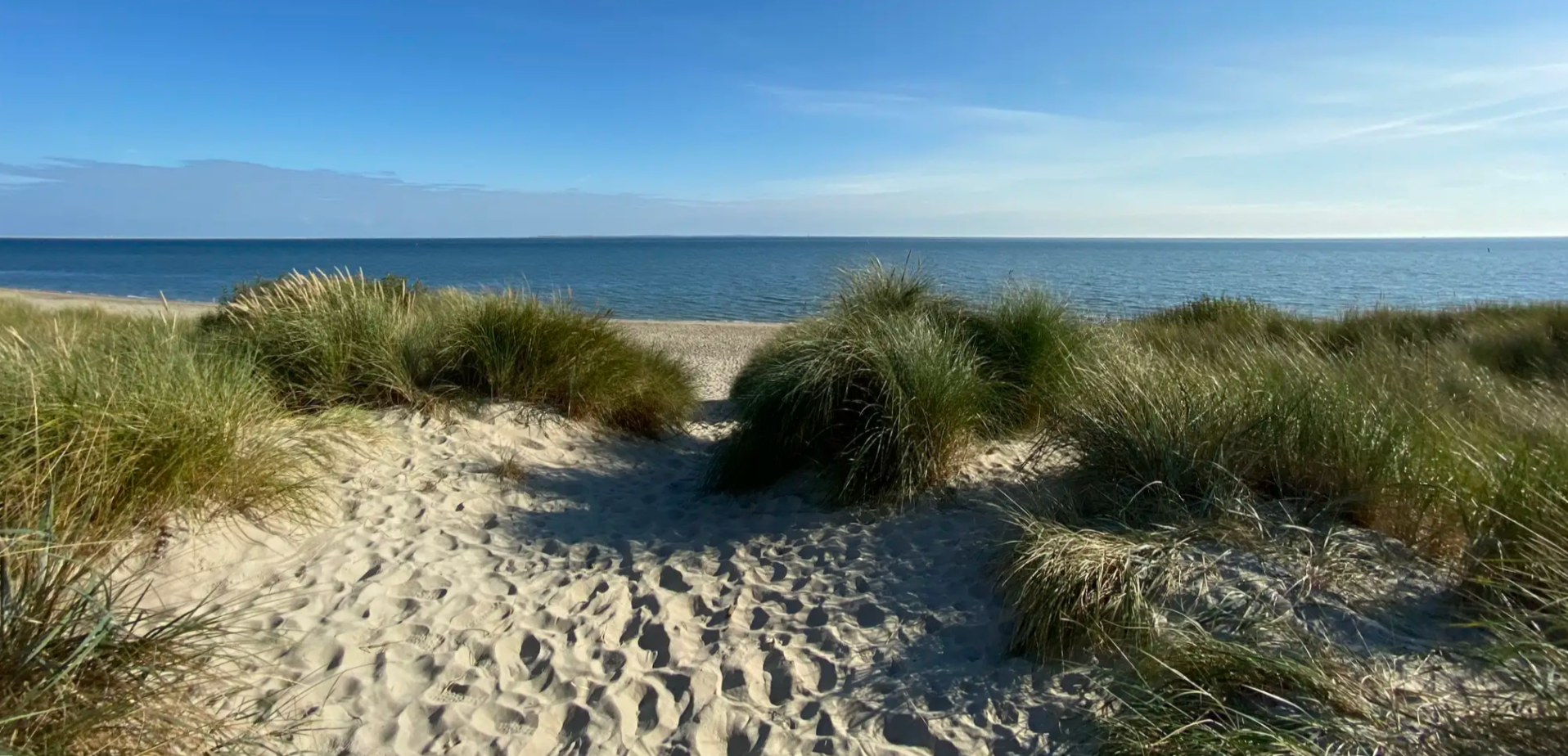
Regional Trail WaddenWalking (SP 04) - Hiking across the Wadden Sea.
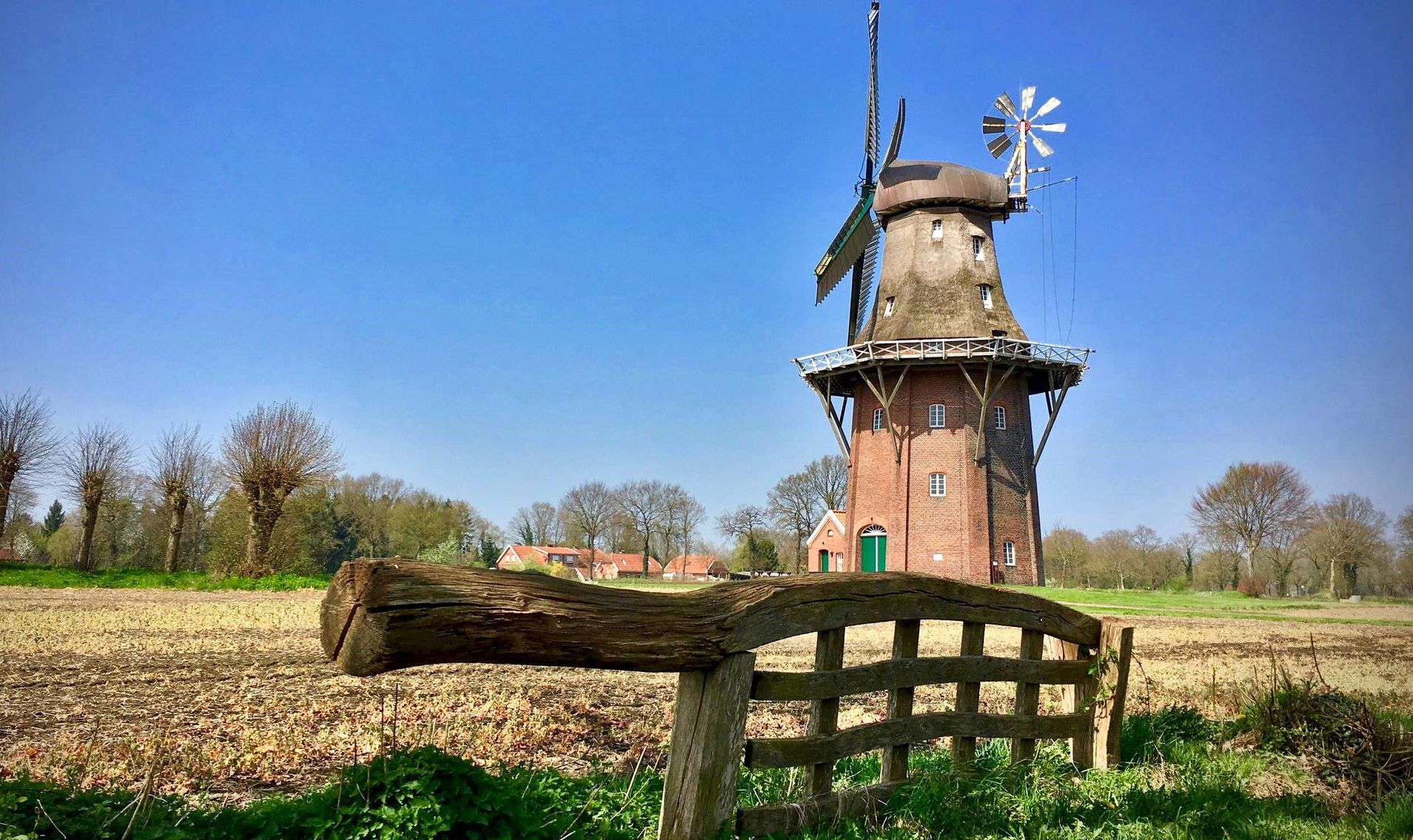
Ostfriesland Hiking Trail – Hike to Germany's North Sea coast
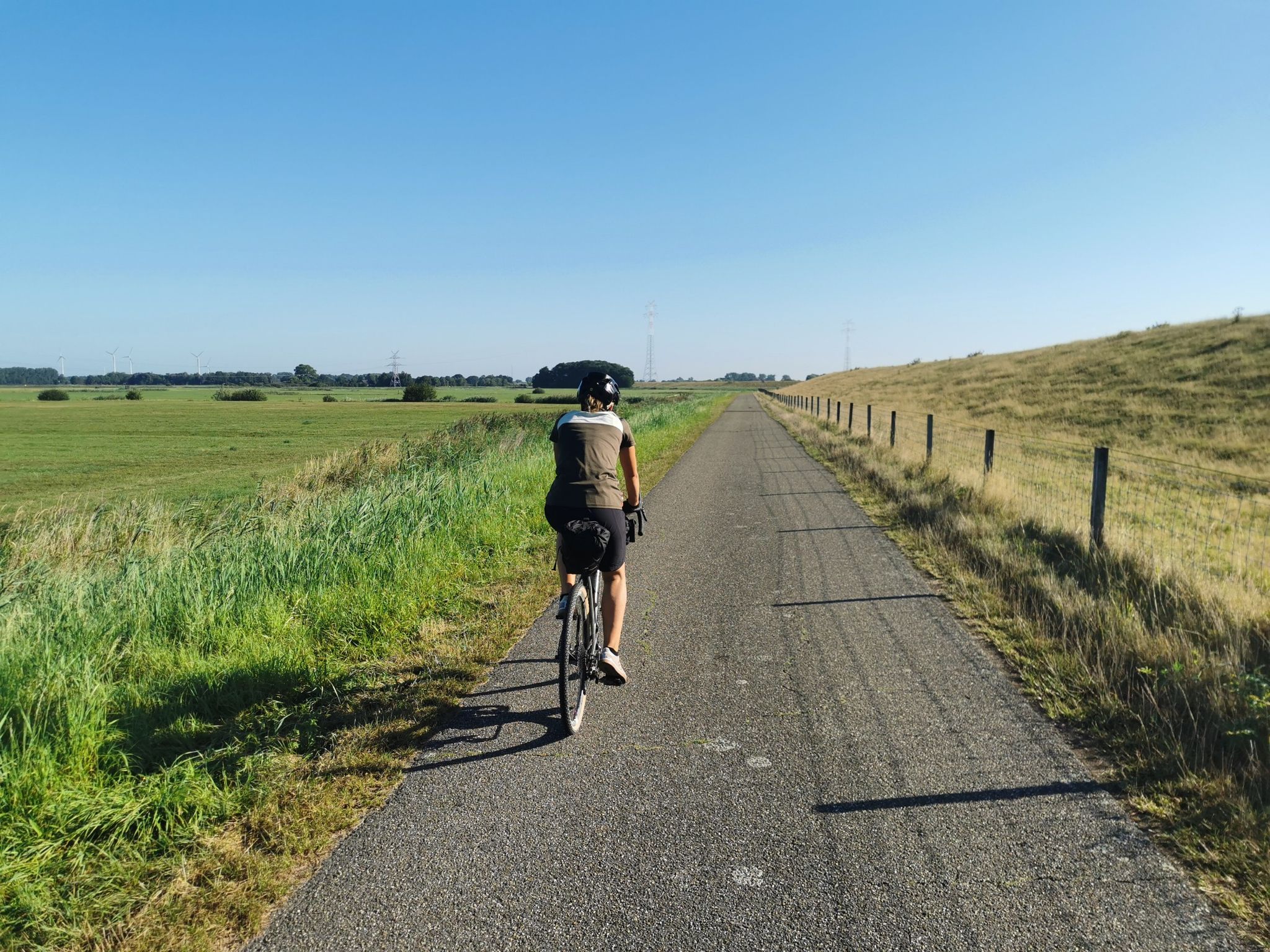
Cycling through East Frisia in Germany – Frisian Army Trail
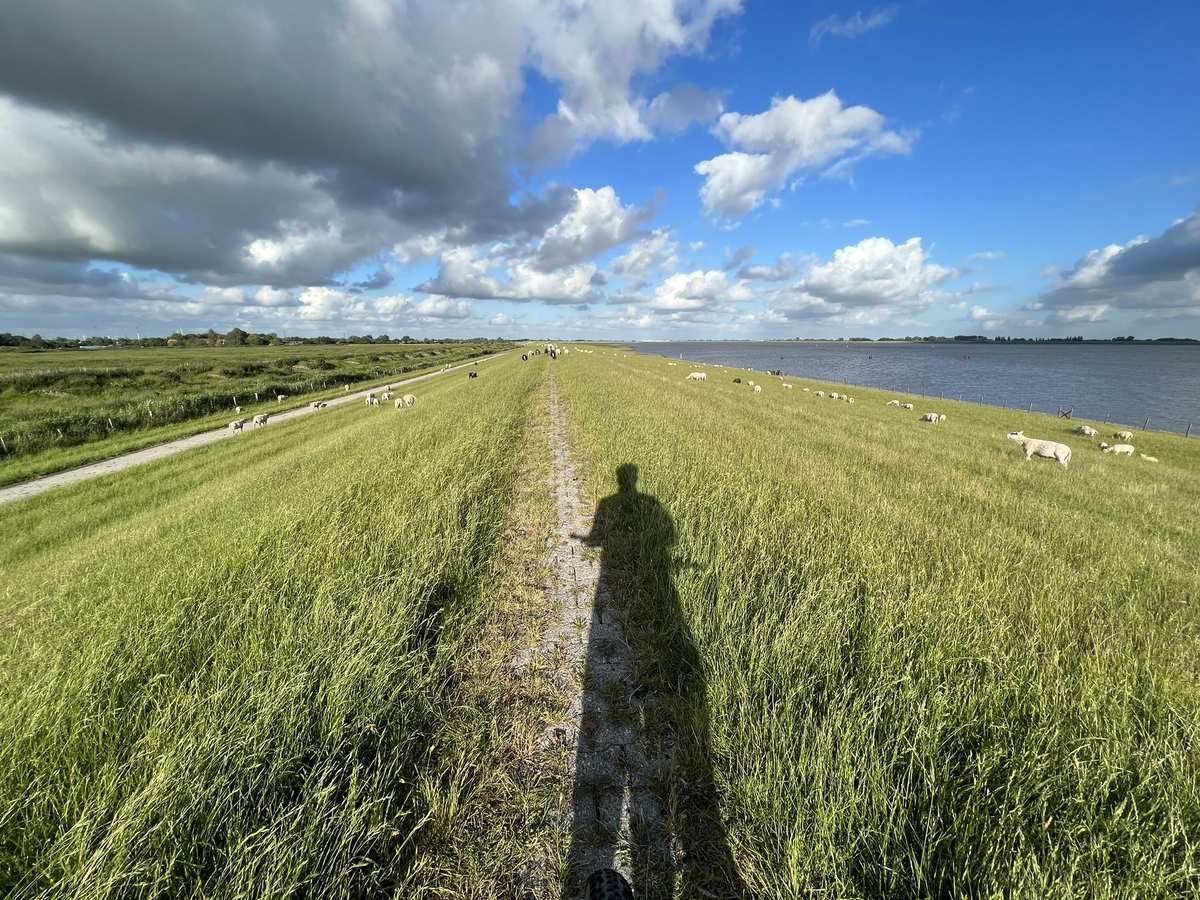
Sheep, dykes and Germany’s North Sea – Dollart Route
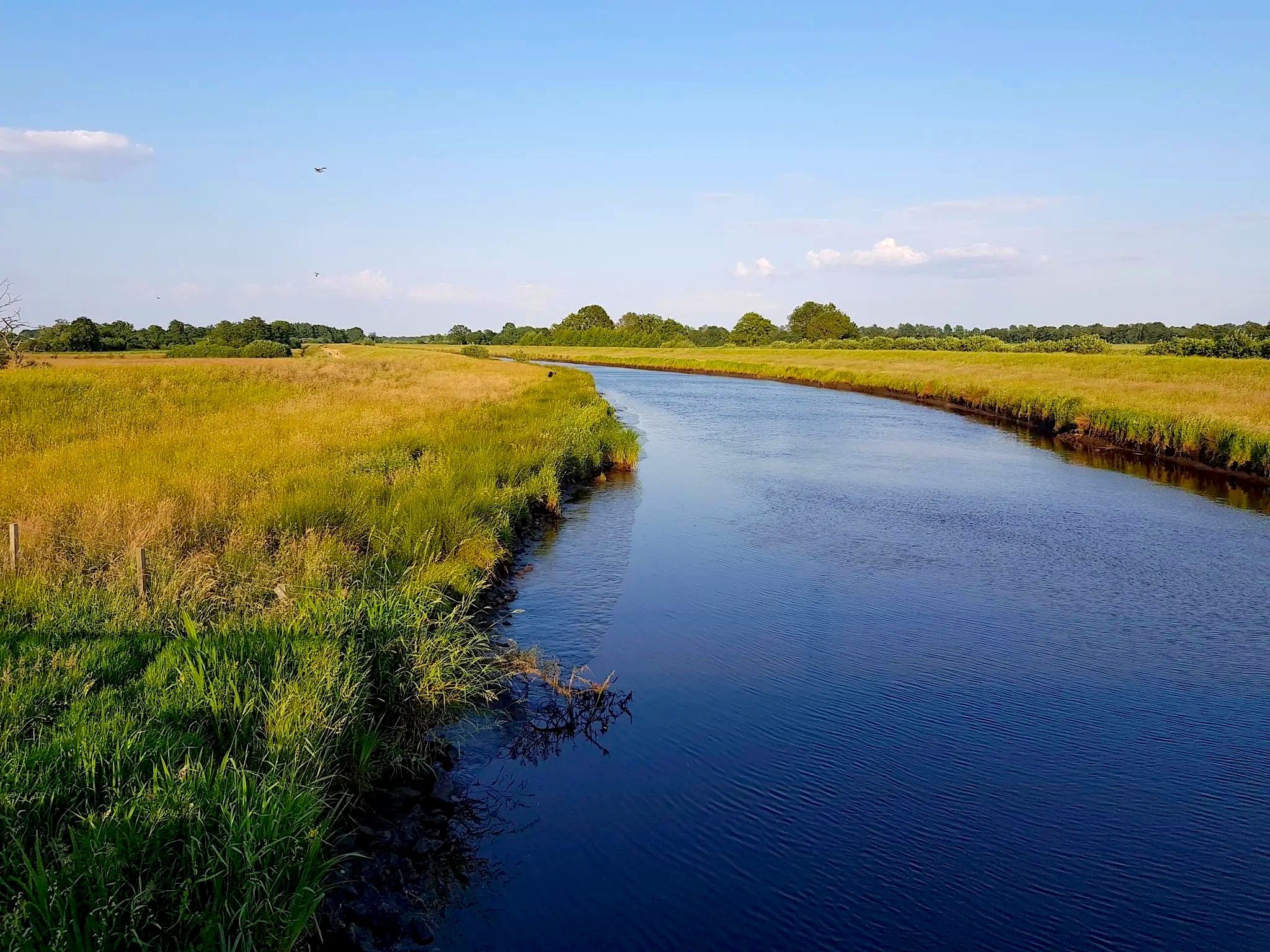
Peace, space and fresh air – hiking the Ems-Hunte-Weg
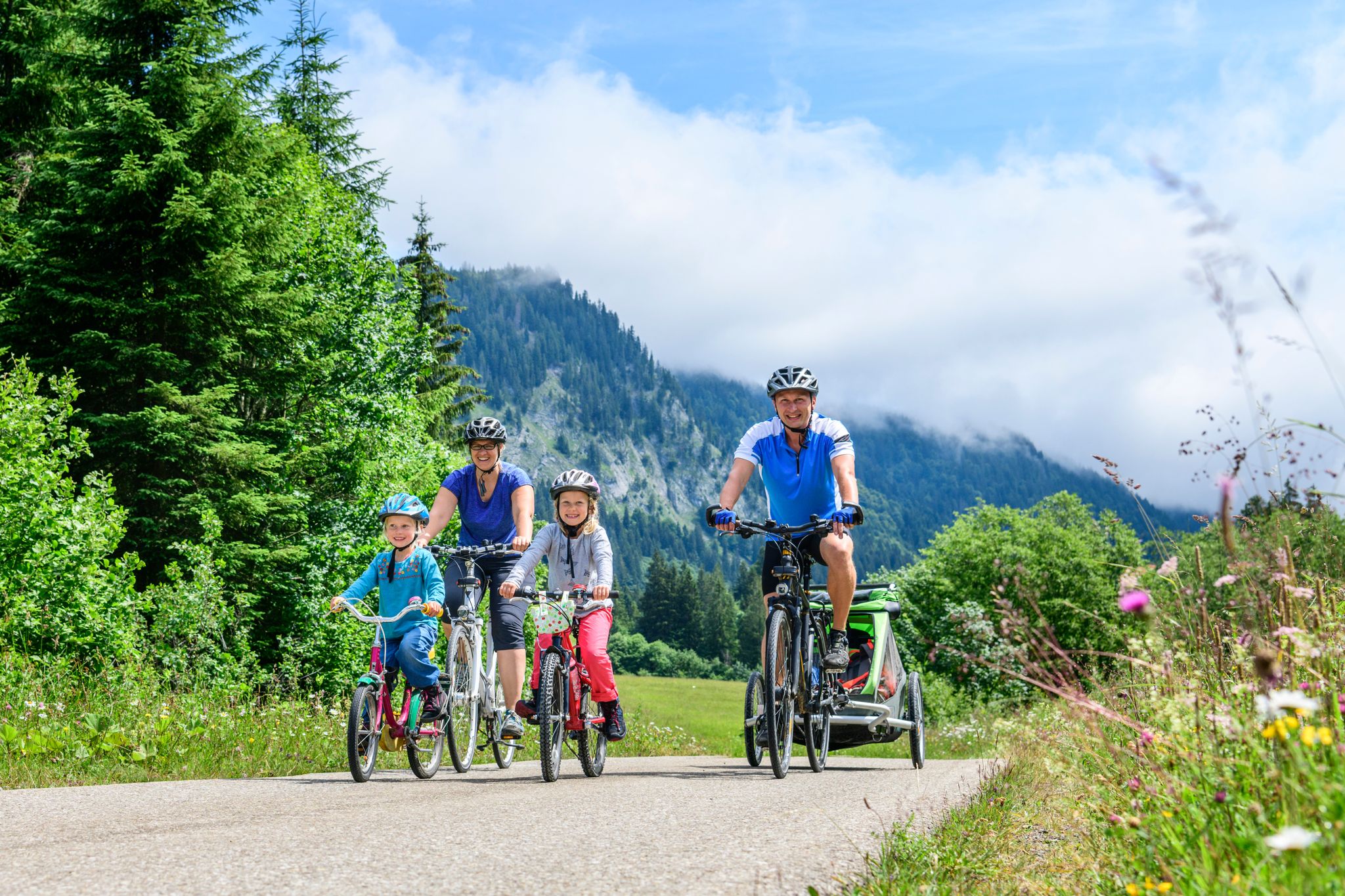
German Cycling Network – Cycling all over the country on the D-Routes
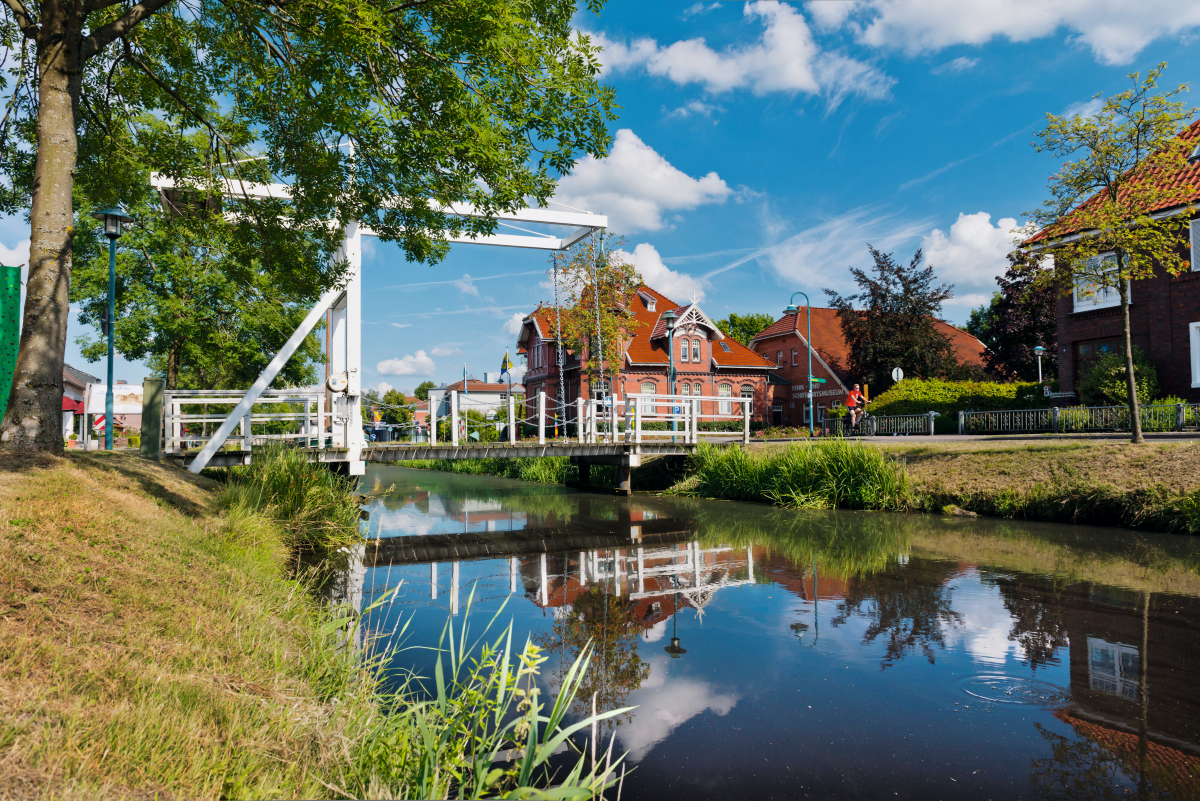
German Fehnroute – cycle Tour through the unique Fehn region
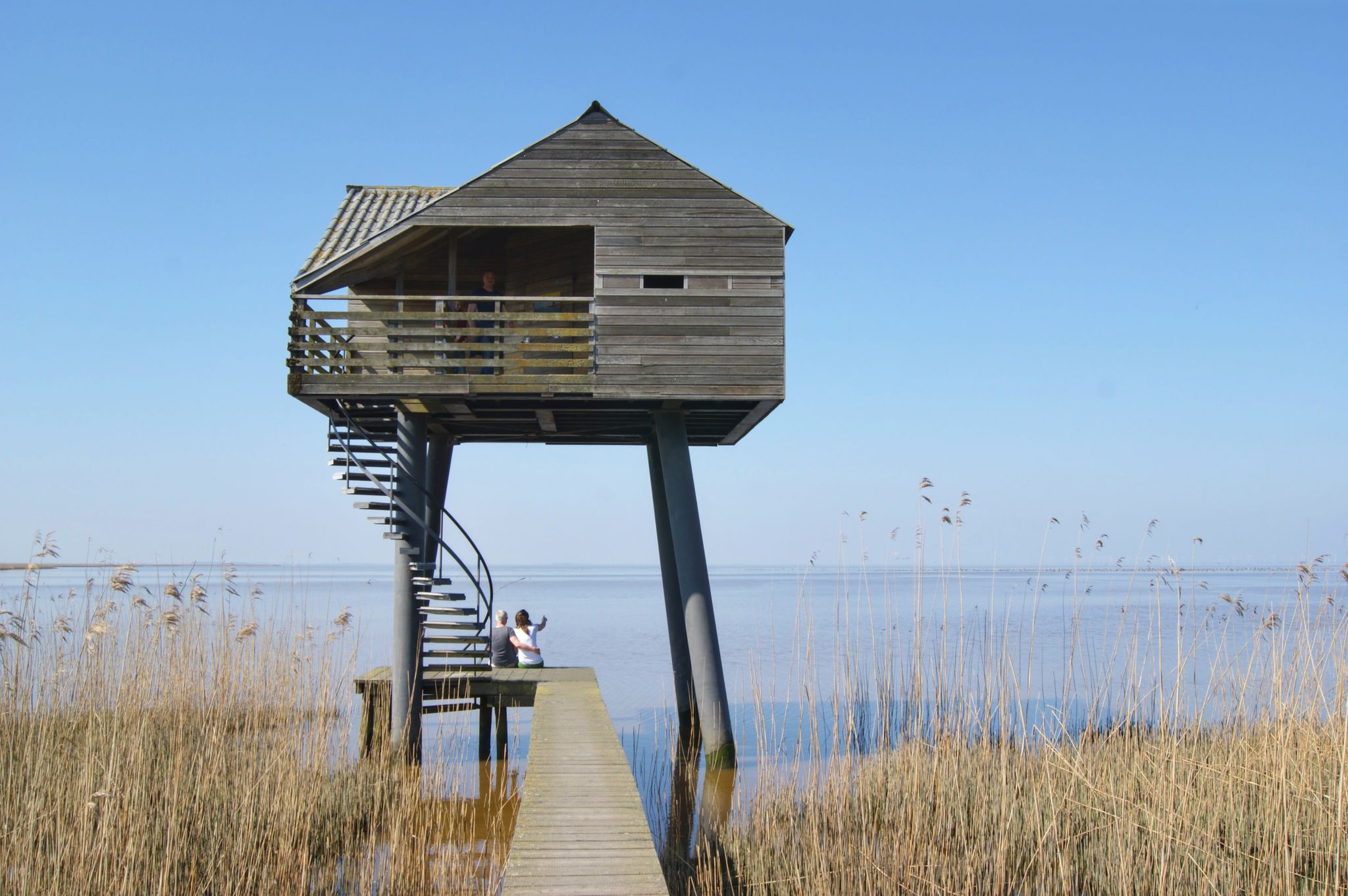
Experience East Frisia and the Netherlands on the Dollard Route
For real coastal lovers — long-distance hiking on Germany’s Störtebeker Trail
Sand between your toes — hiking on Germany’s East Frisian Islands
Other adventures in Leer


Tips from the Community

Watt for watt. Great view
2
0


Idyllic paths through the rarely visited "jungle" of Borkum. Beeches, birches, wet hollows with lilies, heather... currently, the brilliant gorse, simply beautiful 🤩👍
1
0

A beautiful piece of land, left to nature and criss-crossed with a few cycling and hiking trails, a place of peace.
1
0

The Stapeler Moor, with its nearly 2-kilometer-long peatland discovery trail, is definitely worth a visit. When we were there, we were alone, and the trail was easily navigable by bicycle. Until 1964, the peat extracted here was used to heat the power plant in Wiesmoor. With the end of the power plant era, peat extraction in Uplengen continued and was primarily used in horticulture. Extraction finally ceased in 1998. The Stapeler Moor is now a strictly protected nature reserve and is undergoing extensive renaturalization. The extracted peat areas have been rewetted, and rushes and sphagnum mosses are once again thriving in the former cuttings. It will take centuries for a fully intact moor to re-emerge. Along the peatland discovery trail, information panels provide comprehensive information about the moor and its flora and fauna. It was a shame that the observation tower was closed; it's probably showing its age and is in a state of disrepair. ... Update March 2026: The dilapidated viewing platform has been demolished and a new observation tower has been built. I think it will be opened soon.
1
0

Unique! The most beautiful island forest in the North Sea!
1
0

The Neudorfer Moor is a nature reserve in the Lower Saxony municipality of Uplengen in the Leer district. The nature reserve, designated NSG WE 114, is 350 hectares in size. The area has been a nature reserve since October 8, 1983. The responsible lower nature conservation authority is the Leer district. The nature reserve is located in the north of the municipality of Uplengen on the border with the municipality of Wiesmoor. The area protects the remains of a raised bog which, like the nature reserves of Lengener Meer, Stapeler Moor, Spolsener Moor and Herrenmoor a few kilometers further east, is one of the formerly extensive East Frisian central moors. The moor, where peat mining used to take place, is being renaturalized. A small part of the nature reserve is used as agricultural grassland. The area is drained via the Riesmeerschloot and the Nordgeorgsfehnkanal to the Jümme. There is a viewing platform in the east of the nature reserve.
4
1

Beautiful large viewing platform that offers a beautiful overview of the moor.
3
0
Frequently Asked Questions
What unique natural features can I discover in Leer's natural monuments?
Leer's natural monuments showcase a diverse landscape, including remnants of large raised bog complexes like the Veenhuser Königsmoor and Neudorfer Moor. You can also find reeded shallow bog lakes such as the Naturschutzgebiet Süderkolk, and coastal features like salt marshes and dunes. The region is also characterized by ecologically valuable Wallhecken (hedgerows) that define the landscape.
What kind of wildlife can I expect to see in Leer's natural monuments?
The natural monuments in Leer are vital habitats for various species. In the moor areas like Veenhuser Königsmoor and Neudorfer Moor, you might spot moor frogs, dragonflies, cranes, black-headed gulls, and other reptiles. Coastal areas, particularly around the View of Ruhezone I/8 from the dike and Tüskendörsee Nature Reserve, serve as resting places for many migratory birds, making them excellent for bird watching. In forests like Greune Stee Lowland Forest, visitors have even spotted deer.
When is the best time of year to visit the natural monuments in Leer?
The best time to visit Leer's natural monuments largely depends on your interests. Spring and summer are ideal for observing diverse flora and fauna, especially in the bog and wetland areas, and for enjoying outdoor activities. Autumn offers beautiful colors, particularly in forested areas. Bird watching is excellent during migration seasons in spring and autumn. Even in winter, some areas offer unique, quiet experiences, though accessibility might be limited in certain conditions.
Are there family-friendly natural monuments in Leer?
Yes, many natural monuments in Leer are suitable for families. Highlights such as the View of Ruhezone I/8 from the dike, Tüskendörsee Nature Reserve, and Greune Stee Lowland Forest are categorized as family-friendly. The Neudorfer Moor Observation Tower offers an accessible way for families to view the moor landscape.
Are any natural monuments in Leer accessible for wheelchairs or strollers?
While specific accessibility details vary, many dike paths and some viewpoints offer relatively flat surfaces that may be suitable for wheelchairs or strollers. For instance, the Neudorfer Moor Observation Tower provides a good vantage point over the moor. It's always recommended to check specific trail conditions before visiting, especially in bog or dune areas which can be uneven.
Can I bring my dog to the natural monuments in Leer?
Generally, dogs are welcome in many natural areas in Leer, especially on designated paths and trails. However, in nature reserves and protected areas, it is crucial to keep dogs on a leash to protect wildlife and sensitive ecosystems. Always look for local signage regarding dog regulations at each specific natural monument.
What outdoor activities can I enjoy near the natural monuments in Leer?
The natural monuments in Leer are excellent starting points for various outdoor activities. You can find numerous running trails, such as those in the Running Trails in Leer guide, and easy hikes, including routes like the 'Salt Marshes of the North Sea – Greune Stee Lowland Forest loop' found in the Easy hikes in Leer guide. The characteristic Wallhecken also create beautiful pathways for walking and cycling, offering a unique way to experience the landscape.
Are there specific hiking trails recommended around Leer's natural monuments?
Yes, there are many hiking opportunities. For example, the Greune Stee Lowland Forest is known for its beautiful, idyllic hiking paths. You can explore various routes, including those that take you along the dikes with views of the North Sea, as detailed in the Hiking in Leer guide. The Neudorfer Moor also offers circular routes for an instructive experience.
What historical significance does the Plytenberg have in the Leer region?
The Plytenberg, while largely man-made, has taken on a natural monument character over centuries. This approximately 9-meter-high 'mountain' is thought to have been constructed in the 15th century as a lookout point for the Leerort Fortress. Today, it serves as a recreational area, offering elevated views and a unique blend of history and nature, particularly popular during Easter celebrations.
Where can I experience panoramic views of the landscape in Leer?
For panoramic views, visit the Ostland View Dune, which offers expansive vistas of the dunes and a wild, romantic landscape. Another excellent spot is the Neudorfer Moor Observation Tower, where you can look out over the vast moorland. The View of Ruhezone I/8 from the dike also provides broad views of salt marshes and the Tüskendörsee.
What are the characteristics of the bog landscapes in Leer, like Veenhuser Königsmoor?
The bog landscapes in Leer, such as Veenhuser Königsmoor and Neudorfer Moor, are significant remnants of large raised bog complexes. They feature unique ecosystems with bog birch forests and are home to specialized flora and fauna, including the dystrophic raised bog lake Wolfmeer within Veenhuser Königsmoor. These areas are crucial for understanding the region's natural history and are often subject to rewetting measures for conservation.
Most popular routes in Leer
Most popular attractions in Leer

Get inspired with the komoot mobile app


Didn’t find what you were looking for?
Find even more amazing natural monuments in Leer by checking out the top Highlights region by region:
Explore more
Extend your search for the best caves by checking out these guides of the top ones in Leer:
