Top 20 Natural Monuments in Elbe-Elster
Best natural monuments in Elbe-Elster include diverse landscapes, unique geological formations, and rich biodiversity. The region features expansive nature parks shaped by ancient geological processes and modern land reclamation. Visitors can explore rolling hills, forests, waterways, and rewilded former mining areas. These sites provide diverse habitats, including heathlands, moorlands, and significant geological formations.
Best natural monuments in Elbe-Elster
- The most popular natural monuments is Heideberg Tower on Heidehöhe, a viewpoint that offers panoramic views of the surrounding landscape. This…
Last updated: September 29, 2026
Heideberg Tower on Heidehöhe
Highlight • Viewpoint
Translated by Google •
Tip by

Krüger's Clay Pit
Highlight • Lake
Translated by Google •
Tip by

Sign up now to discover places like this
Get recommendations on the best single tracks, peaks, & plenty of other exciting outdoor places.
Loben Observation Tower
Highlight • Viewpoint
Translated by Google •
Tip by

Burgwall Kosilenzien
Highlight • Historical Site
Translated by Google •
Tip by

Bog platform at the Water Lily Ponds in Loben
Highlight • Viewpoint
Translated by Google •
Tip by

Gotthold Mine
Highlight • Lake
Translated by Google •
Tip by

Rothsteiner Felsen
Highlight • Climb
Translated by Google •
Tip by

Körbaer Teich
Highlight • Lake
Translated by Google •
Tip by

Confluence of the Pulsnitz and Schwarze Elster
Highlight • River
Translated by Google •
Tip by

Pomological Show and Teaching Garden Döllingen
Highlight • Structure
Translated by Google •
Tip by

Sign up for free to discover even more natural monuments in Elbe-Elster.
Already have an account?
Start today with a free account
Your next adventure awaits.
Popular around Elbe-Elster
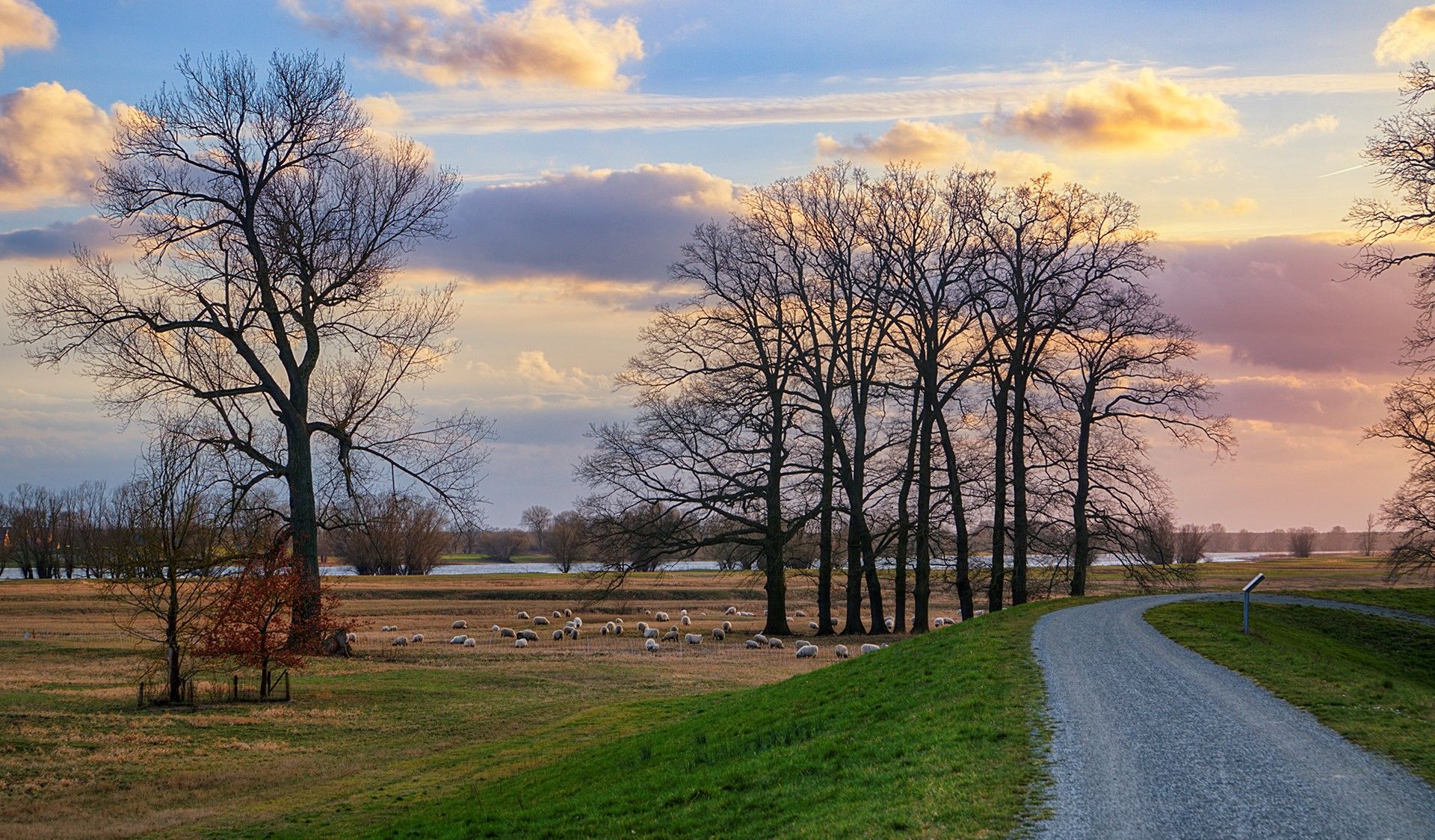
Tour Brandenburg – Cycle around Berlin in 18 stages
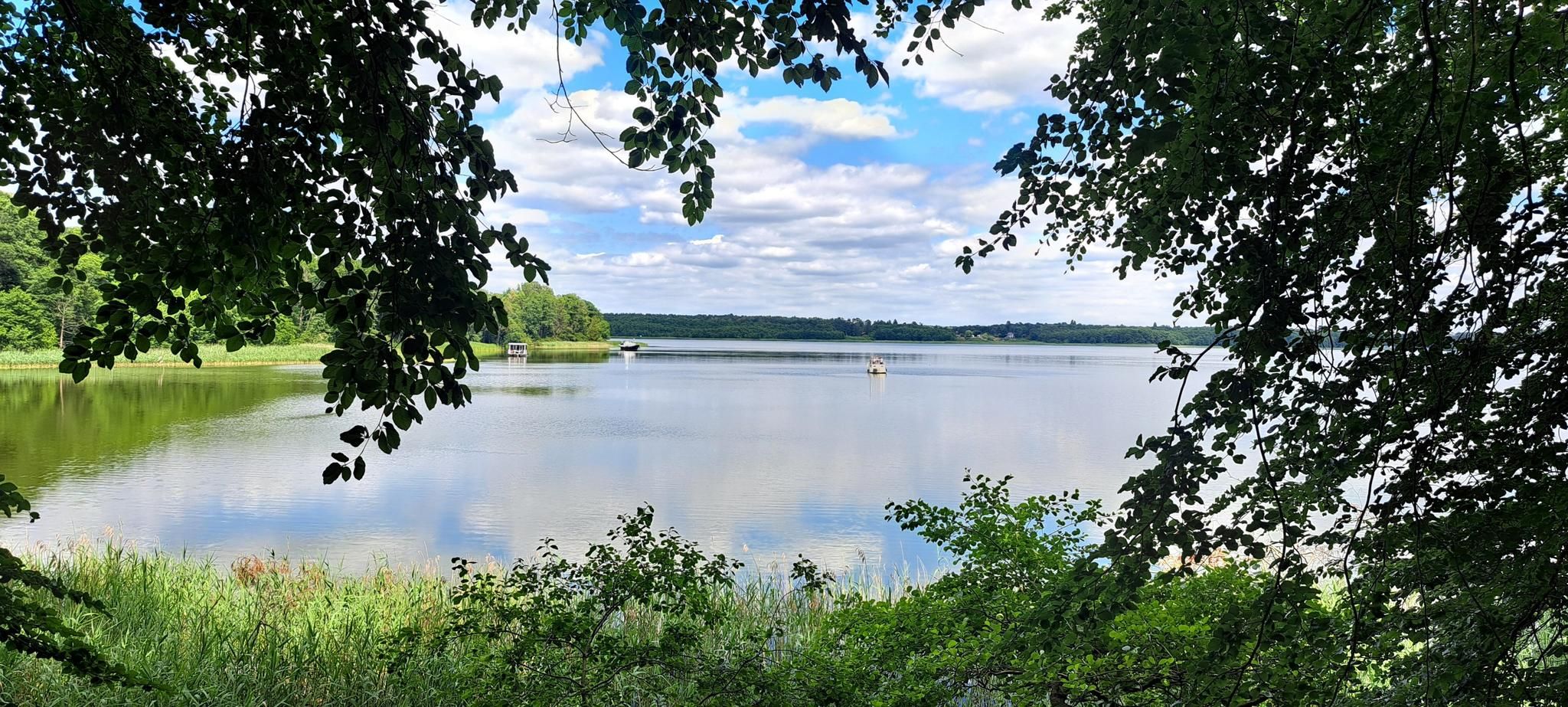
The National Natural Landscapes in Brandenburg

Gravel riding in Brandenburg with Steffi Marth
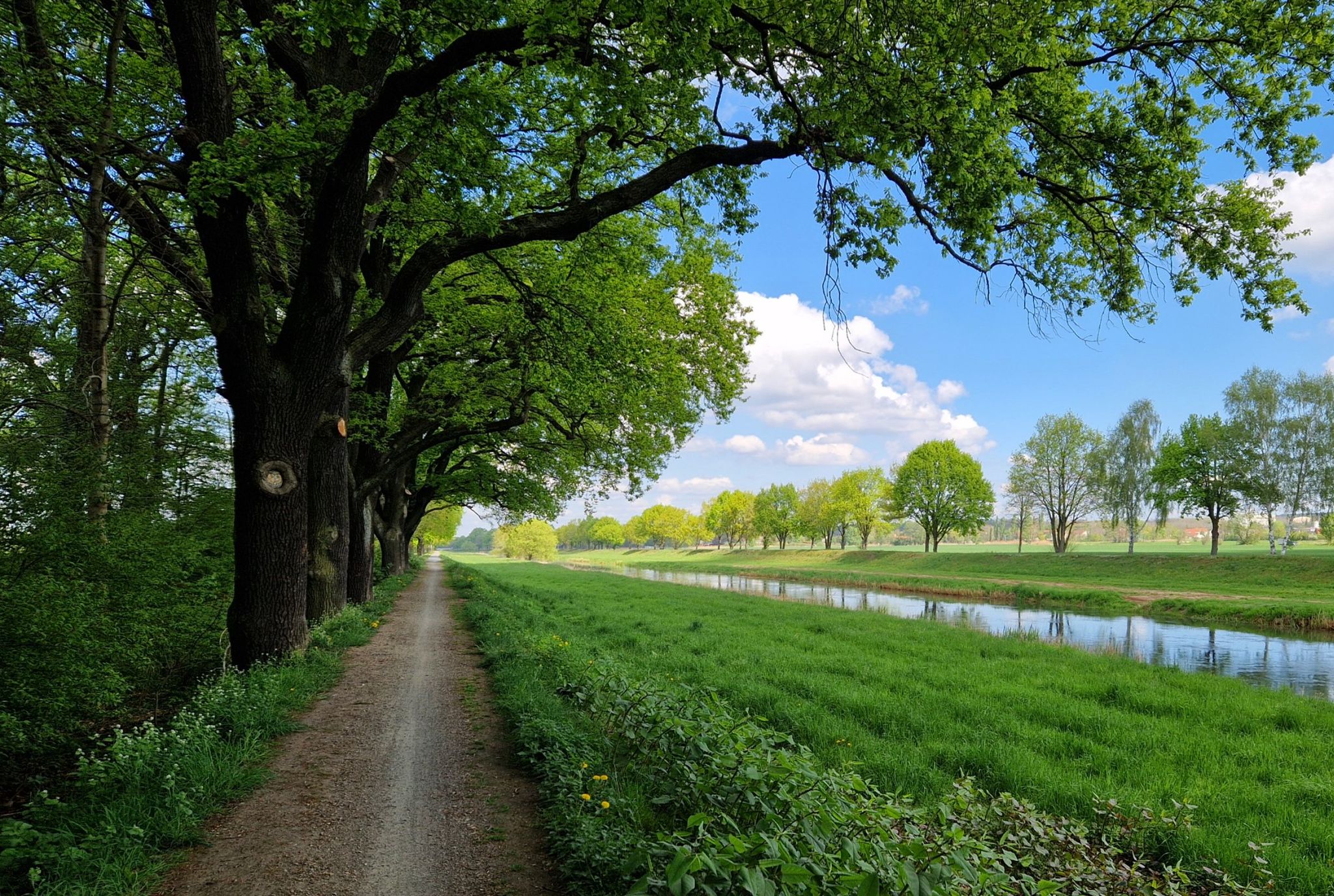
Pure nature – cycle the Schwarze-Elster Cycle Route
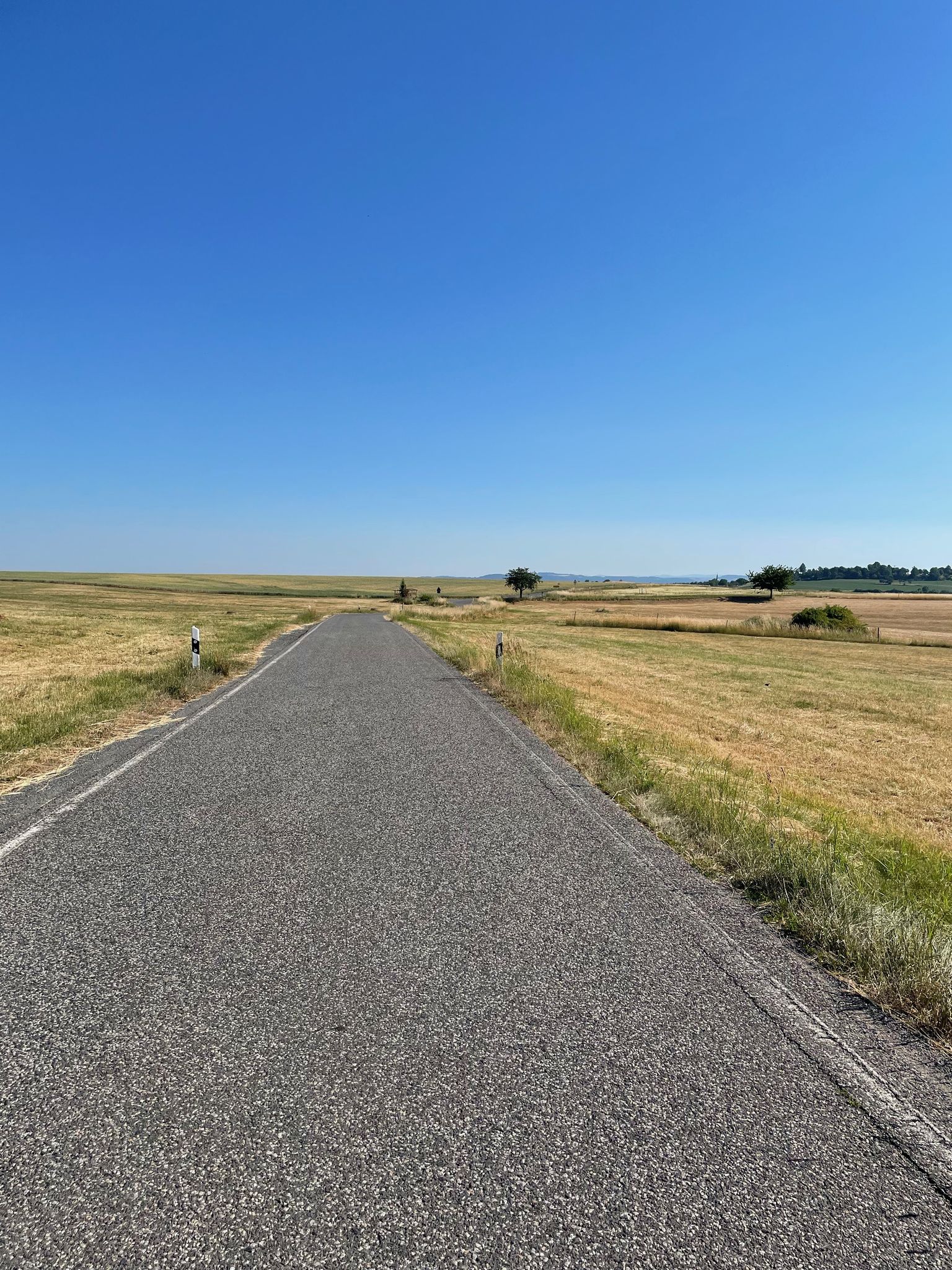
Komáří hůrka – bikepacking from Berlin to the Eastern Ore Mountains
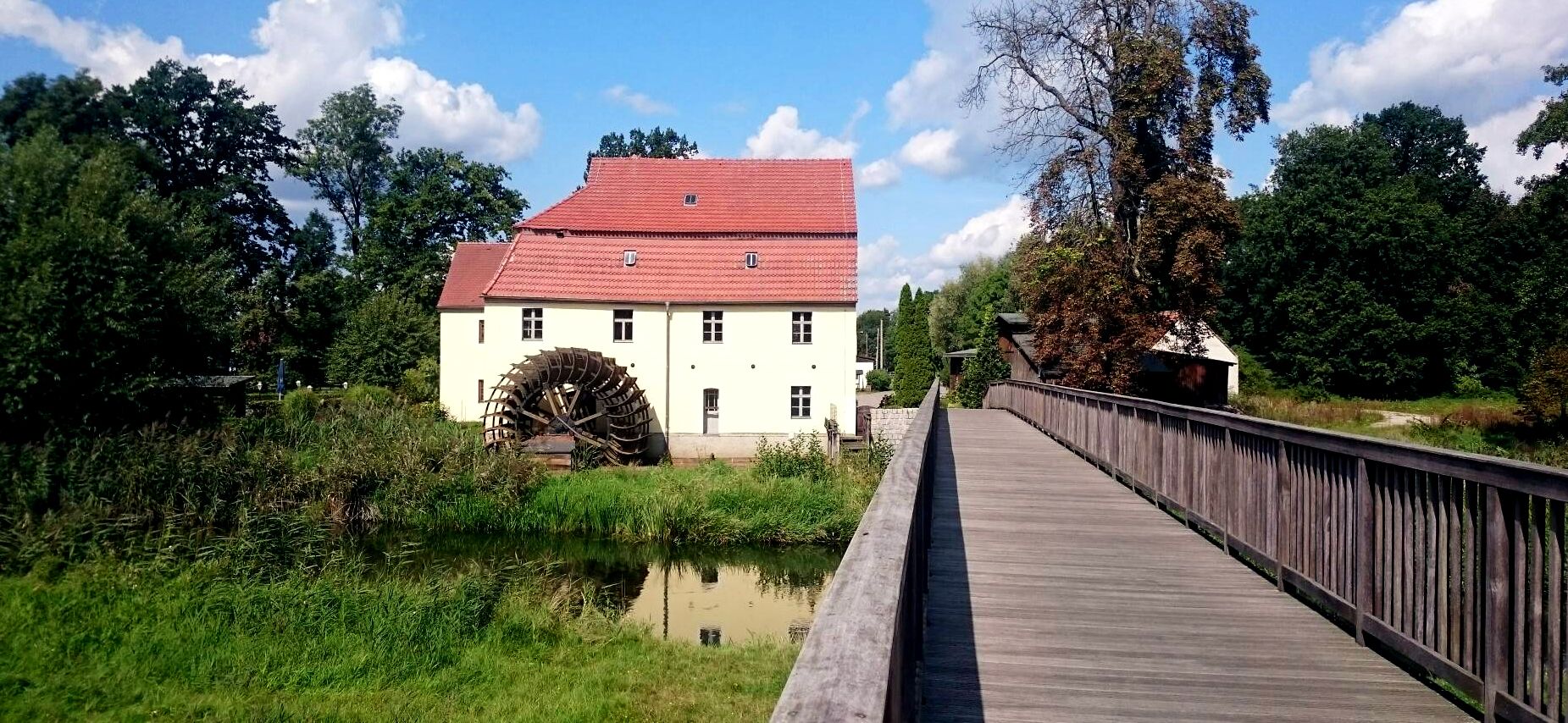
Coal, wind & water tour — in 6 stages through Elbe-Elster-Land
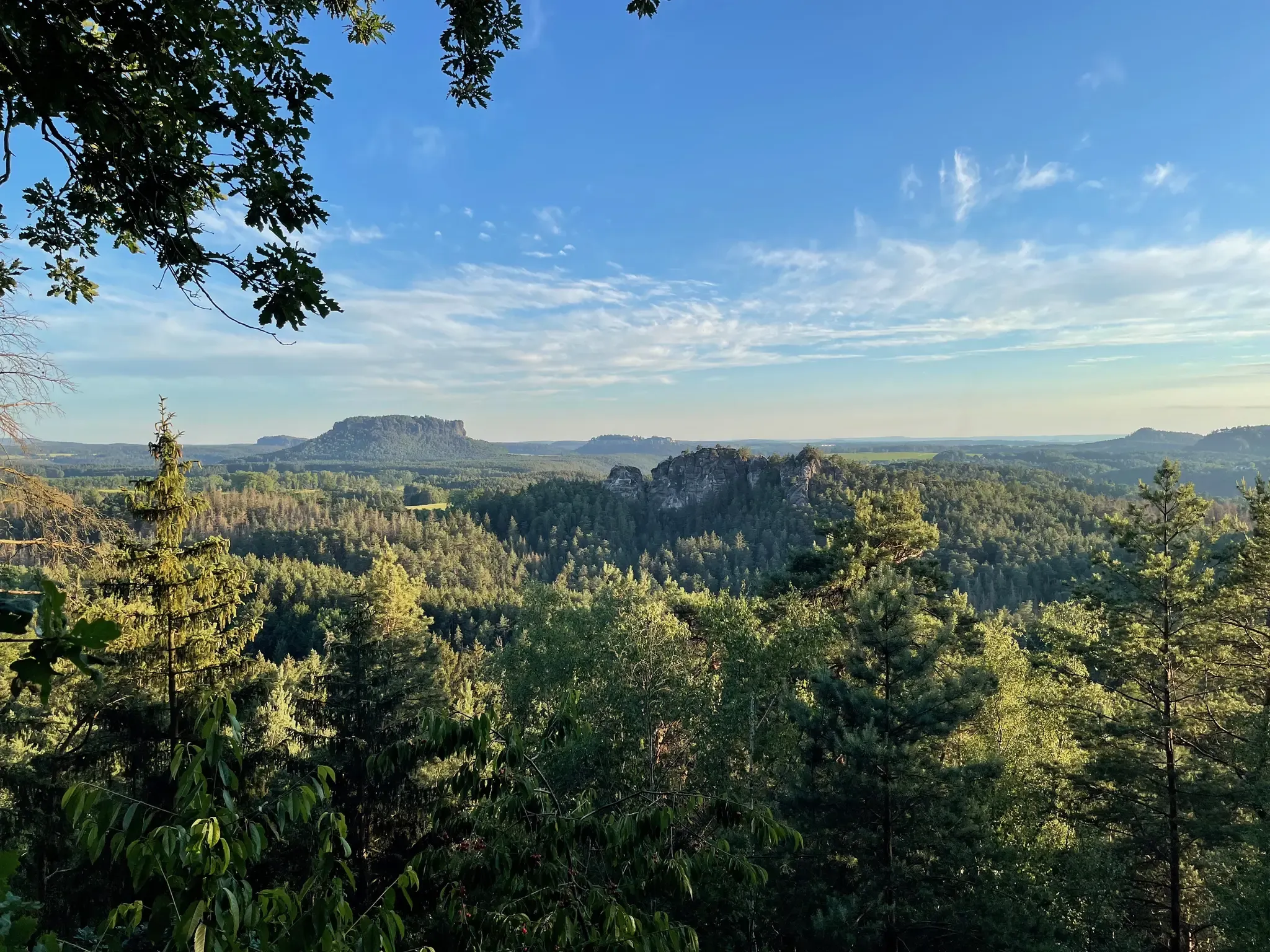
Zwei Tage raus! – Rad-Micro-Adventures in Sachsen

Schotterglück und Overnight-Abenteuer – Graveln mit Roeckl Sports
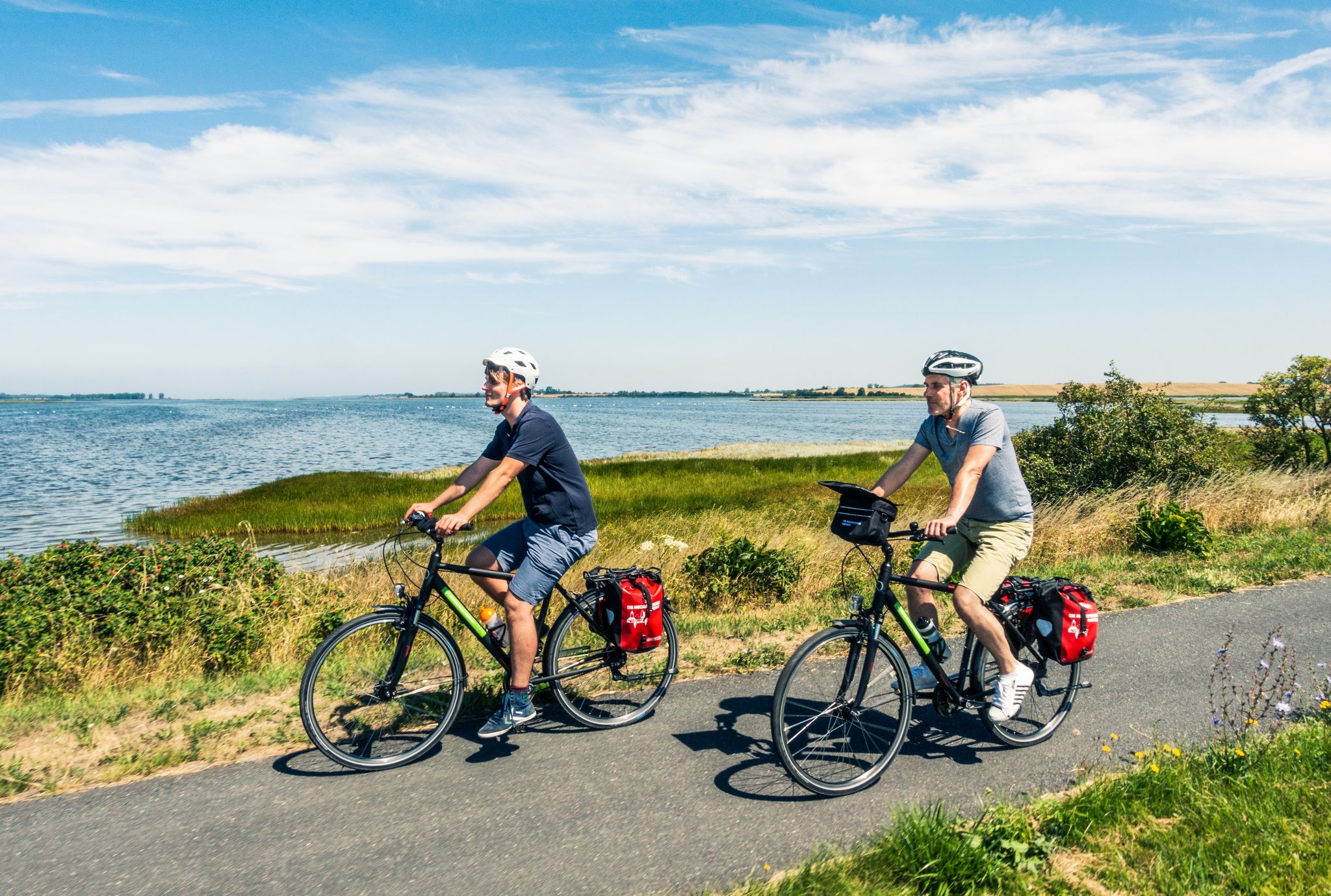
Elberadweg - Die Natur per Rad erleben
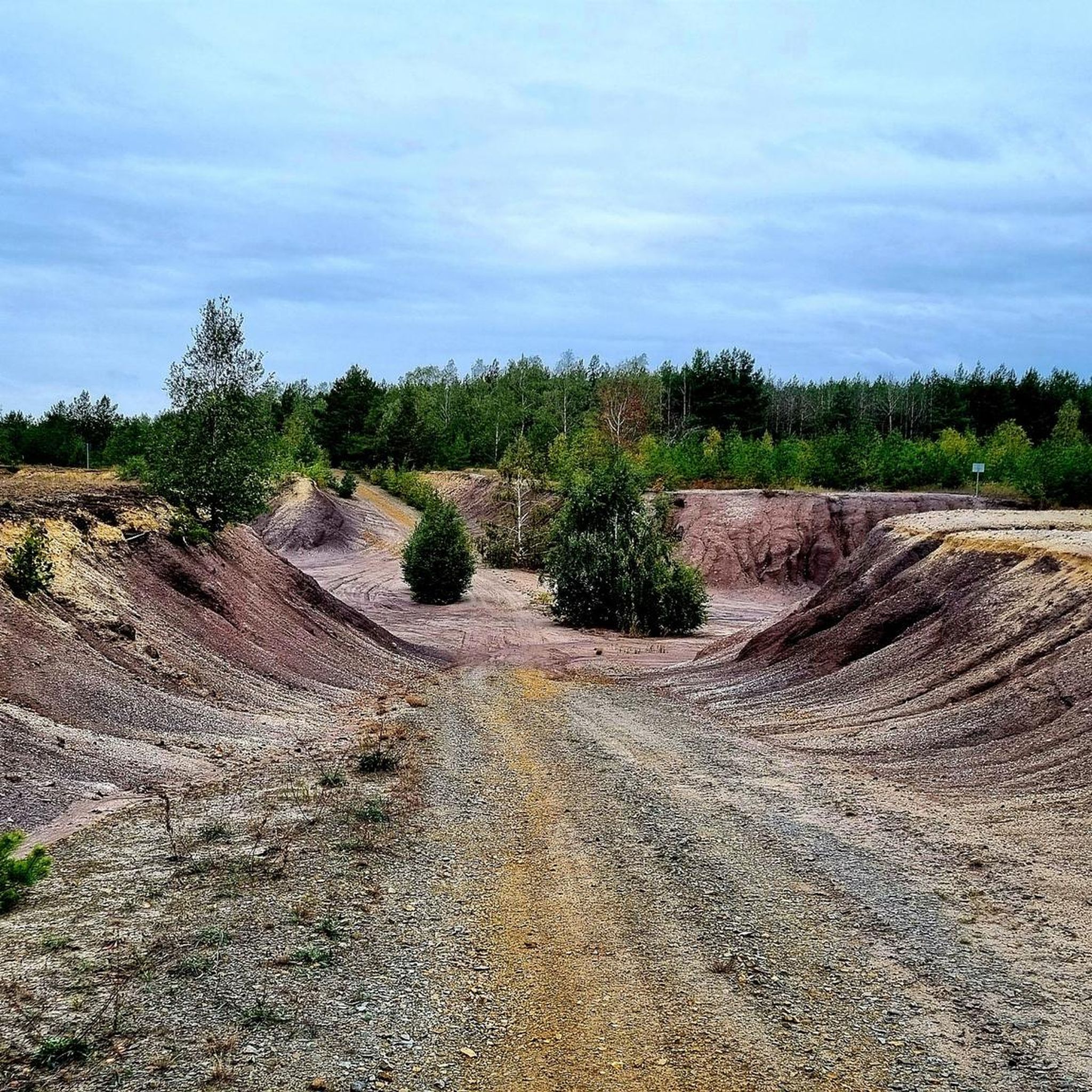
Hiking in Elbe-Elster
Other adventures in Elbe-Elster


Tips from the Community

5m high observation tower over the Niederlausitz moor landscape. At certain times of the year, you can observe cranes and co. here.
0
0

Even in winter, a visit to this platform and a walk along the moorland path are worthwhile. The tall grasses and tree stumps have a mystical quality amidst the icy and snowy landscape.
0
0

The Pulsnitz is a tributary of the Black Elster River. It rises near Ohorn, not far from the small town of Pulsnitz in Saxony, and flows through the towns of Pulsnitz, Königsbrück, and Ortrand. The Pulsnitz flows through the Königsbrück and Krakau Heath, where the Königsbrück military training area was located between 1906 and 1992, and where the market town of Krakau existed until 1938. After approximately 60 kilometers, it now flows into the Black Elster near Elsterwerda. However, its original mouth, and thus the border between Saxony and Brandenburg, was located after the village of Tettau. This formed the historical tripoint of the Margraviate of Meissen with Upper and Lower Lusatia. https://www.pulsnitztal.de/pulsnitztal.html
0
1

More information about the Gotthold mine can be found here: https://de.wikipedia.org/wiki/Grube_Gotthold. There are various swimming spots, and the small quartz sand cliffs are worth a visit!
1
0

A very special place with a remarkably long history. "During the period between the late Bronze Age and the early Iron Age, a hillfort was built near the site as a refuge or defensive fort. This earthwork was approximately 400 meters in diameter. Later, the hillfort was used by Germanic and Slavic tribes." The site is perfect for a long break or a hearty picnic.
0
0

Where water meets water, not only streams but also stories mingle. The Pulsnitz, small and subdued, carries its brownish waters with a certain humility—almost as if to apologize for the disturbance. The Black Elster receives them without many words. It's a crooked kiss in the gentle rain, a confluence without pomp. Wet grass lies on the bank, punctured by molehills. The sky hangs low, as if it wanted to listen. Not a soul in sight. Only the sound of two rivers, which from now on share a common direction. And you yourself, standing there and watching, fall silent—not because it's spectacular here, but because it's enough.
2
1
A beautiful place to linger. Especially on the second weekend in July each year, when the Rothstein Rock Festival is held at the foot of the rock. It's probably the largest folk festival in the area. A great place to celebrate.
0
0

A very beautiful place, especially the east shore with these great rocks.
4
0
Frequently Asked Questions
What unique natural landscapes can I explore in Elbe-Elster?
The Elbe-Elster district offers a diverse range of natural landscapes. You can discover extensive purple heathlands and moorlands within the Niederlausitzer Heidelandschaft Nature Park, especially vibrant during the heath blossom in August and September. The Niederlausitzer Landrücken Nature Park features rolling hills, forests, and unique rewilded post-mining areas like Sielmanns Naturlandschaft Wanninchen, which has transformed into a landscape of lakes, dunes, and sand heaths.
Where can I find unique geological formations in the Elbe-Elster district?
The region is home to several interesting geological features. The Rothsteiner Felsen is Brandenburg's only natural rock formation, offering climbing opportunities. Additionally, the Heidehöhe, Brandenburg's highest elevation, is an ice-age moraine providing insights into the region's geological past.
Are there any ancient or monumental trees to visit in Elbe-Elster?
Yes, the Elbe-Elster district is known for its impressive collection of ancient trees. The Landkreis officially protects 253 individual trees, 13 tree groups, and 4 avenues as natural monuments. Many of these oaks are hundreds of years old, with some exceeding 6 meters in circumference, such as the Stone Oak (Natural Monument, Bad Liebenwerda). Their sheer size and age make them striking natural landmarks.
What kind of wildlife can I expect to see at the natural monuments?
The diverse ecosystems support a variety of wildlife. In areas like 'Der Loben' within the Niederlausitzer Heidelandschaft Nature Park, you can find around 300 plant species. Sielmanns Naturlandschaft Wanninchen is a significant site for birdwatching, attracting thousands of cranes and wild geese during autumn migrations, and whooper swans in winter. Wolves and rare insect species have also made this rewilded landscape their home. The Loben Observation Tower is an excellent spot to watch cranes and other birds.
What do visitors enjoy most about the natural monuments in Elbe-Elster?
Visitors frequently praise the tranquility and natural beauty. Many appreciate the clear, emerald green water of Krüger's Clay Pit as a great place to rest and walk. The panoramic views from the Heideberg Tower on Heidehöhe are also highly rated, with some even spotting parts of the Elbsandsteingebirge on clear days. Birdwatching opportunities, especially at the Loben Observation Tower, are also a favorite.
Are there opportunities for hiking and cycling near the natural monuments?
Yes, both the Niederlausitzer Heidelandschaft and Niederlausitzer Landrücken Nature Parks are ideal for cycling and hiking, offering tranquil escapes. You can find numerous trails, such as the 'Wiedehopfweg' and 'Schellenten-Weg' in the Niederlausitzer Landrücken Nature Park. For more specific routes, explore the hiking guide for Elbe-Elster or the cycling guide for Elbe-Elster.
Can I go climbing at any of the natural monuments?
Yes, the Rothsteiner Felsen, located within the Niederlausitzer Heidelandschaft Nature Park, is Brandenburg's only natural rock formation and offers various climbing opportunities. It caters to both top-rope and sport climbers, with challenging routes on its west face and alpine tours on the east face.
Are there specific trails for birdwatching?
Absolutely. The Loben Observation Tower provides a wonderful view of the Lobenmoor, where you can observe cranes and other birds. Sielmanns Naturlandschaft Wanninchen, a rewilded former mining area, is also a significant site for birdwatching, especially during autumn migrations for cranes and wild geese, and in winter for whooper swans.
Are there family-friendly natural monuments in Elbe-Elster?
Many natural monuments in Elbe-Elster are suitable for families. The Loben Observation Tower and Krüger's Clay Pit are popular choices. The Niederlausitzer Landrücken Nature Park also features the Nature Experience Center Wanninchen, which offers interactive exhibits and nature discovery zones, making it engaging for children.
Are any natural monuments in Elbe-Elster wheelchair accessible?
Within the Niederlausitzer Landrücken Nature Park, the Nature Experience Center Wanninchen provides a barrier-free viewing platform overlooking the Schlabendorfer See, offering panoramic views of the rewilded landscape that are accessible to wheelchair users.
When is the best time to visit the natural monuments in Elbe-Elster?
The best time to visit depends on what you wish to experience. For the vibrant purple heath blossom, August and September are ideal. Autumn is excellent for birdwatching, particularly to witness the crane migrations in areas like Sielmanns Naturlandschaft Wanninchen. Winter offers the chance to see whooper swans. Generally, spring and summer are great for hiking and cycling to enjoy the lush landscapes.
Are there any historical sites among the natural monuments?
Yes, some natural monuments also hold historical significance. The Burgwall Kosilenzien is an ancient earth castle dating back to the Late Bronze Age and Early Iron Age, used by Germanic and Slavic tribes. The Heidehöhe, as an ice-age moraine, also offers insights into the region's geological history.
Where can I find a scenic viewpoint to see the landscape?
For breathtaking panoramic views, visit the Heideberg Tower on Heidehöhe, Brandenburg's highest elevation. The Loben Observation Tower also provides excellent views over the Lobenmoor, perfect for observing the surrounding nature and wildlife.
Are there any unique water features or lakes to visit?
The Elbe-Elster district features several unique water bodies. Krüger's Clay Pit is an old clay pit filled with clear, emerald green water, offering a scenic place to rest. The Gotthold Quarry Lake is another beautiful lake. You can also visit the Confluence of the Pulsnitz and Schwarze Elster rivers.
Most popular routes in Elbe-Elster
Most popular attractions in Elbe-Elster

Get inspired with the komoot mobile app


Didn’t find what you were looking for?
Find even more amazing natural monuments in Elbe-Elster by checking out the top Highlights region by region:
Explore more
Extend your search for the best caves by checking out these guides of the top ones in Elbe-Elster:
