Top 20 Natural Monuments in Kreis Minden-Lübbecke
Natural monuments in Kreis Minden-Lübbecke showcase the region's geological history and diverse ecosystems within North Rhine-Westphalia. The area features varied terrain, including the Wiehen Hills and the Wesergebirge, along with significant natural formations. These sites provide opportunities to observe unique landscapes and geological features. The district is home to various geotopes, offering insights into Earth's development and past climates.
Best natural monuments in Kreis Minden-Lübbecke
- The most popular natural monuments is Boardwalk and observation tower in the Großes Torfmoor,…
Last updated: September 29, 2026
Werre-Weser Confluence
Highlight • River
Translated by Google •
Tip by

Moltke Tower (Moltketurm)
Highlight • Viewpoint
Translated by Google •
Tip by

Sign up now to discover places like this
Get recommendations on the best single tracks, peaks, & plenty of other exciting outdoor places.
View of the Kaiser Wilhelm Monument
Highlight • Viewpoint
Translated by Google •
Tip by

North Tower (observation tower), Großes Torfmoor
Highlight • Viewpoint
Translated by Google •
Tip by

Graduation tower in Sielpark
Highlight • Monument
Not far from the location of this graduation tower, three graduation towers …
Translated by Google •
Tip by

View of the Kaiser Wilhelm Monument from the Weser Bridge
Highlight • Viewpoint
Translated by Google •
Tip by

Wittekindsburg and View over the Weser Valley
Highlight • Castle
Translated by Google •
Tip by

Sielwehr bridge over the Werre
Highlight • Bridge
Translated by Google •
Tip by

Boardwalk and observation tower in the Großes Torfmoor
Highlight • Trail
Translated by Google •
Tip by

Schlüsselburg Weir and Hydroelectric Power Plant
Highlight • Monument
Translated by Google •
Tip by

Sign up for free to discover even more natural monuments in Kreis Minden-Lübbecke.
Already have an account?
Start today with a free account
Your next adventure awaits.
Popular around Kreis Minden-Lübbecke
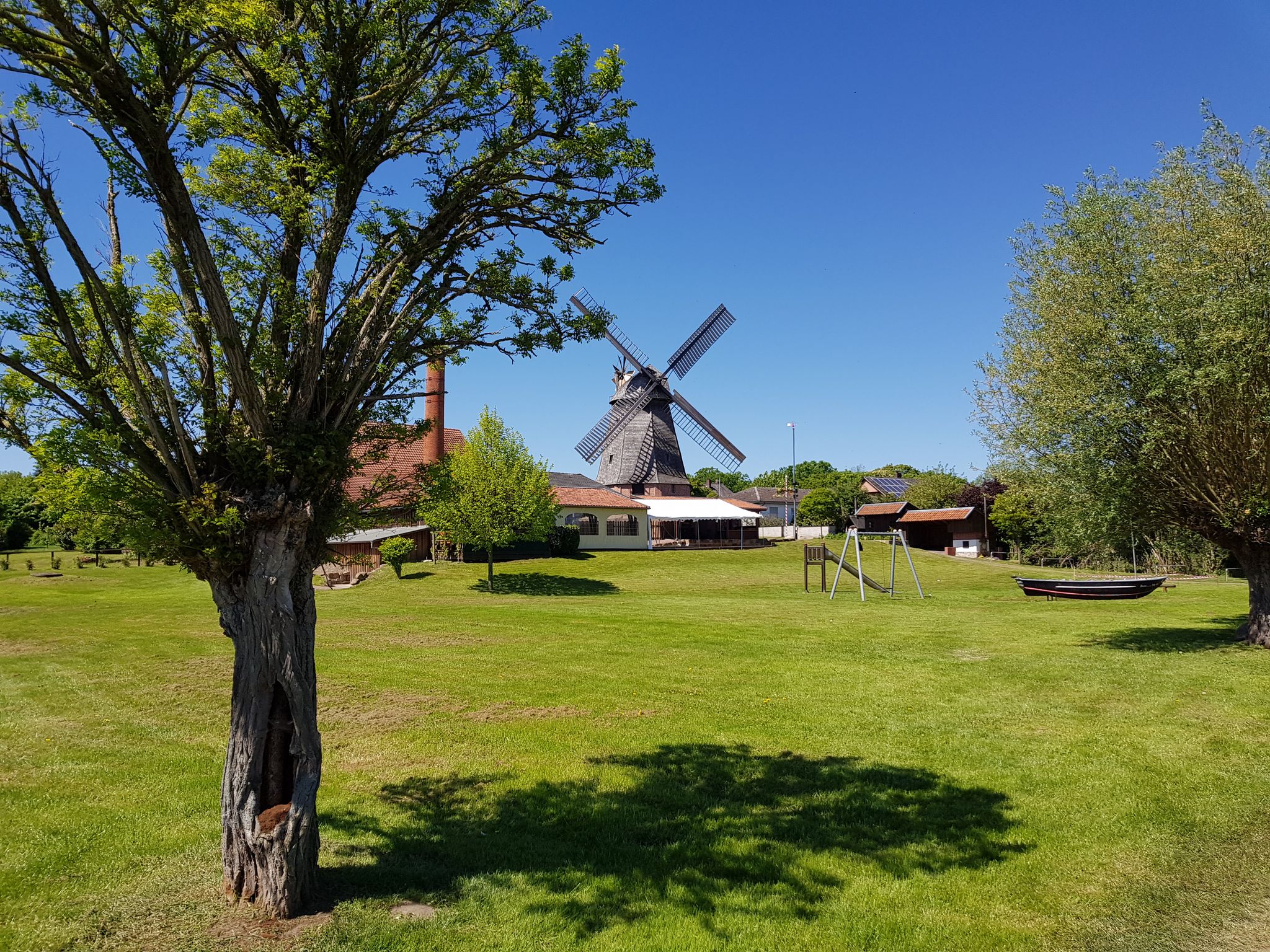
Cycle Germany's Mill Route — Open-air museums and Teutoberg forest
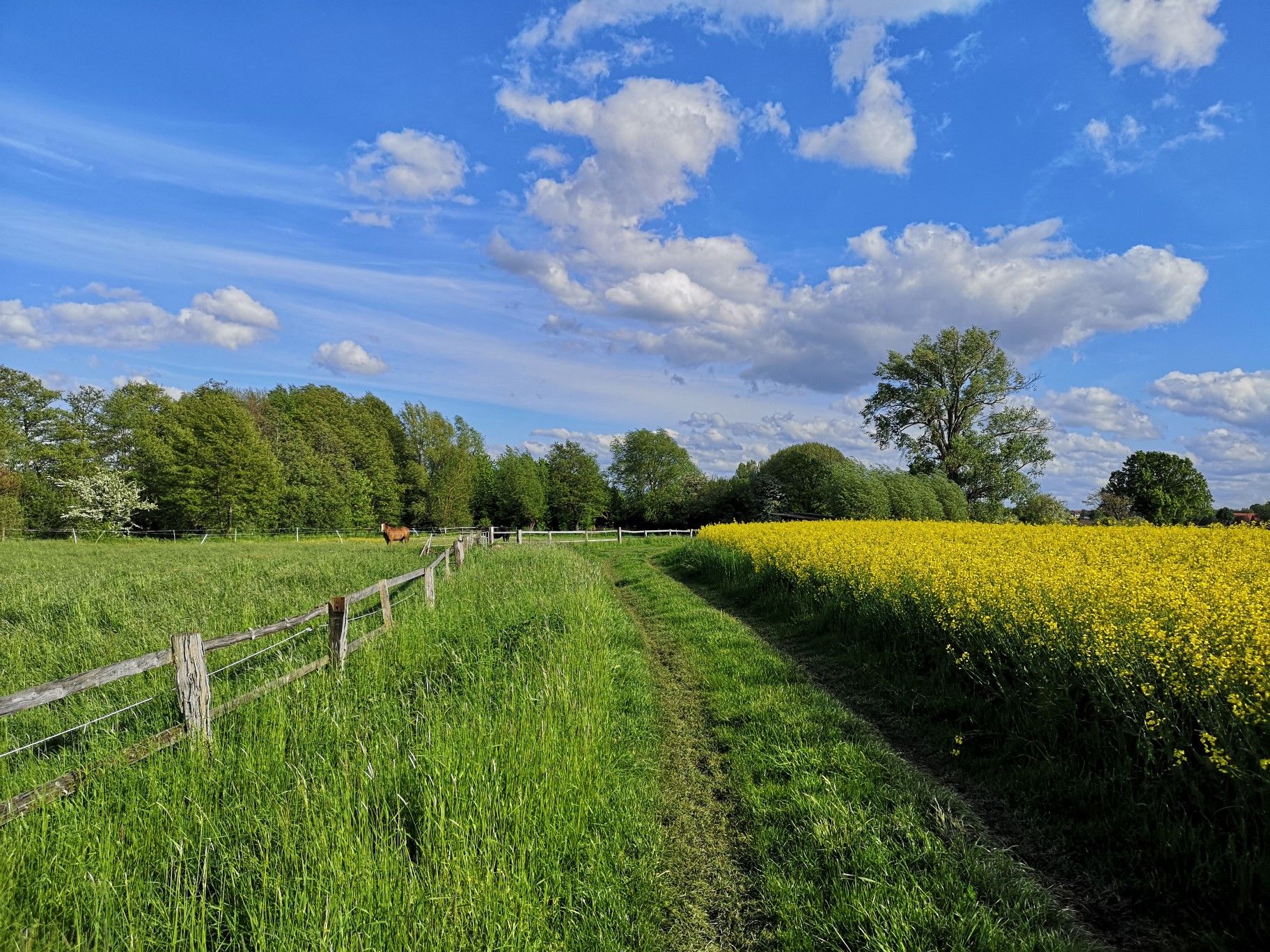
Hiking on Germany's Bückeberg Trail – Gentle hills and green forests
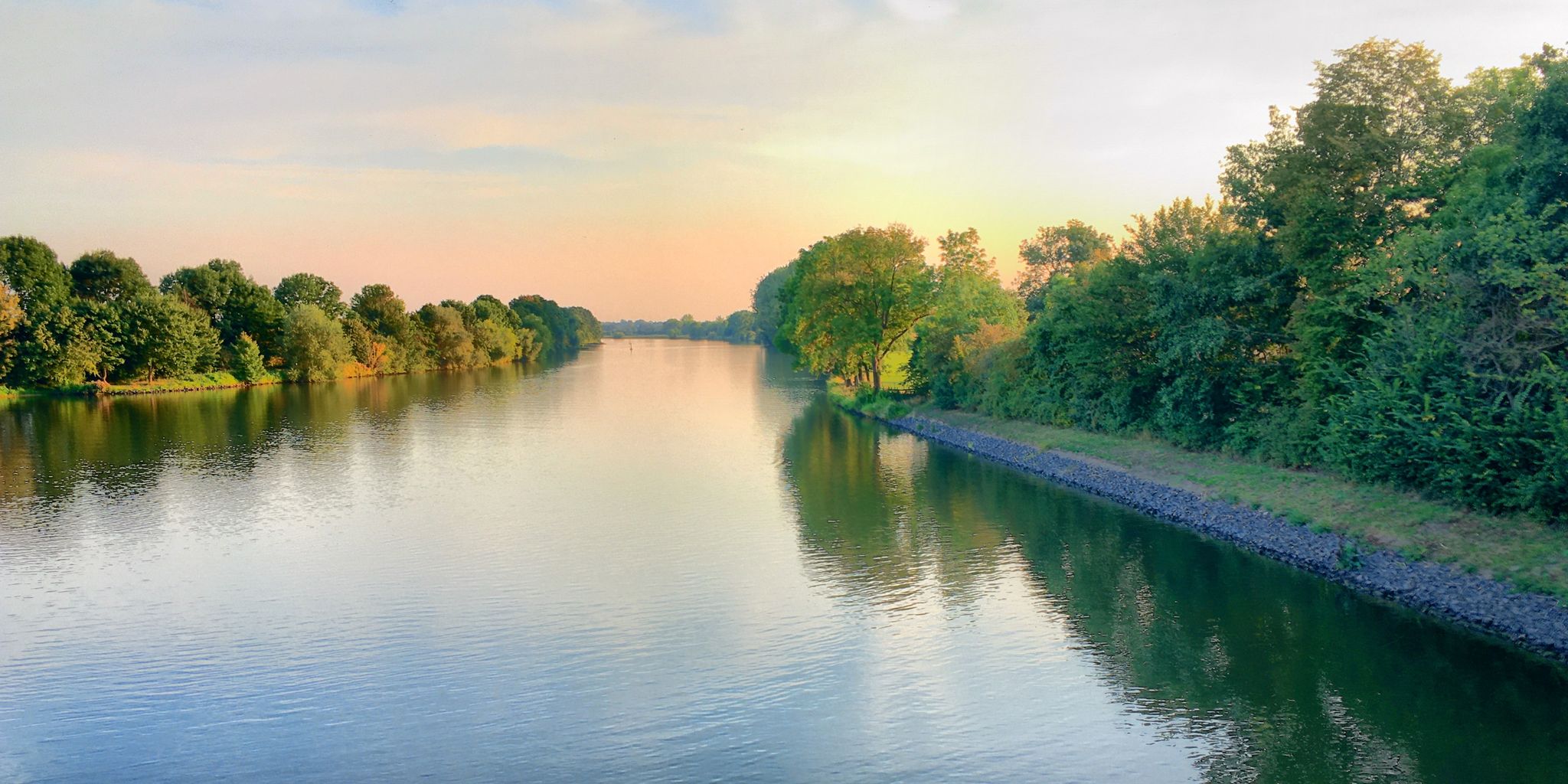
Germany's Weser Trail — Floodplains, dykes and old towns in 8 days
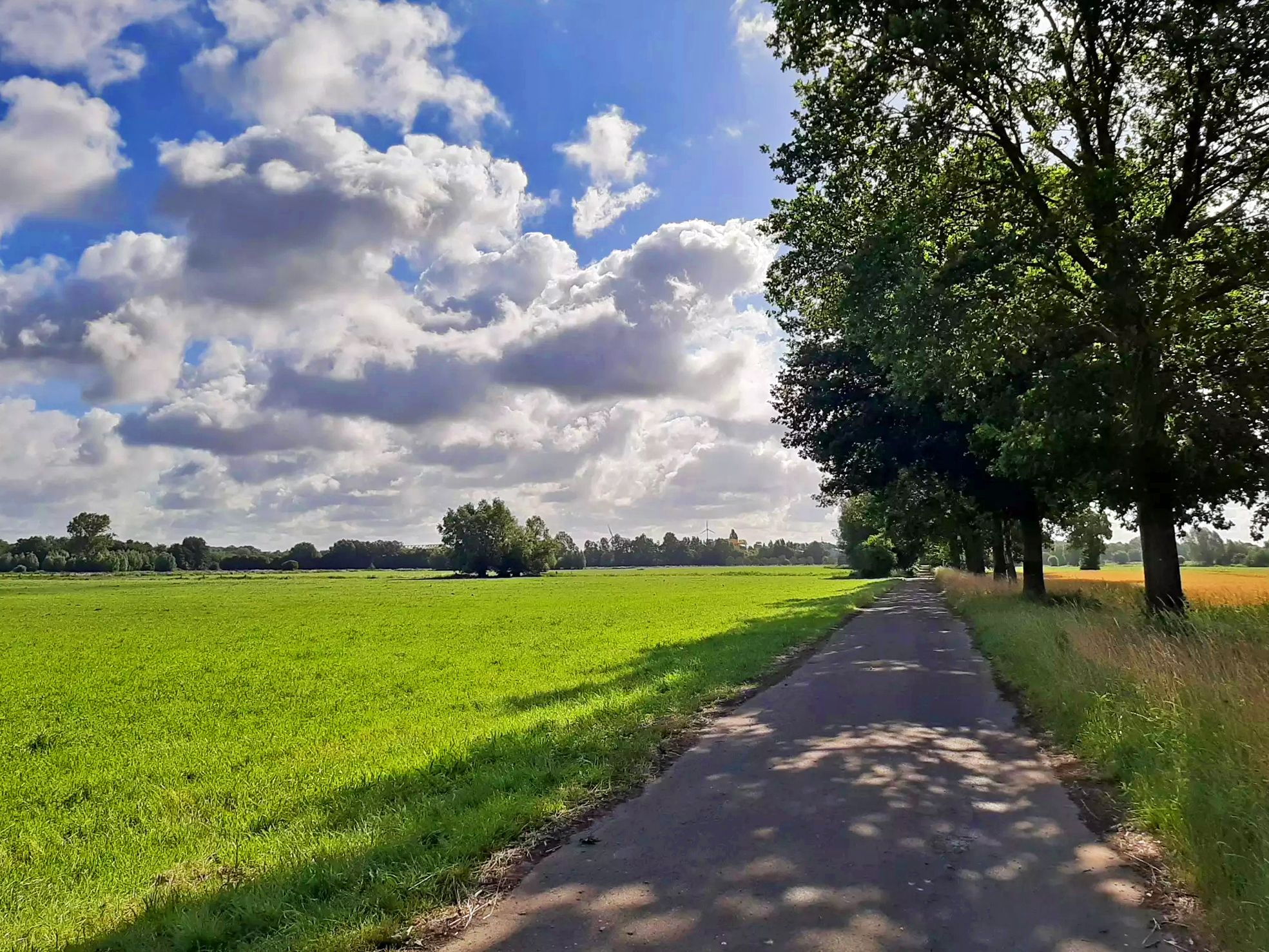
Weser-Lippe Cycle Route – Cycling from Bremen to Paderborn
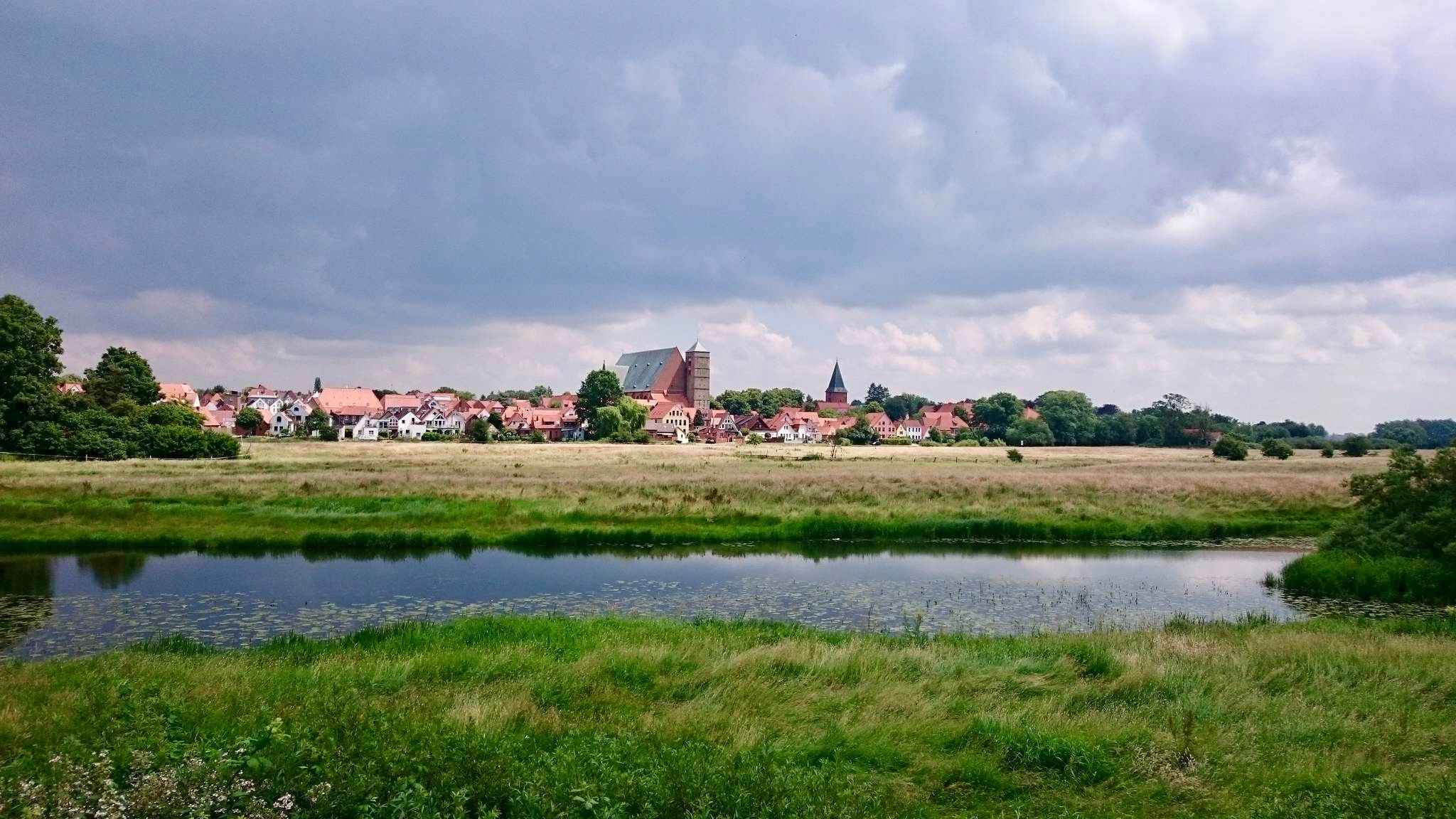
The Weser Cycle Path

Discover NRW on a gravel bike
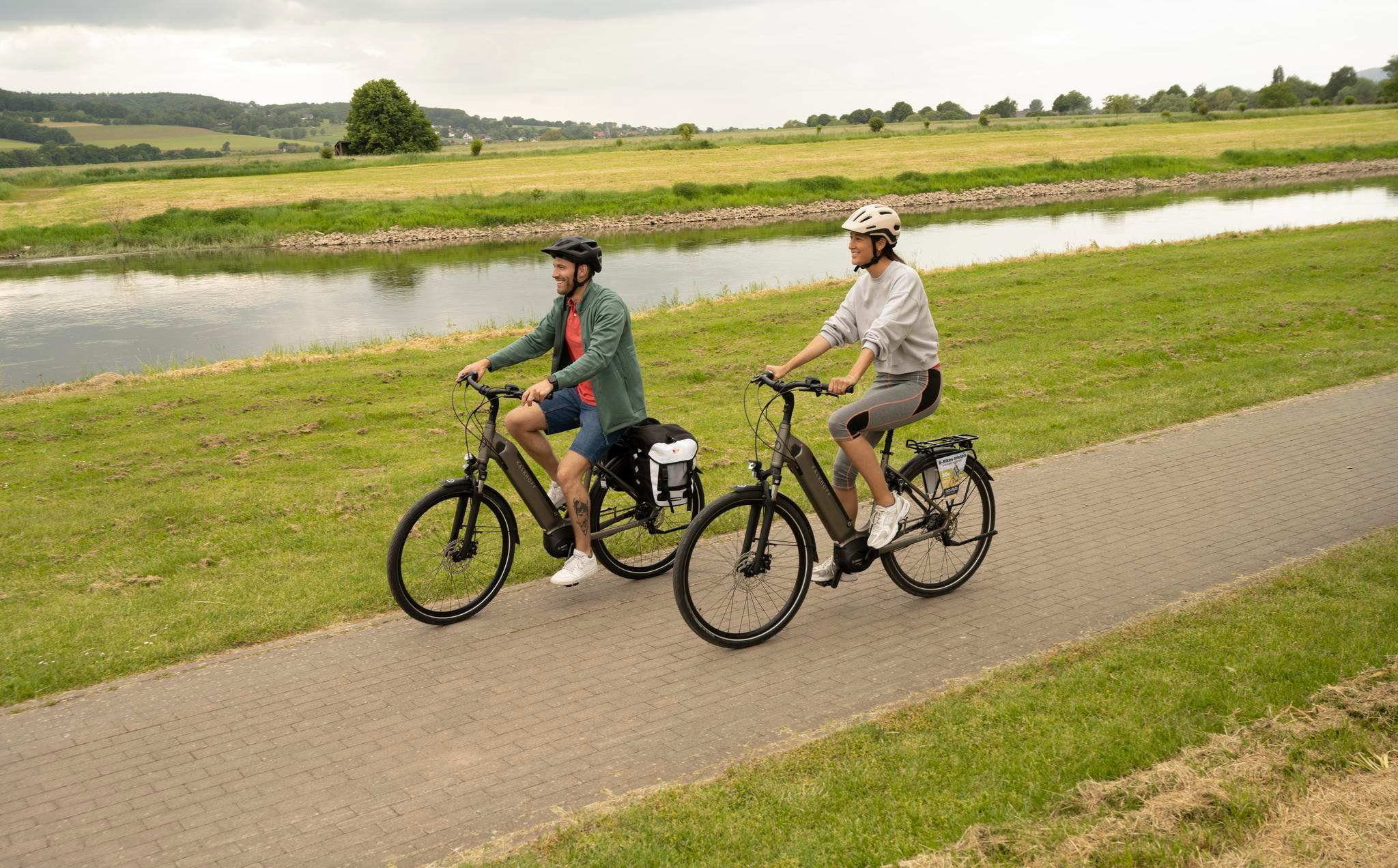
Relaxed rides in the Weser Uplands – E-bike routes with spectacular views
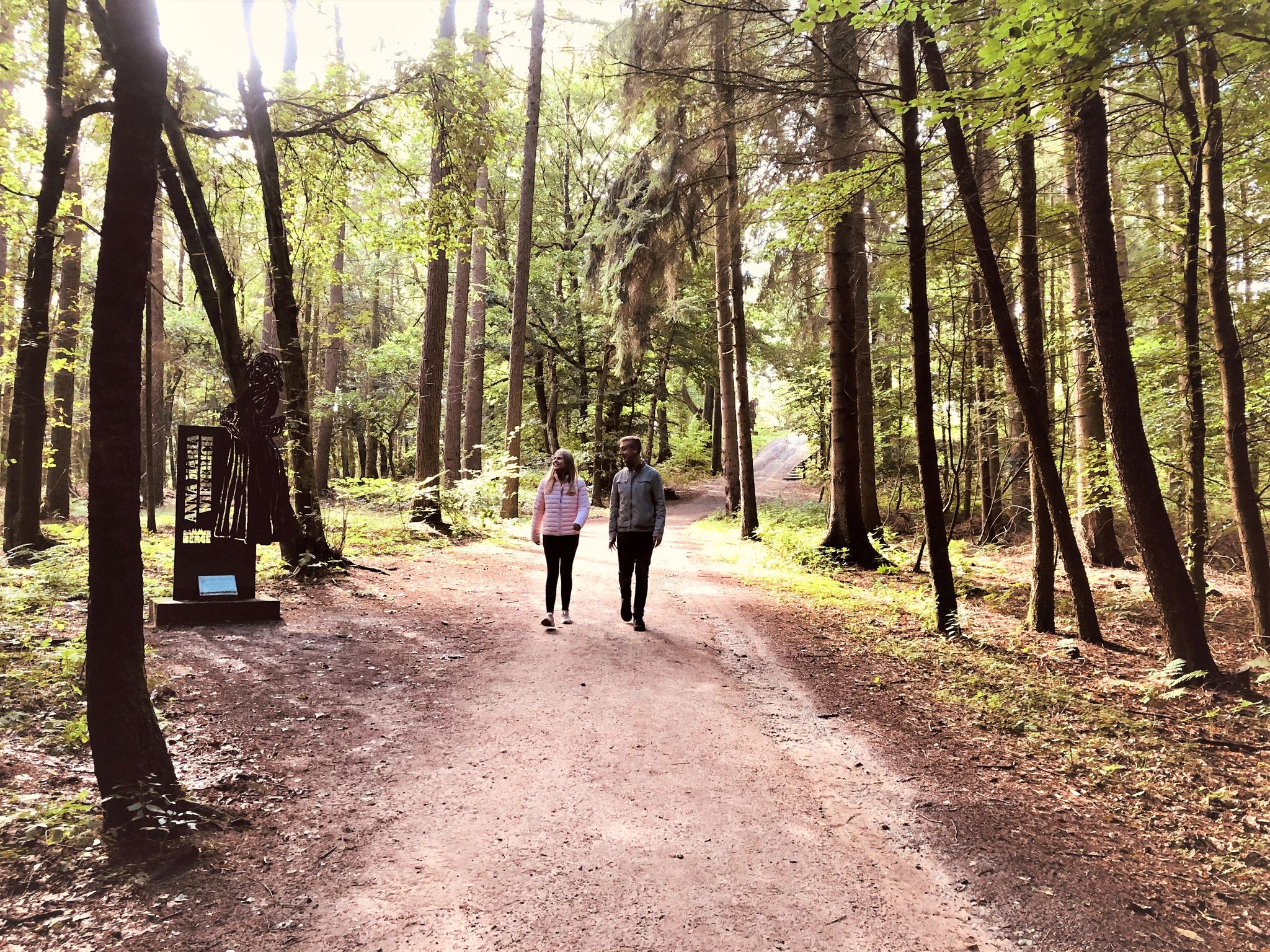
The most beautiful hiking routes in DümmerWeserLand
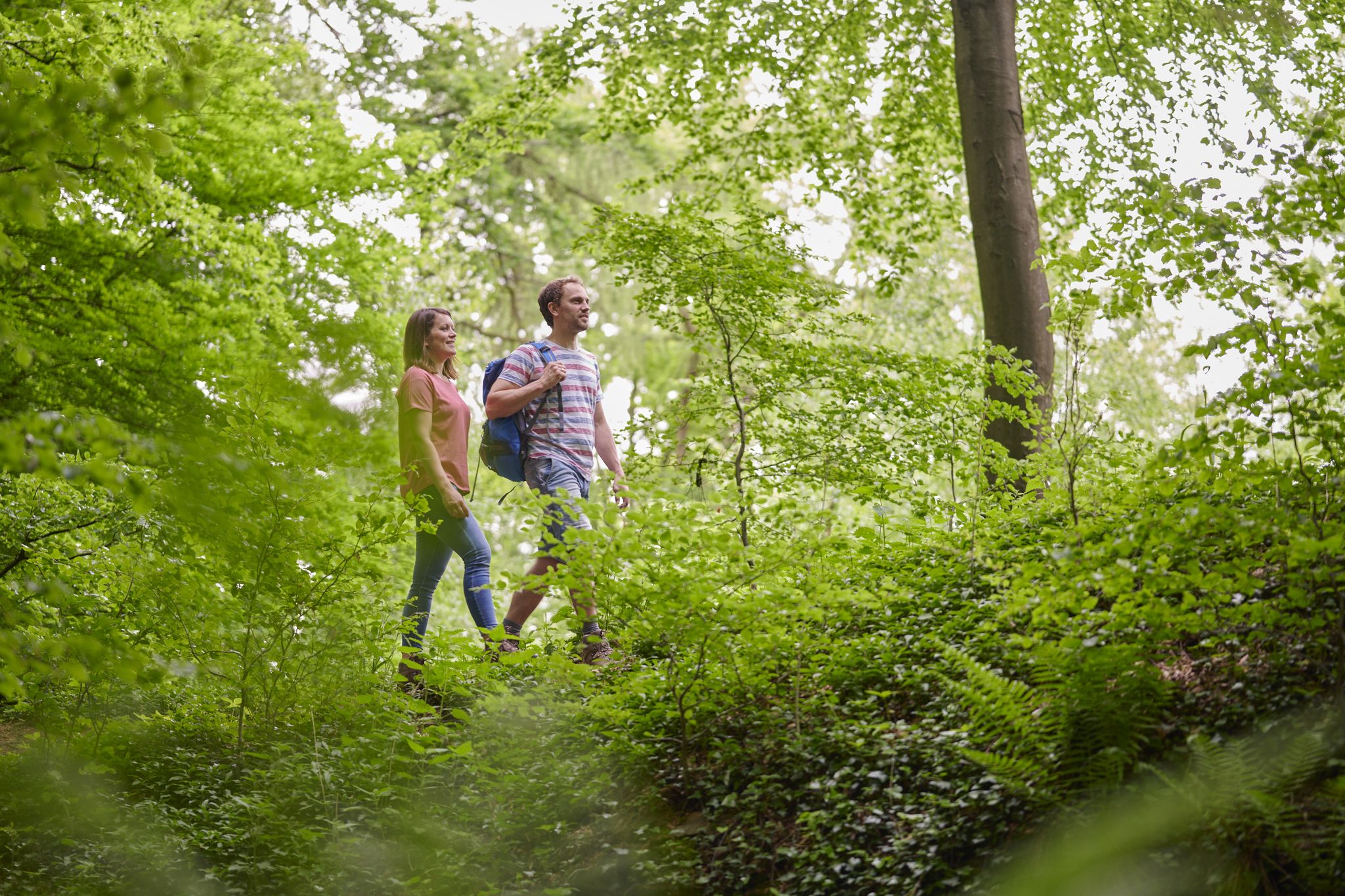
Culture and nature – hiking in Bad Oeynhausen
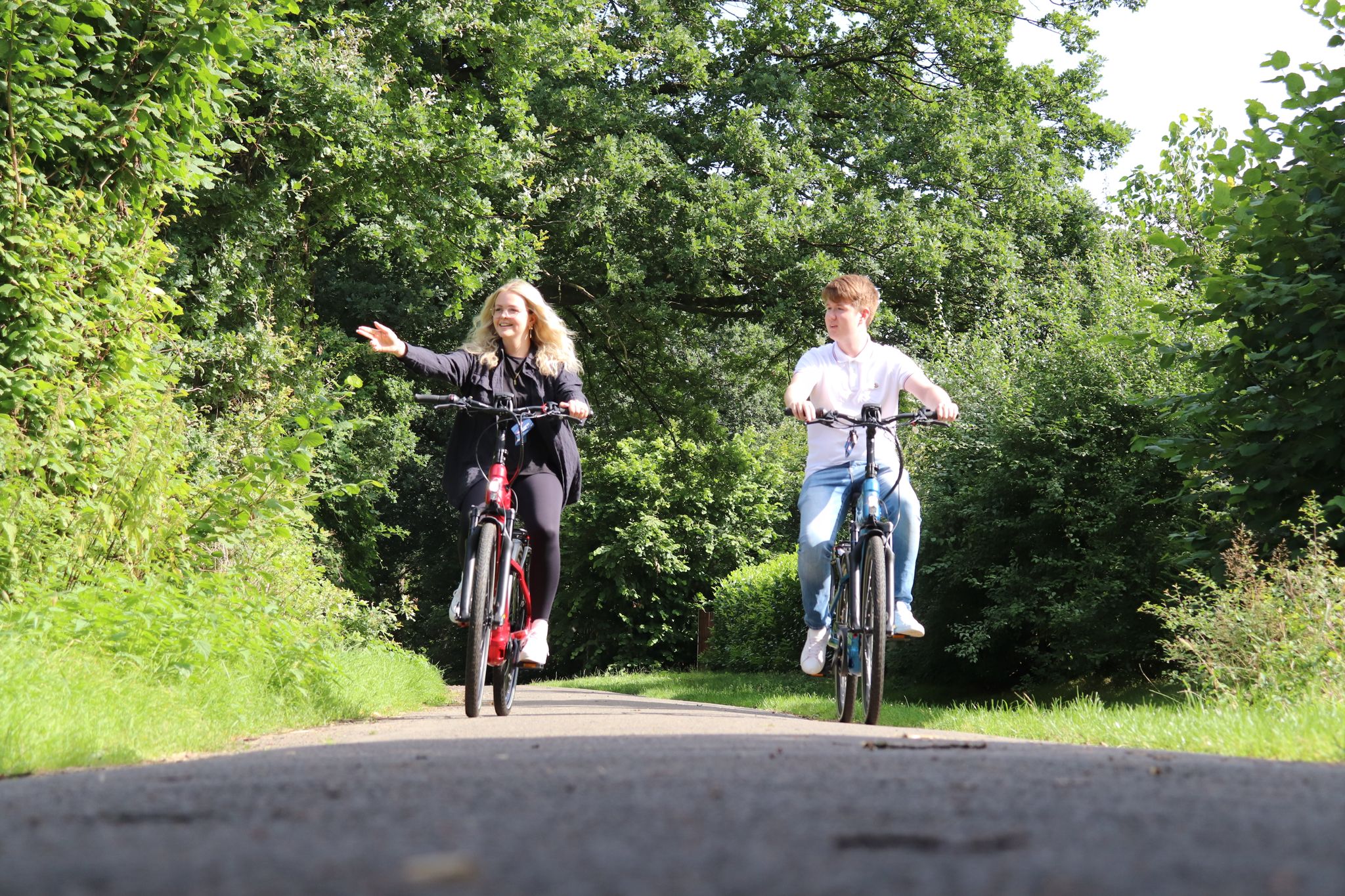
Best Loops in the DümmerWeserLand Cycling Region
Other adventures in Kreis Minden-Lübbecke


Tips from the Community

Wonderful route. I went the red route from P7 and it was easy to follow. Special highlight today were the cranes (Kraniche) gathering there before their flight South. It was spectacular to hear and see them. Just wish I would have brought binoculars to see them better.
3
0

... the Sielwehr on the Sielterrassen 💦💦💦 ... a great natural spectacle and an absolute highlight!!! 👍 ... the parking lot and the restaurant at the Sielterrassen offer a good starting and ending point for beautiful "Nordic walking tours"!!! 👍👟👍
5
0

Just beautiful .
9
0

We go the round often and it's always nice.
4
0

The core nature reserve "Schustufe Schlüsselburg" is formed by the dammed 5.5 km long "upper water" of the Weser loop near Schlüsselburg, including the narrow bank meadows between the Weser dykes. The foreland between the dike and the Weser stands out due to its great biodiversity and structural diversity. Nestled in meadows that are managed under nature conservation principles, there are several small bodies of water with meadow meadow forests, well-developed reed areas and herbaceous meadows. Field hedges, groups of trees, small bodies of water and uncultivated fringe strips on the Weser also contribute to the habitat diversity. In addition to a rich birdlife, there is also an interesting insect fauna here. Apart from the numerous species of water birds that frequent the Weser, there are also many songbirds here. Source: https://www.schluesselburg-weser.de/natur-und-umwelt
5
0

The Porta Westfalica is only the real highlight through the Wesergebirge and the Wiehengebirge
11
0

To start the hike I can recommend the P3. Here you can choose between 3 routes of different lengths: red, yellow and blue marked. The north tower is near the wooden plank path, which is simply beautifully laid out and gives the raised moor that certain something.👌
14
3
In autumn you can marvel at the faded heather, the colorful and contrasting moor landscape with its many characteristic mini lakes, the so-called moor biotopes, in which the plants and tree stumps are reflected and, of course, photographed...
7
0
Frequently Asked Questions
What unique natural features can I explore in Kreis Minden-Lübbecke?
Kreis Minden-Lübbecke offers a diverse range of natural features. You can explore the extensive moorland of the Großes Torfmoor, which is the largest contiguous moor area in North Rhine-Westphalia and the state's only raised bog. The region also features significant geological formations, known as geotopes, including the impressive Moltke Tower (Moltketurm), which offers panoramic views of the surrounding mountains and the Weser Valley.
Are there family-friendly natural monuments in Kreis Minden-Lübbecke?
Yes, many natural monuments in Kreis Minden-Lübbecke are suitable for families. The Boardwalk and observation tower in the Großes Torfmoor offers accessible paths through the moorland. Other family-friendly spots include the Werre-Weser Confluence and the Graduation tower in Sielpark, which is also wheelchair accessible.
What kind of views can I expect at the natural monuments?
The region provides several excellent viewpoints. From the North Tower (observation tower) in the Großes Torfmoor, you can enjoy extensive views over the moor with the Wiehengebirge in the background. The View of the Kaiser Wilhelm Monument offers sights of where the Weser river cuts through the low mountain range, providing a picturesque spot to linger.
What outdoor activities can I do near the natural monuments in Kreis Minden-Lübbecke?
You can enjoy various outdoor activities. The Großes Torfmoor features four well-marked circular hiking trails, known as the Moor-Erlebnis-Pfad. For more hiking options, explore the diverse trails in the region, such as the 'Kaiser Wilhelm Trail' or the 'Eggetaler Panoramaweg'. You can find more details on these and other routes in the Hiking in Kreis Minden-Lübbecke guide. Gravel biking is also popular, with routes like the 'View of the Mittelland Canal – Großes Torfmoor loop' available in the Gravel biking in Kreis Minden-Lübbecke guide.
Are there easy hiking trails around the natural monuments?
Yes, there are several easy hiking trails. The 'Kaiser Wilhelm Trail' and the 'A4 – Kaiser Wilhelm Trail – art and history in the Teutoburg Forest' are both considered easy. Another accessible option is the 'VitalWanderWelt: 'Balance' – through the Sielpark in Bad Oeynhausen'. For more easy routes, refer to the Easy hikes in Kreis Minden-Lübbecke guide.
What is the significance of the Großes Torfmoor?
The Großes Torfmoor is highly significant as the largest contiguous moor area in North Rhine-Westphalia and the state's only raised bog. It is a vital habitat for various species, including teals, resting lapwings, and the rare common snipe, making it an important ecological site for biodiversity and nature observation.
Can I learn about the region's geological history at these sites?
Absolutely. The natural monuments in Kreis Minden-Lübbecke, particularly the various geotopes, offer deep insights into the Earth's development and history. The Moltke Tower (Moltketurm) area, for instance, is a geotope. The region also features the Bad Oeynhausen Spa Park, which has historical connections to thermal brine springs, showcasing geological influences on human settlement and health resorts.
What do visitors particularly enjoy about the natural monuments in Kreis Minden-Lübbecke?
Visitors frequently praise the unique atmosphere of the moorlands, especially the Boardwalk and observation tower in the Großes Torfmoor, which can feel mystical when light and ground fog combine. The extensive views from observation towers, like the North Tower, are also highly appreciated, offering panoramic vistas of the landscape and the Wiehengebirge.
Are there any historical sites connected to the natural monuments?
Yes, some natural monuments are intertwined with historical significance. The Moltke Tower (Moltketurm) is a historical site offering views from the highest point of the Wittekindberg. Additionally, the Bad Oeynhausen Spa Park, while a natural monument, is also a historical site with well-preserved spa buildings and a rich past related to the discovery of thermal brine springs.
What is the Steinkoloss von Rahden-Tonnenheide?
The Steinkoloss von Rahden-Tonnenheide is the largest erratic boulder in North Rhine-Westphalia. Measuring an impressive 9 meters in length, 7 meters in width, and 3 meters in height, and weighing approximately 270 tons, this massive stone is a fascinating geotope. It serves as a tangible connection to the last ice age, demonstrating the powerful geological forces that shaped the region's landscape.
Is the Lutternsche Egge safe to visit?
The Lutternsche Egge, a mountain in the Wiehengebirge, is recognized as both a biotope and a geotope, offering diverse landscapes for activities like hiking. However, visitors should be aware that entering the quarry on Lutternsche Egge is not recommended due to the risk of falling rocks from the sloping clay layers. Stick to marked trails for safety.
Most popular routes in Kreis Minden-Lübbecke
Most popular attractions in Kreis Minden-Lübbecke

Get inspired with the komoot mobile app


Didn’t find what you were looking for?
Find even more amazing natural monuments in Kreis Minden-Lübbecke by checking out the top Highlights region by region:
Explore more
Extend your search for the best caves by checking out these guides of the top ones in Kreis Minden-Lübbecke:
