Top 5 Caves around Vers-Pont-Du-Gard
Best caves around Vers-Pont-Du-Gard offer insights into the region's deep history and natural formations. This area, known for the Pont du Gard aqueduct, features several significant prehistoric sites. The landscape includes rock shelters and cavities that reveal evidence of human occupation spanning millennia. These sites provide a connection to the ancient past of the Gard department.
Best caves around Vers-Pont-Du-Gard
- The most popular caves is La Baume Saint-Vérédème Cave and Chapel, a cave that has been occupied by humans…
Last updated: May 25, 2026
La Baume Saint-Vérédème Cave and Chapel
Highlight • Cave
Translated by Google •
Tip by

Salpêtrière Prehistoric Shelter
Highlight • Gorge
It is the eponymous …
Translated by Google •
Tip by

Sign up now to discover places like this
Get recommendations on the best single tracks, peaks, & plenty of other exciting outdoor places.
Sign up for free
Perrotte Tunnel (Roman Aqueduct)
Highlight • Historical Site
It was easy to ride (on a mountain bike). Beginners may need to dismount a few times. There was …
Translated by Google •
Tip by

Easter Cave
Highlight • Cave
Translated by Google •
Tip by

La Galerie de Perrotte
Highlight • Monument
Translated by Google •
Tip by

Start today with a free account
Your next adventure awaits.
Login or Signup
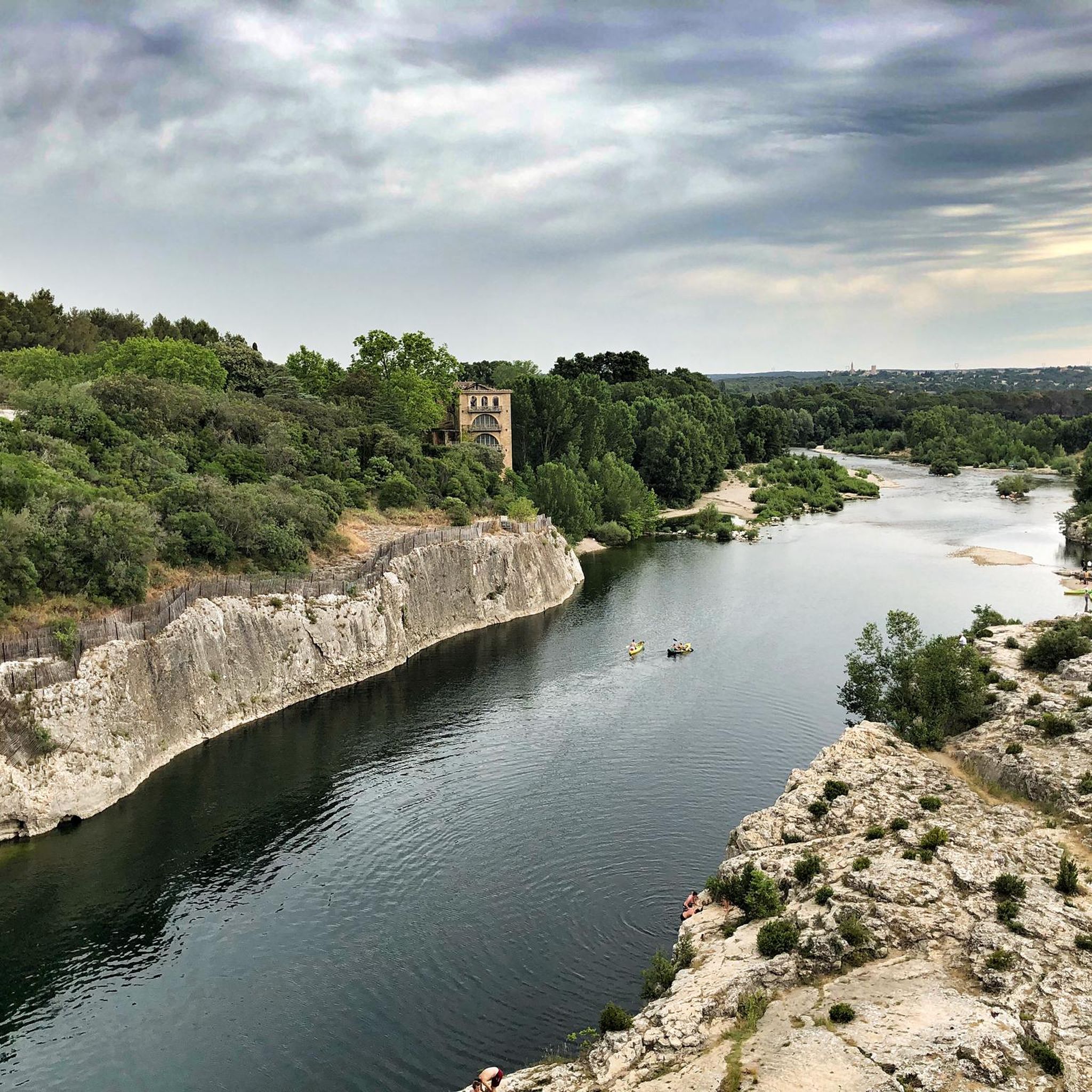
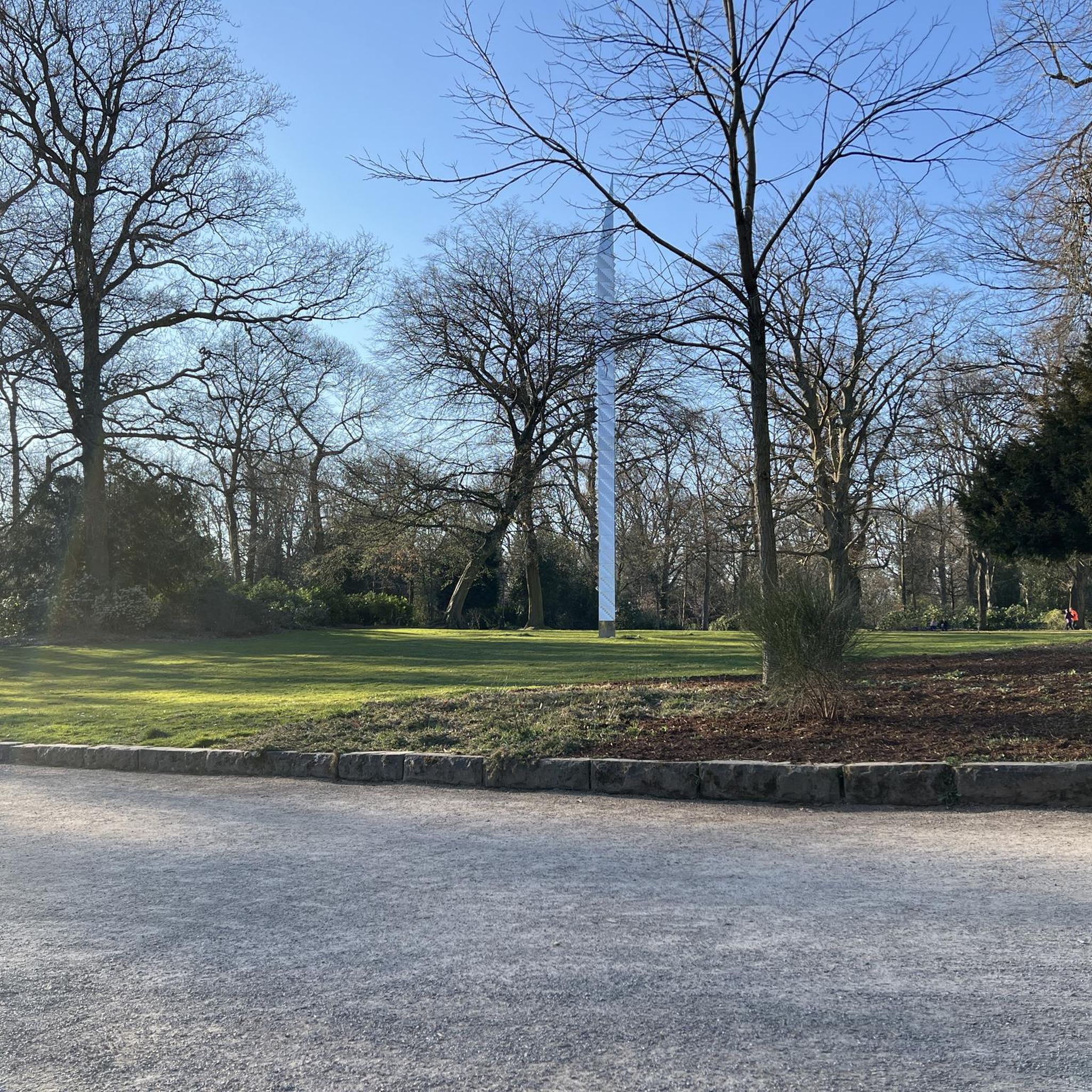
Tips from the Community

A little curiosity worth seeing!
0
0

Small, impenetrable cavity. Fenced all around. It must be used to catch the river. Not to be confused with the small cave 50 meters ahead, which is also impenetrable, but filled with graffiti and debris.
1
0
Access is only available during certain periods of the year, due to the conservation of the small inhabitants that inhabit the area. The cave is open from August 16th to November 14th, and from March 16th to April 30th. Bring a good flashlight, as the crossing can take approximately 5 to 10 minutes. This cave is nothing more than the former underground passage of the Gardon River. Accessible to all, be careful, however, once you have crossed, you will be close to the cliff on the other side. The path beyond (T2/T3) can be daunting for some people. Don't hesitate to turn back if you have any hesitation.
1
0

The Sernhac tunnels are the remains of the Roman aqueduct and are accessible to the general public: the Perrotte tunnel and the Cantarelles tunnel.
0
0

Well-preserved example of the underground sections of the ancient Roman waterway. It was easy to ride (on a mountain bike). Beginners may need to dismount a few times. There was no need for lights in the tunnels. When I visited in the middle of the day, there was no one else there. There are places to sit in the shade for a break.
0
0

Due to the very steep climb, once the cave is passed, over rocks with places where even steel handrails had to be placed, this walk cannot be classified as “easy for every walker”.
5
1

Tunnel, aqueduct, scrubland, magnificent view, explanatory panels, lots of nice hiking trails, picnics...
1
0

Already seen accustomed for 50 years
2
0
Frequently Asked Questions
What are the most historically significant caves in the immediate Vers-Pont-du-Gard area?
The Salpêtrière Prehistoric Shelter is highly significant, known as a major prehistoric site with evidence of human occupation spanning 20 millennia. It's the eponymous site of a Paleolithic culture dating back approximately 19,000 years. Another important site is La Baume Saint-Vérédème Cave and Chapel, which has been occupied since the Paleolithic era and later became a place of pilgrimage.
Are there any Roman-era underground sites to explore near Vers-Pont-du-Gard?
Yes, you can explore sections of the ancient Roman aqueduct. The Perrotte Tunnel (Roman Aqueduct) is a well-preserved underground part of this waterway, accessible to the public. Another related site is La Galerie de Perrotte, which also offers insights into the Roman aqueduct system.
Which caves near Vers-Pont-du-Gard are accessible to the public?
The Salpêtrière Prehistoric Shelter and the Perrotte Tunnel (Roman Aqueduct) are accessible. While La Baume Saint-Vérédème Cave and Chapel is also accessible, its approach involves a very steep climb over rocks, making it challenging for some visitors. Other significant prehistoric sites like La Balauzière Cave, Sartanette Cave, and Taï Cave are generally not open to the public.
What outdoor activities can I combine with a visit to the caves?
The area around Vers-Pont-du-Gard offers various outdoor activities. You can find numerous hiking trails, including routes like the 'Pont du Gard lookout loop' or the 'Aqueduct ruins loop'. For cycling enthusiasts, there are options like the 'Pont du Gard Greenway' for easy rides or more challenging gravel biking routes. You can find more details on these activities in the hiking guide, cycling guide, and gravel biking guide for the region.
Are there any family-friendly cave experiences in the Vers-Pont-du-Gard region?
For a family-friendly experience, the Perrotte Tunnel (Roman Aqueduct) is a good option as it's an easy, well-preserved underground section of the Roman waterway. While the Salpêtrière Prehistoric Shelter is accessible, its historical significance might be more engaging for older children. For a more developed tourist cave experience in the wider Gard region, the Grotte de la Salamandre offers guided tours and is accessible, including a wheelchair-friendly panoramic belvedere.
What should I wear for cave exploration in the Vers-Pont-du-Gard area?
For exploring sites like the Perrotte Tunnel, comfortable walking shoes are sufficient. For more rugged sites or if you plan to combine your visit with hiking, sturdy footwear with good grip is recommended. Layers of clothing are advisable as temperatures inside caves can be cooler than outside, even in summer.
What is the best season to visit the caves around Vers-Pont-du-Gard?
The caves and underground sites can generally be visited year-round. However, spring and autumn offer pleasant weather for combining cave visits with outdoor activities like hiking or cycling in the surrounding area. During summer, the cooler temperatures inside the caves can provide a welcome respite from the heat.
Are there any caves in the wider Gard region that offer a different experience?
Yes, if you're willing to venture further into the Gard department, the Grotte de la Salamandre is a magnificent cave known for its immense cavity and 'Giants of Crystal' stalagmites, offering guided tours and even abseiling. Another option is the Abîme de Bramabiau in the Cévennes, which features an impressive underground river and guided tours.
Can I find cafes or restaurants near the caves in Vers-Pont-du-Gard?
The area around the Pont du Gard, which is close to the Salpêtrière Prehistoric Shelter and the Roman aqueduct tunnels, offers various amenities including cafes and restaurants. The village of Vers-Pont-du-Gard itself also has dining options.
What kind of geological features can I expect to see in the caves of this region?
The caves in the Vers-Pont-du-Gard region are primarily formed in limestone, characteristic of the area. You'll encounter natural cavities, rock shelters, and formations created by water erosion over millennia. While some caves like the Grotte de la Salamandre (further afield) boast impressive stalactites and stalagmites, the local sites often highlight geological structures that provided shelter for prehistoric humans or were utilized by Roman engineers.
Do I need a permit for caving or cave exploration in Vers-Pont-du-Gard?
For publicly accessible sites like the Salpêtrière Prehistoric Shelter or the Perrotte Tunnel, no special permit is required for general exploration. However, for more advanced or technical caving activities, especially in undeveloped or private caves, permits or guided tours with specialized equipment would be necessary. Always respect any signage regarding access restrictions.
How long does it typically take to explore the accessible caves?
Exploring the Salpêtrière Prehistoric Shelter or the Perrotte Tunnel can take anywhere from 30 minutes to an hour, depending on your pace and interest in the historical information. If you combine these with a visit to the Pont du Gard or a hike, you should allocate more time for the overall experience.
Most popular routes around Vers-Pont-Du-Gard
Most popular attractions around Vers-Pont-Du-Gard

Get inspired with the komoot mobile app


Explore more
Extend your search for the best caves by checking out these guides of the top ones around Vers-Pont-Du-Gard:
