Top 5 Gorges on Vancouver Island
Best canyons on Vancouver Island are found within a rugged landscape featuring impressive natural formations. The island's geography includes vast karst areas, particularly in the North Island, which contribute to the formation of numerous canyons. These areas offer diverse ecosystems and opportunities for exploration. Many canyons are carved out of limestone, presenting features such as caves and unique geological structures.
Best canyons on Vancouver Island
- The most popular canyons is Hole-in-the-Wall, a waterfall that is a small but unique natural formation. The waterfall gets its name from a literal hole in the wall, creating a “keyhole” effect that is especially exciting after rain or during spring runoff. Mossy rock walls, ferns, and dense coastal forest surround this waterfall.
- Another must-see spot is Pete Wolfe Creek Suspension Bridge, a bridge crossing the Pete Wolfe Creek gorge. Visitors can expect to cross this suspension bridge about 1 km from the parking lot on the way to Mystic Beach. The waters of Pete Wolfe Creek flow into the Juan de Fuca Strait as a waterfall near China Beach.
- Visitors also love Rocky Shoreline and Cliffs at Vancouver Island, a rocky shoreline with cliffs. At low tide, visitors can continue west along the shoreline, scrambling over sharp-edged rocks. This area offers views below the cliff edge of rock formations, which are gradually being pushed back by tides and storm surges.
- Vancouver Island is known for limestone canyons, slot canyon sections, and areas with caves. The island offers a variety of canyons to see and explore, ranging from those with unique geological formations to those with hidden waterfalls.
- The canyons on Vancouver Island are appreciated by the komoot community, with 38 upvotes and 43 photos shared across 6 highlights.
Last updated: June 1, 2026
Hole-in-the-Wall
Highlight • Waterfall
Tip by

Rocky Shoreline and Cliffs at Vancouver Island
Highlight • Natural
Tip by

Sign up now to discover places like this
Get recommendations on the best single tracks, peaks, & plenty of other exciting outdoor places.
Sign up for free
Pete Wolfe Creek Suspension Bridge
Highlight • Bridge
Tip by
Haslam Suspension Bridge
Highlight • Bridge
Tip by

Little Huson Caves
Highlight • Cave
The river flows through this cave. A remote place, the road / paths there are pretty badly signposted, but it's worth the effort. The cave is rarely visited (spring 2019) and you have nature to yourself.
Translated by Google •
Tip by

Sign up for free to discover even more gorges on Vancouver Island.
Sign up for free
Already have an account?
Start today with a free account
Your next adventure awaits.
Login or Signup
Popular around Vancouver Island
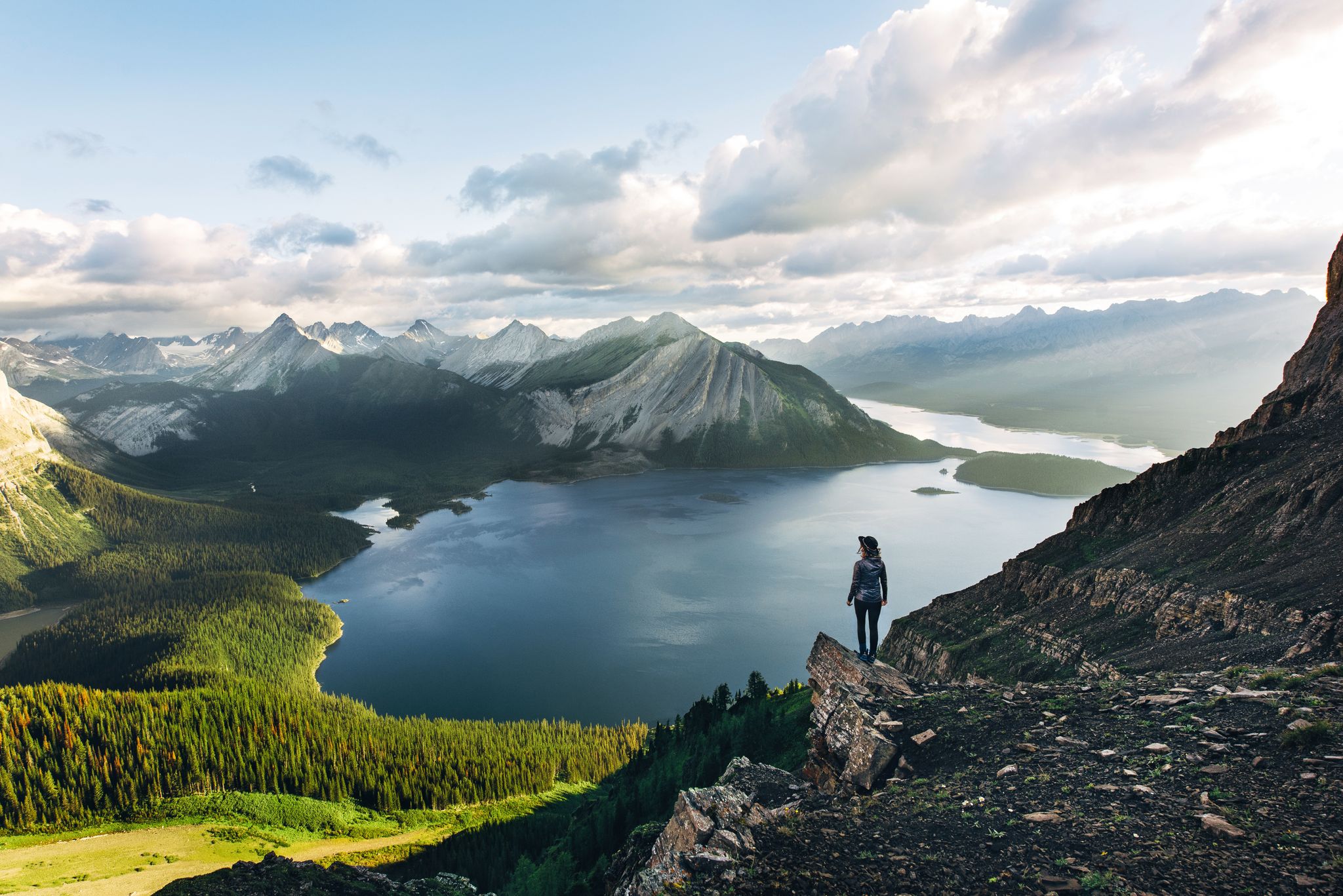
Long-distance hiking in Canada – between mountains and coast
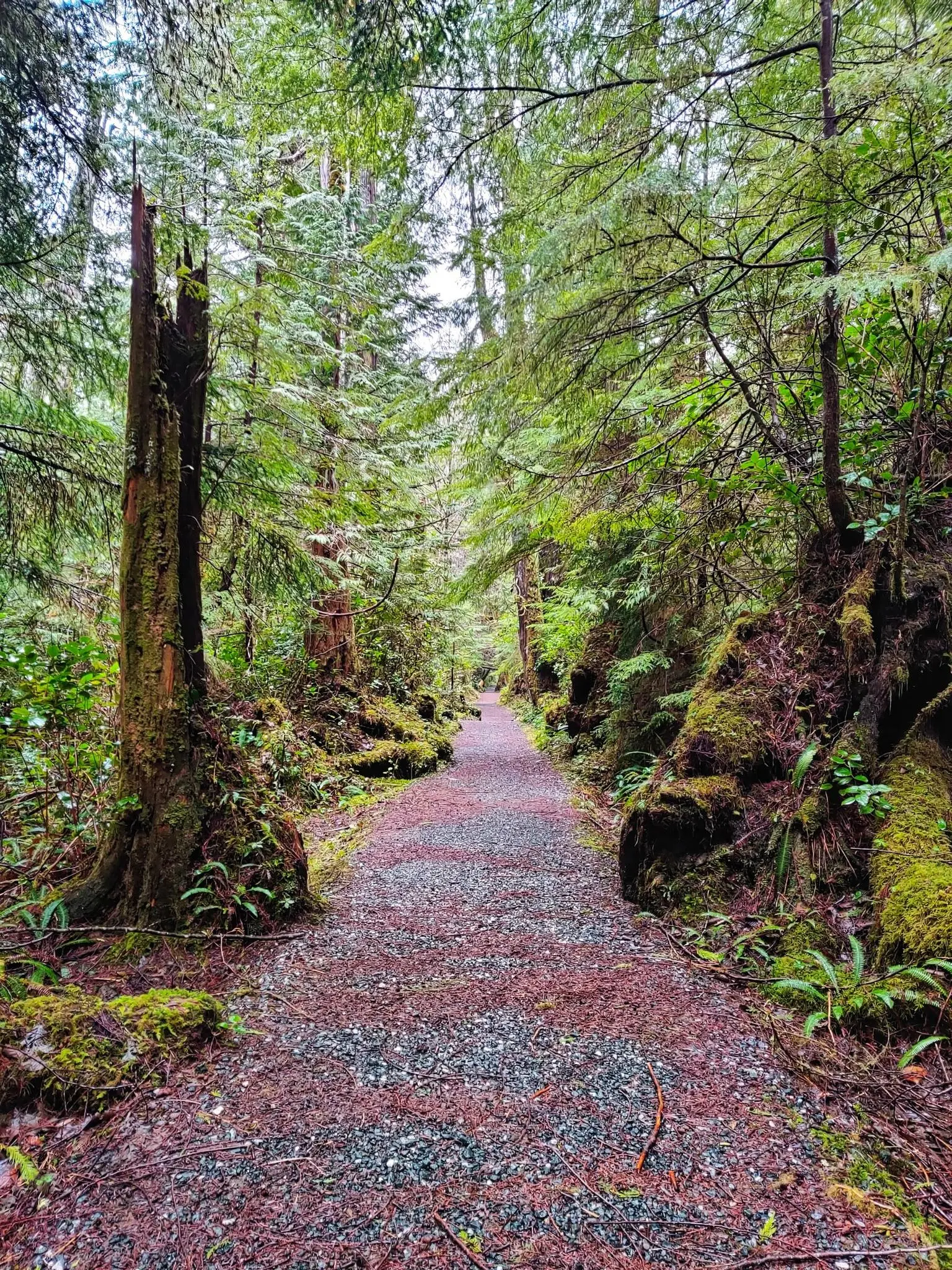
North Coast Trail — Vancouver Island's Wildest Adventure
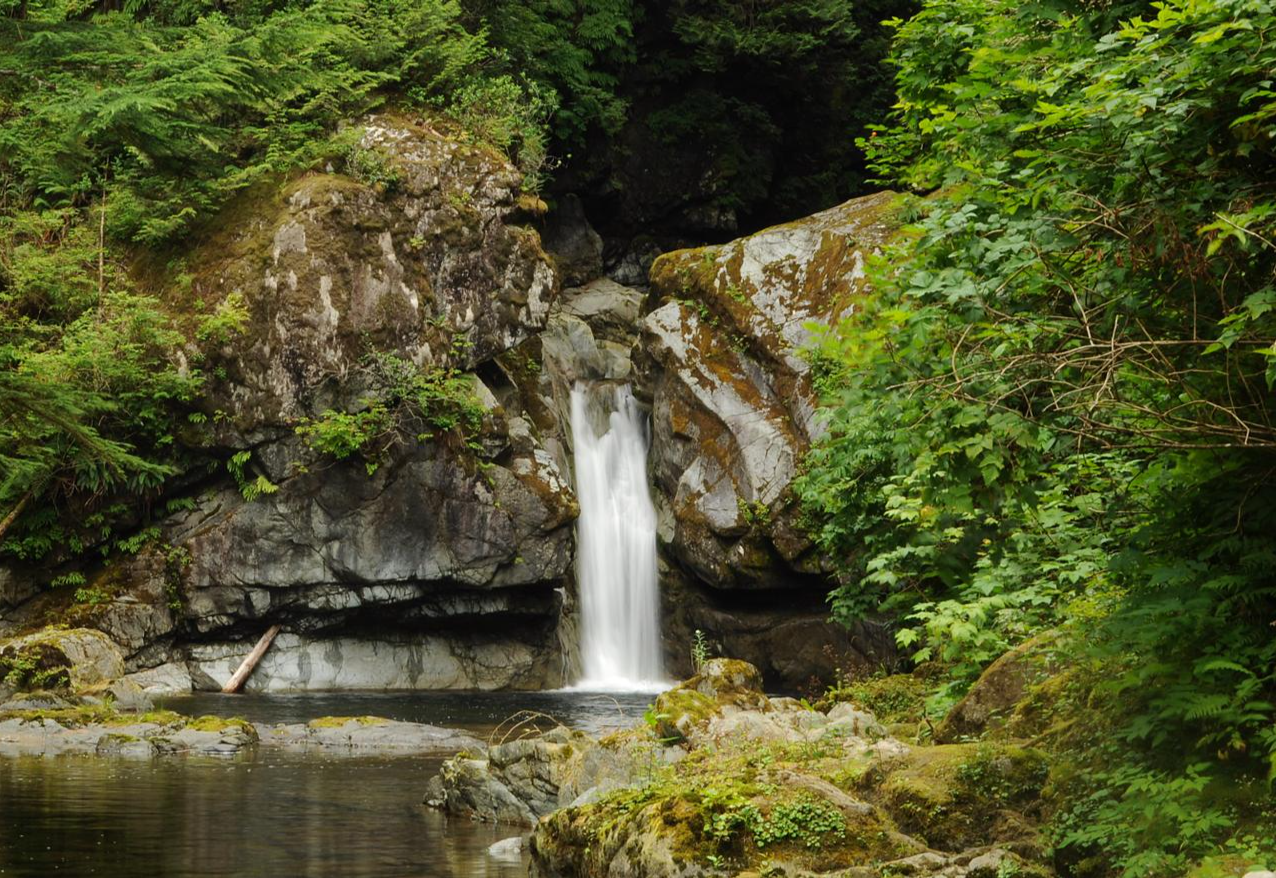
West Coast Trail — Seven days on the Graveyard of the Pacific
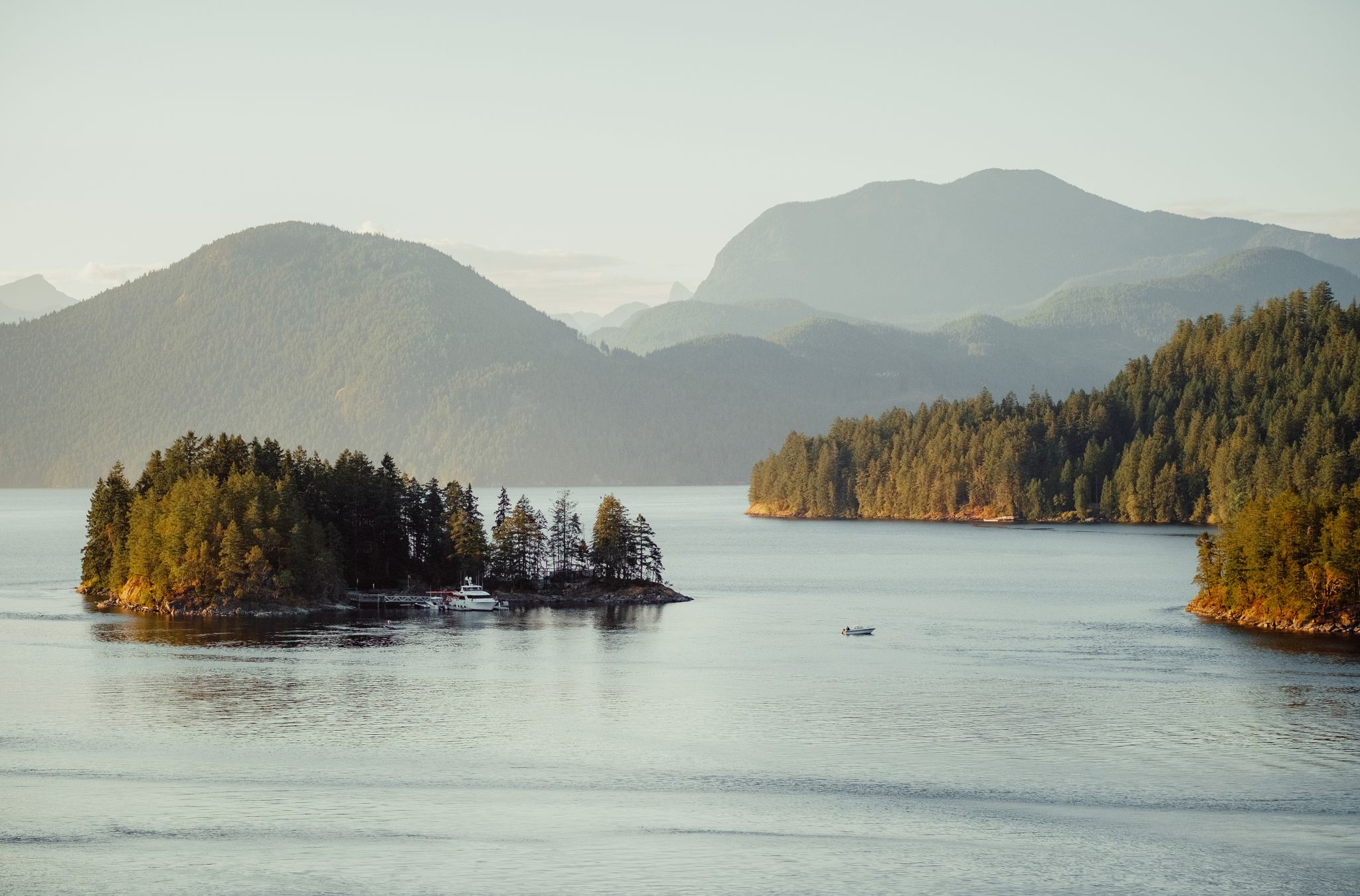
Pacific charm and peak happiness in British Columbia
Hiking on Vancouver Island
Cycling on Vancouver Island
Running Trails on Vancouver Island
MTB Trails on Vancouver Island
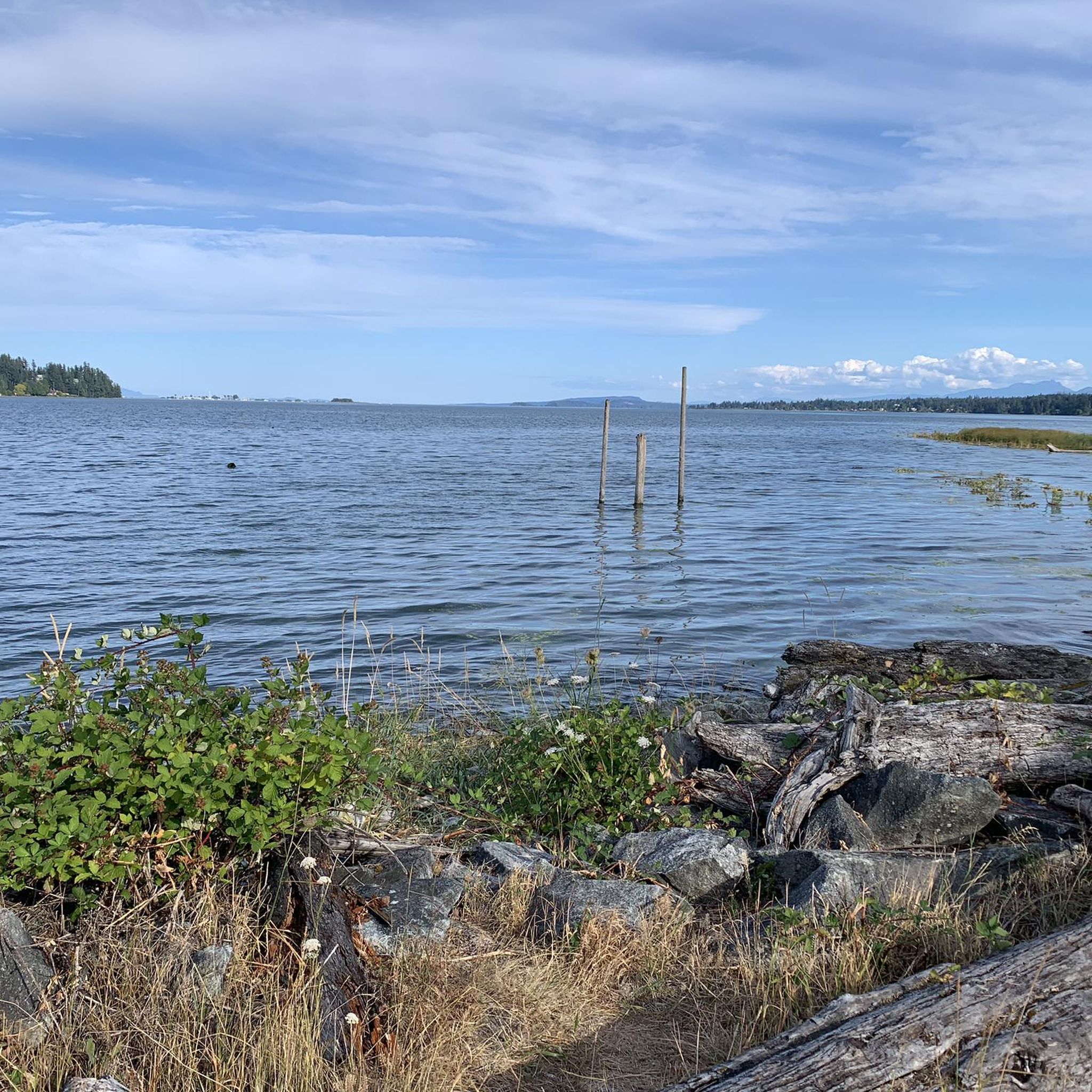
Road Cycling Routes on Vancouver Island
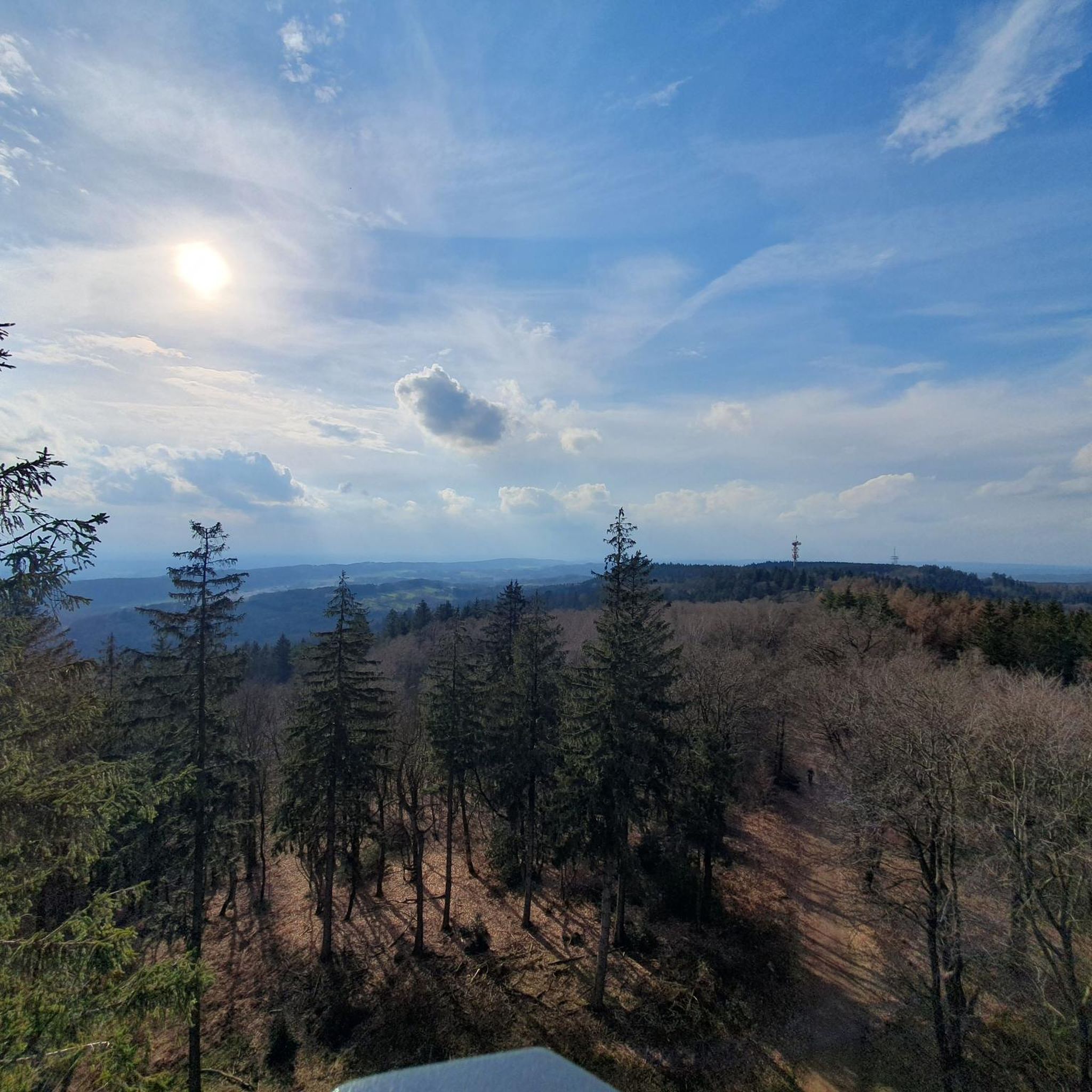
Gravel biking on Vancouver Island
Other adventures on Vancouver Island


Tips from the Community

Hole-in-the-Wall is a small but unique natural waterfall. The waterfall gets its name from a literal hole in the wall, creating a “keyhole” effect that’s especially exciting after rain or during spring runoff. Mossy rock walls, ferns, and dense coastal forest surround this waterfall.
1
0

A sturdy steel suspension bridge enclosed with chain-link fencing, stretching high above Haslam Creek. Its grated walkway offers clear views down to the forested canyon below, making it one of the most memorable spots along the trail. The bridge is narrow, so hikers cross single-file, surrounded by tall trees and the sound of rushing water beneath.
0
0

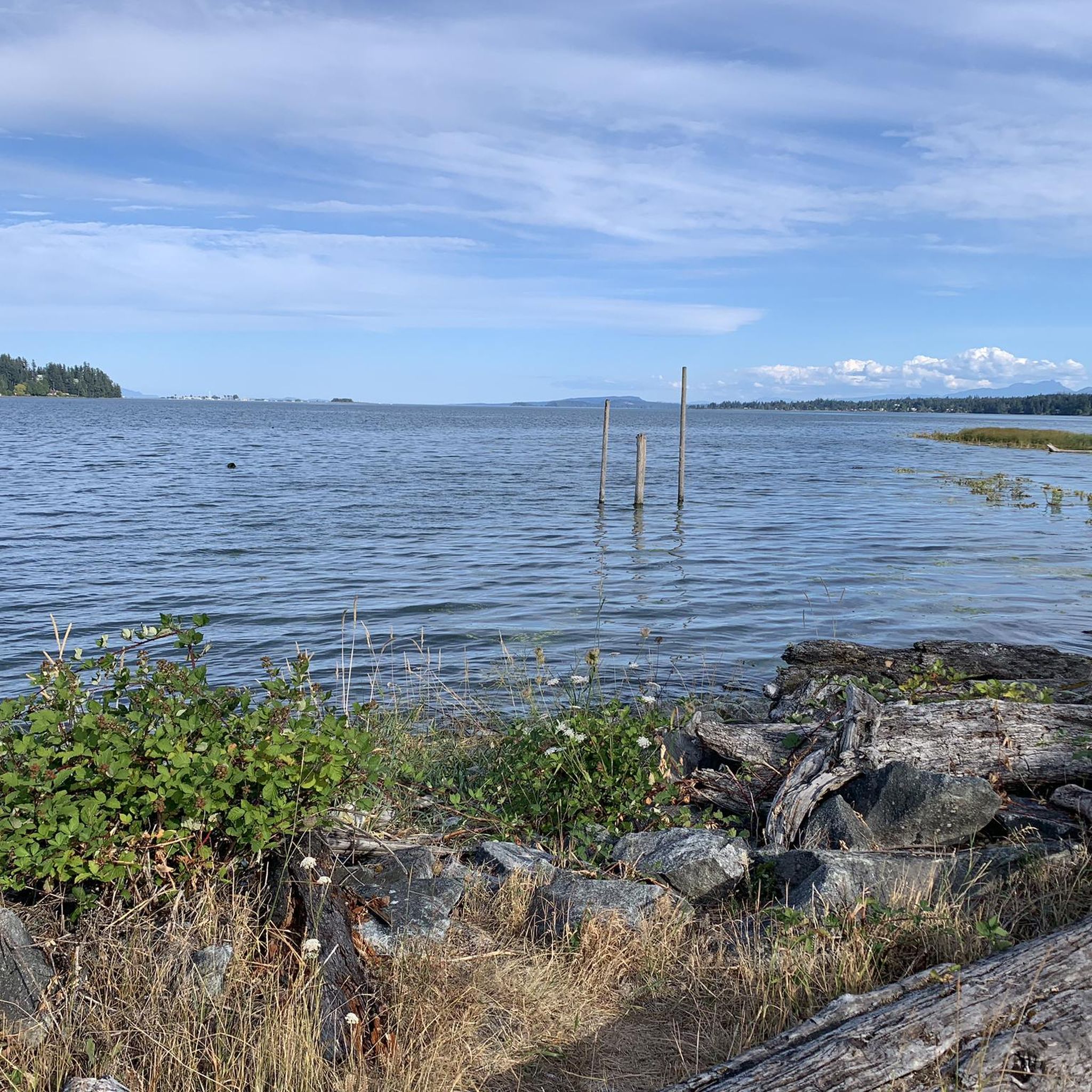
At low tide, we continue west along the shoreline. After scrambling over the sharp-edged rocks, we find ourselves below the cliff edge of the rock formation, which is gradually being pushed back by the tides and storm surges.
2
0
On the way to Mystic Beach, about 1 km from the parking lot, we cross the Pete Wolfe Creek gorge on a suspension bridge. The waters of Pete Wolfe Creek flow into the Juan de Fuca Strait as a waterfall near China Beach.
2
0

I didn't see the old car. Maybe it's no longer there. But the hike is worth it. Don't forget your hiking poles if you're not quite so young.
0
0


Lovely gorge on the Trans Canada Trail. Not well marked in places and when Komoot comes into its own! Also did a side trip up to the Thistle Mine, well worth it.
0
0

Only possible and interesting at low tides with a lot of beautiful views (https://de.tideschart.com/Canada/British-Columbia/Vancouver-Island/Weekly/)
0
0
Frequently Asked Questions
What are some unique natural features found in Vancouver Island's canyons?
Vancouver Island's canyons are known for their diverse and striking natural features. You can find unique formations like the 'keyhole' effect at Hole-in-the-Wall, where a waterfall flows through a literal hole in the rock. Other canyons feature towering moss-covered walls, twisting caves, crystal-clear pools, and thundering waterfalls, such as those found in Skull Canyon. The island also boasts impressive slot canyon sections, sculpted cave networks, and massive moss-covered waterfalls in remote areas.
Are there any canyons on Vancouver Island that are particularly challenging to access or explore?
Yes, several canyons on Vancouver Island offer significant challenges. Skull Canyon, for instance, is extremely difficult to access, requiring navigation through rough logging roads, cold snowmelt-fed water, and potentially rappelling. It's not suitable for casual exploration and demands proper experience and equipment, including a wetsuit. Similarly, the 'Secret Canyon' in Northern Vancouver Island is tucked away in a remote corner with no signs or official trails, making it a true wilderness adventure.
What kind of geological formations can I expect to see in Vancouver Island's canyons?
Many of Vancouver Island's canyons are carved out of limestone, resulting in almost prehistoric-looking features. You'll encounter unique geological structures like the distinctive skull-like rock formations in Skull Canyon, impressive slot canyon sections in places like Looper Creek Canyon, and numerous cool caves, such as the Little Huson Caves where a river flows directly through.
Are there opportunities for canyoneering or technical descents in Vancouver Island's canyons?
Absolutely. Vancouver Island offers thrilling opportunities for canyoneering. Looper Creek Canyon is well-regarded for its slot canyon sections, perfect for canyoneering, swimming, and jumping. Sombrio Canyon is known for its hidden waterfalls that require a technical canyoneering descent to fully explore. These experiences often involve navigating through cold water and rugged terrain, requiring appropriate gear and experience.
What are some popular viewpoints or scenic spots within Vancouver Island's canyons?
Beyond the canyons themselves, there are several scenic spots offering great views. The Pete Wolfe Creek Suspension Bridge provides a crossing over a gorge with views of the creek flowing towards the Juan de Fuca Strait. The Haslam Suspension Bridge offers clear views down to a forested canyon below. For coastal canyon views, the Rocky Shoreline and Cliffs at Vancouver Island allows you to scramble below cliff edges at low tide, revealing rock formations shaped by the ocean.
What outdoor activities can I do near the canyons on Vancouver Island?
The areas around Vancouver Island's canyons offer a wide range of outdoor activities. You can explore numerous hiking trails, including easy paths like the Kinsol Trestle Trail or more challenging routes like 5040 Peak via Cobalt Lake Trail. Mountain biking is popular, with trails such as the Davis Lake Main – China Bowls loop. Road cycling routes are also available, like the Lochside Regional Trail. For more details on these activities, you can check out the hiking, MTB, and road cycling guides for Vancouver Island.
Are there any family-friendly canyon experiences on Vancouver Island?
While many canyons on Vancouver Island can be rugged, some areas offer more accessible experiences. For instance, the walk to the Pete Wolfe Creek Suspension Bridge is about 1 km from the parking lot, making it a relatively short and manageable walk for families. The Little Huson Caves are also described as 'great and easy to explore,' offering a unique natural wonder that might be suitable for adventurous families.
What is the best time to visit Vancouver Island's canyons for activities like swimming and jumping?
For activities like swimming and jumping in the canyon pools, visiting during warmer weather is ideal. Canyons like Looper Creek Canyon offer clear water perfect for these activities when temperatures are higher. However, be aware that many canyons are fed by snowmelt, so the water can remain frigid even in warmer months, and wetsuits are often recommended, especially for more technical exploration.
What should I wear or bring for a canyoning trip on Vancouver Island?
Given the rugged terrain and cold water, proper gear is essential for canyoning on Vancouver Island. A wetsuit is highly recommended due to the frigid water temperatures, especially in canyons fed by snowmelt. You should also bring appropriate footwear for scrambling and wet conditions, and if attempting technical routes, ensure you have rappelling gear and safety equipment. Always be prepared for challenging conditions and remote locations.
What do visitors enjoy most about the canyons on Vancouver Island?
Visitors are consistently drawn to the stunning geological formations, diverse ecosystems, and the sense of adventurous exploration that Vancouver Island's canyons offer. The unique features, from the 'keyhole' waterfall at Hole-in-the-Wall to the surreal atmosphere of Skull Canyon, create unforgettable experiences. Many appreciate the remote and untouched nature of these locations, which provides a profound sense of solitude and connection with nature.
Are there any hidden gem canyons on Vancouver Island that are less known?
Yes, Vancouver Island is home to several hidden gems. The 'Secret Canyon' in the remote northern part of the island is mentioned as a place most people haven't heard of, boasting some of the island's most beautiful moss-covered waterfalls and clear blue pools. Similarly, the Little Huson Caves are described as a remote and rarely visited spot where you can have nature to yourself, despite being somewhat challenging to find due to poor signage.
What kind of wildlife might I encounter in Vancouver Island's canyons?
While specific wildlife sightings can vary, Vancouver Island's canyons are nestled within diverse ecosystems, including old-growth forests. These areas are home to a variety of wildlife typical of coastal British Columbia, which can include various bird species, small mammals, and potentially larger animals. The remote nature of many canyons also means less human disturbance, offering a chance to observe nature in its pristine state.
Most popular routes on Vancouver Island
Most popular attractions on Vancouver Island

Get inspired with the komoot mobile app


Explore more
Already discovered everything in this region? See additional gorges on Vancouver Island for your next adventure:
