The 4 Most Amazing Peaks around Castro De Filabres
Mountain peaks around Castro De Filabres offer access to the high-altitude landscapes of the Sierra de los Filabres. This village, situated over 1,000 meters above sea level, serves as a base for exploring the broader mountain range. The Sierra de los Filabres is characterized by mountainous and semi-arid slopes, with several peaks exceeding 2,000 meters in height. The area provides extensive views and a cooler climate, making it suitable for quiet mountain routes.
Best mountain peaks around Castro De Filabres
- The most popular mountain peaks is Ascent to Calar Alto from the Tabernas Desert via Gérgal, a climb that is a long, steep, and spectacular route to the summit of Calar Alto. The road surface is in good condition, with spectacular views.
- Another must-see spot is Sierras de Baza and Los Filabres, a mountain pass that is part of a remote mountain range over 2,000 meters in height. At the highest point of this range lies the iconic Calar Alto Observatory.
- Visitors also love Calar Alto Astronomical Observatory, located at an altitude of 2,168 meters in the heart of the Sierra de los Filabres. Its clear sky allows for stargazing, housing the largest observatory in Europe.
- Castro De Filabres is known for its high-altitude summits, mountain passes, and challenging climbs. The area offers a variety of mountain peaks to see and explore, including those over 2,000 meters.
- The mountain peaks around Castro De Filabres are appreciated by the komoot community, with 9 upvotes and 5 photos shared across the highlights.
Last updated: November 16, 2026
Sierras de Baza and Los Filabres
Highlight • Mountain Pass
This mountain range was a historic crossroads of cultures, and its legacy includes remains of Roman aqueducts or Arab castles.
At the highest point of the range lies the iconic Calar Alto Observatory (2.168m), easy recognizable from far away.
The range also includes one of the most iconic and spectacular mountain pass in the Iberian Peninsula, el Puerto de Velefique (1.820m), popular by the high number of hairpin in the South side.
The South limit of Sierra de los Filabres reaches the village of Gérgal, considered the North gate of the Tabernas Desert.
Tip by

Calar Alto Astronomical Observatory
Highlight • Structure
Translated by Google •
Tip by

Sign up now to discover places like this
Get recommendations on the best single tracks, peaks, & plenty of other exciting outdoor places.
Alto de Velefique Pass
Highlight • Mountain Pass
Translated by Google •
Tip by

Ascent to Calar Alto from the Tabernas Desert via Gérgal
Highlight (Segment) • Climb
The road surface is in good condition, there is rarely much traffic, and the views are spectacular.
Take it easy because, although the average gradient is 5.3%, the climb is long, exceeding 37 kilometers.
Translated by Google •
Tip by

Tetica de Bacares Summit
Highlight • Summit
According to the Gazetteer-Statistical-Historical Dictionary of Spain and its Overseas possessions by Pascual Madoz, this enclave has also been known as the Cerro de Nímar.
This summit played an important role in the geodetic connection between Europe and Africa, when in 1878, the engineer and general of the Army Carlos Ibáñez de Ibero had to spend two months at the summit to establish the geodesic connection with Algeria.
Translated by Google •
Tip by

Sign up for free to discover even more peaks around Castro De Filabres.
Already have an account?
Start today with a free account
Your next adventure awaits.
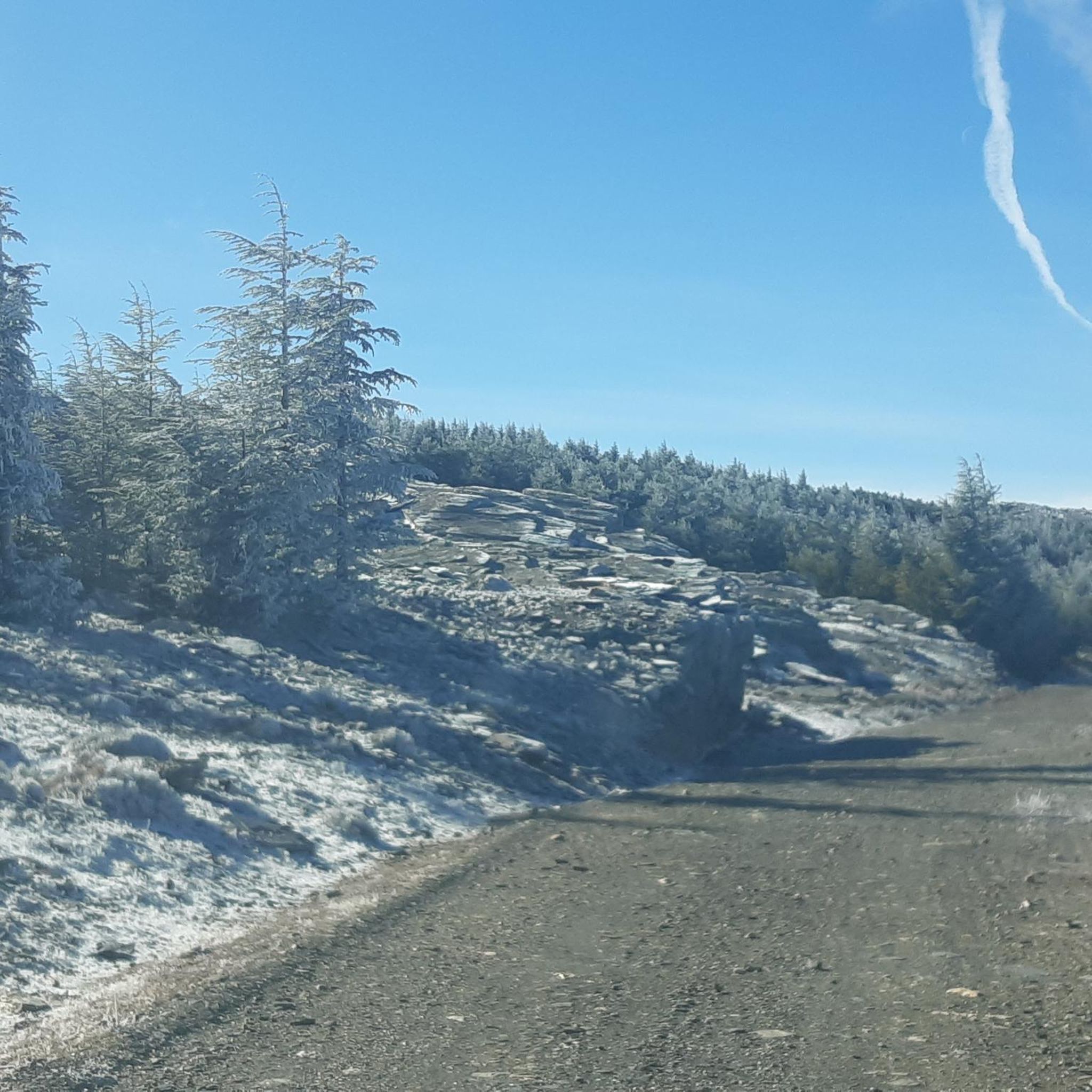
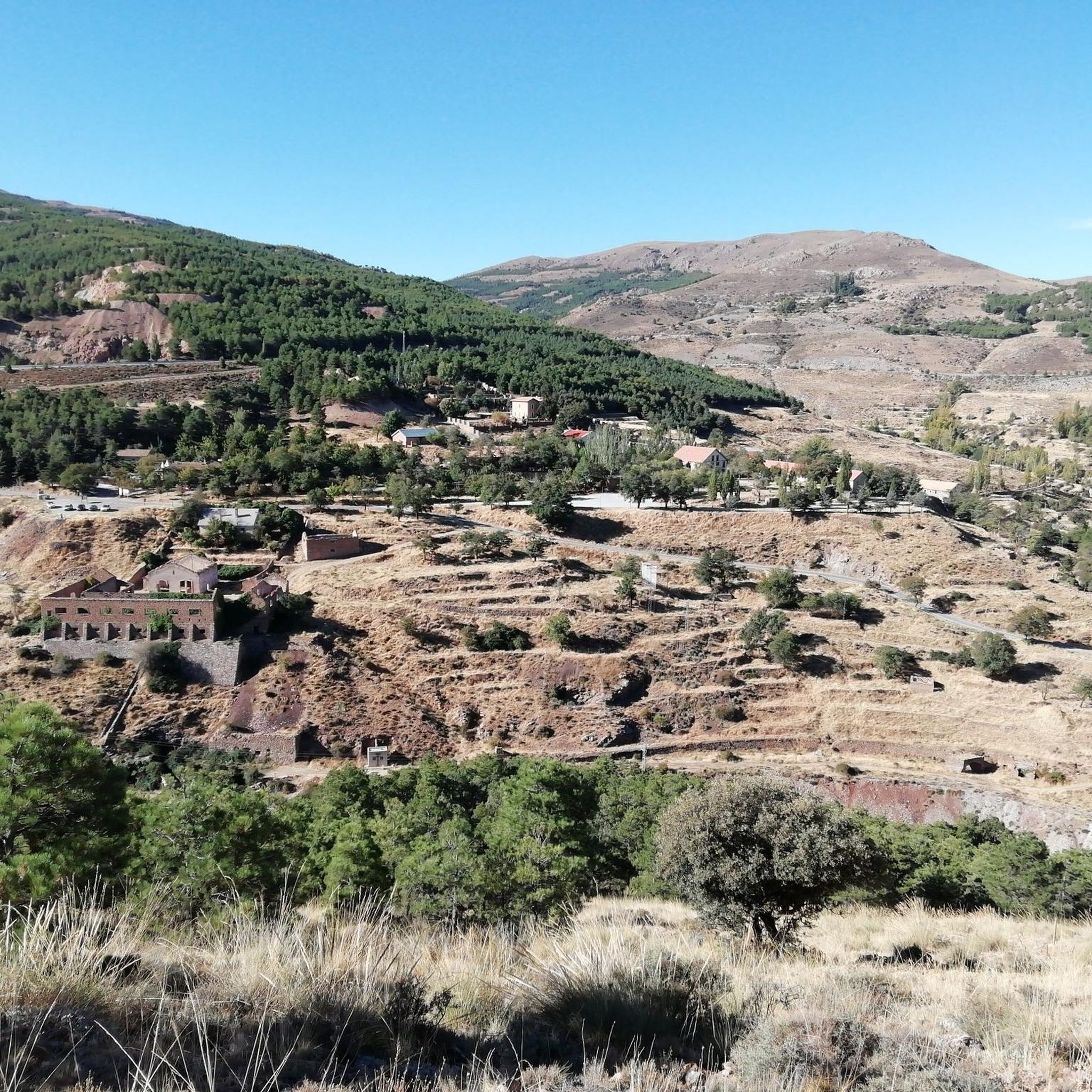
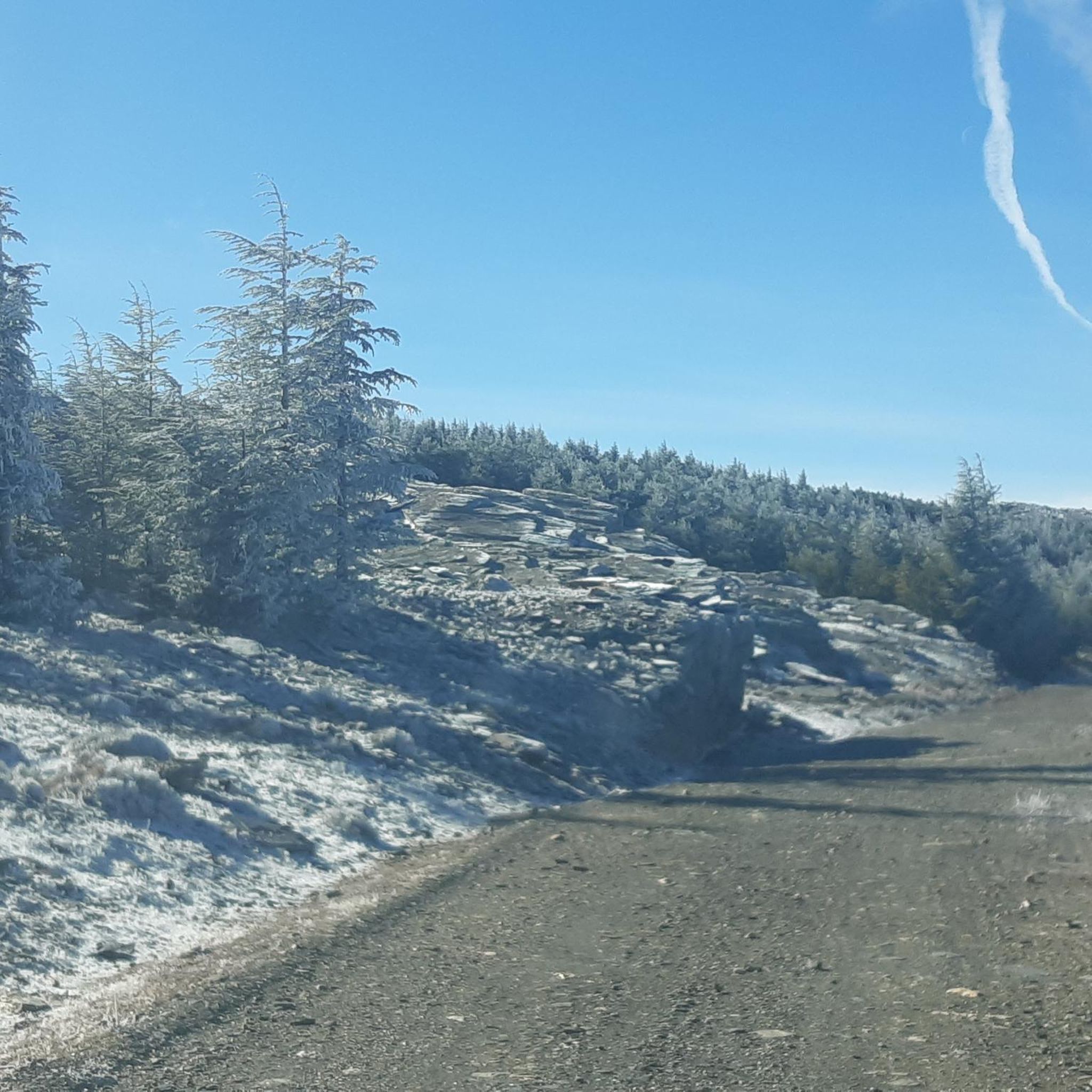
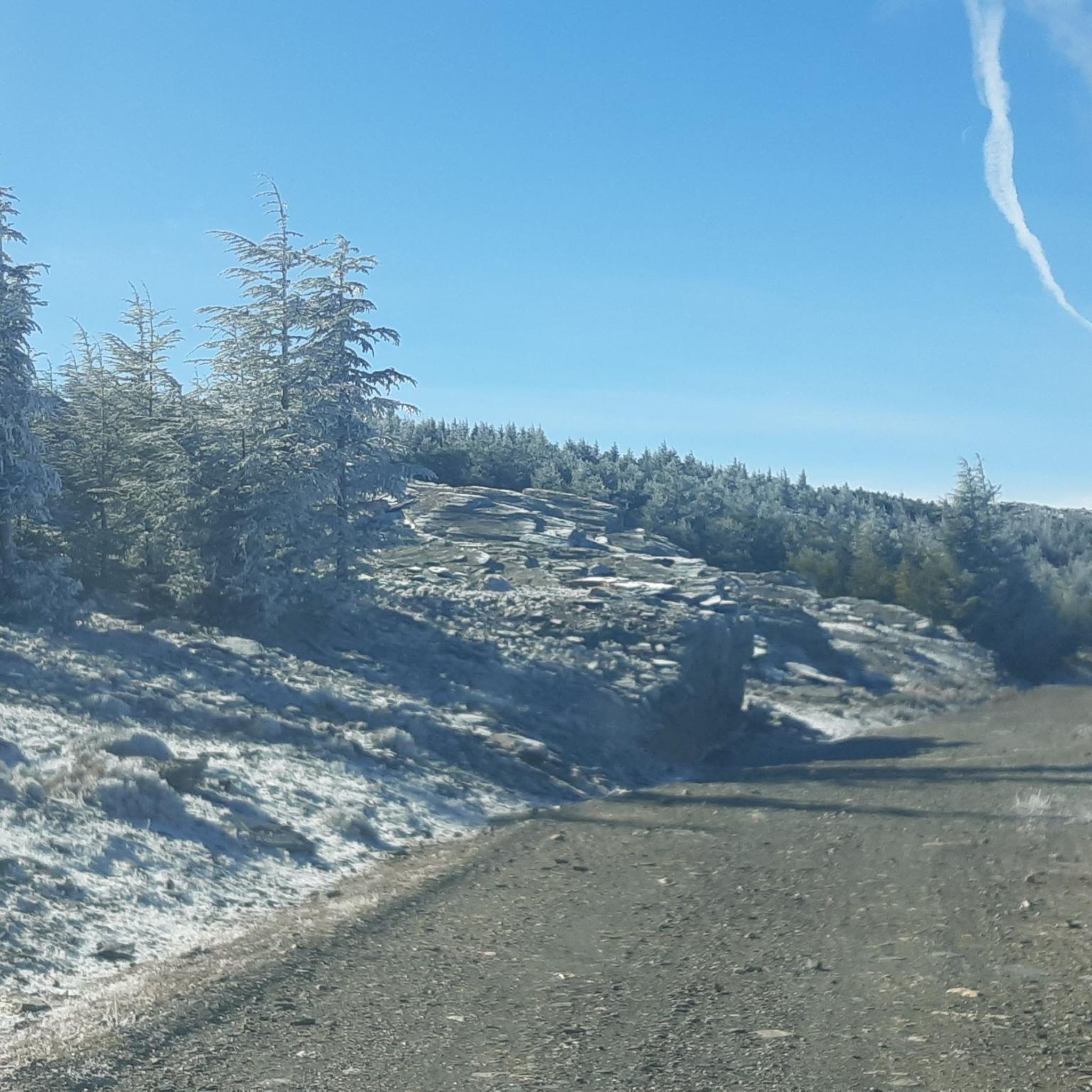
Tips from the Community

This is a long, steep, and spectacular climb to the summit of Calar Alto, crossing part of the Tabernas Desert from Gérgal. The road surface is in good condition, there is rarely much traffic, and the views are spectacular. Take it easy because, although the average gradient is 5.3%, the climb is long, exceeding 37 kilometers.
1
0

Both mountain ranges ensure that it hardly rains in this semi-desert area.
1
0

breathtaking place ... so extraterrestrialy beautiful and interesting ..also totally isolated
0
0

Quite a tough 14km climb with an average slope of more than 6% and a maximum of more than 15%.
0
0

The Calar Alto plateau is located at an altitude of 2,168 metres, in the heart of the Sierra de los Filabres. Its clear sky allows us to see the stars at night, which is why this peak houses the largest observatory in Europe.
0
0

The port challenges you with slopes of 15%. Once at the top the views are spectacular. Without a doubt, it is worth the effort.
0
1

One big long climb with views over the telescopes. The descent gets chilly at night as it's so long!
0
0

Sierra de Baza and Sierra de Los Filabres are part of a remote mountain range over 2.000m height in the province of Granada and Almería, and the most isolated area of Badlands. This mountain range was a historic crossroads of cultures, and its legacy includes remains of Roman aqueducts or Arab castles. At the highest point of the range lies the iconic Calar Alto Observatory (2.168m), easy recognizable from far away. The range also includes one of the most iconic and spectacular mountain pass in the Iberian Peninsula, el Puerto de Velefique (1.820m), popular by the high number of hairpin in the South side. The South limit of Sierra de los Filabres reaches the village of Gérgal, considered the North gate of the Tabernas Desert.
1
0
Frequently Asked Questions
What are the most prominent mountain peaks in the Sierra de los Filabres region?
The Sierra de los Filabres is home to several significant peaks. The highest point is Calar Alto, reaching 2,168 meters, easily recognized by its astronomical observatory. Other notable peaks exceeding 2,000 meters include Tetica de Bacares and Calar Gallinero.
Where can I find the best viewpoints in the Sierra de los Filabres?
Excellent viewpoints are abundant throughout the Sierra de los Filabres. The Calar Alto Astronomical Observatory offers breathtaking panoramic views, especially of the clear night skies. The village of Castro de Filabres itself has a local hermitage with a viewpoint providing a complete view of the municipality and the surrounding green landscape. Peaks like Tetica de Bacares Summit also provide expansive vistas.
Are there popular hiking trails around Castro de Filabres?
While Castro de Filabres is a great base, the broader Sierra de los Filabres offers numerous routes. For a challenging experience, consider the Ascent to Calar Alto from the Tabernas Desert via Gérgal, a long and spectacular climb. The area is generally ideal for quiet mountain routes for walking and cycling, with panoramic views and varied terrain.
What is the terrain like for hiking in the Sierra de los Filabres mountains?
The Sierra de los Filabres is characterized by mountainous and semi-arid slopes. You'll encounter hilly and sometimes steep terrain, offering a mix of challenging climbs and more moderate paths. The landscape transitions from arid environments to cooler settings with pine forests, especially around higher elevations like Collado de Conde.
What other outdoor activities can I do near the mountain peaks of Castro de Filabres?
Beyond hiking, the region is excellent for cycling. You can find various routes for mountain biking and road cycling. For example, there are challenging routes like the "Alto de Velefique and Calar Alto - circular through the Sierra de los Filabres" for racebikes, or "Tabernas Castle – Tabernas Village and Desert loop from Gérgal" for mountain biking. Explore more options in the traffic-free bike rides guide or the general cycling guide for the area.
What is the best time to visit the Sierra de los Filabres for outdoor activities?
Castro de Filabres, being over 1,000 meters above sea level, offers cooler summers, making it an excellent time for exploring the peaks. Spring and autumn also provide pleasant temperatures for hiking and cycling. Winters can be cold at higher elevations, but offer unique landscapes.
Is the Sierra de los Filabres suitable for family-friendly outings?
Yes, the area around Castro de Filabres offers quiet mountain routes that can be suitable for families, especially for walking and cycling. While some peaks involve challenging climbs, there are also easier paths and viewpoints that can be enjoyed by all. Always check the difficulty of specific routes before heading out.
Are there any unique landmarks or historical sites in the Sierra de los Filabres?
The most prominent landmark is the Calar Alto Astronomical Observatory, the largest in Europe, located at the highest point of the Sierra de los Filabres. Historically, the region was a crossroads of cultures, with legacies including remains of Roman aqueducts and Arab castles. The Tetica de Bacares Summit also played an important role in the geodetic connection between Europe and Africa in the 19th century.
Can I bring my dog on trails in the Sierra de los Filabres?
Generally, many trails in natural areas like the Sierra de los Filabres are dog-friendly, especially for walking and hiking. However, it's always advisable to check local regulations or specific trail guidelines, especially within protected areas, and ensure your dog is on a leash and you clean up after them.
What is the Calar Alto Observatory and can I visit it?
The Calar Alto Astronomical Observatory is the largest observatory in Europe, situated at 2,168 meters on the Calar Alto plateau. Its location provides exceptionally clear night skies. While it's a research facility, it is a major draw and visible from afar. For visitor information and potential tours, it's best to check the observatory's official website directly.
Where can I find accommodation or services near the mountain peaks?
Castro de Filabres, though a small village, serves as an excellent base for exploring the surrounding peaks. It offers local amenities and is a good starting point for routes. For more detailed information on accommodation, cafes, and other services in the village, you can refer to external guides like the Castro de Filabres guide on Visiting Almería.
Most popular routes around Castro De Filabres
Most popular attractions around Castro De Filabres

Get inspired with the komoot mobile app


Explore more
See even more amazing summits around Castro De Filabres with these guides:
