Top 2 Gorges around Chequilla
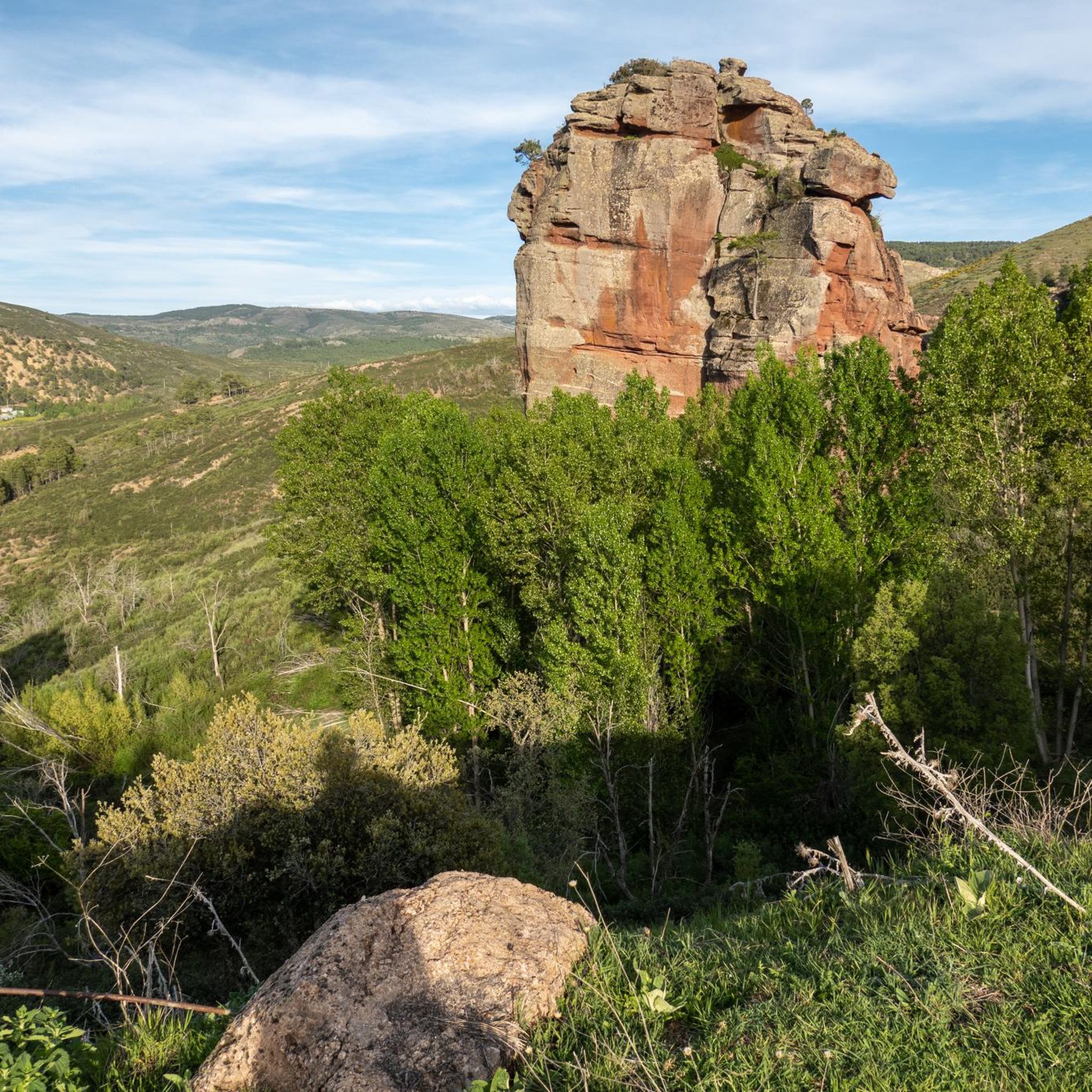
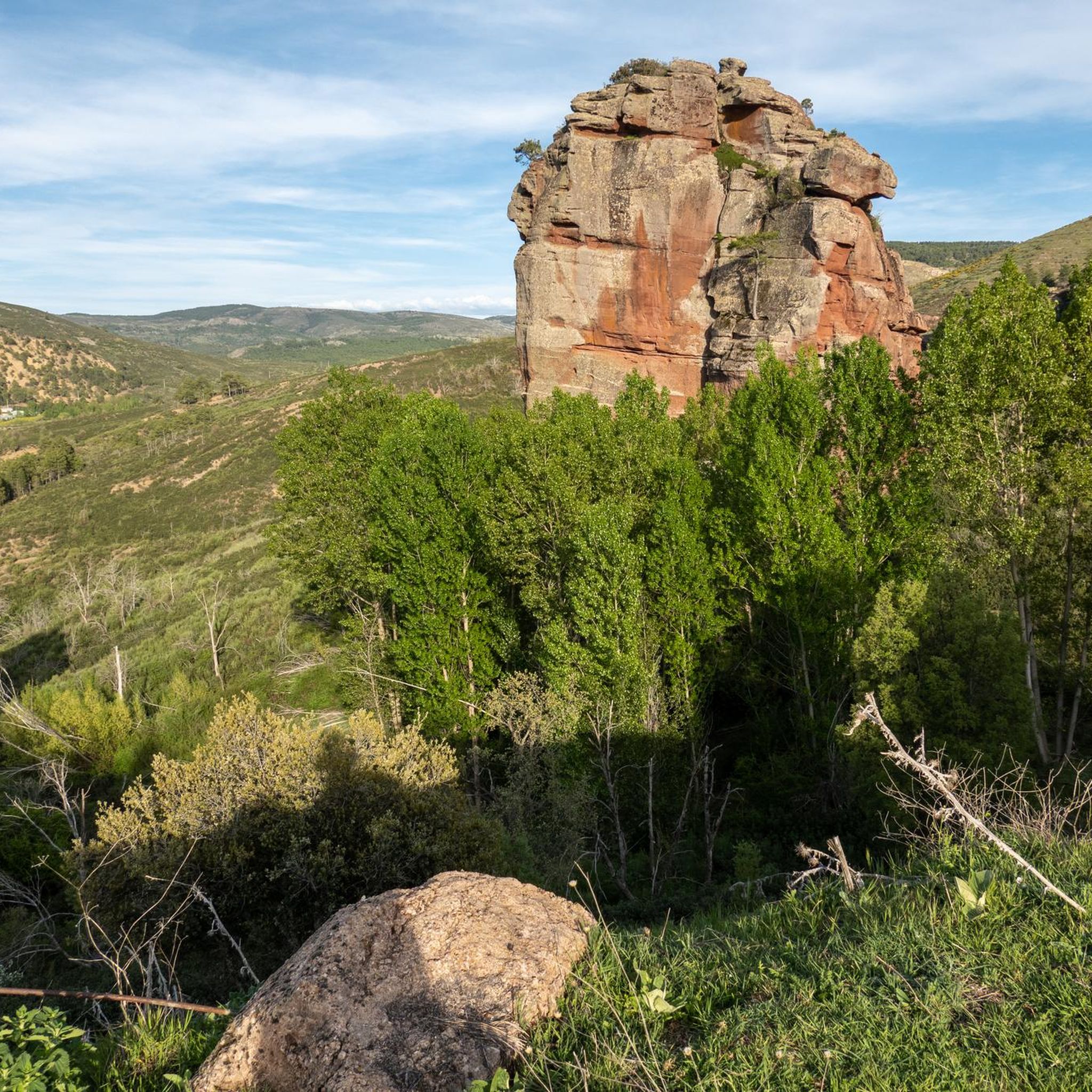
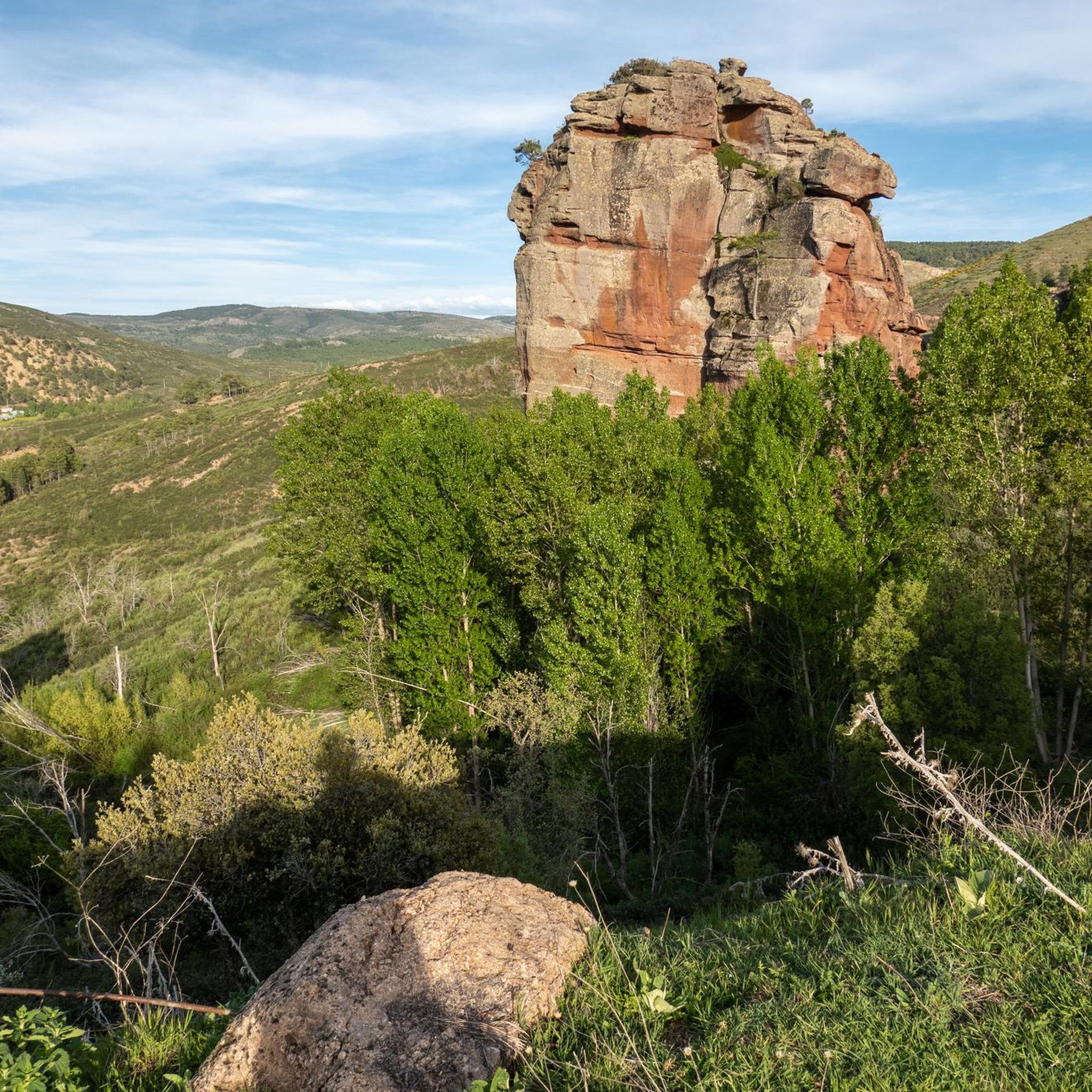
Best canyons around Chequilla are characterized by striking red sandstone rock formations and unique geological features rather than traditional deep canyons. The landscape around Chequilla, located in the Alto Tajo Natural Park, showcases impressive geological formations shaped by erosion over millions of years. These include vertical blocks and towers sculpted from reddish sandstone and conglomerate, offering a distinctive natural spectacle. The area provides opportunities for hiking and exploring these natural wonders.
Best canyons around Chequilla
- The most popular canyons is…
Last updated: October 6, 2026
Estrecho del Horcajo Viewpoint
Highlight • Viewpoint
Translated by Google •
Tip by

Peralejos de las Truchas Cliffs
Highlight • Gorge
Translated by Google •
Tip by
Sign up now to discover places like this
Get recommendations on the best single tracks, peaks, & plenty of other exciting outdoor places.
Peralejos de las Truchas Canyon
Highlight • Canyon
Translated by Google •
Tip by

Tajo River Suspension Bridge, Parque Natural del Alto Tajo
Highlight (Segment) • Bridge
Translated by Google •
Tip by

Río de la Hoz Seca
Highlight (Segment) • River
Translated by Google •
Tip by

Start today with a free account
Your next adventure awaits.

Tips from the Community

It's a shaded, cool rest area where you can relax and have a bite to eat on the stone benches. In Peralejos, there's a small grocery store where you can buy food or toiletries.
9
0
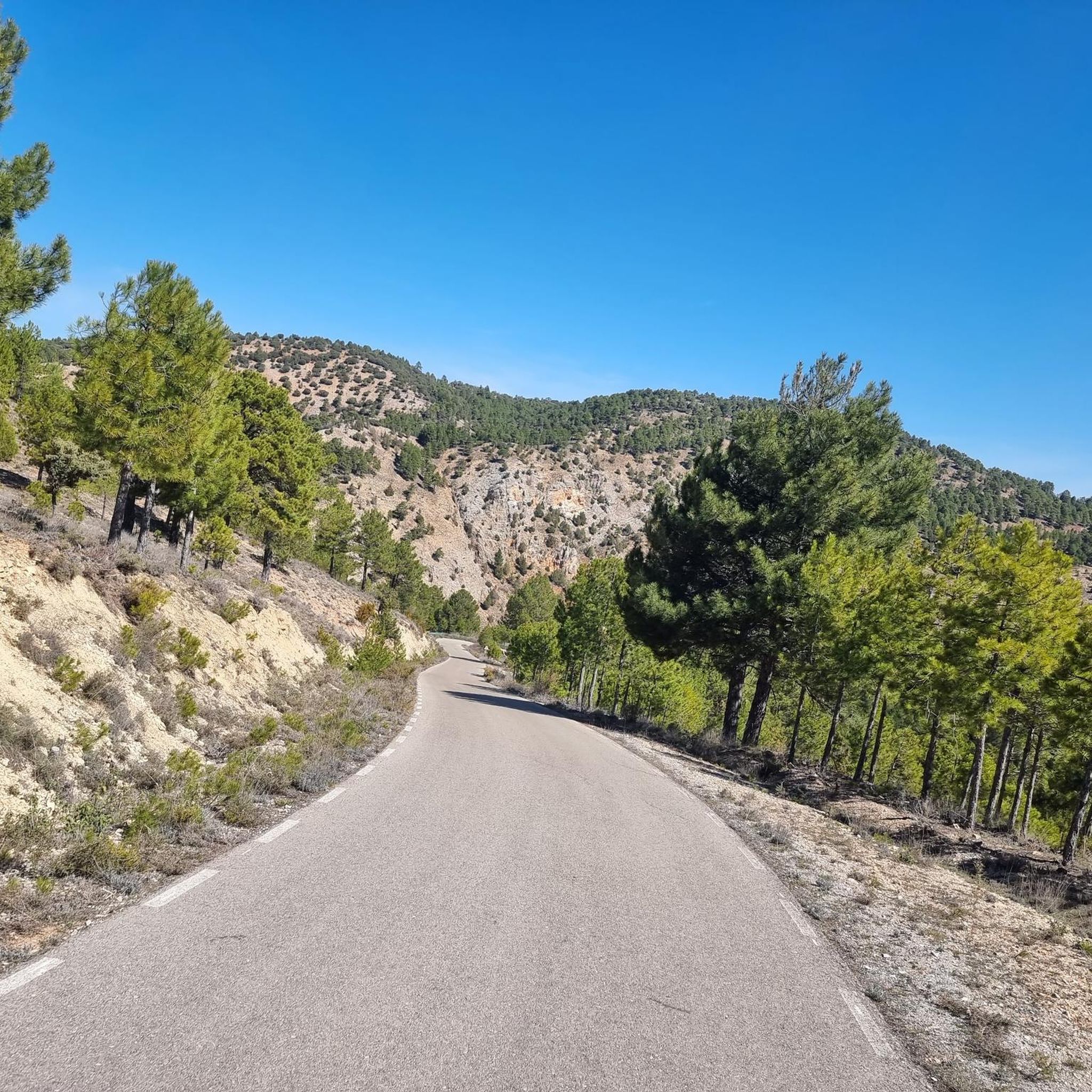
This viewpoint is located in a privileged place in front of a spectacular rocky cliff, which if you pass by on your bike on a hot day when the heat reflects its image on this wall... I think you'll have to stop and rest for a few seconds.
9
0

The Mirador Estrecho del Horcajo is located in the Alto Tajo Natural Park, near Peralejos de las Truchas. This viewpoint offers stunning panoramic views of the strait and the Tajo River canyon. It is an ideal place for lovers of hiking and cycling, as the area has various routes that allow you to enjoy nature and the tranquility of the surroundings.
5
0

It is a long tributary of the Tagus. It has the characteristic that its waters sink into its bed to come out again further down. For much of the year you can walk along its riverbed. But in the area there is a saying that indicates that El Río Tajo carries the fame and El Río de La Hoz Dries up the Water. It is indicative that at many times it is very abundant. On its banks, in addition to a beautiful landscape, there are caves that seem to have been inhabited in the Paleolithic.
0
0

Peralejos de las Truchas is the first town through which the young Tajo flows. There is a small village shop here that also sells souvenirs and bicycle parts, as well as a campsite where you can also get delicious food.
2
0

One of the most beautiful places in the Alto Tajo Natural Park. Taking this route is well worth it since it crosses some very well-preserved pine forests along a beautiful ravine. The route to cross the ravine begins at km. 84 of the highway that connects Peralejos de las Truchas with Tragacete. At the starting point there is an indicative panel and space for several cars to park.
2
1

The Alto Tajo Park offers an infinite number of panoramic points, each one with beautiful views wherever you look. The Horcajo Strait viewpoint is very close to the Machorro Summit, which is surrounded by a picturesque landscape.
5
0

Beautiful road that is located between gorges resulting from the passage of the Tagus river over the years through this area. We also find the Puente del Martinete at the western end of the gorge.
0
1
Frequently Asked Questions
What unique geological features can I explore around Chequilla?
The area around Chequilla is famous for its striking red sandstone formations, particularly "Las Quebradas" and "The Towers of Chequilla." These are not traditional river-carved canyons but impressive geological structures sculpted by erosion from ancient riverbed deposits, offering a unique and picturesque landscape.
Where can I find stunning panoramic views of the canyons and gorges?
For breathtaking vistas, visit the Estrecho del Horcajo Viewpoint. Located in the Alto Tajo Natural Park, it offers stunning panoramic views of the strait and the Tajo River canyon, making it an ideal spot for nature lovers and photographers.
Are there specific canyons or gorges to visit near Chequilla?
Yes, you can explore the Peralejos de las Truchas Canyon, which features a beautiful road winding between gorges carved by the Tagus River. Another notable spot is the Peralejos de las Truchas Cliffs, offering a shaded rest area amidst natural beauty.
What kind of outdoor activities can I do near the canyons around Chequilla?
The region offers a variety of outdoor activities. You can find numerous cycling routes, such as the "Camino del Cid: The Three Taifas BTT Route" or the "Chequilla from Pinilla de Molina — circular through the Alto Tajo Natural Park." For mountain biking, explore trails like the "Natural Park of the Upper Tajo – circular from Peralejos de las Truchas to Laguna Taravilla." Running enthusiasts can enjoy routes like the "Peralejos de las Truchas loop from Peralejos de las Truchas." You can find more details on these activities in the Cycling around Chequilla, MTB Trails around Chequilla, and Running Trails around Chequilla guides.
Are there any notable rivers or water features in the canyon area?
The Tajo River is a prominent feature, carving many of the gorges and canyons in the region. You can also visit the Río de la Hoz Seca, a tributary of the Tagus known for its unique characteristic of its waters sinking into its bed and reappearing further downstream. Its banks also feature beautiful landscapes and caves.
What is the best time to visit the canyons and geological formations in Chequilla?
The region's red sandstone formations and the Alto Tajo Natural Park are beautiful year-round. However, spring and autumn generally offer the most pleasant temperatures for hiking and exploring, avoiding the intense heat of summer and potential winter snows, which can make some routes more challenging.
Are there any bridges or unique structures to see in the canyons?
Yes, you can visit the Tajo River Suspension Bridge within the Parque Natural del Alto Tajo. It offers a scenic walk and is a great spot for gravel or mountain biking along the river.
What makes the landscape around Chequilla so distinctive?
The landscape is truly distinctive due to its unique geological formations, particularly the vertical blocks and towers sculpted from reddish sandstone and conglomerate. These formations, deposited during the Triassic period, showcase millions of years of erosion, creating whimsical and imposing shapes that rise like natural towers.
Can I find places to rest or picnic near the canyons?
Yes, the Peralejos de las Truchas Cliffs area offers a shaded, cool rest area with stone benches, perfect for relaxing or having a bite to eat. There's also a small spring nearby.
What kind of wildlife can I expect to see in the Chequilla canyon areas?
While specific wildlife sightings vary, the Alto Tajo Natural Park, which encompasses the Chequilla area, is known for its rich biodiversity. You might encounter various bird species, including raptors, as well as mammals typical of Mediterranean forests and river ecosystems. The caves along the Río de la Hoz Seca even show signs of habitation in the Paleolithic era.
Are there opportunities for photography in the Chequilla canyon region?
Absolutely. The reddish hues of the sandstone formations, the dramatic river gorges, and the picturesque village nestled among the rocks create a vibrant and dramatic landscape, offering excellent opportunities for photography. The unique geological features and panoramic viewpoints are particularly photogenic.
Most popular attractions around Chequilla

Get inspired with the komoot mobile app


Explore more
Already discovered everything in this region? See additional gorges around Chequilla for your next adventure:
