Top 5 Castles around Ourém
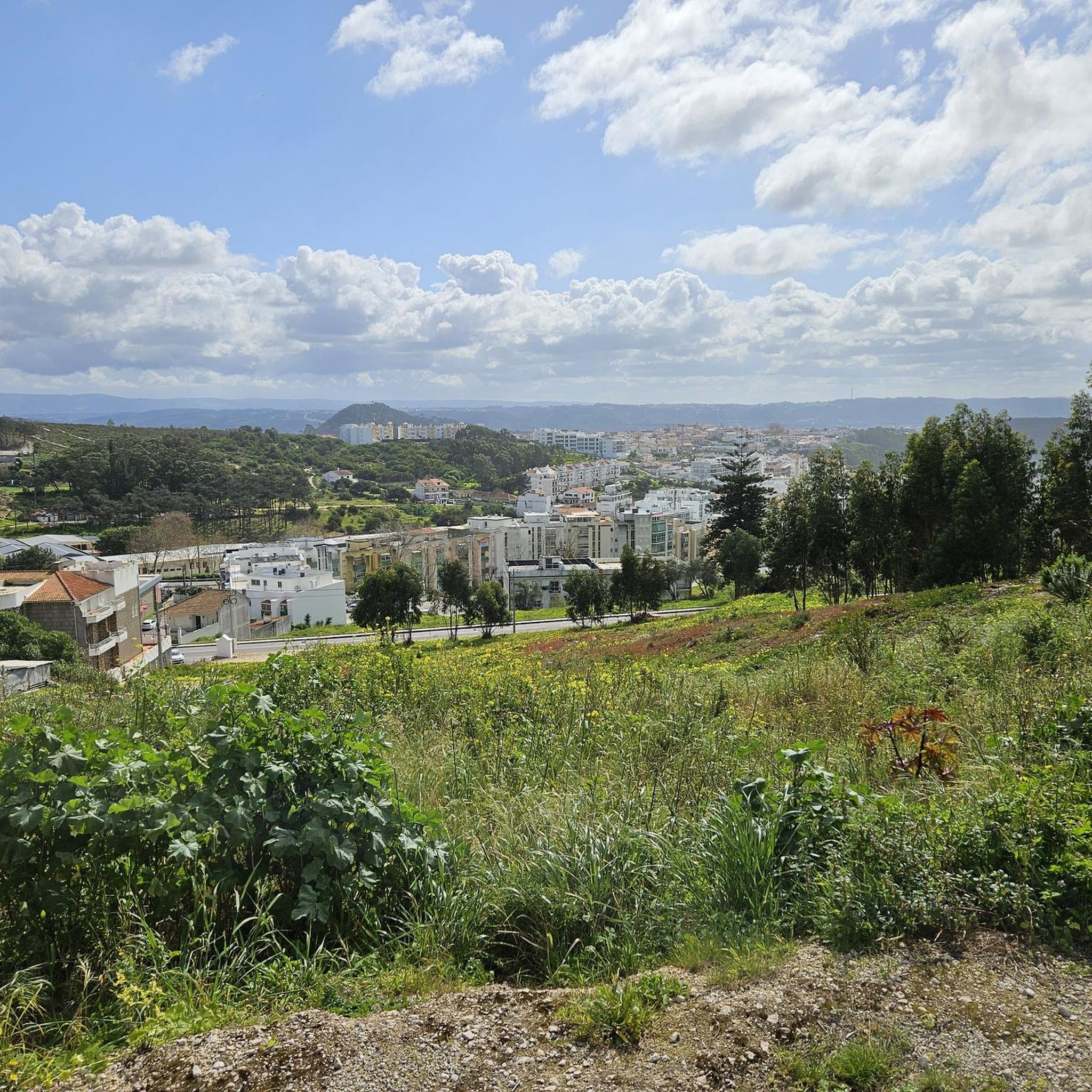
Castles around Ourém are situated in a region characterized by historical significance and varied landscapes. The area's primary landmark is the Castle of Ourém, an impressive complex with foundations dating back to the 12th century. This site offers panoramic views over the surrounding natural landscape, including the Seiça Stream valley. The region features a blend of military and palatial architecture, reflecting centuries of Portuguese history.
Best castles around Ourém
- The most popular castles is Convent of Christ and Castle of…
Last updated: November 23, 2026
Convent of Christ and Castle of Tomar
Highlight • Castle
Translated by Google •
Tip by

Tomar Templar Castle
Highlight • Castle
Translated by Google •
Tip by

Sign up now to discover places like this
Get recommendations on the best single tracks, peaks, & plenty of other exciting outdoor places.
Main Cloister (Cloister of D. João III), Convent of Christ
Highlight • Historical Site
Translated by Google •
Tip by
Start today with a free account
Your next adventure awaits.
Tips from the Community

Bit of uphill walking to get there.
0
1


Closes at 4pm (May 25), the courtyard has been kindly opened until 5pm.
0
1

The Templar Castle was built at a strategic point to defend the territory and support the conquest beyond the Tagus River. Construction began in 1160 under the Templar Master D. Gualdim Pais. The north wing and higher ground housed the Templar Palace, with two pillars: to the east and at its highest point, the citadel with its rectangular control tower, and to the west, the fortified religious temple—the Templar Charola. Several towers and turrets are located along the extensive wall. The entire outer perimeter of this wall was protected by a rampart—a stone wall simulating a hill at the base, thus impeding the advance of assault engines, sentinels, and climbers. The wall, towers, and quadrangular and semicircular turrets contain rectilinear loopholes and broad battlements. The various military-architectural solutions undoubtedly originate from the Middle East, where King Gualdim Pais stayed for five years during the Crusades. The Charola was probably built or completed shortly after the fortifications and is intended to commemorate the Holy Sepulchre and Solomon's Temple. This castle was also the headquarters of the Knights Templar in Portugal. https://opctj.pt/castelo-templario-charola-e-convento-de-cristo-de-tomar/ The castle complex, with its walls and extensive gardens, is open to the public free of charge.
1
0
Built from 1554 onwards, the imposing building is considered a masterpiece of the European Renaissance. The fountain at its very center is fed by the waters of the Aqueduct of Pegões. King John III had it built outside the castle walls. Adjacent to the monastery church, the main cloister flanks the south façade of the Manueline nave, with which his father, King Manuel I, had already expanded the existing Templar church. To help you place the eight cloisters within the complex jumble of buildings on the site of today's Convent do Christo, you can find help here: https://anyformsdesignmapas.blogspot.com/2014/09/convento-de-cristo-tomar.html https://de.wikipedia.org/wiki/Convento_de_Cristo#/media/Datei:TomarChurchPlanCC3-pt.jpg
1
0
Detailed plans of the complex, including the identification of the individual parts and monasteries, can be found here: https://campanha.cmjornal.pt/portugal-monumental/ https://de.wikipedia.org/wiki/Convento_de_Cristo#/media/Datei:TomarChurchPlanCC3-pt.jpg https://blogger.googleusercontent.com/img/b/R29vZ2xl/AVvXsEjONUon4tGroEfnLT311dfFBPy 7gkSdMIt7aDFXuB2X61MqnwjBYUVJwZs3nELeNox-cEindezimgkuppLnXY6-XxrO-2WJQ_62jz9Qme64FlLgng2leHtQJZ3iuys8kl6z1fh1M1Ns6SOV/s1600/05Tomar.jpg https://de.wikipedia.org/wiki/Convento_de_Cristo#/media/File:TomarChurchPlanCC3-pt.jpg
1
0

The remains of the Knights Templar in Tomar
12
1
beautiful stones
9
1
Frequently Asked Questions
What is the most historically significant castle in the Ourém region?
The most historically significant castle in the Ourém region is the Castle of Ourém, also known as the Paço dos Condes (Count's Palace). Its foundations date back to the 12th century, marking the beginning of the Portuguese nation, and it played a crucial role throughout Portuguese history. It was classified as a National Monument in 1910.
What unique architectural features can I expect to see at the Castle of Ourém?
The Castle of Ourém showcases a blend of Romanesque, Gothic, and Venetian-inspired elements. You'll find a 15th-century fortified palace with innovative active defensive systems, including two large pentagonal towers. Inside the original castle enclosure, there's a medieval cistern with a Gothic structure, which historically ensured the castle never surrendered due to lack of water.
Are there other notable castles to visit near Ourém?
Yes, other significant historical sites nearby include the Convent of Christ and Castle of Tomar, which holds UNESCO World Heritage status. Another must-see is the Tomar Templar Castle, built at a strategic point to defend the territory, featuring extensive walls, towers, and the Templar Charola. Additionally, the Main Cloister (Cloister of D. João III), Convent of Christ is considered a masterpiece of the European Renaissance.
What kind of panoramic views can I expect from the castles in the Ourém area?
From the Castle of Ourém, perched atop a hill, you can enjoy stunning panoramic views over the surrounding natural landscape, including the Seiça Stream valley. The medieval village of Ourém itself, with its white houses and charming streets, also offers picturesque vistas.
Are there family-friendly activities or castles suitable for families around Ourém?
The Tomar Templar Castle is categorized as family-friendly, offering an engaging historical experience for all ages. Exploring the medieval village of Ourém, with its charming streets and historical landmarks, also provides a journey back in time that families can enjoy together.
What outdoor activities, like hiking or cycling, can I do near these castles?
The Ourém region offers various outdoor activities. For cycling, you can explore routes like the 'Mouchão Park – Mouchão Hydraulic Wheel loop' or the 'Batalha Monastery – Ponte da Boitaca loop'. If you prefer running, consider the 'Serra d'Aire Loop' or routes around Fátima. Gravel biking options include the 'Ansião – Gravosfera - Sheep Hill loop'. You can find more details and routes on the Cycling around Ourém, Running Trails around Ourém, and Gravel biking around Ourém guide pages.
How can I get to the Castle of Ourém using public transport?
While specific public transport routes directly to the castle entrance might vary, Ourém is generally accessible. For detailed and up-to-date information on public transport options to Ourém and the castle, it's advisable to check local transport schedules or consult resources like Visit Portugal for guidance on reaching the town.
What is the best time of year to visit the castles around Ourém?
The Ourém region is generally pleasant for visiting castles throughout much of the year. Spring and autumn offer milder temperatures, which are ideal for exploring the outdoor castle grounds and the medieval village. Summer can be warm, but the views remain stunning. Always check local weather forecasts before your visit.
Are there dining options or cafes near the Ourém Castle and medieval village?
Yes, the medieval village of Ourém, located just below the castle, offers various cafes, pubs, and restaurants where you can enjoy local cuisine and refreshments. Exploring the charming streets will lead you to several options for dining before or after your castle visit.
Is the Castle of Ourém accessible for visitors with mobility challenges?
The Castle of Ourém is accessible for a fee, and guided tours are available. However, given its historical nature and hilltop location, parts of the site may have uneven terrain or stairs. For specific accessibility details, it's recommended to contact the castle administration directly or check resources like Castles.nl for more information.
How long does a typical visit to the Castle of Ourém take?
A typical visit to the Castle of Ourém, including exploring the castle complex, the Paço dos Condes, and the immediate medieval village, can take anywhere from 2 to 3 hours. This allows time to appreciate the architecture, views, and historical significance without rushing.
What historical figures are associated with the Ourém Castle?
The Castle of Ourém is deeply connected to Portuguese history. It was conquered from the Moors by King Afonso Henriques in 1136. Later, the 4th Count of Ourém, D. Afonso, was responsible for the construction of the unique fortified palace. The area also features a statue of D. Nuno Álvares Pereira, a prominent figure in Portuguese history who was made count by D. João I.
Most popular attractions around Ourém

Get inspired with the komoot mobile app


Explore more
Looking for the best castles somewhere else? Discover other guides around Ourém:
