The best gravel rides around Calamocha
5.0
(2)
22
riders
6
rides
Gravel biking around Calamocha offers diverse terrain across the Jiloca plain, situated in the province of Teruel, Aragon. The region is characterized by its varied landscapes, including the Jiloca River valley and extensive plains, providing suitable conditions for cycling. This area is recognized for its gravel biking potential, hosting events like the Jamón Bike gravel race. Routes often traverse historical paths, including sections of the Camino del Cid.
Best gravel bike trails around Calamocha
- The most popular gravel bike trail…
Last updated: October 7, 2026
7
riders
76.6km
05:50
920m
920m
Hard gravel ride. Very good fitness required. Mostly paved surfaces. Suitable for all skill levels.
6
riders
121km
09:35
1,320m
1,320m
Hard gravel ride. Very good fitness required. Mostly paved surfaces. Suitable for all skill levels.

3
riders
110km
08:07
960m
960m
Hard gravel ride. Very good fitness required. Mostly paved surfaces. Suitable for all skill levels.
5.0
(2)
4
riders
Hard gravel ride. Very good fitness required. Mostly paved surfaces. Suitable for all skill levels.
1
riders
Moderate gravel ride. Good fitness required. Mostly paved surfaces. Suitable for all skill levels.
Our route recommendations are based on thousands of hikes, rides, and runs completed by other people on komoot.
Start today with a free account
Your next adventure awaits.

Other adventures around Calamocha

Tips from the Community

Gallocanta Lagoon, located between Zaragoza and Teruel, is the largest natural lagoon on the Iberian Peninsula and a unique area due to its high salinity. Declared a nature reserve in 2006, it is one of the most important birdwatching spots in Spain, with more than 220 recorded species. Every autumn and spring, thousands of cranes stop here on their migrations, offering an unforgettable spectacle. The area is rich in trails and viewpoints, so it is recommended to bring binoculars and comfortable shoes to enjoy the wildlife and scenery at a leisurely pace.
2
0
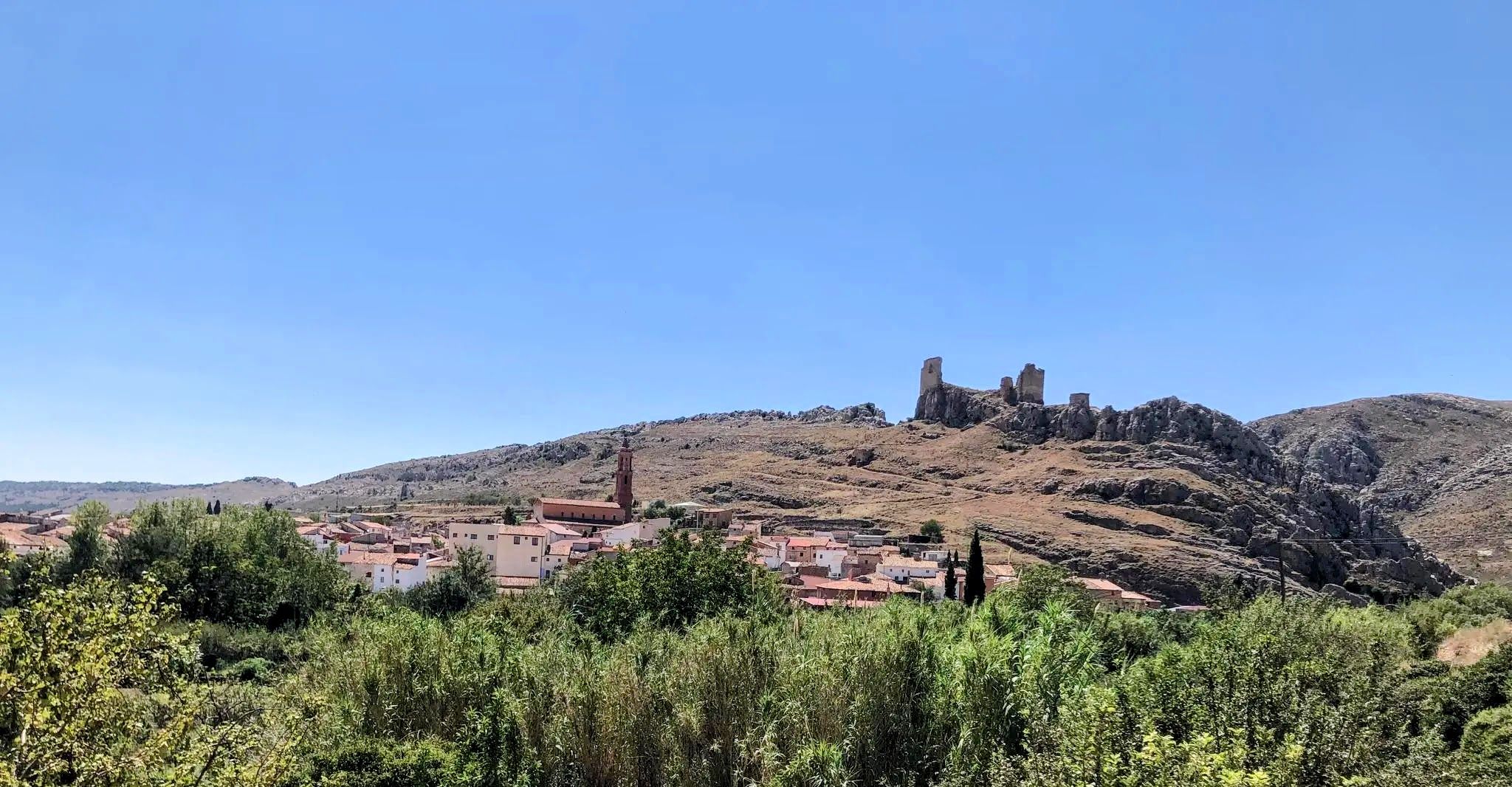
Barrachina is a small village in the Jiloca region, surrounded by peaceful fields and mountains, ideal for cycling routes along secondary roads. The town center features the 17th-century parish church of La Asunción and traditional features such as the Pedromocho stone pillar and the Round House. The natural setting offers views along the Pancrudo River and the shade of the oak tree, a unique, large tree. It's a good place to take a break from your hike and enjoy the tranquility of the Teruel mountains.
1
0

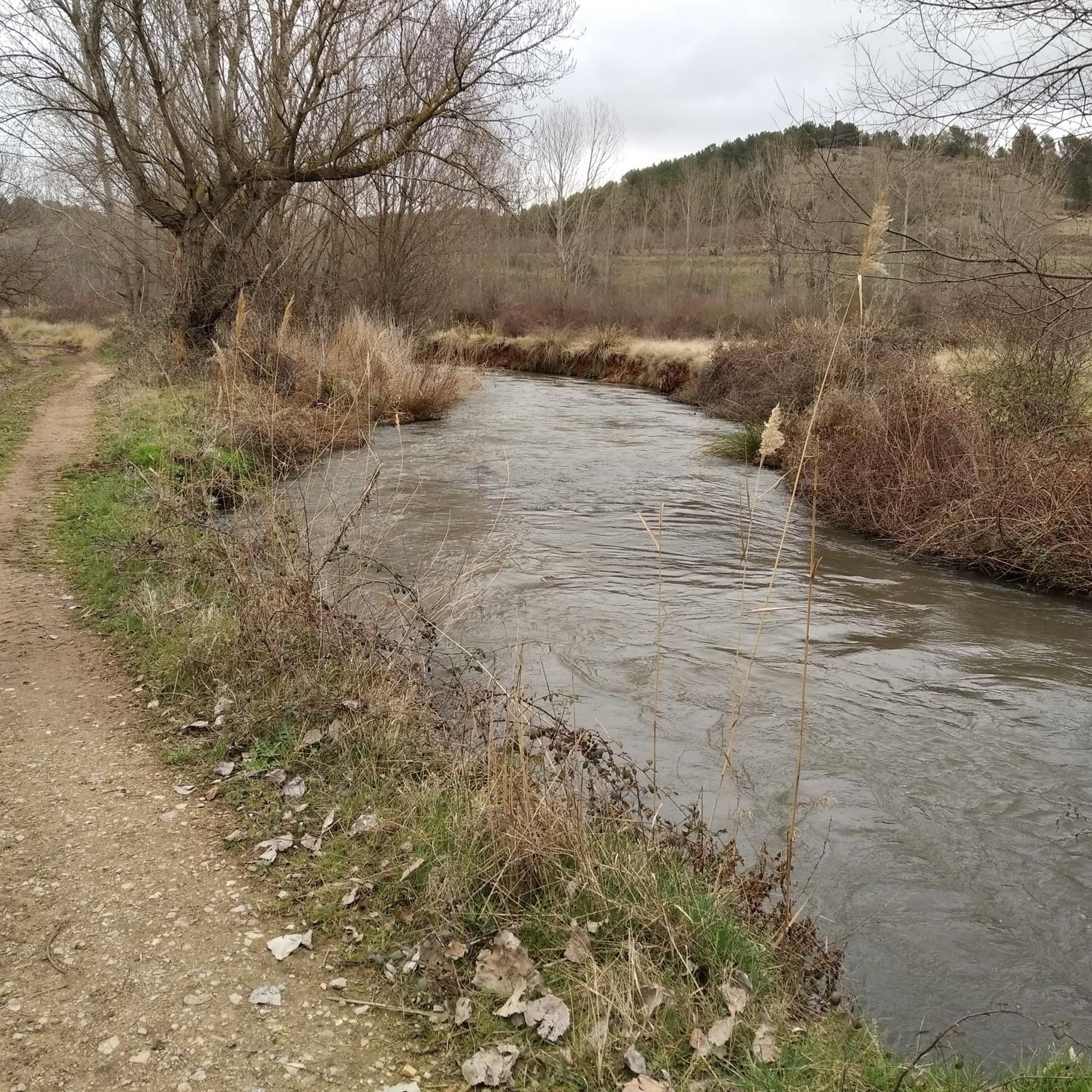
A must-see to listen to the flow of the Pancrudo River. And seeing the beauty of the Jiloca River banks in autumn is special.
0
1

The Hermitage has a picnic area, parking, and public restrooms. It's an idyllic spot for birdwatching and nature watching.
1
1
A small paradise between the Jarama and Alcarria rivers, where migratory birds pass through on their long journey. It has a picnic area at the Hermitage of the Virgin and several bird-watching spots.
0
0
The Gallocanta Lagoon Lookout, with several posts around the lagoon, serves as an observation point for migratory and native birds.
0
0

You can cycle here without any problems. I think Komoot will update the navigation here quickly.
1
0
Unfortunately, there are still many interruptions on the almost 600 km long Via Verde Santander Mediterraneo railway line. It would be great to be able to travel from the Atlantic to the Mediterranean without car traffic. If this tourist potential is understood by the various regional parliaments, the entire cycling and gravel world would come to Spain and use this ingenious connection.
0
0
Frequently Asked Questions
What kind of terrain can I expect on gravel bike trails around Calamocha?
The Calamocha region, situated on the extensive Jiloca plain, offers diverse terrain for gravel biking. You'll encounter varied landscapes including the Jiloca River valley and open plains. Many routes also traverse historical paths, such as sections of the Camino del Cid.
Are there gravel bike routes suitable for beginners in Calamocha?
While many routes in the Calamocha area are rated as difficult, there is at least one moderate option. For example, the Gallocanta Lagoon – Bellota St. Giraffe Sculpture loop is a moderate 38.3 km (23.8 miles) trail that takes about 3 hours 25 minutes to complete, offering a less strenuous experience around the Laguna de Gallocanta.
What are some notable natural attractions I can see while gravel biking near Calamocha?
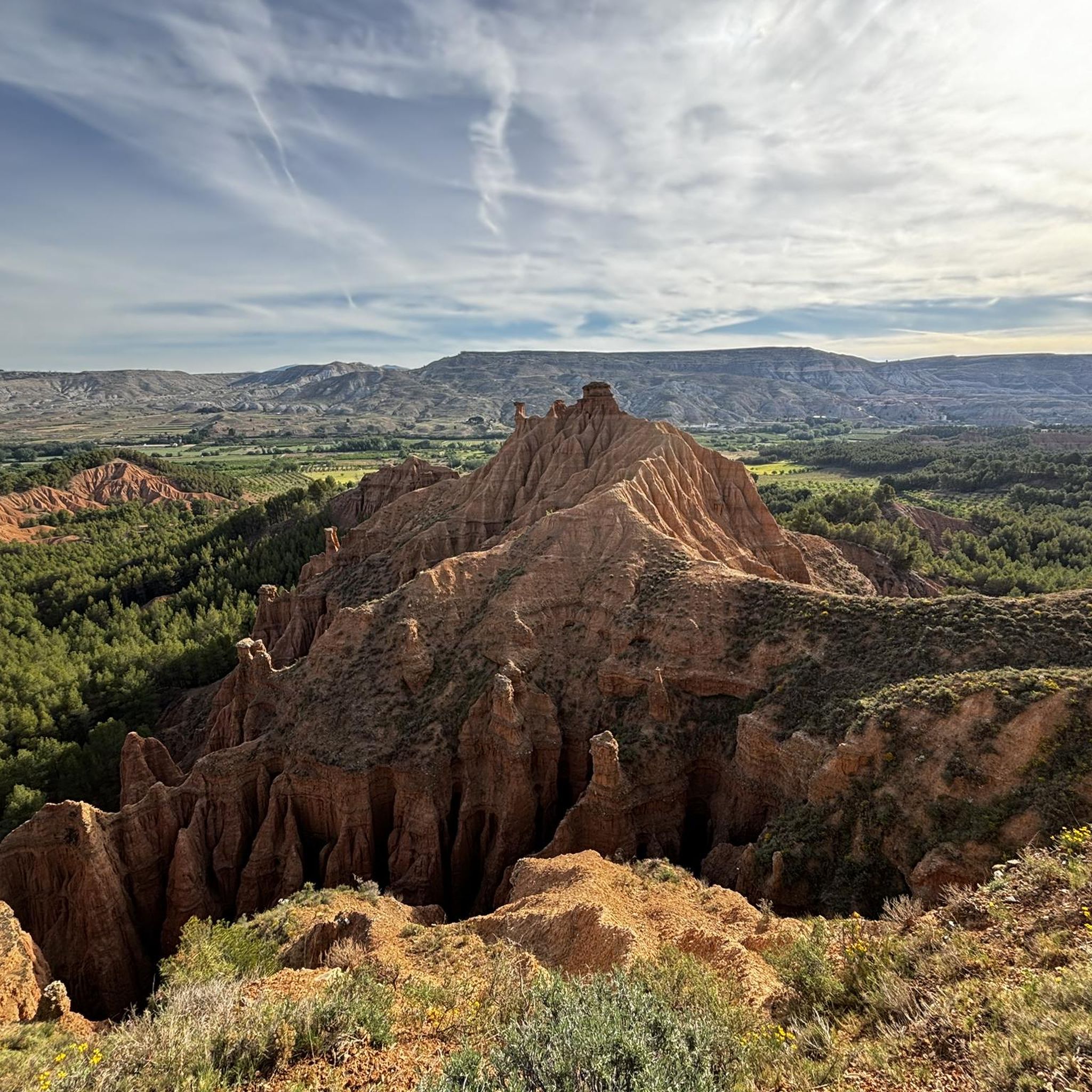
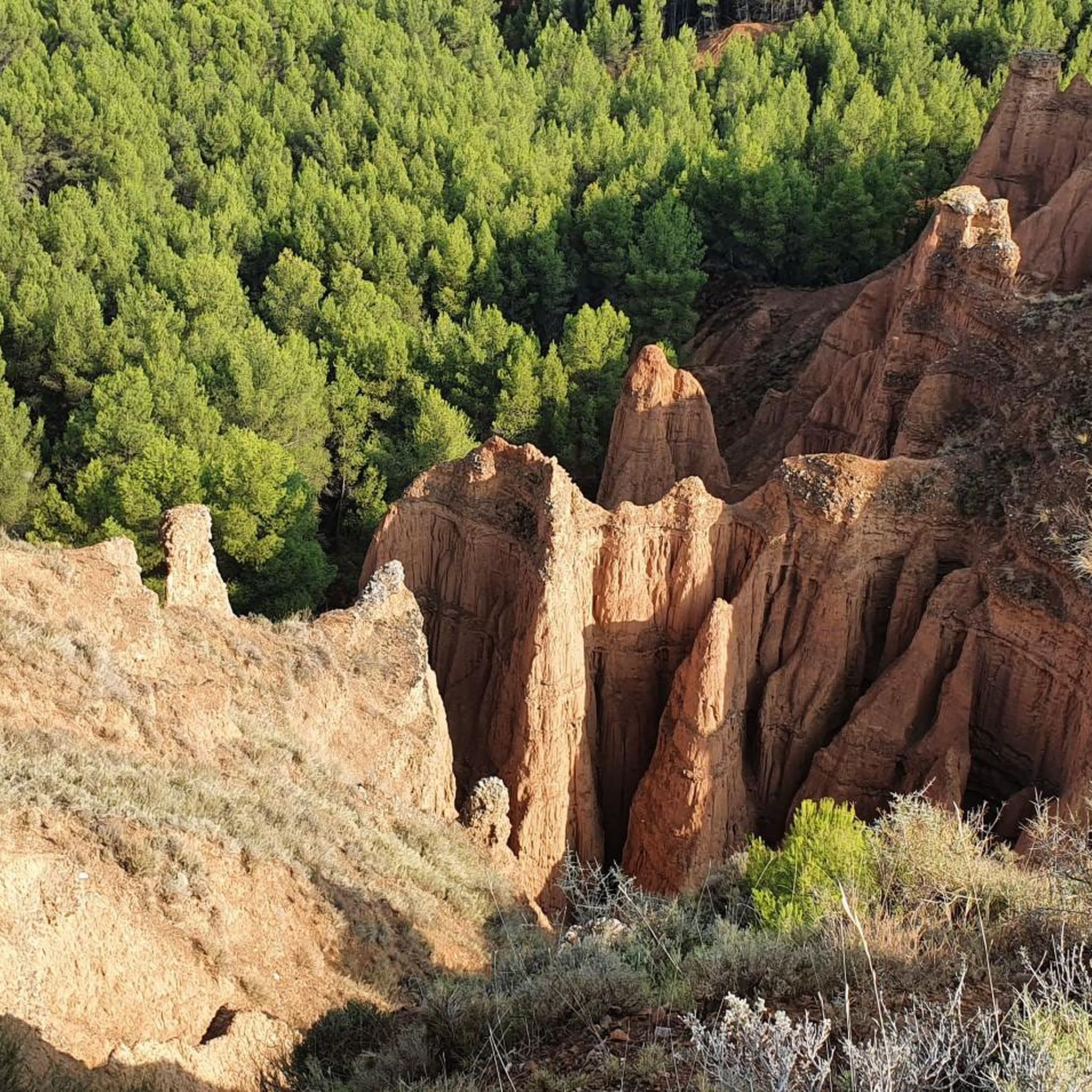
A significant natural highlight is the Aguallueve de Anento, a captivating spring with spectacular limestone formations sculpted by continuous water trickles. The Jiloca River itself also offers a rich hydraulic heritage with remnants of old mills.
Are there any historical landmarks or points of interest along the gravel routes?
Yes, the region is rich in history. You might encounter sections of the Camino del Cid, a historic route. A notable architectural attraction is the Roman bridge of Luco de Jiloca over the Jiloca River. The town of Calamocha itself has historical significance as a former fortified enclave.
What is the best time of year for gravel biking in Calamocha?
Calamocha experiences extreme winter temperatures, being one of Spain's 'triangle of cold' vertices. Therefore, spring and autumn are generally the most pleasant seasons for gravel biking, offering milder weather conditions. Summer can be hot, while winter can be very cold.
How long are the gravel bike routes typically in Calamocha?
The gravel bike routes around Calamocha vary in length. For instance, the Luco de Jiloca – Red Bridge on the Rail Trail loop is about 76.6 km (47.6 miles), while the Red Bridge on the Rail Trail – Laguna de Gallocanta loop is a more extensive 121.0 km (75.2 miles).
Are there any circular gravel bike routes available?
Yes, many of the gravel bike routes in Calamocha are designed as loops. Examples include the Luco de Jiloca – Red Bridge on the Rail Trail loop from Calamocha-Nueva and the Báguena – Laguna de Gallocanta loop from Caminreal-Fuentes Claras, allowing you to start and finish in the same location.
What do other gravel bikers say about the trails in Calamocha?
The routes in Calamocha are highly rated by the komoot community. Over 24 gravel bikers have used komoot to explore the varied terrain, often praising the diverse landscapes and the challenge offered by the routes.
Are there any specific cycling paths or greenways in the area?
Yes, the Santander–Mediterranean Greenway is a notable cycling path in the vicinity, offering dedicated sections for cycling that can be incorporated into or accessed from gravel routes.
What is the typical elevation gain on gravel bike trails around Calamocha?
The elevation gain varies significantly depending on the route's length and difficulty. For example, a difficult route like the Red Bridge on the Rail Trail – Valle de San Martín loop involves around 630 meters (2,067 feet) of ascent, while longer, more challenging routes can exceed 1,300 meters (4,265 feet) of climbing.
Most popular attractions around Calamocha

Get inspired with the komoot mobile app


Explore more
Browse the best Gravel rides in other regions.
