The best gravel rides around Paraje Natural Torcal de Antequera
27
riders
7
rides
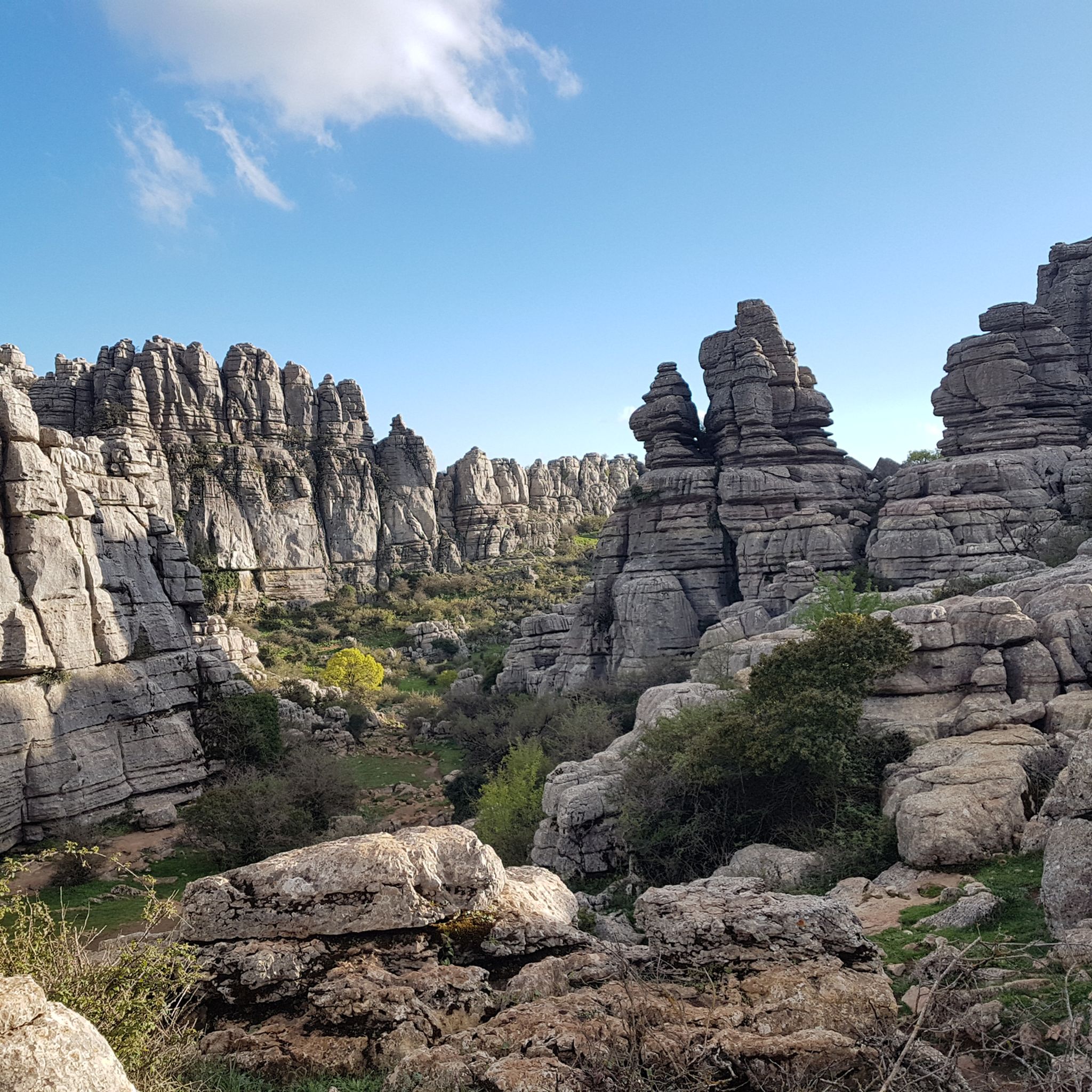
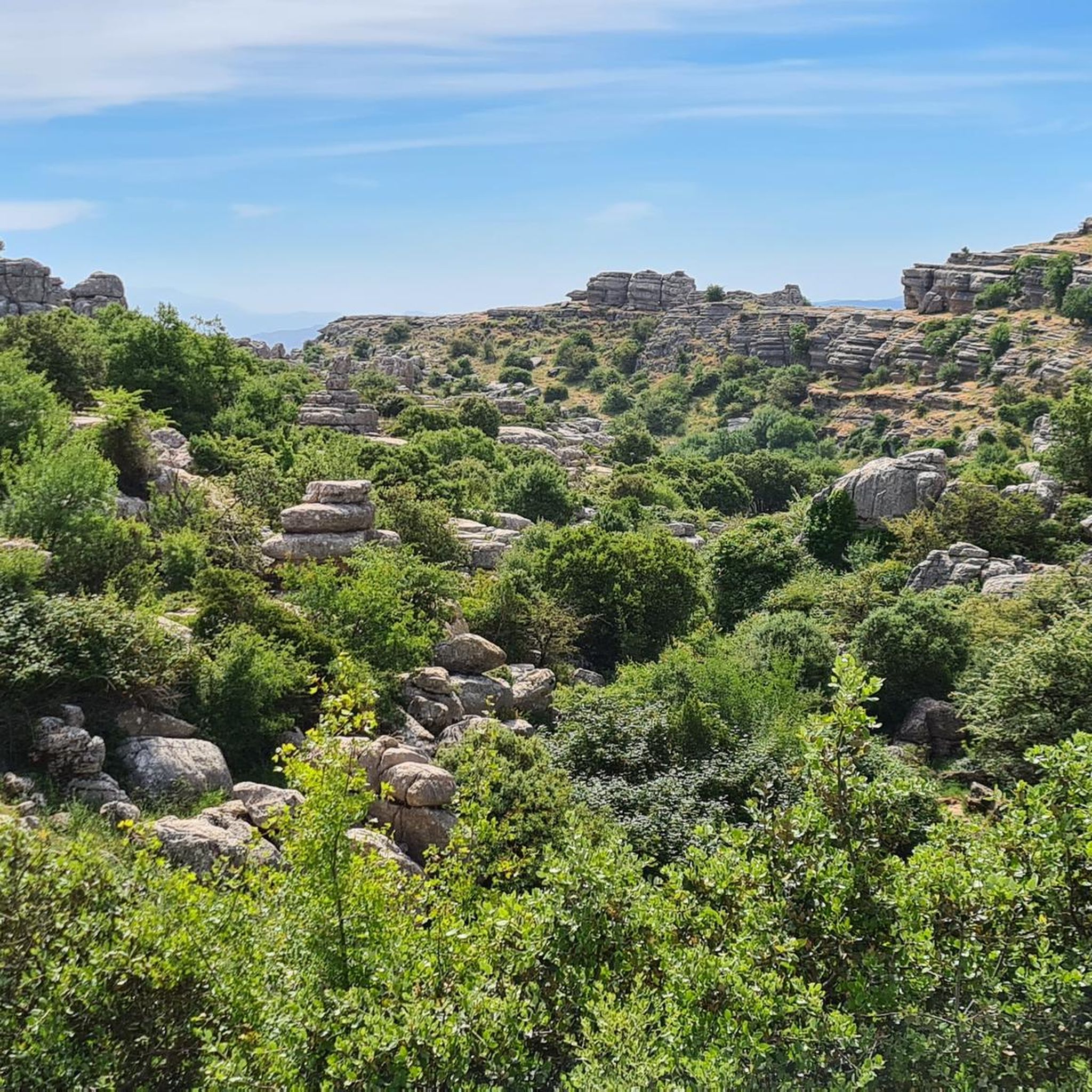
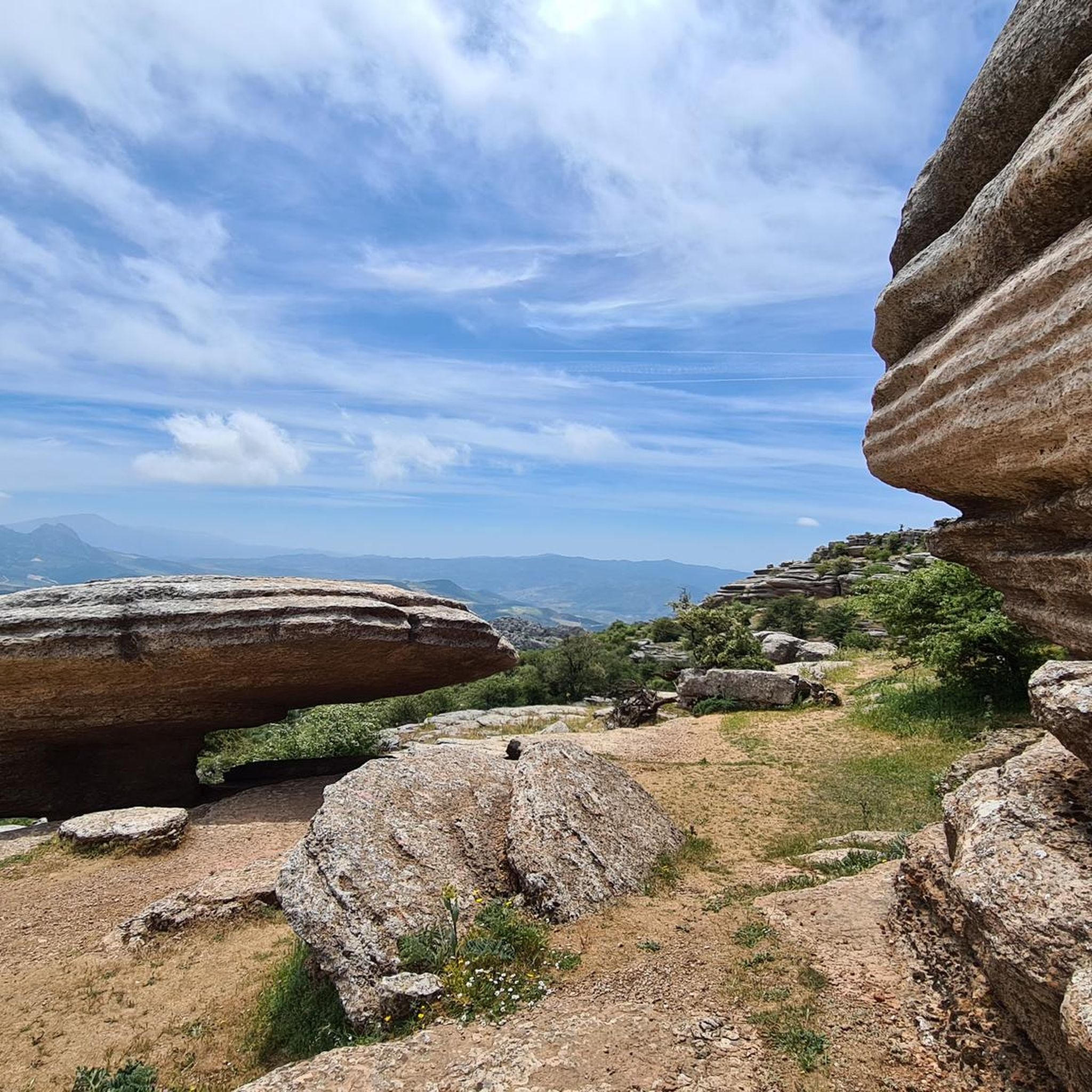
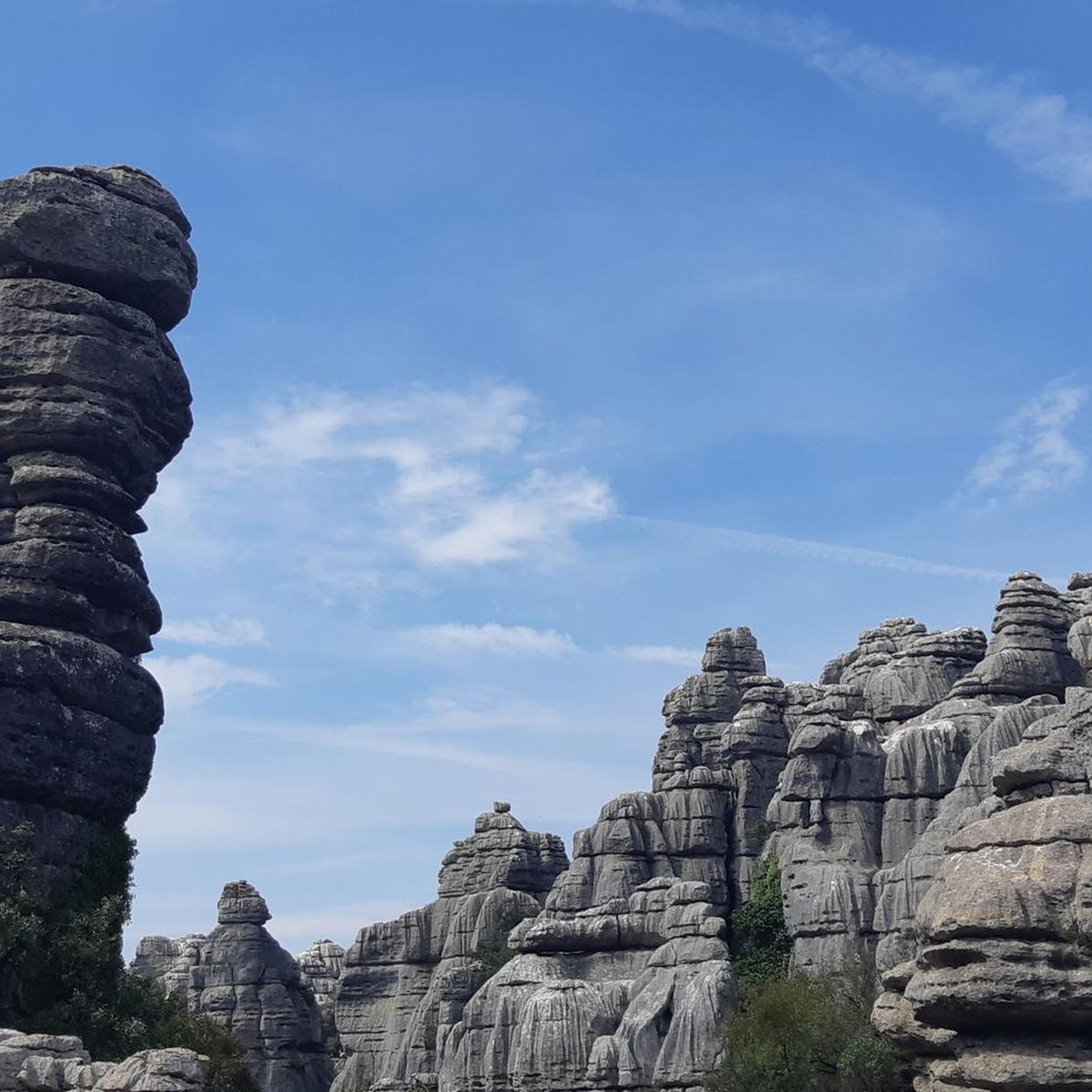
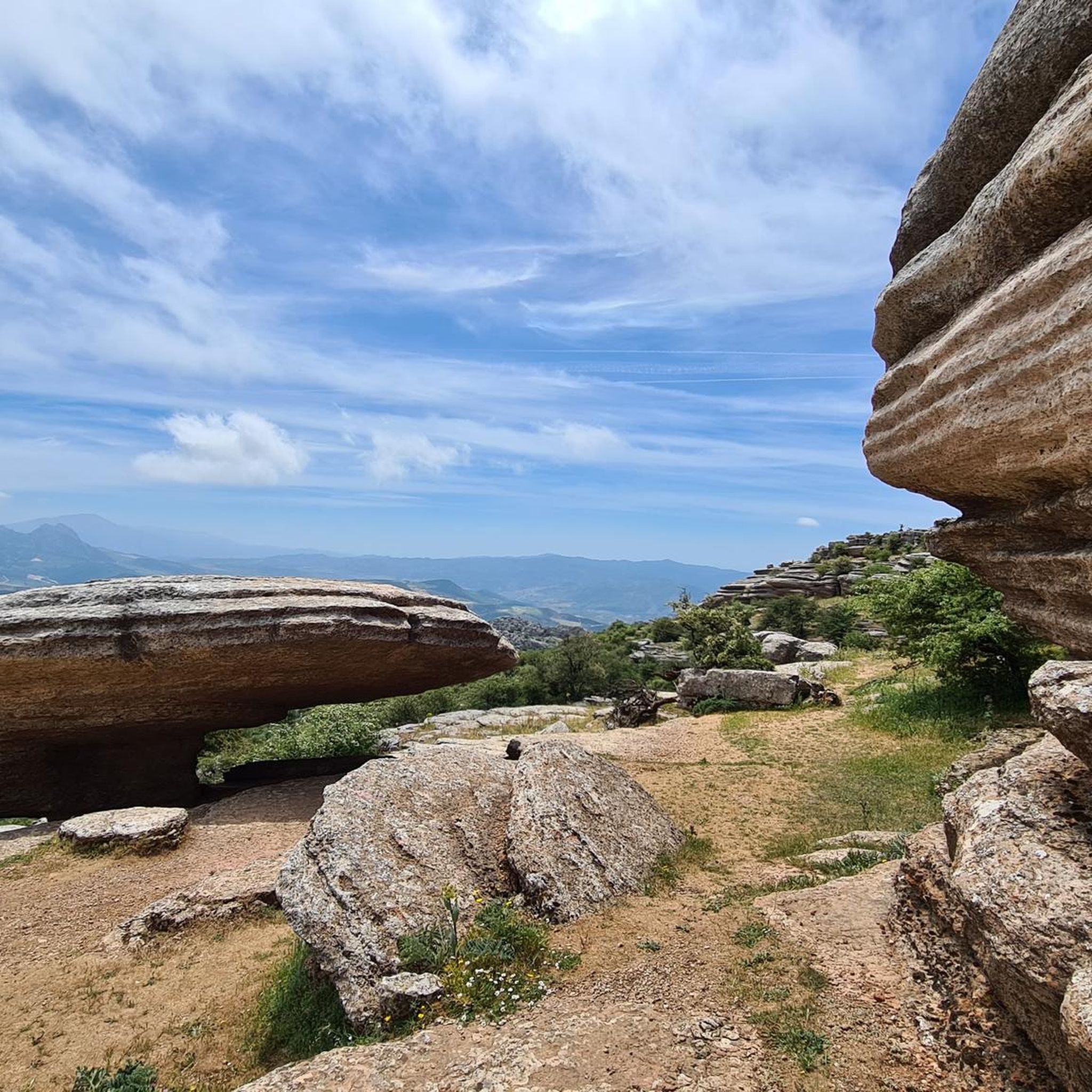
Gravel biking around Paraje Natural Torcal de Antequera offers a rugged experience through a unique karst landscape. The region is characterized by extraordinary limestone formations, deep valleys, and significant elevation changes, sculpted over millions of years. Cyclists navigate a network of trails that feature both paved and unpaved segments, providing a dynamic backdrop of towering cliffs and bizarre rock formations. The terrain includes challenging ascents and descents, with open views of the surrounding Andalusian landscape and olive groves.
Best gravel…
Last updated: August 9, 2026
6
riders
Hard gravel ride. Very good fitness required. Mostly paved surfaces. Suitable for all skill levels.
2
riders
18.5km
01:44
370m
370m
Moderate gravel ride. Good fitness required. Mostly paved surfaces. Suitable for all skill levels.

Sign up for free
9
riders
Hard gravel ride. Very good fitness required. Mostly paved surfaces. Suitable for all skill levels.
3
riders
19.6km
01:40
370m
370m
Moderate gravel ride. Good fitness required. Mostly paved surfaces. Suitable for all skill levels.
3
riders
34.6km
02:46
530m
530m
Hard gravel ride. Very good fitness required. Mostly paved surfaces. Suitable for all skill levels.
Get access to more routes and recommendations from other explorers.
Sign up for free
Already have an account?
Our route recommendations are based on thousands of hikes, rides, and runs completed by other people on komoot.
Start today with a free account
Your next adventure awaits.
Login or Signup
Popular around Paraje Natural Torcal de Antequera
Tips from the Community

The Mirador Niña de Antequera offers excellent views over the eastern part of the old town of Antequera and the surrounding mountains.
0
0

The Mirador offers a sweeping panoramic view of the surrounding hills at the foot of the El Torcal Natural Park. From here, one can see across rolling hills, olive and almond groves, and the expansive valley stretching below the village. In the background, striking rock formations rise, while the village itself is picturesquely nestled into the landscape.
0
0
An impressive Moorish fortress, perched high above Antequera. Built by the Moors between the 11th and 14th centuries, it was further expanded after the Christian reconquest in the 15th century. It served both as a defensive structure and as a symbol of power over the valley.
1
0

about 5,600 years ago 😮 1,140 tons 😲
3
0
Especially in the evening hours, when the setting sun bathes the walls of the Alcazaba in a golden light, one of the most beautiful perspectives of Antequera is offered, reflecting both the history and the scenic location of the city.
1
0
The Alcazaba de Antequera is a 14th-century Moorish fortress in the heart of the Andalusian city of Antequera. Built on the remains of an ancient Roman settlement, it served as a defensive fortification during the Muslim rule, protecting the city and the surrounding valley. After the Christian conquest in 1410 by Infante Ferdinand of Castile, the fortress became a key strategic point in the Kingdom of Castile. The imposing Torre del Homenaje (Tower of Homage) is particularly impressive, one of the largest keeps in Andalusia, offering panoramic views of the city, the Peña de los Enamorados (Peño de los Enamorados rock formation), and the surrounding landscape. A bell tower was later added to the tower, housing a large bell dating from 1582. Within the walls, remnants of residential buildings, cisterns, and fortifications can still be seen. Today, the Alcazaba is open to the public, offering a fascinating glimpse into the history of Antequera and Andalusia through its panoramic views and audio guides.
1
1
The Conjunto Arqueológico Dólmenes de Antequera (Antequera Dolmens Archaeological Site) is one of the most important prehistoric sites in Europe and is located on the outskirts of Antequera in Andalusia, directly on the Carretera de Málaga (Málaga Highway). The site comprises three large megalithic tombs – the Dolmen de Menga, the Dolmen de Viera, and the Tholos de El Romeral – as well as the two natural monuments Peña de los Enamorados and El Torcal de Antequera. Together, they have formed a UNESCO World Heritage Site since 2016, uniquely demonstrating the connection between humankind, architecture, and landscape. The Dolmen de Menga is the largest structure in the site and is among the most impressive megalithic tombs in Europe. It was built between approximately 3800 and 3600 BC and consists of enormous stone blocks assembled to form a long burial chamber. Particularly noteworthy is its alignment with the rock Peña de los Enamorados, suggesting a symbolic or ritual significance. Human remains and grave goods were found inside. Just a few meters away is the Dolmen de Viera, which is somewhat smaller and more classically constructed. It was built between approximately 3500 and 3000 BC and is oriented precisely to the east, so that sunlight falls directly into the burial chamber at the equinox. The third structure, the Tholos de El Romeral, lies about four kilometers away and dates from the Copper Age, around 2500 BC. Its circular shape and corbelled vault distinguish it from the older dolmens and represent a further development of the architectural techniques of that time.
0
0
The route follows a winding, scenic road and is particularly rewarding for experienced cyclists. It leads through the rolling hills on the edge of the El Torcal Natural Park, past olive groves and striking rock formations. The constant climbs and descents require some stamina, but are rewarded with sweeping views across the Andalusian landscape. The route is especially atmospheric in the evening when the sun sets behind the mountains and bathes the surroundings in warm, golden light – a spectacular end to a varied stage.
1
0
Frequently Asked Questions
What kind of terrain can I expect on gravel bike trails in Paraje Natural Torcal de Antequera?
The terrain in El Torcal is rugged and challenging, characterized by dramatic limestone formations and deep valleys. You'll encounter a mix of surfaces, from mostly paved sections to unpaved and technically demanding segments. Expect significant elevation changes with both challenging ascents and descents, often with steady gradients and steep pitches, especially on approaches to El Torcal itself.
Are there challenging gravel routes for experienced riders?
Yes, El Torcal offers several challenging routes. For experienced riders looking for significant elevation and distance, consider the The Alcazaba of Antequera – Historic Centre of Antequera loop from Antequera Alta Velocidad, which covers over 53 km with more than 1100 meters of elevation gain. Another demanding option is the Winding Road with Sunset View – Olive Groves Viewpoint loop from Villanueva de la Concepción, offering nearly 43 km and over 900 meters of climbing.
What natural landmarks or attractions can I see while gravel biking in El Torcal?
El Torcal is renowned for its extraordinary karst landscape and unique rock formations. While cycling, you can encounter geological marvels like The Torcal of Antequera and The Cathedrals of El Torcal. Many routes offer breathtaking vistas from viewpoints overlooking the surrounding Andalusian landscape, including olive groves and striking rock formations.
Are there any circular gravel bike routes available?
Yes, several circular gravel bike routes are available. For a moderate ride, the Dolmens of Antequera loop from Antequera Dolmens Site is a good option, covering about 18.5 km. If you're looking for a longer, more challenging loop, the Dolmens of Antequera loop from Antequera Alta Velocidad extends to over 34 km with significant elevation.
What is the best time of year to go gravel biking in Paraje Natural Torcal de Antequera?
The best time for gravel biking in El Torcal is generally during the spring (March to May) and autumn (September to November) months. During these periods, temperatures are milder, and the weather is more stable, making for more comfortable riding conditions. Summers can be very hot, and winters can bring colder temperatures and occasional rain.
Where can I park my car when visiting Paraje Natural Torcal de Antequera for gravel biking?
Parking is available at various starting points for routes around El Torcal. For example, routes often begin from towns like Villanueva de la Concepción or Antequera, where you can find designated parking areas. The Torcal Alto visitor center also provides parking, serving as a gateway to the park's main attractions.
Is it possible to reach the gravel bike trails in El Torcal using public transport?
While direct public transport to the heart of El Torcal's trailheads can be limited, you can reach nearby towns like Antequera by train or bus. From Antequera, you might need to arrange local transport or cycle to the trail starting points. It's advisable to check local bus schedules for connections to villages closer to the park entrance.
Can I expect to see wildlife while cycling in El Torcal?
Yes, El Torcal boasts a rich biodiversity. While cycling, you might spot wildlife such as wild boars, ibex, foxes, and various bird species, including griffon vultures and eagle owls. The park's unique rocky terrain supports specialized plant species, adding to the natural experience.
Are there cafes or places to eat near the gravel bike trails?
Yes, you'll find cafes and restaurants in the towns surrounding Paraje Natural Torcal de Antequera, such as Antequera and Villanueva de la Concepción. These towns offer opportunities to refuel before or after your ride, providing local cuisine and refreshments.
Are there any gravel bike routes suitable for beginners?
The gravel biking in Paraje Natural Torcal de Antequera is generally considered challenging due to significant elevation changes and varied terrain. While there are no routes specifically classified as 'easy' in this guide, some moderate options like the Estepa Gate – Antequera Bullring loop from Antequera Alta Velocidad (around 19.6 km with 365m elevation) might be more approachable for those with some gravel biking experience, but beginners should be prepared for climbs.
Most popular routes around Paraje Natural Torcal de Antequera
Most popular attractions around Paraje Natural Torcal de Antequera

Get inspired with the komoot mobile app


Explore more
Browse the best Gravel rides in other regions.
