Attractions and Places To See around São Vicente Da Beira - Top 9
Best attractions and places to see around São Vicente Da Beira include a rich array of historical, cultural, and natural sites. Situated at the foot of the Serra da Gardunha at an altitude of 700 meters, the village offers diverse heritage. The region features historical landmarks, cultural sites, and natural viewpoints, providing varied exploration opportunities.
Best attractions and places to see around São Vicente Da Beira
- The most popular attractions is Castelo Novo Castle Ruins, a castle that features…
Last updated: August 12, 2026
Castelo Novo Castle Ruins
Highlight • Castle
Translated by Google •
Tip by

Chafariz da Bica
Highlight • Monument
Translated by Google •
Tip by

Sign up now to discover places like this
Get recommendations on the best single tracks, peaks, & plenty of other exciting outdoor places.
Sign up for free
Alardo Water Bottling Plant
Highlight • Structure
Translated by Google •
Tip by
Castelo Velho
Highlight • Viewpoint
Translated by Google •
Tip by

Dornelas do Zêzere
Highlight • Settlement
Translated by Google •
Tip by
Sign up for free to discover even more attractions around São Vicente Da Beira.
Sign up for free
Already have an account?
Start today with a free account
Your next adventure awaits.
Login or Signup
Popular around São Vicente Da Beira
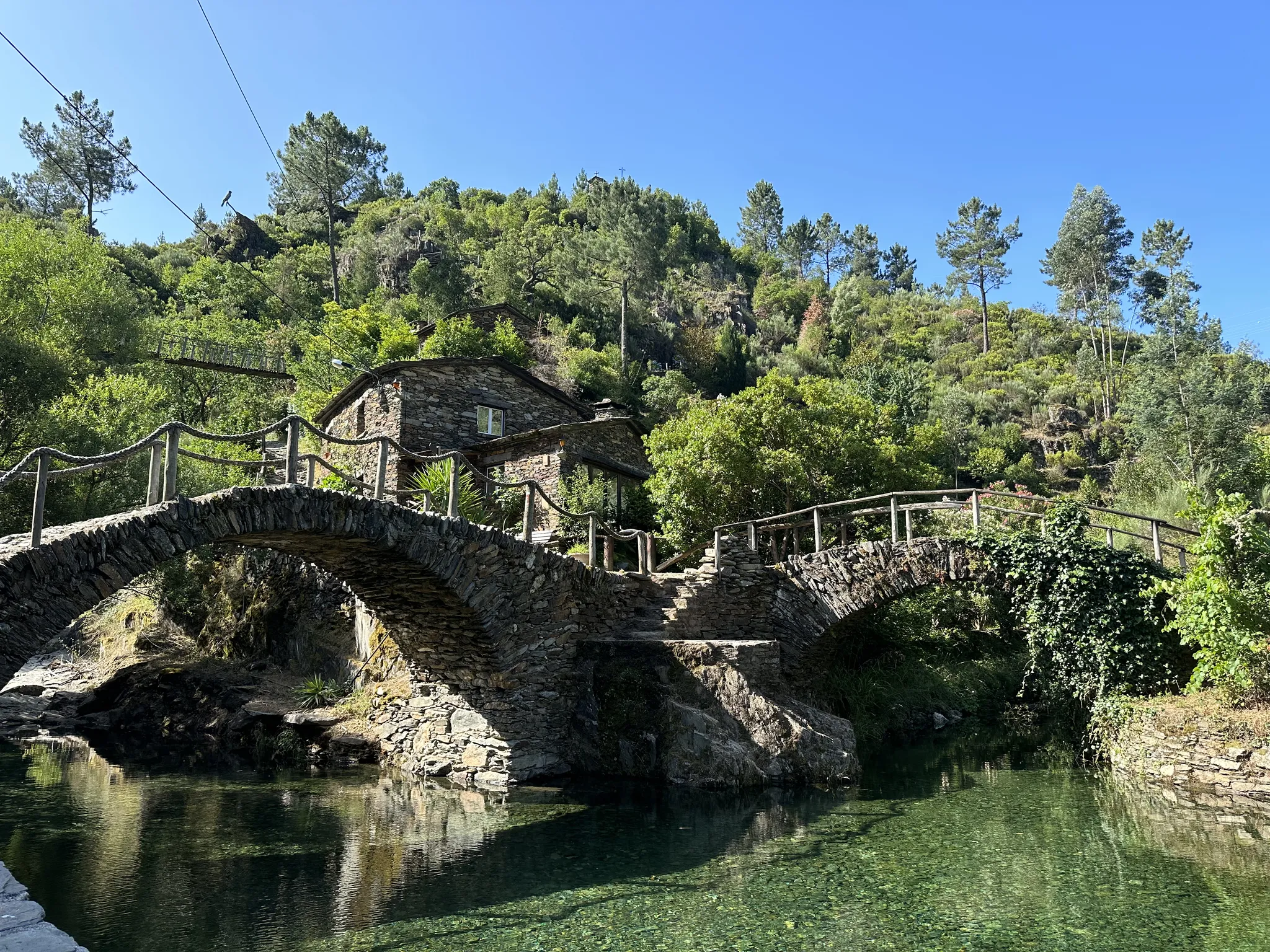
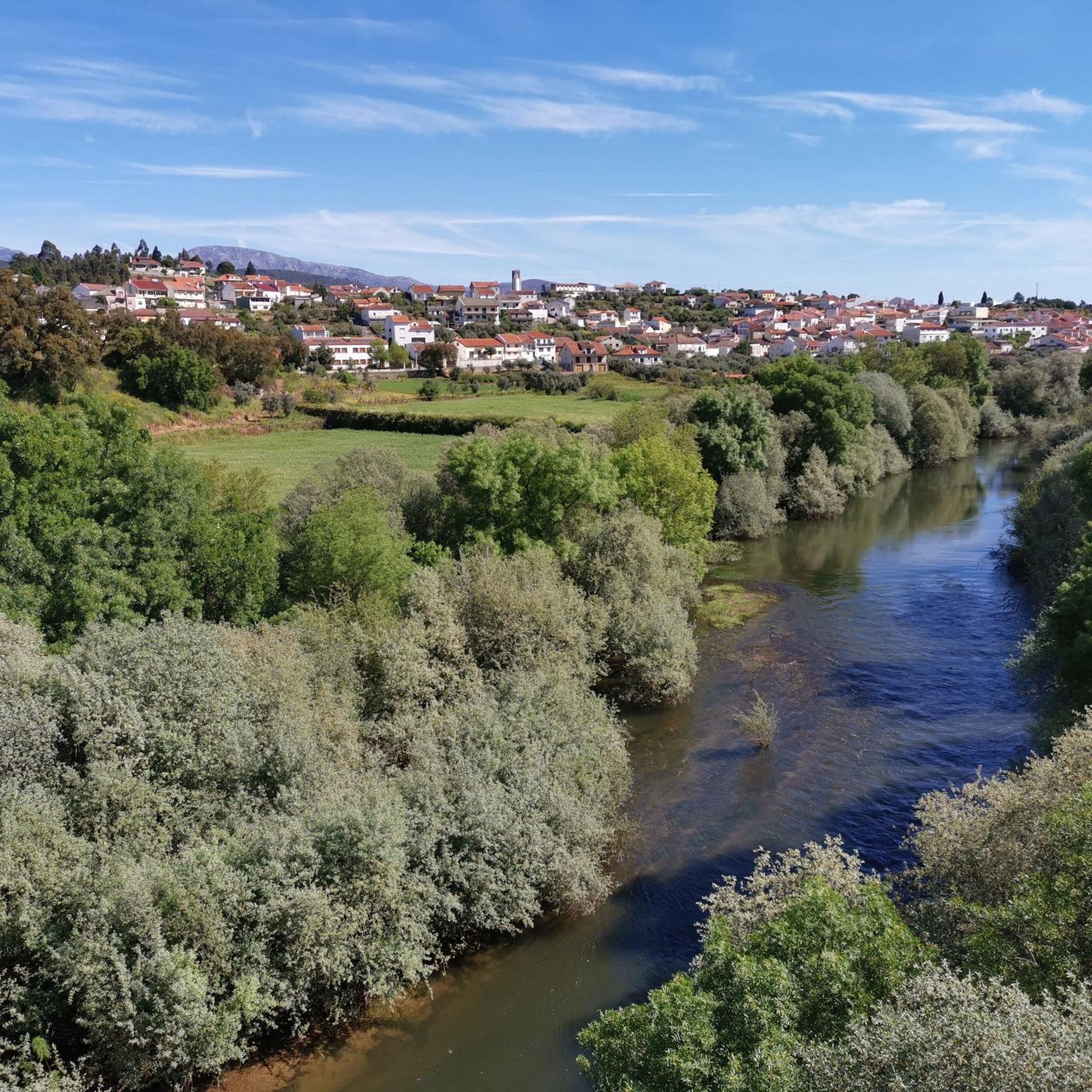
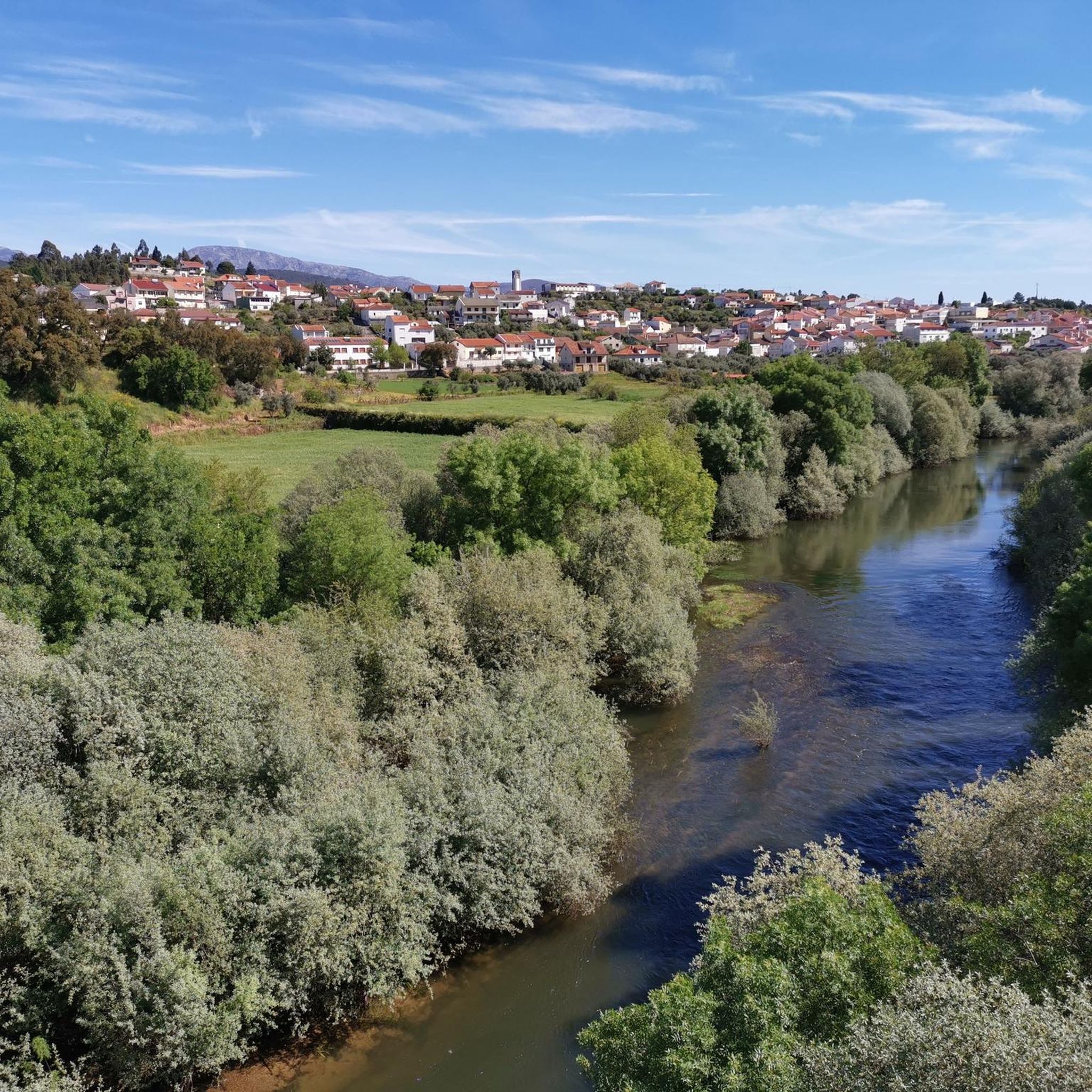

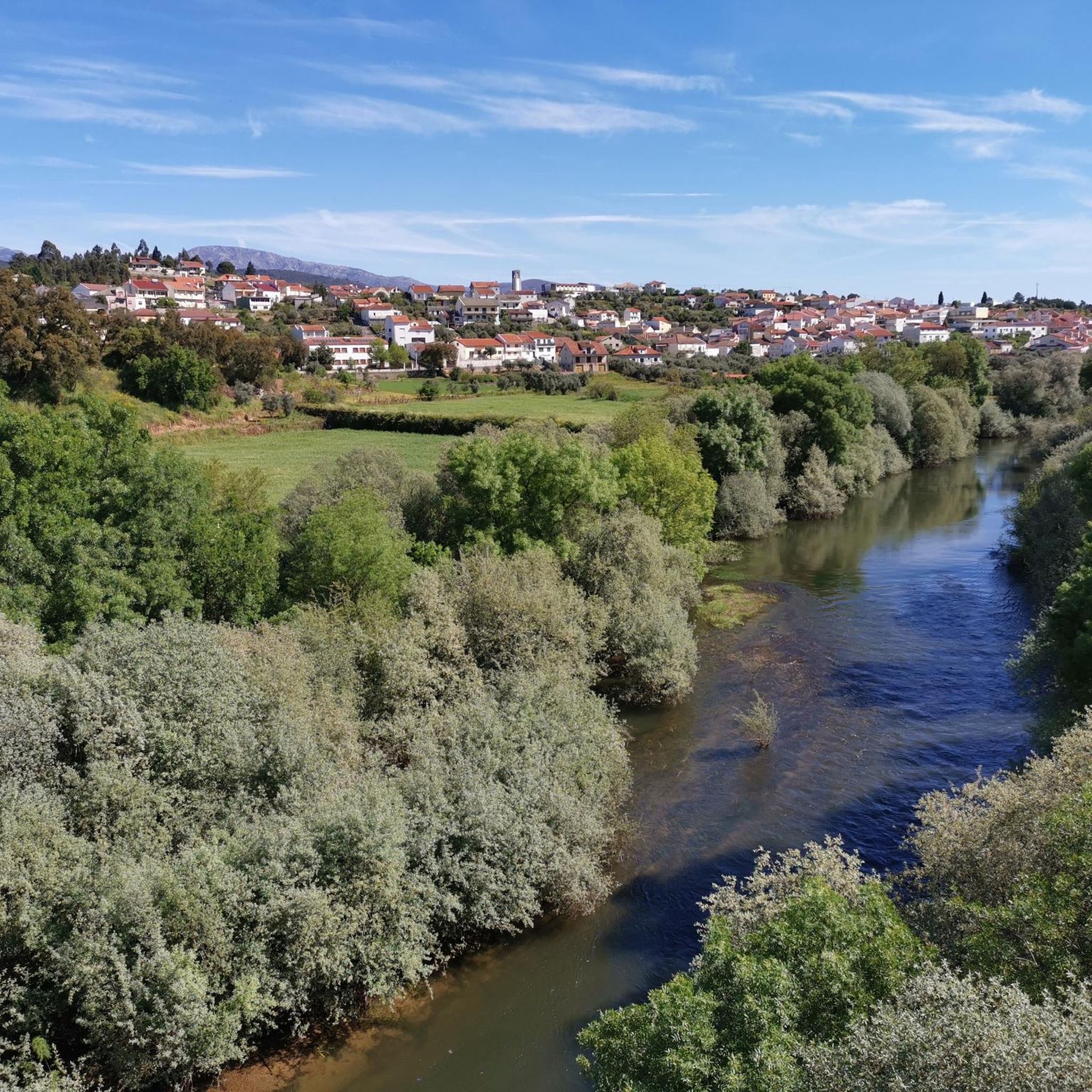
Other adventures around São Vicente Da Beira

Tips from the Community

Built in the 18th century, this Baroque-influenced property is located in Largo da Bica. It features a rectangular backrest with two pilasters, topped with a beveled Latin cross and the coat of arms of King João V. It is accessed by a grand staircase decorated with flaming vases and modillions used to tether horses. It is a drinking water fountain.
0
0
Nestled on a hill overlooking the cliffs of the Serra da Gardunha, the village of Castelo Novo is linked to the early history of the nation. It was in 1208, during the reign of Sancho I, that Pedro Guterres donated the land—of which he was a grantee—in his will to the Knights Templar, and it is believed that at this time the castle was already under construction. Decades later, King Dinis ordered its structure to be renovated, and it was this campaign of works that gave the Castelo Novo fortress the Gothic characteristics it still displays today. Like many other villages along the Beira border, Castelo Novo grew in the shadow of and around its walls, with narrow streets winding up the hillside to the keep. In the center stands the Town Hall, with its arcades beneath the terrace of the main floor. In the center, integrated into the town hall's façade, stands the monumental and imposing King João V fountain, commissioned by King Magnanimous. Opposite, the Manueline pillory marks the center of the square, and further on, the main church dedicated to Our Lady of Grace rises, its white walls contrasting with the Baroque forms of the granite windows and portals. Throughout the village, as you wander the winding streets, you can discover architectural details, small traces that tell the story of its inhabitants. In Castelo Novo, be sure to visit: The castle; The Bica and King João V fountains; The main church and the Misericórdia church; The manor houses; The old gallows. The Castelo Novo Museum Center Alardo Park
1
0

At the top of Gardunha, almost 1,000 meters above sea level, stands the Castelo Velho site. From here, the view reaches the Castelo Branco plain and continues to the Tagus River, an endless horizon. Among balanced rocks, blocks sculpted by time, and curious granite forms, this place is a veritable open book of geology and a privileged viewpoint of the mountains.
2
0
On the banks of the Zêzere River stands Dornelas do Zêzere, a land of memories and horizons. The Ethnographic Museum houses centuries-old utensils (from garlopas to limotes) and rare books that tell stories of times gone by. Nearby is a viewpoint, where the river view blends with engraved verses by Gil Vicente and Júlio Dias Nogueira, offering poetry to those who come to contemplate the landscape.
3
0

Built in the 18th century, this Baroque-style fountain is located in the Largo da Bica square. Access is via a grand staircase.
3
0

The historic village is a surprise with its unique manor houses, once owned by noble families. The 12th-century castle, severely damaged during the earthquake of 1755, was given the name "novo," or "new," because another castle had already existed in its immediate vicinity, which had been abandoned due to its insufficient defensive capabilities.
4
0

In the middle of the Serra da Gardunha, the Historic Village of Castelo Novo rises in shades of green and gray. Built on granite, Castelo Novo preserves a unique architectural heritage over time. For gastronomy visit the restaurant "Le Lagarto".
4
0

One of the 12 Old Historic Villages of Portugal
4
0
Frequently Asked Questions
What historical and cultural landmarks can I explore in São Vicente da Beira?
São Vicente da Beira is rich in history. You can visit the historic Manueline Pillory, the Main Church (Igreja Matriz), and the Mercy Church (Igreja da Misericórdia), which also houses a Museum of Sacred Art. Other notable sites include the Casa da Câmara, various chapels, and the ruins of the Old Village and Castle. For a significant historical site nearby, consider visiting Castelo Novo Castle Ruins, recognized as one of the 12 Historic Villages of Portugal.
Where can I find the best panoramic views around São Vicente da Beira?
For breathtaking panoramic views, head to Castelo Velho. Located at almost 1,000 meters above sea level on the Serra da Gardunha, it offers an extensive vista across the Castelo Branco plain all the way to the Tagus River. The village of São Vicente da Beira itself is nestled at the foot of the Serra da Gardunha, providing scenic surroundings.
Are there any significant religious sites in the area?
Yes, São Vicente da Beira has several religious sites. The Main Church (Igreja Matriz), also known as Igreja de Nossa Senhora or Igreja Paroquial de São Vicente, has a long history and houses the relic of São Vicente. The Mercy Church (Igreja da Misericórdia) is another important site. Additionally, you can find the Sanctuary of Our Lady of Orada and the Convent of San Francisco, along with several smaller chapels dedicated to Santo Francisco, S. Sebastião, Santa Bárbara, S. Tiago, and Senhora dos Aflitos.
What outdoor activities can I do near São Vicente da Beira?
The region around São Vicente da Beira offers various outdoor activities. You can explore numerous hiking trails, road cycling routes, and mountain biking trails. For hiking, consider routes like the 'Church loop from Fundão' or the 'Castelo Velho loop from Louriçal do Campo'. Cyclists can find challenging routes such as the 'São Gens Viewpoint – Santa Águeda Dam loop'. You can find more details and routes on the dedicated guides for Hiking around São Vicente Da Beira, Road Cycling Routes, and MTB Trails.
Are there family-friendly attractions around São Vicente da Beira?
While many historical sites are suitable for families, the village of São Vicente da Beira itself offers a charming environment to explore. For a specific highlight that is family-friendly, consider Dornelas do Zêzere, a settlement on the banks of the Zêzere River with an Ethnographic Museum and a viewpoint, offering a blend of culture and natural beauty that can be enjoyed by all ages.
What is the best time of year to visit São Vicente da Beira for outdoor activities?
The best time for outdoor activities like hiking and cycling around São Vicente da Beira is generally during spring (April to June) and autumn (September to October). During these seasons, the weather is typically mild and pleasant, making it ideal for exploring the trails and historical sites without the intense heat of summer or the colder, wetter conditions of winter. Spring also brings blooming landscapes, especially in the Serra da Gardunha area.
What kind of terrain can I expect on hiking trails in the Serra da Gardunha region?
Hiking trails in the Serra da Gardunha, where São Vicente da Beira is located, often feature varied terrain. You can expect paths that wind through granite formations, with some sections offering rocky and uneven surfaces. The region is known for its geological interest, with 'balanced rocks, blocks sculpted by time, and curious granite forms,' as seen at Castelo Velho. Trails can include moderate elevation gains as you ascend the slopes of the Serra.
Are there any unique historical features beyond the main landmarks?
Beyond the prominent churches and the pillory, São Vicente da Beira holds several unique historical features. You can discover an Hermit House, houses emblazoned with coats of arms, the historic Mercy Hospital, the Calvary Fountain, and even a section of Roman sidewalk. The area also has Moorish graves and a traditional water mill, all contributing to its rich historical tapestry.
What do visitors enjoy most about the attractions around São Vicente da Beira?
Visitors particularly appreciate the blend of historical significance and natural beauty. Highlights like Castelo Novo Castle Ruins are valued for their historical context and the charm of being one of Portugal's Historic Villages. The panoramic views from spots like Castelo Velho are highly praised for their extensive horizons. The intricate details of sites such as Chafariz da Bica, with its Baroque style and royal coat of arms, also captivate visitors.
Is there parking available near the attractions or trailheads?
Yes, parking is available in the region. For example, near Castelo Novo, you can find a parking lot at the Alardo Water Bottling Plant, which is convenient for leaving your car before going for a walk. In São Vicente da Beira village itself, there are usually designated parking areas for visitors exploring the historical center. For specific trailheads, it's advisable to check individual route descriptions for parking information.
Are there any water features or fountains of historical interest?
Yes, São Vicente da Beira features the impressive Chafariz da Bica, an 18th-century Baroque-style fountain located in Largo da Bica square. It is accessed by a grand staircase and features the coat of arms of King João V. This fountain is not only a historical monument but also a source of drinking water. Additionally, the village has the historic Calvary Fountain.
Can I find information about the architectural heritage of São Vicente da Beira?
São Vicente da Beira boasts a rich architectural heritage. The village preserves structures from various periods, including the Manueline Pillory, the reconstructed Main Church with elements from the 17th to 20th centuries, and the 18th-century Baroque-influenced Chafariz da Bica. You can also observe emblazoned houses and the historic Casa da Câmara. For more detailed information on Portuguese architectural heritage, you might find resources like the monumentos.gov.pt portal helpful, which lists sites like the Pillory of São Vicente da Beira.

Get inspired with the komoot mobile app


Explore more
Still not found the Highlight you’re looking for? See guides of the top attractions in other regions:
