The best gravel rides around gmina Radoszyce
4.8
(5)
31
riders
7
rides
Gravel biking around gmina Radoszyce offers diverse terrain within the Konecko-Łopuszański Protected Landscape Area. The region is characterized by extensive pine forests, covering approximately 38% of its area, providing numerous paths suitable for mixed-surface riding. Topography varies from less undulating areas in the northeast to more significant elevation changes in the southern parts, particularly near Góra Dobrzeszowska. This combination of forests, meadows, and riverine environments, including both paved and unpaved sections, makes it well-suited for gravel biking.
Best gravel bike…
Last updated: October 6, 2026
4.5
(4)
15
riders
47.9km
02:55
240m
240m
Moderate gravel ride. Good fitness required. Mostly paved surfaces. Suitable for all skill levels.
5.0
(1)
5
riders
18.9km
01:04
90m
90m
Easy gravel ride. Great for any fitness level. Mostly paved surfaces. Suitable for all skill levels.

5
riders
Easy gravel ride. Great for any fitness level. Mostly paved surfaces. Suitable for all skill levels.
1
riders
38.3km
02:35
220m
220m
Moderate gravel ride. Good fitness required. Mostly paved surfaces. Suitable for all skill levels.
1
riders
44.6km
02:38
200m
200m
Moderate gravel ride. Good fitness required. Mostly paved surfaces. Suitable for all skill levels.
Get access to more routes and recommendations from other explorers.
Already have an account?
Our route recommendations are based on thousands of hikes, rides, and runs completed by other people on komoot.
Start today with a free account
Your next adventure awaits.
Tips from the Community

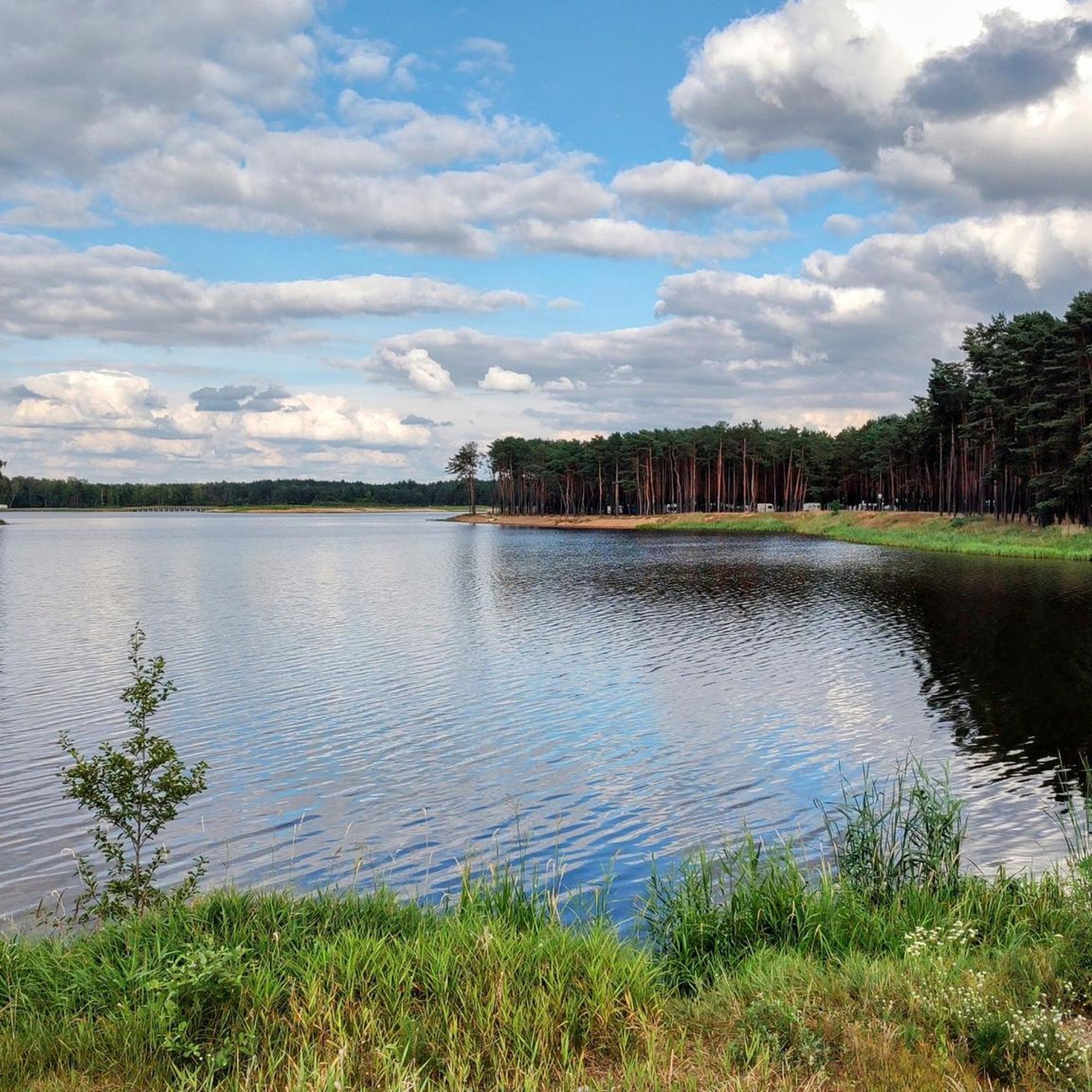
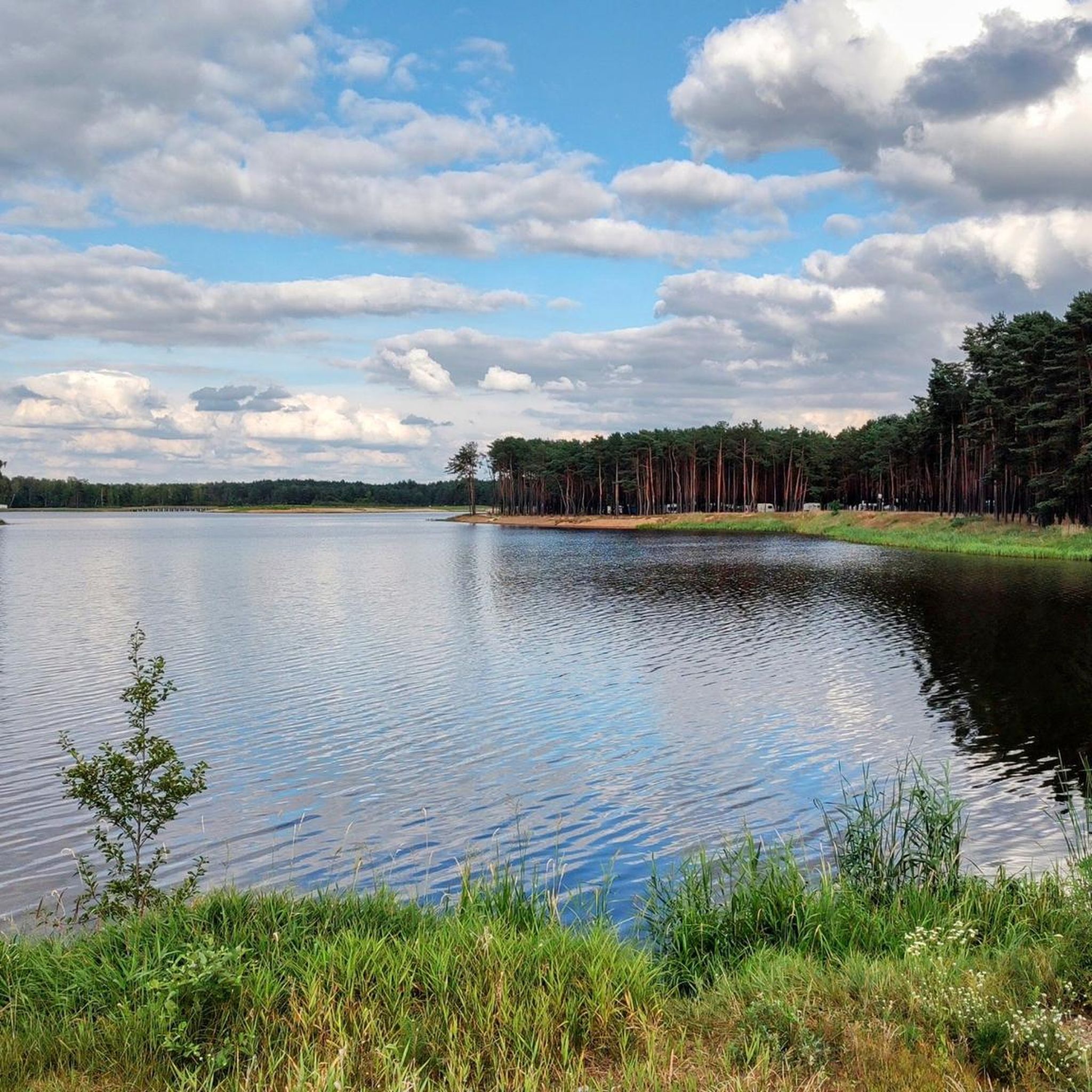
Rest area, you can play chess. More benches and shelters further along the lake, after crossing the bridge.
0
0
Interesting old well and monument. A few benches and a fountain. Terrible concrete.
2
0

Entrance to the summer resort of Tama.
0
0
In 1964, a chapel was organized in Machory with its own clergy, but employed by the parish in Żarnów. Officially, Bishop Edward Materski erected the local parish on September 1, 1989. He entrusted the rectory to Father Marian Strzałkowski. The parish church was built thanks to the efforts of Fathers Kazimierz Kasprzyk, Leopold Łabędzki and Jan Mazurkiewicz. The last renovation works were carried out in 2008. At that time, a document from the beginning of the 20th century was found, which informs about the foundation of an altar and a manor chapel by a local heir of German nationality, Mr. Bayer. This altar was moved to the parish church.
0
0
In 1782, castellan Jacek Jezierski of the Nowina coat of arms purchased the Maleniec estate, located near Końskie in the Old Polish Basin, from Prażmowski for half a million złoty. There were rich deposits of iron ore on their territory, while in neighboring Miedzierza a blast furnace was already in operation at that time. Jezierski intended to develop industrial production on the purchased estate, linking his plans to the project of the Four-Year Sejm, which passed a resolution to increase the size of the Polish army to 100,000. In 1784, the castellan dammed the waters of the Czarna River flowing through Maleniec and created a pond with an area of 16 ha that exists to this day. The water was to be a source of energy for the planned plants and workshops. With the help of water outlets, it later became - thanks to water wheels - a source of energy for the mill, sawmill and fryery built by Jezierski. In neighboring Kawęczyn, the castellan also built a blast furnace. Production activity in Maleniec was interrupted in 1794 due to military operations during the Kościuszko Uprising. In 1824, the property was acquired by a former officer of Napoleon's army, Tadeusz Bocheński, who settled in Maleniec, introducing a number of innovations in local factories and significantly expanding production potential. The current building of the preserved plant, housing the museum, was erected around 1837 on the initiative of Bocheński, who additionally built a puddling shop and a rolling mill in neighboring Ruda Maleniecka. On June 21, 1967, the complex was officially recognized as a technical monument and entered under item number 340 in the register of monuments of the then Kielce province. A year later, a group of students from the Faculty of Metallurgy of the Silesian University of Technology became interested in the abandoned facility. Their activities led to the signing of an agreement in 1970, under which the plant was transferred to the care of the university. Actions were initiated to save the facility, which included preparing documentation of the facility, repairing parts of the machines and equipment, and buildings.
0
0
A pedestrian and bicycle bridge to the island on Lake Sielpińskie, built as part of the lake revitalization project.
0
0
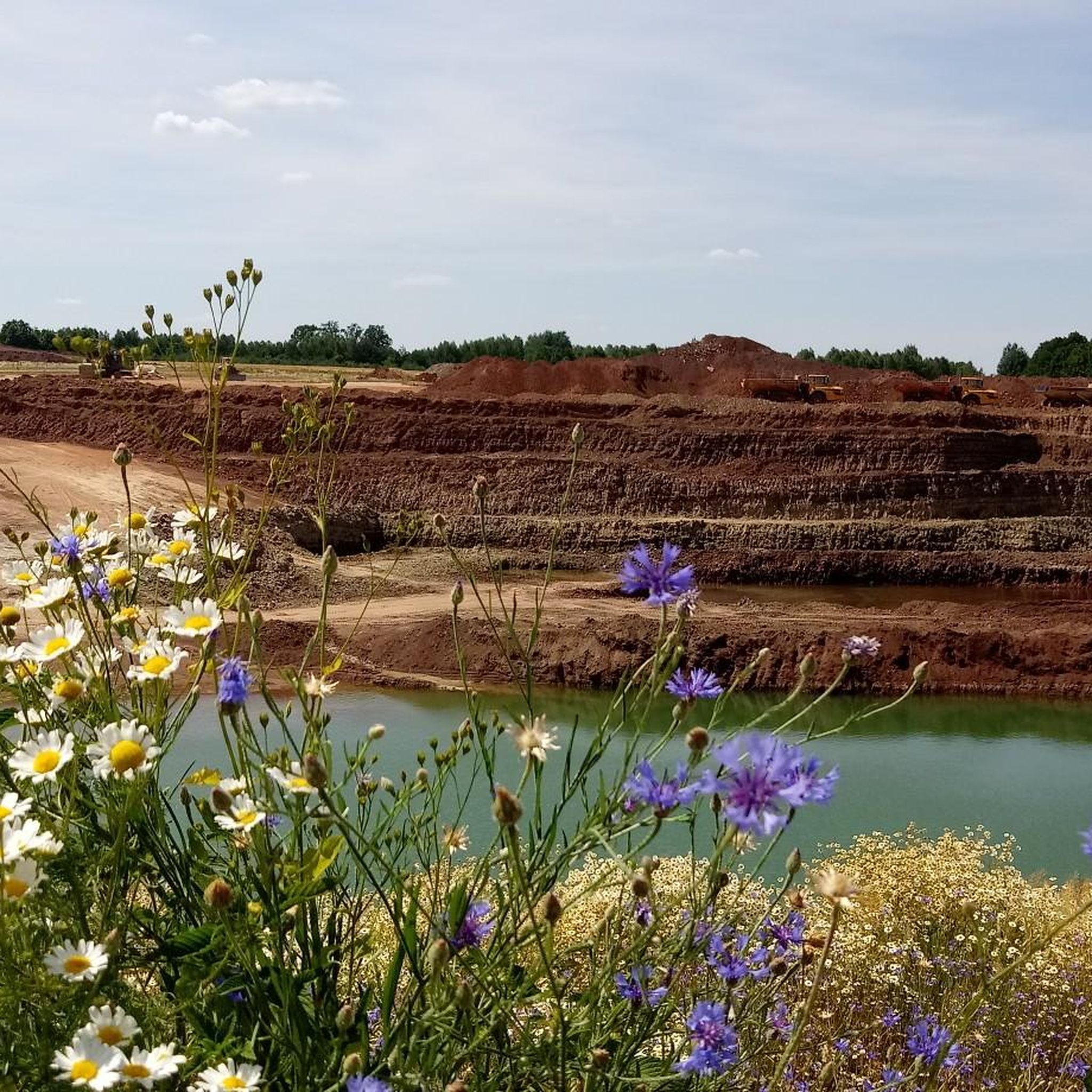
In 1898, on the premises of the former ironworks, the then owner Ludwik Bayer opened a tile and cardboard factory, one of the most important in the Russian partition. Tiles were made using white clay extracted in Makhory, in a mine that had existed since the 19th century, and marl imported from various parts of Poland. At the turn of the 19th and 20th centuries, the factory employed around 200 workers. The plant had its own sales warehouses in Warsaw, Łódź, St. Petersburg, Moscow and Odessa. In the initial years of production, ceramic stove tiles from the Makhory factory delighted with their various decorations. Patterns depicting genre and historical scenes were also produced. Makhory products enjoyed popularity throughout the Russian Empire (they were used to cover stoves at all stations of the Trans-Siberian Railway), all the way to Vladivostok. In the interwar years, a generator was installed in the factory, which supplied electricity to the plant and the manor buildings. It was powered by a Francis water turbine that had previously powered rolling mills. These devices operated until 1970. The remains of the tile and paper mill complex include factory buildings (without the original equipment) and a well-preserved drive system of the plant, together with the water damming and supply system.
0
0
Frequently Asked Questions
How many gravel bike trails are available in gmina Radoszyce?
There are 7 gravel bike trails around gmina Radoszyce listed on komoot, offering a range of experiences for different skill levels. These include 2 easy routes and 5 moderate routes.
What kind of terrain can I expect on gravel bike trails in gmina Radoszyce?
Gmina Radoszyce offers a diverse mix of terrain, ideal for gravel biking. You'll encounter extensive pine forests with numerous paths, meadows, and riverine environments. The topography varies, with gentler sections in the northeast and more significant elevation changes, particularly near Góra Dobrzeszowska, in the south. Expect a combination of paved and unpaved surfaces, including dirt roads and forest paths.
Are there any easy gravel bike routes suitable for beginners or families?
Yes, gmina Radoszyce has options for easier rides. An excellent choice is the Niebo Village – Historic Cottage loop from Końskie County, which is an easy 17.8 km (11.1 miles) route. This trail offers a pleasant experience without significant elevation challenges, making it suitable for those new to gravel biking or families.
What are some scenic highlights or landmarks I can see along the gravel bike routes?
Many routes offer scenic views and pass by interesting landmarks. For instance, the View of Lake Sielpińskie – Sielpińskie Lake loop from Końskie County provides views of the prominent Sielpia swimming area. You might also encounter historical sites like the Maleniec Ironworks Museum on routes like the Rest Area by Lake Malenieckie – Maleniec Ironworks Museum loop from Grębenice.
Are there any circular gravel bike routes in the area?
Yes, many of the gravel bike trails in gmina Radoszyce are designed as loops. Examples include the popular View of Lake Sielpińskie – Sielpińskie Lake loop from Końskie County, the Sielpia swimming area – Rest Area by Lake Malenieckie loop from Sielpia Wielka, and the Bridge over the Pilica – Czarna Włoszczowska River loop from gmina Słupia Konecka. These circular routes allow you to start and end at the same point, which is convenient for parking.
What is the best time of year for gravel biking in gmina Radoszyce?
The region's extensive pine forests and varied terrain make it enjoyable for gravel biking across multiple seasons. Spring and autumn offer pleasant temperatures and vibrant scenery, while summer is ideal for combining rides with visits to recreational areas like Sielpińskie Lake or Antoniów Lagoon. Even winter can be suitable, though trail conditions may vary with snow or ice.
What do other gravel bikers enjoy most about the trails in gmina Radoszyce?
The gravel bike trails in gmina Radoszyce are highly rated by the komoot community, with an average score of 4.5 stars from over 4 reviews. Riders often praise the diverse terrain, the extensive pine forests, and the scenic lakes that define the region, offering a rewarding mixed-surface riding experience.
Are there any longer, more challenging gravel bike routes?
For those seeking a longer ride, the Bridge over the Pilica – Czarna Włoszczowska River loop from gmina Słupia Konecka is a moderate 71.0 km (44.1 miles) trail. This route leads through riverine environments and involves more significant distance, typically taking around 5 hours to complete, offering a good challenge for experienced gravel bikers.
Where can I find parking for gravel biking in gmina Radoszyce?
Many of the loop trails start and end in towns or recreational areas, which often have designated parking. For example, routes originating from Końskie County or Sielpia Wielka typically offer convenient access points for parking. It's advisable to check the specific tour details on komoot for suggested starting points and parking information.
Can I combine gravel biking with other activities in the region?
Absolutely. Gmina Radoszyce is rich in attractions. You can easily combine your ride with a visit to the Sielpia swimming area at Sielpińskie Lake, a major recreational hub. The region also features the Antoniów Lagoon, known for its bathing area, and the Nordic Walking Park with marked routes that share paths suitable for gravel biking.
Are there any routes that pass through significant forest areas?
Yes, approximately 38% of Gmina Radoszyce is covered by extensive pine forests, and many gravel routes traverse these areas. The general character of gravel biking in the region is defined by these forests, providing numerous shaded paths and a natural environment for your ride.
What is the average duration of a gravel bike tour in gmina Radoszyce?
The duration of tours varies depending on the route length and your pace. For example, an easy route like the Niebo Village – Historic Cottage loop from Końskie County takes about 2 hours 30 minutes, while longer moderate routes, such as the View of Lake Sielpińskie – Sielpińskie Lake loop from Końskie County, typically take around 2 hours 54 minutes.
Most popular attractions around gmina Radoszyce

Get inspired with the komoot mobile app


Explore more
Browse the best Gravel rides in other regions.
