The 4 Most Amazing Peaks around Łęknica
Mountain peaks around Łęknica are characterized by modest elevations within the broad valley of the Neisse River, which forms the border with Germany. The highest points in the area, such as those within the Muskauer Faltenbogen (Muskau Arch), reach approximately 160 meters above sea level and are considered hills rather than mountains. The region features picturesque forests and lakes, many originating from former mining activities. Łęknica is also home to the UNESCO World Heritage Site, Muskau Park.
Best mountain peaks…
Last updated: May 5, 2026
Drachenberge
Highlight • Trail
How did the Drachenberg get its name?
A legend tells that God created Lusatia and …
Translated by Google •
Tip by

Vineyard near Weißwasser
Highlight • Summit
Translated by Google •
Tip by

Sign up now to discover places like this
Get recommendations on the best single tracks, peaks, & plenty of other exciting outdoor places.
Sign up for free
Lissberg – The Mountain Where the Fox Lives
Highlight • Summit
Translated by Google •
Tip by
Spitzer Berg
Highlight • Summit
Translated by Google •
Tip by
Start today with a free account
Your next adventure awaits.
Login or Signup
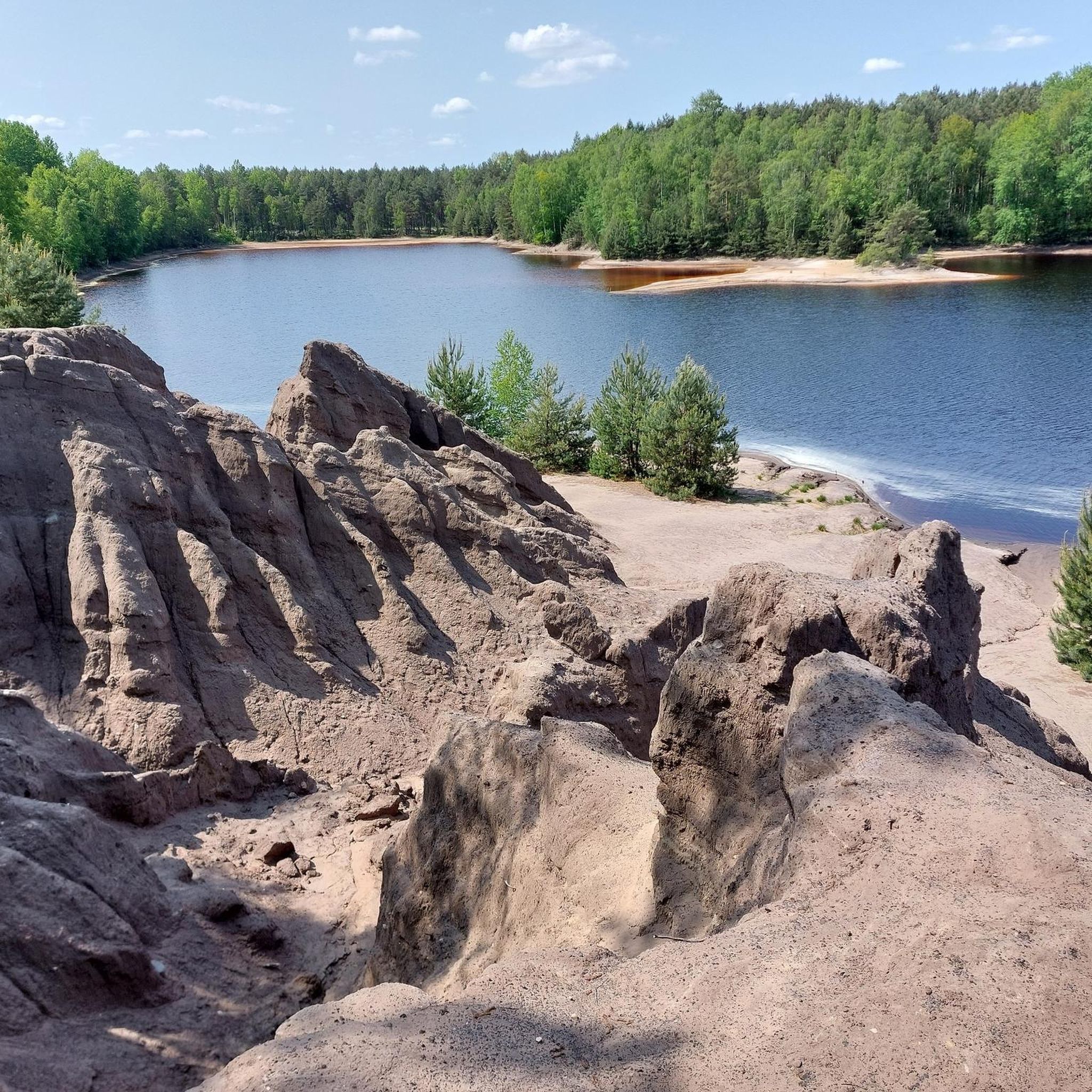
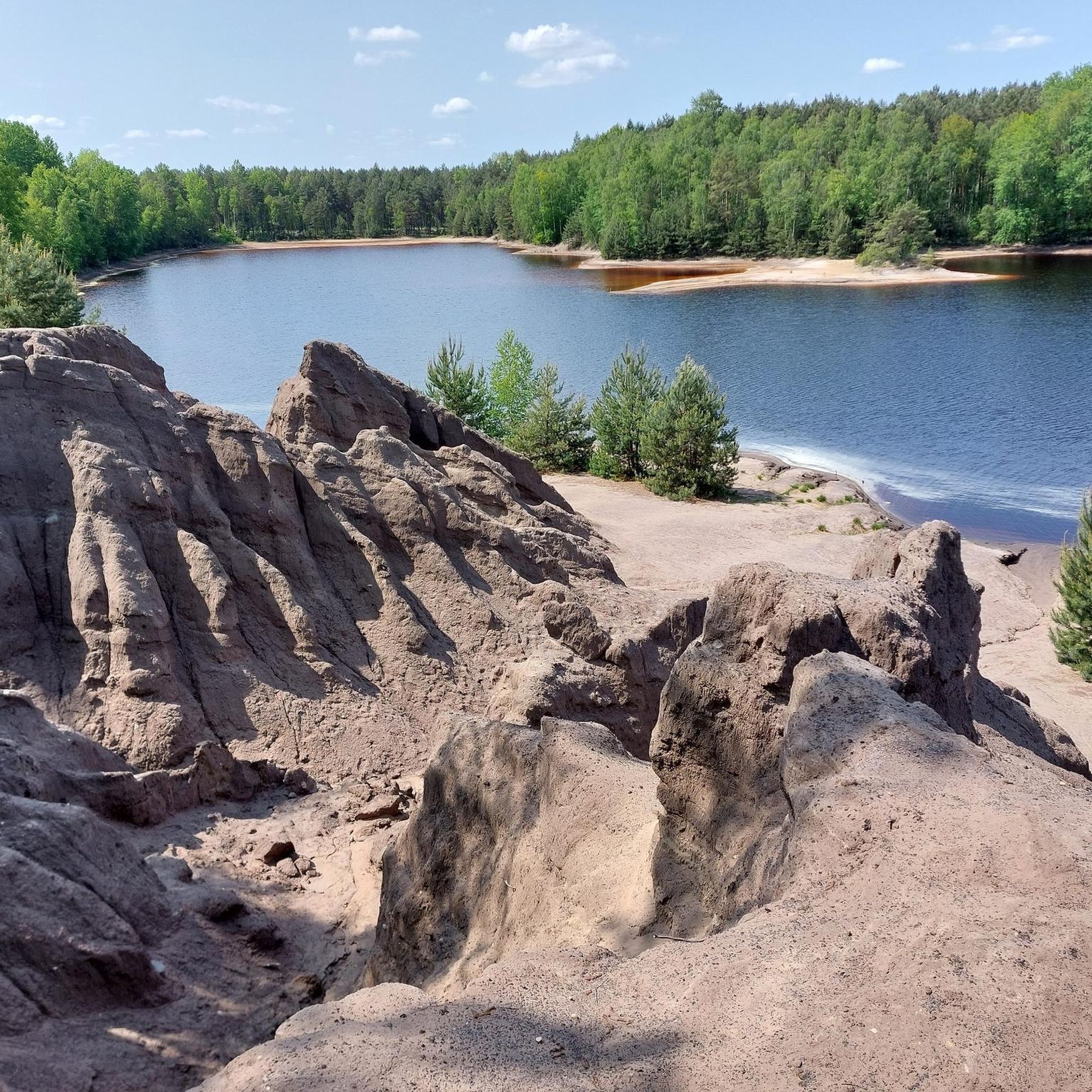
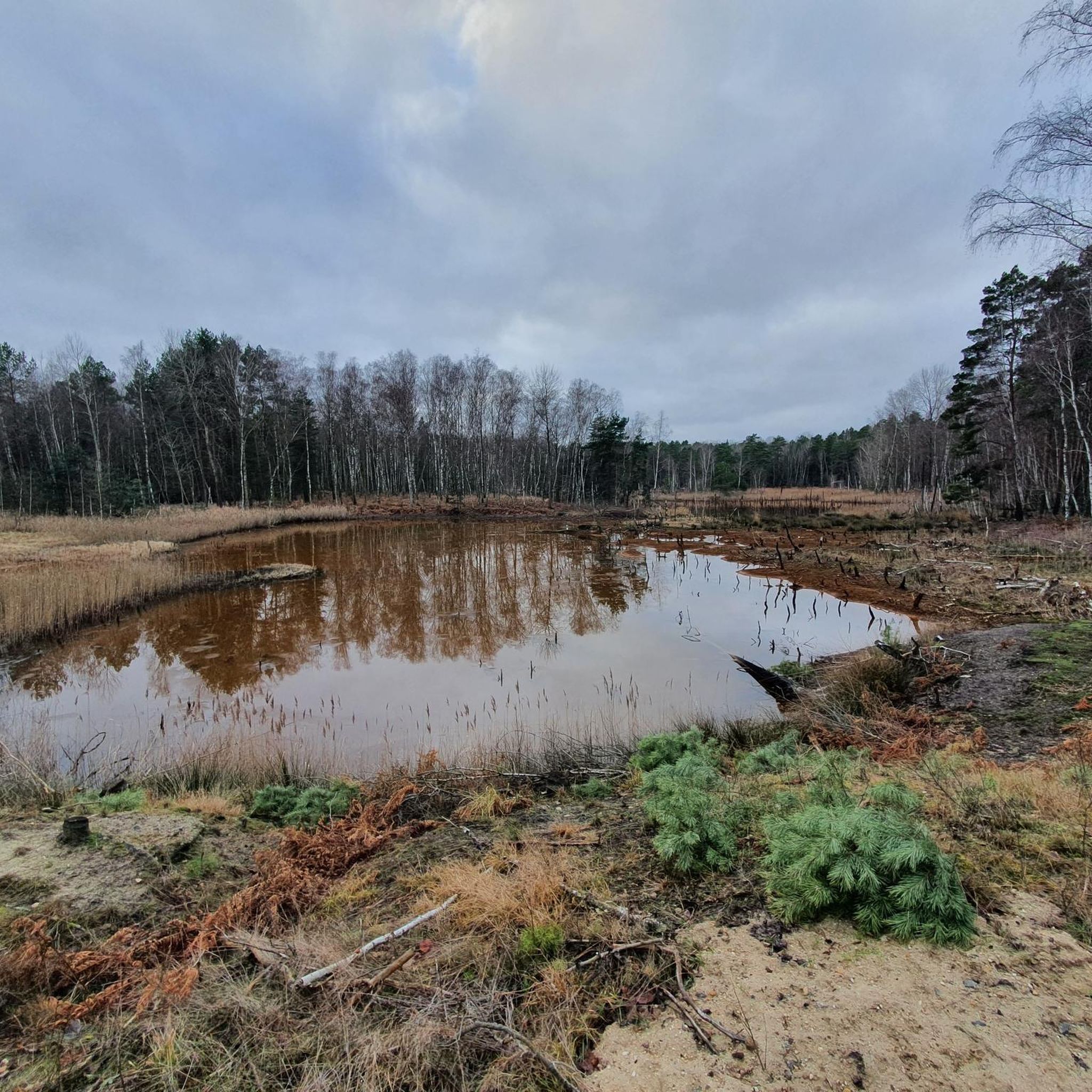
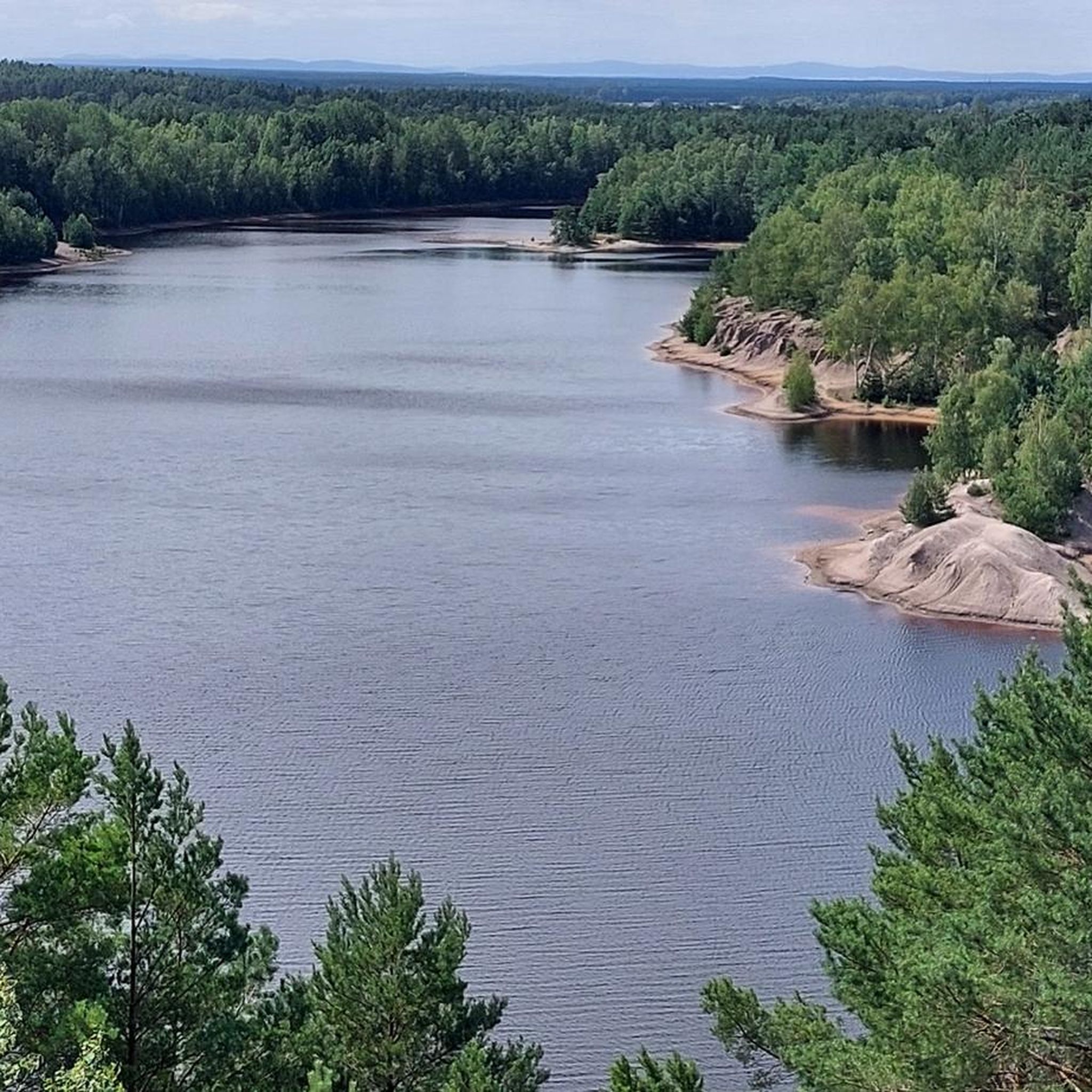
Tips from the Community

Difficult to reach by bike, but mountain bikes or e-bikes are advantageous. Unfortunately, there's no view from the top...
1
0

There is no view, but the Spitze Berg is one of the highest points in the Spree-Neiße district at 155 meters above sea level. Opposite the mountain is a deciduous forest, which is particularly beautiful in autumn when the leaves change color. A little further on is a large heathland area, which blooms from August to early September. When the weather is right, the entire area is an excellent mushroom hunting area.
1
0
Prince Pückler's grandfather actually grew wine here. A fire watchtower was built at the beginning of the 20th century. Below the hill are the Weinberghaus (formerly a tourist restaurant, now a private residence) and the Weinbergsee, a natural body of water. The Weinberg/Feuerturmberg is the second highest elevation in the former Weißwasser district after the Drachenberg.
8
0

The Drachenberg summit is the highest elevation at 163 m above sea level. N.N. Here is more information about a
1
0
Now the Drachenberg summit is in sight. it is 163m above sea level. Another effort uphill and then it's done,
2
1
Another interesting post from the LR: https://www.lr-online.de/lausitz/weisswasser/krauschwitz-nicht-pilze_-dafuer-ein-quickie-38017084.html
9
0

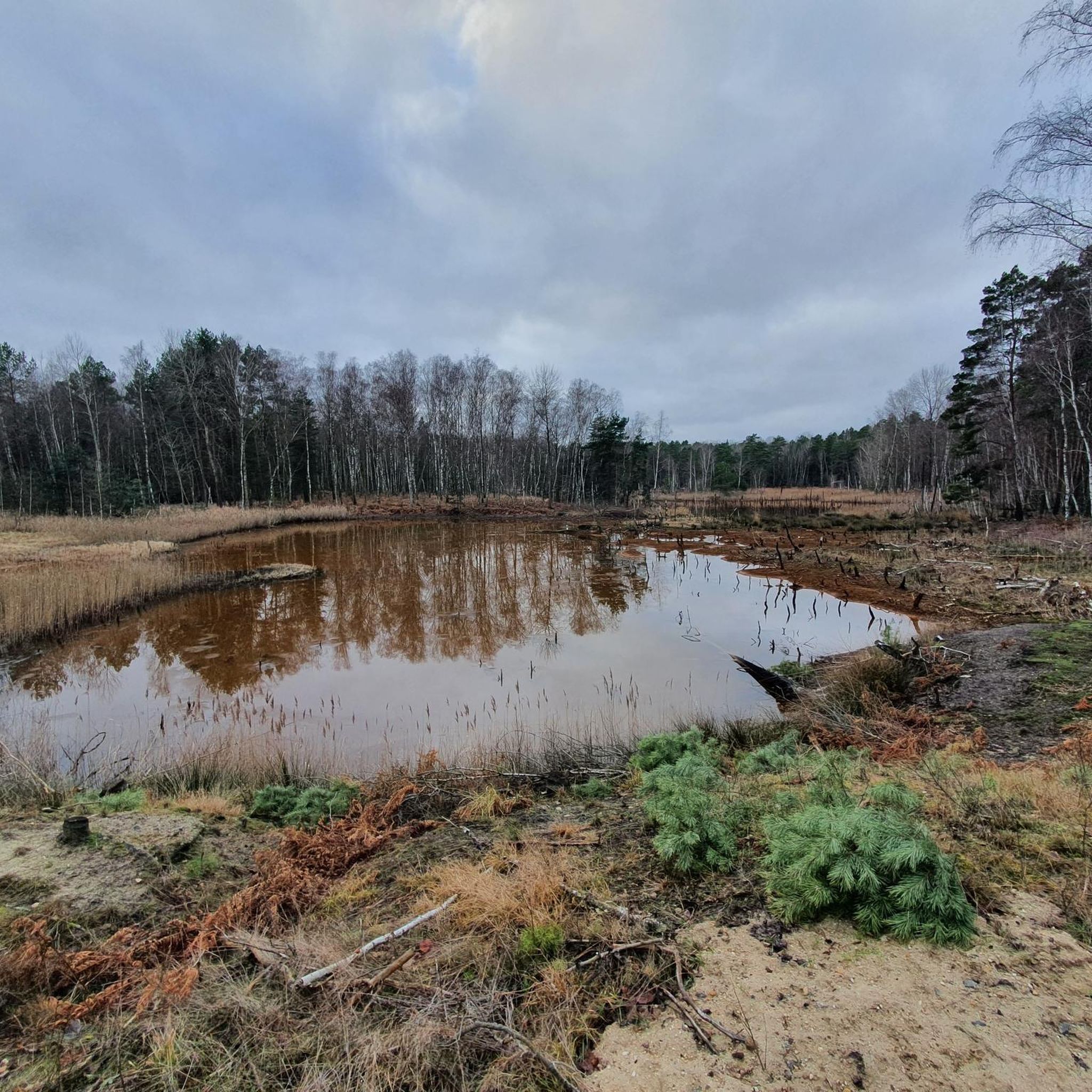
On the 162.8 m high Drachenberg you can enter your name in a summit book. How did the Drachenberg get its name? A legend tells that God created Lusatia and the devil put the coal on it. A dragon that settled here was supposed to protect the coal from humans. When humans began to mine the valuable raw material, dragon's blood seeped out of the dragon lying in the earth - known to us as red water. Little by little the kite dried up in the area between Krauschwitz and Weißwasser and left a large pool of blood: the brown pond. The back can still be seen today, because the many gies and elevations mark the peaks on the dragon's back. The largest of them is the Drachenberg. https://www.lr-online.de/lausitz/weisswasser/wie-der-drachenberg-zu-seinem-namen-kam-33304006.html
9
0

A very pristine and natural hiking trail leads up here, but it ensures wet legs and feet in damp weather
1
0
Frequently Asked Questions
What kind of 'mountain peaks' can I expect to find around Łęknica?
The 'mountain peaks' around Łęknica are more accurately described as hills, with the highest points reaching approximately 160 meters above sea level. The region is part of the Muskauer Faltenbogen (Muskau Arch), characterized by modest elevations, picturesque forests, and lakes, many of which originated from former mining activities.
Are there any family-friendly trails or peaks in the Łęknica area?
Yes, the area offers family-friendly options. For instance, Lissberg – The Mountain Where the Fox Lives is a summit reaching 154 meters above sea level that provides hiking opportunities suitable for families and is recognized as a natural monument.
What are some of the most popular or unique 'peaks' to visit near Łęknica?
One of the most popular is Drachenberge, which reaches 162.8 meters and even has a summit book. Another unique spot is Vineyard near Weißwasser, a historically significant elevation where wine was once grown.
What outdoor activities can I do near these 'mountain peaks'?
Beyond exploring the 'peaks' themselves, the region around Łęknica offers various outdoor activities. You can find numerous cycling routes, including easy tours around Muskau Park, and road cycling routes. There are also hiking trails, such as those around the former Babin Mine, which offer modest elevation changes.
What is the best time of year to visit the 'peaks' and trails around Łęknica?
The area is beautiful throughout the year. Autumn is particularly scenic, especially around Spitzer Berg, where a deciduous forest changes color. From August to early September, a large heathland area near Spitzer Berg blooms, adding to the natural beauty. The modest elevations make it suitable for exploration in most seasons.
Are there any historical sites or natural monuments among the 'peaks'?
Yes, several 'peaks' have historical or natural significance. Vineyard near Weißwasser is known for its past as a vineyard. Lissberg – The Mountain Where the Fox Lives and Drachenberge are both recognized as natural monuments, with Drachenberge also having a local legend associated with its name.
What are the typical elevations of the 'peaks' in this region?
The 'peaks' around Łęknica are generally low in elevation. For example, Drachenberge is 162.8 meters, Spitzer Berg is 155 meters, and Lissberg – The Mountain Where the Fox Lives is 154 meters above sea level. These are more accurately described as hills within the broader Neisse River valley.
Can I find viewpoints or scenic spots among these 'peaks'?
Many of the 'peaks' offer viewpoints or are part of scenic landscapes. While Spitzer Berg itself may not have a direct view from the top, the surrounding area features beautiful deciduous forests and heathlands. Other highlights like Drachenberge and Vineyard near Weißwasser are noted for their scenic qualities.
What makes the Muskau Arch Geopark unique for exploration?
The Muskau Arch Geopark, which encompasses the Łęknica area, is a UNESCO Global Geopark. It's unique for its geological formations, including the distinctive arch-shaped moraine landscape formed by glaciers. The area also features numerous lakes and forests, many of which are a result of historical mining activities, offering a blend of natural beauty and industrial heritage.
Are there any challenging hikes or trails around Łęknica's 'peaks'?
While the elevations are modest, some trails can be more challenging due to terrain. For instance, reaching Spitzer Berg can be difficult by bike, suggesting a more strenuous path for hikers or mountain bikers. Generally, the area offers easy to moderate hikes rather than strenuous mountain ascents.
What do visitors enjoy most about exploring the 'peaks' around Łęknica?
Visitors appreciate the unique blend of natural beauty and historical elements. The area's 'peaks' are often nestled within forests, offering peaceful hiking experiences. The presence of a summit book at Drachenberge and the historical significance of places like Vineyard near Weißwasser add a special charm to the exploration.
Most popular routes around Łęknica
Most popular attractions around Łęknica

Get inspired with the komoot mobile app


