The best gravel rides around Authuille
4.0
(1)
17
riders
8
rides
Gravel biking around Authuille offers routes through a landscape characterized by gently rolling terrain and historical sites. The region features a mix of rural paths and trails connecting various memorials and points of interest. These routes typically involve moderate elevation changes, making them suitable for a range of gravel biking experiences.
Best gravel bike trails around Authuille
- The most popular gravel bike trail is Aviation museum loop from Albert, an 18.6 miles (29.9 km) trail that takes 2 hours…
Last updated: May 13, 2026
4.0
(1)
3
riders
28.2km
02:10
260m
260m
Moderate gravel ride. Good fitness required. Mostly paved surfaces. Suitable for all skill levels.
5.0
(1)
4
riders
46.0km
02:46
250m
250m
Moderate gravel ride. Good fitness required. Mostly paved surfaces. Suitable for all skill levels.

Sign up for free
3
riders
52.3km
03:31
430m
430m
Moderate gravel ride. Good fitness required. Mostly paved surfaces. Suitable for all skill levels.
1
riders
30.9km
02:12
220m
220m
Moderate gravel ride. Good fitness required. Mostly paved surfaces. Suitable for all skill levels.
2
riders
40.9km
02:56
330m
330m
Moderate gravel ride. Good fitness required. Mostly paved surfaces. Suitable for all skill levels.
Get access to more routes and recommendations from other explorers.
Sign up for free
Already have an account?
Our route recommendations are based on thousands of hikes, rides, and runs completed by other people on komoot.
Start today with a free account
Your next adventure awaits.
Login or Signup

Tips from the Community

Nice view of the ponds and the villa "Les étangs".
0
0

The Nymphe d'Aveluy is a historical monument in Aveluy, France, commemorating the artwork created by French soldiers during World War I. During periods of rest between battles, soldiers created sculptures and engravings, including the famous "Nymphe d'Aveluy". These works were often photographed and sent to their families on postcards.
1
0

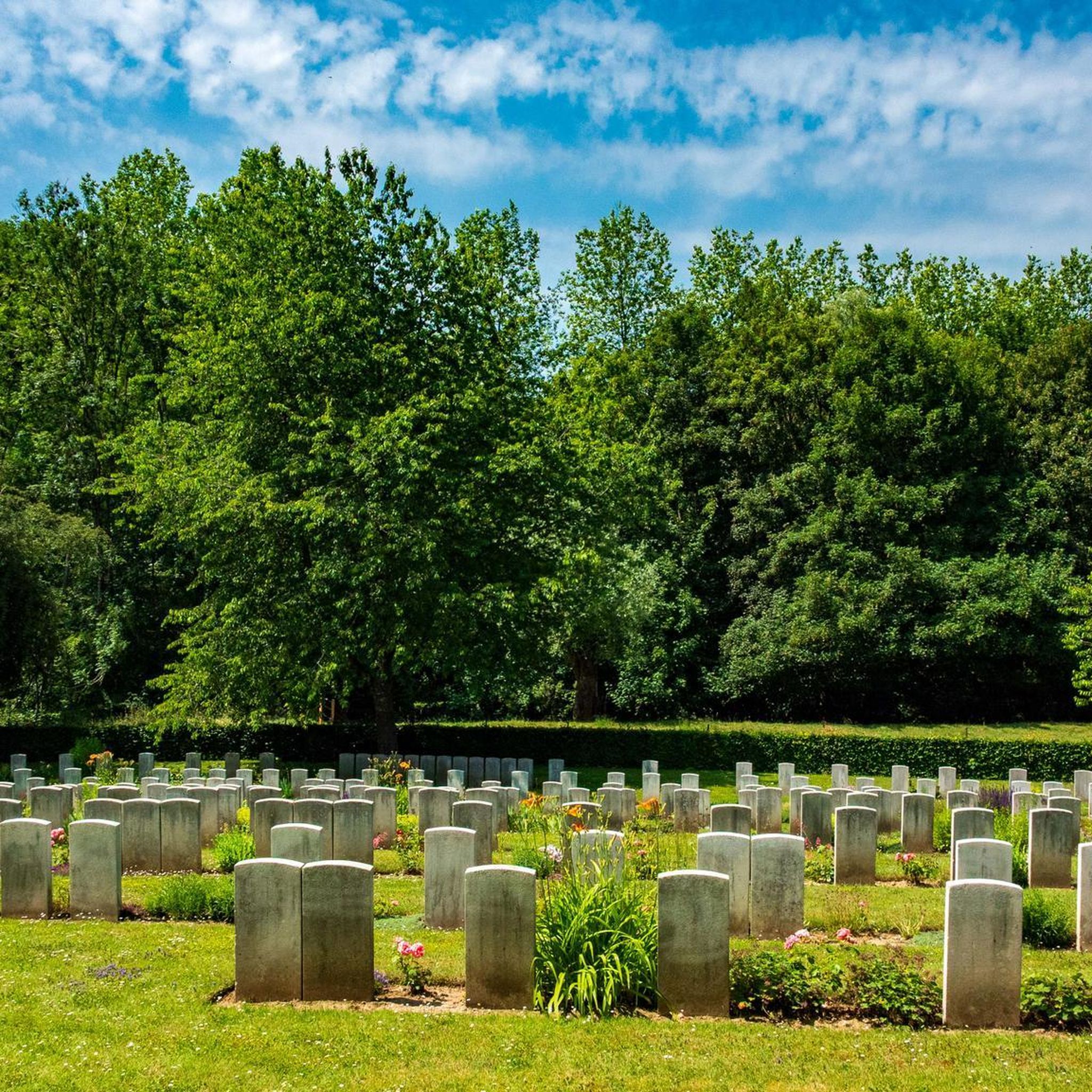
Grove Town Cemetery in Méaulte contains 1,392 graves: 1,365 British, 12 Canadian, 14 Australian, and 1 New Zealander. In September 1916, during the Battle of the Somme, two dressing stations were established at this site, which was known to the troops as Grove Town (grove = grove / town = town), where those who did not survive their wounds were buried until April 1917. In August and September 1918, following the victorious Allied counteroffensive, other bodies were also buried in this cemetery.
0
0
The Méaulte Military Cemetery was built in December 1915 and was in use until February 1917, although after the fighting of 1918 and the armistice, more bodies were buried there. It contains 312 graves (303 British, 2 Canadian, 1 Australian, and 6 Indian), including 21 unidentified bodies. The village of Méaulte was occupied by the British from 1915 until March 26, 1918, when it was captured by the Germans. It was finally liberated by the British 12th Division, supported by tanks, on August 22, 2018.
0
0
The extension to the Mesnil-Martinsart Communal Cemetery was built in July 1916, at the time of the Battle of the Somme, and contains 333 graves: 321 British, 5 Canadians, and 7 New Zealanders. Since the village of Mesnil was located near the front until September 1916, and again from March to August 1918, this cemetery was begun in July, at the time of the Battle of the Somme. Although bodies were still being buried in 1918, it was mainly after the armistice that a large number of bodies from the nearby battlefield, located northeast of Mesnil, were gathered here. This was the case for 141 British sailors and soldiers, as well as the Canadians from Mesnil Dressing Station Cemetery. This cemetery was located during the war to the west of the village, near a small railway line, which was mainly used to transport munitions. It was used from June 1916 to February 1917, and again from March to July 1918, mainly by the 63rd Division: the Royal Naval Division
0
0
Inaugurated in 1930 at a location known as Red Cross Corner, the Pozières Memorial comprises a cemetery with 2,756 graves (1,828 British, 708 Australian, 219 Canadian, and 1 German), including 1,374 unidentified, as well as a memorial commemorating 14,649 victims (14,328 British and 321 South African) who have no known grave, who fell during the German counterattack of March 1918. Their names are engraved on the walls surrounding it. Pozières was attacked on July 23, 1916, by the 1st Australian Division and the 48th (South Midland) Division, and was captured the following day. It was lost on March 24 and 25, 1918, during the major German advance, and recaptured by the 17th Division on August 24. Quote on the entrance pediment: "In memory of the officers and men of the 5th and 4th Armies who fought on the battlefields of the Somme between March 21 and August 7, 1918, and of those of their dead who have no known grave"
0
0
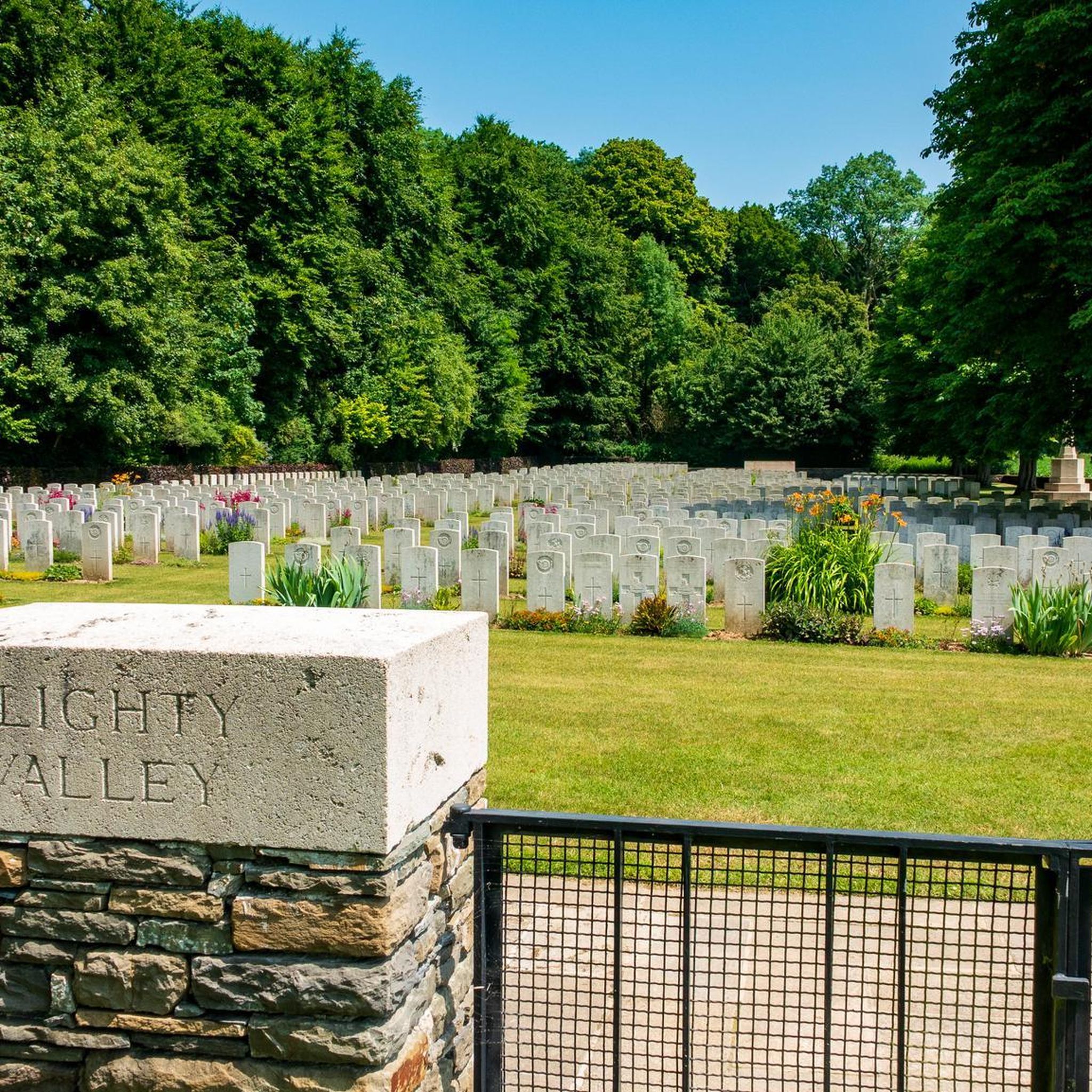
The extension of the Aveluy communal cemetery was built by the French, who occupied the village until July 1915. Then relieved by British troops, the latter continued to use it until November 1917. It contains 613 bodies: 549 British, 54 Australian, 7 Canadian, 1 South African, and 2 Indian - the latter three being part of labor units. The thirty graves of French soldiers were moved after the war to a necropolis
0
0
The foundations of the blockhouse, captured by the Australians on July 14, 1916, are still visible. It was actually an old cellar that had been reinforced and accessed through a concrete entrance. The village of Pozières had been heavily fortified by the Germans (defended by nearly 200 machine guns). It was located on a ridge (elevation 160) crossed by a double network of trenches. Two enormous blockhouses dominated the battlefield: "Gibraltar" at the southern entrance (coming from Albert), and "Le Moulin à Vent" at the northern entrance from Bapaume (which would not be captured until August 4).
0
0
Frequently Asked Questions
What is the typical difficulty of gravel bike trails around Authuille?
The gravel bike routes around Authuille are primarily of moderate difficulty. The terrain features gently rolling hills and rural paths, making them suitable for riders with some experience. This guide does not list any routes specifically rated as easy or difficult, focusing on the moderate experience.
Are there any beginner-friendly gravel bike routes in Authuille?
While all routes in this guide are rated as moderate, the general terrain around Authuille is characterized by gentle elevation changes. Beginners with a reasonable fitness level might find routes like the Aviation museum loop from Albert manageable, as it offers a good introduction to the region's landscape.
Are there any challenging or advanced gravel bike routes in Authuille?
The routes in this guide are predominantly moderate. However, for those seeking a longer challenge, the Newfoundland Memorial – Beaumont-Hamel trails loop from Albert is the longest at 52.2 miles (84 km) and features significant elevation gain, offering a more demanding experience.
What kind of landscapes can I expect on gravel bike trails near Authuille?
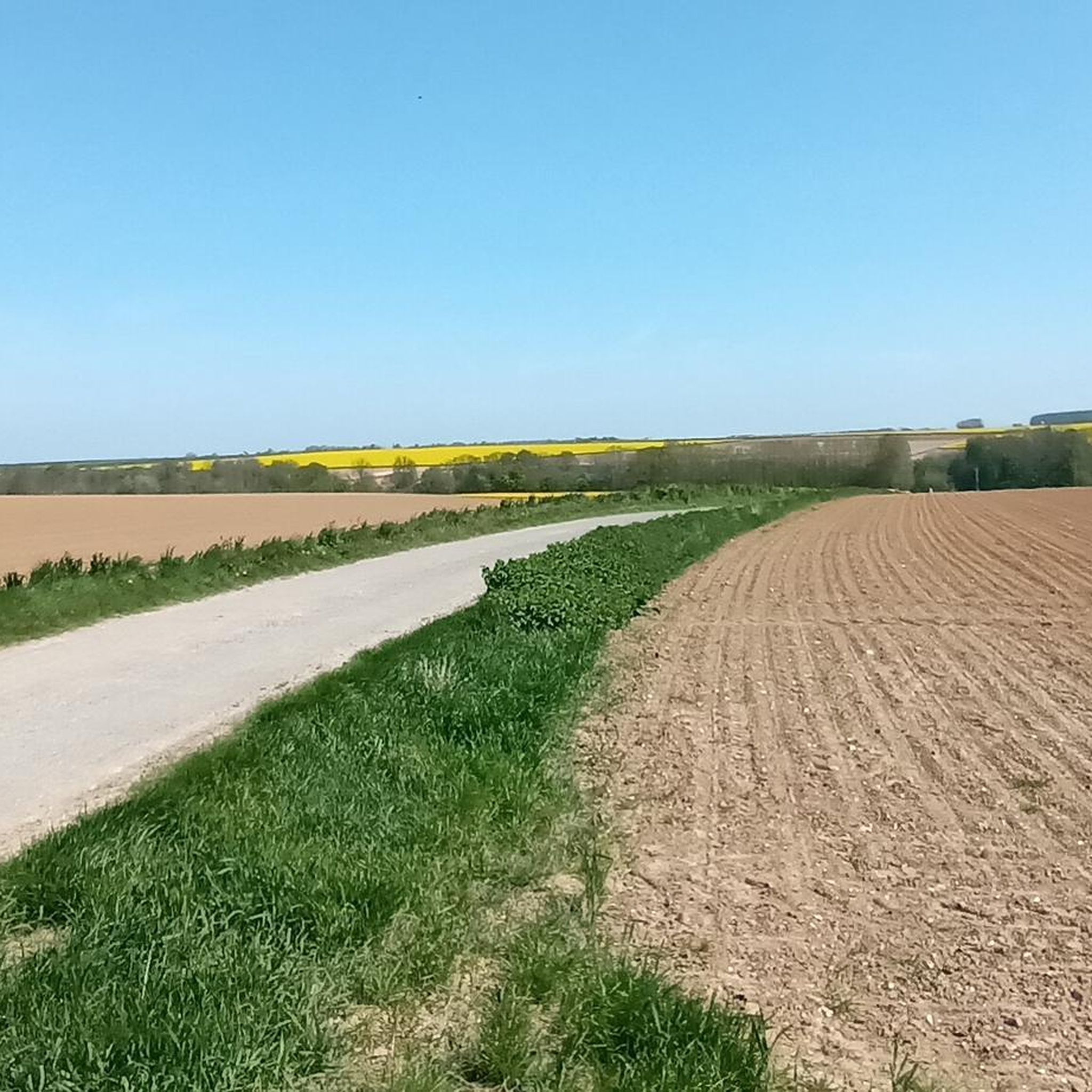
Gravel biking around Authuille takes you through open rural landscapes, characterized by gently rolling terrain and historical sites. You'll encounter a mix of rural paths and trails that connect various memorials and points of interest, offering a blend of natural beauty and historical significance.
Are there any circular gravel bike routes in the Authuille area?
Yes, many of the gravel bike routes around Authuille are designed as loops. For example, the Miraumont – Lavoir de St Pierre Divio loop from Miraumont and the Ulster Tower – Beaumont-Hamel trails loop from Miraumont are excellent circular options that allow you to start and finish at the same point.
What historical sites or landmarks can I see along the gravel bike trails?
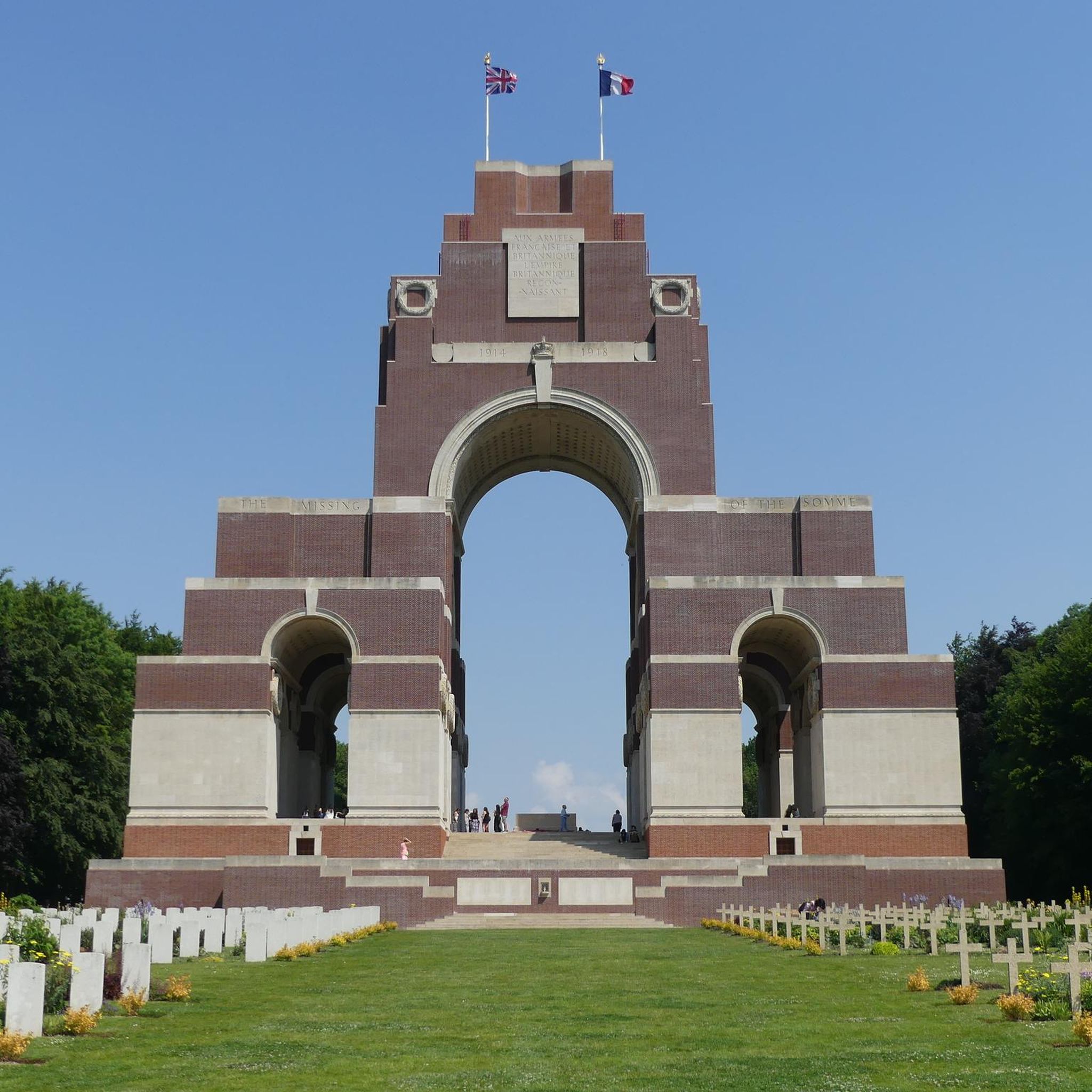
The Authuille region is rich in history. Many gravel routes pass by significant memorials and historical sites. You can explore highlights such as the Newfoundland Memorial, the Lochnagar Crater, and the Thiepval Memorial. The Ulster Tower – Beaumont-Hamel trails loop from Miraumont specifically leads through significant historical landscapes.
What is the best time of year for gravel biking in Authuille?
The gently rolling terrain and rural paths around Authuille are generally enjoyable throughout the spring, summer, and autumn months. Spring offers blooming landscapes, while summer provides longer daylight hours. Autumn brings beautiful foliage. Always check local weather forecasts before heading out, especially for potential rain which can affect trail conditions.
Are there any viewpoints or scenic spots on the gravel bike routes?
While the region is characterized by open rural landscapes rather than dramatic mountain views, many routes offer scenic vistas across the fields and historical sites. The Thiepval Memorial, for instance, offers a prominent viewpoint over the surrounding area, and routes often provide expansive views of the gently rolling countryside.
What is the longest gravel bike route available in this guide?
The longest gravel bike route featured in this guide is the Newfoundland Memorial – Beaumont-Hamel trails loop from Albert, covering a distance of 52.2 miles (84 km). This route offers an extensive exploration of the region's historical landscapes.
Is there parking available near the gravel bike trails in Authuille?
While specific parking locations are not detailed for each route, many of the routes start from towns like Albert or Miraumont. These towns typically offer public parking facilities where you can leave your vehicle before starting your gravel biking adventure.
What do other gravel bikers enjoy most about gravel biking in Authuille?
The komoot community frequently praises the unique blend of historical significance and peaceful rural landscapes found in Authuille. Riders often highlight the well-maintained paths that connect various memorials and the opportunity to explore a region rich in history on two wheels.
Most popular attractions around Authuille

Get inspired with the komoot mobile app


Explore more
Browse the best Gravel rides in other regions.
