The best gravel rides around Thiaville-Sur-Meurthe
4.0
(2)
16
riders
8
rides
Gravel biking around Thiaville-Sur-Meurthe offers routes through the forested landscapes of the Vosges foothills. The region features a mix of rolling hills, dense woodlands, and river valleys, providing varied terrain for gravel cyclists. Elevations range from gentle ascents to more challenging climbs, with many routes utilizing forest roads and tracks. The area includes significant natural sites like the Meurthe River and the foothills of the Vosges Mountains.
Best gravel bike trails around Thiaville-Sur-Meurthe
- The most popular gravel bike trail is…
Last updated: May 25, 2026
2
riders
28.7km
02:11
440m
440m
Moderate gravel ride. Good fitness required. Mostly paved surfaces. Suitable for all skill levels.
4.0
(1)
2
riders
19.6km
01:26
270m
270m
Moderate gravel ride. Good fitness required. Mostly paved surfaces. Suitable for all skill levels.

Sign up for free
2
riders
24.6km
01:39
340m
340m
Moderate gravel ride. Good fitness required. Mostly paved surfaces. Suitable for all skill levels.
4.0
(1)
2
riders
Hard gravel ride. Very good fitness required. Mostly paved surfaces. Suitable for all skill levels.
2
riders
Hard gravel ride. Very good fitness required. Mostly paved surfaces. Suitable for all skill levels.
Get access to more routes and recommendations from other explorers.
Sign up for free
Already have an account?
Our route recommendations are based on thousands of hikes, rides, and runs completed by other people on komoot.
Start today with a free account
Your next adventure awaits.
Login or Signup


Tips from the Community

La Pierre d'Appel is located in the Côte de Repy, above Etival Clairefontaine and offers a view of both the Meurthe valley up to St Dié and the Rabodeau valley.
0
0

The Pierre d’Appel is a rock located on the Madeleine massif, above Saint-Dié-des-Vosges. It was once used as a gathering place and signal point, hence its name. This promontory offers a beautiful view over the Meurthe valley while being situated in a typical Vosges forest environment, peaceful and steeped in local traditions.
0
0

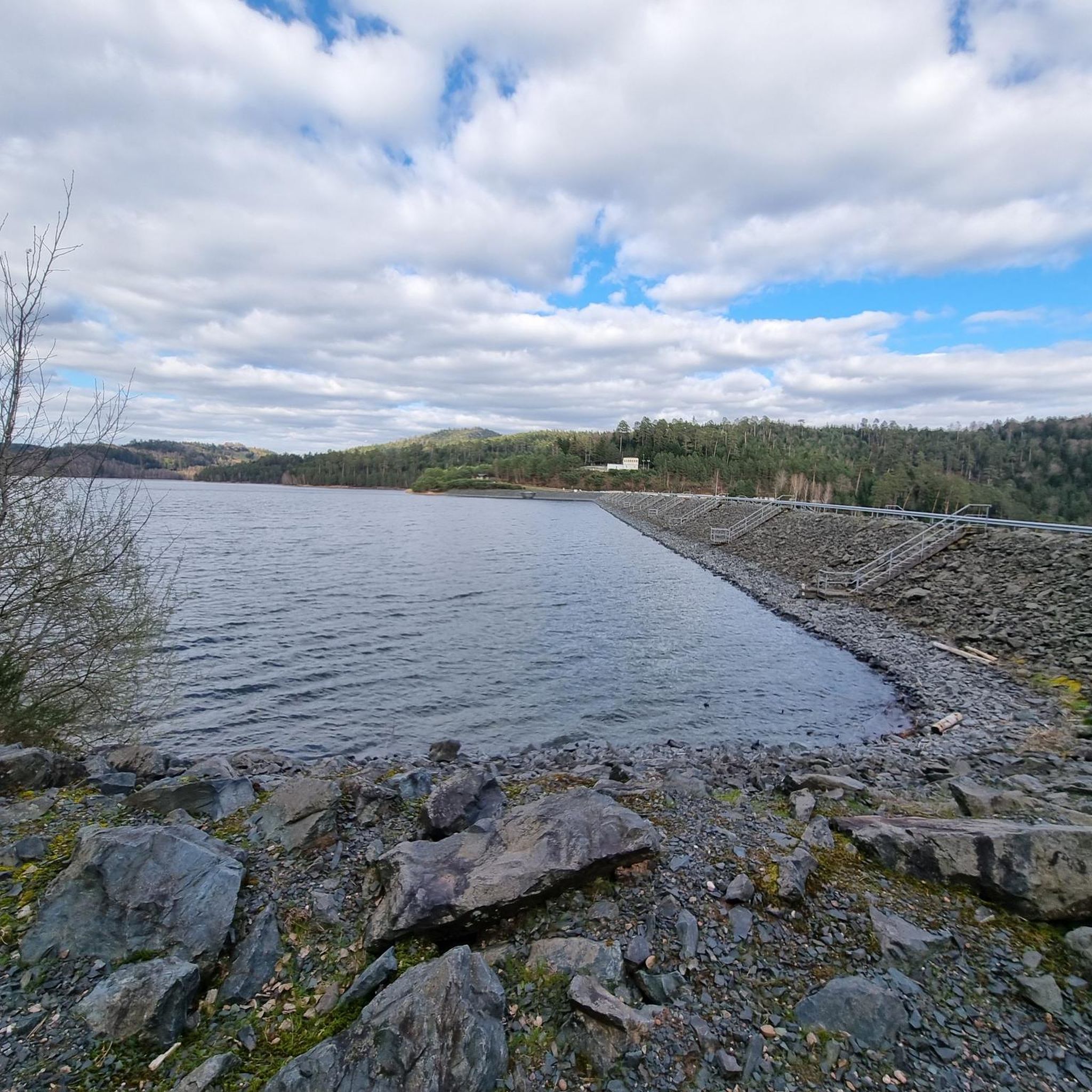
Situated in the heart of the Vosges, this dam, together with Lac de la Plaine, forms an important water reservoir. The dam was built to feed Lac de Pierre-Percée via an underground system. The climb up to it is gradual and rewards you with a view of the peaceful Lac de la Plaine. The road along the lake is ideal for a breather, with little traffic and lots of nature. Perfect for a short break or a photo opportunity during your ride.
9
0
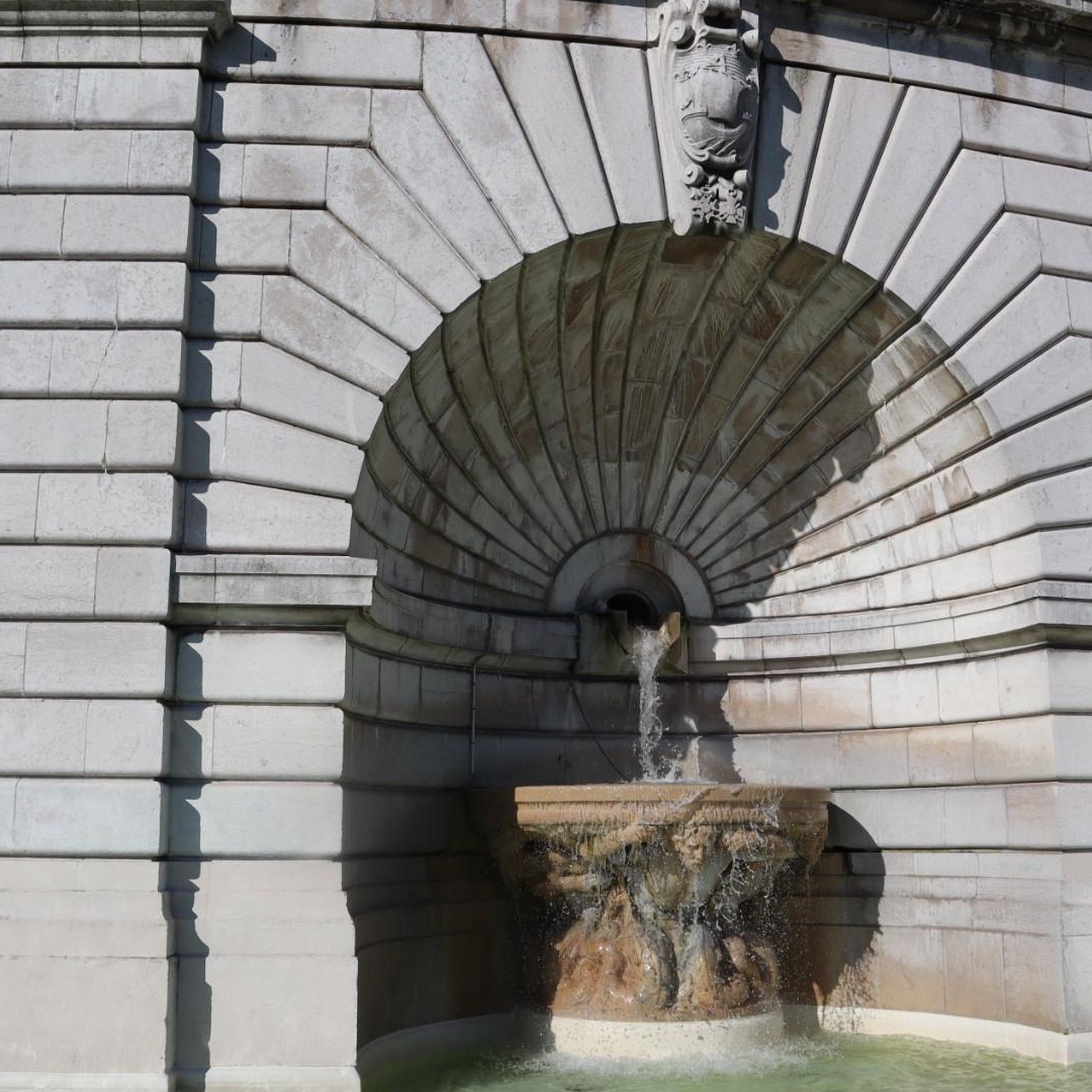
"The Église Saint-Martin in Badonviller is a rare example of religious architecture in the Louis XVI style (1788). Although it is of Romanesque origin, its elegant façade is particularly striking, which is one of the few remaining examples of this style in the Lorraine region. Together with the Chapel of the Visitation in Nancy, this church forms a unique duo. The church was badly damaged during the First World War and partially rebuilt afterwards.
6
0
Lac de la Plaine is a picturesque lake in the Vosges, located near Celles-sur-Plaine, near the larger Lac de Pierre-Percée. The lake is an artificial water reservoir of about 0.5 million m³ and serves as a supply basin for the reservoir above.
1
0


Near the Pierre-Percée lake, the Plaine lake is smaller, less known but just as charming. It also has the advantage of being bordered by a beautiful cycle path. Not the surface we prefer for mountain biking, but a great way to advance in the valley to access the many spots of the Vosges.
0
0

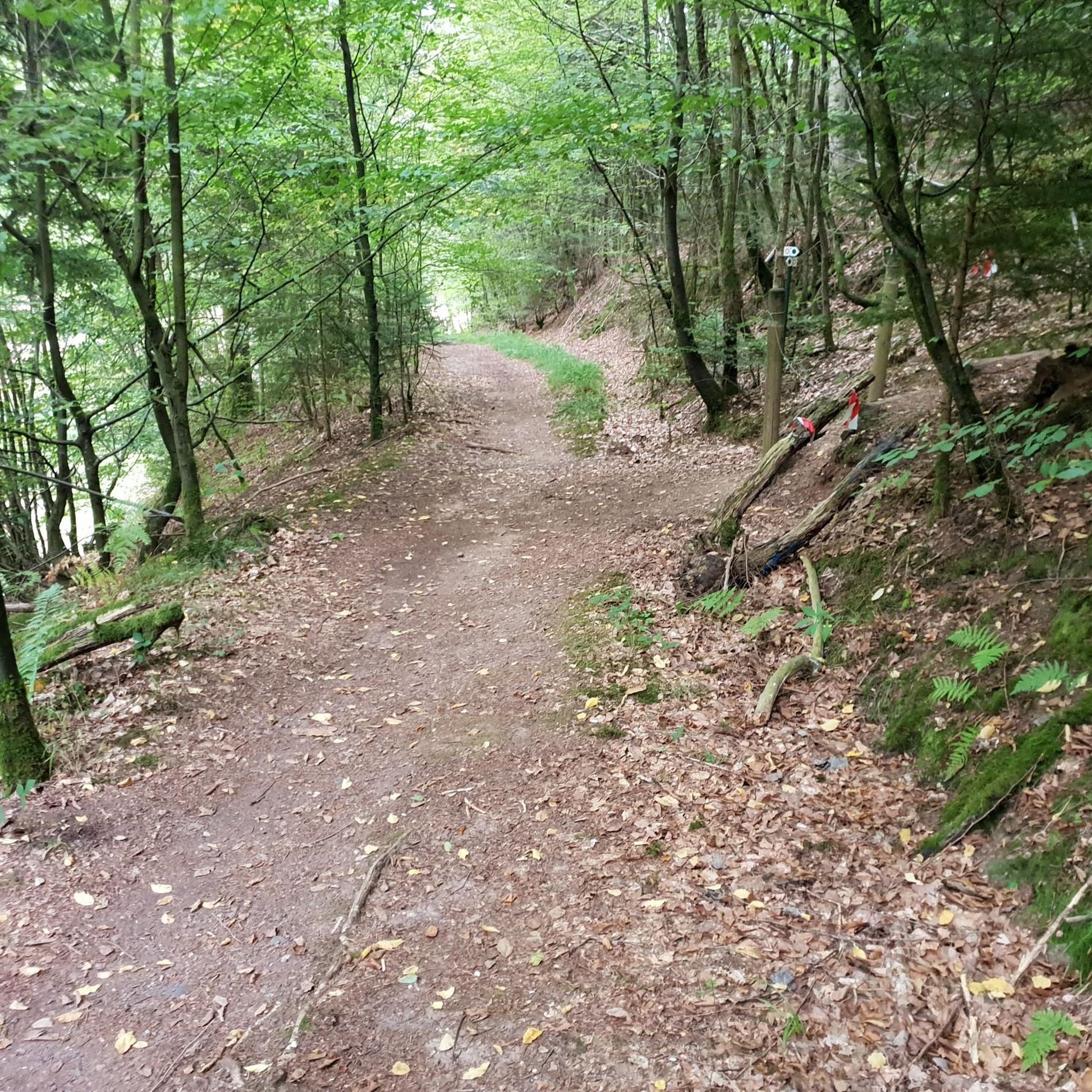
One of the most beautiful areas in Alsace/Lorraine. Ideal for cycling and hiking
2
0
Frequently Asked Questions
What kind of terrain can I expect on gravel bike trails around Thiaville-Sur-Meurthe?
The region is characterized by a mix of rolling hills, dense woodlands, and river valleys. You'll primarily find routes utilizing extensive forest roads and tracks, with elevations ranging from gentle ascents to more challenging climbs within the Vosges foothills.
Are there any beginner-friendly gravel bike routes in Thiaville-Sur-Meurthe?
While many routes offer a challenge, there are moderate options suitable for those newer to gravel biking. Consider the Lac de la Plaine – Lake La Plaine loop from Fenneviller, which is 23.9 km with a moderate difficulty, or the Chipotte Pass – Roman Road loop from Saint-Benoît-la-Chipotte, a 22.2 km moderate route.
Where can I find more challenging gravel bike routes?
For experienced gravel bikers seeking a challenge, the area offers several difficult routes. The Lake Maix – Prayé Forest Road loop from Raon-l'Étape is a substantial 70.5 km with significant elevation gain. Another difficult option is the View from Pierre d'Appel – The Calling Stone loop from Saint-Benoît-la-Chipotte, which is 30.2 km and features panoramic viewpoints and challenging ascents.
Are there any long-distance gravel bike routes in the Thiaville-Sur-Meurthe area?
Yes, for those looking for a longer ride, the Lake Maix – Prayé Forest Road loop from Raon-l'Étape stands out. This difficult route covers 70.5 km and involves nearly 1000 meters of elevation gain, making it a full-day adventure.
What are the best times of year for gravel biking in Thiaville-Sur-Meurthe?
Spring and autumn generally offer the most pleasant conditions for gravel biking, with cooler temperatures and vibrant foliage. Summer can also be enjoyable, especially in the shaded forest sections, but be prepared for warmer weather. Winter riding is possible, but conditions can be challenging with potential snow or ice on forest roads, so check local forecasts.
Are there any circular gravel bike routes available?
Yes, all the featured gravel bike routes in this guide are circular, allowing you to start and end at the same point. Examples include the Beeindruckende Wolkenszenario loop from Brû and the Lac de la Plaine – Lake La Plaine loop from Fenneviller.
What kind of viewpoints or natural landmarks can I see along the gravel bike trails?
The region offers several scenic spots. The View from Pierre d'Appel – The Calling Stone loop from Saint-Benoît-la-Chipotte specifically highlights the The Calling Stone, a notable viewpoint. You can also find beautiful lakes like Lake Pierre-Percée and Lac de la Plaine, which are often part of or near the routes.
Are there any lakes or water features to explore near the gravel routes?
Absolutely. The area is known for its beautiful lakes. You can explore Lake Pierre-Percée and Lac de la Plaine, both of which are prominent features in the landscape and often accessible from or visible on gravel routes. The Lac de la Plaine – Lake La Plaine loop from Fenneviller directly incorporates one of these scenic lakes.
What do other gravel bikers say about the trails around Thiaville-Sur-Meurthe?
More than 20 gravel bikers have used komoot to explore Thiaville-Sur-Meurthe's varied terrain. They often praise the extensive forest roads, rolling hills, and scenic lake areas, highlighting the diverse options available for different ability levels.
Is there parking available near the gravel bike trails?
Many of the routes start from villages or towns like Raon-l'Étape, Brû, Fenneviller, or Saint-Benoît-la-Chipotte, where public parking is generally available. It's advisable to check specific starting points for the most convenient parking options before your ride.
Are there any cafes or places to refuel near the gravel routes?
While the routes themselves often traverse natural, forested areas, you'll find cafes and small shops in the villages and towns where the routes typically start or pass through, such as Raon-l'Étape or Saint-Benoît-la-Chipotte. It's always a good idea to carry sufficient water and snacks, especially on longer routes.
Most popular routes around Thiaville-Sur-Meurthe
Most popular attractions around Thiaville-Sur-Meurthe

Get inspired with the komoot mobile app


Explore more
Browse the best Gravel rides in other regions.
