The best gravel rides around Madison
5.0
(2)
64
riders
6
rides
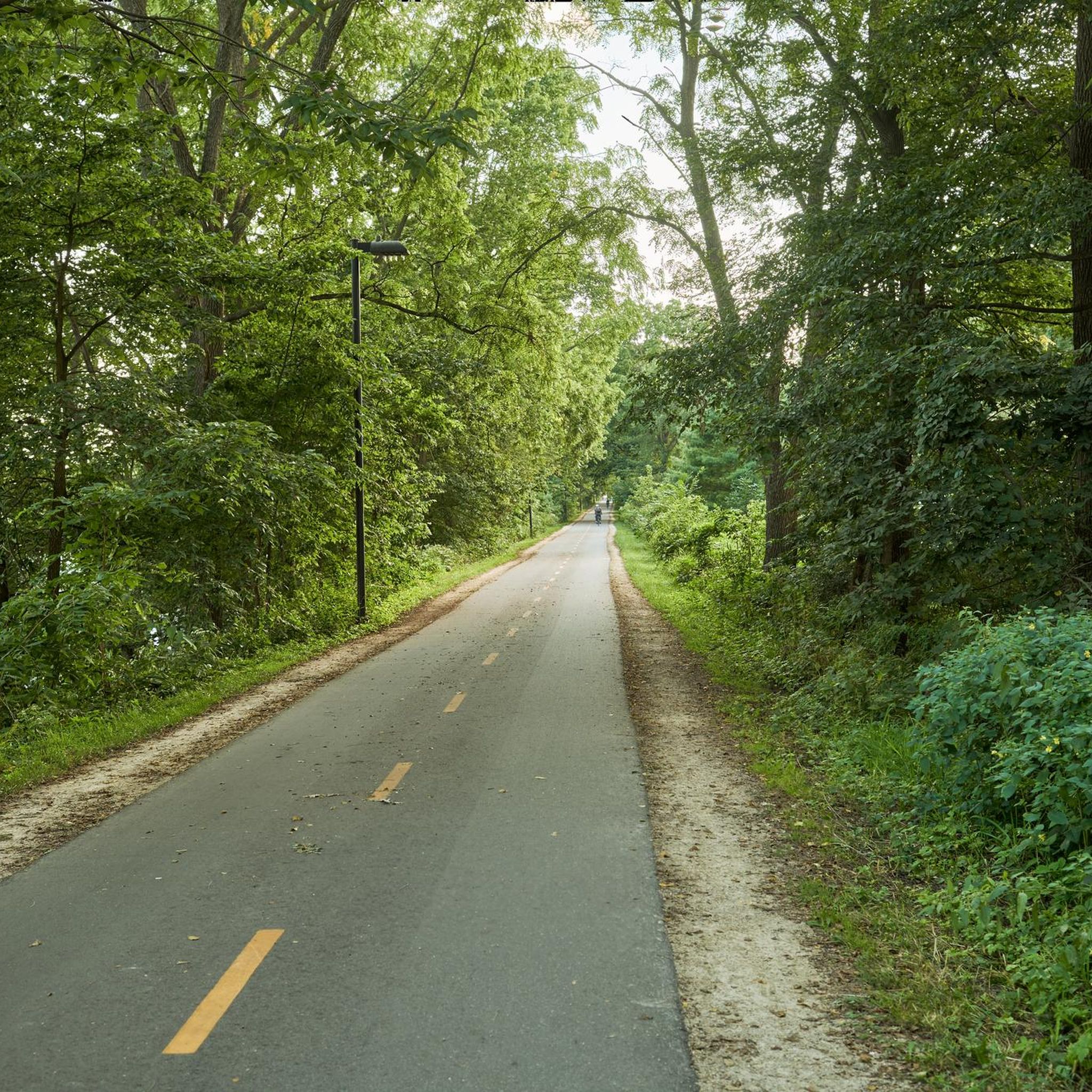
Gravel biking around Madison, Wisconsin, is characterized by its unique "lake-city-lake" landscape, featuring several major lakes and extensive trail systems. The region offers diverse natural features, including converted rail beds that provide relatively flat and scenic routes through meadows, farmlands, and rolling hills. These trails often traverse woodlands, savannas, prairies, and wetlands, providing varied terrain for gravel cyclists. The area's geology includes glacial landscape features, offering a mix of crushed limestone paths and packed-dirt surfaces.
Best gravel bike trails around Madison
- The most popular gravel bike trail is Sugar River Wetlands – The Turtle Watch Bridge loop from Verona, a 40.3 miles (64.8 km) trail that takes about 3 hours 20 minutes to complete. This moderate route explores the Sugar River Wetlands, offering scenic views and diverse natural habitats.
- Another top favourite among local gravel bikers is Dunn's Marsh – Dawley Conservancy Park loop from Raymond & Leland (EB), a moderate 29.9 miles (48.1 km) path. This route features varied terrain and passes through local conservancy parks.
- Local gravel bikers also love the Ice Age Trail Junction Area – Sugar River Wetlands loop from Ice Age Trail Junction Area, an 18.6 miles (29.9 km) trail leading through glacial landscape features, often completed in about 1 hour 30 minutes.
- Gravel biking around Madison is defined by its rail trails, lake views, and diverse ecosystems including prairies and wetlands. The network offers options for different ability levels, from easy loops to more challenging long-distance routes.
- The routes in Madison are highly rated by the komoot community with an average score of 5.0 stars from over 1 review. More than 30 gravel bikers have used komoot to explore Madison's varied terrain.
Last updated: October 5, 2026
19
riders
98.3km
05:02
520m
520m
Hard gravel ride. Very good fitness required. Mostly paved surfaces. Suitable for all skill levels.
5.0
(1)
14
riders
49.1km
02:22
180m
180m
Moderate gravel ride. Good fitness required. Mostly paved surfaces. Suitable for all skill levels.

6
riders
20.4km
01:03
70m
70m
Easy gravel ride. Great for any fitness level. Mostly paved surfaces. Suitable for all skill levels.
9
riders
97.2km
04:51
340m
340m
Moderate gravel ride. Good fitness required. Mostly paved surfaces. Suitable for all skill levels.
7
riders
Moderate gravel ride. Good fitness required. Mostly paved surfaces. Suitable for all skill levels.
Our route recommendations are based on thousands of hikes, rides, and runs completed by other people on komoot.
Start today with a free account
Your next adventure awaits.
Other adventures around Madison

Tips from the Community

All segments have full facilities along the trail with parking water & restrooms.
0
0
The Military Ridge State Trail follows an old railroad corridor through the rolling hills and farmland of southwestern Wisconsin, connecting Madison-area communities with Mount Horeb, Ridgeway, and Dodgeville. The crushed-limestone surface, gentle railroad grades, and frequent trail towns make it an excellent longer ride. It breaks nicely into three manageable out-and-back segments: Segment 1: Velo UnderRound to the Mount Horeb Station, 32.5 miles; Segment 2: Mount Horeb Station to the Ridgeway Railroad Station, 29.8 miles, or 31.7 miles with a detour up to Brigham Peak; and Segment 3: Ridgeway Railroad Station to Dodgeville, 18.5 miles. Segment 3 can also be extended into a 36.7-mile ride to Mineral Point using a variety of connecting routes. Taken together, the three segments offer an easy way to experience the western stretch of Military Ridge over several rides.
0
0
The village is historically famous for its incredible recovery after a devastating F5 tornado struck on June 8, 1984. The storm destroyed a large portion of the town, but residents rebuilt the community completely, celebrating their centennial in 2006. David Simpson founded the community in 1881 after offering a railroad right-of-way for $1 in exchange for a local depot. It was first called Simpsonville before being named Barneveld, likely after a railroad surveyor's Dutch hometown or a local's favorite poet. It officially incorporated as a village in 1906.
0
0
Right if the Glacial Drumlin State Trail. Public parking.
0
0
Free & open shrine with quiet grounds, small park, gazebo, garden, and admin building.
0
0

Dawley Conservancy Park is beautiful, covering 42 acres of woodlands, prairies, and wetlands. There are walking trails, abundant wildlife, and active conservation efforts aimed at restoring native plant communities. The park also connects to the Capital City State Trail, making it a scenic hub for local cyclists.
0
0

Library Park, in the heart of Belleville, is a hub for community life and historical significance. In 1851, the park was originally a public grazing ground and the site of early Native American trails. It became the location for Belleville's village hall, built in 1894, which also housed a library, firehouse, and jail. Today the park hosts holiday celebrations, fairs, concerts, and free summer movies. Visitors can use the water fountain, picnic tables, and a museum maintained by the Belleville Area Historical Society.
0
0
The 5.6-mile Southwest Commuter Path, also called the Southwest Commuter Path, connects Brittingham Park on Lake Monona to the Capital City State Trail at Arrowhead Park in Fitchburg. It is paved with asphalt and follows the route of the Illinois Central Railroad branch built in 1887. The trail shares history with the crushed-stone Badger State Trail, which continues south to the Illinois border.
0
0
Frequently Asked Questions
How many gravel bike trails are available in the Madison area?
Madison offers a good selection of gravel biking routes. Our guide features 6 distinct gravel tours, ranging from easy to difficult, ensuring options for various skill levels.
What kind of terrain and surfaces can I expect on Madison's gravel trails?
Madison's gravel trails primarily utilize converted rail beds, offering relatively flat and scenic routes. You'll encounter a mix of crushed limestone paths and packed-dirt surfaces, winding through meadows, farmlands, rolling hills, woodlands, savannas, prairies, and wetlands. Some sections, like parts of the 'Cheese Triangle', can be rougher.
Are there any family-friendly or easy gravel routes around Madison?
Yes, Madison has several easy gravel routes suitable for families or beginners. For instance, the Ice Age Trail Junction Area loop is an easy 18.6-mile trail that can be completed in under two hours, offering a gentle introduction to the area's glacial landscape features.
What are some more challenging gravel routes for experienced riders?
For a more challenging experience, consider The Turtle Watch Bridge – Military Ridge State Trail loop from Verona. This difficult 58.9-mile route connects to the Military Ridge State Trail, passing through agricultural lands and woods, and typically takes over six hours to complete.
What natural features or landmarks can I see along the gravel trails?
Madison's gravel trails often pass through diverse natural settings. You can explore areas like the University of Wisconsin–Madison Arboretum with its varied ecosystems, or the expansive Cherokee Marsh. Many routes also offer scenic views of Madison's iconic lakes, such as Lake Wingra or Lake Mendota. The Olbrich Botanical Gardens are also a beautiful stop nearby.
Are there any loop gravel routes in the Madison area?
Yes, many of Madison's gravel routes are designed as loops. For example, the Sugar River Wetlands – The Turtle Watch Bridge loop from Verona is a moderate 40.3-mile path that explores the scenic Sugar River Wetlands.
What is the best time of year for gravel biking in Madison?
The best time for gravel biking in Madison is generally spring through fall. These seasons offer pleasant temperatures and vibrant scenery, from spring blooms to autumn foliage. While winter biking is possible, conditions can be challenging due to snow and ice.
Do I need a permit to ride gravel trails in Madison?
Some of Madison's rail trails, such as the Badger State Trail, Military Ridge Trail, and Sugar River State Trail, may require a state trail pass for cyclists aged 16 and older. It's advisable to check the Wisconsin DNR website for current requirements before you ride.
What tire width is recommended for Madison's gravel trails?
Given the mix of crushed limestone and packed-dirt surfaces, and potentially rougher sections on routes like the 'Cheese Triangle', a tire width of around 42mm is generally recommended for a comfortable and efficient ride on Madison's gravel trails.
What do other gravel bikers enjoy most about Madison's trails?
The gravel biking routes around Madison are highly rated by the komoot community, with an average score of 4.6 stars. Riders often praise the diverse ecosystems, scenic lake views, and the well-maintained rail trails that make for enjoyable rides.
Is public transport available to reach trailheads in Madison?
Madison has a public transportation system, Metro Transit, which serves various parts of the city and surrounding areas. While some routes may get you close to trailheads, direct access can vary. It's best to check specific bus routes and schedules in relation to your chosen trailhead.
Can I bring my dog on Madison's gravel bike trails?
Many of Madison's trails, including segments of the rail trails, are dog-friendly, provided dogs are kept on a leash. However, policies can vary by specific trail or park, so it's always a good idea to check local regulations for the particular route you plan to ride.
Most popular routes around Madison
Most popular attractions around Madison

Get inspired with the komoot mobile app


Explore more
Browse the best Gravel rides in other regions.
