Top 5 Castles around Lussan
Best castles around Lussan are found in a picturesque village nestled in the Gard department of southern France. This region is known for its rich history, reflected in its notable castles and fortifications. Lussan, recognized as one of France's "Plus Beaux Villages," offers a medieval experience with panoramic views. The elevated position of Lussan provides extensive views of the surrounding countryside.
Best castles around Lussan
- The most popular castles is Castellas de Bouquet Ruins, a castle that is a…
Last updated: September 28, 2026
Castellas de Bouquet Ruins
Highlight • Castle
Translated by Google •
Tip by

Panoramic view of Le château d'Allègre
Highlight • Other
Translated by Google •
Tip by

Sign up now to discover places like this
Get recommendations on the best single tracks, peaks, & plenty of other exciting outdoor places.
Château de Cornillon
Highlight (Segment) • Castle
Translated by Google •
Tip by

Château de la Fare
Highlight • Castle
Translated by Google •
Tip by

Start today with a free account
Your next adventure awaits.

Tips from the Community

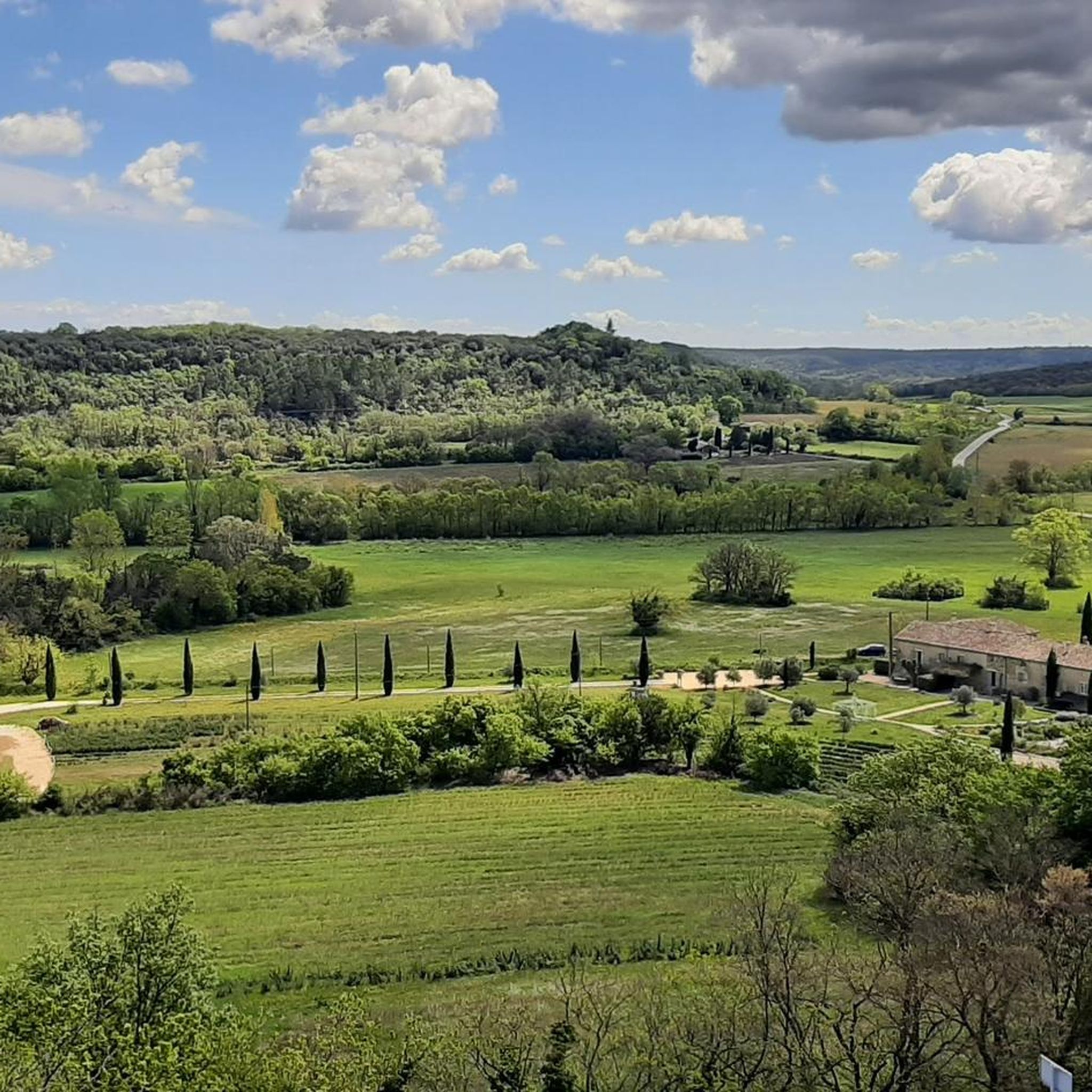
Despite its current state, which is essentially in ruins, the castle (or more accurately, Castrum) of Allègre remains impressive and bears witness to nearly 10 centuries of history. It features towers and stately homes, a double rampart, a chapel, and a village. Located at an altitude of 275 meters, overlooking the middle valley of the Cèze, the entire site covers one and a half hectares and offers a sublime panorama of Mont Bouquet and the entire Cévennes (orientation table). Very close to the D37, the tour is best done on foot after leaving your bike in the parking lot.
1
0
Very nice site, accessible by gravel or mountain bike from the Bouquet road and from the Bourricot pass, it is located in a Natura 2000 zone. Presence of several picnic tables with beautiful panoramas in all directions.
0
0

The village of Cornillon stretches lazily on a rocky outcrop. Its viewpoint offers a magnificent panorama of the Cèze valley 🏞️ Strolling through the picturesque alleys and arched passages allows you to enjoy this charming village where time seems to have stood still. The short walk passes by beautiful old houses, as well as workshops of artists, painters and potters who have settled in the village. The ramparts and the remains of the old feudal castle 🏰 bear witness to a prestigious past closely linked to the history of the Popes of Avignon.
0
0


The history of the Château de la Fare begins in the 12th century with the construction of a watchtower, at the foot of which a fortified house was built in the 13th century, blending into the village walls. The current castle dates from the 16th century and was rebuilt after a fatal fire.
1
0

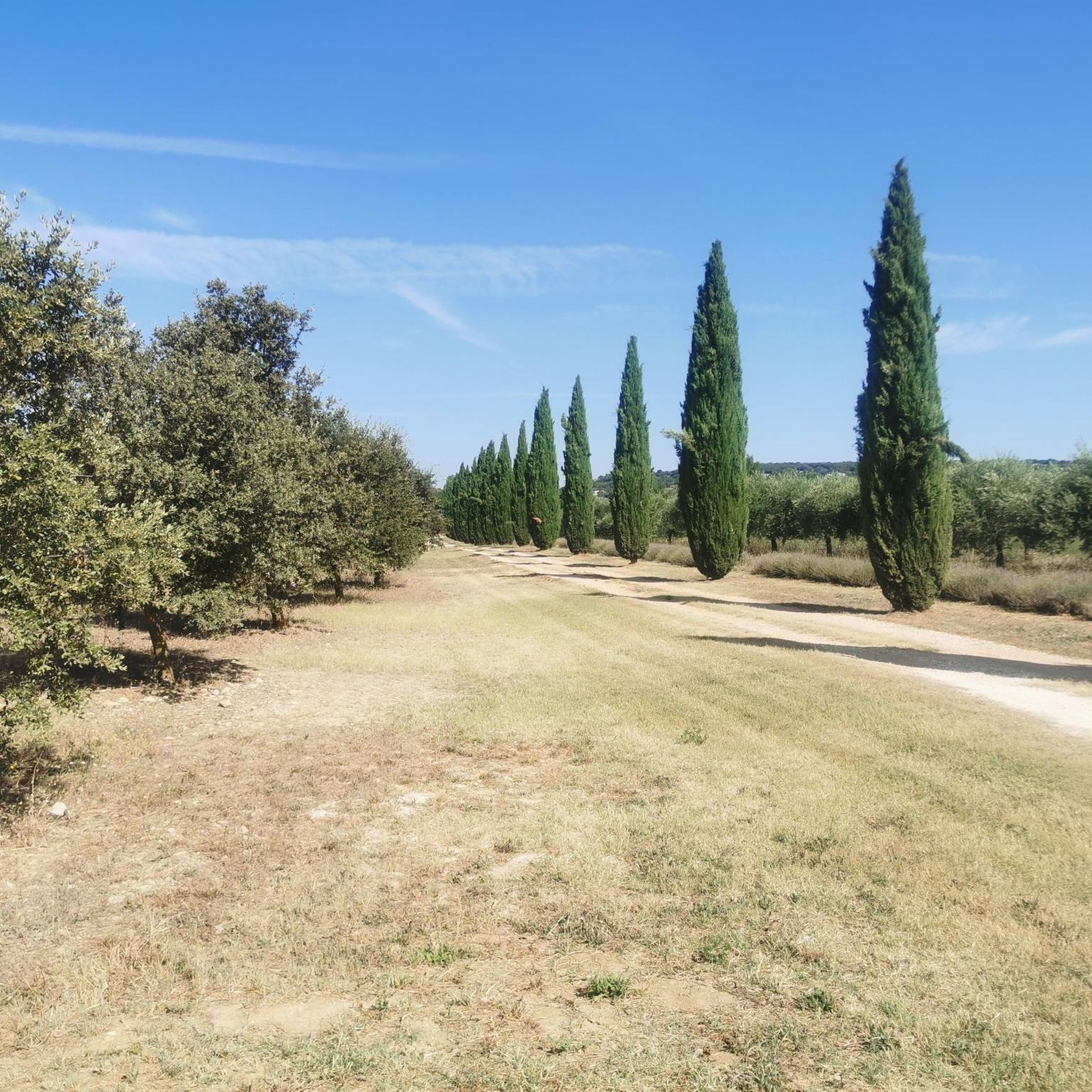
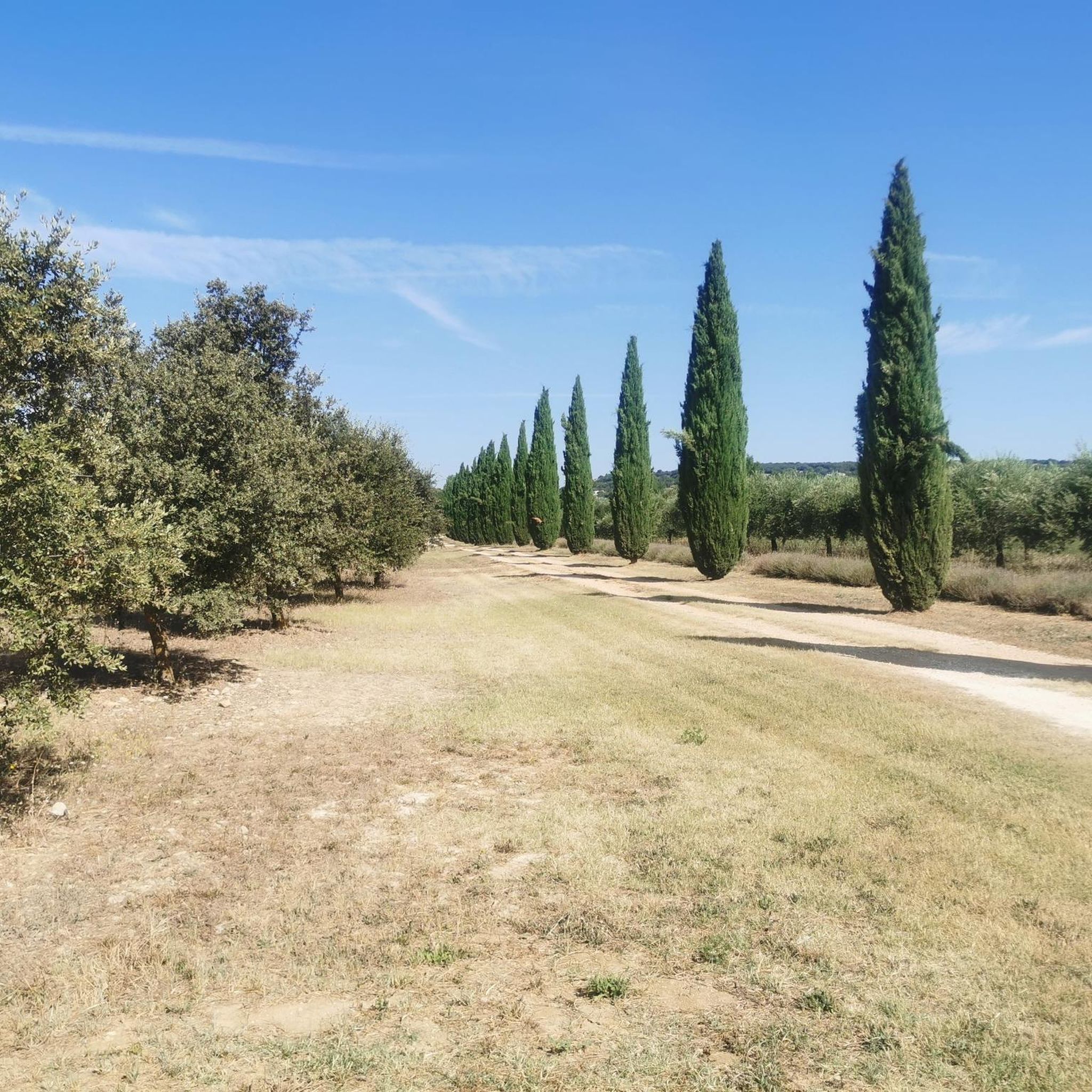
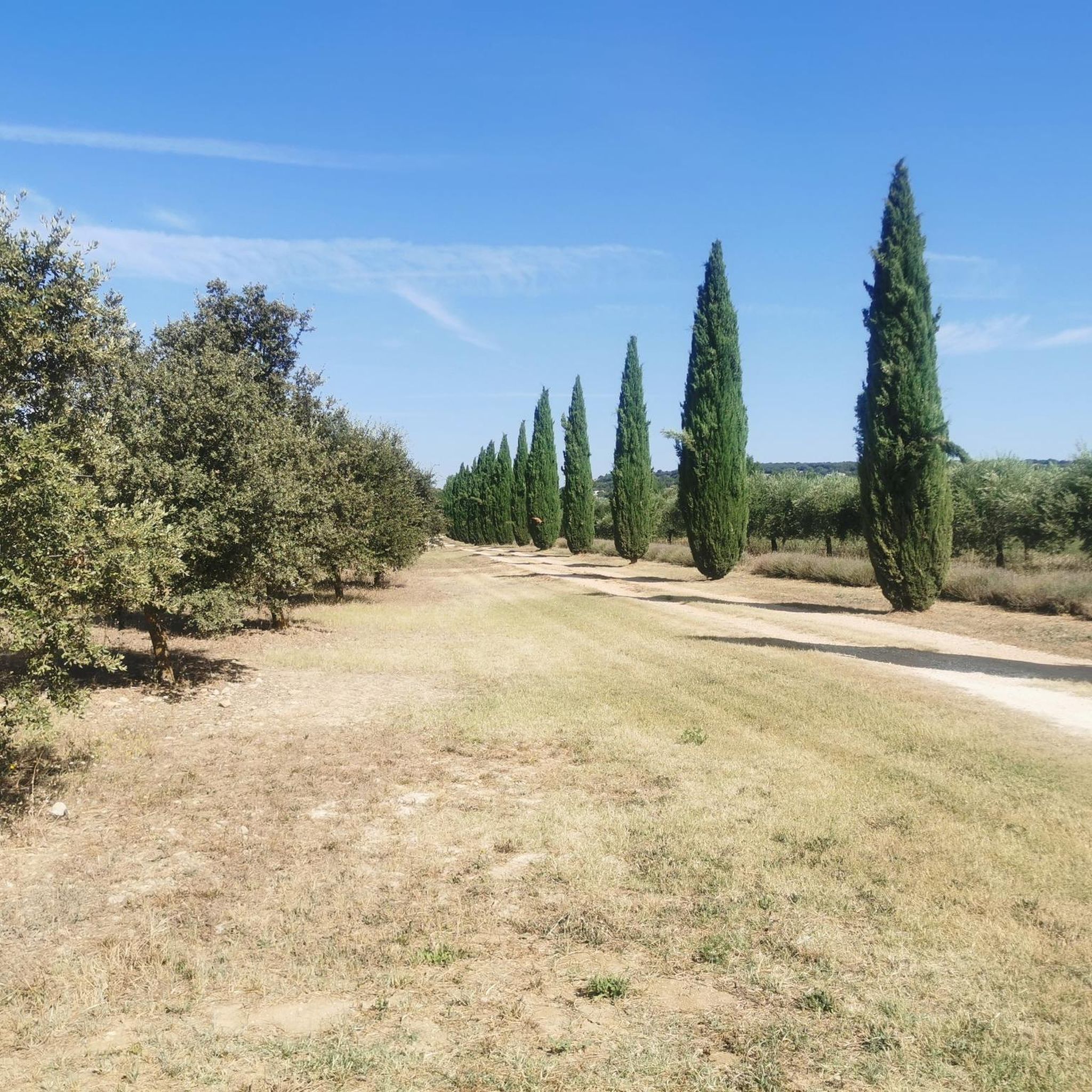
The Castellas de Bouquet is a medieval castle in ruins, perched north of the promontory of Mont Bouquet.
0
0

Great view over the Cevennes and Mont Bouquet
1
0

Perfect spot for distant gazing
1
0
Frequently Asked Questions
What types of castles can I explore around Lussan?
The Lussan area offers a mix of well-preserved structures and ancient ruins. You can find imposing 15th-century castles like the Château de Lussan, which now serves as the town hall, as well as significant ruins such as the Castellas de Bouquet Ruins and the Panoramic view of Le château d'Allègre, which still showcase impressive historical features.
Are there hiking or cycling routes that pass by the castles near Lussan?
Yes, the region around Lussan is excellent for outdoor activities. For example, the Castellas de Bouquet Ruins are accessible by gravel or mountain bike. You can find various routes, including a 'Bourricot Pass – Castellas Castle Ruins loop from Fons-sur-Lussan' for gravel biking, or a 'Lussan – Bourricot Pass loop from La Bruguière' for cycling. Explore more options in the Gravel biking around Lussan and Cycling around Lussan guides.
What are some notable historical castles in Lussan itself?
Within the village of Lussan, the most prominent is the 15th-century Château de Lussan, built for the Lords of Audibert. It features a square shape with substantial corner towers and now functions as the village's town hall. Additionally, the village has the ruins of the 12th-century Château du Verger, offering a glimpse into earlier defensive structures.
Can I visit the Château de Lussan? What is its current use?
Yes, the Château de Lussan is easily accessible as it serves as the village's town hall (mairie). Visitors can explore the stateroom, which boasts a beautiful 17th-century painted ceiling, and sometimes art galleries are housed there. A stroll along the recently restored ramparts provides superb panoramic views.
Are there any significant castle ruins worth visiting for their historical significance?
Absolutely. The Castellas de Bouquet Ruins are a medieval castle perched on Mont Bouquet, located in a Natura 2000 zone. Another impressive ruin is the Panoramic view of Le château d'Allègre, which despite its ruined state, still features towers, stately homes, and a double rampart, bearing witness to nearly 10 centuries of history.
What kind of views can I expect from the castles in the Lussan area?
The elevated position of Lussan and its castles offers extensive and superb panoramic views. From the ramparts of the Château de Lussan, you can see over the Cévennes region, the Ardèche mountains, and Mont Ventoux. The Panoramic view of Le château d'Allègre also provides a sublime panorama of Mont Bouquet and the entire Cévennes.
Are the castles around Lussan suitable for families?
Many castles in the Lussan area, especially those integrated into charming villages like Lussan itself, offer a family-friendly experience. Exploring the car-free medieval streets and the ramparts of the Château de Lussan can be an engaging activity for children. Ruined castles like Castellas de Bouquet Ruins also offer opportunities for exploration and picnics.
What is the best time of year to visit the castles around Lussan?
Lussan and its surrounding castles are beautiful year-round. However, spring and autumn offer pleasant temperatures for exploring the outdoor sites and enjoying the panoramic views without the intense heat of summer. The medieval village experience is charming in any season.
Are there any cafes or places to eat near the castles in Lussan?
Yes, Lussan is a charming village with amenities. You can find cafes and places to eat within the village itself, especially near the Château de Lussan which is now the town hall. For example, near Château de la Fare, there's a coffee break spot and a bakery.
What is special about the village of Lussan where many of these castles are located?
Lussan is officially recognized as one of France's 'Plus Beaux Villages' (Most Beautiful Villages). It offers a charming medieval experience with car-free streets, panoramic views, and a rich history. Its elevated position provides extensive views of the surrounding countryside, making the approach to the village and its castles a picturesque experience.
Are there any lesser-known or 'hidden gem' castles near Lussan?
While not entirely hidden, the Château de la Fare is a historical site with roots in the 12th century, rebuilt in the 16th century after a fire. It offers a glimpse into the region's past beyond the more prominent Lussan castles. The village of Cornillon, with its Château de Cornillon ruins, also offers a charming, less-traveled experience.
What can I see at the Château du Verger ruins?
Only the walls remain of the 12th-century Château du Verger, Lussan's second historical stronghold. Despite its ruined state, you can still observe interesting features such as 'meurtrieres' (slots through which shots were fired), a postern, and a well, offering insight into medieval military architecture.
Is the Château de Fan accessible to the public?
The Château de Fan, built shortly after the Château de Lussan and following a similar design, is now privately owned. However, its park is accessible to the public. A Gallo-Roman statue found in its grounds is sometimes displayed in the lobby of the Château de Lussan.
Most popular attractions around Lussan

Get inspired with the komoot mobile app


Explore more
Looking for the best castles somewhere else? Discover other guides around Lussan:
