Top 3 Castles around Émerchicourt
Castles around Émerchicourt offer a glimpse into the region's rich historical landscape, particularly through sites like the Motte Castrale d'Hasencort. This area, situated in the Nord department of France, features remnants of medieval fortifications and later architectural developments. The "mont d'Azincourt," a significant earth mound with discernible moats, provides a visible representation of a former motte-and-bailey castle. The landscape also showcases the evolution from defensive structures to 18th-century farm buildings, separating the Escaut and Scarpe valleys.
Best castles around Émerchicourt
- The most popular castles is Gœulzin Castle., a medieval fortress. Its ruins, dating from the 17th century, show the remains of walls, towers, and a main facade with stepped gables, having been pillaged and abandoned during the Great War.
- Another must-see spot is The Orangery Castle, a historical site built in the late 18th century. Visitors can observe its 1920s reconstruction after being destroyed in 1918, and its surrounding park is listed in the pre-inventory of remarkable gardens.
- Visitors also love Country house of the Abbey of Saint-Aubert in Cambrai, a 17th-century castle. This historical monument, with its moats and bridges classified since 1983, once served as the headquarters for Jagdgeschwader during World War I.
- Émerchicourt is known for its medieval motte-and-bailey sites, 17th-century castles, and 18th-century country houses. The region offers a variety of historical structures, from ruins to rebuilt estates, showcasing different periods of local architecture.
- The castles around Émerchicourt are appreciated by the komoot community, with more than 17 upvotes and 8 photos shared by visitors.
Last updated: May 9, 2026
The Orangery Castle
Highlight • Parking
Roucourt Castle was built at the end of the 18th century by Monsieur Béranger, a cannon founder under the Empire.
…During World War I, the castle was occupied by the squadron and men of Captain Baron Von Richthofen, known as the "Red Baron," who sheltered his planes in the avenue of over 100-year-old lime trees that precede the entrance gate.
Destroyed by fire in 1918, it was rebuilt between 1921 and 1923 and restored in 1997 by Colette and Guy Becquet de Mégille, the current owners.
Translated by Google •
Tip by

Country house of the Abbey of Saint-Aubert in Cambrai
Highlight • Historical Site
Translated by Google •
Tip by

Sign up now to discover places like this
Get recommendations on the best single tracks, peaks, & plenty of other exciting outdoor places.
Sign up for free
Gœulzin Castle.
Highlight • Castle
During the Great War, this castle was occupied by German troops, pillaged and abandoned. Its ruined state dates from this period.
Translated by Google •
Tip by

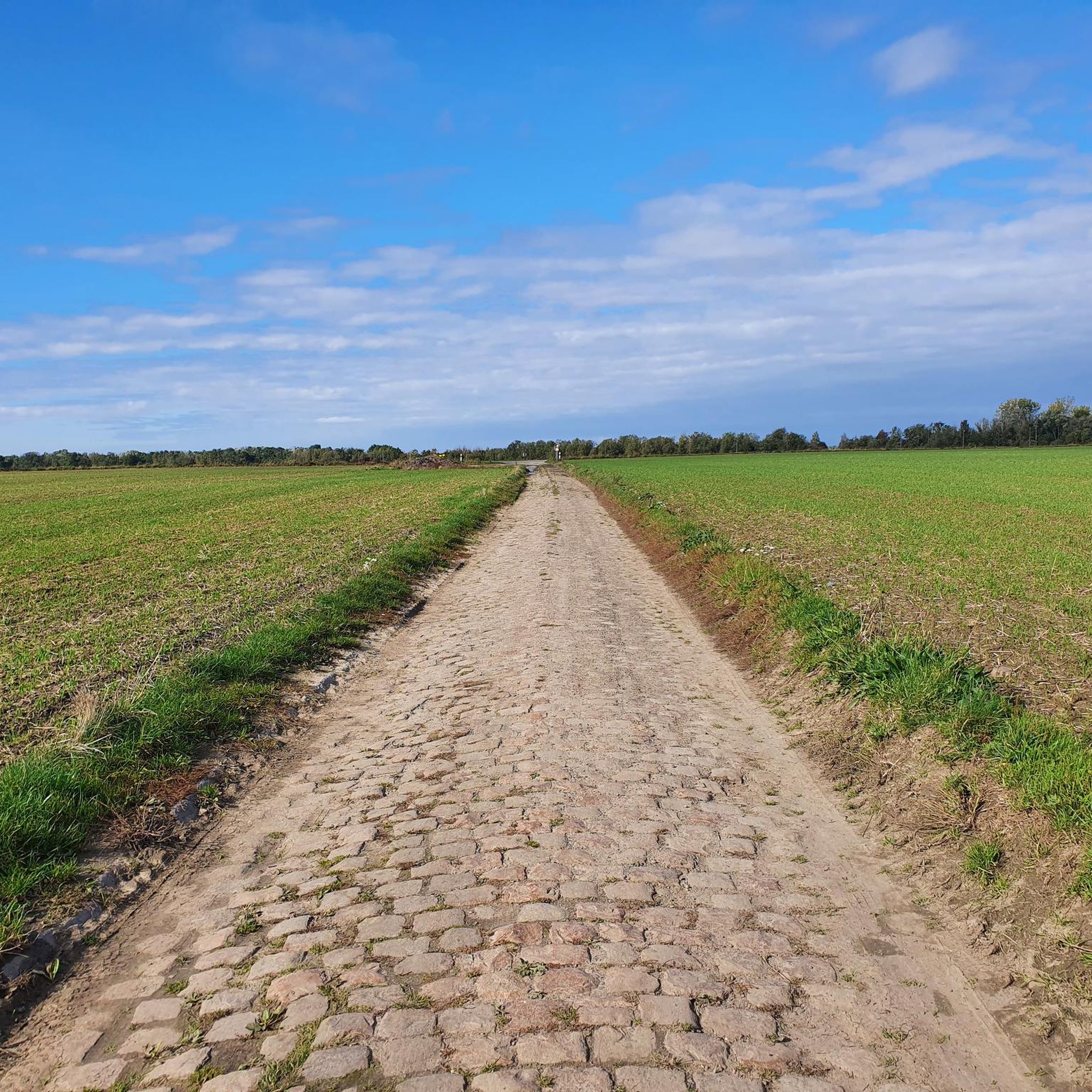
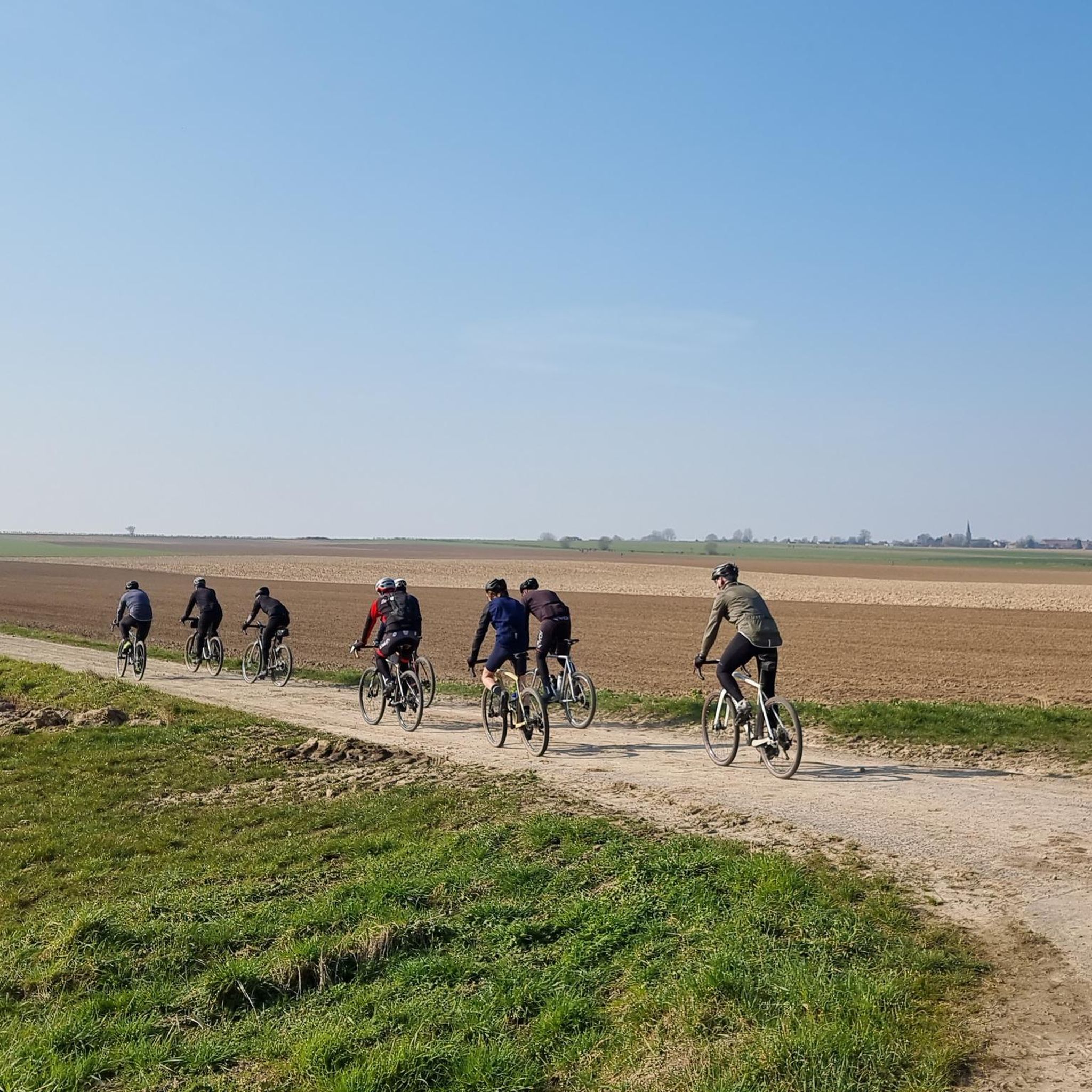
Paved area Jean-René Bernaudeau
Highlight (Segment) • Castle
The Wasnes-au-Bac side is in better condition.
It was taken by the Tour de France 2022 (Sector n°9).
Translated by Google •
Tip by

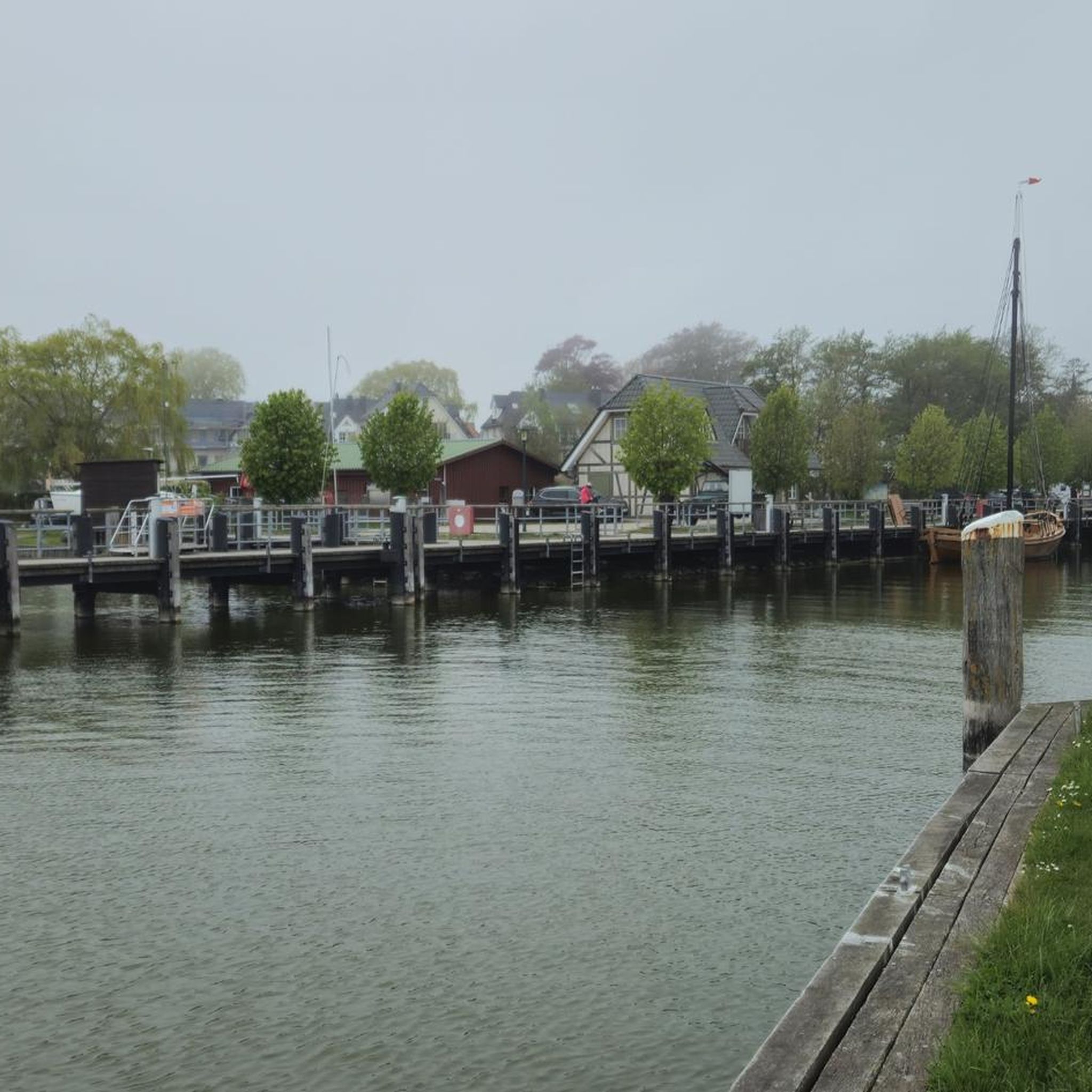
Thun-Saint-Martin, the little Venice of Cambrésis
Highlight • Settlement
1° Sanctuary of the Unity of Schoenstatt: Chapel erected on the very spot where Joseph Engling, a young seminarian and one of the first disciples of the movement, was fatally shot on October 4, 1918. He would rest in the ossuary German from the military cemetery on the road to Solesmes in Cambrai. Throughout the year, pilgrims from all over the world come to visit this Marian sanctuary.
2° Manorial castle of the Herbais de Thun family
3° Saint-Martin Church (15th century)
Translated by Google •
Tip by
Start today with a free account
Your next adventure awaits.
Login or Signup

Tips from the Community

Magnificent..I love walking there to see the deer 😍
1
0

A Brief History Note. Roucourt Castle was built at the end of the 18th century by Monsieur Béranger, a cannon founder under the Empire. …During World War I, the castle was occupied by the squadron and men of Captain Baron Von Richthofen, known as the "Red Baron," who sheltered his planes in the avenue of over 100-year-old lime trees that precede the entrance gate. Destroyed by fire in 1918, it was rebuilt between 1921 and 1923 and restored in 1997 by Colette and Guy Becquet de Mégille, the current owners.
3
0


Medieval Gœulzin Castle from the 17th century. During the Great War, this castle was occupied by German troops, pillaged and abandoned. Its ruined state dates from this period.
5
0

The ruins of Goeulzin Castle are what remains of a medieval fortress which was burned down twice in the 16th century and rebuilt by a Count of Bucquoy. The castle, located in the marshy Sensée valley, played a defensive role until the 18th century, when it was abandoned and pillaged. We can still see the remains of its walls, its towers and its main facade with this characteristic plan of stepped gables. You can also admire the neighboring tower which served as an ice house and dovecote in the 18th century.
3
0

Thun-Saint-Martin nicknamed as the little Venice of Cambrésis: 1° Sanctuary of the Unity of Schoenstatt: Chapel erected on the very spot where Joseph Engling, a young seminarian and one of the first disciples of the movement, was fatally shot on October 4, 1918. He would rest in the ossuary German from the military cemetery on the road to Solesmes in Cambrai. Throughout the year, pilgrims from all over the world come to visit this Marian sanctuary. 2° Manorial castle of the Herbais de Thun family 3° Saint-Martin Church (15th century)
3
0
The castle was built in the 17th century and was completed in the 19th century. Originally owned by the Abbaye Saint-Aubert de Cambrai, the castle was built on land owned by the abbey. The plans are said to have belonged to Ange-Jacques Gabriel or Alexandre-Théodore Brongniart. The castle was sold as national property during the Revolution. With the help of a stooge, Count François Marie Joseph de Frahan became the owner. It was sold by his descendants to Pierre Joseph Danjou in 1853 and then to Nicolas Meriaux in 1884. In 1887, Marie-Adélaide Verkinder, wife of deputy Ernest Déjardin, acquired the château. It passed to her daughter and son-in-law, Ambassador Pierre Lefèvre-Pontalis. During the First World War, the castle became the headquarters of Jagdgeschwader and Baron Manfred von Richthofen lived there. The castle, its moats and bridges have been classified as a historical monument since September 21, 1983, while the outbuildings, the old building on the edge of road number 4, the facades and roofs of the pigeon tower and the pavilion in the park and the perimeter wall with its gates since the same date have been registered as a historical monument.
5
0

He bears the name of Jean-René Bernaudeau since April 1, 2022.
2
0
Frequently Asked Questions
What kind of historical sites can I expect to find around Émerchicourt?
Émerchicourt is rich in history, featuring remnants of medieval fortifications like the Motte Castrale d'Hasencort, also known as the Ferme d'Azincourt. This site showcases a significant earth mound with discernible moats from a former motte-and-bailey castle. You'll also find 17th-century castles such as Country house of the Abbey of Saint-Aubert in Cambrai, and 18th-century estates like The Orangery Castle, reflecting different periods of local architecture and evolution from defensive structures to rural estates.
Are there any medieval castle ruins to explore in the Émerchicourt area?
Yes, you can explore the ruins of Gœulzin Castle, a medieval fortress whose current ruined state dates from its pillaging and abandonment during the Great War. Its remains include walls, towers, and a main facade with characteristic stepped gables. Additionally, the Motte Castrale d'Hasencort offers a glimpse into medieval fortifications, with its significant earth mound and moats, even though the original castle no longer stands.
What is the significance of the Motte Castrale d'Hasencort / Ferme d'Azincourt?
The Motte Castrale d'Hasencort, also known as the Ferme d'Azincourt, is a site of deep historical significance. It was originally a motte-and-bailey castle, destroyed in 1181. Today, you can see the 'mont d'Azincourt,' a large earth mound with visible moats. Later, in 1726, the Ferme d'Azincourt was built on this historical ground, incorporating elements of the older site. It represents a unique blend of medieval defense and 18th-century agricultural heritage, and is recognized as a historical monument.
Can I visit castles that were impacted by World War I in the region?
Yes, several castles in the area bear the marks of World War I. Gœulzin Castle, for instance, was occupied by German troops, pillaged, and abandoned during the Great War, leading to its current ruined state. Similarly, The Orangery Castle was destroyed by fire in 1918 and subsequently rebuilt between 1921 and 1923. The Country house of the Abbey of Saint-Aubert in Cambrai even served as the headquarters for Jagdgeschwader, with Baron Manfred von Richthofen residing there during the war.
Are there any castles around Émerchicourt with notable gardens or parks?
Yes, The Orangery Castle features a surrounding park that is listed in the pre-inventory of remarkable gardens. This park includes an orchard, a vegetable garden, a Chinese pavilion, an old village pillory, and a dovecote, offering a pleasant landscape to explore.
What outdoor activities can I do near the castles around Émerchicourt?
The region around Émerchicourt offers various outdoor activities, particularly cycling. You can find numerous routes for gravel biking, cycling, and road cycling. For example, explore routes like the 'Étang des Argales – Marchiennes State Forest loop' for gravel biking, or the 'Bassin Rond Cycle Path – The Round Basin loop' for a leisurely bike ride. For more details on routes and their difficulties, you can check the Gravel biking around Émerchicourt, Cycling around Émerchicourt, and Road Cycling Routes around Émerchicourt guides.
Are there any family-friendly castles or sites to visit near Émerchicourt?
While specific family-friendly activities at each castle may vary, sites like The Orangery Castle, with its listed park and historical context, can be engaging for families. Exploring the earthworks of the Motte Castrale d'Hasencort can also be an interesting educational experience for children to imagine medieval fortifications. Always check individual site access and facilities for the most current family-friendly information.
What are some unique architectural features to look for in the castles of Émerchicourt?
The castles and historical sites around Émerchicourt present a range of architectural styles. At Gœulzin Castle, you can observe the distinctive stepped gables on its main facade. The Country house of the Abbey of Saint-Aubert in Cambrai is notable for its 17th-century design, complete with classified moats and bridges. The Orangery Castle, rebuilt in the 1920s in the Louis XVI style, showcases 18th-century influences and later restoration efforts.
Are there any viewpoints or natural features near the castles?
The region itself offers interesting natural features. The 'mont d'Azincourt' at the Motte Castrale d'Hasencort site provides a scenic point that separates the Escaut and Scarpe valleys. While not a castle, the nearby settlement of Thun-Saint-Martin is nicknamed 'the little Venice of Cambrésis' due to its waterways, offering a different kind of scenic view. The ruins of Gœulzin Castle are also noted as a viewpoint to discover.
What is the best time of year to visit the castles around Émerchicourt?
The best time to visit the castles and historical sites around Émerchicourt is generally during the spring and summer months (April to September). The weather is typically milder and more conducive for exploring outdoor ruins and parks. This period also allows for comfortable participation in the various cycling activities available in the region. Always check specific opening hours for individual sites, as these can vary seasonally.
Are there any unique historical facts about the castles in this region?
Yes, the region is full of unique historical facts. For instance, the original castle at the Motte Castrale d'Hasencort was destroyed in 1181 by Baudouin V of Hainaut following a local conflict, highlighting its role in medieval power struggles. The Country house of the Abbey of Saint-Aubert in Cambrai, originally owned by an abbey, was sold as national property during the Revolution. These sites offer a tangible link to significant historical events in France.
Can I find information about parking or public transport for these castle sites?
Specific parking and public transport details can vary for each site. For sites like The Orangery Castle, there may be designated parking. For the Motte Castrale d'Hasencort / Ferme d'Azincourt, access might be more limited to local roads. It is recommended to check local tourism information or the official websites of individual sites for the most accurate and up-to-date information on parking and public transport options before your visit.
Most popular routes around Émerchicourt
Most popular attractions around Émerchicourt

Get inspired with the komoot mobile app


Explore more
Looking for the best castles somewhere else? Discover other guides around Émerchicourt:
