Top 17 Lakes around Fabrègues
Lakes around Fabrègues, a village southwest of Montpellier in the Hérault department of France, are primarily characterized by a complex of shallow, brackish, and saline coastal lagoons known as "étangs." This natural environment offers unique ecological and recreational experiences. The area is home to parts of the Étangs Palavasiens, which include significant natural sites. These étangs provide diverse habitats for flora and fauna, making the region notable for its natural beauty and outdoor activities.
Best lakes around Fabrègues
- The most…
Last updated: May 8, 2026
Between the Étang du Méjean and the Étang de l'Arnel
Highlight • Cycleway
Translated by Google •
Tip by

Salines de Villeneuve Nature Reserve
Highlight (Segment) • Natural Monument
Translated by Google •
Tip by

Sign up now to discover places like this
Get recommendations on the best single tracks, peaks, & plenty of other exciting outdoor places.
Sign up for free
Méjean Pond
Highlight • Lake
Translated by Google •
Tip by

Submersible Road Between the Étang de l'Arnel and the Étang des Moures
Highlight (Segment) • Cycleway
Sublime landscape where you will feel like you are riding on water 🤩, nature in 360°! …
Translated by Google •
Tip by

Vic Pond
Highlight • Lake
Translated by Google •
Tip by

Sign up for free to discover even more lakes around Fabrègues.
Sign up for free
Already have an account?
Start today with a free account
Your next adventure awaits.
Login or Signup

Tips from the Community

A truly beautiful stretch of the route! The stunning scenery and excellent cycle paths make cycling on the ViaRhôna a very special experience! :-)
0
0

A beautiful natural space
0
0

🌅 It's true that Les Salines de Villeneuve, near Montpellier, is a little natural gem. Between the pink hues of its salty waters and the flights of pink flamingos, it's a spectacle that borders on magical!
0
0


Very pretty cycle path recently redone along the pond.
0
0

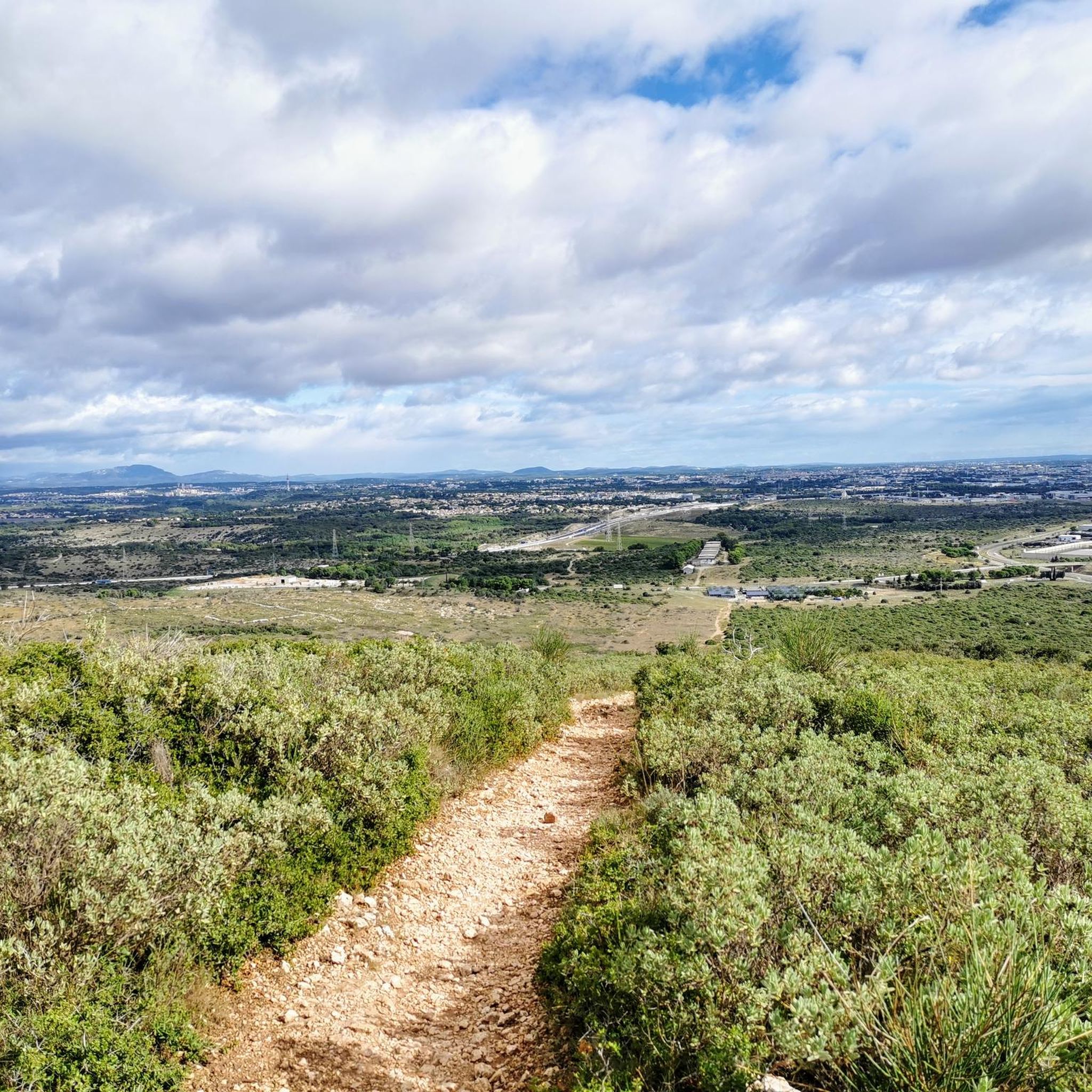
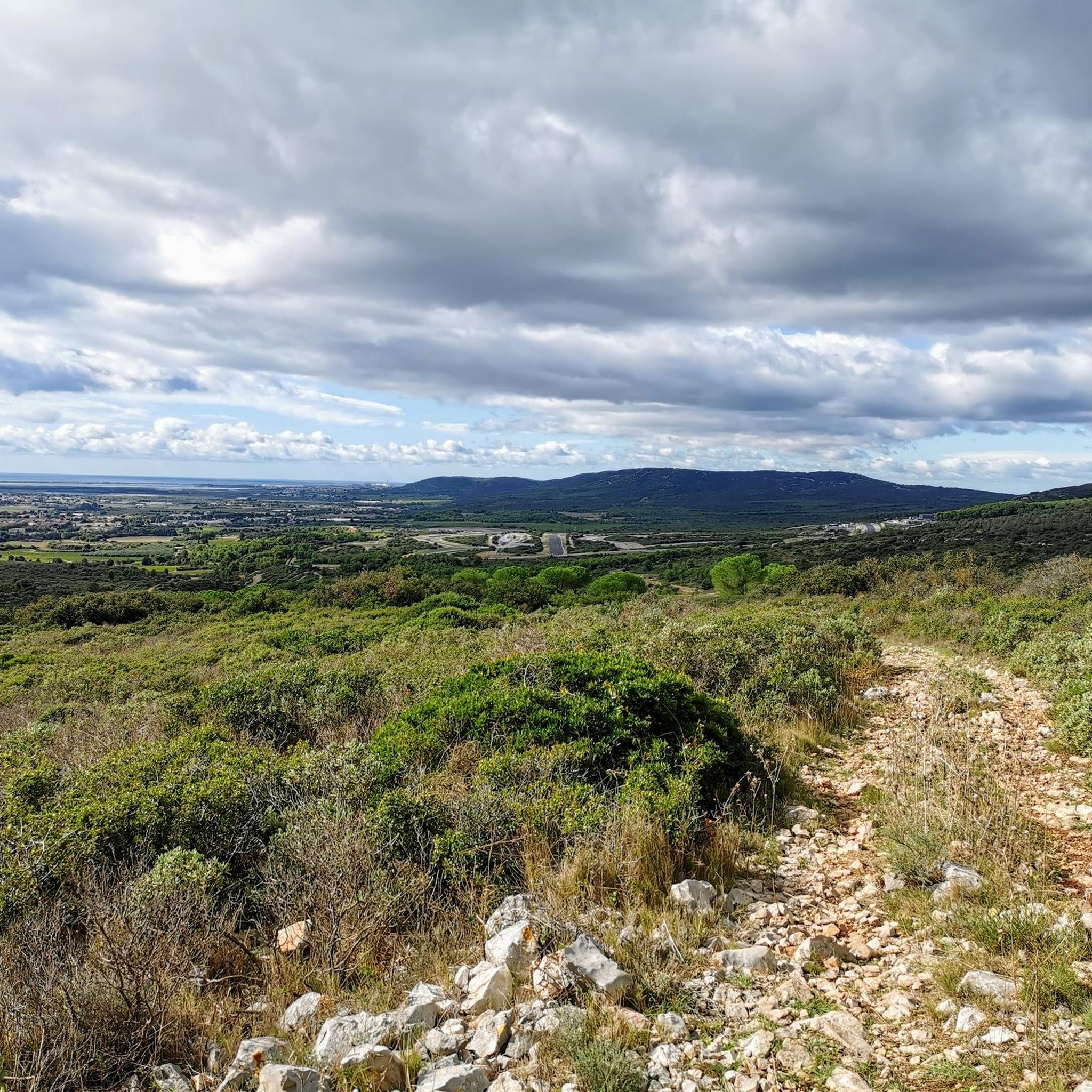
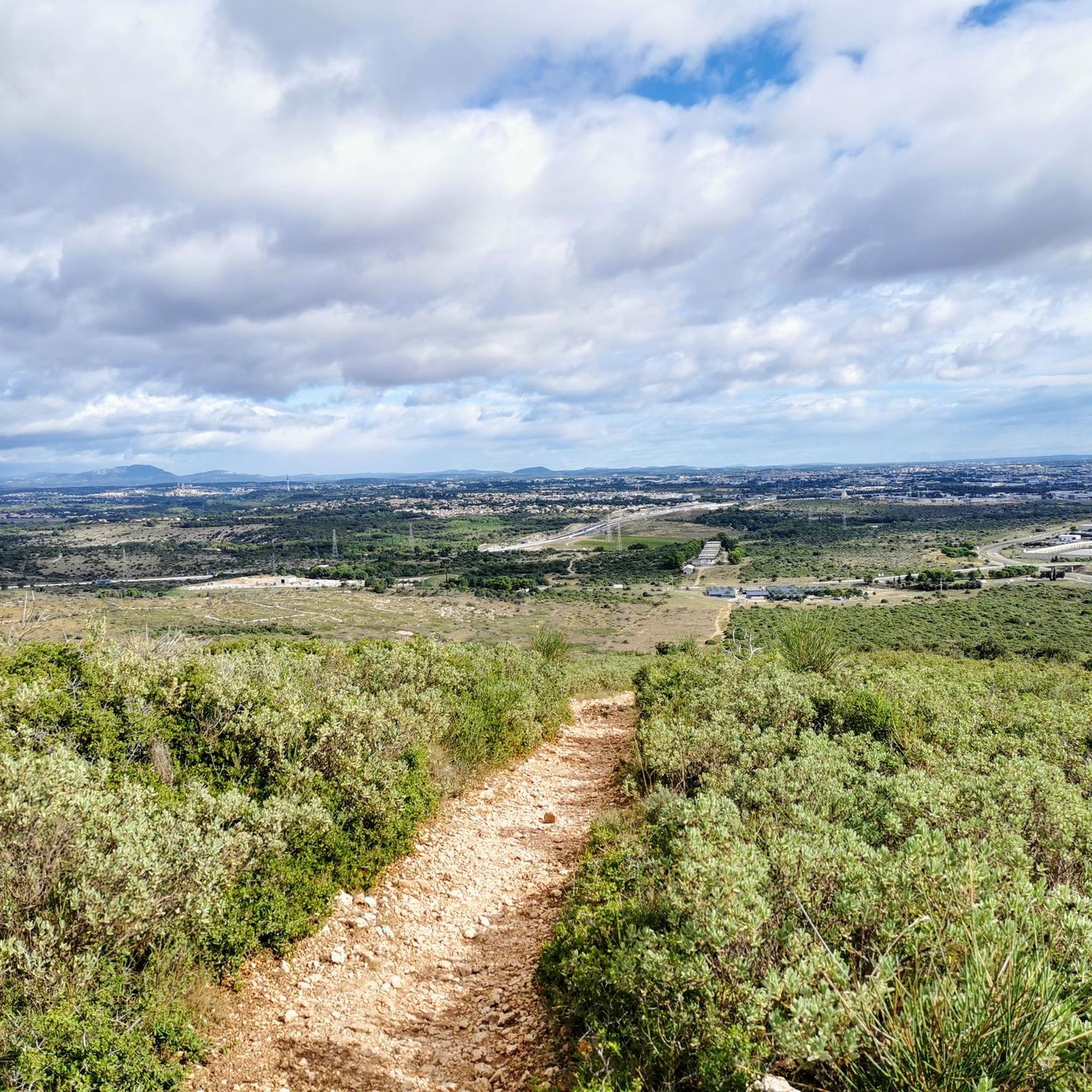
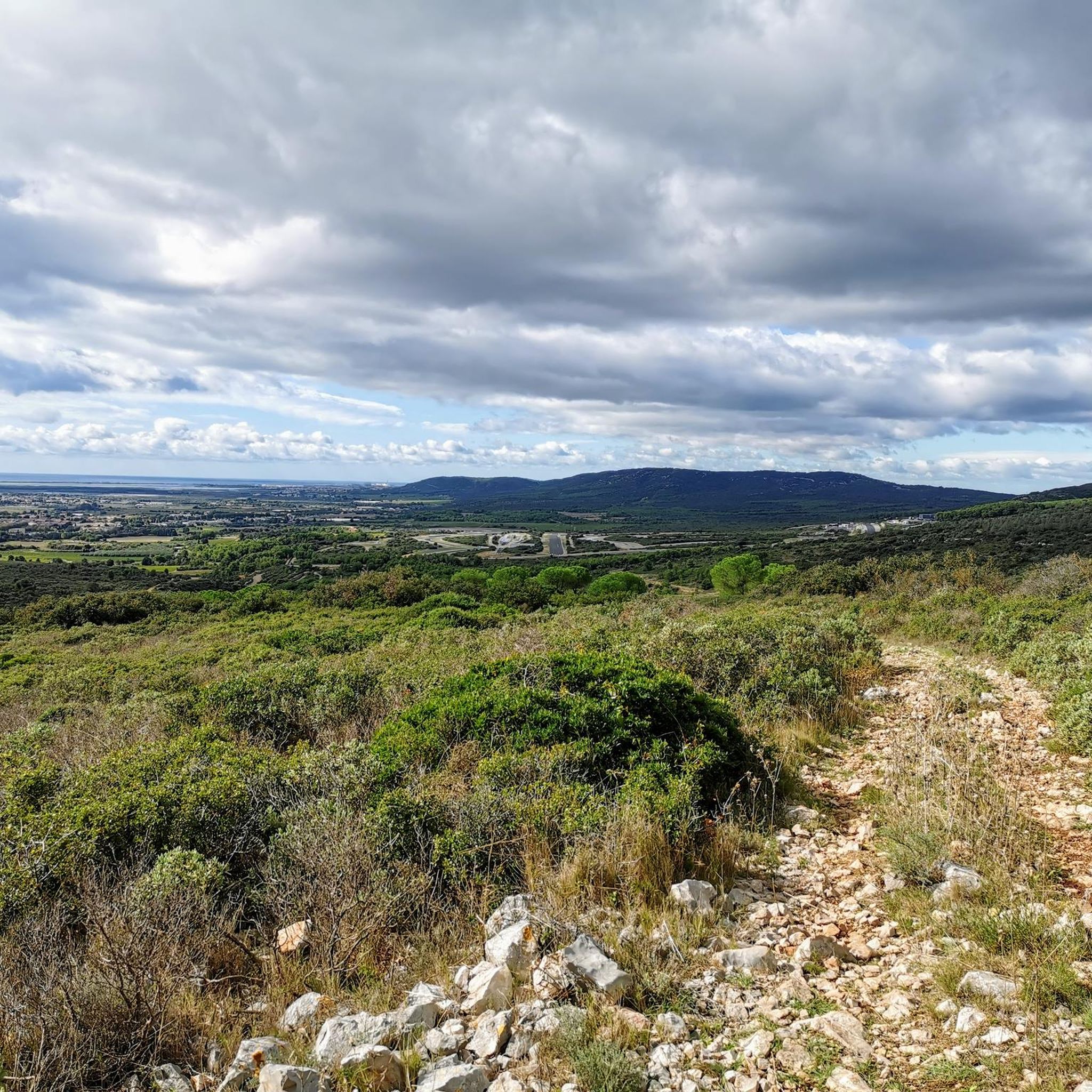
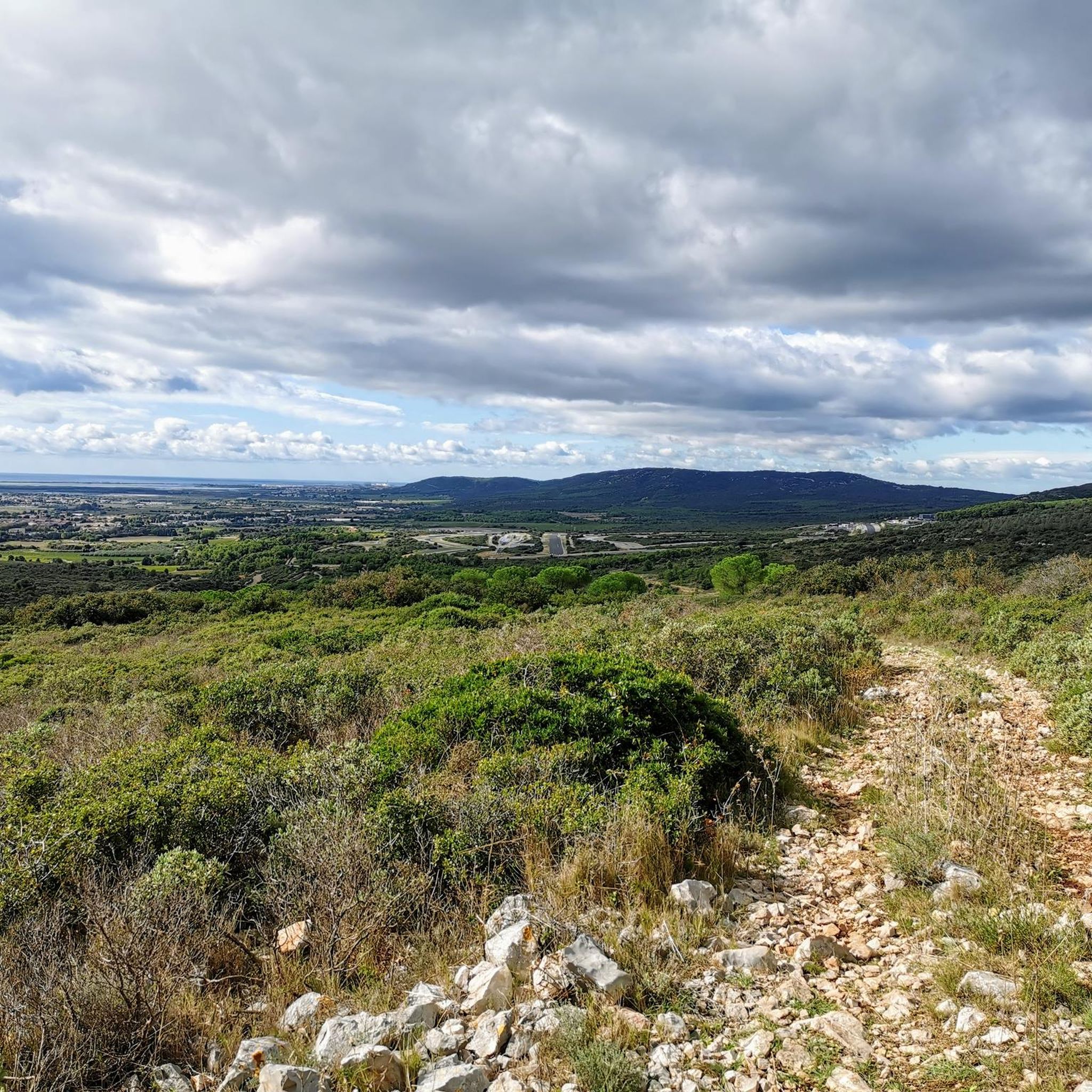
Great dirt road with great views. Feasible in gravel or even vtc.
2
0
Great dirt road with great views. Feasible in gravel or even vtc.
2
0

The Vic pond is one of the treasures of the Camargue. Surrounded by vast expanses of marshes, green meadows and reed beds, it is home to incredible biodiversity. You can observe pink flamingos, herons and horses galloping freely.
2
0
Frequently Asked Questions
What kind of lakes can I expect to find around Fabrègues?
Around Fabrègues, you'll primarily find coastal lagoons, locally known as "étangs." These are shallow, brackish, and saline bodies of water, part of the larger Étangs Palavasiens complex. They offer unique ecological and recreational experiences, distinct from deep freshwater lakes.
Are there good places for birdwatching near Fabrègues?
Yes, the étangs around Fabrègues are excellent for birdwatching. The Salines de Villeneuve Nature Reserve is an ideal breeding and feeding area for waterfowl, including flamingos, gray and great egrets, avocets, plovers, terns, swans, and ducks. You can also spot flamingos at the Étang du Méjean and Étang de l'Arnel, especially along the cycle path Between the Étang du Méjean and the Étang de l'Arnel.
What outdoor activities can I do around the lakes near Fabrègues?
The region offers various outdoor activities, particularly cycling and walking. You can explore the area on numerous routes, such as those found in the Cycling around Fabrègues guide or the Hiking around Fabrègues guide. Many paths, like the one along Vic Pond, are suitable for both. The Étang du Méjean also has a 2.5 km loop accessible for walking.
Are there family-friendly options for visiting the lakes?
Yes, several areas are family-friendly. The Étang du Méjean offers easy walking paths, including a 2.5 km loop accessible to people with disabilities. The Promenade Georges Brassens – Laurent Spinosi is a pedestrian walk also accessible to cyclists at a moderate pace, offering beautiful views and relaxation spots. The Salines de Villeneuve Nature Reserve is also categorized as family-friendly, providing an engaging natural spectacle for all ages.
Can I cycle around the étangs?
Absolutely. There are many cycle paths connecting and running alongside the étangs. A notable one is the stretch Between the Étang du Méjean and the Étang de l'Arnel. You can also cycle around the Étang de l'Arnel (approximately 13 km) and along Vic Pond, which has a recently redone cycle path. For more routes, check the Cycling around Fabrègues guide.
What unique natural features can I observe at these lakes?
The étangs are rich in unique natural features. You can observe diverse flora like samphire, glasswort, and sea lavender. The area is famous for its birdlife, especially pink flamingos, herons, and various waterfowl. You might also encounter Camargue horses, particularly near the Étang de l'Arnel and Vic Pond. The Salines de Villeneuve Nature Reserve showcases vast former salt pans with numerous canals and lakes, offering a unique ecosystem.
Is there any historical significance to the lakes around Fabrègues?
Yes, particularly at the Salines de Villeneuve Nature Reserve. Salt was extracted here as early as the 12th century, and by the 15th century, the citizens of Villeneuve-lès-Maguelone held the privilege of the salt trade. The salt mines reached an extent of up to 180 hectares before extraction ceased in 1969. Today, these former salt pans are protected as a nature reserve, preserving this historical industry's landscape.
What is the best time of year to visit the étangs for wildlife viewing?
The étangs are significant birdwatching locations year-round, with various species present throughout the seasons. However, spring and autumn are often ideal for observing migratory birds, including flamingos, when they are most active and numerous. The mild climate of the Hérault department generally makes visits pleasant outside of the peak summer heat.
Are there any specific regulations or permits needed for visiting the natural areas?
The Étang de l'Arnel is classified as a Natura 2000 site and a maritime hunting reserve, indicating its protected status. The Étang de Vic is also part of the internationally recognized Ramsar wetlands. While general access for walking and cycling is usually permitted on designated paths, it's always advisable to respect signage regarding protected areas, wildlife, and any specific local regulations. For detailed information on specific sites like the Étang du Méjean, you can check the Montpellier Tourism website.
What do visitors enjoy most about the lakes near Fabrègues?
Visitors frequently appreciate the serene natural beauty and the rich biodiversity of the étangs. Many enjoy the opportunity to spot flamingos and other waterfowl. The well-maintained cycle paths and walking trails, such as the one Between the Étang du Méjean and the Étang de l'Arnel, are highly rated for their scenic views and peaceful atmosphere. The unique landscape of former salt pans at the Salines de Villeneuve Nature Reserve also receives high praise.
Are there any cafes or amenities near the lakes?
While the étangs themselves are natural, protected areas, you can find amenities in nearby towns and villages. For example, the Maison de la Nature at Étang du Méjean offers environmental education and facilities. Along the Promenade Georges Brassens – Laurent Spinosi, you'll find a water point, benches, and deckchairs, with opportunities to taste seafood and local wines in the vicinity.
Can I access the lakes by public transport from Fabrègues?
Public transport options to the specific étangs from Fabrègues may be limited, as many are natural, less developed areas. However, larger towns like Montpellier, which is close to Étang du Méjean, are well-served. It is recommended to check local bus schedules or consider cycling routes from Fabrègues to reach the more accessible points of the étangs. For detailed public transport information, local tourism offices or regional transport websites would be the best resource.
Most popular routes around Fabrègues
Most popular attractions around Fabrègues

Get inspired with the komoot mobile app


Explore more
Still not found your perfect lake around Fabrègues? Check out the guides of these regions to see even more beautiful places.
