Top 7 Castles around Die
Best castles around Die are found within the Diois region and the broader Drôme department, offering historical significance and architectural features. The area is characterized by its natural landscape, including the Drôme valley and proximity to the Vercors Regional Natural Park. While Die itself may not have a grand, fully preserved castle, the surrounding region provides several notable historical sites with castle connections. These sites offer insight into medieval architecture and regional history.
Best castles around Die
- The most popular…
Last updated: May 8, 2026
Châtillon-en-Diois
Highlight • Settlement
Known for its historical heritage and its architecture dating back to …
Translated by Google •
Tip by

Pontaix Village and Medieval Tower
Highlight • Settlement
Translated by Google •
Tip by

Sign up now to discover places like this
Get recommendations on the best single tracks, peaks, & plenty of other exciting outdoor places.
Sign up for free
Ramparts of Die
Highlight • Historical Site
Translated by Google •
Tip by

Ruins of Château de Savel
Highlight • Castle
Translated by Google •
Tip by

Start today with a free account
Your next adventure awaits.
Login or Signup
Popular around Die

Triathlon 360 – my journey around the world
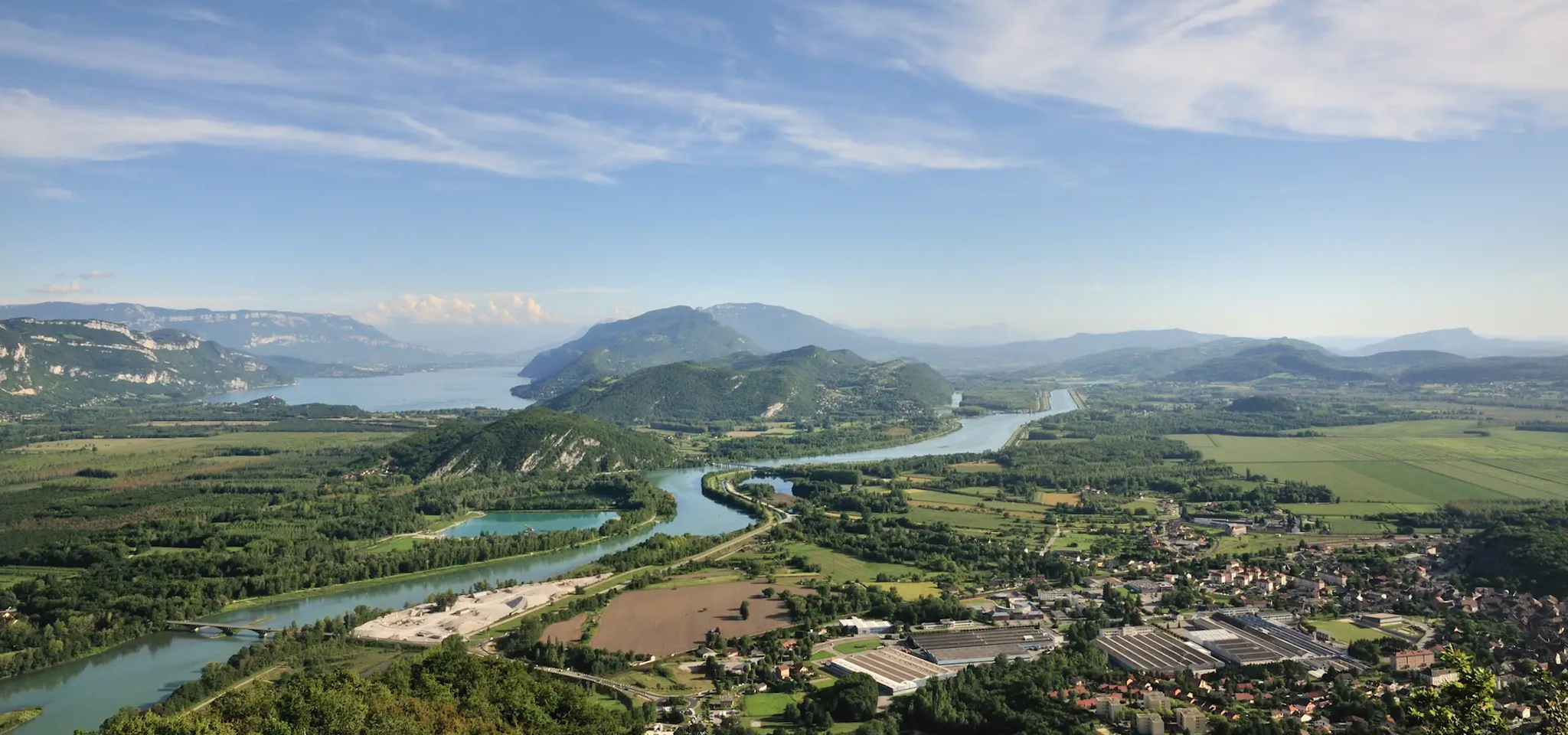
GR 9 from the Jura to the Mediterranean – Crossing contrasts
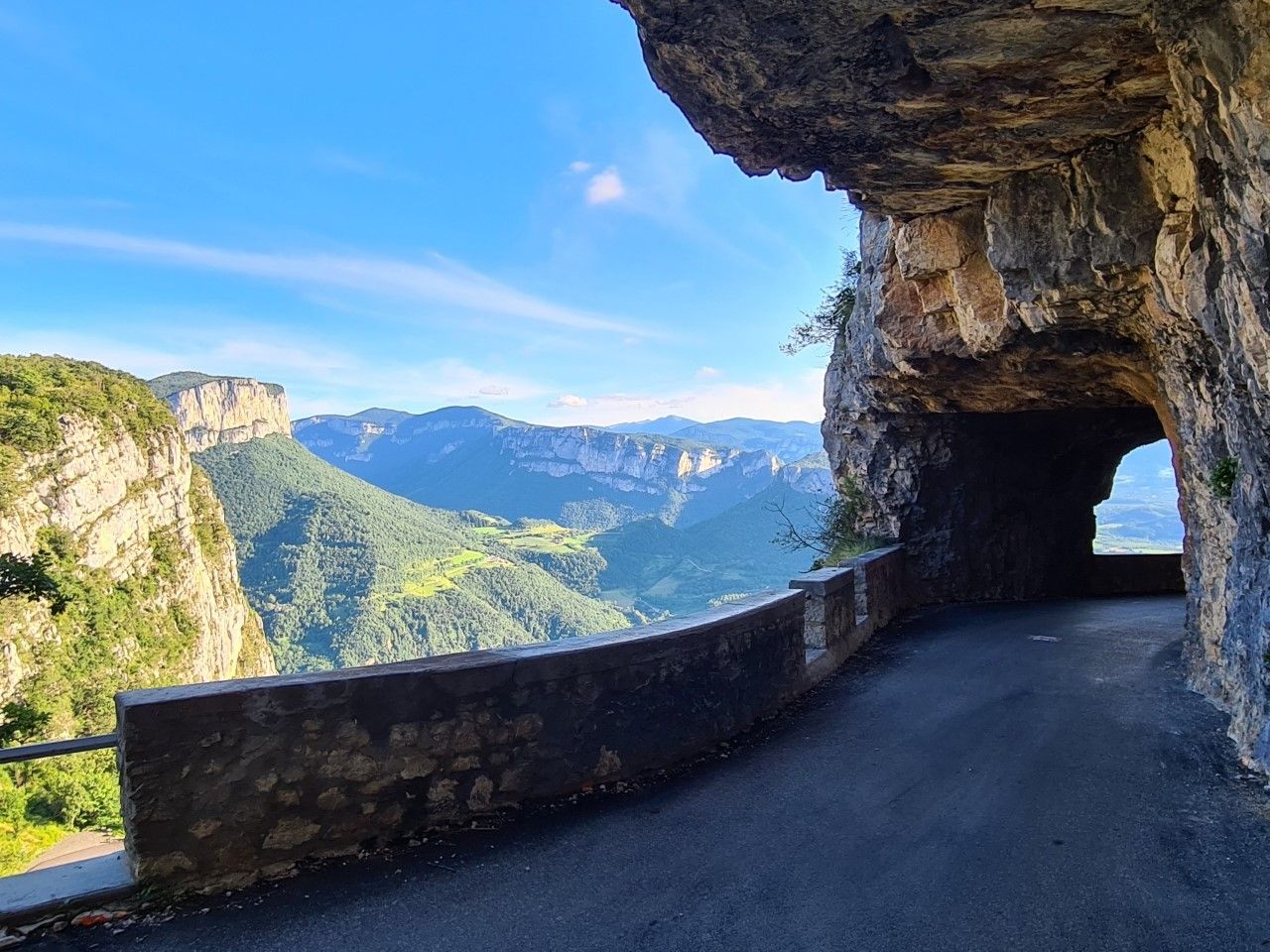
La Grande Traversée du Vercors — In the West of the Alps
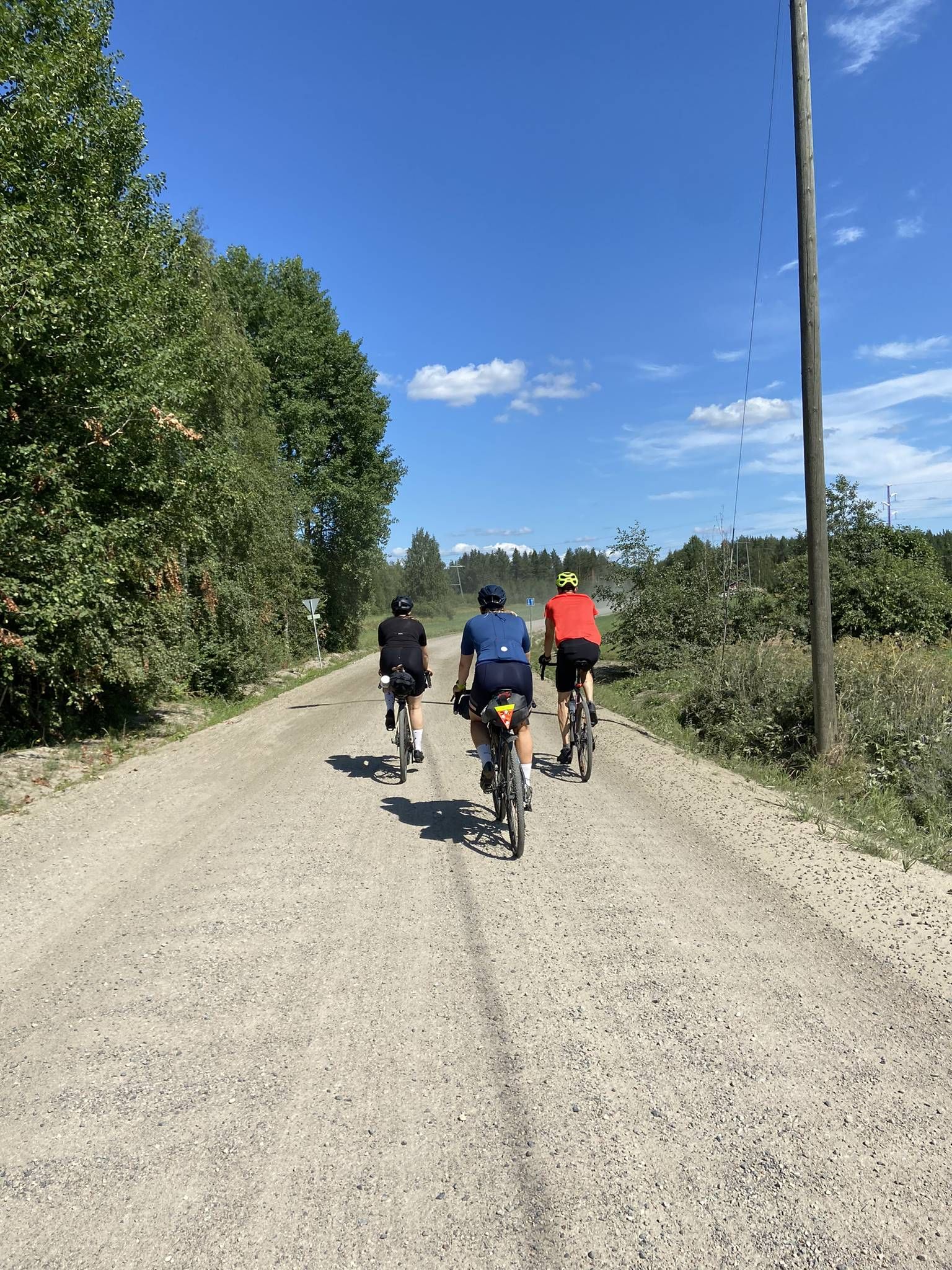
Naples to North Cape — Two friends, one purpose and many scoops of ice-cream
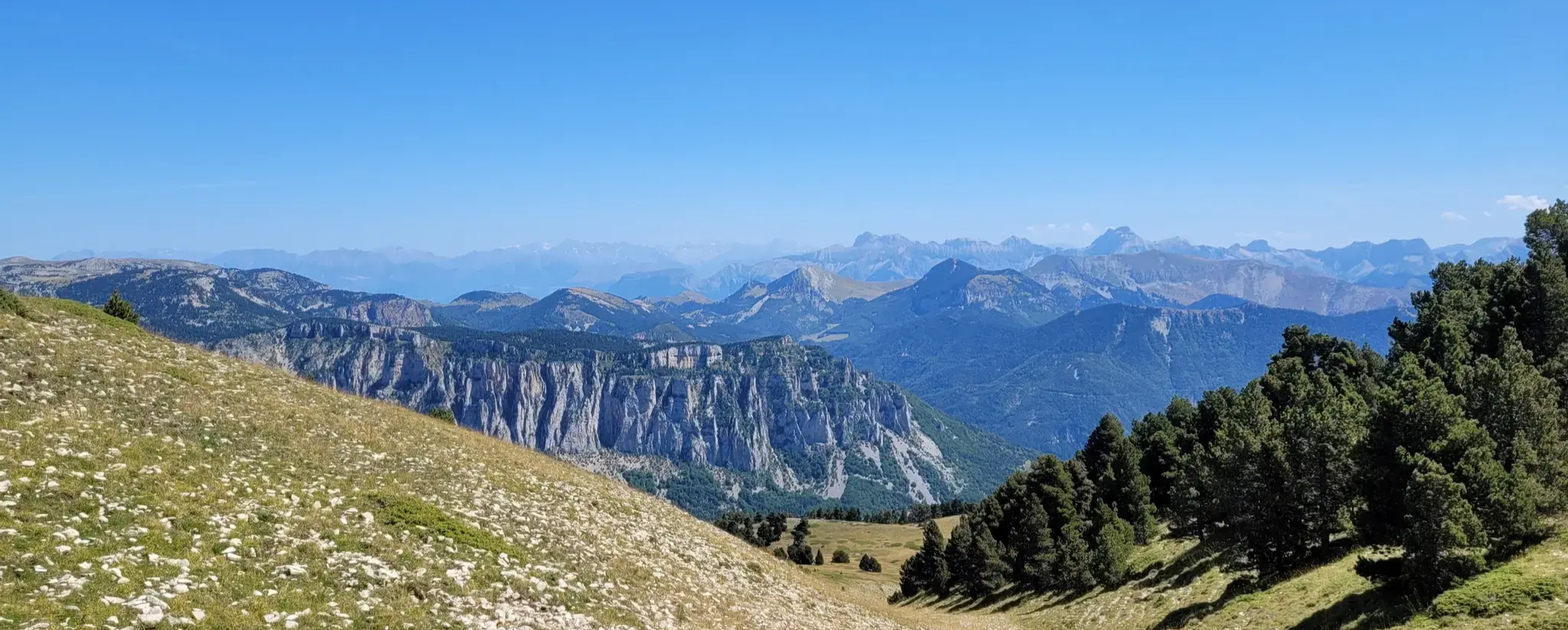
GR 91 - From the Vercors High Plateaux to Provence
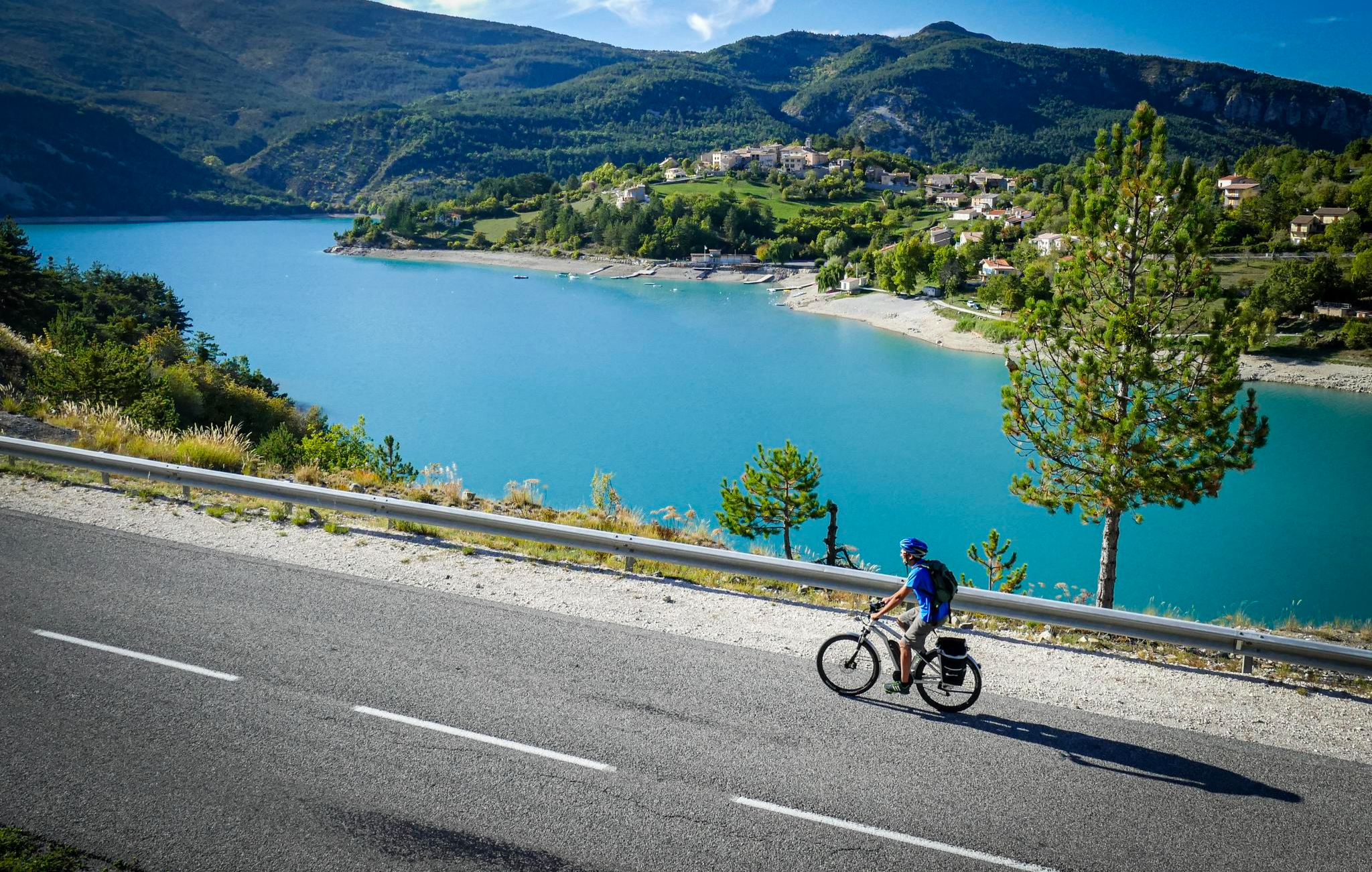
P'tites Routes du Soleil (Little Routes of the Sun)
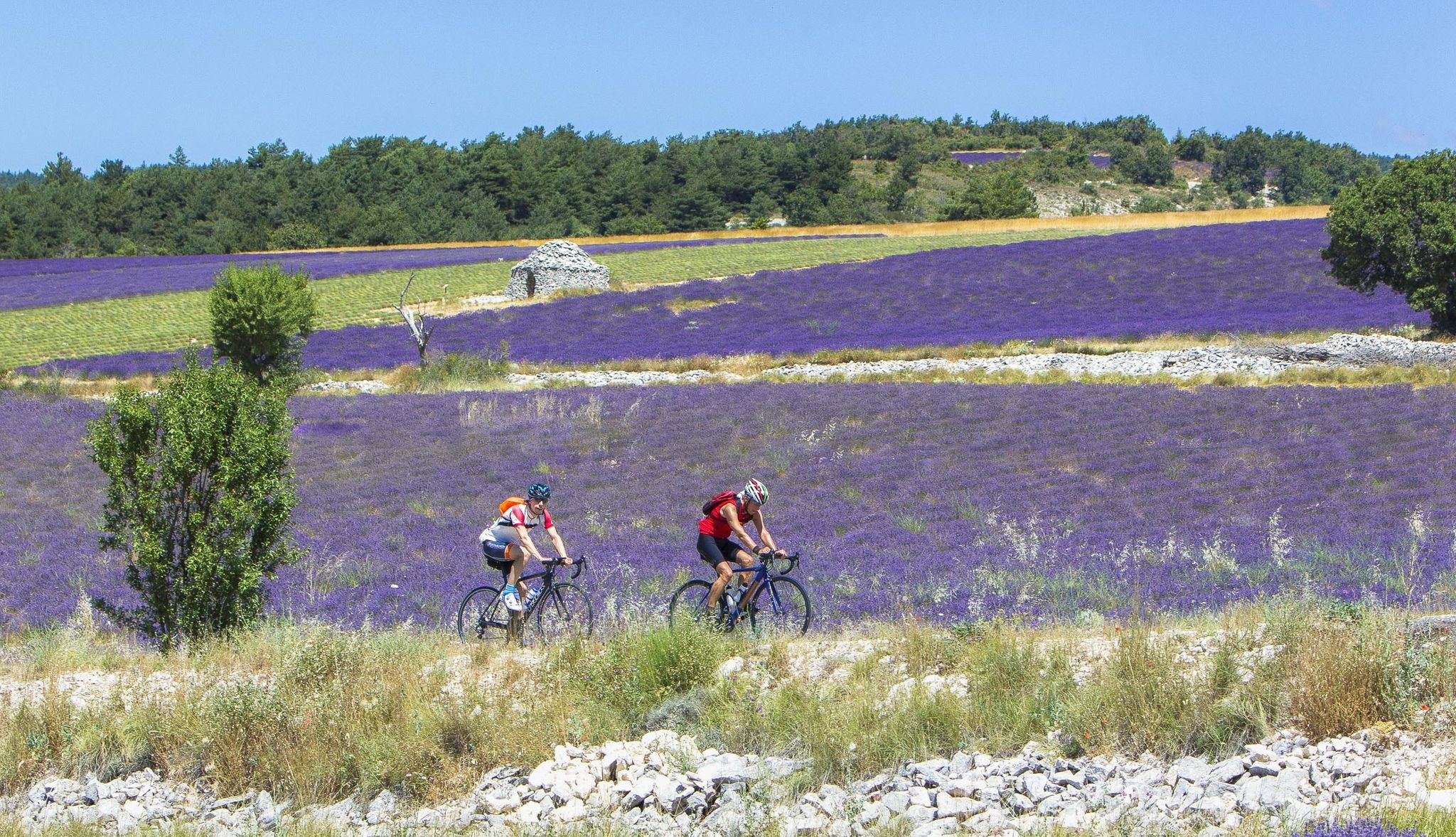
Between passes and mountain villages – bike rides in the Drôme
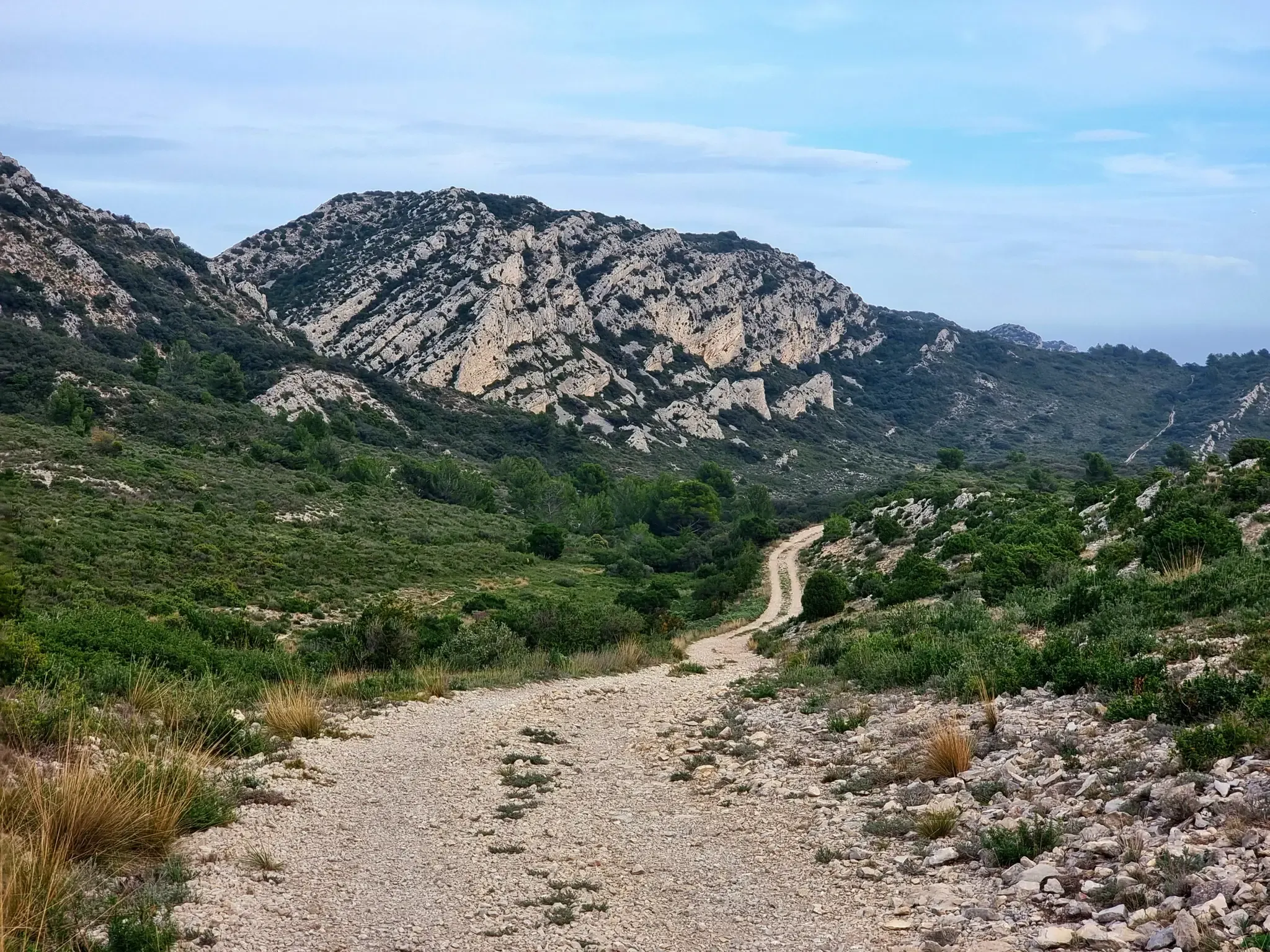
The four massifs — Gravel Tour de la Provence
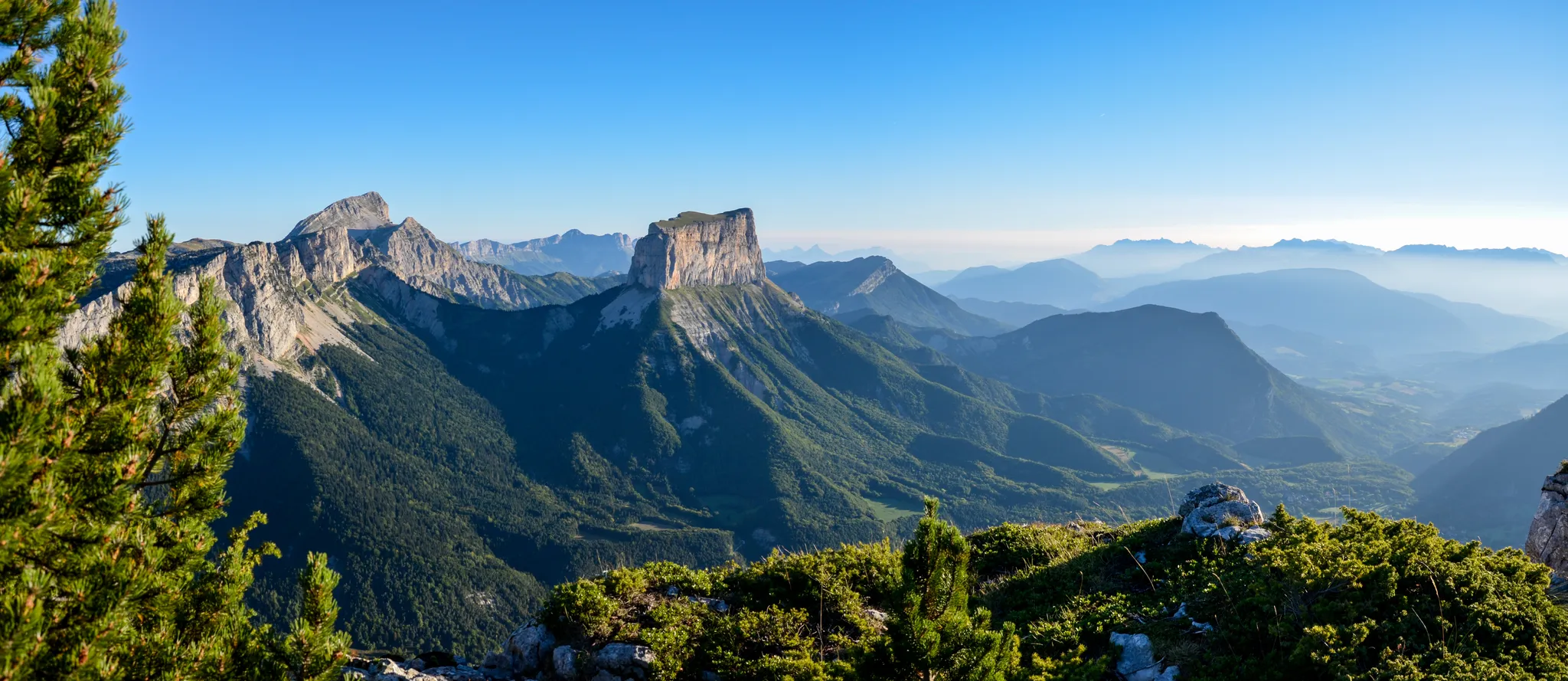
Grand Tour of the Vercors – first section
P'tites Routes du Soleil – crossing the pre-Alps from Lake Geneva to Nice
Other adventures around Die


Tips from the Community

The ruins of Savel are the remains of an ancient medieval castle. The walls of Château de Savel housed many noble families documented since 1163. At the end of the 13th century, in 1288, the fortress passed into the possession of the Counts of Valentinois. The construction of a stone wall approximately 1.40 m thick, extending more than 100 m from east to west and enclosing the former high courtyard between the various former towers and the residence, was also completed under the Counts of Valentinois in the 14th century. After the death of Louis II of Poitiers in 1419, the last count of that name, the fortress of Gigors passed into royal possession. The fortress included a castle chapel dedicated to Saint Marcel, which was described as a ruin in 1644. The site contains significant remains of artificial landscaping. The rock was excavated to isolate the tower of a keep to the south, and a lower courtyard was created to the north. Indeed, the château offered a sweeping view of the valleys of the Drôme and its tributaries, the Sye and Gervanne, leading to the Vercors. The importance of this strategic point seems to explain the determination with which the demolition crews used explosives, presumably at the end of the Wars of Religion, to destroy the château and the manor house located west of the fortress.
0
0

Sublime village and magnificent roads around.
0
0

The only Roman monument in the department, the ramparts of Die date from the 3rd century. This fortified complex is made up of towers and walls which served to protect the city from Germanic intrusions.
0
0

Pretty village in the heart of the valley. The ruin is nice to visit and is done in Gravel. There are also 2 small waterfalls behind the village. In the direction of Saillans, take the secondary road on the left bank of the Drôme.
0
0

from the 3rd century AD there is a fortress here, built of crystalline limestone. Fortified in the 15th century by the Catholics and destroyed 3 years later. rebuilt during the religious wars in Provence.
0
0

Very pretty village which deserves the detour.
0
0

Châtillon-en-Diois is a charming Drôme village which contains numerous remains from the Roman era and the Middle Ages. I loved walking there and discovering its charming streets and having a coffee on the terrace at the Town Hall café. I recommend !
0
0
Nestled along the Drôme, Chatillon-en-Diois is a superb medieval village, the starting point for many hikes in the Vercors. Known for its historical heritage and its architecture dating back to the 12th century, it is also through its important vineyard that the village was able to develop and achieve its notoriety in terms of wine. Its alleys call for strolling and relaxation, so why not end on a sweet note or around a drink at the café de la Mairie?
1
0
Frequently Asked Questions
What are the most historically significant castle sites near Die?
The most historically significant site is arguably Crest Tower, which is the highest medieval keep in France and was once a state prison. The Ramparts of Die also hold significant historical value, dating back to the 3rd century AD and serving to protect the city from intrusions.
Are there any family-friendly castle experiences around Die?
Yes, Châtillon-en-Diois is a medieval village known for its historical heritage and architecture, offering a pleasant stroll through its narrow streets and remnants of 14th-century ramparts. While not a fully intact castle, its historical ambiance is suitable for families. Crest Tower also offers an immersive audio tour that can engage older children with its history as a prison.
What kind of views can I expect from these castle sites?
From the top of Crest Tower, you can enjoy breathtaking panoramic views of the Drôme valley and the Ardèche mountains. The Ruins of Château de Savel also offered a sweeping view of the Drôme and its tributaries, the Sye and Gervanne, leading to the Vercors.
Are there any castle ruins or lesser-known historical sites worth visiting?
Yes, the Ruins of Château de Savel are the remains of an ancient medieval castle with significant historical context, including a stone wall over 100 meters long. Another interesting site is Pontaix Village and Medieval Tower, which features visible ruins of a feudal castle, including a keep, offering a glimpse into its strategic importance in medieval times.
What outdoor activities can I do near the castles around Die?
The region around Die, including areas near castle sites, offers various outdoor activities. You can find numerous easy hikes, cycling routes, and MTB trails. Many of these routes offer scenic views of the Drôme valley and the Vercors Regional Natural Park, which are often visible from or near the historical sites.
What is the best time of year to visit the castles near Die?
The best time to visit is generally during spring, summer, and early autumn when the weather is pleasant for exploring outdoor sites and enjoying the panoramic views. During these seasons, you can comfortably walk through medieval villages and ruins. Winter visits are possible, but some sites might have reduced hours, and the weather can be colder and less predictable.
Are there any castles or historical sites directly within the town of Die?
While Die itself does not have a grand, fully preserved castle, it does feature the Ramparts of Die. These ancient fortifications, dating from the 3rd century AD, are a significant historical site within the city, offering insight into its defensive past.
How can I get to Crest Tower from Die?
Crest Tower is located in Crest, approximately 37-38 km from Die. You can reach it by car, which takes around 36-47 minutes, or by train. For more detailed information on visiting, you can check the local tourism website: drome-tourism.com.
Are there any medieval villages with castle connections near Die?
Yes, Châtillon-en-Diois is a picturesque medieval village very close to Die, built around a rocky outcrop. While the castle itself has few remains, the village offers narrow medieval streets, 14th-century ramparts, and a charming historical atmosphere. Pontaix Village also features a medieval tower and ruins, set within a picturesque village.
What kind of historical architecture can I see at these sites?
You can observe various architectural styles, from the monumental medieval keep of Crest Tower, which showcases 12th-century design, to the ancient Roman and medieval fortifications of the Ramparts of Die. The ruins at Pontaix and Château de Savel provide insights into feudal castle construction from the 12th to 16th centuries.
Can I find cafes or restaurants near the castle sites?
Yes, particularly in the medieval villages. For instance, in Châtillon-en-Diois, you can find cafes, such as the café de la Mairie, where you can relax after exploring the village. Larger towns like Crest, home to Crest Tower, also offer various dining options.
Most popular routes around Die
Most popular attractions around Die

Get inspired with the komoot mobile app


Didn’t find what you were looking for?
Explore Die’s best castles region by region:
Explore more
Looking for the best castles somewhere else? Discover other guides around Die:
