Top 5 Caves around Saint-Julien-En-Genevois
Best caves around Saint-Julien-En-Genevois are found in a region characterized by its limestone geology, particularly around Mont Salève. This geological landscape has resulted in various natural cave formations and distinctive karst features. The area offers opportunities for exploring these underground sites, often combined with hiking trails. These geological formations provide insight into the natural processes shaping the Haute-Savoie landscape.
Best caves around Saint-Julien-En-Genevois
- The most popular caves is Orjobet Cave, a natural limestone cave known for its historical significance.…
Last updated: August 2, 2026
Orjobet Cave
Highlight • Cave
Translated by Google •
Tip by

The Trou de la Tine
Highlight • Cave
Translated by Google •
Tip by
Sign up now to discover places like this
Get recommendations on the best single tracks, peaks, & plenty of other exciting outdoor places.
Sign up for free
Millstone quarries at Vachat
Highlight • Cave
Translated by Google •
Tip by

La Tine de Parrant
Highlight • Gorge
Translated by Google •
Tip by

Grotte du Châtelard
Highlight • Cave
Translated by Google •
Tip by

Start today with a free account
Your next adventure awaits.
Login or Signup
Popular around Saint-Julien-En-Genevois

Road to Lisbon – bikepacking the Alps, Pyrenees and Picos de Europa
Follow the sun – riding from Germany to the south of France
Rhone Cycle Route — From the southern Jura to Lyon
Gravel in Ain — sporty loops between water and mountain
P'tites Routes du Soleil (Little Routes of the Sun)
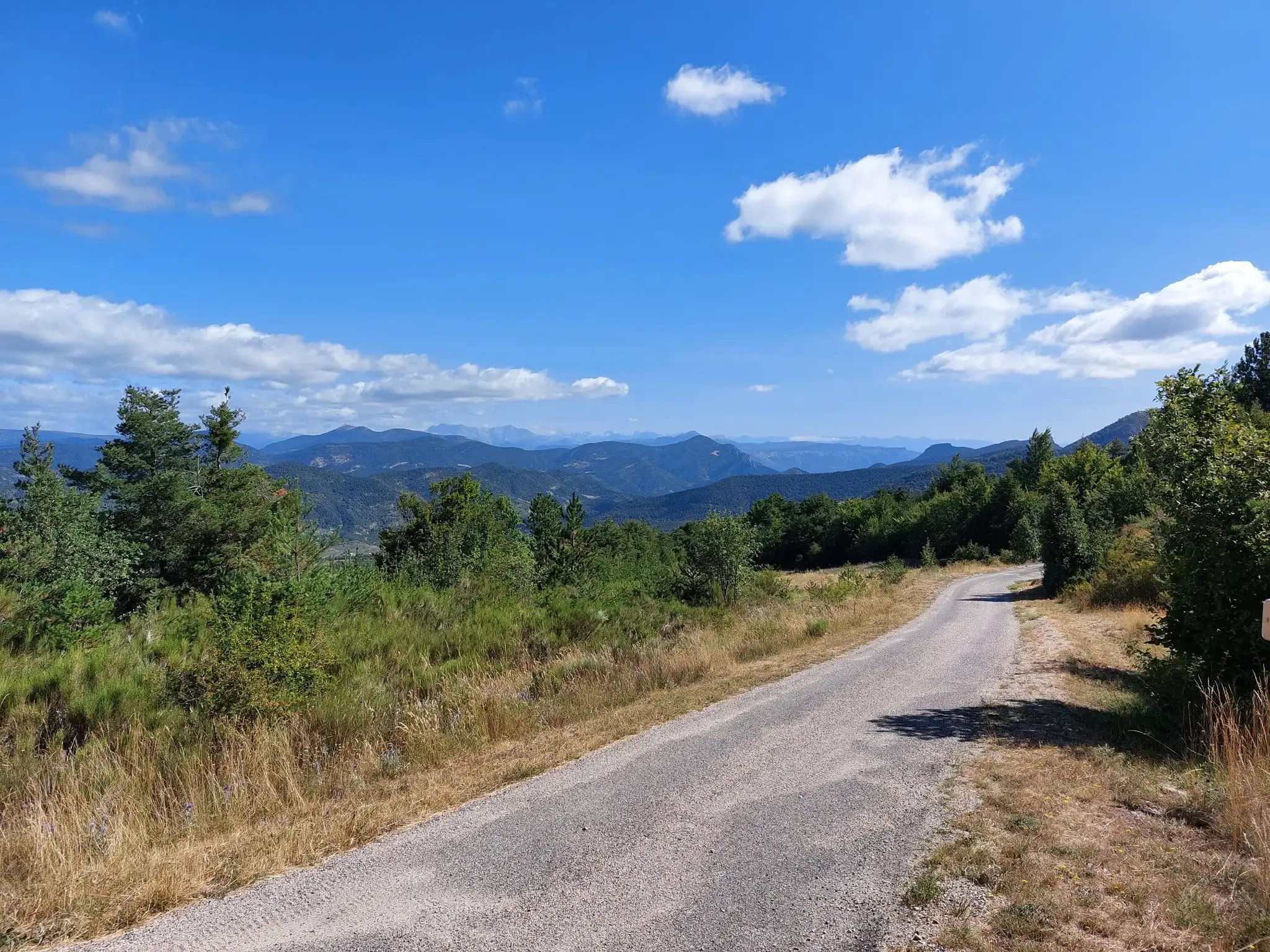
P'tites Routes du Soleil – crossing the pre-Alps from Lake Geneva to Nice

Cycling in Savoie Mont Blanc – discover routes between lakes and mountains
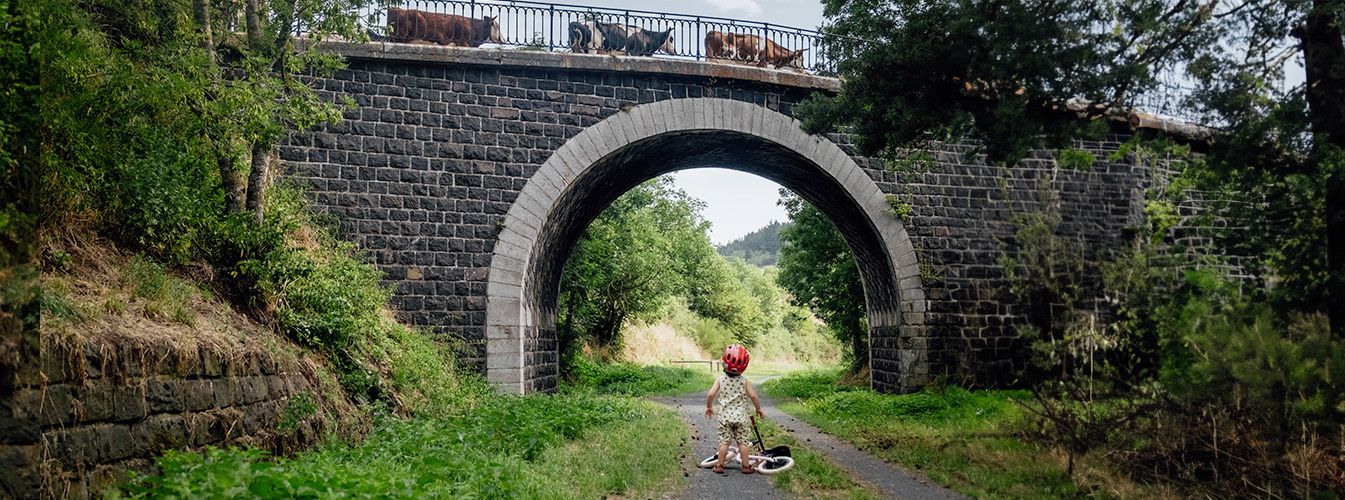
‘La Joyeuse Vadrouille’ – two months cycling with the family
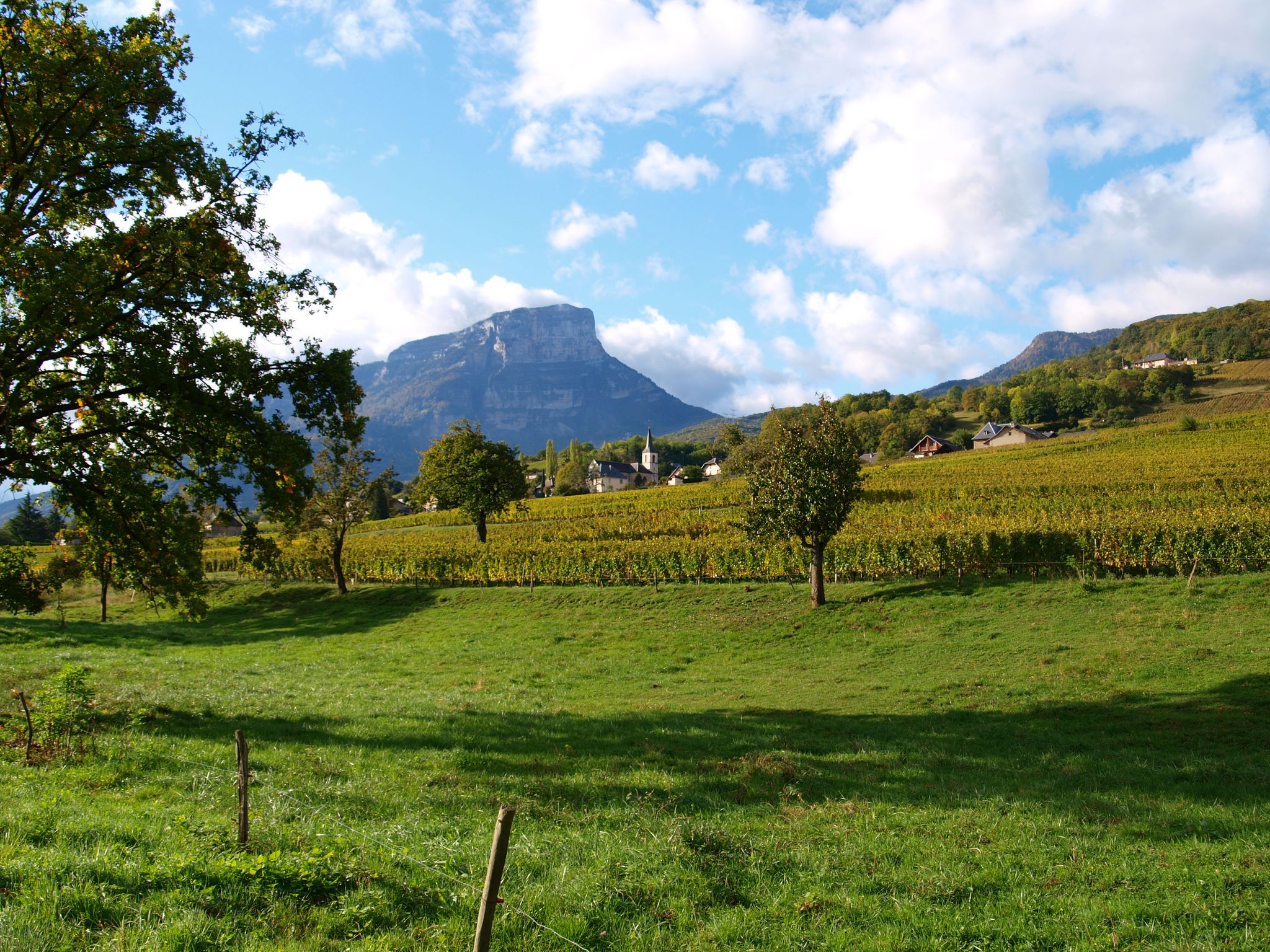
Follow the Huguenots — from Grenoble to Geneva on the GR 965
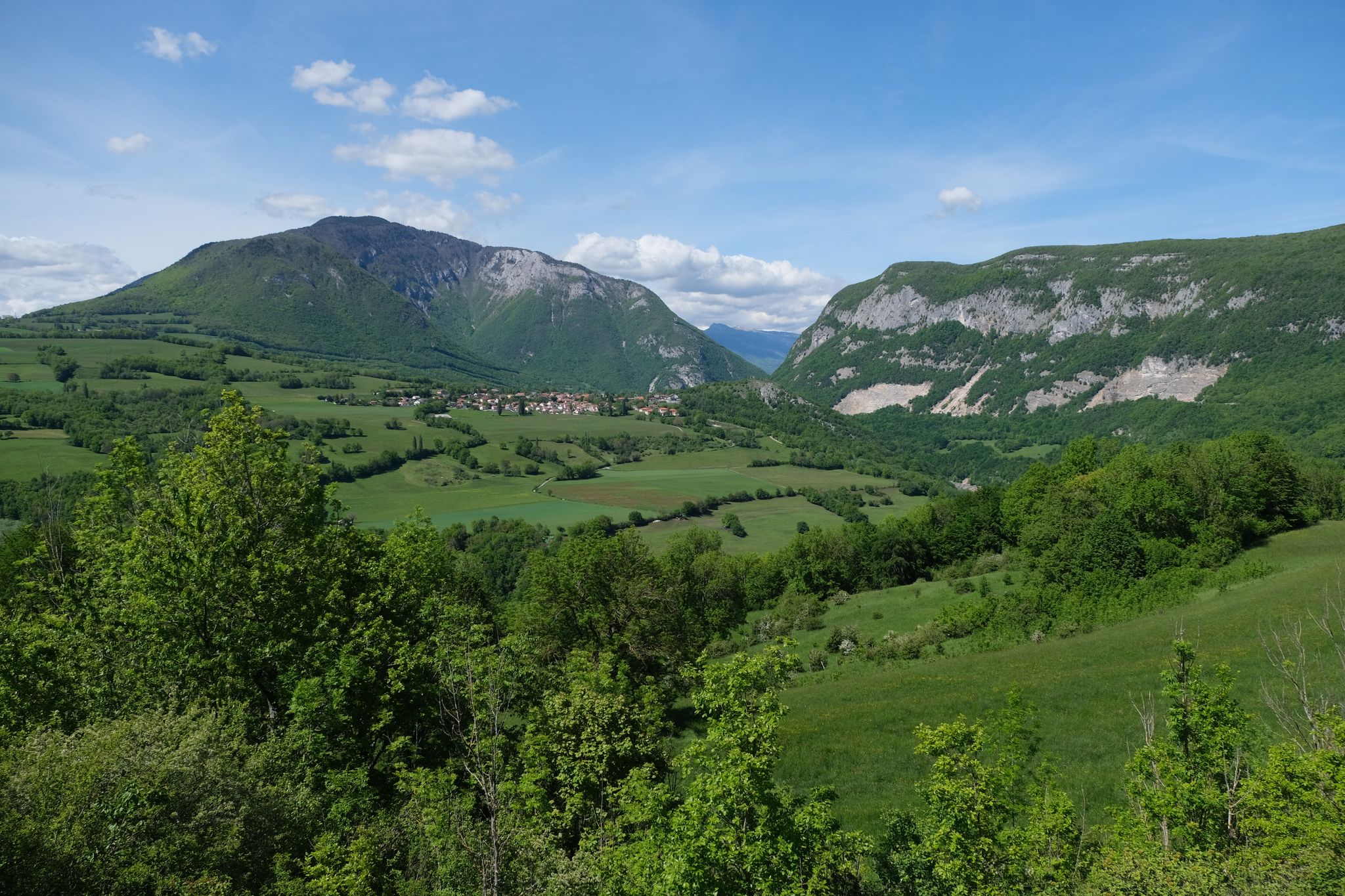
Exploring magnificent hills and cliffs — France’s Vuache route
Other adventures around Saint-Julien-En-Genevois


Tips from the Community


Le Trou de la Tine (Trou of the Tine Cave) was formed by erosion on the flank of Mont Salève. It is a deep, sunken hole shaped like an open-topped barrel ("Tine" is an old dialect term for barrel, "trou" means hole). The cave's ceiling has collapsed due to erosion, revealing a natural "barrel" with a side opening. One can walk into the "barrel" through this side opening.
0
0


Cave with collapsed ceiling
1
0
A beautiful geological formation
0
2

Nice little tour (steep!!) in this geological curiosity
0
3

Magnificent little cave reachable by the Salève or by a car park in Collonges sous Salève. But the climb is still a bit steep.
2
2
Frequently Asked Questions
What are the most popular caves to visit around Saint-Julien-En-Genevois?
The most popular caves in the region include Orjobet Cave, known for its historical significance and geological trail, and The Trou de la Tine, a distinctive geological formation. Visitors also appreciate the Millstone quarries at Vachat for their historical context.
Are there any family-friendly caves or easy-access options?
The direct path to Orjobet Cave is often classified as an easy itinerary, taking about 1 hour and 40 minutes, making it suitable for families. However, it's important to note that the full geological trail associated with it is more challenging. Always check current conditions, especially in winter.
What kind of geological features can I expect to see in the caves of this region?
The region is characterized by its limestone geology, particularly around Mont Salève. You'll encounter natural limestone cavities, unique karst features like The Trou de la Tine (a deep, sunken hole formed by a collapsed cave ceiling), and gorges where streams disappear into crevices, such as La Tine de Parrant.
Are there any historical sites related to caves in the area?
Yes, the Millstone quarries at Vachat are a significant historical site. This location features impressive cavities that offer a glimpse into past millstone extraction practices. Orjobet Cave also has historical significance, having been discovered in 1779 by Horace-Bénédict de Saussure.
What should I wear or bring when visiting the caves?
For exploring caves like Orjobet Cave, good hiking shoes are essential, especially if you plan to explore the surrounding trails. Bringing a lamp or headlamp is recommended for better visibility inside the caves, even if they can be explored without special lighting. Always dress in layers as cave temperatures can be cooler.
Are there any challenging caves for experienced explorers?
Yes, the Grotte du Châtelard is described as having difficult access and is not suitable for mountain bikes, with warnings about the risk of falling from a height. The Trou de la Tine is also categorized as challenging, and the area around it is not secured, requiring caution.
What outdoor activities can I combine with a visit to the caves?
The caves around Saint-Julien-En-Genevois are often integrated into hiking routes. For example, Orjobet Cave is part of a geological trail on Mont Salève. You can also find various running trails, cycling routes, and road cycling routes in the broader Saint-Julien-En-Genevois region.
Is it safe to visit the caves, and are there any specific precautions?
Safety varies by cave. For Grotte du Châtelard, access is difficult, and visitors are warned about the risk of falling from a height and advised not to go alone. The area around The Trou de la Tine is not secured, so caution is advised. At the Millstone quarries at Vachat, visitors should be cautious of falling rocks. Always assess conditions and your own abilities.
What is the best time of year to visit the caves around Saint-Julien-En-Genevois?
While many caves can be visited year-round, conditions can vary. The direct path to Orjobet Cave is generally easy, but winter conditions might make it more challenging. For trails leading to caves, spring, summer, and autumn typically offer the most pleasant weather for hiking and exploration.
Are there any caves with a religious or spiritual significance?
Yes, the Grotte du Châtelard is noted for its religious and atypical nature. This cave was naturally dug into molasse rock and holds a local point of interest due to its spiritual aspect.
What do visitors enjoy most about the caves in this region?
Visitors appreciate the unique natural experiences, the stunning views of Geneva and the surrounding landscape offered along trails leading to caves like Orjobet Cave, and the insights into geological processes. The historical aspect of sites like the Millstone quarries at Vachat is also a highlight.
How can I learn more about the geology of the Orjobet Cave area?
Orjobet Cave is part of the longer "Sentier Géologique de la Grotte d'Orjobet" (Geological Trail of Orjobet Cave). This trail features explanatory signs about the area's geology, providing context for the natural limestone cavity and its formation. You can also find more information on its history and geology on Wikipedia.
Most popular routes around Saint-Julien-En-Genevois
Most popular attractions around Saint-Julien-En-Genevois

Get inspired with the komoot mobile app


Explore more
Extend your search for the best caves by checking out these guides of the top ones around Saint-Julien-En-Genevois:
