Top 4 Castles around Portici
Best castles around Portici are situated in a region characterized by its proximity to the Gulf of Naples and Mount Vesuvius. This area offers a blend of historical significance and natural landscapes. Portici itself is known for its architectural heritage, including the Royal Palace of Portici, which served as a royal residence. The surrounding landscape provides a backdrop for exploring various historical structures.
Best castles around Portici
- The most popular castles is Sant'Elmo Castle, a castle that offers panoramic…
Last updated: May 20, 2026
Sant'Elmo Castle
Highlight • Castle
Translated by Google •
Tip by

Castel dell'Ovo (Egg Castle)
Highlight • Castle
Translated by Google •
Tip by

Sign up now to discover places like this
Get recommendations on the best single tracks, peaks, & plenty of other exciting outdoor places.
Sign up for free
New Castle (Maschio Angioino)
Highlight • Castle
Translated by Google •
Tip by
Castello Aselmeyer
Highlight • Castle
Translated by Google •
Tip by
Palazzo Mediceo di Ottaviano
Highlight • Castle
Translated by Google •
Tip by

Start today with a free account
Your next adventure awaits.
Login or Signup



Tips from the Community

The Maschio Angioino, or Castel Nuovo, is a majestic medieval and Renaissance fortress in Piazza Municipio in Naples, a historic symbol of the city built in 1266 by Charles I of Anjou. Famous for the Aragonese Arch of Triumph, it houses the Civic Museum and offers visits to the Palatine Chapel, with opening hours Mon-Sat 9:00-18:00 (closed Sundays).
1
0

The medieval Castel Nuovo is also known as 'Maschio Angioino', in homage to the French house of Anjou. From the end of the 13th to the mid-15th century, the castle was the residence of French kings and queens. Notably, four towers are made of the volcanic stone piperno and one tower of yellow tuff. The architectural style of the facade is inspired by Roman triumphal arches and shows the entry of King Alfonso of Aragon in 1443; the Spanish king who drove the Anjou out of Naples, after all, did not want this to go unnoticed. Inside the castle, you will find the Museo Civico, which houses a collection of paintings from old Naples.
2
0

A charming passage in front of Castel Nuovo, perfect for a break and some photos 📸; inside, in my opinion, it's not worth paying the entrance fee.
2
0

The Palazzo Mediceo is a historic structure built in the Lombard era before the year 1000 in Ottaviano, a municipality in the province of Naples, and later belonged to a branch of the Florentine Medici family. In the second half of the 20th century it ended up in the hands of the Camorra, and was then returned to the city of Ottaviano in 1995. From the garden you can enjoy a beautiful view of the nearby Parish of San Michele Arcangelo. From November to April it is open from Thursday to Sunday from 10 am to 1 pm and from 2 pm to 5 pm. From May to October it is open from Monday to Friday from 10 am to 1 pm and from 4 pm to 8 pm. On Saturday and Sunday instead from 11 am to 2 pm and from 4 pm to 8 pm. During this period it hosts beautiful Christmas markets in the evening, with shows and various related initiatives.
0
0

A beautiful, high-lying castle with a charming park all around. The administration of the Vesuvio National Park is located in the gatehouse at the entrance.
2
0


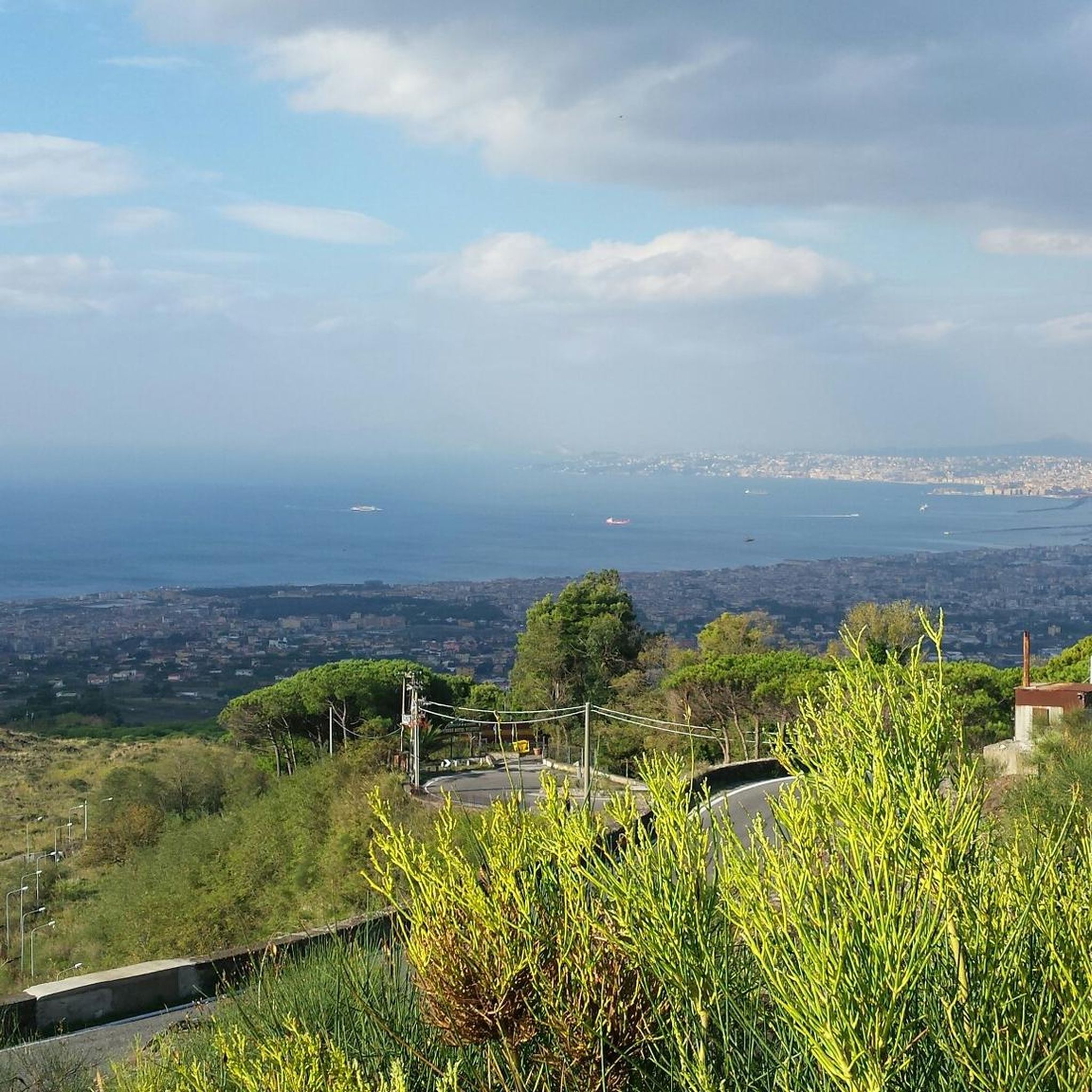
view of Vesuvius, the volcano of Naples
6
0
Frequently Asked Questions
What types of historical structures can I explore around Portici?
The Portici area offers a diverse range of historical structures, from ancient fortresses to royal residences and civil buildings with castle-like architecture. You can explore defensive strongholds like Sant'Elmo Castle and Castel dell'Ovo (Egg Castle), as well as the magnificent Royal Palace of Portici, which served as a Bourbon royal residence.
Are there family-friendly castles to visit near Portici?
Yes, several castles in the area are considered family-friendly. Castel dell'Ovo (Egg Castle) is a great option, known for its legend of a hidden egg. The Palazzo Mediceo di Ottaviano also offers a charming park that families can enjoy.
Which castles offer the best panoramic views?
Sant'Elmo Castle is highly recommended for its breathtaking panoramic views over Naples and Mount Vesuvius. The way back from Sant'Elmo on foot also provides wonderful vistas of the city and the coast. Castel dell'Ovo (Egg Castle), located on the islet Megaride, also offers scenic views of the Gulf of Naples.
What is the historical significance of the Royal Palace of Portici?
The Royal Palace of Portici, built by Charles of Bourbon, King of Naples and Sicily, was a magnificent royal residence and summer retreat. It's a prime example of Italian Baroque architecture and played a significant role in the region's history, hosting notable figures and housing the Herculanense Museum with artifacts from Pompeii and Herculaneum. Today, it also hosts the Faculty of Agriculture of the University of Naples “Federico II”.
Can I find hiking trails near the castles around Portici?
Yes, the region around Portici offers various hiking opportunities. You can find trails like the 'Herculaneum Ruins Trail' or 'Herculaneum Excavations – House of Neptune and Aphrodite loop from Portici'. For more options, explore the hiking guide around Portici.
Are there any unique or lesser-known castles worth visiting?
Beyond the more prominent sites, Palazzo Mediceo di Ottaviano is a unique historical structure with a rich past, including its connection to the Florentine Medici family and its later return to the city. It features a charming park and offers a beautiful view of the nearby Parish of San Michele Arcangelo.
What outdoor activities can I combine with a castle visit?
You can combine your castle visits with various outdoor activities. The area offers running trails, such as the 'Royal Palace of Portici – Porto del Granatello loop', and road cycling routes like the 'Royal Palace of Portici – Hill Ride loop'. Check out the running guide or road cycling guide around Portici for more ideas.
What is the best time of year to visit the castles around Portici?
The best time to visit is generally from spring to early autumn (May to October) when the weather is pleasant for exploring. During this period, some sites like the Palazzo Mediceo di Ottaviano also extend their opening hours into the evening, and may host special events like Christmas markets in late autumn.
How can I reach the castles using public transport?
Portici is well-connected by public transport. The historic Naples-Portici railway, Italy's first, connects the area. For specific castles, local buses or regional trains can often get you close. For example, the Royal Palace of Portici is easily accessible within Portici itself.
Are there any castles that are civil buildings with castle-like architecture?
Yes, Castello Aselmeyer is a notable example. It is a civil building constructed by the Anglo-Neapolitan architect Lamont Young, located in Naples, and showcases distinctive castle-like architectural features.
What can I expect to see at the Royal Palace of Portici's gardens?
The Royal Palace of Portici is surrounded by expansive gardens, originally known as the Giardino della Regina (Queen's Garden). These include the Botanical Garden of Portici, one of Italy's oldest. You can also find significant works of art like the Fountain of the Sirens and the Fountain of the Swans within the park.
What is the legend associated with Castel dell'Ovo?
Castel dell'Ovo (Egg Castle) derives its curious name from a legend. It is said that the Roman poet Virgil hid a magical egg within the fortress. The legend claims that if this egg were to break, it would lead to the destruction of the castle and a series of catastrophes for Naples.
Most popular attractions around Portici

Get inspired with the komoot mobile app


Explore more
Looking for the best castles somewhere else? Discover other guides around Portici:
