Top 5 Castles around Monte Argentario
Best castles around Monte Argentario are primarily strategic fortifications and watchtowers, reflecting the region's historical importance. This promontory in Tuscany, Italy, features structures predominantly built or reinforced during Spanish rule in the 15th and 16th centuries. These robust fortresses served to defend the area from sea incursions. Many are well-preserved, offering insight into the region's past and panoramic views.
Best castles around Monte Argentario
- The most popular castles is Forte Stella, a historical_site known for its distinctive six-pointed star…
Last updated: July 29, 2026
Forte Stella
Highlight • Historical Site
Translated by Google •
Tip by

Forte Filippo
Highlight • Historical Site
Translated by Google •
Tip by

Sign up now to discover places like this
Get recommendations on the best single tracks, peaks, & plenty of other exciting outdoor places.
Sign up for free
Spanish Fortress of Porto Santo Stefano
Highlight • Castle
I love the stairways to and from the hill top!
Tip by

Torre di Capo d'Uomo
Highlight • Monument
Translated by Google •
Tip by

Forte delle Saline
Highlight • Historical Site
Translated by Google •
Tip by

Start today with a free account
Your next adventure awaits.
Login or Signup

Tips from the Community


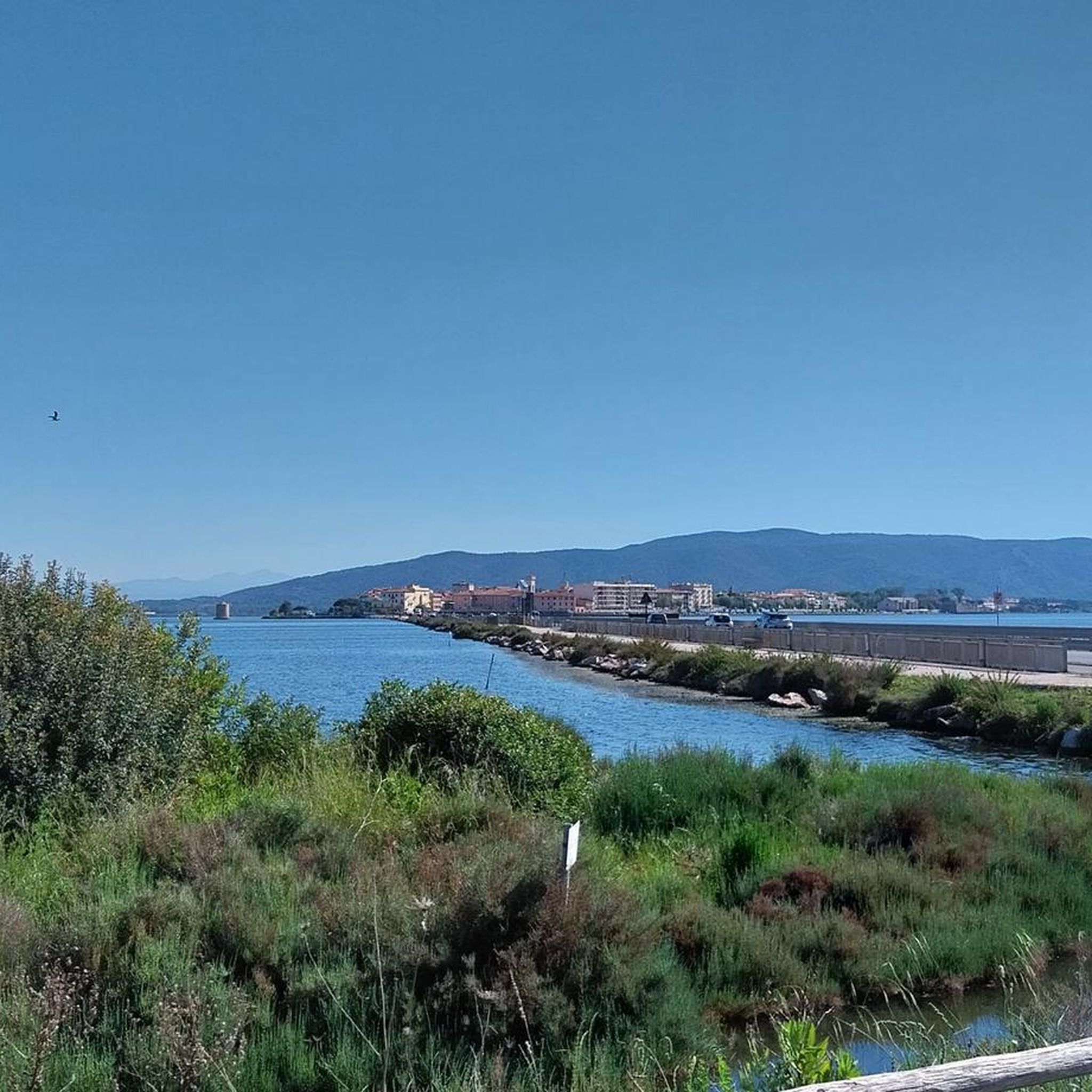
The fort was strategically located, controlling the nearby salt mines, the river port, traffic on the Via Aurelia, and the passages over the Tombolo della Giannella. Today, it serves as the Superintendency's archives.
0
0


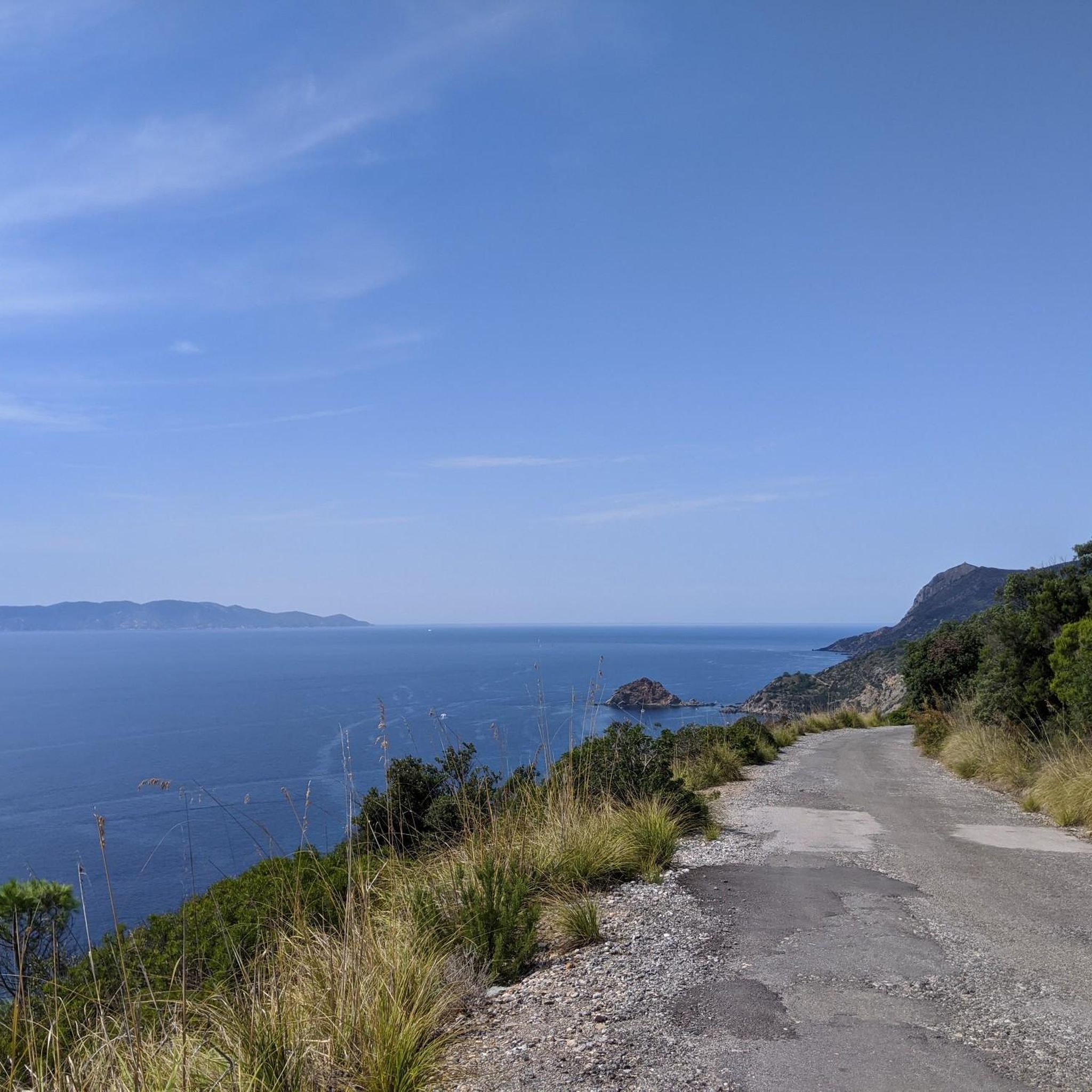
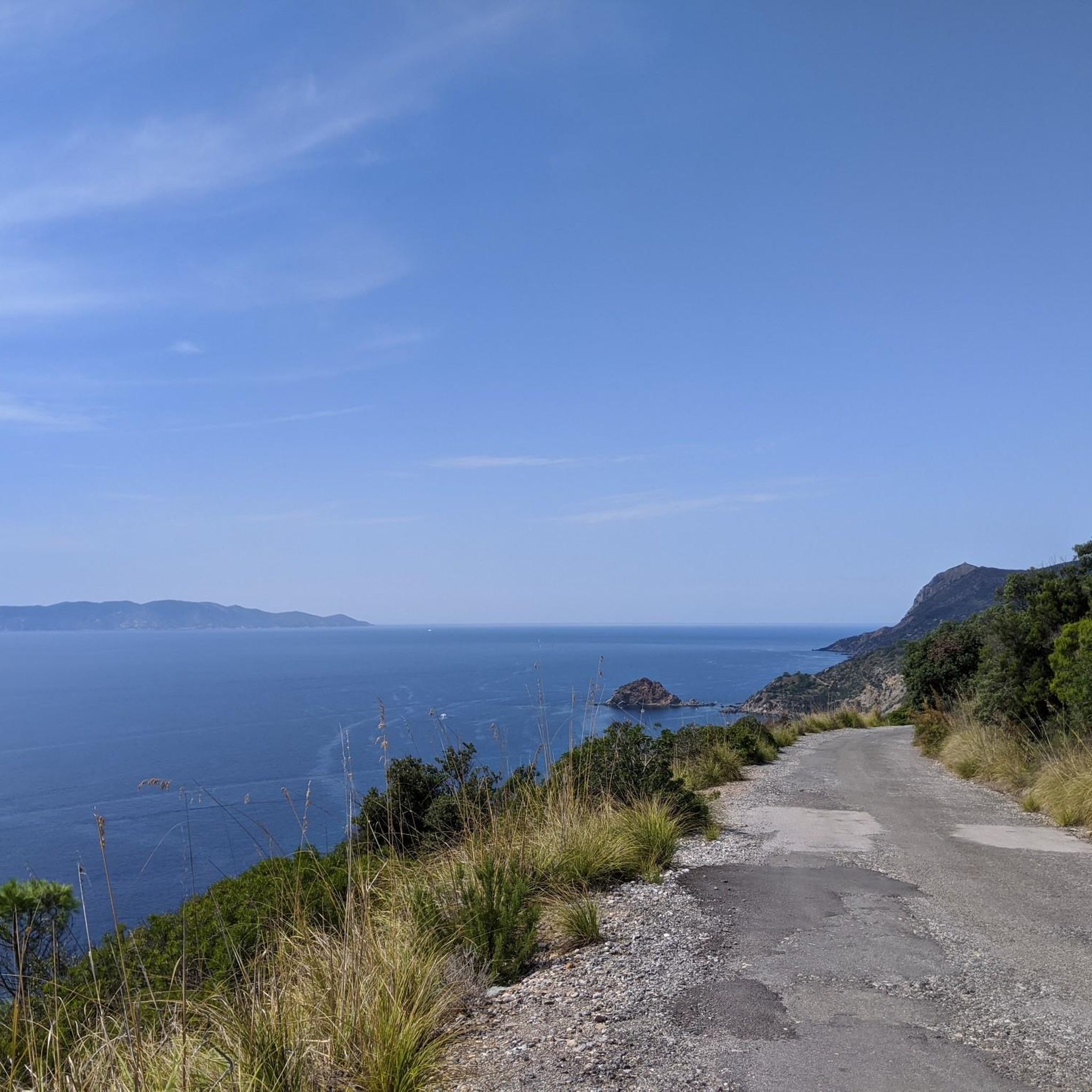
Forte Filippo is the sentinel that dominates the entire bay of the old port. Just before arriving in the town, a small asphalt road will take you to the top. Go slowly and pay close attention to vehicles coming in the opposite direction! The road is very narrow and winding. Alternatively you can reach it with a nice half hour walk! The view you will enjoy in the last stretch will repay you for the effort. Fort Philip is a coastal fortification built in 1558 to improve the defensive system of the State of the Garrisons. Its name was chosen in honor of King Philip II of Spain. The Fort was built with four bastions and is deeply embedded in a moat carved into the rock. The only access point is represented by a drawbridge. You can only visit the perimeter, as the various buildings inside have been used as homes, but it is still worth it: the walkway on the walls is very suggestive. A path leads to the Torre del Mulinaccio. Originally it too was part of the defense system. It was then transformed into a windmill. The structure almost entirely collapsed, following the definitive abandonment of the mill. The panorama of Feniglia that can be enjoyed from here is worth a visit.
1
0
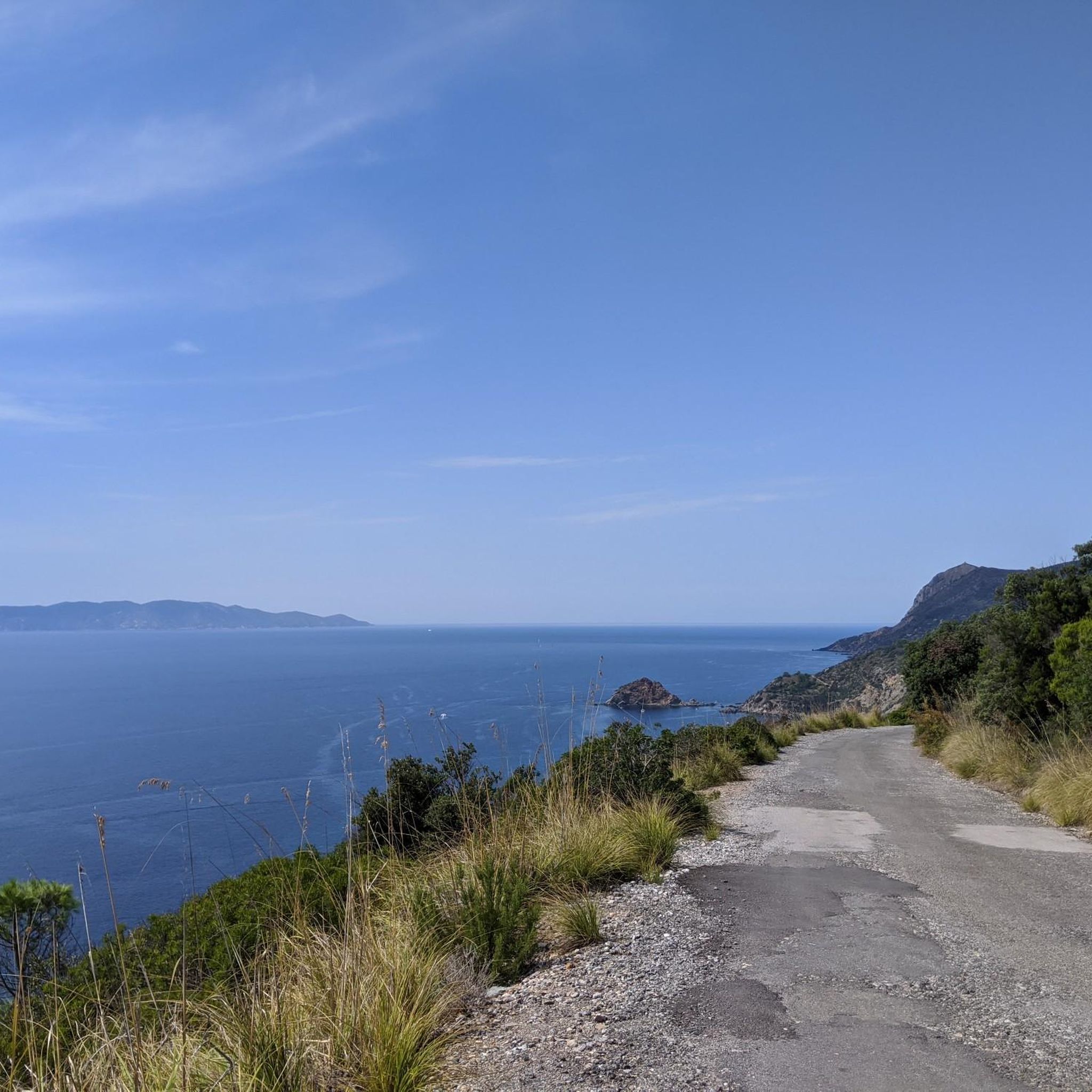
It was built by the Spaniards in the second half of the sixteenth century, due to its location it constituted one of the strategic points of the entire defensive system of the State of the Garrisons. Its shape is a six-pointed star. The entire structure is surrounded by a moat and the access door is preceded by a stone bridge which replaced the ancient drawbridge in modern times. The natural lighting of the internal environments is provided by a hexagonal-shaped opening that opens in the center of the terrace on the top of the Fort. Inside, exhibitions and cultural events are held. Its visit is permitted from May 1st to June 30th on weekends and from July 1st to September 30th every day. The entrance ticket costs 2 euros. From 1 October to 31 December visits are permitted upon request from the municipal administration. It can be reached by taking the panoramic road, leaving the town of Porto Ercole behind you, after a couple of kilometers you will come across a deviation to the right for Forte Stella. You can admire a wonderful panorama from a turtle-shaped island right below us.
1
0

It opens at 10.30 am. from the top there is a beautiful view of Porto Santo Stefano. There is a lot of fog in the early morning.
0
0
Frequently Asked Questions
What kind of historical sites can I expect to see in Monte Argentario?
Monte Argentario is known for its strategic fortifications and watchtowers, rather than traditional medieval castles. These robust structures were primarily built or reinforced during Spanish rule in the 15th and 16th centuries to defend the coastline from sea incursions. They offer a glimpse into the region's past and provide breathtaking panoramic views.
Which fortifications offer the best panoramic views of Monte Argentario?
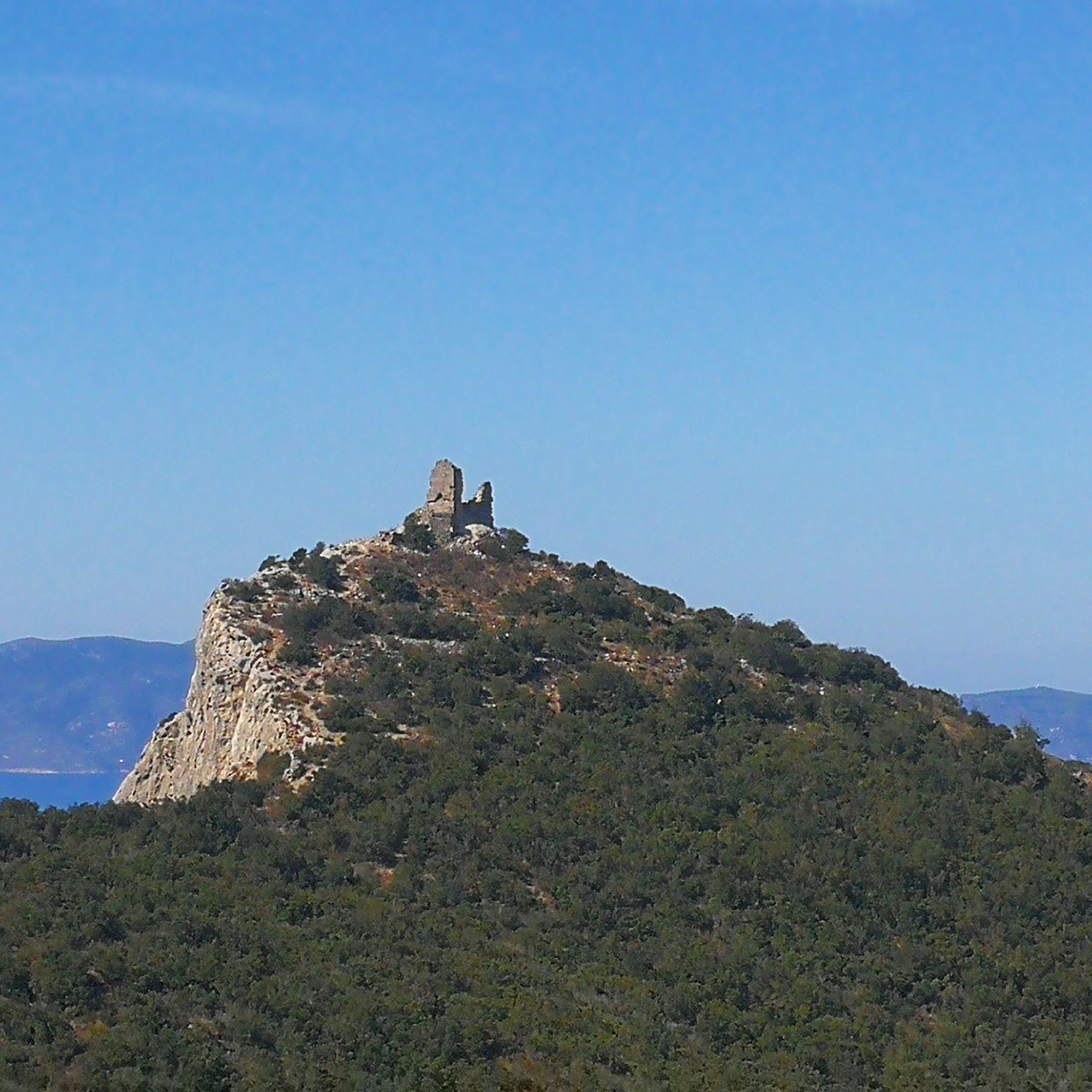
Several fortifications boast spectacular views. Forte Stella offers magnificent sea and coastline vistas. From Forte Filippo, you can enjoy commanding views of Porto Ercole, the Tombolo della Feniglia, and Ansedonia. The Spanish Fortress of Porto Santo Stefano provides superb views over the port and the sea, while Torre di Capo d'Uomo, situated about 350 meters above sea level, offers sensational views of the natural wonders.
Are there any museums or exhibitions within the fortifications?
Yes, the Spanish Fortress of Porto Santo Stefano houses a museum complex with a permanent exhibition called 'Submerged Memories,' dedicated to underwater archaeological research and finds from the Maremma coast. Forte Stella also hosts exhibitions and cultural events inside its unique six-pointed star structure.
Which fortifications are open to the public and what are their visiting hours?
Forte Stella is open to the public, typically from May 1st to June 30th on weekends, and daily from July 1st to September 30th. From October 1st to December 31st, visits are by request from the municipal administration. The Spanish Fortress of Porto Santo Stefano is also open to the public with specific visiting hours, usually opening at 10:30 AM. It's always advisable to check current schedules before your visit.
What is the best time of year to visit the fortifications in Monte Argentario?
The best time to visit is generally during the spring (April-June) and early autumn (September-October) when the weather is pleasant for exploring and the crowds are typically smaller than in the peak summer months. This allows for comfortable walks and clear views.
Are there hiking trails near the fortifications of Monte Argentario?
Yes, Monte Argentario offers numerous hiking opportunities. You can find trails like the 'Porto Ercole Loop' or the 'Climb to the Torre dell'Argentiera' which offer moderate difficulty. For more options, explore the Hiking around Monte Argentario guide.
What other outdoor activities can I do near these historical sites?
Beyond hiking, you can enjoy mountain biking with routes like the 'Orbetello Lagoon Loop' or 'Anello del Campone Trail'. Gravel biking is also popular, with scenic routes such as the 'Monte Argentario scenic road'. For detailed routes, check out the MTB Trails around Monte Argentario and Gravel biking around Monte Argentario guides.
Is there parking available near the fortifications?
Yes, parking is generally available. For Forte Stella, you can reach it via a panoramic road with a deviation for the fort. Forte Filippo has a steep but accessible driveway. The Spanish Fortress of Porto Santo Stefano is located on a hill, and parking can be found nearby in Porto Santo Stefano.
Are the fortifications in Monte Argentario suitable for families with children?
Many of the fortifications, with their open spaces and panoramic views, can be enjoyable for families. Children might particularly enjoy exploring the unique star shape of Forte Stella or the museum at the Spanish Fortress of Porto Santo Stefano. The walks to some sites, like Forte Filippo, can be a nice half-hour stroll, offering rewarding views.
What is the historical significance of Forte delle Saline?
Forte delle Saline was strategically located to control the nearby salt mines, the river port, traffic on the Via Aurelia, and passages over the Tombolo della Giannella. Today, it serves as the Superintendency's archives, highlighting its enduring importance.
How long should I allocate to visit these historical sites?
For individual sites like Forte Stella or the Spanish Fortress of Porto Santo Stefano (including its museum), you might spend 1-2 hours at each. If you plan to visit multiple sites and enjoy the surrounding views or nearby trails, a full day or even a weekend would allow for a more relaxed and comprehensive experience.
Are there any less crowded fortifications to visit in Monte Argentario?
While Forte Stella and the Spanish Fortress of Porto Santo Stefano are popular, exploring sites like Forte Filippo or the more remote Torre di Capo d'Uomo might offer a quieter experience, especially outside of peak tourist hours. The Rocca in Porto Ercole, though partly private, still offers expansive views from its accessible areas.
Most popular routes around Monte Argentario
Most popular attractions around Monte Argentario

Get inspired with the komoot mobile app


Explore more
Looking for the best castles somewhere else? Discover other guides around Monte Argentario:
