Top 3 Caves around Sarnano
Caves around Sarnano are found within the Sibillini Mountains, a region known for its diverse natural landscape and historical significance. This area features a mix of geological formations, including river gorges and mountain peaks. The caves here offer insights into both natural processes and past human habitation. Visitors can explore various underground environments within this mountainous terrain.
Best caves around Sarnano
- The most popular caves is Cave of the Friars, a cave that served as a hermitage for Benedictine…
Last updated: October 5, 2026
Cave of the Friars
Highlight • Cave
Translated by Google •
Tip by

Ruins of the Vestibule of the Sibyl's Cave
Highlight • Cave
Showing Translation
Tip by

Sign up now to discover places like this
Get recommendations on the best single tracks, peaks, & plenty of other exciting outdoor places.
Translated by Google •
Tip by

Ambro Spring
Highlight • Natural Monument
Translated by Google •
Tip by

Fessa di Smerillo
Highlight • Gorge
Showing Translation
Tip by

Start today with a free account
Your next adventure awaits.
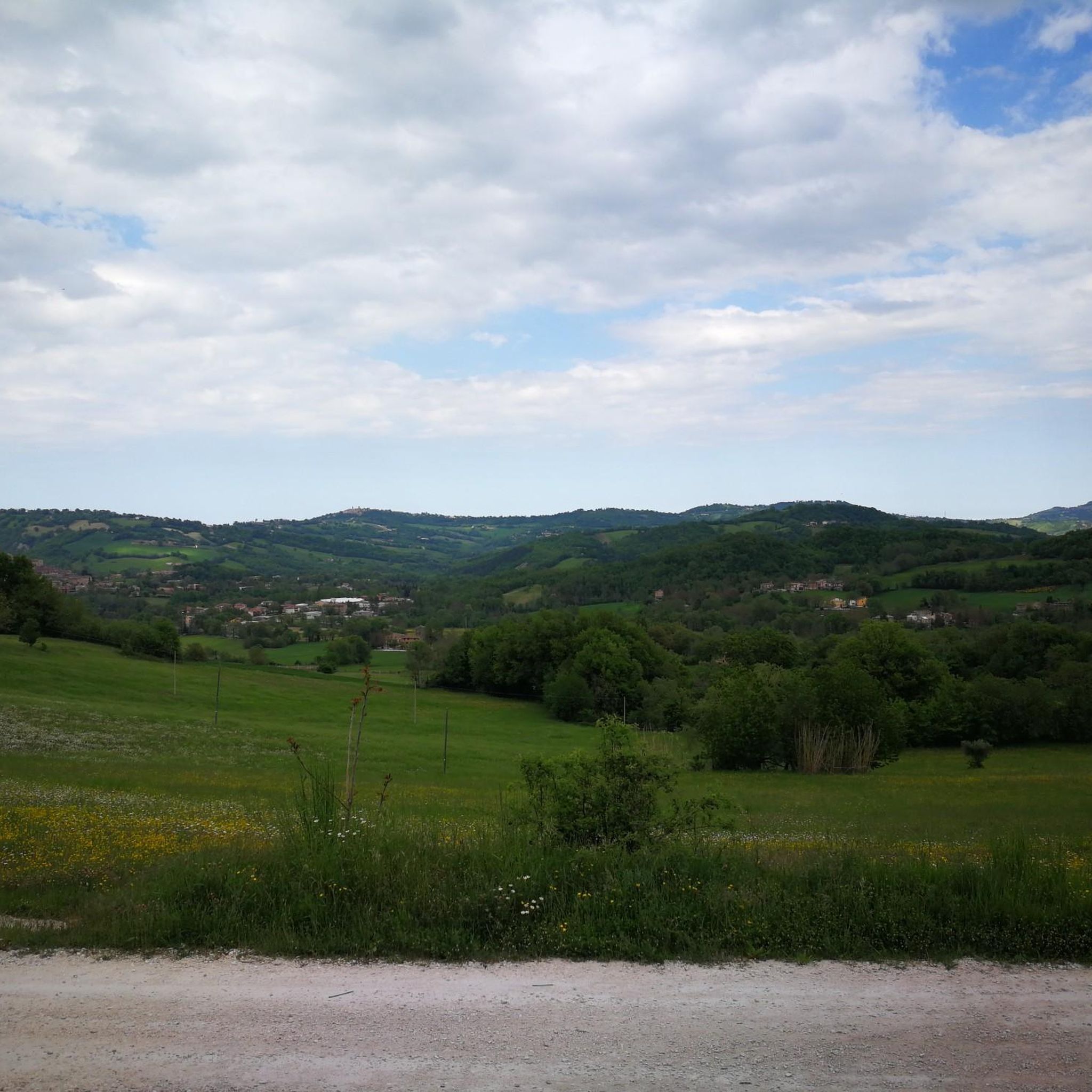
Tips from the Community

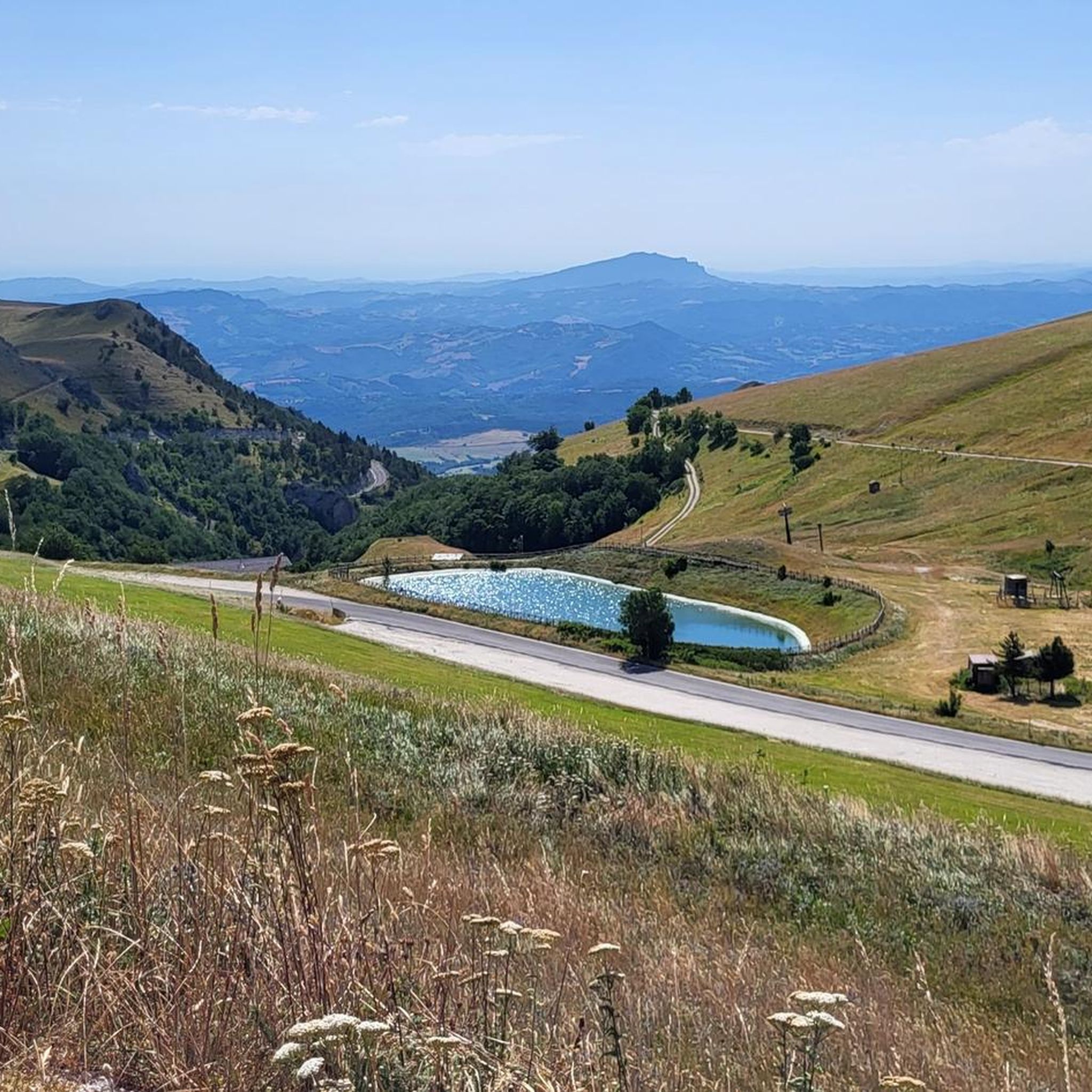
Mount Sibilla, which gives its name to the entire Monti Sibillini group, is known for the so-called Grotta della Sibilla, a cave carved into the rock near its summit. According to an ancient medieval legend, the cave was the access point to the underground paradise kingdom of Queen Sibilla or the Apennine Sibyl, a sorceress, enchantress, and seer who lived there with a court of ladies identified by popular tradition as "fairies" and who possessed supernatural knowledge and could provide prophecies and revelations. In the Middle Ages and the Renaissance, the fame of the Grotta della Sibilla attracted wandering knights, nobles, scholars, the curious, practitioners of magic/alchemy, and people interested in the occult from all over Europe. The remains of the cave's vestibule, which collapsed between 1953 and 1968, after a long history of expeditions to inspect its cavities, can be reached on the path leading to the summit of the Mount, on the meadow to the east of the plateau, past the so-called "Corona della Sibilla", a red-colored calcarenite rock shelf over 5 meters high that surrounds the summit at an altitude of about 2000 meters.
0
0

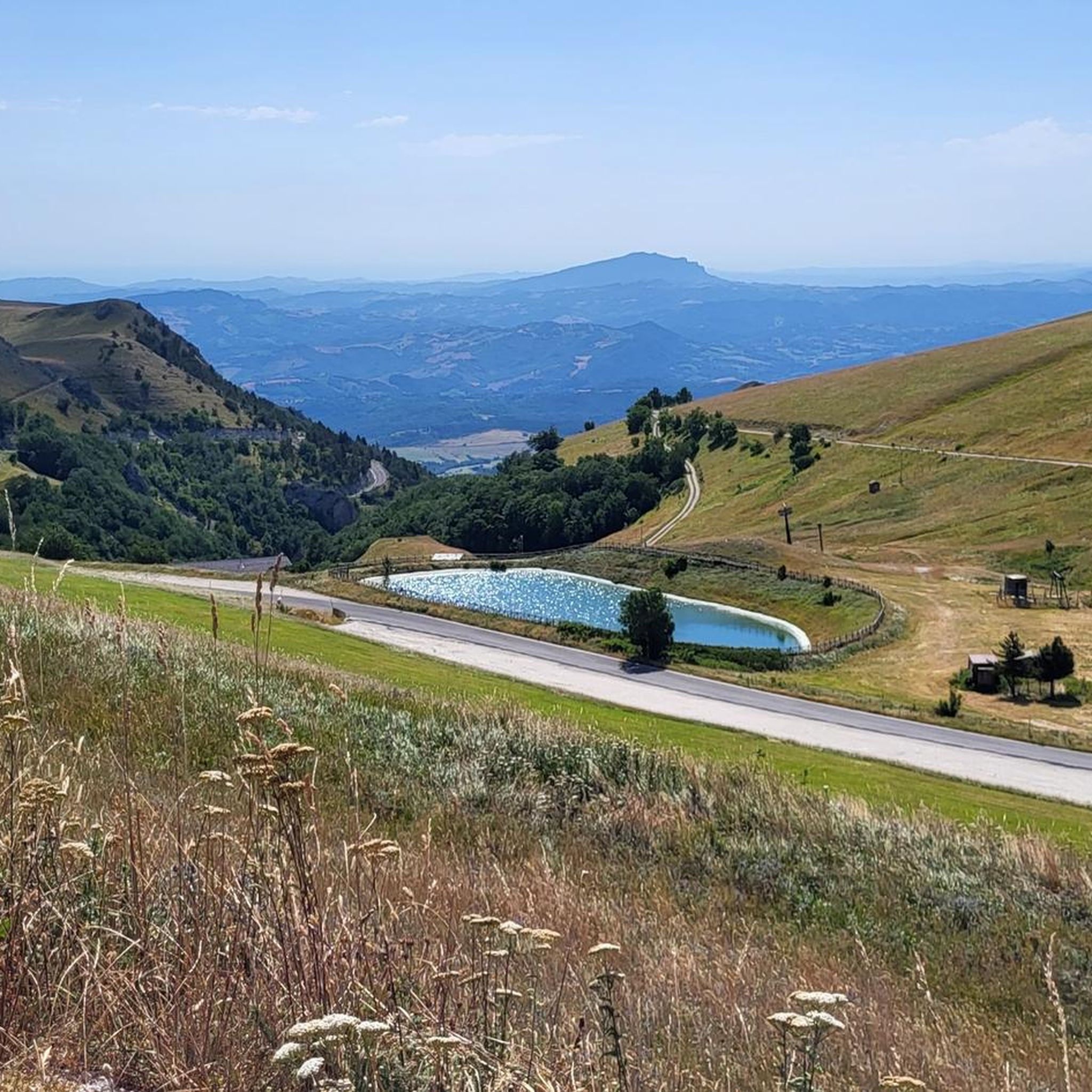
La Fessa is a canyon of landslide origin that opened up on the western flank of Monte Falcone. The local rock is sandstone and it is located near the village of Smerillo. The "fissure" can be traversed on foot by crossing it in the narrow passage where only one person can pass at a time, and it is reached by a path that starts from the Belvedere of the village.
2
0

Avoid this destination. The trail is steep, long, and dangerous, and beyond the river it's even impassable!
0
0


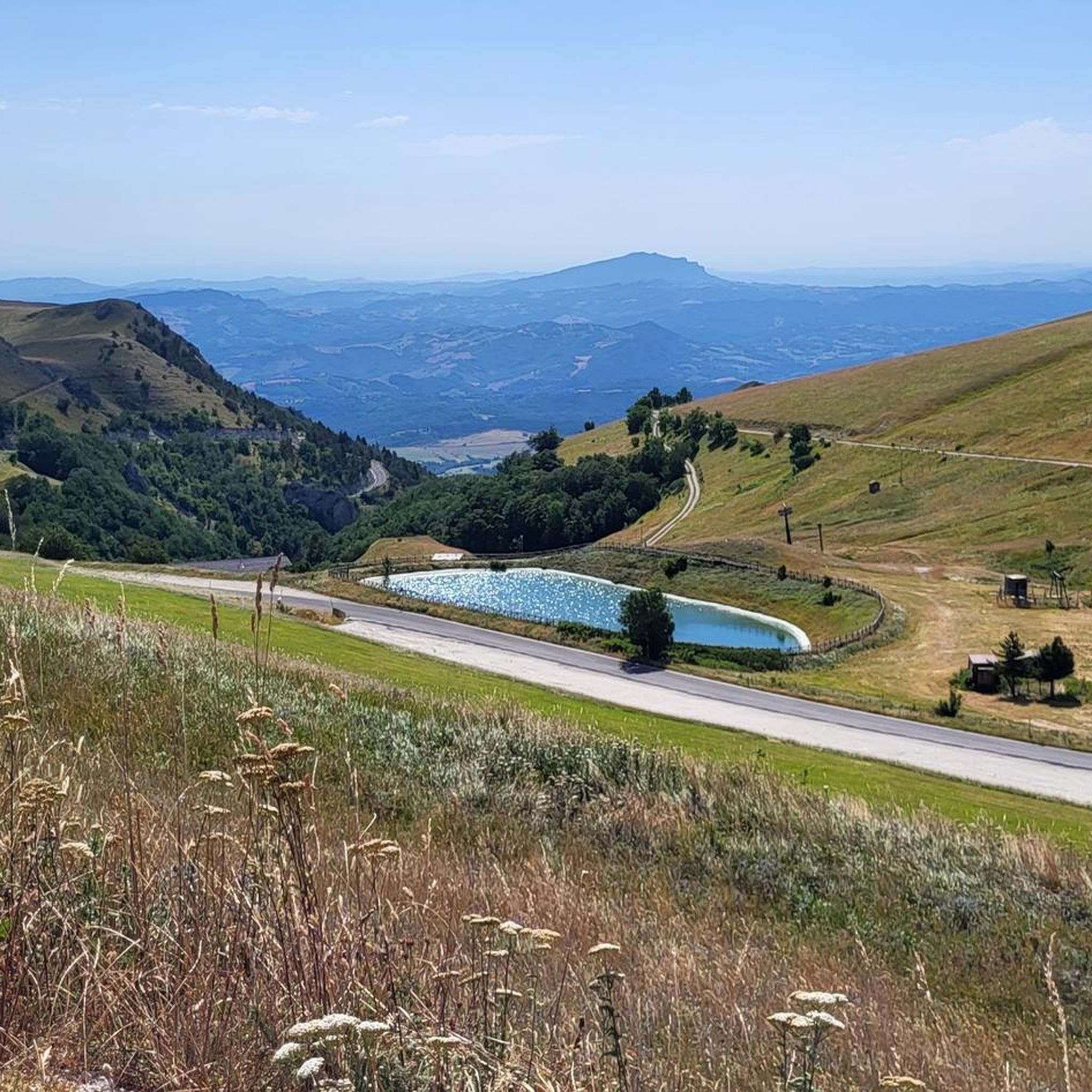
Located in the heart of the Alta Valle dell'Ambro, it can be reached either starting from the Santuario dell'Ambro or starting from the Rifugio Città di Amandola. Once you arrive, the source is easily accessible via a path that leads directly to the source
0
0
I recommend not doing the whole route but going back after reaching Grotta dei Frati. In fact, going down further, you reach the river and to continue you literally have to walk into it. There is no path on the side. In addition, after crossing the river and taking the path again, the road is impassable due to a landslide since 2022. Nice route but the circular tour is no longer possible.
3
0
From Grotta dei Frati go back and do not continue the path towards the river. Dangerous path and also closed by an ordinance of 2022 due to subsidence of the land. The path literally passes inside the river (in reality a real path no longer exists) and once you have resumed the marked path, you will find yourself in front of a sign prohibiting access to pedestrians due to danger.
2
1

Beautiful hike and final piece to the really interesting hidden waterfall
0
0
Frequently Asked Questions
What historical caves can I explore near Sarnano?
The Cave of the Friars (Grotta dei Frati) near Sarnano is a significant historical site. It served as a hermitage for Benedictine and Franciscan monks, with a cave church built inside around 1234. You can still see remnants of their monastic settlement, offering a unique blend of wild nature and medieval history.
Are there any large, spectacular cave systems accessible from Sarnano?
While not directly in Sarnano, the Frasassi Caves (Grotte di Frasassi) in Genga are one of Italy's most spectacular and largest known cave systems in Europe, located within the Marche region. They feature immense chambers filled with breathtaking stalactites, stalagmites, crystal formations, and underground lakes. Guided tours are available, making it a must-see for anyone in the region.
What natural features can I expect to see in and around the caves near Sarnano?
Beyond the cave formations themselves, the area offers diverse natural beauty. Near the Cave of the Friars, you'll find the dramatic Gole del Fiastrone (Fiastrone Gorge). The Ambro Spring is a cave from which a stream flows, forming a waterfall that gives birth to the Ambro river. You can also find gorges like Fessa di Smerillo, a unique canyon of landslide origin.
What is the difficulty level for reaching caves near Sarnano?
Accessing some caves, like the Cave of the Friars, can be challenging. The path involves steep and sometimes insidious sections, potentially requiring suitable shoes and hiking poles. Some routes may even involve wading through the river. Always check local conditions and advisories before setting out, as parts of trails can be closed due to landslides.
Are there hiking trails near these caves?
Yes, the caves are often integrated into scenic hiking routes. For instance, reaching the Cave of the Friars typically involves a hike through the Fiastrone gorge. The Ambro Spring is accessible via paths from Santuario dell'Ambro or Rifugio Città di Amandola. You can find many hiking options in the area, including routes like the 'Way of the Lost Waterfalls' or the 'Piani di Ragnolo Loop'. Explore more hiking trails around Sarnano on our dedicated guide: Hiking around Sarnano.
What should I wear for cave exploration near Sarnano?
For caves like the Cave of the Friars, which require a hike to reach, sturdy hiking shoes with good grip are essential. Poles can be helpful for balance on steep or uneven terrain. Inside larger cave systems like Frasassi, the temperature remains a constant 14°C (57°F) year-round, so a light jacket is advisable even in summer.
Are there any mythical or legendary caves in the Sarnano area?
Yes, the Ruins of the Vestibule of the Sibyl's Cave on Mount Sibilla are steeped in legend. This cavern was, according to medieval tales, an access point to the subterranean paradise kingdom of Queen Sibyl, a sorceress and seer. Its fame attracted knights, scholars, and those interested in the occult from across Europe during the Middle Ages and Renaissance.
What other outdoor activities can I do near the caves around Sarnano?
The region around Sarnano, particularly the Monti Sibillini National Park, offers a wide range of outdoor activities. Besides hiking, you can find numerous mountain biking trails, such as those around Lake Fiastra or Piani di Ragnòlo. For more options, check out our guides for MTB Trails around Sarnano and Traffic-free bike rides around Sarnano.
Is there a cave with a view of a river valley near Sarnano?
Yes, you can find a View of the Tenna River Valley and Buco del Frassino. Here, you are immersed in the valley next to the Tenna river, and on the opposite side, you can see the entrance to a cave known as "Buco del Frassino".
What is the best time to visit caves in the Sarnano region?
The best time to visit depends on the specific cave and your activity. For caves requiring significant hiking, like the Cave of the Friars, spring and autumn offer pleasant temperatures and often more stable weather conditions for trekking. Summer can also be good, but be prepared for warmer temperatures on the trails. For large, accessible cave systems like Frasassi, which maintain a constant internal temperature, they are a great option year-round, though booking in advance during peak tourist seasons is recommended.
Are there any specific permits required to access caves near Sarnano?
Generally, for natural caves accessible via public trails, like the Cave of the Friars or Ambro Spring, no specific permits are required for entry. However, always respect any local signage, especially regarding trail closures due to safety concerns. For commercial cave systems like Frasassi, guided tours require tickets, which should be purchased in advance.
Most popular routes around Sarnano
Most popular attractions around Sarnano

Get inspired with the komoot mobile app


Explore more
Extend your search for the best caves by checking out these guides of the top ones around Sarnano:
