Top 3 Caves around Casola Valsenio
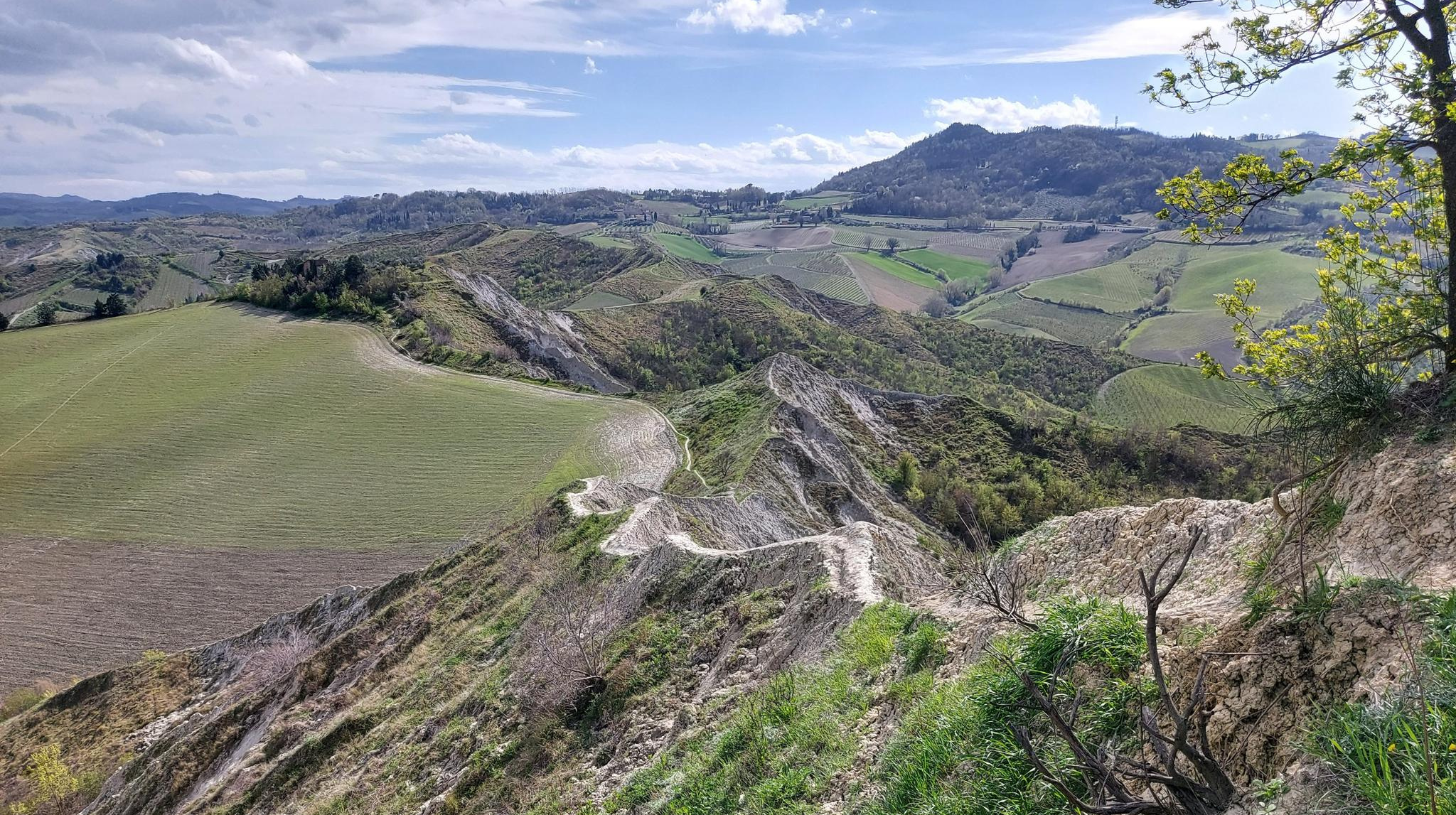
Best caves around Casola Valsenio are found within the Parco della Vena del Gesso Romagnola, a UNESCO World Heritage site known for its gypsum karst formations. This region offers a unique underground world with significant natural and historical importance. The caves provide insights into the area's geology, archaeology, and speleology, showcasing both natural wonders and evidence of ancient human presence.
Best caves around Casola Valsenio
- The most popular caves is Quarry of Lapis Specularis at Ca' Castellina, a cave…
Last updated: May 20, 2026
Monte Mauro Hermitage
Highlight • Religious Site
Translated by Google •
Tip by

Grotta Tanaccia
Highlight • Cave
Translated by Google •
Tip by

Sign up now to discover places like this
Get recommendations on the best single tracks, peaks, & plenty of other exciting outdoor places.
Sign up for free
Quarry of Lapis Specularis at Ca' Castellina
Highlight • Cave
Translated by Google •
Tip by

Grotta della Toresina
Highlight • Cave
Translated by Google •
Tip by

King Tiberius' Cave
Highlight • Cave
Translated by Google •
Tip by

Start today with a free account
Your next adventure awaits.
Login or Signup

Other adventures around Casola Valsenio

Tips from the Community

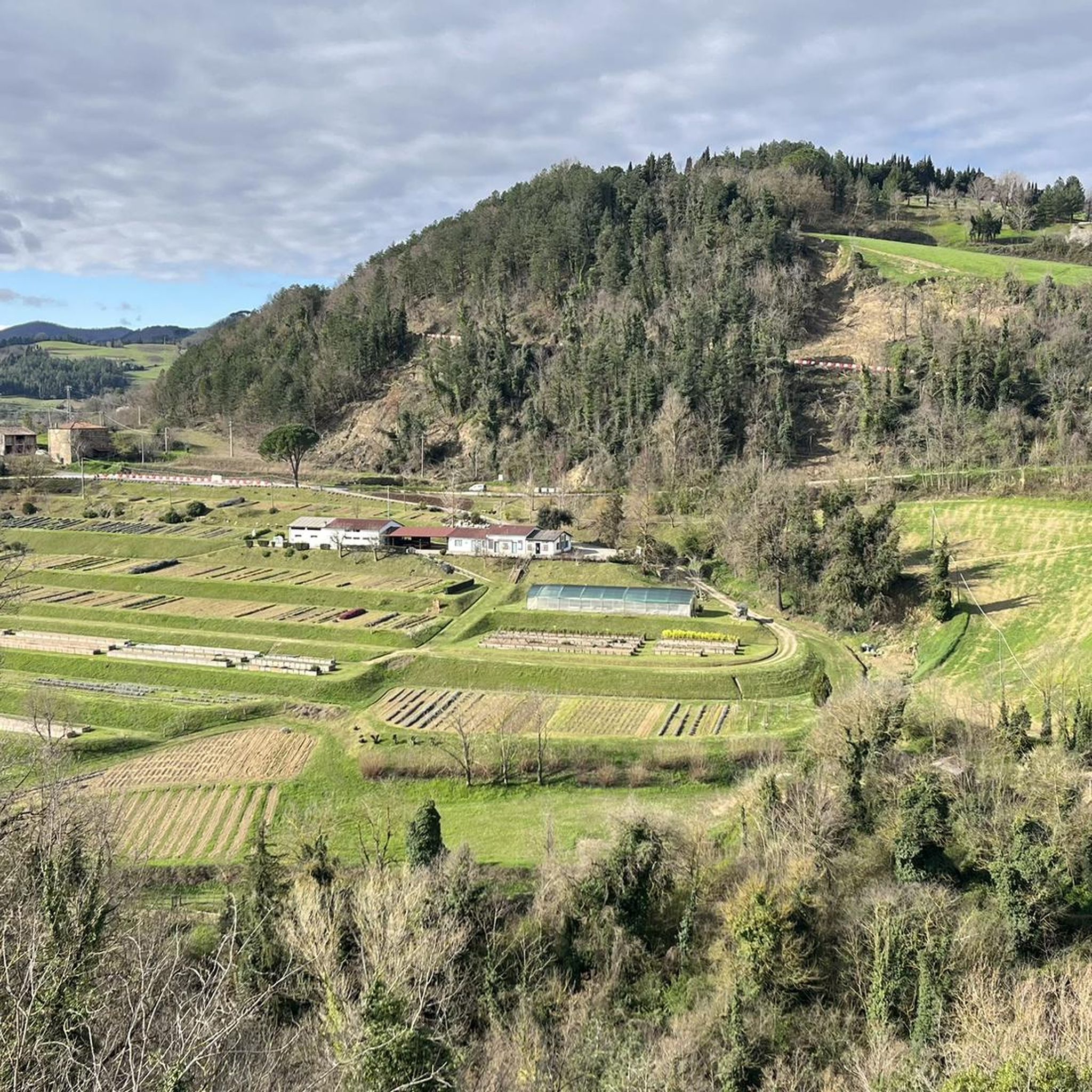
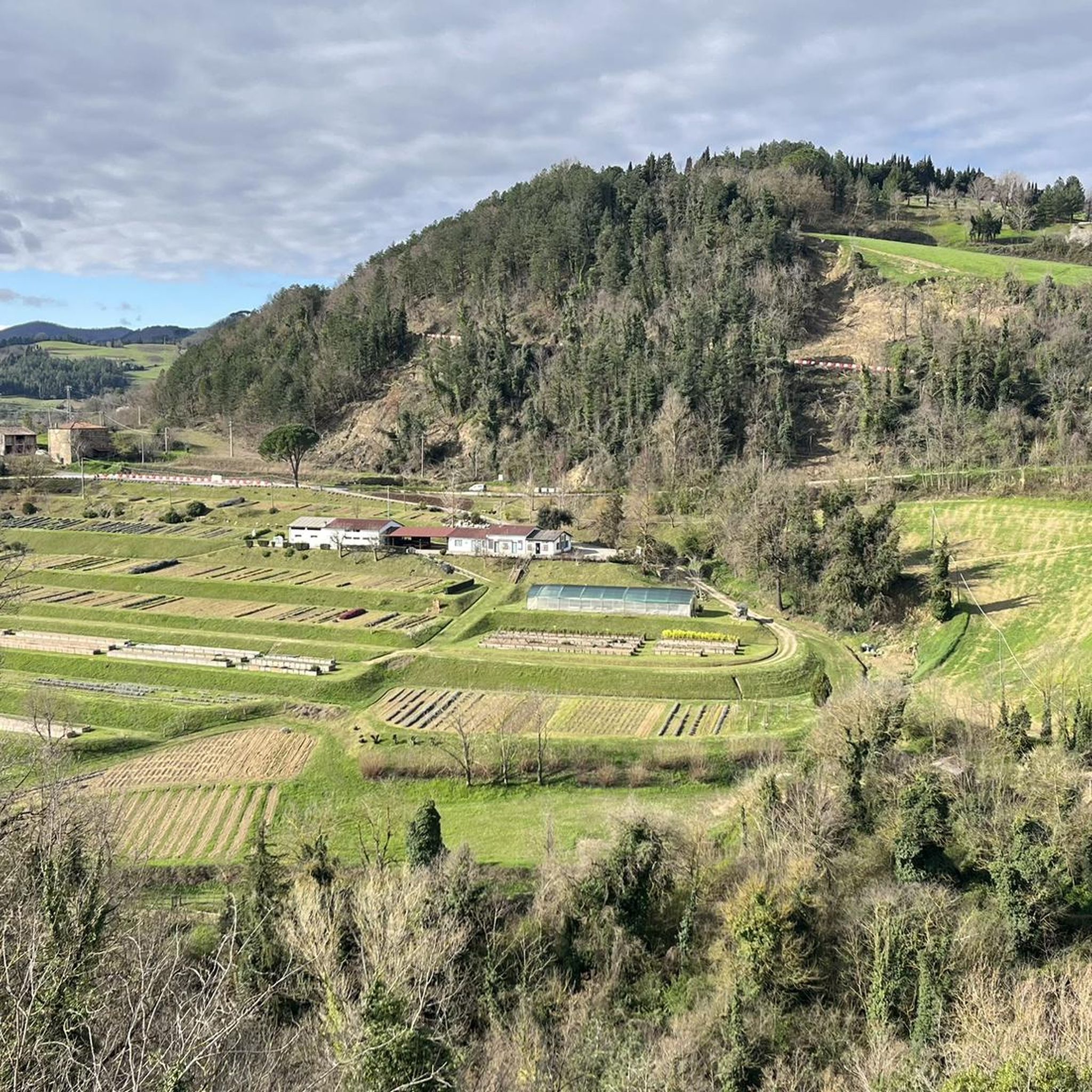
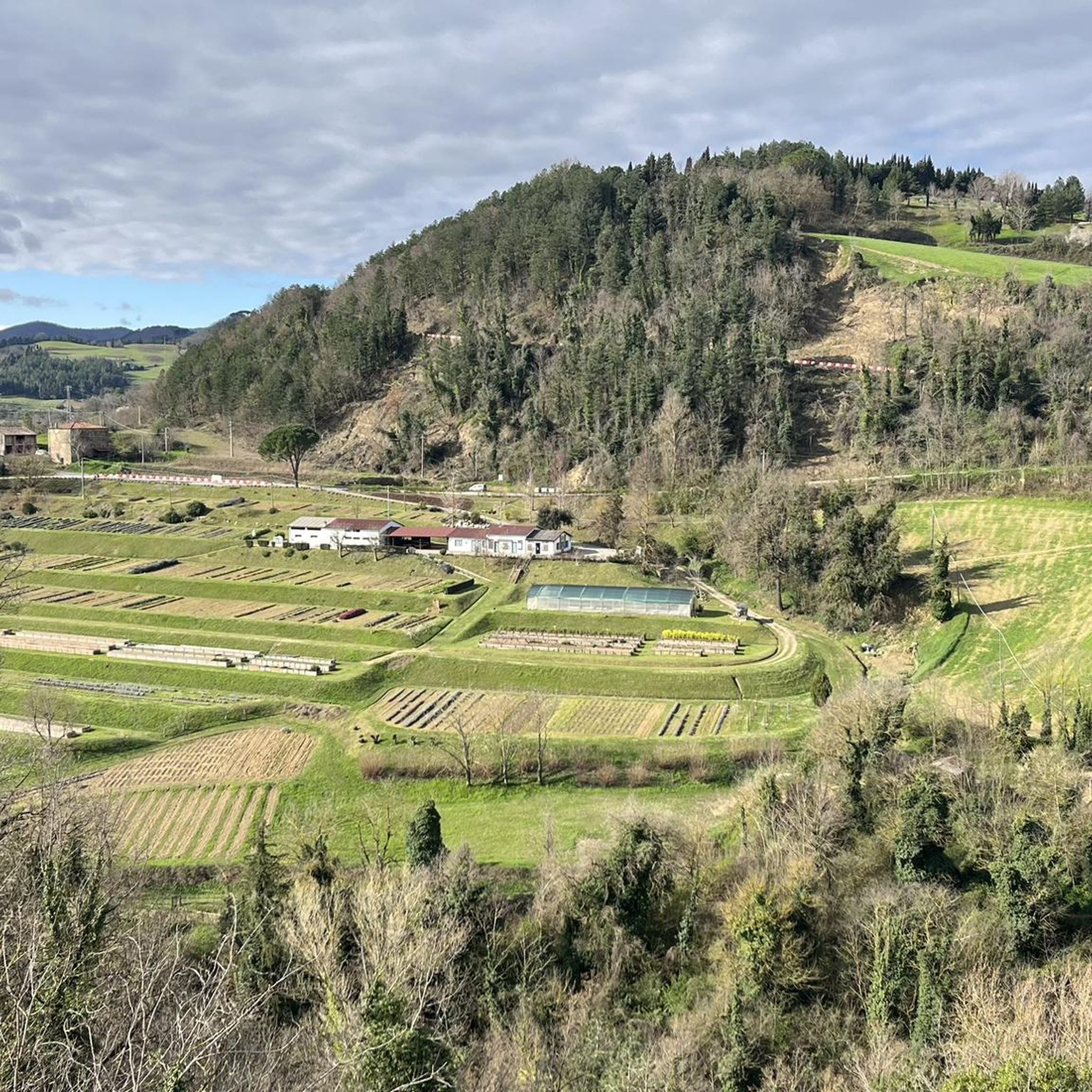
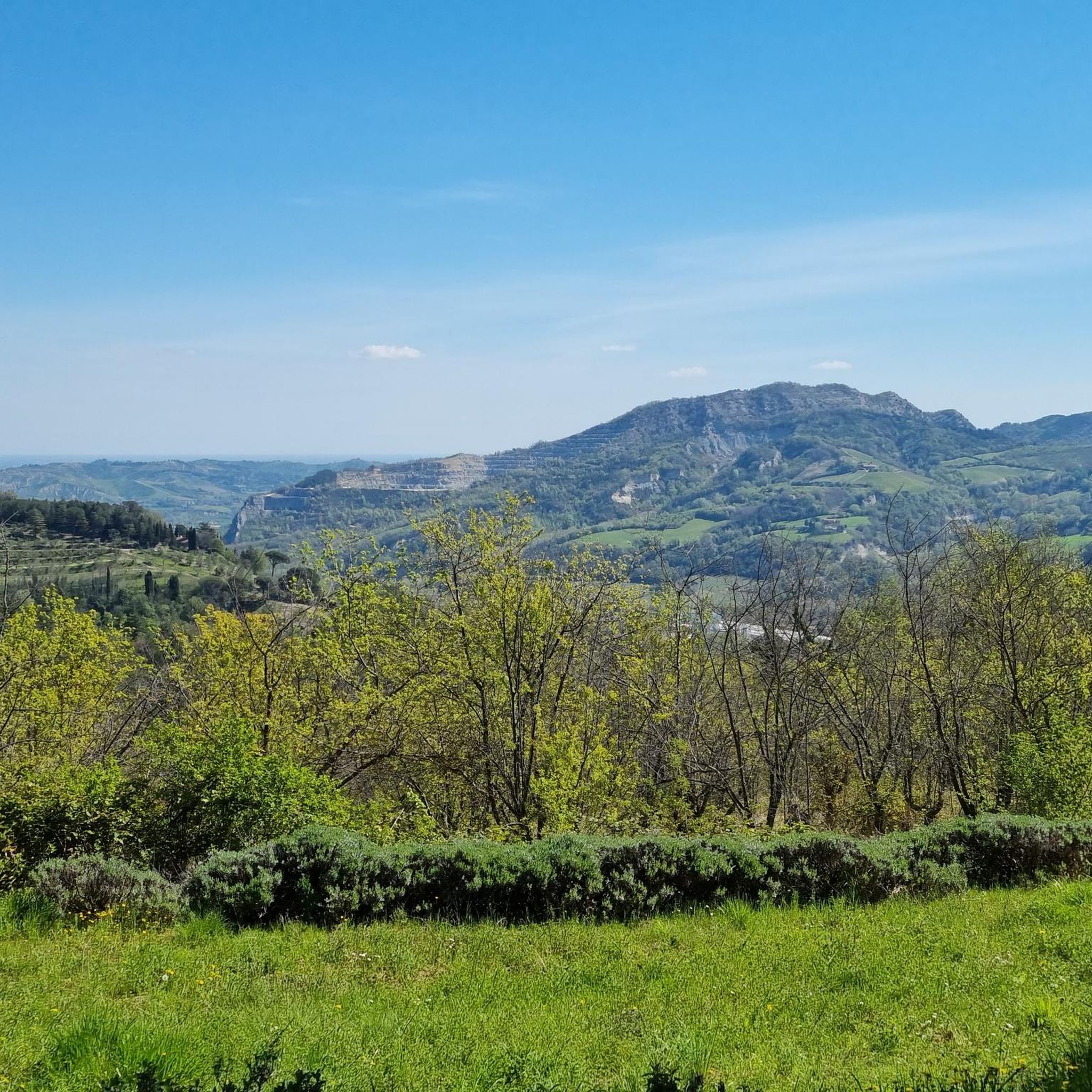
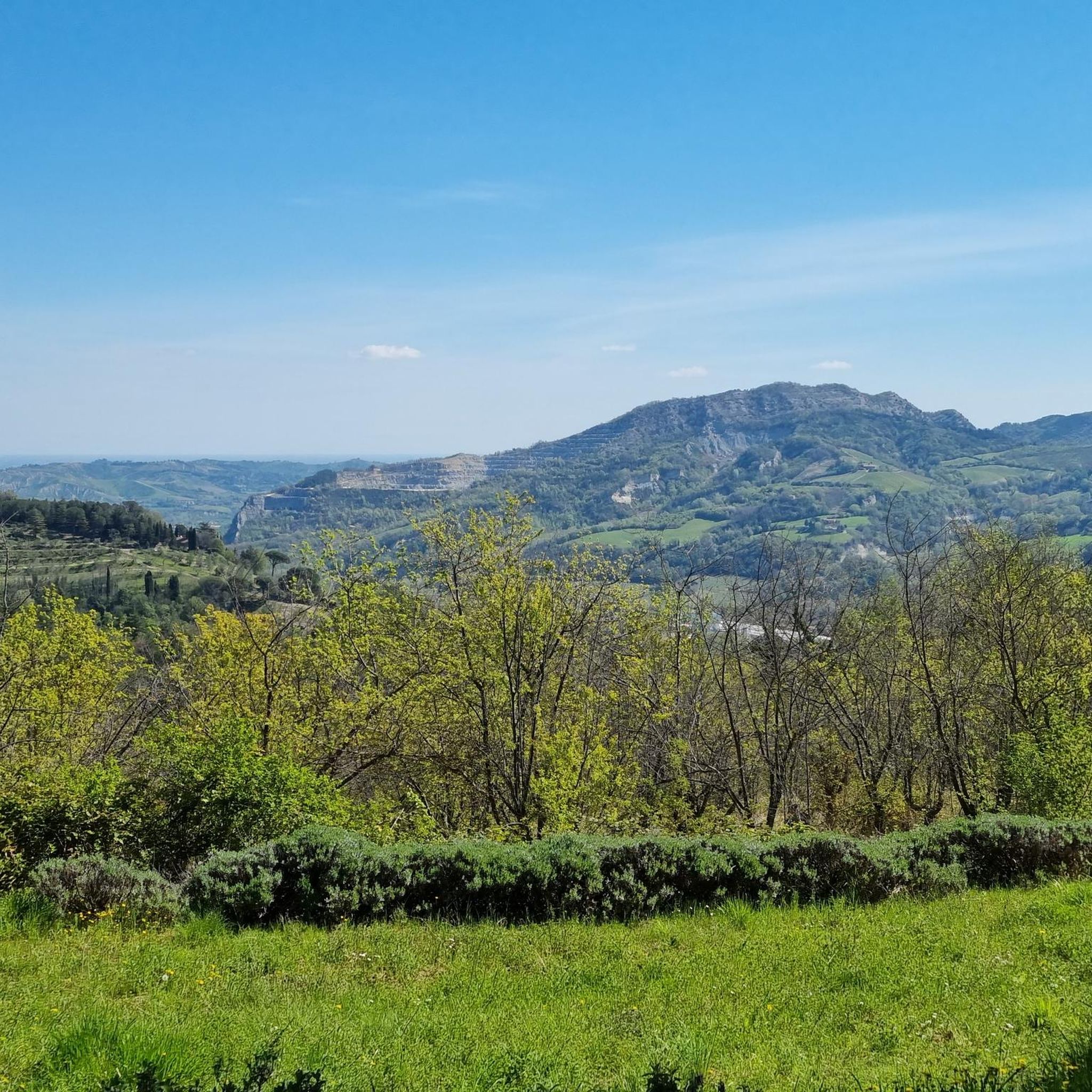
Located north of the gypsum quarry in Monte Tondo, which was exploited in the 1960s by Anic for the production of fertilizers; fortunately, in 1993 the quarry was sold to Saint Cobain and the environmental situation has improved, although the scar towards the top of the mountain remains.
0
0

fantastic to say the least, I recommend you try it!!!!
0
0

the cute cat EremoMonte Mauro
0
0

Area with numerous singletracks and well-rideable trails
0
0

at Ca' Castellina ══════════════════ 136th excursion and 6th time in the Vena del Gesso Park | the Sentiero dei Cristalli starting from Riolo Terme and lunch at the Agriturismo Pietra di Luna | Riolo Terme ═════════════════ 👇 here is the video in 4K 👇 https://youtu.be/gD3mxpMKBSM?si=gApbkb3HcYDfJaRs
1
0

Suggestive point of reflection, the view is also beautiful
2
0

Not particularly interesting as access is unfortunately prevented by a grate. There is an information panel near the gate. There is no view of the landscape due to trees.
1
0
Frequently Asked Questions
What are the most significant caves to visit in the Casola Valsenio area?
The most significant caves are the Grotta del Re Tiberio and the Grotta Tanaccia. Both are part of the UNESCO World Heritage Vena del Gesso Romagnola and offer unique insights into the region's geology and history.
What kind of geological features can I expect to see in the caves around Casola Valsenio?
The caves in this region are primarily characterized by gypsum karst formations. You'll find impressive macrocrystalline selenite gypsum, stalactites, stalagmites, and unique erosion features. For example, the Grotta Tanaccia features the 'Sala Quarina' with some of Europe's largest conic gypsum protuberances.
Are there guided tours available for the caves?
Yes, guided tours are available for both the Grotta del Re Tiberio and the Grotta Tanaccia. For Grotta Tanaccia, tours typically run from April to October and require reservations. Grotta del Re Tiberio offers historical tours and more adventurous speleological trekking options.
What is the best time of year to visit the caves?
The Grotta Tanaccia is generally open for guided tours from April to October. It is closed during winter to protect bat colonies. The Grotta del Re Tiberio may have different operating hours, so it's best to check specific availability for your visit. The average temperature inside the caves is around 12-14°C year-round.
What should I wear for a cave visit?
Given the cool temperatures inside (around 12-14°C), comfortable clothing and layers are recommended. For caves like Grotta Tanaccia, trekking shoes or rubber boots and possibly a waterproof suit are advised, as visitors are provided with helmets and lamps.
Are the caves suitable for families or beginners?
Many caves offer accessible sections suitable for general visitors. For example, the Grotta del Re Tiberio has a historical section covering about 60-70 meters up to the 'Sala Gotica' that is generally accessible. The Grotta Tanaccia also has a tourist route of about 500 meters. More challenging speleological treks are available for experienced adventurers.
What is the historical and archaeological significance of these caves?
Both the Grotta del Re Tiberio and Grotta Tanaccia are important prehistoric sites. Archaeological findings in Re Tiberio indicate continuous human presence from the late Copper Age through the Roman Imperial Age, serving as places for cults, settlements, and burials. Tanaccia also has unearthed significant finds from the Copper, Iron, and early Bronze Ages, including evidence of settlements and funerary use. You can find more information about the archaeological findings on the Cultura.gov.it website.
How long does it take to explore the caves?
For guided tourist routes, you can expect to spend about an hour underground. For instance, the tourist route in Grotta Tanaccia is approximately 500 meters long with a stay of about one hour. Deeper speleological explorations, such as those offered in Grotta del Re Tiberio, can take much longer.
Are there other interesting cave-like sites in the area?
Beyond the main caves, you can also explore sites like the Quarry of Lapis Specularis at Ca' Castellina, an ancient quarry where gypsum and lapis were extracted. The Grotta della Toresina is another ancient cave, though access may be restricted.
What outdoor activities can I do near the caves?
The area around Casola Valsenio offers various outdoor activities. You can find numerous routes for gravel biking, such as the 'Canale dei Molini – Mazzolano Climb loop' or the 'Zattaglia Pass – Marino Tower loop'. There are also many MTB trails, including routes that pass by the Monte Mauro Hermitage. For more details, explore the Gravel biking around Casola Valsenio guide or the MTB Trails around Casola Valsenio guide.
Are there any specific wildlife considerations when visiting the caves?
Yes, the Grotta Tanaccia is a crucial habitat for bat colonies, with six different species residing there. To protect their hibernation, the cave is closed during the winter months. Visitors are encouraged to respect these natural habitats.
Most popular routes around Casola Valsenio
Most popular attractions around Casola Valsenio

Get inspired with the komoot mobile app


Explore more
Extend your search for the best caves by checking out these guides of the top ones around Casola Valsenio:
