Top 4 Castles around Sant'Oreste
Best castles around Sant'Oreste offer a glimpse into the region's rich past, featuring unique architectural elements and compelling stories. Sant'Oreste is a small town surrounded by historical structures that overlook the Tiber Valley and the Roman countryside. These sites provide insights into medieval history and offer naturalistic excursions. The area combines historical significance with varied landscapes.
Best castles around Sant'Oreste
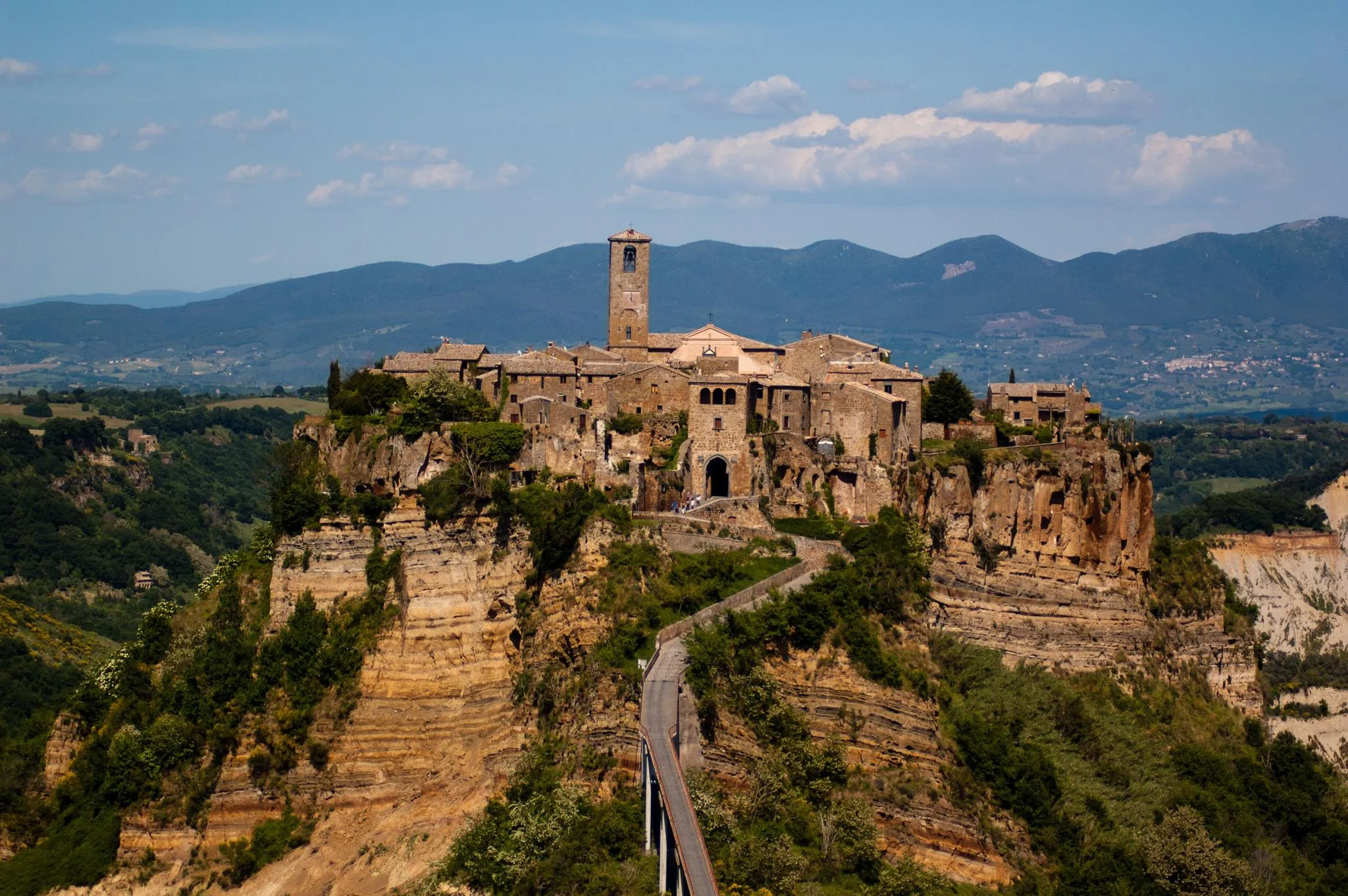
- The most popular castles is Nazzano and the Castle, a castle that dates back to the thirteenth century with…
Last updated: October 4, 2026
Nazzano and the Castle
Highlight • Castle
Translated by Google •
Tip by

Orsini Ducal Castle
Highlight • Castle
Translated by Google •
Tip by

Sign up now to discover places like this
Get recommendations on the best single tracks, peaks, & plenty of other exciting outdoor places.
Castel Fogliano Ruins
Highlight • Historical Site
Translated by Google •
Tip by

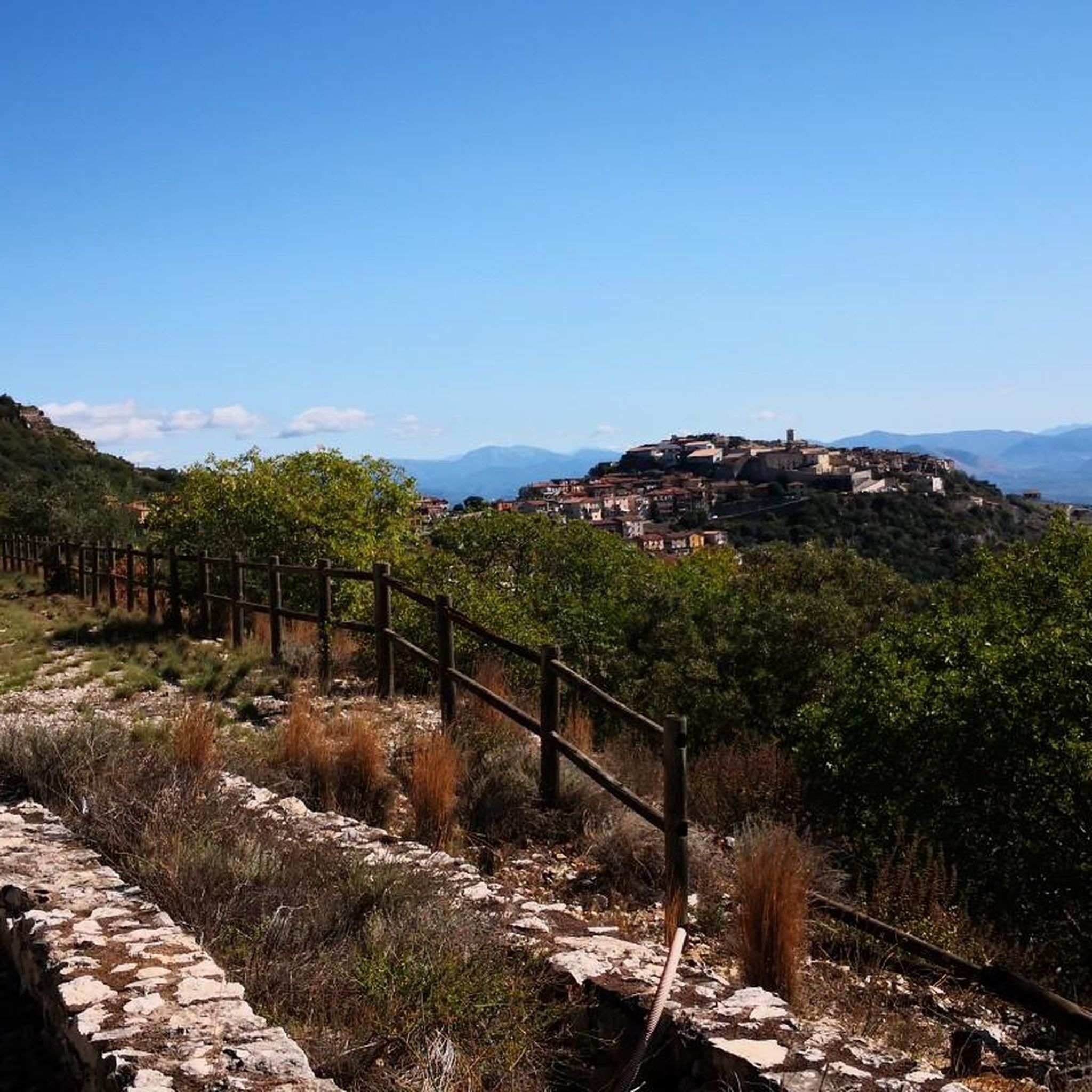
Historic Center of Selci Sabino
Highlight • Historical Site
Translated by Google •
Tip by

Torre Busson (Morolo Castle)
Highlight • Castle
Translated by Google •
Tip by
Start today with a free account
Your next adventure awaits.

Other adventures around Sant'Oreste

Tips from the Community

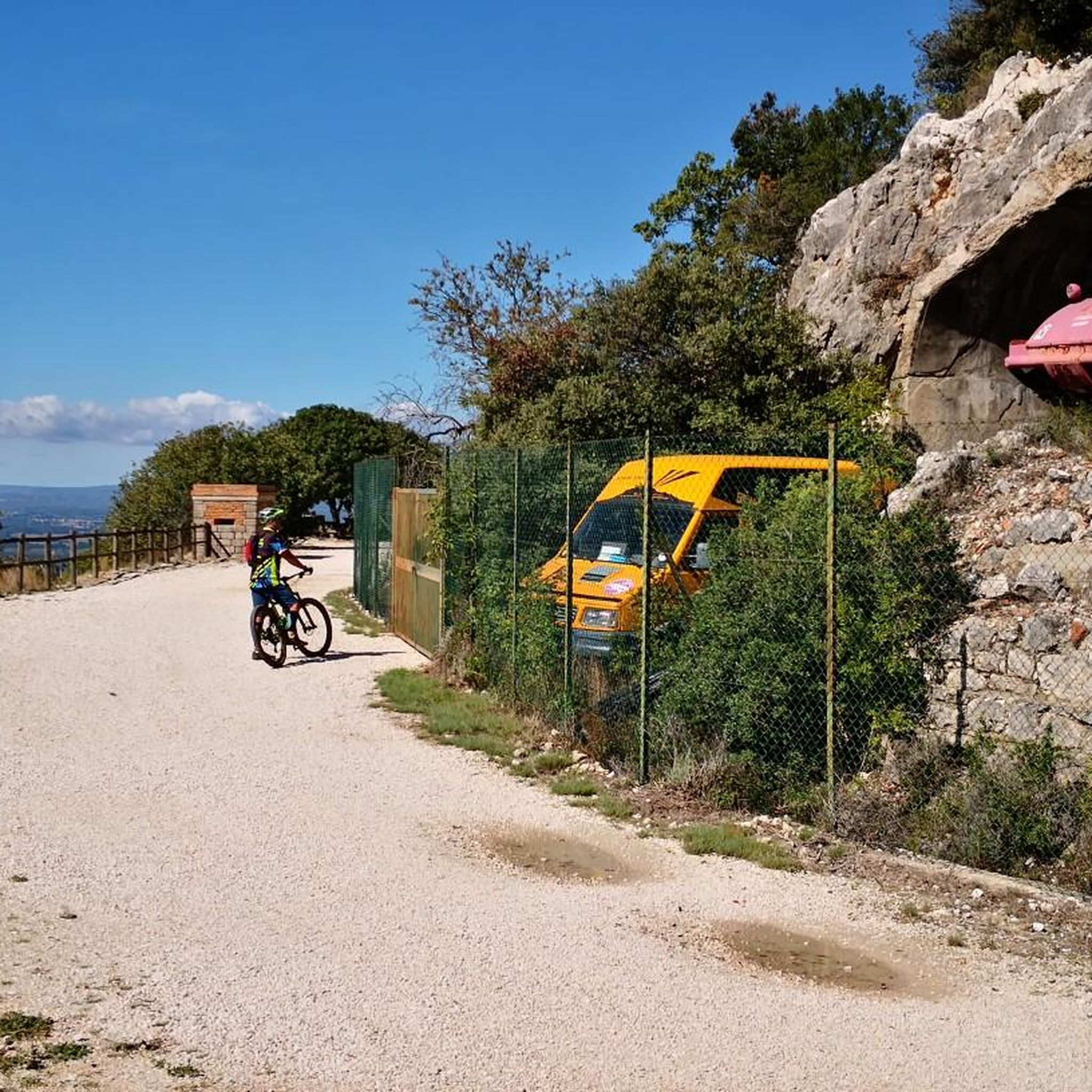
Busson Tower, also known as Morolo Castle, is an ancient ruined structure located near Rignano Flaminio, in the province of Rome, in an area of great environmental value in the Roman countryside. It is a fascinating medieval site, often shrouded in mystery, overlooking a secluded valley and offering inspiration for historical and naturalistic excursions. The tower likely dates back to the 10th century, first mentioned in a diploma of Emperor Otto III in 996, where a place called "Mauroro" is mentioned. Over the centuries, the castle passed under the control of various noble families: from the Savellis in the Middle Ages, to the Tascas (1449), Mutis (1573), Scapuccis (1591), until Marcantonio Borghese, who purchased it in 1611, along with the territory of Rignano. Reduced to a farmhouse over time, it was the subject of archaeological investigations in the 1960s, which revealed layers of medieval and Renaissance collapse, an underground cistern, brick floors with gutters (perhaps part of a residential building), and a necropolis with east-west oriented burials, dating between the late Roman period and the 5th century AD. Near the tombs, a small structure emerged, interpreted as a funerary chapel, perhaps connected to the "cella S. Stefani" mentioned in monastic documents from 996.
0
0

A lovely little place. If you're nearby, it's worth a stop.
0
0
"On a narrow tuff saddle stands the fortified village, inhabited already in pre-Roman times and reoccupied in the Middle Ages during the barbarian invasions, then abandoned in the modern era because it is far from important communication routes. Its ruins, represented by the tower, the church, from the walls and doors and from the rock dwellings, they emerge from the vegetation and the tuff cliffs in an imposing way, giving this place a mysterious character".
0
1
"Following the repeated barbarian invasions first, and of the Saracens afterwards, Selci was founded, which takes its name from the nearby Roman road which was, in fact, paved with large flint paving stones. Therefore, following the destruction of Forum Novum , the population, seeking refuge, built the village at the top of a hill. Consequently, the town was fortified with walls and, subsequently, this simple urban agglomeration was transformed into a castrum. From a castle, Selci became a municipality and, when the Church of Rome expanded its possessions, the inhabitants of Selci also swore their subjection to the pope. Today, its surrounding walls and the mighty tower which develops with a square plan and which still dominates Selci are, almost certainly, the ancient vestiges depicting the first fortification of the ancient Silicij castrum. Once past the urban gate, you enter its historic centre, where you can admire the Church dedicated to the Holy Savior and, on the left side, the tourist's view will be attracted by a small square with a tower. Even if combined with late constructions, you can still admire the old walls that defended the entire town". https://www.scoprilasabina.it/cosa-vedere/selci/
0
0

Beautiful village above the Tiber
1
0

Excellent place for a quiet break before leaving again
0
0

The Orsini di Fiano Romano ducal castle was built between 1489 and 1493 on commission of Niccolò III Orsini, count of Pitigliano, Sovana and Nola. The Castle took on the name of Castello ducale only in the seventeenth century, when the fief of Fiano passed from the Orsini family to Caterina de 'Nobili. It was in fact the son of Caterina de 'Nobili, Cardinal Francesco Sforza, who after receiving the fiefdom as a gift from his mother in 1606 had Fiano built as a duchy with a bull of Pope Paul V of 18 July 1608.
2
0

Ruins of an ancient castle within easy reach
0
0
Frequently Asked Questions
What kind of historical experiences do the castles around Sant'Oreste offer?
The castles in the Sant'Oreste region provide a deep dive into centuries of history. For instance, the Castle of Nazzano dates back to the thirteenth century and offers insights into monastic ownership. The Orsini Ducal Castle in Fiano Romano showcases the transition from noble stronghold to a ducal seat, built between 1489 and 1493. You can also explore the ancient Torre Busson (Morolo Castle), a 10th-century ruin with archaeological findings like an underground cistern and a necropolis.
Are there family-friendly castles to visit near Sant'Oreste?
Yes, the Castel Fogliano Ruins are noted as family-friendly and are easily accessible. These ancient ruins, with their tower, church, walls, and rock dwellings, offer a mysterious and engaging experience for all ages.
What natural features or viewpoints can I expect to see near these castles?
Many castles in the region offer stunning views and are set amidst beautiful natural landscapes. The Castle of Nazzano, for example, features two imposing towers that provide panoramic views over the Tiber Valley. The Torre Busson (Morolo Castle) overlooks a secluded valley, offering inspiration for naturalistic excursions in an area of great environmental value.
What outdoor activities can I do near the castles around Sant'Oreste?
The area around Sant'Oreste is excellent for outdoor activities. You can find numerous hiking trails, such as the 'From Sant'Oreste to Monte Soratte – ring tour' or the 'Ring of the Hermitages of Monte Soratte'. For more options, explore the hiking guide for Sant'Oreste. Cyclists can enjoy routes like the 'Nazzano and the Castle loop from Stimigliano' or explore the cycling guide for Sant'Oreste. There are also gravel biking opportunities, including routes through the Tevere-Farfa Nature Reserve, detailed in the gravel biking guide.
What is unique about the access to Nazzano Castle?
The Castle of Nazzano is distinctive for its accessibility via a single road that winds its way through the town. This feature makes it quite original among the castles of Lazio, adding to its charm and historical character.
Are there any castles with a strong local legend or mystique?
While not directly in Sant'Oreste, the Castle of Sant'Adiutore in Pineta La Serra, in the broader region, is rich in local legends. It's believed to have been built between the 8th and 10th centuries, with tales of an old witch appearing in a cistern and a secret underground passage. You can learn more about its history and legends on visitacava.it.
What can I expect to see at the Historic Center of Selci Sabino?
The Historic Center of Selci Sabino is a fortified village that grew from a Roman road. You can admire its ancient walls and a mighty square tower, which are vestiges of its first fortification. Inside, you'll find the Church dedicated to the Holy Savior and charming small squares.
What is the best time of year to visit the castles around Sant'Oreste?
The spring and autumn months generally offer the most pleasant weather for exploring the castles and their surroundings. Temperatures are mild, making it comfortable for walking and enjoying the panoramic views. Summer can be hot, while winter might be cooler but offers a different, often quieter, experience.
What do visitors enjoy most about the castles in this region?
Visitors often appreciate the rich history and the sense of stepping back in time that these castles provide. The Castle of Nazzano is noted for being a 'beautiful village above the Tiber' and an 'excellent place for a quiet break'. The Orsini Ducal Castle is described as 'a lovely little place' worth a stop if you're nearby, highlighting the charm and historical significance of these sites.
Are there any castles that are particularly well-preserved or restored?
The Orsini Ducal Castle in Fiano Romano, having been commissioned in the late 15th century and later becoming a ducal seat, has undergone significant transformations reflecting its evolving importance. While the Castle of Nazzano has been continuously owned by a monastic brotherhood and later by CESMIL, suggesting ongoing care for its historical structure.
Most popular routes around Sant'Oreste
Most popular attractions around Sant'Oreste

Get inspired with the komoot mobile app


Explore more
Looking for the best castles somewhere else? Discover other guides around Sant'Oreste:
