Top 4 Castles in Haut-Languedoc
Best castles in Haut-Languedoc are often steeped in Cathar history, offering insights into medieval military architecture. The region features diverse landscapes, from rocky ridges to valleys, providing strategic locations for these ancient fortresses. Many castles are found within natural parks, showcasing both historical significance and natural beauty. This area provides a rich historical and scenic experience for visitors.
Best castles in Haut-Languedoc
- The most popular castles is Lunas, a settlement that has been classified as a green station. It…
Last updated: October 4, 2026
Lunas
Highlight • Settlement
Translated by Google •
Tip by

Boussagues Medieval Village
Highlight • Historical Site
Translated by Google •
Tip by

Sign up now to discover places like this
Get recommendations on the best single tracks, peaks, & plenty of other exciting outdoor places.
Château de Dio
Highlight • Castle
Translated by Google •
Tip by

Château de Sauveterre
Highlight • Castle
Translated by Google •
Tip by
Start today with a free account
Your next adventure awaits.
Popular around Haut-Languedoc
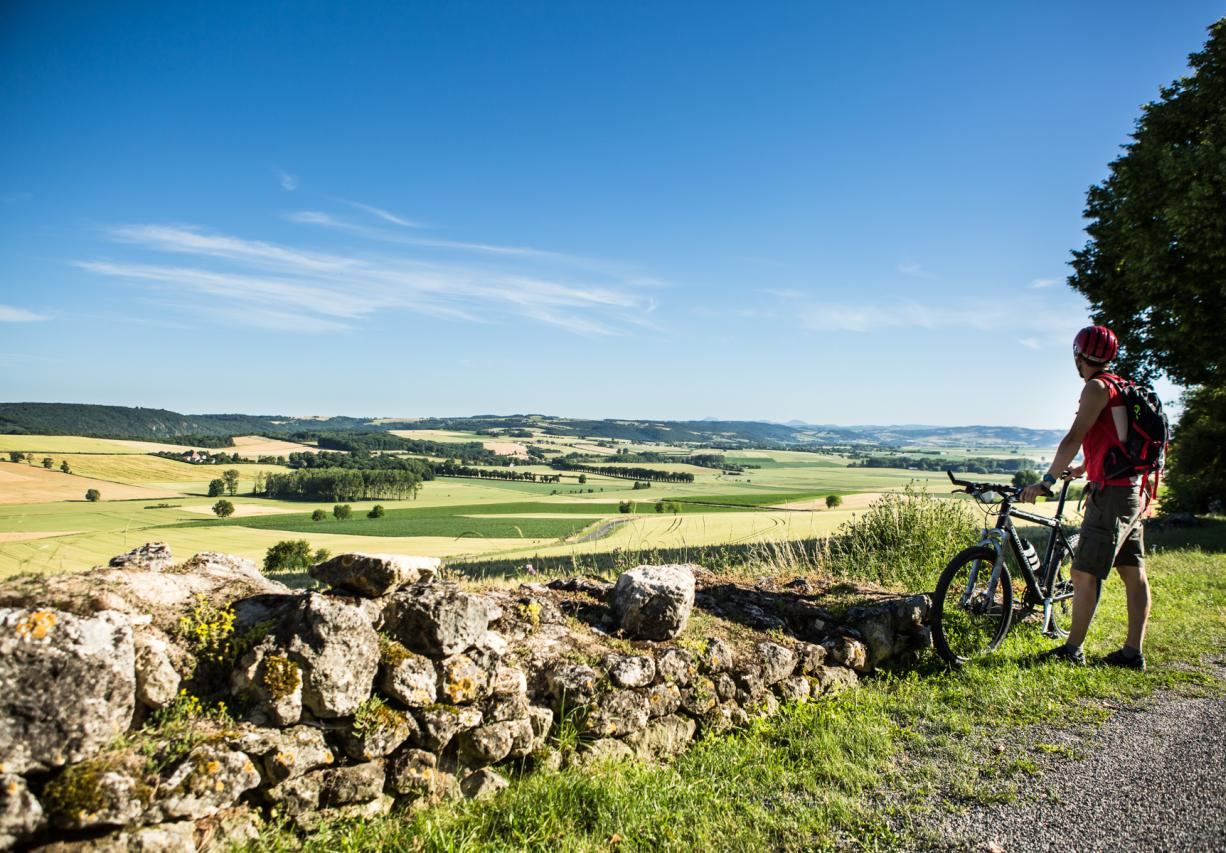
The Grande traversée du Massif Central by gravel bike
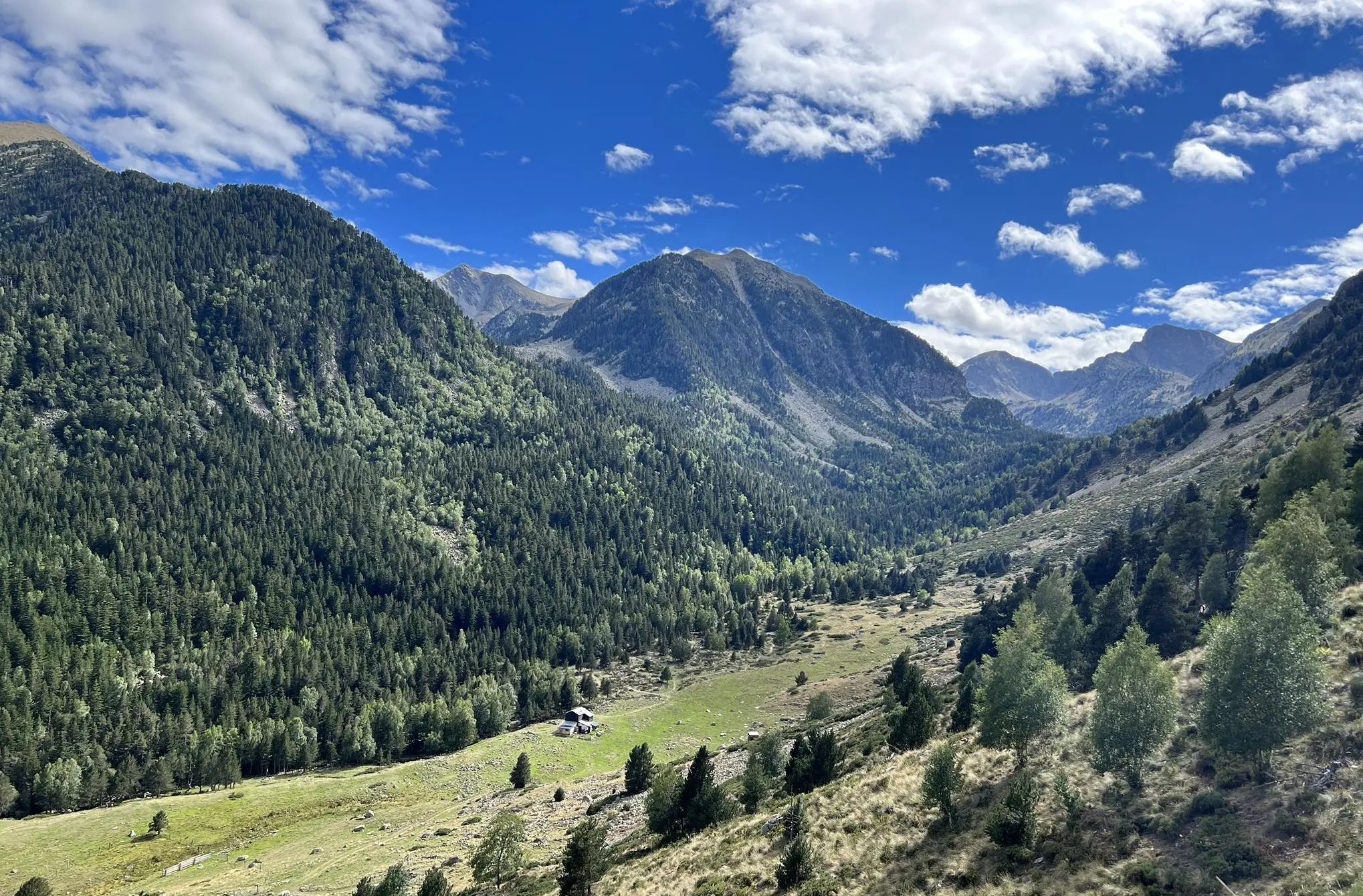
GR 36 long-distance footpath – Cross France from the Channel to the Pyrenees
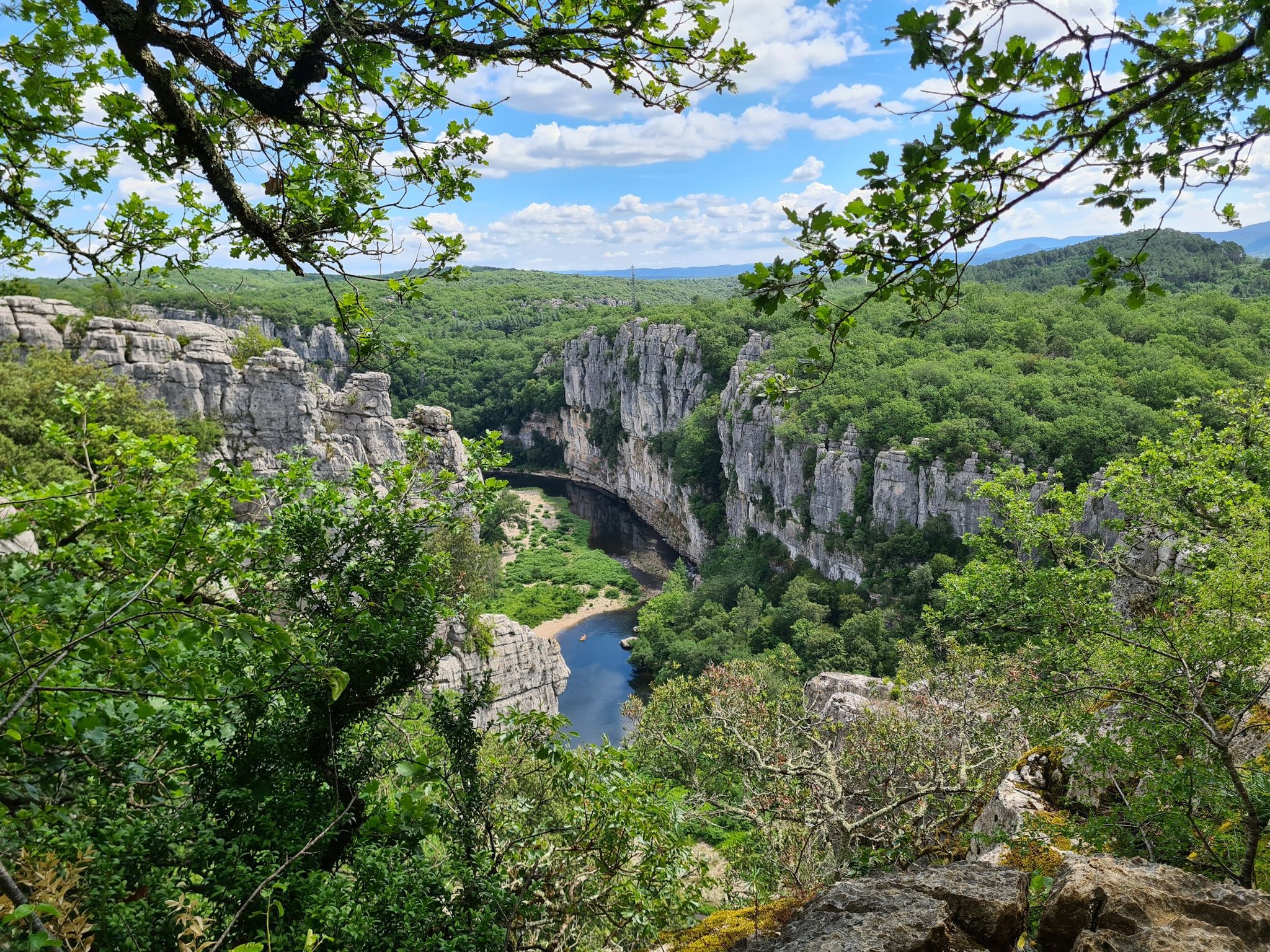
Hexatrek – The Cévennes to the Pyrenees between gorges and limestone plateau
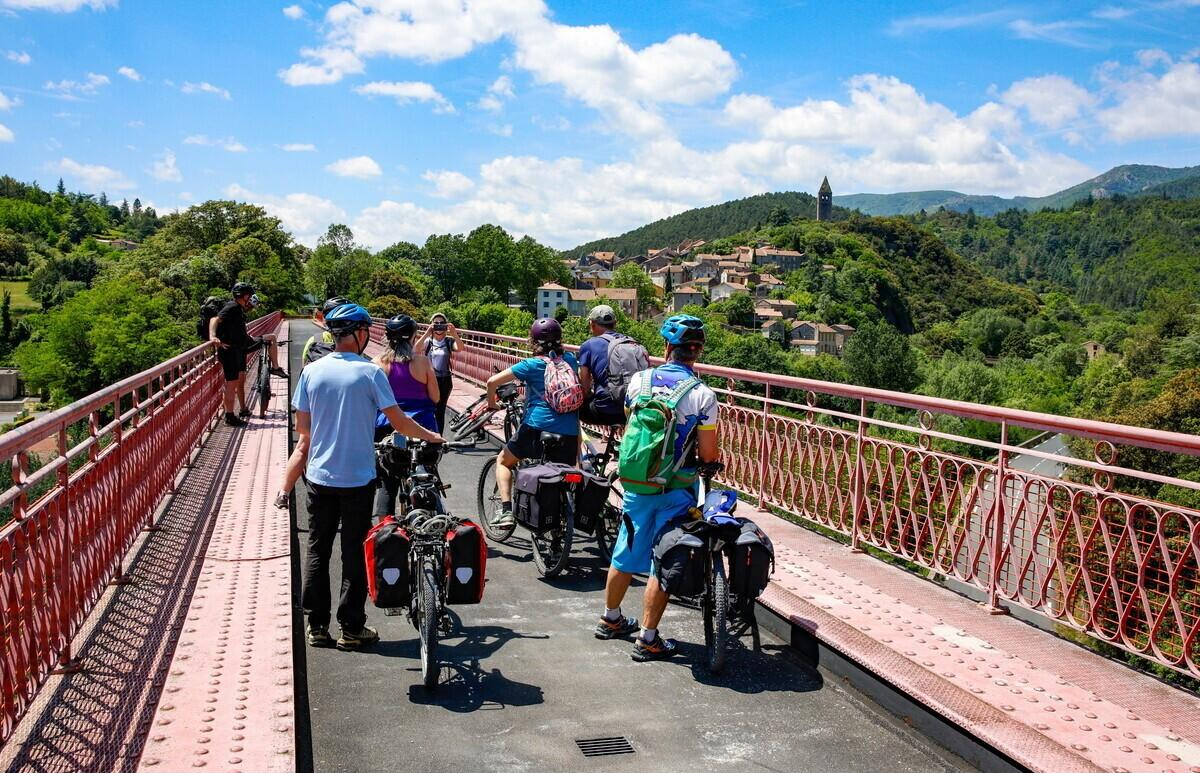
Loops between Toulouse and Mazamet – the special liO bike train
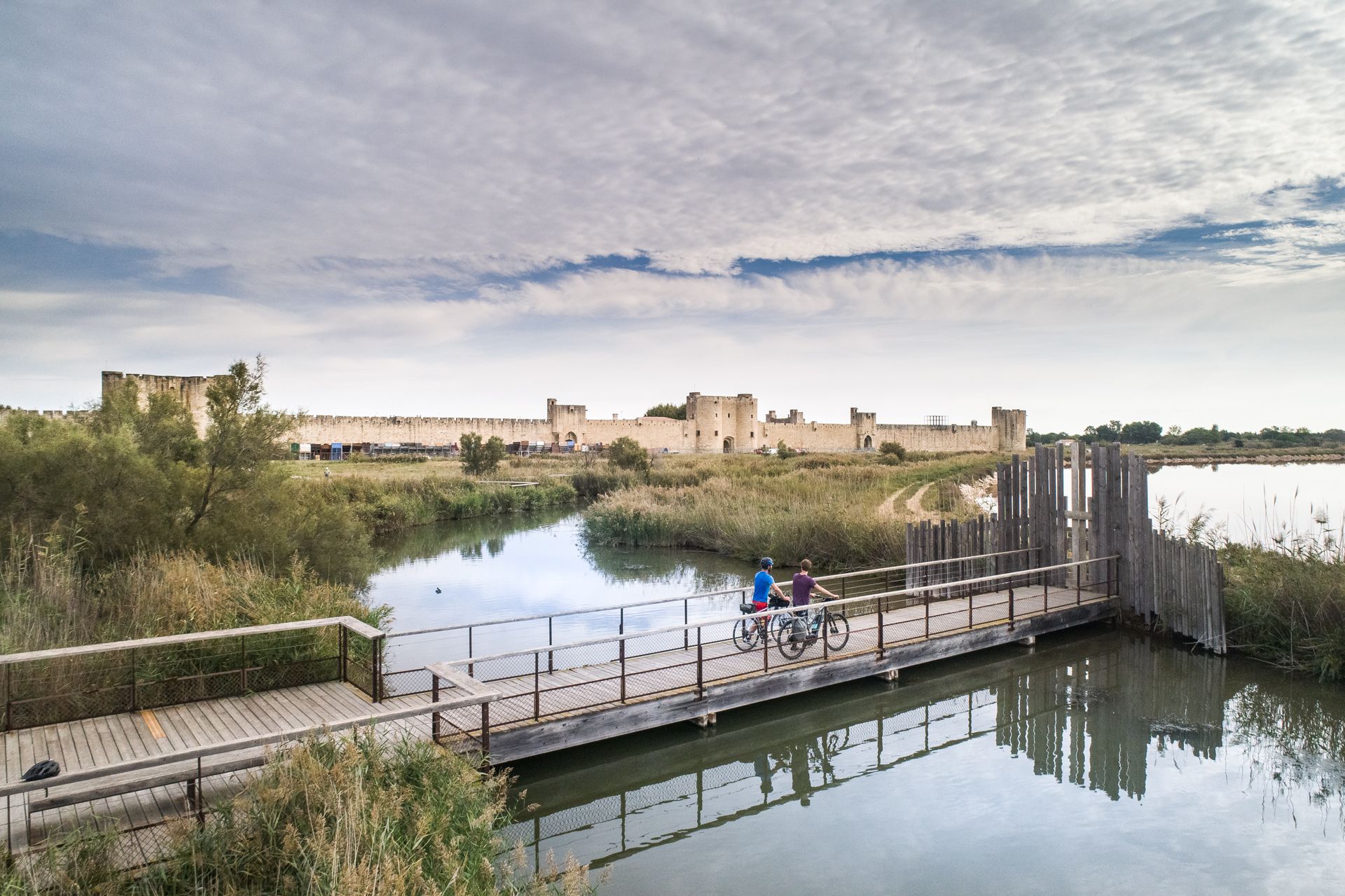
The most beautiful bike rides in Occitanie
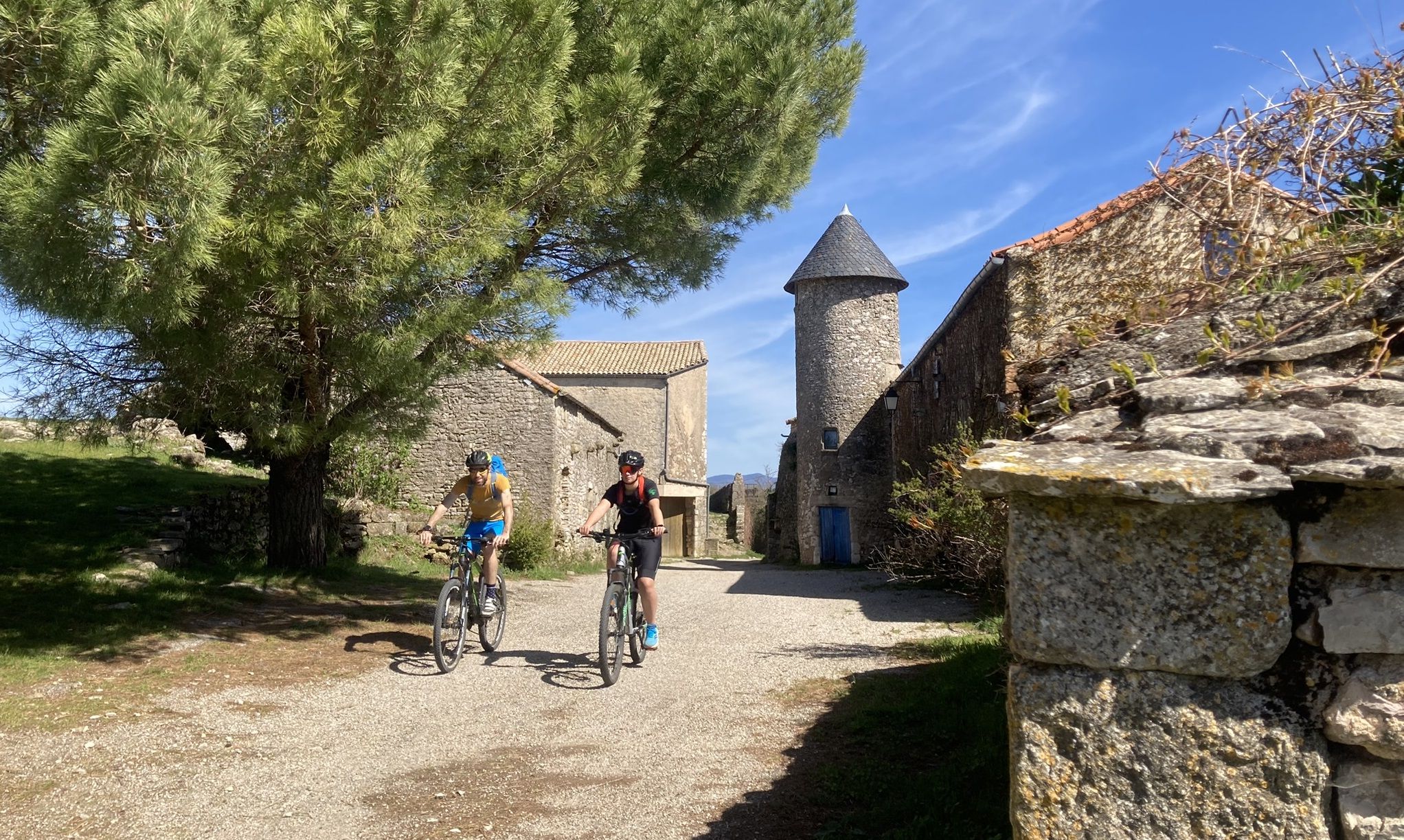
Grande Traversée de l'Hérault — Passa Meridia (North)
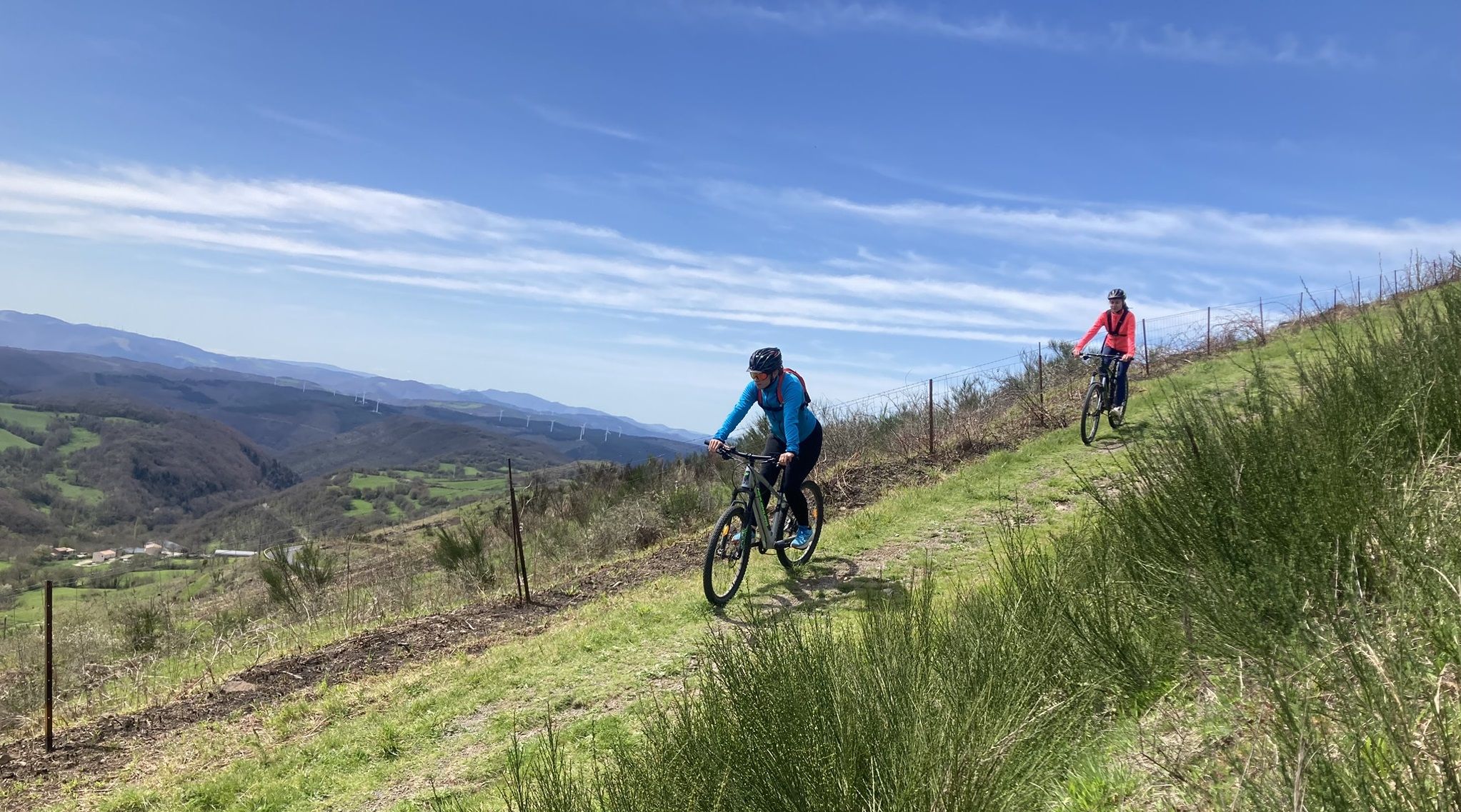
Grande Traversée de l'Hérault — Passa Meridia (South)
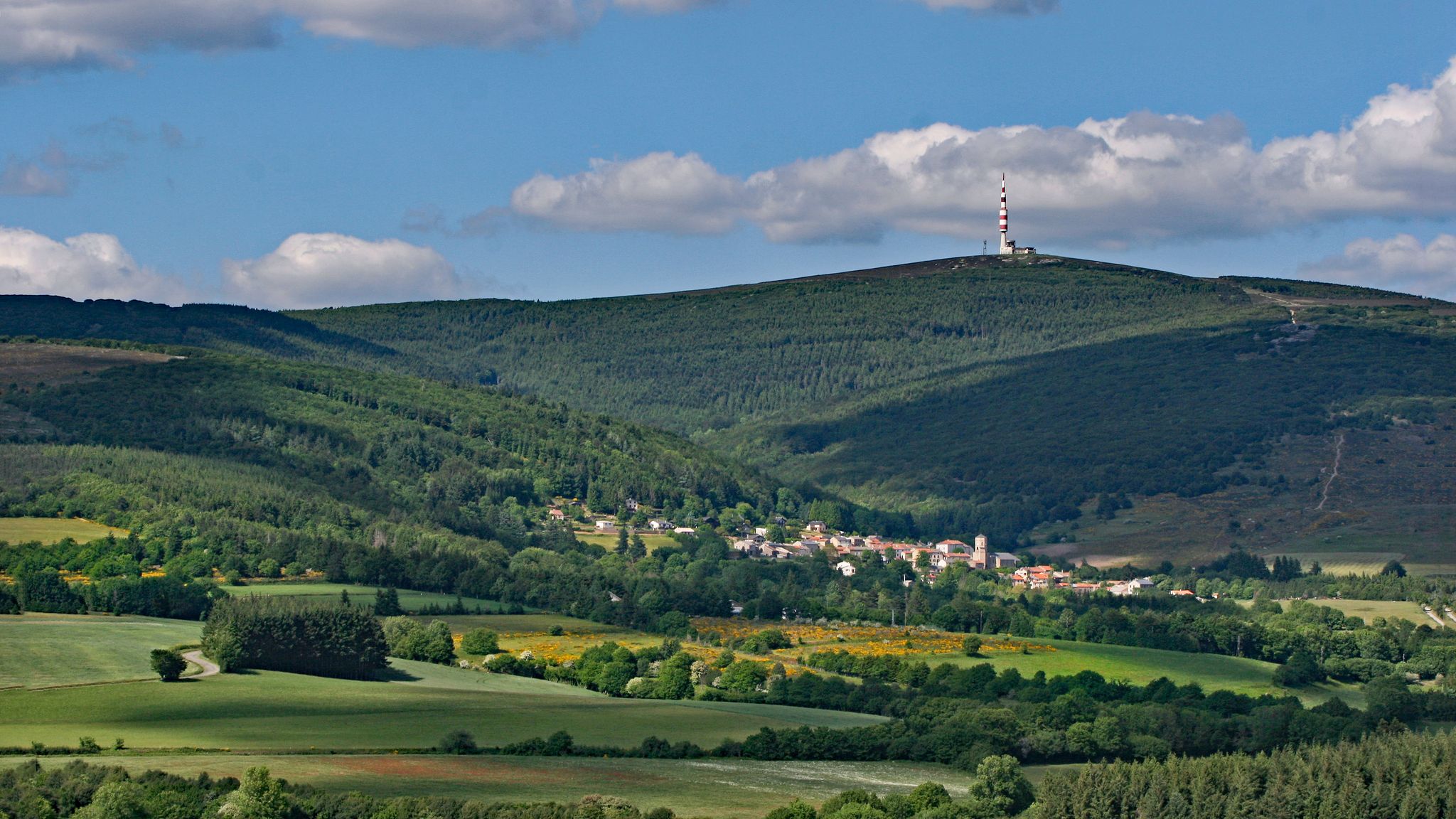
Béziers in loop - The Haut-Languedoc
On the way to Compostela – Via Tolosana (Arles Way)
Under the sun of the Midi — La Véloccitanie
Other adventures in Haut-Languedoc


Tips from the Community

A charming village nestled at the confluence of the Gravezon, the Nize and the Dourdou! The history of Lunas dates back to the Roman road that linked the lower Languedoc to Rouergue. Surely succeeding a Gallo-Roman oppidium, the Lunarenses castrum is mentioned as early as 806 in a charter of the Gélone abbey (that of Saint-Guilhem-le-Désert). The town is dominated by the Redondel rock, an ancient fortified castle belonging to the baron of Faugères, Viscount of Béziers. Razed in 1627, it was rebuilt on the banks of the Gravezon in 1641 by Henry de Narbonne. A true summary of the history of Languedoc, and a very pleasant cultural, refreshing and gastronomic stopover… A small detour to enjoy the leisure center of Prades, and a break on the site of the Saint-Georges chapel are essential in Lunas
2
0

A village quite representative of Languedoc
1
0

Boussagues is an enchanting medieval village, which seduces with its well-preserved historical heritage. Nestled in a bucolic setting, you can stroll through cobbled streets, among stone houses and the remains of fortifications.
0
0

Cute little town with train connections and beautiful climbs in all directions
0
0

This picturesque little village has been classified as a green station. We find traces of its existence until 909. Four hamlets were located below the castle which was destroyed during the wars of religion. Rebuilt in the center of the village, it is still inhabited. Lunas is located on one of the routes to Santiago de Compostela. It also has the particularity of having a railway station.
2
0

very beautiful 12th century castle. It is possible to access it from the Passa païs greenway via a small bridge over the Thoré. More information about the castle: https://fr.m.wikipedia.org/wiki/Ch%C3%A2teau_de_Sauveterre
0
0
The village of Boussagues is worth the detour, especially since the roads leading to it are not very busy. Solidly set back from the valley of the Orb, this fortified medieval city is no more than a small village dozing under the weight of its past, to which its old walls, its medieval buildings and other vestiges still bear witness, signs of a distant power and a long history. Boussagues has two 12th century castles, a Renaissance manor, and two churches. Inside, ramparts, many typical alleys and pediments of buildings relate the past grandeur of the place. In particular, the Bailli's house which belonged to the famous painter Henri de Toulouse Lautrec. The city of Boussagues appeared in 1117 in the foothills of the Cévennes, which protected it from the Greeks and the Tramontane. Significant mining resources (silver then coal), easy-to-work building materials, water, wood, hillsides allowed continuous growth until the middle of the 14th century. Boussagues thus counted up to 1,500 souls at its peak. The city had all the civil, religious and military organization of the Middle Ages: lords, consuls, workers, notaries, hospital, bailiff, garrison, etc., allowing it to administer the entire Upper Orb Valley. Having lost almost two thirds of its population after the great plague of 1348, it seemed to recover with more than 1000 inhabitants in 1364, but it then declined slowly to only have around 400 souls during the Revolution. Boussagues ended up losing its status as chief town of the canton in 1884 to become just a simple hamlet in the commune of La Tour sur Orb. One of the stones embedded in the walls of the church (I haven't seen it, but maybe you can find it?) bears the following epitaph which seems to be that of the village: "O man, what are you looking at ? What I was, you are, what I am, you will be.
0
0

This 11th and 14th century castle, somewhat isolated, is a medieval stronghold. It is classified as a historic monument and has benefited from several restorations in recent years.
3
0
Frequently Asked Questions
What are some prominent castles to visit in the Haut-Languedoc region?
The Haut-Languedoc region offers a diverse range of castles. Highly regarded Cathar fortresses include Lunas, a picturesque village with a rebuilt castle, and Boussagues Medieval Village, featuring two 12th-century castles and a Renaissance manor. Other notable sites are Château de Dio, an 11th and 14th-century stronghold, and the private Château de Sauveterre. Beyond these, the region is rich with historical sites like Château de Peyrepertuse, Château de Quéribus, Château de Villerouge-Termenès, Château de Montségur, and Les Quatre Châteaux de Lastours, each offering unique historical and architectural insights.
Are there castles in Haut-Languedoc with significant Cathar history?
Yes, many castles in Haut-Languedoc are deeply steeped in Cathar history. Château de Peyrepertuse and Château de Quéribus are considered some of the most impressive Cathar fortresses, serving as key defensive strongholds. Château de Villerouge-Termenès played a significant role during the Cathar period, including the execution of the last known Cathar 'Perfect.' Château de Montségur is a powerful symbol of Cathar resistance, known for its brutal siege. These sites offer a tangible connection to this fascinating and often tragic period of history.
Which castles offer the best panoramic views in Haut-Languedoc?
For breathtaking panoramic views, Château de Peyrepertuse and Château de Quéribus are exceptional. Peyrepertuse, perched at 800 meters, offers expansive views of the Corbières mountains, limestone cliffs, and even the Mediterranean Sea. Quéribus, the 'Citadel of Vertigo,' provides 360-degree vistas of the Corbières and Fenouillèdes landscapes, stretching to the Mediterranean and the Pyrenees from its tower terrace. Château de Montségur also boasts stunning views of the Pyrenees from its high rocky peak.
Are there family-friendly castles or activities for children in Haut-Languedoc?
Many castles in Haut-Languedoc offer engaging experiences for families. Lunas is classified as a green station and is a picturesque village suitable for a family stroll. Château de Peyrepertuse hosts the largest medieval festival in the South of France every August, featuring combat demonstrations, falconry, and music, which is very popular with children. Exploring the extensive ruins and defensive structures of castles like Peyrepertuse and Quéribus can also be an adventurous and educational experience for younger visitors.
What kind of outdoor activities can I do near the castles in Haut-Languedoc?
The Haut-Languedoc region, with its natural parks and varied terrain, offers numerous outdoor activities near its castles. You can find excellent opportunities for hiking, running, and even mountaineering. For hiking, consider routes like the 'Caroux and Héric Gorges Loop' or 'Les Gorges de Colombières'. Running enthusiasts might enjoy the 'Tour du lac des Cammazes' or the 'Haut Languedoc and Vineyards Regional Trail'. For more challenging mountain hikes, options like the 'Gîte d'étape de La Fage loop' are available. You can find more details on these activities in the Hiking in Haut-Languedoc, Running Trails in Haut-Languedoc, and Mountain Hikes in Haut-Languedoc guides.
Are there specific hiking trails near these castles?
Yes, several castles are integrated into or are near hiking routes. The 'From Joncels to Dio on the GR®P Entre 2 Lacs Avène - Salagou' trail passes by Château de Dio and the village of Lunas, offering beautiful views of the Orb valley. Many castles, especially the Cathar ones like Peyrepertuse and Quéribus, require a hike to reach them, rewarding visitors with stunning landscapes. For more detailed hiking options, explore the Hiking in Haut-Languedoc guide.
What is the best time of year to visit the castles in Haut-Languedoc?
The best time to visit the castles in Haut-Languedoc is generally during the spring (April to June) and autumn (September to October). During these seasons, the weather is pleasant for exploring, with milder temperatures and fewer crowds than in the peak summer months. Summer (July and August) can be very hot, especially for castles requiring a climb, but it's also when events like the medieval festival at Château de Peyrepertuse take place. Winter visits are possible, but some facilities might have reduced hours, and weather can be unpredictable.
Are there any unique experiences or events at Haut-Languedoc castles?
Yes, the region offers unique experiences. Château de Peyrepertuse hosts the largest medieval festival in the South of France every August, featuring combat demonstrations, falconry, and music. Château de Villerouge-Termenès uniquely houses a 'Medieval Rotisserie' restaurant offering 14th-century cuisine, allowing visitors to dine like medieval lords. Les Quatre Châteaux de Lastours also offer guided tours of vineyards and wine cellars with wine tastings, combining history with local gastronomy.
How accessible are the castles in Haut-Languedoc, particularly for those with mobility concerns?
Accessibility varies significantly among the castles. Many of the dramatic Cathar fortresses, like Château de Peyrepertuse, Château de Quéribus, and Château de Montségur, are perched on rocky peaks or ridges and require a challenging climb, making them less accessible for those with mobility concerns. Château de Villerouge-Termenès, located at the base of a valley, is generally easier to visit. For specific accessibility information, it's always best to check the individual castle's official website before planning your visit.
Where can I find food and accommodation near the castles?
Many villages and towns near the castles offer cafes, restaurants, and accommodation. For example, Lunas is a picturesque village with amenities. The village of Dio, nestled under the imposing Château de Dio, also provides local options. Larger towns in the Haut-Languedoc region will have a wider selection of dining and lodging. Château de Villerouge-Termenès even has its own 'Medieval Rotisserie' restaurant on-site.
Are there any lesser-known or 'hidden gem' castles worth exploring?
While not explicitly a 'hidden gem,' Château de Sauveterre is a beautiful 12th-century private property that allows visits and often hosts fascinating painting exhibitions, offering a different kind of castle experience. Boussagues Medieval Village, with its well-preserved heritage and two 12th-century castles, might also feel like a discovery as it's less frequented than the major Cathar sites, yet rich in history.
Can I bring my dog to the castles or on nearby trails?
Policies regarding dogs vary by castle. While many outdoor areas and hiking trails in the Haut-Languedoc region are dog-friendly, some castle interiors or specific historical sites may not permit pets. It's advisable to check the specific rules for each castle you plan to visit. For nearby trails, dogs are generally welcome, often on a leash, especially in natural parks. Always ensure you clean up after your pet.
What are the parking facilities like at Haut-Languedoc castles?
Parking facilities vary depending on the castle's location and popularity. Major sites like Château de Peyrepertuse and Château de Quéribus typically have designated parking areas, though they can fill up during peak season. Castles located within villages, such as Lunas or Boussagues Medieval Village, usually have village parking nearby. For more remote castles, parking might be less formal. It's recommended to check specific castle websites for detailed parking information.
How long should I plan for a visit to a castle in Haut-Languedoc?
The duration of a visit can range from a couple of hours to a full day, depending on the castle and your interests. For extensive ruins like Château de Peyrepertuse or Château de Quéribus, which involve a climb and offer vast areas to explore, you might want to allocate 3-4 hours. A visit to a restored castle like Château de Villerouge-Termenès, especially with an audio or audiovisual tour and a meal at its restaurant, could easily take half a day. For smaller village castles or those combined with nearby hikes, plan accordingly based on the activities you wish to undertake.
Most popular routes in Haut-Languedoc
Most popular attractions in Haut-Languedoc

Get inspired with the komoot mobile app


